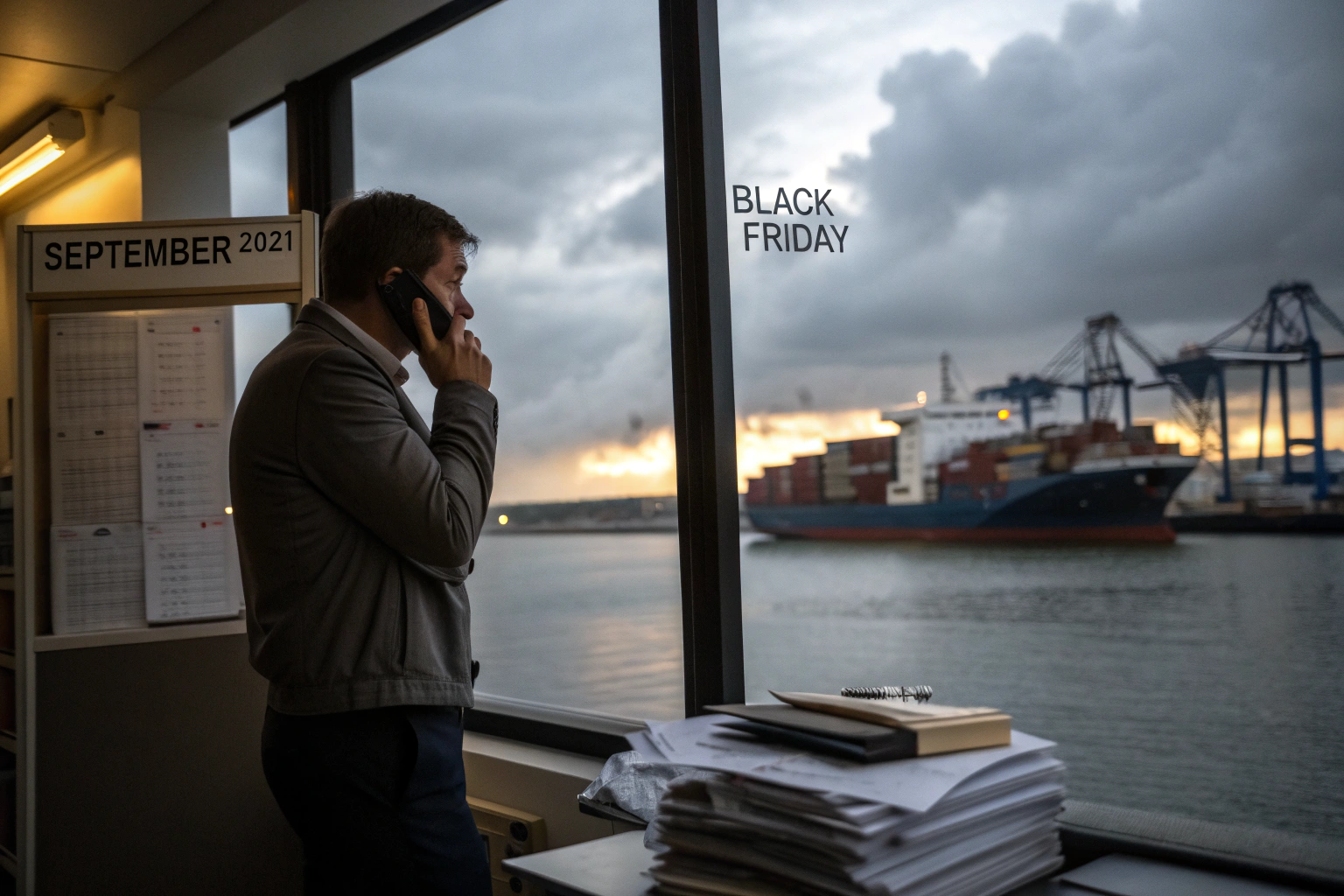
I still remember the panicked phone call I got from a buyer in Chicago back in September 2021. He was screaming—literally screaming—because his Black Friday inventory of custom sequined party dresses was stuck at the port of Long Beach. The ship was anchored for 23 days. He lost the entire season. That call keeps me up at night more than any production issue ever could. Because here’s the truth: you can perfect a fabric sample, nail the color matching, and still lose everything if the shipment doesn’t arrive on time. The fear of a delayed shipment isn’t just about logistics. It’s about missing a wedding season, a Christmas drop, or a trade show booth you already paid $20,000 for.
At Shanghai Fumao, we treat shipping delays as a manufacturing defect. Just like a tear in the weave or a shade mismatch, a late delivery is a quality failure. And just like any other defect, we have built systems to prevent it. We don’t just hand your fabric to a forwarder and pray. We integrate the entire logistics chain backward—starting from your delivery deadline and working all the way back to the greige fabric inspection. Over 20 years of shipping to 100-plus countries, we’ve learned that avoiding delays isn’t about magic. It’s about redundancy, pre-clearance, and choosing the right port in China. It’s about knowing that "the boat leaves on Friday" means the container needs to hit the terminal gate by Wednesday noon, not Thursday evening.
I’m going to walk you through exactly how we navigate this chaotic global shipping environment. This isn’t theoretical fluff. This is the actual playbook we use to keep our 98% on-time delivery rate, even through Red Sea diversions and holiday port congestion. I’ll show you how we select shipping ports, how we handle the nightmare of US Customs, and why a simple document error can cost you three weeks of demurrage charges. If you’ve ever refreshed a vessel tracking page with a sinking feeling in your stomach, this is for you.
Which China Shipping Ports Minimize Cargo Transit Time?
Most Western buyers don’t think about which Chinese port their fabric leaves from. They assume all ports are the same. That assumption is costing you weeks. I once had a buyer from a Midwestern American workwear brand insist on using a small port in Ningbo-Zhoushan’s old channel because a friend recommended it. The vessel skipped that terminal due to draft restrictions, and the container sat for 11 days waiting for the next feeder vessel. He missed his seasonal delivery window. The lesson? Port selection is a competitive advantage, not a random variable. You need to match your fabric type, container volume, and final destination with the right terminal infrastructure.
The smartest move right now is to prioritize Shanghai Yangshan Deep-Water Port or the new automated terminals in Ningbo-Zhoushan’s Jintang-Dapukuo area. These are deep-draft ports that can handle the new generation of ultra-large container vessels (ULCVs) without tidal delays. Shanghai Yangshan specifically processes over 40 million TEUs annually, and its automated terminals reduce the "final mile" truck-waiting time to the dock by about 30%. We base almost all of our US-bound FCL (Full Container Load) shipments here. The automation means your container doesn’t wait for a human crane operator to finish a lunch break. A robotic gantry grabs it, scans it, and loads it onto the truck chassis in a matter of minutes. That shaves days off the total transit clock.
But port selection is only the first layer. The real skill is in the documentation that gets your shipment out of the port without a customs officer putting a red flag on your goods. One wrong code can make that fast port completely irrelevant.

What customs documentation prevents inspection delays for textile U.S. imports?
Customs delays are almost always self-inflicted. In 2024, we had a batch of high-visibility safety orange polyester knits headed to a Florida client. The fabric was functionally finished with moisture-wicking and anti-static properties. Our shipping clerk initially listed the HS code under standard "synthetic fiber woven," but because the fabric had a specialized functional coating, it actually fell under a different classification. The U.S. Customs and Border Protection (CBP) data relies on algorithms that flag mismatches between fabric descriptions, HS codes, and material composition. If we had shipped with that wrong code, CBP’s system would have flagged the container for a manual examination, adding 7 to 14 days to the clearance.
The fix? We now require a binding HS code ruling for any fabric with functional finishes bound for the U.S. market. You can apply for this ruling through the CBP’s e-Ruling portal, and it legally binds the agency to that classification. This way, when [preparing CBP-compliant textile packing lists with correct HS codes for fabrics] enters your workflow, you are not guessing. We triple-check the fabric composition breakdown—every single percentage must be precise. If it’s 62% cotton, 33% poly, 5% spandex, do not round to 65/30/5 just because it looks cleaner. U.S. inspectors will test burn a sample. We’ve seen a whole container held up for a 3% margin of error.
How can importers benefit from China’s "Silk Road Keqiao" bonded warehouse system?
Most Western buyers don’t know this exists, but it’s a game-changer for inventory management. The "Silk Road Keqiao" initiative essentially creates a bonded warehouse zone right here in our textile district. This means your fabric can be stored, inspected, and even consolidated with other fabrics without triggering Chinese export duties or starting your import-declaration clock.
Here’s how a savvy British home textiles brand used this last year. They had three separate orders: one for linen union fabric, one for a digitally printed cotton sateen, and one for a specialty warp-knit velour. All had different finishing times. Instead of shipping three LCL (Less than Container Load) shipments, which have higher per-unit freight costs and a much higher risk of rollover in transit, we held the first two completed fabrics in the Bonded Zone for 18 days until the velour was finished. We then loaded a single FCL directly from the Bonded Yard to the vessel. They saved 22% on freight and eliminated the complexity of coordinating three separate customs entries in the UK. If you are [using bonded warehousing services in Keqiao to consolidate LCL textile shipments], you essentially gain free warehousing and radical logistics flexibility without the tax hit.
Even with the right documents, the physical risk to your cargo doesn’t end at the dock gate. You need to understand how pricing timelines and production schedules interact to either kill a shipment or save it.
How Do Pricing Timelines Impact Your Shipping Schedule?
Let me say something that might sound counterintuitive: the price you pay for fabric and the price you pay for freight are completely unrelated to the speed of delivery. Speed is a function of decision-making velocity, not cash. I see too many buyers, especially younger brand owners, waste two weeks haggling over a 5-cent difference on fabric. Those two weeks push their ship date from the quiet start of the month to the chaotic month-end blanking window, where carriers cancel sailings to manage capacity. The ship gets delayed by ten days, and suddenly the 5 cents you saved on fabric gets eaten up by a $3,500 air-freight emergency to catch up.
The real skill in supply chain management is treating lead time as a non-negotiable component of the total cost equation. At Shanghai Fumao, we push all our clients toward "cost-plus time" thinking. If an order ships on March 15th, it catches the pre-Easter calm at the port. If it delays to March 25th, it arrives during the holiday export surge, when terminals are gridlocked and last-mile trucking costs in LA spike by 40%. The fabric price might look the same on the proforma, but the landed cost is totally different. We track these micro-windows obsessively and actively advise clients when to lock in, because our 20-year logistics database shows these patterns repeating every single year.
But even with the best timing, you need to know what you’re actually moving. The physical package—the weight, the volume itself—is an engine that either drives your price down or pushes your shipment into "rolled cargo" status.

Why does fabric roll density affect freight class and vessel rollover risk?
Most fabric suppliers treat packaging as an afterthought. That is a critical mistake. Ocean carriers charge by volumetric weight or gross weight, whichever is higher. But there is a subtle, dangerous metric called "cargo density" that influences whether your container gets bumped from a vessel. Vessels have weight limits. A ship can carry 20,000 containers, but not if every container weighs 24 tons. If the vessel agent calculates that the total load exceeds the safe draft, they "roll" the heaviest, cheapest-paying containers to the next ship.
We learned this lesson with a heavy cotton denim shipment in 2023. A classic 12oz denim roll, if rolled loosely, can weigh 30 kilograms but take up 0.04 cubic meters. If you roll it tight and compress it, you can drop that volume by nearly 15%. This doesn’t just save space; it shifts the cargo density profile of the whole container. A 40-foot container with tightly rolled, high-density denim might average a clean 18 tons, whereas a loose pack might balloon to an awkward 22 tons. For [optimizing fabric roll compression for heavy cotton denim export container loading], we use a pneumatic press to roll the fabric onto a tight tube. This single step has saved multiple US workwear clients from rollovers during peak sailings.
When should you lock in spot rates versus signing annual freight contracts for textile cargo?
The freight market is a wild beast. In the pandemic years, spot rates hit $20,000 for a 40-foot container. Now they’ve normalized, but volatility is the new normal, especially with Red Sea diversions adding two weeks to Asia-Europe routes.
For predictable, high-volume basics—say, 50,000 meters per month of greige cotton poplin—a long-term contract with a top-tier carrier creates visibility. The carrier guarantees space and equipment. You pay slightly more than rock-bottom spot, but you never get rolled. This is what the big fast-fashion players do. For smaller, seasonal fashion fabrics like coated jacquards, you might find a better deal timing the spot market. However, my rule is this: if your fabric is custom-made and completely useless to anyone else, sign a contract. You cannot afford to miss the delivery window. If your fabric is a generic stock service, you can gamble on the spot market. A practical approach to [comparing long-term ocean freight contracts versus spot rates for importing fabric from Asia] recognizes that the value of the cargo, not just the freight cost, determines your risk budget.
Of course, all this planning means nothing if the container itself fails or the cargo sweats. One small shift in humidity inside the box can destroy the products inside.
What Are the Best Practices for Safe Container Loading of Textiles?
I’ve seen a buyer weep. Not just cry—actually weep—opening a container door in Manchester, UK, to find a shipment of £75,000 worth of high-end brushed mohair coating fabric covered in mold spores. The container wasn’t dropped. The vessel didn’t sink. The cargo just sweated. It’s called "container rain," and it’s a simple physics problem. When a container leaves a hot, humid port like Shanghai and sails through cold ocean currents, the temperature drops inside the steel box. The moisture in the air condenses on the cold ceiling and rains down onto your fabric. It ruins wool, it discolors silk, and it leaves permanent water stains on viscose.
At Shanghai Fumao, we control this by treating the container like a sealed climate chamber, not just a metal box. We don’t just throw in a tiny silica gel packet and hope for the best. We calculate the exact amount of calcium chloride desiccant needed based on the voyage duration, the fabric’s moisture regain rating, and the seasonal route. For a 40-foot container of Tencel bedding crossing the equator, we might install 14 kilograms of industrial-strength container desiccants mounted on the walls and floor. We also make sure the fabric is bagged inside poly-wrap only after it has cooled down from the heat-setting process. Bagging a hot roll is asking for a tropical storm inside the plastic.
But even if the atmosphere is perfect, you can still destroy the fabric structurally if you just chuck it in the box. The way you stack and balance the rolls dictates whether they arrive as pristine cylinders or as squashed oval pancakes.

How does "floating loading" prevent crease damage on high-end jacquard rolls?
Jacquard fabrics are three-dimensional. That beautiful woven relief pattern is structural. If you stack heavy rolls on top of a jacquard roll in a container, the pressure flattens the weave permanently. You can’t steam it out. It’s dead fabric. The solution is a method called "floating loading."
We basically create a false floor or suspended platform using pallet racking beams inside the container. The jacquard rolls sit on their own shelf without bearing the weight of the floor above them. A high-end Italian furniture fabric client flew to Keqiao specifically to inspect our loading procedure after losing a batch with a previous supplier. We showed them the floating load frame. The jacquard pattern relief was untouched upon arrival. When searching for [specialized floating loading methods for exporting delicate jacquard upholstery fabrics], you need to ask the logistics team if they use tiered racking inside the container, not just floor stacking. The additional cost—maybe $150 per container—is trivial compared to a 100% loss.
What desiccant types and quantities actually prevent mold on long-haul sea shipments?
Choosing the right desiccant is chemistry, not guesswork. Silica gel is cheap, but it absorbs only 40% of its weight in moisture. Calcium chloride absorbs 300% of its weight and turns the water into a gel that won’t leak back out. For a standard Trans-Pacific crossing from Shanghai to Los Angeles, we use a minimum of 1 kilogram of calcium chloride desiccant per cubic meter of container air space.
But there’s a trick: we also use an indicator card placed right at the back, near the doors, so the person opening the container can immediately see the humidity exposure. If you’re [selecting the correct calcium chloride desiccant amounts for container maritime shipping of wool textiles], remember that wool can hold up to 30% of its weight in water without feeling wet to the touch. That means you need extra drying power just to pull the natural moisture out of the fiber itself as the temperature drops. We often double the dosage for wool and cashmere.
Even with a perfectly loaded container, the total elapsed hours are what determine whether you hit the store shelf or not. There is a hidden period of "dead time" that happens after the fabric leaves the factory floor but before it hits customs.
How to Track Your Fabric Order from Loom to Final Delivery?
There’s a period of time I call the "Void." It starts when your container leaves our loading dock and ends when it clears customs in your country. During this time, most suppliers go silent. You email them, and they shrug and say, "It’s on the water." That silence is terrifying, and it’s completely unnecessary. You’re sitting there planning a product launch, hiring models for a photoshoot, paying for a pop-up store deposit, and your entire inventory is inside a steel box somewhere in the South China Sea. That uncertainty is the real enemy of a smooth business.
At Shanghai Fumao, we bridge the Void with a QR-enabled visibility system that starts before the loom even starts weaving. Every roll of fabric gets a unique QR code printed on the label. You scan that code with your phone, and you see not just the ship’s position, but the origin data: the exact machine that wove it, the tension parameters, the dye lot number, and the lab pass certificate. This is the future of sourcing—not just trusting a supplier’s word, but having portable, verifiable evidence that your fabric meets spec. We’ve found that this single piece of technology eliminates about 80% of the anxious mid-production emails we used to receive, because the client already knows the status.
But tracking isn’t just a digital dashboard. It’s a set of predictable checkpoint times that you can schedule your own business around. If you know a container hits the rail ramp in Chicago on a Wednesday, you can schedule your local trucker for Thursday, not "sometime next week."

What shipping milestones should you realistically monitor for a Keqiao to U.S. route?
You don’t need to track ten milestones. You need four critical ones. First, "Container Gated In" at Yangshan Port. This confirms the box has physically entered the terminal and is waiting for the vessel. A deadline missed here means a 7-day delay immediately. Second, "Vessel Departure." Do not just trust the schedule; check the vessel’s AIS signal on a site like MarineTraffic or VesselFinder. Third, "Last Free Day" at the U.S. terminal. You get a limited number of free days before detention and demurrage fees start, which can hit $150 a day. Fourth, "Customs Released." This is the green light for the trucker to pick it up.
For a [detailed timeline of critical logistics milestones for Keqiao fabric exports to the USA West Coast], schedule your warehouse staff and your freight forwarder based on these steps, not a blanket "ETA." Knowing the difference between estimated and actual clearance is how you avoid a surprise bill for hundreds of dollars in storage fees.
How can a supplier’s "live inventory access" prevent pre-shipment production bottlenecks?
One of the worst-kept secrets in China is that some factories take on more orders than they can handle, hoping some will cancel. When they all materialize, the factory hits a "bottleneck," and they start lying about the production status. They tell you "it’s nearly done" when the greige fabric hasn’t even arrived at the dyeing plant.
Our "live inventory access" system kills this practice. We integrate our ERP system with a customer-facing dashboard. You see the physical status of the fabric. If it’s in the "Dyeing" column, it’s actually on the dyeing floor. If it’s in "Finished Inspection," our packing team has scanned the rolls into the QC room. A French kidswear brand we work with uses this to time their accessory and trim deliveries. They don’t buy buttons and zippers until they see the fabric physically move to the "Cutting-Ready" status in our system. This is [using supplier ERP system integrations to provide live fabric production status updates] in a way that actually de-risks your downstream supply chain.
Ultimately, all of this tracking and loading science comes down to a single question: does your supplier have the financial stability to ensure that a vessel-delay dispute doesn’t shut down your entire line of credit?
Conclusion
Avoiding delayed shipments isn’t about finding the cheapest freight quote. It’s about building a system that anticipates failure and plugs the holes before the water enters. It starts with selecting a deep-water port like Shanghai Yangshan that can handle modern vessels without tidal delays. It moves through the paperwork—getting your HS codes absolutely perfect to avoid a CBP examination. It’s in the physical loading, where a floating rack or an extra desiccant bag literally saves your fabric’s life. And it ends with a level of tracking visibility that lets you sleep through the night while your container crosses the ocean.
At Shanghai Fumao, we don’t just sell you fabric and wish you luck. We treat your delivery date like a promise etched in stone. We triangulate port capacity, weather routing, and customs pre-clearance with the same attention we give to yarn twist and dye bath temperature. The result is a 98% on-time delivery rate that spans global crises, canal blockages, and holiday peaks. Delays are preventable, but only if you work with a team that owns the entire timeline, not just the manufacturing segment.
If you’re tired of refreshing tracking pages and having small heart attacks, let’s chat. I’d rather prevent a delay for you now than console you after a missed season. Reach out to me, Elaine, directly at elaine@fumaoclothing.com. Tell me your upcoming calendar and your worst-case scenario, and I’ll show you how we build a logistics plan that strengthens your bottom line rather than threatening it.