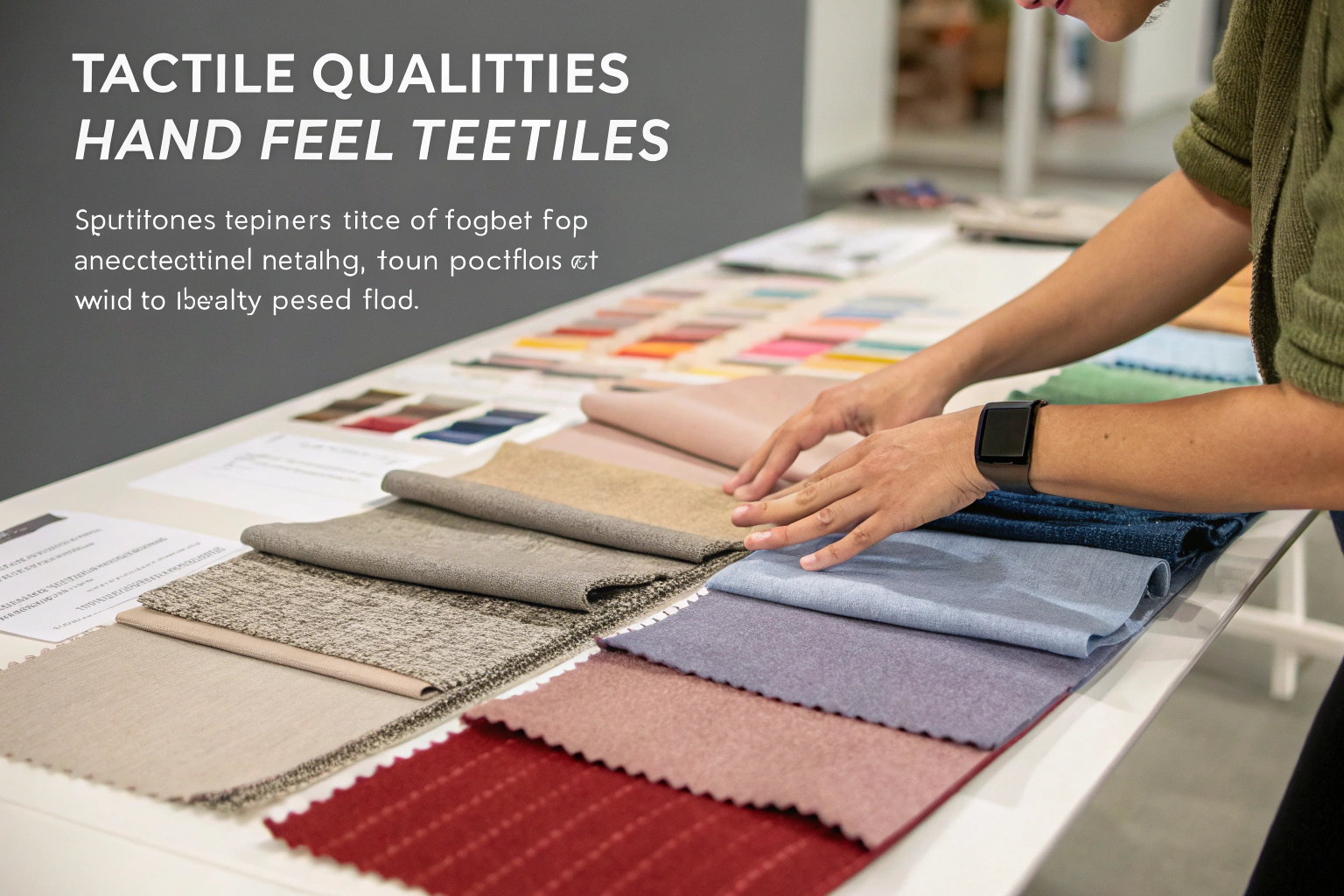
Have you ever received fabric samples that appeared perfect in specifications but felt completely different when touched? This crucial characteristic called "hand feel" often determines a garment’s market success. Many buyers and designers face this challenge, making it essential to understand this tactile quality thoroughly.
Hand feel refers to the tactile quality of textiles perceived through touch. It encompasses softness, stiffness, smoothness, drape, and weight. For fashion professionals, achieving the right hand feel means ensuring customer satisfaction, maintaining brand reputation, and minimizing product returns. The perfect tactile experience transforms ordinary clothing into cherished wardrobe pieces customers love wearing.
This guide will explain hand feel from a manufacturer’s perspective. We’ll explore its components, demonstrate effective specification methods, and show how Fumao’s expertise delivers consistent tactile quality across all production batches.
Understanding Fabric Hand Feel Fundamentals
When touching fabric, your senses immediately register multiple tactile sensations collectively known as hand feel. This represents the material’s personality through physical contact. Rather than being a single measurable property, it combines multiple characteristics that create the overall tactile experience. At Fumao, we consider hand feel analysis the foundation of our fabric development process since it directly impacts garment comfort, function, and perceived value.
Hand feel comprises several key physical attributes working together. Consider it a recipe where softness, stiffness, weight, and drape serve as primary ingredients. Softness indicates minimal resistance when pressed against skin. Stiffness measures fabric resistance to bending. Drape shows how gracefully fabric falls under its own weight, particularly important for flowing designs. Weight (measured in GSM) provides substantial or lightweight sensation. These elements combined guide our fabric selection and finishing processes to meet specific requirements.
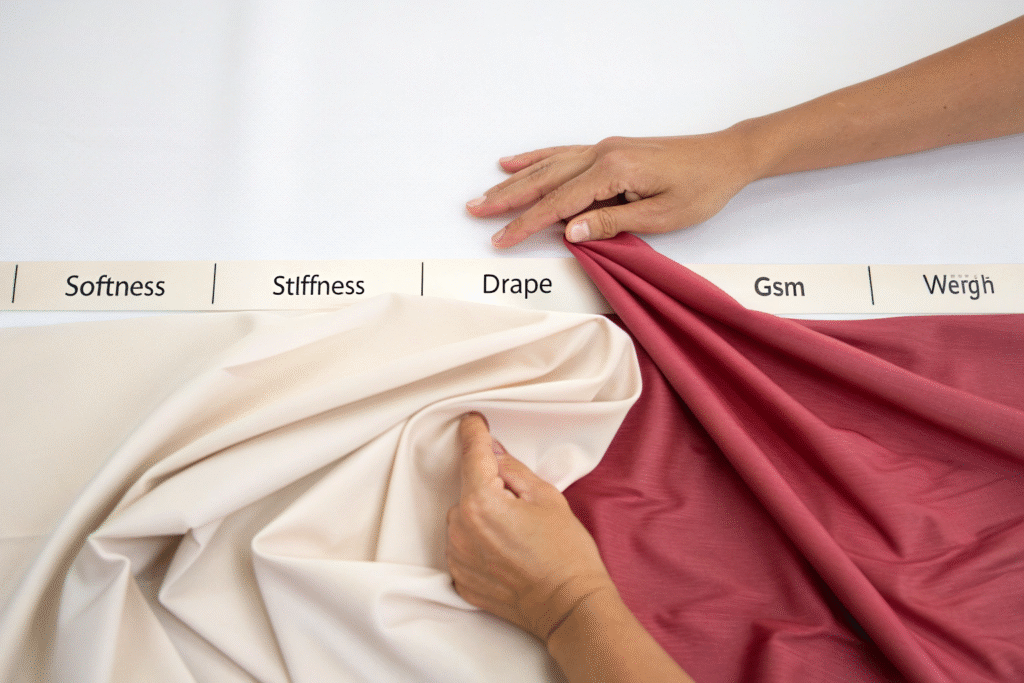
How Does Composition Differ From Hand Feel?
Many buyers mistakenly equate fiber content with hand feel. While base materials like cotton, silk, or polyester establish foundation, the final tactile quality is primarily determined by construction and finishing techniques. For example, 100% cotton can feel either peach-skin soft or canvas-stiff depending on treatment. The yarn spinning technique, weave/knit structure, and especially chemical/mechanical finishing processes ultimately define tactile characteristics. This explains why identical composition fabrics can deliver completely different hand feels.
What Technical Terms Describe Hand Feel?
Accurate specification requires understanding industry terminology. These common descriptors are regularly used in our CNAS-certified laboratory:
| Parameter | Definition | Typical Applications |
|---|---|---|
| Softness | Smooth, pleasant, non-irritating skin contact | Bamboo Silk, Brushed Cotton |
| Stiffness | Rigidity and bending resistance | Canvas, Taffeta |
| Drape | Elegance in hanging and folding | Chiffon, Viscose Jersey |
| Fullness | Rich, resilient, bulky body | Wool Coating, Fleece |
| Scroop | Crisp rustling sound and sensation | Dupioni Silk |
Additional terms include "suppleness" (pliability), "loft" (compressibility), and "smoothness." Precise terminology enables our R&D specialists to accurately interpret and execute your vision.
The Business Impact of Fabric Hand Feel
Neglecting hand feel poses significant business risks, especially in online retail where "unboxing experience" determines customer satisfaction. Garments feeling cheap, rough, or unexpected often get returned, damaging brand reputation and profitability. Superior hand feel creates immediate positive impression, justifies premium pricing, and builds customer loyalty, serving as direct embodiment of your quality commitment.
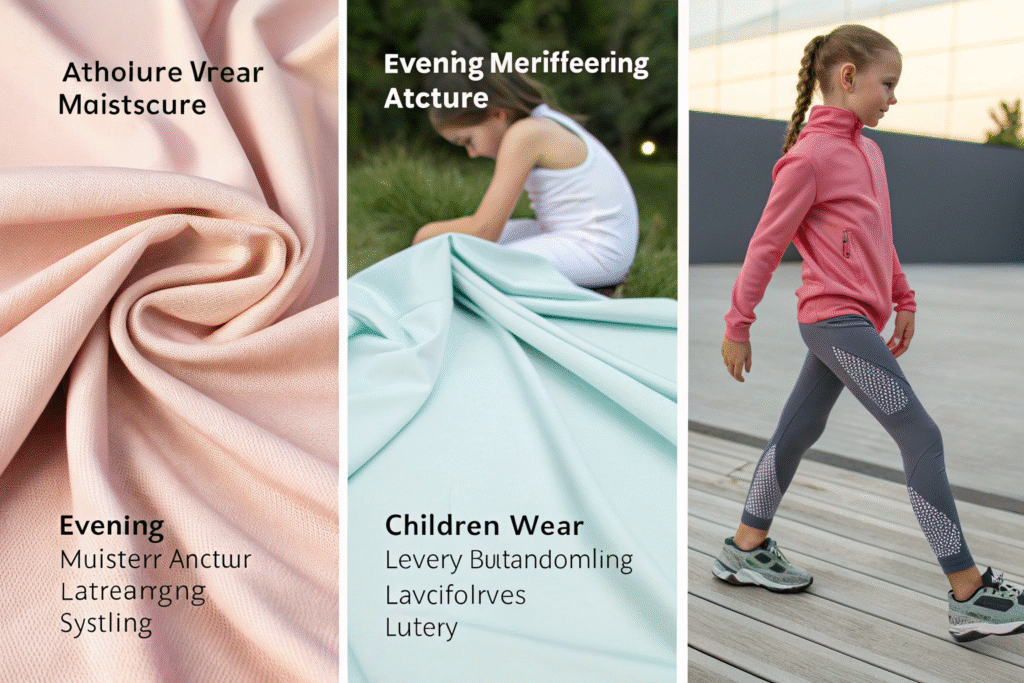
Functionally, hand feel directly correlates with comfort and performance. Athleisure wear requires smooth, moisture-wicking tactile quality for active use. Evening luxurywear demands soft, heavy drape conveying elegance. Children’s clothing needs gentle, non-irritating hand feel for sensitive skin. At Fumao, we engineer tactile properties matching end-use specifications. Our high-performance textiles with antibacterial features, for instance, finish fresh and smooth rather than clinical stiff, meeting both technical and comfort requirements.
How Does Hand Feel Influence Consumer Behavior?
The connection is direct and powerful. Fashion consumer research confirms tactile input significantly influences purchase decisions and return rates. Sweaters appearing cozy but feeling scratchy get rejected immediately. We help mitigate this risk through comprehensive quality control. Our QR code tracking provides real-time access to composition and colorfastness data, while simultaneous hand feel assessments ensure consistency, achieving 98% client approval rates and reducing returns.
Can Enhanced Hand Feel Support Premium Pricing?
Definitely. In competitive markets, superior hand feel differentiates products and adds measurable value. Fabrics with exceptional tactile qualities like our exclusive BAMSILK blend or premium Tencel™ with peach-skin finish command higher prices by delivering experiences mass-market fabrics cannot match. Clients supplying ZARA and H&M-tier brands frequently use enhanced hand feel as unique selling proposition to elevate collections and justify premium pricing, recognizing consumers perceive better touch as superior quality.
Specifying Hand Feel Requirements Precisely
Communicating tactile expectations needn’t be guesswork. The most reliable approach involves providing reference samples. Sending physical swatches with desired hand feel gives our technical team clear targets to match or surpass. We then reverse-engineer the finish, analyzing construction and treatments to replicate tactile properties in your chosen base material. This practical methodology eliminates ambiguity and ensures alignment from initial sampling.
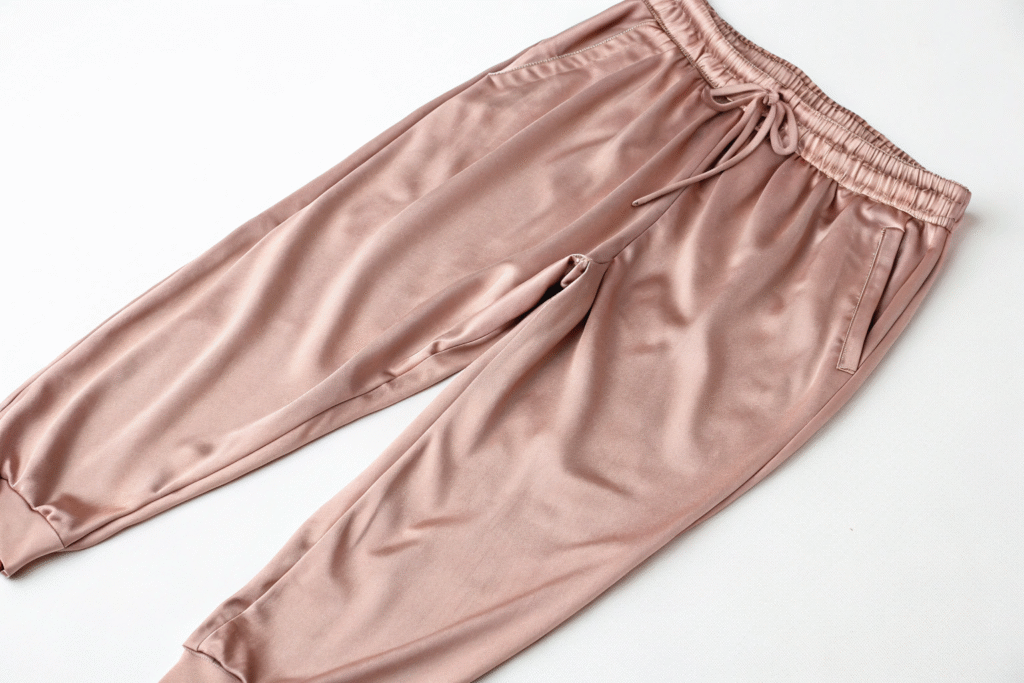
When reference swatches are unavailable, combine descriptive terminology with functional requirements. Avoid vague terms like "nice feel." Instead employ specific vocabulary discussed earlier. Provide detailed descriptions: "We need soft, fluid drape with silky surface texture and minimal stiffness." Include garment context: "For relaxed-fit lounge pants requiring extra softness, substantial drape, and brushed interior warmth." This information helps our R&D specialists recommend ideal materials from our 30,000+ design portfolio.
What Are Best Practices for Hand Feel Reference?
- Adequate Sample Size: Minimum 20×20 cm swatches permit proper drape and weight evaluation
- Disclose Composition: Reference material fiber content helps understand starting parameters
- Identify Preferences: Specify exactly which tactile aspects to emphasize replicating—surface smoothness? internal softness? flexible drape?
- Utilize Development Services: Leverage our 48-hour sampling to compare multiple finish variations before bulk production
Which Tools Measure Hand Feel Objectively?
While subjective evaluation remains essential, specialized instruments provide quantitative analysis. Equipment like the Handle-O-Meter quantifies stiffness, while Kawabata Evaluation System (KES) delivers comprehensive multi-parameter tactile assessment. Our CNAS-accredited testing facility employs advanced methodologies ensuring consistency. Though detailed data might be unnecessary for your purposes, this underpins our commitment to maintaining approved hand feel characteristics throughout production, supported by our agile R&D and supply chain.
Ensuring Consistent Hand Feel in Production
Consistency represents manufacturing excellence. For Fumao, achieving correct hand feel initially is insufficient—we must replicate it perfectly across entire orders, whether 100 or 10,000 meters. This requires rigorous standardization and control systems. Upon approving hand feel samples, we document detailed "finishing recipes" specifying softeners, lubricants, mechanical brushing, heat settings, and washing parameters. These recipes become production bibles for our partner dyeing and finishing facilities, ensuring identical treatment every batch.
Our consistency commitment extends through integrated supply chain management. We maintain control and deep partnerships across weaving, dyeing, finishing, and coating stages. This vertical integration enables strict standard enforcement without relying on external, unpredictable contractors. Moreover, our digital platforms provide live inventory access while tracking production milestones. Combined with global logistics expertise, we ensure fabrics reaching your facility feature not only perfect hand feel but also punctual delivery despite variables like tariff considerations.

What Quality Controls Guarantee Hand Feel?
Our dedicated QC team extends beyond visual inspection to regular tactile monitoring throughout manufacturing. Random rolls from each batch undergo comparison against approved standards in our laboratory. We combine expert human assessment with instrumental testing where appropriate, tracking parameters like stiffness and smoothness evolution. This comprehensive quality management provides peace of mind regarding secure, reliable shipments from China to global destinations including the U.S. market.
How Is Bulk Order Uniformity Maintained?
We recognize your brand reputation depends on product consistency. Our systematic approach includes:
- Standardized Processes: Locked finishing recipes distributed to all production partners
- Batch Surveillance: Monitoring sub-lots within major orders for hand feel consistency
- Pre-shipment Verification: Final audit inspecting multiple meterage ensuring entire order meets tactile standards
This meticulous methodology, supported by our financial stability, guarantees expected quality and yield without compromise.
Conclusion
Mastering fabric hand feel has evolved from mysterious art to manageable science crucial for product success. It connects technical specifications with emotional consumer responses. By comprehending hand feel fundamentals, recognizing its business importance, learning precise specification techniques, and partnering with consistency-focused manufacturers, you can transform potential vulnerability into competitive strength.
Your creative designs deserve foundations feeling equally magnificent as they appear. Seeking reliable partners to co-create value and realize visions with perfect tactile qualities? Let’s begin the conversation. We possess expertise, infrastructure, and dedication ensuring your next fabric order surpasses expectations. For detailed discussions about supporting your specific requirements, contact Business Director Elaine. She and her team await assisting with your clothing orders. Reach her at elaine@fumaoclothing.com.