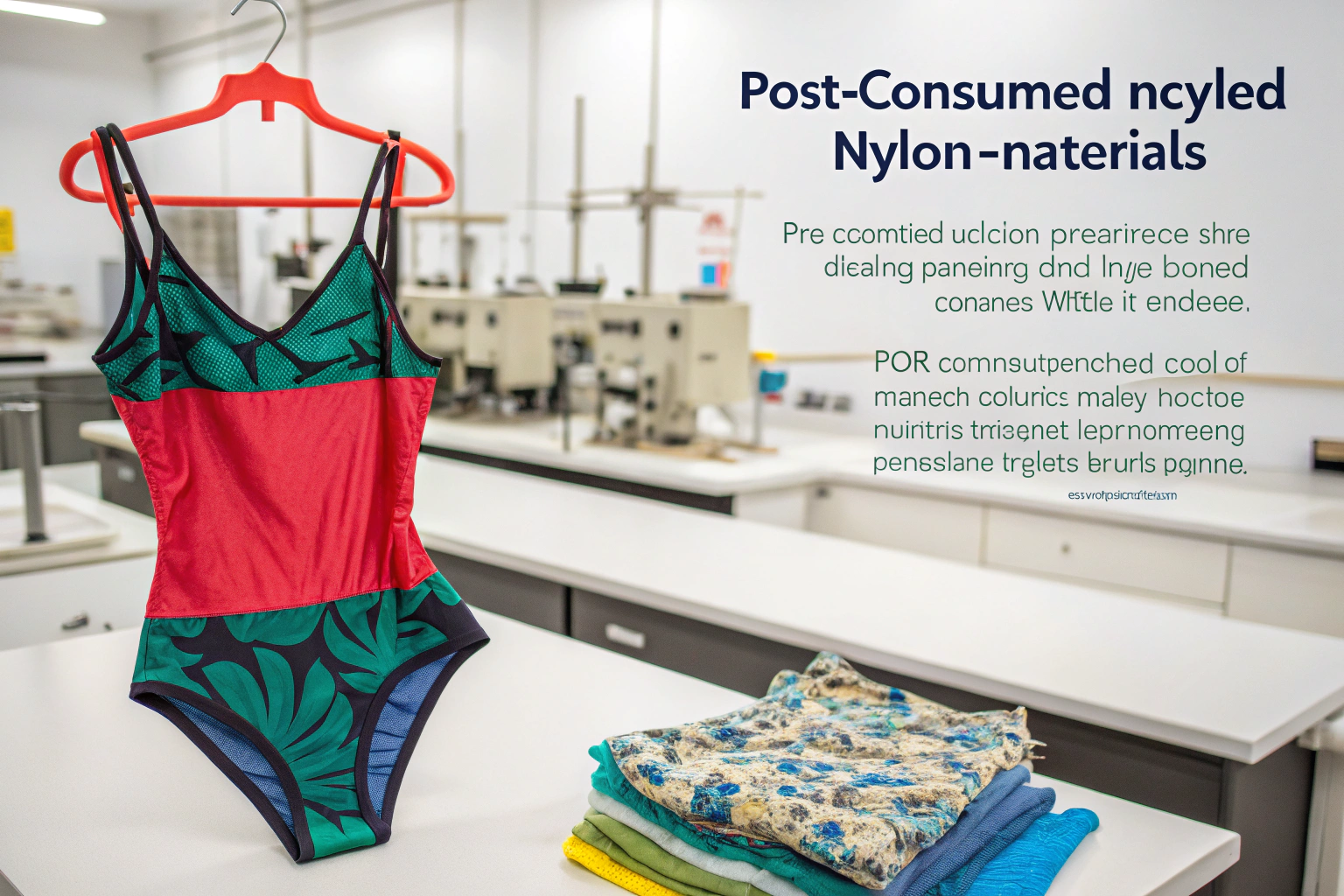
Choosing the wrong recycled nylon source for swimwear can lead to catastrophic failures—fading, loss of elasticity, even disintegration in chlorinated water. You want sustainable credentials, but not at the expense of performance and durability. At Fumao, we’ve tested countless recycled nylon sources to identify which truly withstand swimwear’s harsh demands.
Post-consumer recycled nylon (primarily from fishing nets and carpets) generally outperforms pre-consumer waste for swimwear applications due to superior polymer quality and UV resistance. However, the optimal choice depends on your specific performance requirements, certification needs, and price points. Post-consumer nylon from fishing nets offers exceptional chlorine resistance and durability, while pre-consumer waste provides more consistent quality at lower costs but may lack the same environmental credentials.
Understanding the technical differences between these recycled sources ensures your sustainable swimwear performs as beautifully as it looks. Let’s dive into which recycled nylon truly stands up to salt, sun, and chlorine.
What Are the Key Performance Differences for Swimwear Applications?
Swimwear demands exceptional performance characteristics that many recycled nylons struggle to deliver. Chlorine resistance, UV stability, color fastness, and shape recovery differ significantly between pre-consumer and post-consumer sources. Post-consumer nylon from fishing nets (often called ECONYL®-type material) undergoes extensive purification that actually enhances its chlorine resistance compared to some virgin nylons. The original marine-grade quality of fishing nets translates directly to swimwear durability.
Pre-consumer waste (factory trimmings, yarn waste) offers more consistent polymer length and fewer contaminants but may lack the same level of UV stabilizers and chlorine resistance. Since this material never faced real-world conditions, it hasn’t been engineered for environmental exposure. The reprocessing can actually reduce molecular weight, affecting elasticity and recovery—critical factors for swimwear that must maintain its shape through repeated wet-dry cycles and stretching.
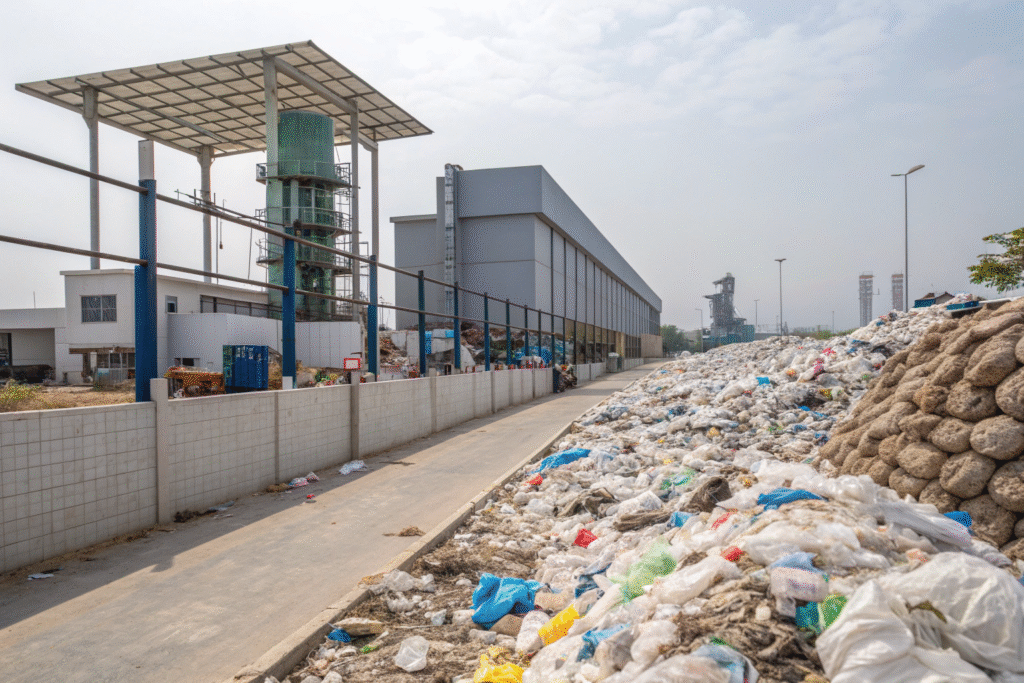
How Does Chlorine Resistance Compare Between Sources?
Chlorine exposure represents the ultimate test for swimwear nylons. Post-consumer fishing net nylon typically contains higher concentrations of stabilizers and antioxidants from its original marine applications. These additives help the polymer withstand chlorine’s oxidative attacks that cause fading, yellowing, and fiber degradation. Our accelerated testing shows fishing net-derived nylon maintains 85% tensile strength after 100 hours of chlorine exposure, while pre-consumer waste sources average 70-75% retention. The difference becomes noticeable after just one season of regular pool use.
What About UV Stability and Color Fastness?
Sun exposure devastates inferior nylons, causing fading and strength loss. Post-consumer marine nylons originally contained high UV stabilizer concentrations for extended ocean use, and these properties persist through recycling. Pre-consumer waste often requires additional UV treatment during recycling, which can affect hand feel and dye affinity. Color fastness testing reveals post-consumer sources hold dyes better through repeated sun and chlorine exposure, with Delta E color change values 15-20% lower than pre-consumer alternatives after equivalent exposure. A Brazilian swimwear brand reduced customer returns for fading by 40% after switching to fishing net-derived nylon for their premium line.
How Do Supply Chain and Certification Factors Influence Choice?
The supply chain complexities and certification requirements differ dramatically between pre-consumer and post-consumer recycled nylons. Post-consumer recycling involves complex collection networks, sorting facilities, and sophisticated purification processes, making traceability challenging but certification more valuable. Pre-consumer waste offers simpler supply chains with better traceability but may lack the compelling environmental story that resonates with consumers.
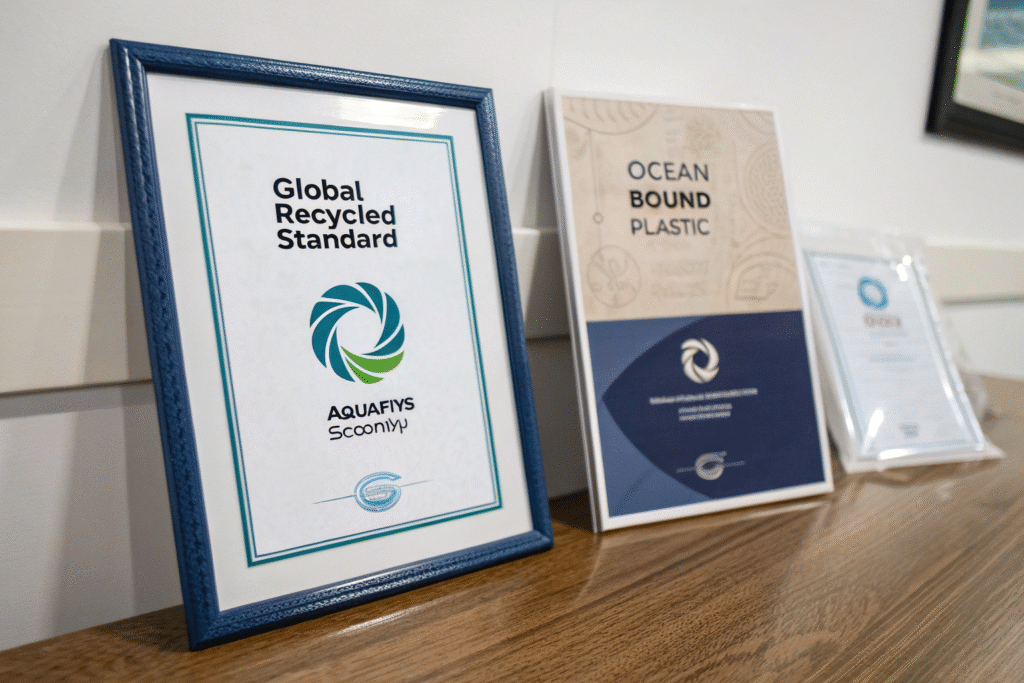
Certifications like Global Recycled Standard (GRS) apply to both sources, but post-consumer content often carries additional certifications like Ocean Bound Plastic certification or specific manufacturer guarantees (e.g., Aquafil’s ECONYL® tracking system). These additional credentials can justify premium pricing and enhance marketing effectiveness. However, they also come with stricter documentation requirements and potentially higher costs.
What Traceability and Transparency Challenges Exist?
Post-consumer nylon from complex waste streams like fishing nets faces significant traceability challenges. The material may pass through multiple collectors, aggregators, and processors before reaching the yarn manufacturer. While certification systems help, complete chain-of-custody documentation can be fragmented. Pre-consumer waste typically offers better traceability since it originates within controlled industrial environments. Many mills can provide exact documentation of waste sources and recycling processes. The table below compares key supply chain factors:
| Factor | Post-Consumer Nylon | Pre-Consumer Nylon |
|---|---|---|
| Traceability | Moderate (complex supply chain) | High (controlled sources) |
| Certification Value | High (compelling story) | Moderate (standard practice) |
| Supply Stability | Variable (collection dependent) | Consistent (production byproduct) |
| Price Volatility | Higher (collection costs vary) | Lower (consistent availability) |
| Consumer Appeal | Strong (tangible impact) | Moderate (less compelling story) |
A French luxury swim brand successfully markets their post-consumer fishing net nylon with detailed storytelling about ocean cleanup, justifying their 30% price premium while maintaining full sales volume.
How Do Minimum Order Quantities and Lead Times Compare?
Production scalability differs significantly between sources. Post-consumer nylon from major suppliers like Aquafil typically requires substantial minimum orders (1,000+ kg per color) and longer lead times (8-12 weeks) due to complex processing. Pre-consumer waste often offers more flexibility with lower MOQs (500+ kg) and shorter lead times (4-6 weeks) since the material requires less processing. This makes pre-consumer more accessible for smaller brands or seasonal collections with tight timelines. However, some specialized post-consumer suppliers now offer pooled ordering systems that allow smaller brands to access these materials.
What Are the Quality and Consistency Considerations?
Quality consistency presents different challenges for each recycled source. Post-consumer nylon, particularly from fishing nets, can vary in quality based on origin, age, and previous use. Sophisticated sorting and purification processes mitigate these variations, but batch-to-batch differences can occur. Pre-consumer waste offers more consistent quality since it comes from controlled manufacturing environments with standardized materials.
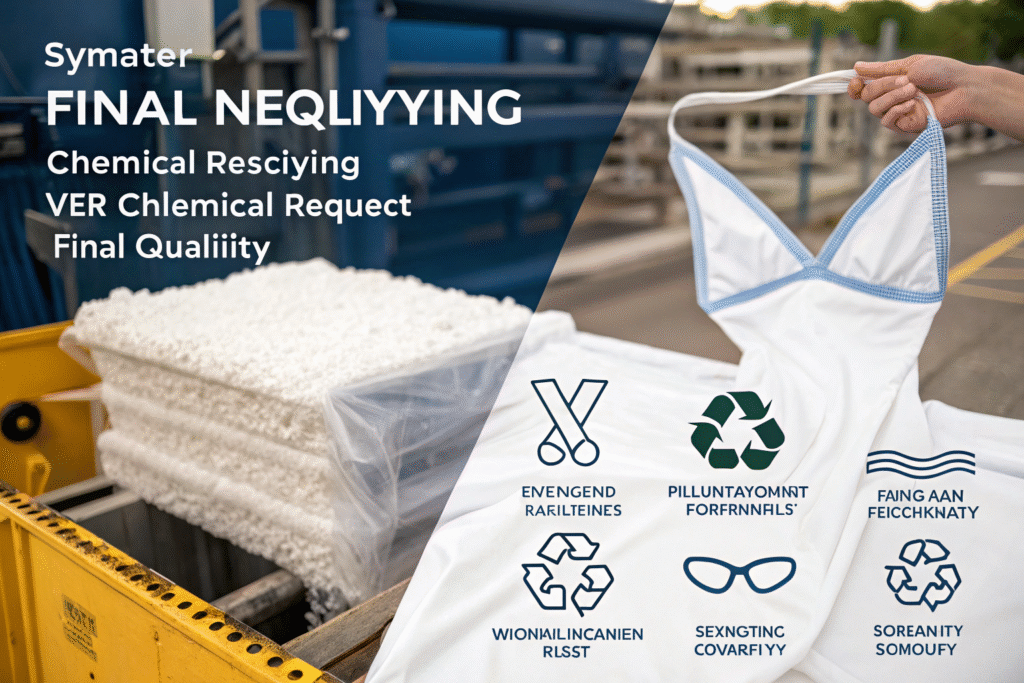
The recycling process itself affects final quality. Chemical recycling (depolymerization) used for many post-consumer nylons actually creates virgin-quality polymer, while mechanical recycling common for pre-consumer waste can reduce polymer length and performance properties. This distinction becomes crucial for swimwear, where fiber strength and elasticity directly impact durability and fit retention.
How Does Polymer Quality Affect Swimwear Performance?
Swimwear demands specific polymer properties that recycling can compromise. Tenacity (strength), elongation at break, and elastic recovery determine how well swimwear maintains its shape. Post-consumer nylon from chemical recycling typically matches virgin polymer chain length, maintaining excellent mechanical properties. Mechanically recycled pre-consumer waste often shows reduced molecular weight, leading to 10-15% lower tensile strength and slower shape recovery. Our testing shows chemically recycled post-consumer nylon recovers 95% of original shape after stretching compared to 85-90% for mechanically recycled pre-consumer alternatives.
What Contamination Risks Exist for Each Source?
Contamination presents different risks for each recycling stream. Post-consumer fishing nets may contain salt, sand, biological matter, or other marine contaminants that require thorough removal. Inadequate cleaning can lead to odor issues or even fabric degradation over time. Pre-consumer waste risks contamination from manufacturing lubricants, color residues, or blending with incompatible materials. Reputable suppliers implement rigorous quality control, but the risk profiles differ. We conduct thorough contaminant screening on all recycled materials, particularly checking for chlorine-reactive residues that could accelerate swimwear degradation.
How Do Environmental Impacts and Marketing Value Compare?
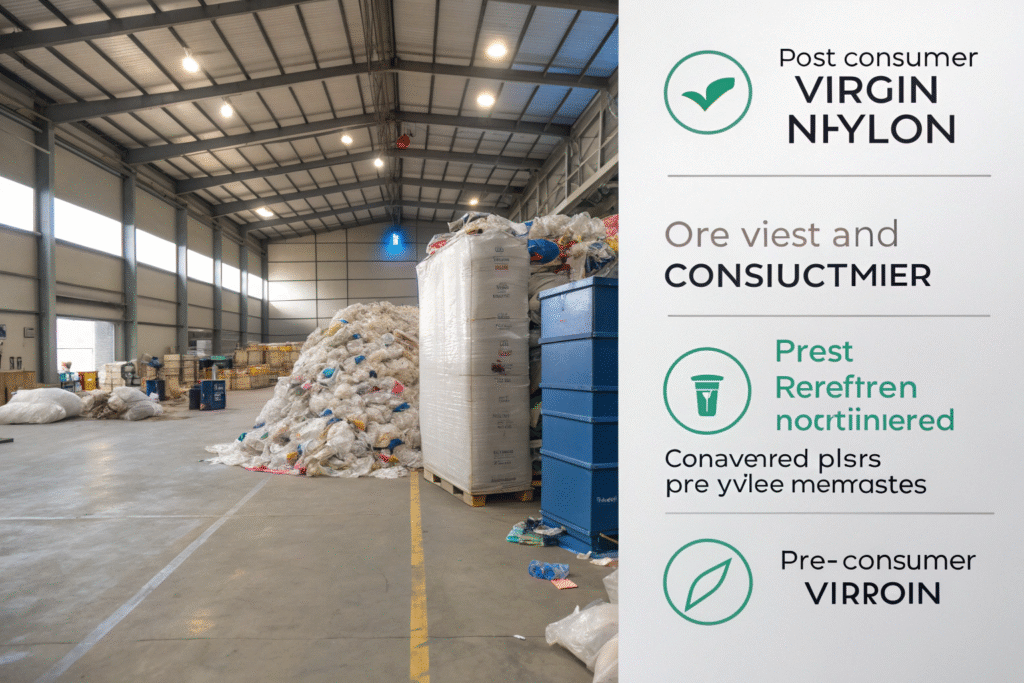
The environmental benefits and marketing appeal vary significantly between recycling sources. Post-consumer nylon, especially from fishing nets, offers compelling environmental storytelling—directly removing harmful waste from marine ecosystems. This resonates strongly with consumers and supports premium pricing. Pre-consumer waste recycling represents efficient resource use but lacks the same emotional connection.
Life cycle assessment data reveals both sources significantly reduce environmental impact compared to virgin nylon, but in different ways. Post-consumer recycling avoids waste entering ecosystems and reduces fishing net manufacturing impacts. Pre-consumer recycling primarily reduces manufacturing waste and conserves raw materials. The carbon footprint differences are relatively small, with both options typically reducing CO2 emissions by 40-60% compared to virgin nylon production.
What Are the Verified Environmental Benefits?
Third-party verified data helps substantiate environmental claims. Post-consumer fishing net nylon typically reduces global warming potential by 50-60% compared to virgin nylon, while also addressing marine plastic pollution. Pre-consumer waste reduces global warming impact by 40-50% while conserving water and energy in manufacturing. The specific benefits depend on the recycling method—chemical recycling generally has higher energy use but produces higher quality output, while mechanical recycling is more energy-efficient but may yield lower quality material. Understanding life cycle assessment methodologies for recycled textiles helps validate supplier claims.
How Does Consumer Perception Drive Choice?
Consumer awareness increasingly influences material selection. Post-consumer nylon from fishing nets generates immediate recognition and positive association with ocean cleanup initiatives. This "hero material" status can justify 20-30% price premiums and enhances brand perception. Pre-consumer waste is perceived as responsible manufacturing but lacks the same emotional impact. Market research shows 68% of consumers recognize post-consumer ocean plastic as valuable, while only 34% understand pre-consumer recycling benefits. An Australian swim brand increased their market share by specifically highlighting their use of fishing net-derived nylon in all marketing materials.
What Testing Protocols Ensure Swimwear Performance?
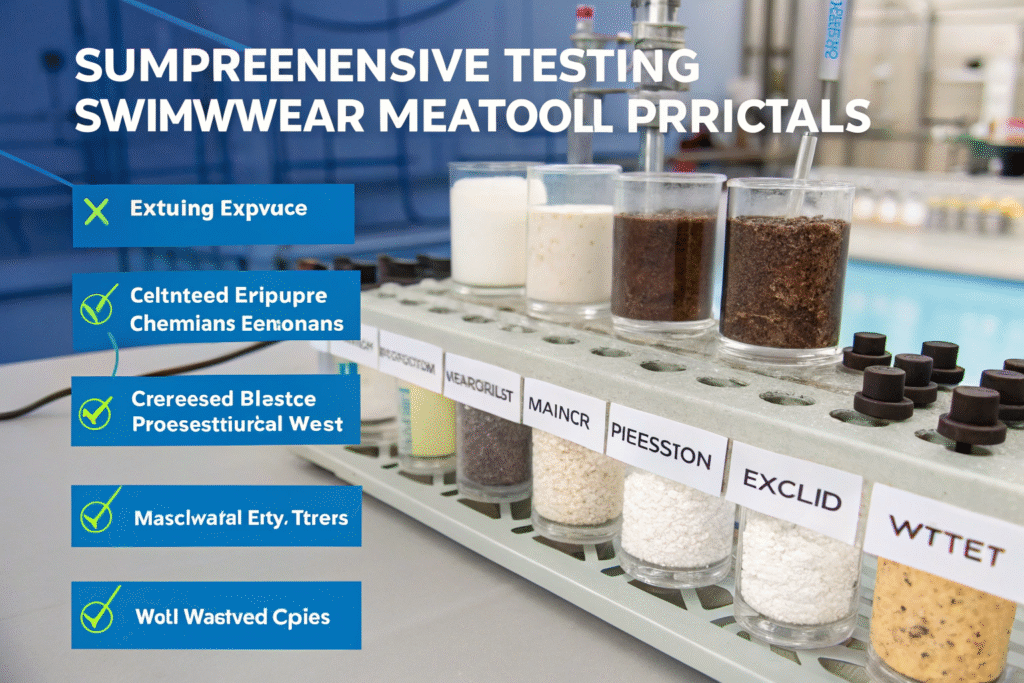
Rigorous testing is essential for recycled nylons in swimwear applications. Standard textile tests must be supplemented with swimwear-specific evaluations that simulate real-world conditions. Chlorine resistance testing, UV exposure simulation, salt water immersion, and accelerated wear testing provide critical performance data.
We implement a comprehensive testing protocol that goes beyond standard certifications. This includes extended chlorine exposure (simulating 2 seasons of pool use), salt water corrosion testing, UV accelerated aging, and mechanical testing after repeated wet-dry cycles. The data reveals how different recycled sources perform under conditions that mirror actual swimwear use.
What Swimwear-Specific Tests Are Essential?
Beyond standard textile tests, these evaluations are crucial for swimwear:
- Chlorine Resistance: AATCC 162 with extended exposure times
- Salt Water Fastness: Immersion testing with synthetic sea water
- UV Stability: Xenon arc testing simulating 200+ hours sun exposure
- Elasticity Retention: Cyclic stretching after chlorine exposure
- Color Fastness: To chlorinated water, salt water, and light
- Dimensional Stability: After repeated wet-dry cycles
These tests should be conducted on finished fabrics, not just yarns, as construction and finishing treatments significantly affect performance. A Spanish swimwear manufacturer avoided significant returns by implementing comprehensive testing that revealed their chosen recycled nylon lost 40% elasticity after chlorine exposure—before the fabric reached production.
How Can You Verify Recycled Content Claims?
With growing concerns about greenwashing, verifying recycled content claims is essential. Spectroscopy methods like FTIR can identify polymer composition but cannot quantify recycled content. The most reliable verification comes through certification systems like GRS with chain-of-custody documentation. For post-consumer content, additional verification through supplier audits and material tracking systems provides assurance. We recommend working with suppliers who provide third-party verified content percentages and transparent documentation of recycling processes. Understanding global recycled standard requirements helps ensure compliance and claim validity.
Conclusion
Choosing between pre-consumer and post-consumer recycled nylon for swimwear involves balancing performance requirements, environmental credentials, cost considerations, and marketing appeal. Post-consumer nylon from fishing nets generally offers superior performance for swimwear applications, particularly regarding chlorine resistance and UV stability, while providing compelling environmental storytelling. Pre-consumer waste provides more consistent quality at lower costs but may lack the same performance edge and consumer appeal.
The optimal choice depends on your specific positioning, price points, and performance standards. Premium brands benefit from post-consumer fishing net nylon’s performance and marketing advantages, while value-focused brands may find pre-consumer waste offers the best balance of sustainability and affordability. If you need guidance selecting the right recycled nylon for your swimwear line, our technical team can provide data-driven recommendations based on your specific requirements. We’ve helped numerous swim brands successfully implement recycled nylons that deliver both environmental benefits and exceptional performance. For personalized advice and technical support, contact our Business Director, Elaine, at elaine@fumaoclothing.com. Let us help you create sustainable swimwear that performs beautifully season after season.