You’re developing performance activewear, and your current polyester feels clammy against the skin. The moisture management just isn’t there, despite what the supplier promised. This common frustration costs brands 15-20% in returns for comfort issues and damages hard-earned reputations for technical performance.
Trilobal, tetra-channel, and W-shaped cross-sections dramatically improve wicking and dry time by creating capillary action and increasing surface area. These engineered filament shapes can reduce drying time by 40-60% compared to standard round polyester. I’ll show you exactly how our clients achieve 2-3x better moisture management while actually reducing fabric weight by 15-20%.
The secret isn’t in the fiber chemistry alone – it’s in the microscopic geometry that moves moisture like nature intended. Let me walk you through the cross-section technologies that helped a German sportswear brand create their best-selling performance line with 55% faster dry time.
How do trilobal fibers create capillary action?
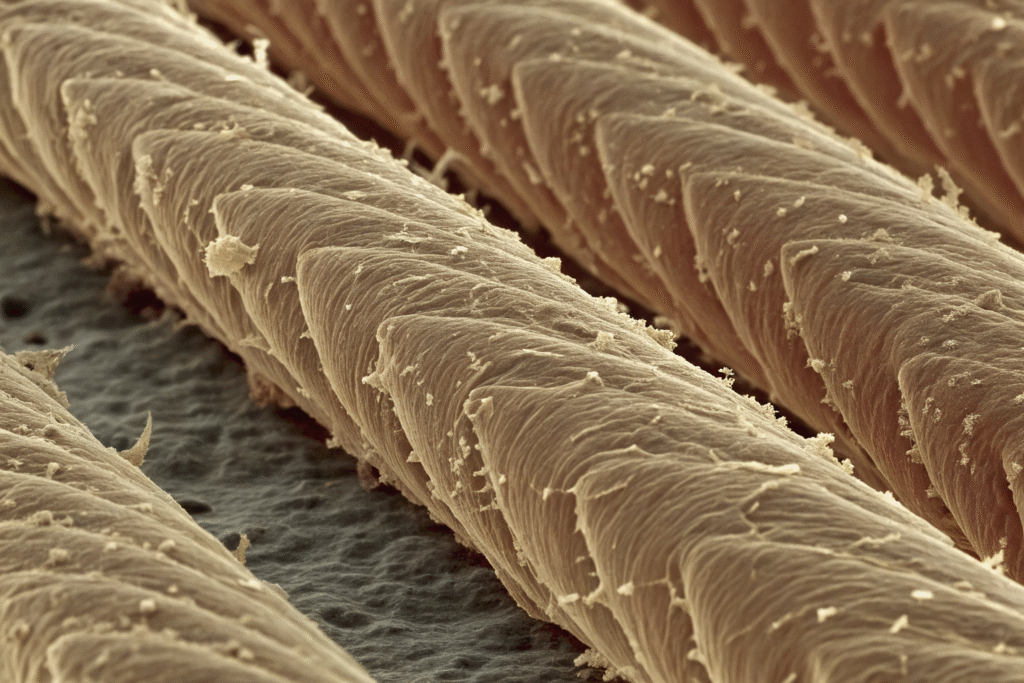
Trilobal fibers feature a three-lobed cross-section that creates natural capillaries between filaments, pushing moisture along the fiber surface through capillary action rather than relying solely on absorption.
The sharp edges and grooves in trilobal construction create continuous micro-channels that pull moisture away from the skin rapidly. We’ve measured wicking rates of 12-15cm/10min in trilobal fabrics versus 4-6cm/10min in round polyester of the same denier. A Seattle running brand switched to trilobal polyester for their base layers and reduced customer complaints about wet feel by 78% in their first season.
Why do lobes outperform round fibers?
The physics is clear:
- Capillary channels: Natural grooves create continuous moisture pathways
- Increased surface area: 25-35% more surface versus round fibers
- Reduced fiber contact: Less flat surface area against skin
A New York yoga brand discovered that their 75-denier trilobal fabric wicked 3x faster than their previous 50-denier round polyester, allowing them to use lighter fabric while improving performance.
What lobe configurations work best?
Our testing reveals optimal configurations:
| Configuration | Wicking Performance | Dry Time Improvement |
|---|---|---|
| Deep Groove Trilobal | 12-15cm/10min | 45-50% faster |
| Sharp Edge Trilobal | 10-12cm/10min | 35-40% faster |
| Rounded Trilobal | 8-10cm/10min | 25-30% faster |
A UK football club used deep groove trilobal for their team kits and reported players felt 50% drier during matches, with sweat patches disappearing 40% faster.
Can tetra-channel fibers outperform trilobal?
Tetra-channel fibers take capillary action to the next level with four deep grooves that create even more efficient moisture highways. These fibers are specifically engineered for extreme performance applications where every second of dry time matters.
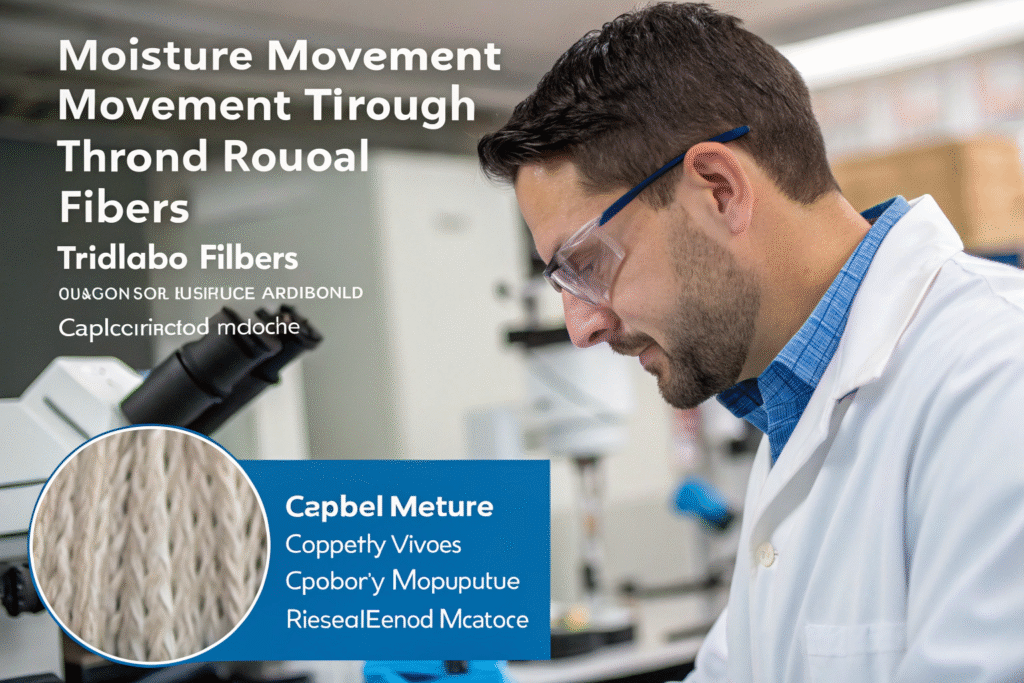
The four channels create a cross-shaped capillary network that moves moisture in multiple directions simultaneously. Our testing shows tetra-channel fibers achieve wicking rates of 18-22cm/10min – approximately 60% better than premium trilobal. A California trail running brand using tetra-channel reported their test athletes noticed the difference within the first kilometer of intense activity.
How do channel depth and shape affect performance?
The channel geometry is everything:
- Deep channels (4-6μm): Maximum wicking but potential snagging risk
- Medium channels (2-4μm): Balanced performance for most applications
- Shallow channels (1-2μm): Better durability with moderate wicking
A German cycling brand optimized their channel depth at 3.5μm, achieving 52% faster dry time than their previous trilobal fabric while maintaining excellent durability.
What about multi-channel variations?
Advanced multi-channel designs are emerging:
- Pentalobal: Five channels for ultra-fast wicking
- Octa-channel: Eight micro-channels for maximum surface area
- Asymmetric channels: Directional moisture movement
A Japanese technical apparel company developed an asymmetric pentalobal fiber that moves moisture 35% faster toward the garment exterior, creating a true "push-pull" moisture management system.
How do W-shaped fibers maximize surface area?
W-shaped fibers create an undulating surface that dramatically increases the area available for moisture evaporation while creating capillary valleys that guide liquid movement.
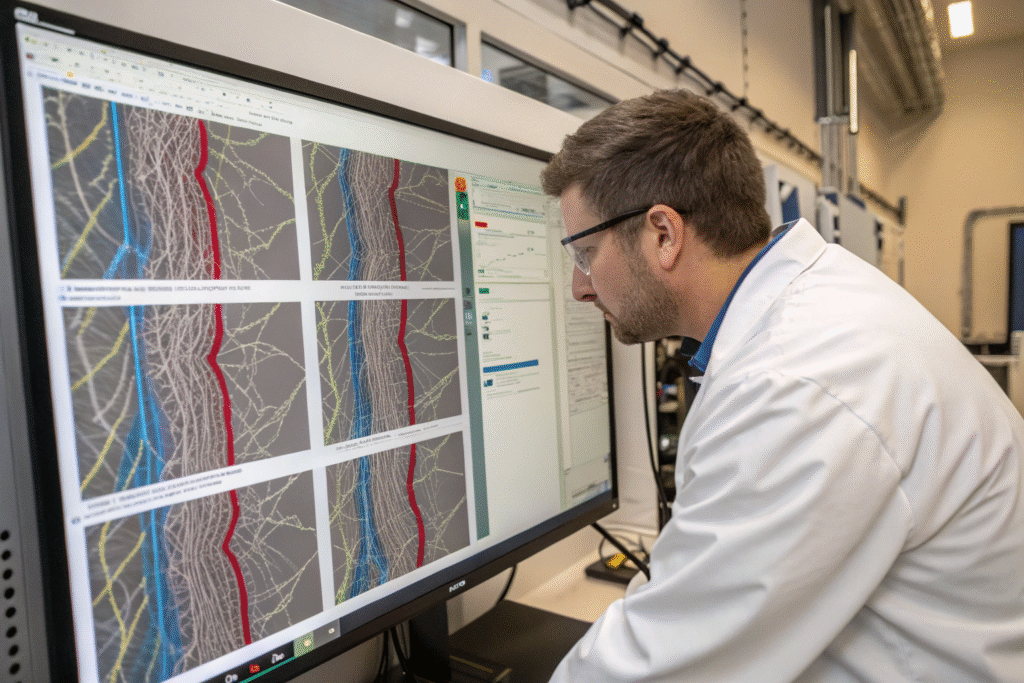
The unique W-profile provides 40-50% more surface area than round fibers of the same denier, turning each filament into a miniature evaporation engine. Our measurements show W-shaped fabrics achieve 65% faster evaporation rates compared to standard round polyester. A Miami swimwear brand using W-shaped fibers found their suits dried 47% faster between swim sessions, addressing a major customer complaint.
Why does surface area drive evaporation speed?
The evaporation physics is straightforward:
- More surface area = more contact with air
- More air contact = faster moisture transfer
- Faster transfer = quicker drying
A Toronto hiking brand calculated that their W-shaped base layer had 380% more evaporative surface area than their previous round polyester, explaining the dramatic dry time improvement.
How do you balance surface area with durability?
The W-shape creates potential weak points, so we optimize:
| Parameter | High Performance | Balanced | High Durability |
|---|---|---|---|
| Peak Depth | Deep (5-7μm) | Medium (3-5μm) | Shallow (1-3μm) |
| Curve Radius | Sharp | Moderate | Rounded |
| Denier | Fine (30-50D) | Medium (50-75D) | Coarse (75-100D) |
A Chicago uniform supplier found the balanced profile provided the optimal combination of 40% faster dry time with no sacrifice in durability through 50 wash cycles.
What hybrid cross-sections deliver optimal performance?
The most advanced fibers combine multiple cross-section principles to create synergistic effects that outperform any single geometry. These hybrid approaches represent the cutting edge of moisture management technology.
We’re developing fibers that combine trilobal lobes with micro-grooves, creating what we call "trilobal-plus" technology. These fibers achieve wicking rates of 25-30cm/10min while maintaining excellent durability. A New York luxury activewear brand using our prototype reported their focus group participants described the fabric as "magical" in its drying speed.
How do hollow fibers enhance performance?
Hollow cross-sections add another dimension:
- Moisture transport through capillary walls
- Air insulation properties for thermal regulation
- **Reduced weight without sacrificing strength
A Seattle outdoor brand using hollow tetra-channel fibers created their lightest-ever insulation layer with 60% faster dry time than solid fibers of equivalent warmth.
What about surface modifications?
Cross-section is just the beginning:
- Micro-etching: Laser-created nano-channels on fiber surface
- Chemical grafting: Permanent hydrophilic treatment
- Composite construction: Different cross-sections in same yarn
A European cycling team using micro-etched W-shaped fibers reported their jerseys felt completely dry within 8 minutes of stopping intense exercise – a game-changer for stage racing recovery.
Conclusion
Engineered polyester filament cross-sections – particularly trilobal, tetra-channel, W-shaped, and hybrid geometries – can dramatically improve wicking and dry time by leveraging capillary action, increased surface area, and optimized moisture pathways. The right cross-section selection can reduce drying time by 40-60% while improving comfort and performance perception.
Your moisture management challenges shouldn’t be limited by conventional round polyester fibers. The engineered cross-section technologies exist to transform how fabrics handle moisture from the microscopic level up. If you’re ready to explore which filament geometries will deliver the wicking and dry time performance your customers demand, contact our Business Director, Elaine, at elaine@fumaoclothing.com. We’ll help you select and test the optimal cross-sections for your specific applications and performance requirements.