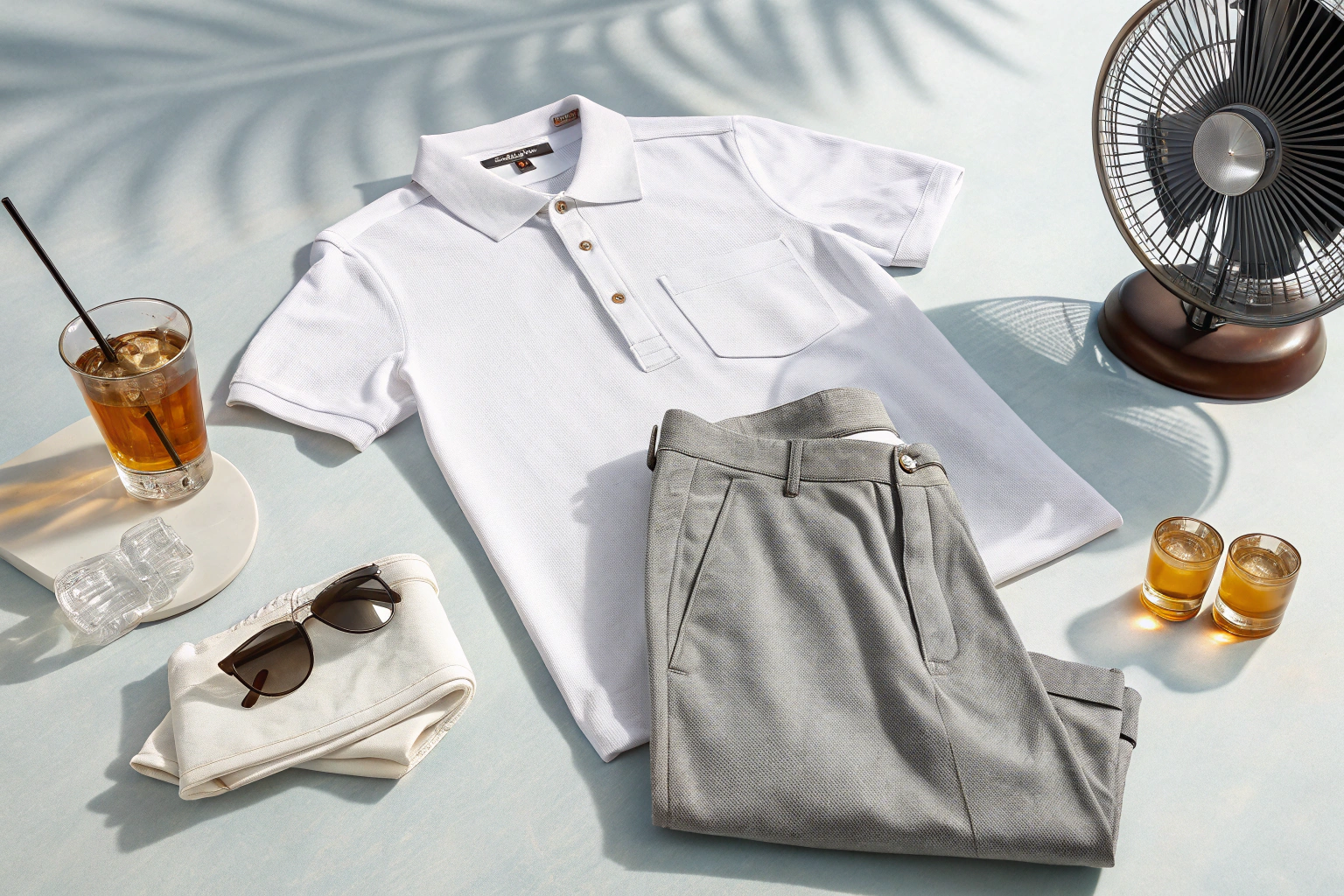
Last spring, I got a call from a buyer at a well-known American menswear brand. He was preparing their summer collection and was frustrated. Their previous year’s line of "sumweight" cotton shirts had received complaints. Customers said they felt clammy and stuck to their skin in humidity. He asked me, "Is there a fabric that actually keeps a man cool and dry when it’s 35 degrees and humid outside? Or is that just marketing hype?" I told him the good news: there absolutely are fabrics engineered for cooling, but the "best" choice depends on whether your customer is wearing a shirt to the office, hiking a trail, or lounging on vacation.
The answer is that the best cooling fabrics for summer men’s wear fall into three main categories, each with a different "job." For breathability and timeless style, natural fibers like linen, hemp, and high-quality cotton (think seersucker or voile) are unbeatable. They allow air to flow through the fabric itself. For moisture-wicking and technical performance during activity, advanced synthetics like recycled polyester with special cross-section fibers or nylon blends are designed to pull sweat away from the skin and dry quickly. And for the ultimate in next-to-skin comfort, innovative cellulosics like TENCEL™ Lyocell and Modal offer a silky, cool handfeel and natural temperature regulation. The smartest summer collections often blend these fibers—like linen-cotton for structure and breathability, or TENCEL-polyester for softness and performance—to get the best of multiple worlds.
But here’s the nuance I shared with that menswear buyer. "Cooling" isn’t just one property. It’s a combination of breathability (airflow), moisture management (wicking and drying), and thermal conductivity (the feeling of coolness against the skin). A heavy linen shirt might be breathable, but if it gets soaked with sweat, it will feel wet and heavy. A high-tech polyester might wick moisture, but it can feel clammy if not engineered correctly. After 20 years in Keqiao, I’ve learned that the perfect summer fabric is a careful balance of fiber choice, yarn construction, and fabric structure. Let me walk you through the options so you can make the right choice for your collection.
What Natural Fibers Offer the Best Cooling for Summer?
Let’s start with the classics. Natural fibers have been keeping people cool for millennia, and for good reason. They breathe, they absorb moisture, and they have a timeless aesthetic that synthetic fabrics often can’t match. For a certain segment of the menswear market—think tailored shirts, casual trousers, and premium loungewear—natural fibers are still the first choice.
I’ve worked with natural fibers my entire career. There’s a reason why a good linen shirt feels so right on a hot day. But not all natural fibers are created equal for summer. Some are better than others, and the way they are constructed matters enormously.
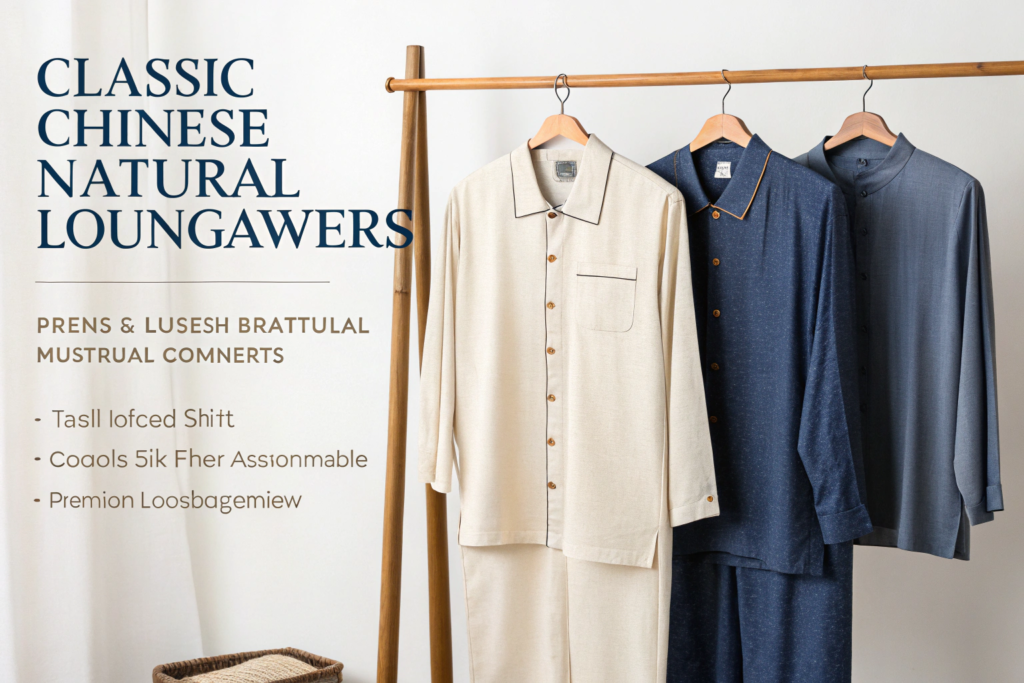
Why is linen still the king of summer natural fibers?
Linen, made from flax, has a superpower that other fibers can’t match: its hollow, irregular fiber structure creates natural micro-channels that wick moisture away from the skin and allow air to circulate. It can absorb up to 20% of its weight in moisture before it even feels damp. Plus, it has a crisp, slightly textured handfeel that doesn’t stick to the skin, even when you sweat.
The downside of pure linen is that it wrinkles—a lot. Some men love that lived-in, relaxed look; others find it too messy. The solution is often a blend. We’ve been producing a 70% linen / 30% TENCEL™ blend for a Portuguese menswear brand for years. It keeps the breathability and texture of linen but adds softness and reduces wrinkling significantly. For summer shirts and trousers, it’s a winning combination. (The Master of Linen organization has great resources on linen’s properties.)
What about cotton? Isn’t it always cool?
Not all cotton is created equal for summer. A heavy, tight-weave cotton oxford shirt will be hot and uncomfortable. For summer, you want lightweight, open-weave constructions. Think seersucker, with its puckered texture that keeps fabric off the skin and allows airflow. Think voile or batiste, which are fine, sheer weaves. Think chambray, which is lighter than denim.
The fiber itself also matters. Long-staple cottons like Egyptian or Supima can be spun into finer, stronger yarns, allowing for lighter fabrics that still hold up. And cotton blended with linen or TENCEL can improve its summer performance. We developed a 60% cotton / 40% hemp blend for a New York-based brand’s summer shorts line. The hemp added breathability and a slight crispness, while the cotton kept the softness and familiarity. (The CottonWorks™ website has excellent resources on fabric constructions for different end uses.)
What Synthetic and Technical Fabrics Excel at Cooling?
Now let’s talk about performance. For men who are active—running, hiking, playing golf, or even just commuting in a hot, humid city—natural fibers may not cut it. When you sweat heavily, cotton gets wet and stays wet, becoming heavy and uncomfortable. Technical fabrics are engineered to solve this problem.
I’ve worked with major activewear brands for years, and the evolution of cooling technology in synthetics has been remarkable. It’s not just about "polyester" anymore; it’s about specially engineered fibers and fabrics.
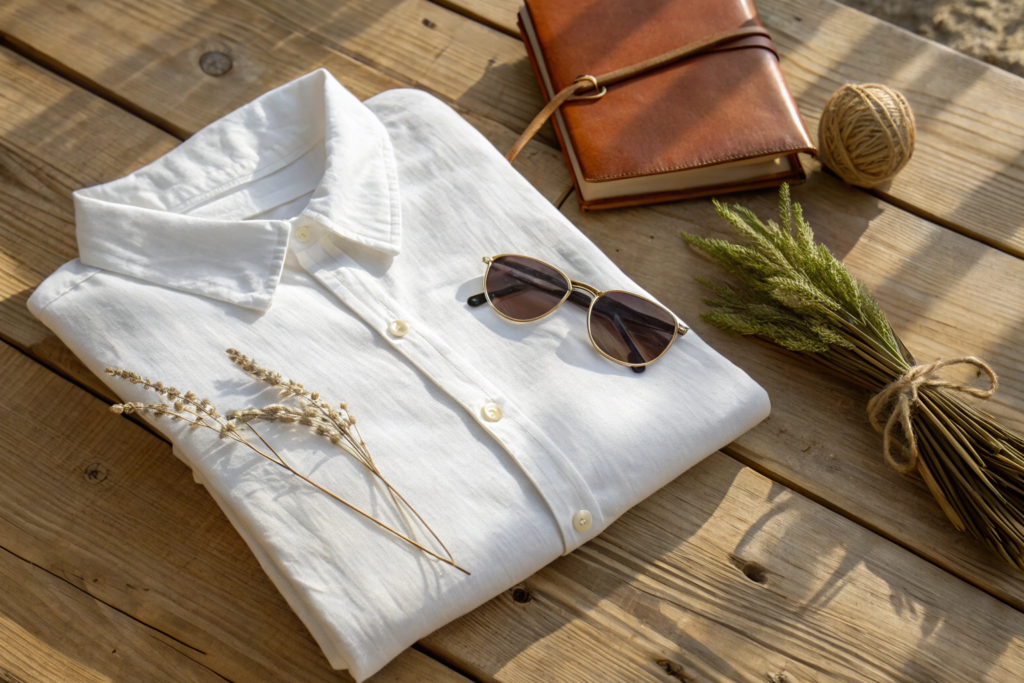
How do moisture-wicking fabrics actually work?
Moisture-wicking fabrics use capillary action to pull liquid sweat away from the skin and spread it across the surface of the fabric, where it can evaporate quickly. This is achieved through fiber chemistry and yarn construction. Many performance synthetics use fibers with special cross-sections—like four-channel or star-shaped—that create tiny grooves that act as capillaries.
The fabric construction also matters. A double-knit mesh structure, for example, creates channels for air to flow and increases surface area for evaporation. We produce a range of "cooling" polyester fabrics for a German sportswear client that use a combination of multi-channel fibers and an open knit structure. In our lab tests, these fabrics dry 50% faster than standard polyester and keep the skin significantly cooler during activity. (This article from Textile World explains moisture management technology.)
What is "cold touch" or "permanent cooling" fabric?
This is a fascinating area of innovation. Some fabrics are engineered to feel physically cool to the touch. This is achieved by using fibers with high thermal conductivity—they literally draw heat away from your skin, making you feel cooler. Think of how a marble countertop feels cooler than a wooden one, even at the same temperature.
Materials like certain mineral-infused polymers or specially engineered nylons can create this effect. There are also "phase change materials" (PCMs) that absorb, store, and release heat to regulate temperature. These are microcapsules embedded in the fibers that melt at a certain temperature, absorbing heat, and then solidify as you cool down, releasing it. It’s high-tech stuff, and it’s expensive, but for premium performance wear, it’s incredible. We’ve been testing a PCM-infused fabric for a Japanese outdoor brand, and the temperature regulation during high-exertion activities is remarkable. (Outlast Technology is the pioneer in phase change materials for textiles.)
What About Cellulosic Fibers Like TENCEL and Modal for Summer?
These fibers are the dark horses of summer comfort. They often get overlooked in favor of linen or high-tech synthetics, but they offer a unique combination of properties that make them ideal for many summer applications. They are soft, breathable, and naturally temperature-regulating.
I’ve been a big proponent of TENCEL for summer menswear for years. A client from a French shirt brand was skeptical until we sent him samples of a TENCEL™ shirt fabric. He couldn’t believe how soft and cool it felt. Now, it’s a core part of their summer collection.
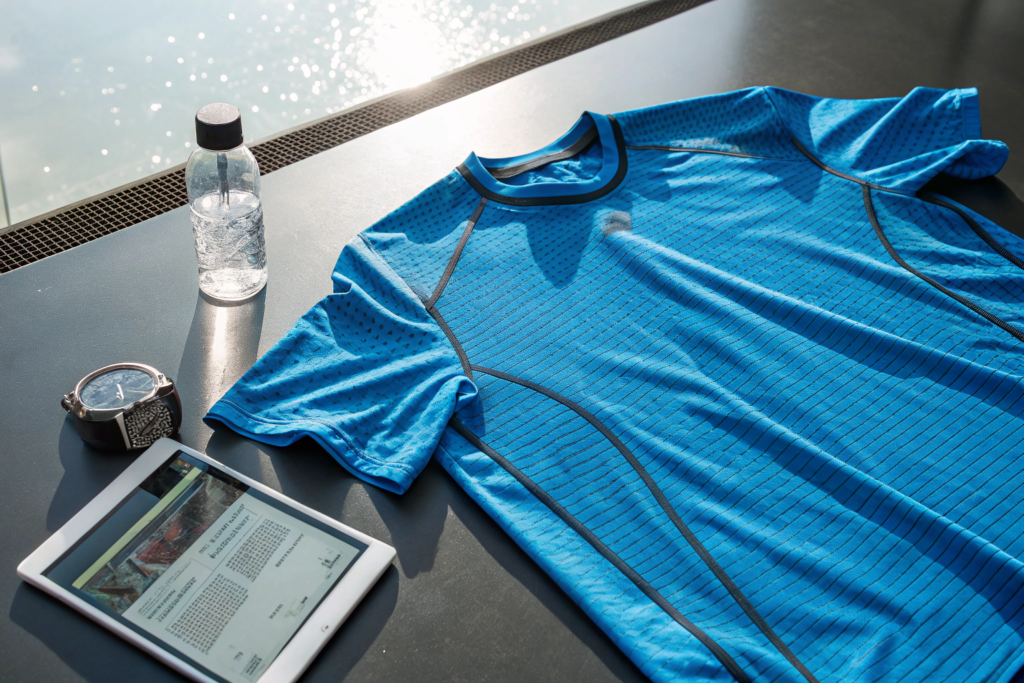
Why does TENCEL feel so cool against the skin?
As we discussed in previous articles, TENCEL fibers have a perfectly round, smooth surface. This minimizes friction and creates a silky, smooth handfeel that feels cool to the touch. But more importantly, TENCEL is highly breathable and has excellent moisture management. It absorbs moisture (it’s hydrophilic) but then releases it quickly to the surface for evaporation.
This combination of smoothness, breathability, and moisture management creates a fabric that feels cool, dry, and comfortable even in hot, humid conditions. For summer shirts, polos, and even lightweight trousers, TENCEL is a fantastic option. We developed a 100% TENCEL™ woven fabric for a Dutch menswear brand’s summer shirts. It had the drape and softness of rayon, but the durability and environmental credentials were far superior. (The TENCEL™ brand site has a section on comfort and cooling.)
How do TENCEL-cotton or TENCEL-linen blends perform?
These blends are often the sweet spot for summer. TENCEL adds softness, drape, and moisture management, while cotton or linen add structure, texture, and a more traditional handfeel. The blend often outperforms either fiber alone.
A 50/50 TENCEL-cotton blend, for example, is softer and more breathable than 100% cotton, but it has more body and a more familiar feel than 100% TENCEL. A 70/30 linen-TENCEL blend gives you the texture and breathability of linen with the softness and reduced wrinkling of TENCEL. We’ve produced thousands of yards of these blends for clients ranging from casual shirt brands to tailored trouser makers. They are consistently among our best-selling summer fabrics. (This guide from Common Objective compares different cellulosic fibers.)
What Fabric Constructions Enhance Cooling Beyond Fiber Choice?
Fiber is just the starting point. The way a fabric is constructed—woven or knitted—has a massive impact on its cooling properties. You can take the best cooling fiber in the world and weave it into a dense, tight fabric that will be hot and uncomfortable. Construction matters as much as fiber.
I always tell clients: don’t just specify the fiber; specify the construction. A lightweight, open weave is your friend for summer.
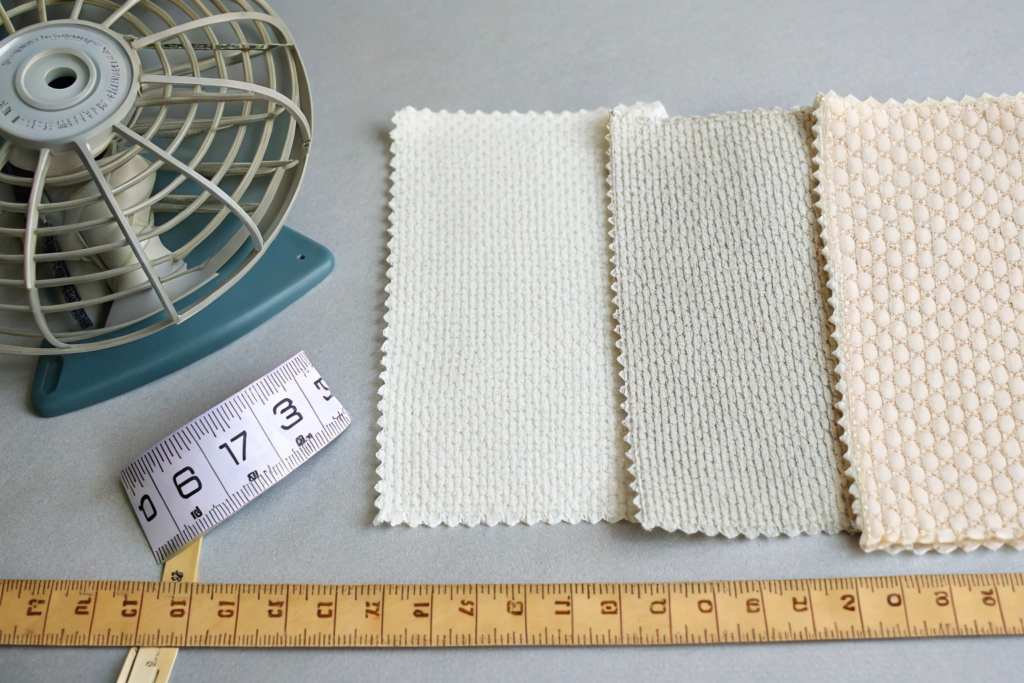
Why do open weaves like seersucker and mesh work so well?
Because they create physical space for air to flow. Seersucker has a puckered texture that lifts the fabric off the skin, creating a microclimate of air circulation. Mesh knits have visible holes that allow air to pass through freely. Voile and batiste are made with fine yarns in a loose weave, creating a fabric that is almost translucent and incredibly breathable.
The trade-off is often durability or opacity. A very open fabric may be less durable or may require a lining for modesty. But for shirts, summer scarves, and lightweight layers, these constructions are essential. We produce a range of mesh knit fabrics for a US-based athletic brand that are specifically engineered for maximum airflow. The open structure, combined with moisture-wicking yarns, creates a fabric that is incredibly cool during intense activity. (This article from Fashion-Incubator discusses fabric construction and breathability.)
What is the role of fabric weight in summer comfort?
Fabric weight, usually measured in grams per square meter (GSM) for knits or ounces per square yard for wovens, is critical. For summer, lighter is generally better. A heavy 200 GSM cotton t-shirt will be much warmer than a lightweight 140 GSM one. For woven shirts, look for fabrics in the 100-150 GSM range. For trousers, you might go a bit heavier for durability, but still aim for under 200 GSM.
However, weight isn’t everything. A very lightweight fabric made from a non-breathable fiber (like standard polyester) can still be uncomfortable. And a slightly heavier fabric made from a highly breathable fiber (like linen) can be cooler than a lightweight fabric made from plastic. We always advise clients to consider both weight and fiber. For a client from a Canadian brand developing summer chinos, we recommended a 180 GSM linen-cotton blend. It was light enough to be cool, but heavy enough to hold its shape and provide some durability. (The Textile School has a guide to fabric weight.)
How Should a Men’s Wear Brand Choose the Right Cooling Fabric?
You now have the knowledge. But how do you apply it to your specific collection? The "best" fabric depends entirely on the end use. A fabric that’s perfect for a performance running shirt would be completely wrong for a tailored office shirt. You need to match the fabric to the garment’s job.
I guide my clients through a simple decision tree. It starts with the end use and then moves through fiber, construction, and weight. Let me share that framework with you.
What fabric for dress shirts and tailored summer suiting?
For dress shirts, you want a balance of breathability, wrinkle resistance (or at least acceptable wrinkling), and a crisp, professional appearance. Excellent options include:
- Linen or linen-cotton blends: Timeless, breathable, and stylish, but wrinkles easily. The blend reduces wrinkling.
- TENCEL™ or TENCEL-cotton blends: Incredibly soft, breathable, and drape beautifully, with less wrinkling than pure linen.
- High-quality cotton in lightweight weaves: Seersucker, voile, or pinpoint oxford in a lightweight construction.
- Hemp-cotton blends: A more sustainable option with great breathability and a slightly textured look.
For tailored summer suits, lightweight wool (think fresco or tropical weight) is the classic choice, but linen and cotton suits are also popular. We’ve seen a rise in TENCEL-blend suiting for a soft, casual, yet sophisticated look. (This Permanent Style article on summer suiting is excellent.)
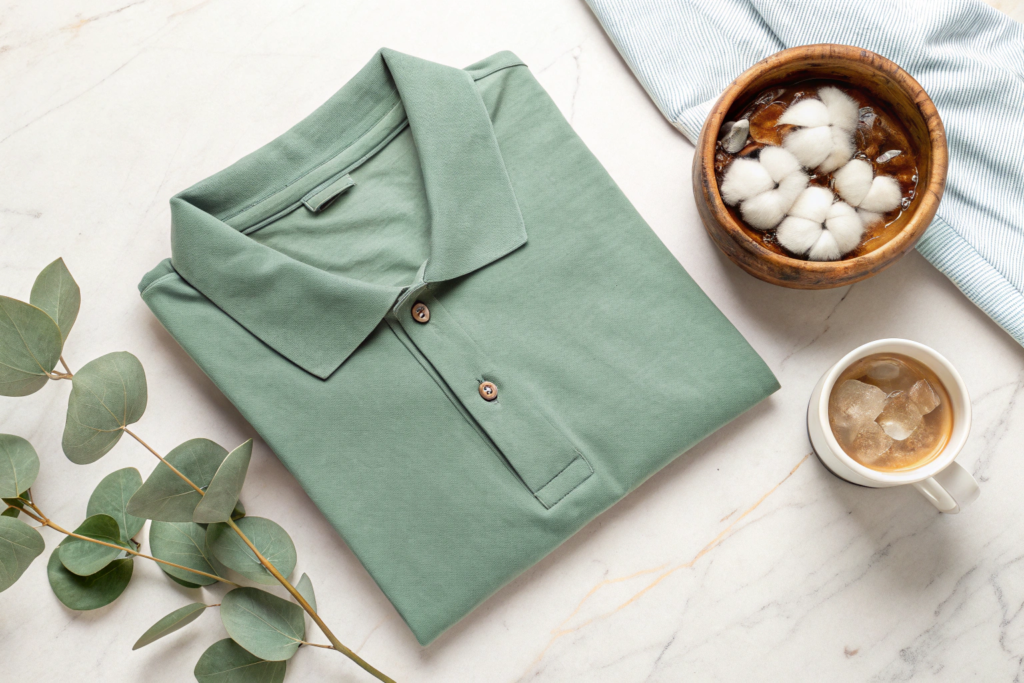
What fabric for polos, t-shirts, and casual summer tops?
For casual tops, comfort is king, but you also want shape retention and ease of care. Great choices include:
- Pima or Supima cotton in a lightweight jersey or pique knit: Soft, breathable, and classic.
- TENCEL™ Lyocell jersey: Incredibly soft, drapey, and cool, with a slightly more elevated look than basic cotton.
- Modal-cotton blends: Similar to TENCEL, often slightly less expensive, and very soft.
- Performance polyester or nylon blends: For active men, these offer moisture-wicking and quick-drying properties. Look for fabrics with textured yarns for a more natural handfeel.
- Linen-cotton jersey: A more casual, textured option that’s incredibly breathable.
What fabric for shorts, chinos, and casual summer trousers?
For bottoms, you need breathability, comfort, and enough durability to withstand sitting and movement. Consider:
- Linen or linen-cotton blends: Classic, breathable, and relaxed, but wrinkles easily. The blend helps.
- Cotton chino in a lightweight twill: A wardrobe staple. Look for lightweight fabrics (under 200 GSM).
- TENCEL™ or TENCEL-cotton twill: Incredibly soft and comfortable, with a beautiful drape. Less structured than cotton.
- Hemp-cotton canvas: More durable and breathable than cotton canvas, with a unique texture.
- Technical woven fabrics: For hiking or active use, look for lightweight nylons or polyesters with stretch and moisture-wicking.
Conclusion
So, what are the best cooling fabrics for summer men’s wear collections? The answer is not a single fiber, but a thoughtful selection based on the garment’s purpose. For timeless, breathable style, natural fibers like linen, hemp, and lightweight cotton constructions (seersucker, voile) are unmatched. For high-activity performance, technical synthetics with moisture-wicking and quick-dry properties, often using specialized fiber cross-sections and open knit structures, are the clear winners. And for exceptional next-to-skin comfort and natural temperature regulation, innovative cellulosics like TENCEL™ Lyocell and Modal, either alone or in smart blends with cotton or linen, offer a luxurious and effective solution. The magic often happens in the blend—combining the best properties of different fibers to create a fabric that is breathable, comfortable, durable, and beautiful. Understanding the interplay of fiber, yarn, construction, and weight is the key to creating a summer collection that your customers will actually enjoy wearing when the temperature soars.
This is exactly the kind of expertise we bring to every project at Shanghai Fumao. With over 20 years of experience in Keqiao, we don’t just sell fabric; we help you navigate the vast world of options to find the perfect solution for your specific needs. Whether you need a classic linen for a tailored shirt, a high-tech performance knit for activewear, or a luxurious TENCEL blend for casual comfort, we have the knowledge, the supply chain, and the testing capability to deliver. If you’re ready to create a summer collection that keeps your customers cool, comfortable, and looking great, please reach out to our Business Director, Elaine. She can discuss your vision, share our extensive fabric library, and help you select the ideal materials. Email her directly at elaine@fumaoclothing.com. Let’s make next summer your coolest one yet.