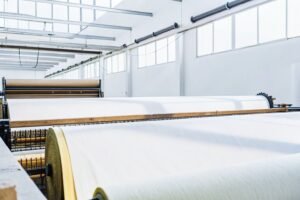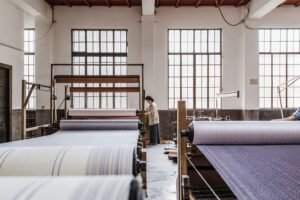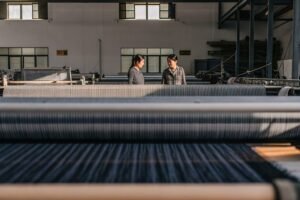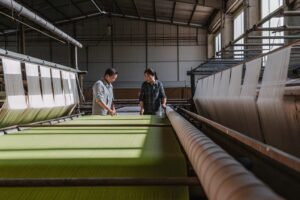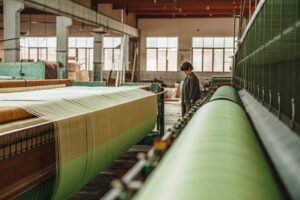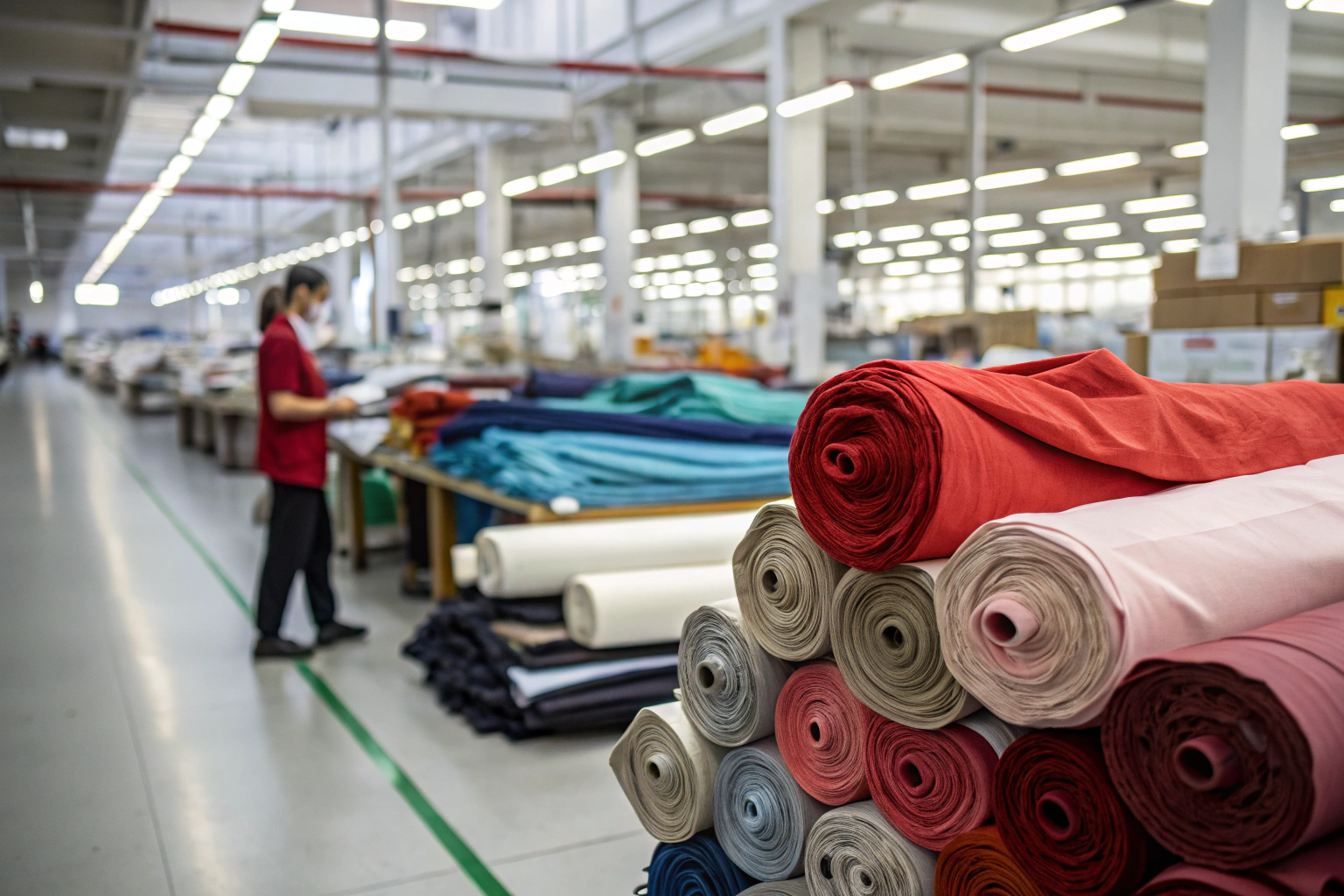
Let me be straight with you. I run a textile mill in Keqiao. I see this mistake every single week. A brand owner finds a crazy low price online for "100% Cotton Twill" and thinks they’ve won the lottery. Then the shipment lands in Los Angeles or Rotterdam and the nightmare starts. The color is off by two shades. The shrinkage is 8% instead of the promised 3%. The fabric pills after three washes. Suddenly that cheap price doesn’t look so smart when you have chargebacks from retailers and a warehouse full of unsellable jackets. The pain of fixing a bad batch is always ten times worse than the joy of saving that initial fifty cents a yard. You end up paying with your reputation and that’s the one currency you cannot afford to lose.
In the textile game specifically sourcing from China the final cost of the fabric is only one piece of the puzzle. The real risk hides in what we call the "invisible costs." These include the cost of quality failure rework logistics delays and most importantly the damage to your brand equity. When you source purely on price you often sacrifice the technical infrastructure required to deliver consistency. You might buy cloth but you lose the guarantee that the cloth performs. As the owner of Shanghai Fumao I can tell you that a factory with a cheap quote usually cut corners in three non-negotiable areas: colorfastness testing yarn grade verification and proper preshrinking finishing. If you skip these steps the garment you ship is a ticking time bomb. True cost control comes from first-pass yield rates and mill efficiency not from downgrading the raw material specification.
Now I know what you’re thinking. "Okay but how do I actually avoid this trap while still keeping my margins healthy?" It’s not about spending recklessly. It’s about shifting your focus from the FOB price on a spreadsheet to the actual cost of goods sold after the customer keeps it or returns it. I’m going to break down exactly where the hidden dangers lurk and how understanding the Chinese manufacturing calendar and our specific process here at Shanghai Fumao can actually save you money in the long run. Let’s get into the nitty-gritty details that most sourcing agents won’t tell you.
How Does Chinese Peak Season Impact True Fabric Costs
Let me paint a picture of March in Keqiao. It’s not quiet. It’s absolute controlled chaos. This is when every European fast fashion brand and every American sportswear label is pushing for Summer and Back-to-School deliveries. I walk my factory floor and the looms are running at 100% capacity 24/7. The air compressors are screaming and the dye house is booked solid for five weeks straight.
During these peak windows March through May and again August through October you aren’t just paying for fabric. You are paying for priority access to machine time and labor. This is where the low-price suppliers betray you. They will quote you a rock-bottom price in February to fill their order book. Then May comes around and your order gets pushed back. Why? Because they just got a bigger order from a local trading company willing to pay a premium for "spot delivery." You end up waiting an extra two weeks or more. For a fashion brand two weeks late on a seasonal collection means a 40% markdown at retail. That’s the hidden cost of a cheap price. The fabric might cost less per meter but the financial hit from missing the selling window is massive.
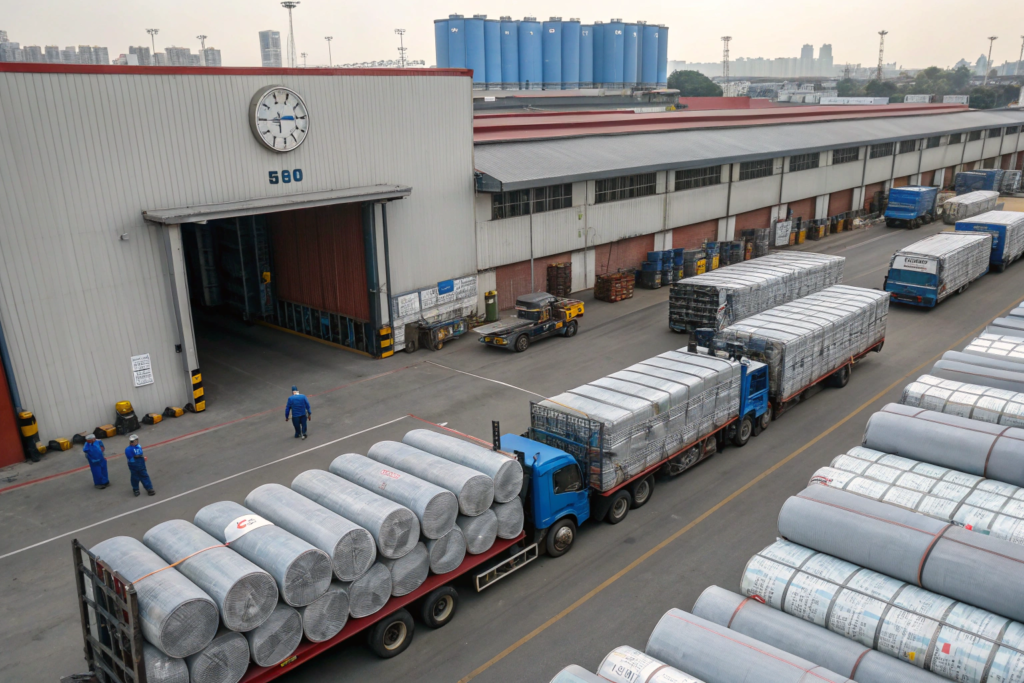
What Hidden Delivery Fees Appear During March Rush Season?
We call this "peak season surcharge syndrome." But we don’t itemize it on the invoice like FedEx does. It just shows up as a delay and then you have to scramble. Here’s what actually happens on the ground.
First there’s the labor overtime cost. To hit the volume demanded by the market every factory including mine has to pay double wages for night shifts and weekend work. A factory that quoted you a price based on regular daytime labor rates in January will be losing money on your order in April. They have two choices: delay your order until the cheaper labor window opens (June) or cut the fabric corners to speed up production. They might reduce the number of passes in the finishing stenter frame. That saves them 10 minutes per roll but it means your fabric will shrink later. (Here I must interject our delivery window is solid we lock in the machine time when you pay the deposit).
Second there’s the logistics gridlock. During the peak export period in Keqiao there is a literal traffic jam of trucks trying to get into the container freight stations. If you work with a small trading company without a dedicated logistics team your goods sit in a warehouse waiting for a truck assignment. That waiting time eats into your production timeline. At Shanghai Fumao we use our own fleet of trucks for local transport and we have pre-booked slots with the carriers for the trans-Pacific and Europe routes. This is a service you won’t get from a broker just flipping a spreadsheet order.
How to Plan Production to Avoid the Spring Crush Delays
You can’t stop the calendar. March will always be busy. But you can outsmart it. This is where the experience of a mill like ours becomes your secret weapon. It’s all about the Pre-Production Sample (PPS) and Lab Dip phase.
Most brands wait until February to finalize colors and then panic when they realize the dye house queue is four weeks long. If you are sourcing from China for Spring/Summer delivery you need to complete your lab dip approvals before Chinese New Year. That’s January. I tell my clients: "Forget the calendar month. Plan around the Chinese holiday schedule." We had a client last year who finalized their heavyweight brushed fleece order with us in early January. By the time the factory gates opened after the holiday their grey fabric was already waiting in the queue. We started dyeing on Day 2 post-holiday. They beat the rush by three weeks.
To help you visualize the planning required here is a comparison of how lead times shift based purely on timing of order placement.
| Phase | Orders Placed During Peak Season (Mar/Apr) | Orders Placed in Advance (Jan) |
|---|---|---|
| Lab Dip Approval | 3-4 Weeks (Lab backlog) | 2 Weeks (Priority handling) |
| Grey Fabric Weaving | 3-4 Weeks (Loom availability) | 2 Weeks (Reserved looms) |
| Dyeing Queue | 4-6 Weeks (High congestion) | 2-3 Weeks (First in line) |
| Finishing/Inspection | 2 Weeks (Rushed/Equipment strain) | 2 Weeks (Standard pace/High attention) |
| Total Lead Time | 12-16 Weeks | 8-10 Weeks |
The table shows a clear gap. That 4-6 week difference is what you "buy" when you choose a supplier with strong internal planning capabilities rather than just a low price tag. The low-price guy will just let you fall into that 16-week black hole and not say a word until you scream at him on WeChat. We prefer to map this out for you before the PO is even signed.
Why Does Pre-Holiday Sourcing Strategy Matter for Quality
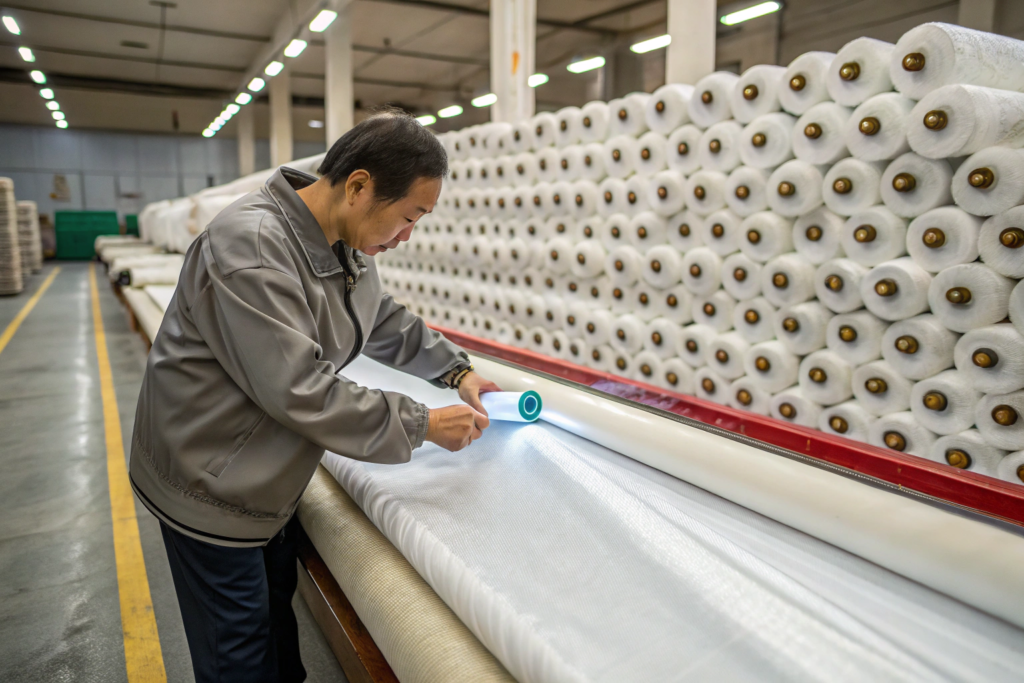
I’ve been in this business for over twenty years and I can tell you that the three weeks before Chinese New Year (CNY) and the week before Golden Week are the most dangerous times to accept a new shipment. This is not a secret among old-timers in the textile trade. We call it the "holiday scramble." And this is where the price-only factories show their true colors in the worst way possible.
The psychology in a low-margin factory is simple: "Get the container out the gate before the holiday. Whatever it takes." They want the invoice cleared so they can pay the workers’ bonuses. Quality control in that final week? It’s a joke. The best QC managers have already gone home to their villages. The workers on the floor are exhausted from 60-hour weeks and are daydreaming about train tickets. They rush the final inspection. They cut corners on the mending table. They roll up fabric with damp spots because they don’t want to wait for the dryer. You receive that fabric in your US warehouse in February open it up and find mildew. That’s a total loss claim that takes six months to settle and by then you’ve lost the season.
How Do Pre-Holiday Rushes Affect Fabric Finishing Standards
Let’s talk about a specific technical process that suffers immensely before a holiday: Heat Setting. This is the part of finishing where we run the fabric through a huge oven the stenter frame to stabilize the width and shrinkage. The key metric here is "dwell time." How long does the fabric stay at exactly 190 degrees Celsius?
A quality mill like ours uses computerized controls. The machine automatically adjusts speed to ensure every yard gets the same exact heat exposure. A factory rushing for the holiday? They crank up the speed dial to "11." They push the fabric through faster to get it on the truck. The dwell time drops from 45 seconds to 30 seconds. The result? The fabric looks fine on the inspection table. It’s flat. It’s smooth. But three months later after that garment has been washed twice? It shrinks like a wool sweater in a hot dryer. That’s because the "molecular memory" of the polyester or cotton wasn’t properly reset. The stretch was only temporary.
Here is a breakdown of what actually gets compromised in finishing when the pressure is on.
| Quality Parameter | Standard Procedure (Normal Period) | "Holiday Rush" Shortcut | Long-Term Garment Defect |
|---|---|---|---|
| Stenter Dwell Time | 40-60 seconds | 20-30 seconds | Progressive Shrinkage >5% |
| Cooling Cylinder Temp | < 30°C (Ambient) | Warm (>40°C) | Crease marks / Memory folds |
| Inspection Speed | 15 meters / minute | 30+ meters / minute | Missed holes / Slubs / Contamination |
| Moisture Content | 5-8% (Equilibrium) | 10-12% (Slightly damp) | Mildew growth in transit |
Why Should Buyers Complete PPS 6 Weeks Before CNY
I cannot stress this enough and this is where our Shanghai Fumao process differs from the market. You must treat the Pre-Production Sample (PPS) as your insurance policy.
We require a 6-week buffer before the factory shutdown. Here is the math based on real experience. Week 1 we receive your tech pack and discuss any yarn sourcing issues. Week 2 we weave the first 50 meters of greige and send it to the dye lab. Week 3 we dye the lab dips and cut the strike-offs for your approval. If there is a problem say the color is 10% too light we need Week 4 to reformulate the dye recipe. Week 5 we produce the bulk sample and run the full finishing route. Week 6 we ship that PPS to you via express.
If you only leave 2 weeks before CNY and you reject the PPS due to handfeel? You are finished. The factory gates close. Your order moves to the back of the line post-holiday. You lose March. You lose April. Your delivery slides from June to August. That’s a dead season. (Look I’m not trying to scare you into paying more I’m trying to scare you into planning earlier. There’s a difference.) Working with a supplier who understands how to validate fabric for long lead time markets is not a cost it’s risk mitigation.
What Are The Hidden Expenses in Low-Cost Fabric Sourcing
Let’s talk numbers. Real numbers. Not the price on the quote sheet but the money that leaves your bank account after the goods are sold. I had a client a few years back who bought polyester chiffon for a bridesmaid dress line. He saved $0.40 per yard on a 10,000-yard order. He thought he was a genius saving $4,000. Until the cutting room called.
The fabric was off-grain. That means the warp and weft yarns were not at a perfect 90-degree angle. It happens when the stenter operator is careless and pulls the fabric crooked. When you try to cut a dress pattern on skewed fabric the skirt twists around the body. It’s unwearable. His cutting room efficiency dropped from 85% to 65%. He lost 2,000 yards of fabric just in the cutting waste. Then add the labor cost for the cutters standing around re-aligning the fabric. Then add the air freight because they had to re-cut and re-sew to meet the wedding season deadline. That $4,000 "savings" cost him $22,000 in real money. This is why I tell people the cheapest fabric is always the one that processes correctly the first time.
What Is The True Cost of Poor Fabric Color Consistency
Color is the first thing the consumer sees and the last thing the factory wants to fix. Let’s talk about the "Lab Dip vs. Bulk" nightmare.
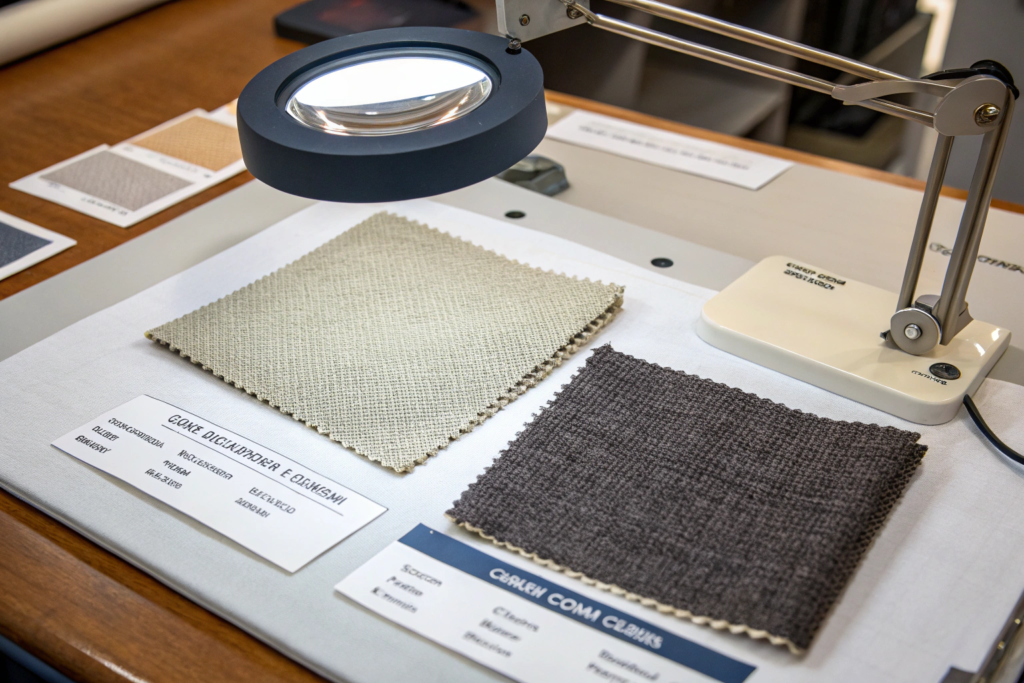
You approve a beautiful deep navy blue from a 4×4 inch swatch. You open the 5,000-yard shipment and it’s… a medium royal blue. What happened? The low-cost supplier used a different lot of cotton blend than the sample or they reduced the dye concentration in the bath to save money on chemicals. Now you have a problem. You can either reject the shipment pay for return freight argue for months and have no inventory for sale. Or you can accept it and face a 25% return rate online because "Item not as pictured."
At Shanghai Fumao we use a spectrophotometer in our CNAS lab to read the color digitally. We don’t rely on "eyeballing it" under a fluorescent tube. We use a Delta E tolerance. That’s a scientific measurement of color difference. The human eye can perceive a difference around Delta E 1.0. The industry standard for acceptable bulk is Delta E <1.5. Cheap factories often ship at Delta E 3.0 to 4.0. That’s a visibly different garment. If you want to know more about managing these tolerances for specific fibers like viscose I recommend reading industry forums where technical directors discuss the specifics of managing color fastness issues in viscose rayon from Asia. They break down the chemistry of why this fiber specifically is a challenge.
Why Do Cheap Fabrics Lead to Higher Garment Manufacturing Waste
There is a metric we use internally: First Pass Yield (FPY) . This is the percentage of fabric that goes onto the cutting table and actually makes it into a shippable garment without extra work.
Cheap fabric has a low FPY. It might be 80% or even 75%. Good fabric like ours runs at 95% to 98%. Why the gap? Because of defects per 100 yards. A cheap roll might have 15 to 20 "minor" defects a broken end a slub a reed mark. A garment factory sewing for a high-street brand has to cut around those defects. They have to stop the spreading machine circle the fault with chalk and cut a smaller piece later. This slows down production. It creates more seams. It creates more end bits that go in the trash. The garment factory will either charge you a surcharge for "excess handling" or they will just cut the garment anyway and ship a faulty product leading to chargebacks.
This is why investing in fabric with a detailed technical specification for China export textile standards matters. Standards from AATCC and ISO provide a neutral language to hold both parties accountable. Without that standard you’re just hoping for the best.
How Can A Strategic Partnership Reduce Long-Term Sourcing Risk
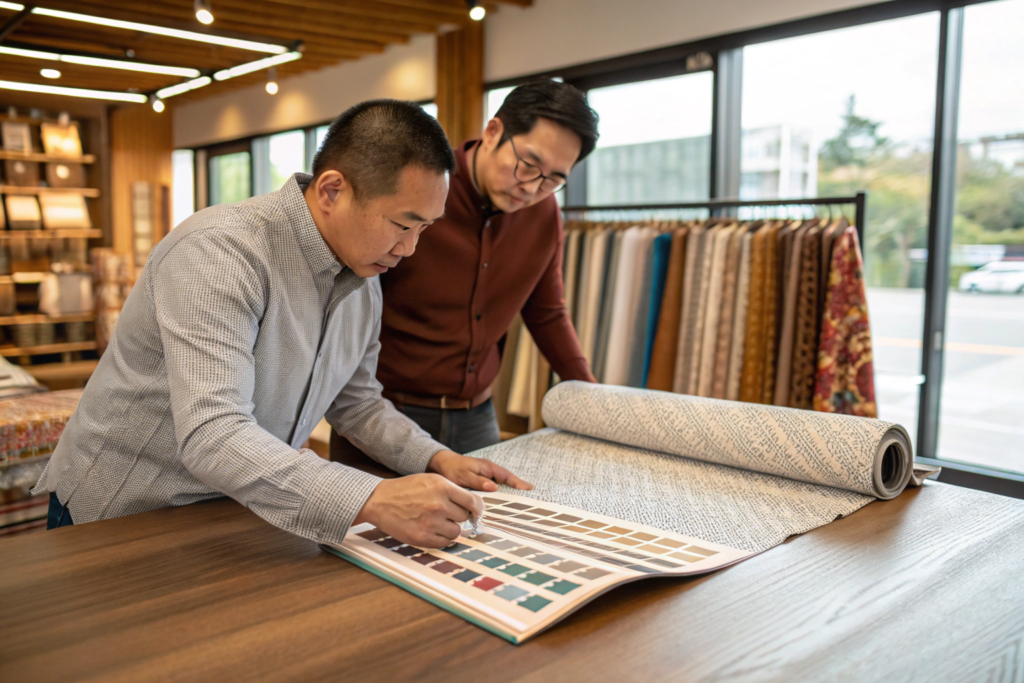
After 20 years in this game I can sum it up like this: You don’t want a vendor. You want a supply chain partner. A vendor just sells you what’s on the shelf. A partner keeps you out of trouble.
The difference is most visible when things go wrong. And in textiles things always go wrong. A machine breaks down. A typhoon hits Ningbo port. The yarn price spikes due to oil markets. When you have a strategic relationship with a mill like ours we absorb the first hit. If a loom breaks we shift your production to another loom in our network of 80 manufacturers in Keqiao. If the port is congested we reroute through Shanghai or even Xiamen. We don’t just send you an email saying "Sorry delay expected." We present a solution. That operational agility is what you’re buying when you work with a vertically integrated setup like Shanghai Fumao. We control the weaving printing embroidery and coating. That means no finger-pointing between subcontractors. One neck to choke if something goes wrong but honestly we prefer a pat on the back when it goes right.
How Does End-to-End QC Reduce Chargeback Risk for US Brands
Let’s talk about the specific pain point of US customers: Retail Compliance. Walmart. Target. Nordstrom. They have vendor guides that are 50 pages long. They test for everything heavy metals phthalates flammability.
If a product fails a random test at a US lab that recall is on your dollar. Not the fabric mill’s dollar. You. A low-cost trading company disappears when that happens. They change their Alibaba store name and pop up under a new account next week. We’ve been in Keqiao for two decades. Our name is on the building. We use a 4-Point System Inspection as standard not as an upsell. That’s the American standard for fabric grading. We check every roll before it goes into the poly bag. We also do Internal AQL 2.5 on finished garments if we are doing the CMT (Cut Make Trim) for you.
Here is a simple checklist of what a strategic partner provides that a price-focused vendor avoids.
- CNAS Lab Reports: Certified data on shrinkage and colorfastness valid in US courts/arbitration.
- QR Code Traceability: Scan the roll label and see the dye lot date inspection notes and even the operator ID.
- GOTS/GRS Certification: Chain of custody documents for sustainable claims to satisfy FTC Green Guides.
- Liability Acceptance: If our lab says shrinkage is 3% and it’s 5% we reimburse the fabric cost. A trader will blame the shipping container humidity.
What Role Does Supply Chain Visibility Play in Tariff Mitigation
Tariffs are a hot topic and I know my US customers lose sleep over the Section 301 duties. But here’s a little secret: Tariffs are calculated on the Landed Cost of the goods specifically the "First Sale" value. When you work with a trading company that layers 10% margin on top of the mill price you are paying a tariff on their margin too. That’s dumb money walking out the door.
Because we are the actual manufacturer we provide direct factory invoicing. That lowers the declared customs value legally and correctly reducing your duty exposure. Furthermore because we have our own export license we handle the Form A / GSP documentation seamlessly. This saves you time with your customs broker. If you need to pivot production to a yarn that uses less Chinese content to potentially change the HTS code classification we can advise on that. This is the kind of conversation you simply cannot have with a "price list email" vendor.
For those of you new to importing I always recommend checking resources on the current list of China Section 301 tariff exclusions and harmonized tariff schedule updates provided by CBP. It’s dense but it saves you thousands. And if you want to understand the nuances of fabric construction for tariff engineering you might find forums like the apparel industry professionals group on LinkedIn discussing fabric classification for duty savings useful for real-world chatter.
Conclusion
Look sourcing fabric is not about finding the lowest number on a screen. It’s about managing a complex physical process that involves weather chemistry machinery and human error. The risk of buying on price alone is that you inherit all of those variables without a safety net. You might get lucky once or twice. But over a five-year brand trajectory those failures in color shrinkage or delivery timing will erode your customer base faster than any competitor can. The real cost of cheap fabric is the lost lifetime value of a customer who returns an item and never trusts your size chart or product photos again.
I’ve shared how the rhythm of the Chinese manufacturing year from the spring crush to the holiday exodus affects not just the price tag but the very molecular structure of the cloth you’re buying. By planning 6 weeks out before CNY locking in pre-production early and partnering with a vertically integrated operation like ours you change the equation. You shift from reactive fire-fighting to strategic inventory management. You ensure that the fabric on the cutting table is the same fabric you fell in love with in the showroom.
If you’re tired of the guessing game and want to work with a team that owns the looms not just an email address we’re ready to talk. Whether you need 100 yards of specialty Tencel for a boutique drop or 50,000 yards of performance fleece for a national retail launch we have the machinery and the QC team to back it up.
For a direct consultation on your next collection or to discuss a specific fabric development project feel free to reach out to our Business Director Elaine. She’s been in this industry for over a decade and knows the supply chain inside and out. You can contact her directly at: elaine@fumaoclothing.com. Let’s build something that lasts.