You are looking at your profit and loss statement. Sales are up. Marketing is working. Your designs are getting likes on Instagram. But the bank account? It feels tight. You are constantly waiting for that next payment from the factoring company or that next deposit from the wholesale order. You think it is because you spent too much on Facebook ads or because you gave a discount to that big retailer. You might be wrong. The silent killer of your cash flow is sitting in your warehouse right now, wrapped in plastic and tied with a polyester string. It is Bad Fabric. It is the roll of cotton jersey that shrinks 8% instead of 3%. It is the printed rayon that bleeds color onto the white collar. It is the 2,000 yards of "premium linen" that is actually full of slubs and knots that stop your sewing line dead.
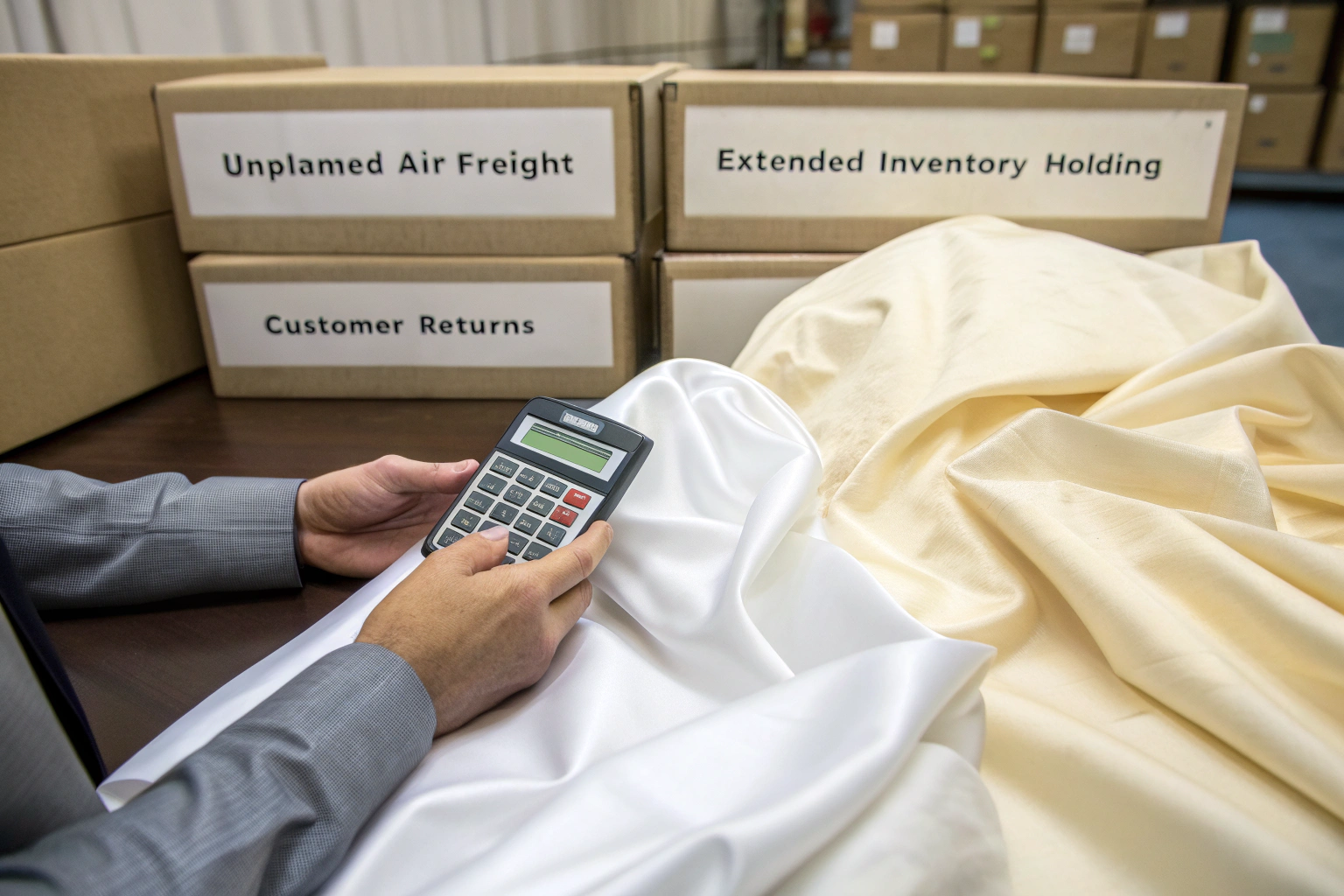
Poor fabric quality does not just cost you a chargeback from a store. It strangles your working capital in three specific ways: Unplanned Air Freight to replace defective goods, Extended Inventory Holding while you wait for replacements, and Customer Returns that tie up cash in refunds and return shipping. Every single yard of fabric you buy that is not up to spec is not just a wasted material cost. It is a tiny hole in your cash flow bucket. And if you have enough tiny holes, the bucket empties before you can refill it. At Shanghai Fumao, I see this every week. A brand comes to me in a panic because their "cheaper" supplier just torpedoed their season. They saved 50 cents a yard. They lost $50,000 in cash flow and market opportunity.
I want to show you exactly how this happens behind the scenes and why the math on a cheap quote is a lie. I am going to walk you through the real costs of low-grade fabric, how we at Fumao use our CNAS lab to stop these problems before they leave Keqiao, and why investing in quality control upfront is the smartest cash flow decision you will ever make.
What Are the Hidden Costs of Low-Grade Fabric?
When I say "hidden costs," I am not talking about the invoice price. I am talking about the domino effect that starts the moment that container of subpar fabric arrives at your cutting room. Most new brand owners only look at Cost Per Yard. They do not look at Cost Per Sellable Garment. And those two numbers can be wildly different. A roll of fabric with a ten-yard flaw in the middle is not just ten yards of waste. It is lost production time, extra labor to splice the fabric, and a shortfall in final units that means you cannot fulfill that big department store order.
How Do Fabric Defects Lead to Expensive Air Freight and Chargebacks?
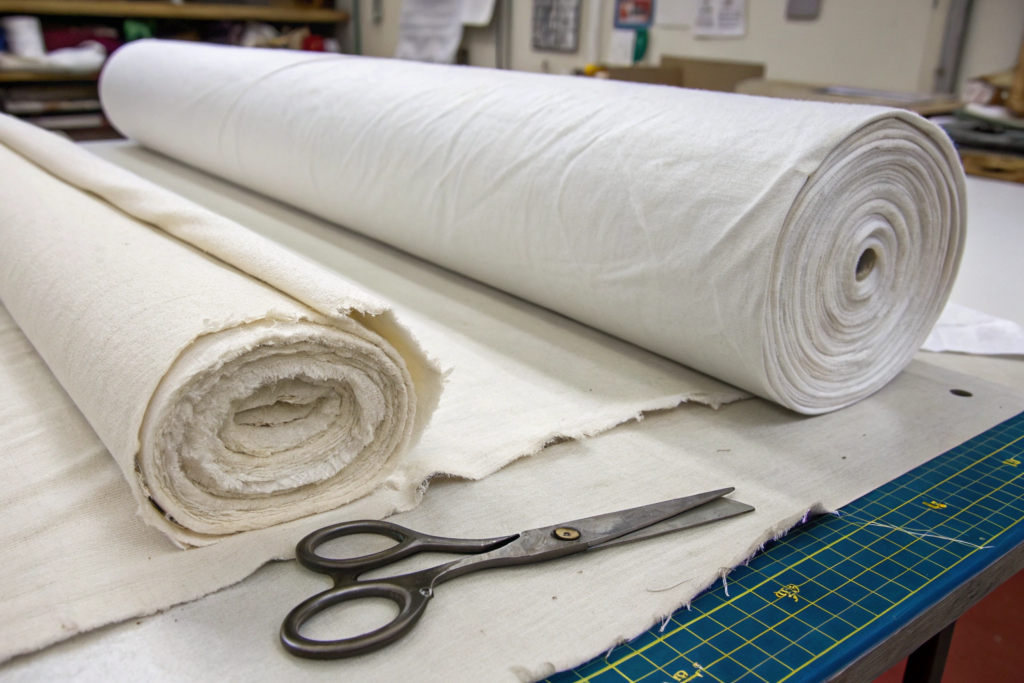
This is the most painful and immediate hit to your cash flow. Let me paint a picture from a real situation I dealt with in March 2026. A client from London ordered 3,000 yards of custom printed viscose from a low-cost printer in another province. The price was great. The delivery was on time. But when the fabric hit their cutting table in the UK, they discovered Shading Issues. The left side of the roll was a different shade of red than the right side of the roll. They could not cut their dresses because the front and back panels would be two different colors.
They had a launch deadline for an online drop. They had already sold pre-orders. Their choices were:
- Cancel the drop and refund the money. (Kills brand trust, loses immediate revenue).
- Air freight a replacement order from China. (Massive cash outlay).
They chose the air freight. The replacement fabric cost $9,500 for 500 yards just to cover the immediate orders. The air freight bill was $4,200. That is $13,700 in unplanned expenses that came straight out of their operating cash. They paid it because the alternative was worse. But that money was supposed to go toward their next season’s sampling and their influencer marketing budget. Now it is in the pocket of DHL and a last-minute dye house. And the original vendor? They offered a 10% discount on the next order. That does not pay for the air freight.
At Shanghai Fumao, we prevent this by running every single roll of printed fabric through an Inspection Frame. This is a backlit table that shows every color variation and every print defect. We assign a Shade Grade to each roll (A, B, C) and we group them so you only get matched shades in your shipment. If a roll is "C" grade, we do not ship it to you unless you specifically approved it for a discount. You can read more about how shading impacts garment manufacturing in this industry article on the high cost of fabric shading and how to manage color consistency in bulk production. It is a lesson you only want to learn once.
Can Low Bursting Strength Trigger Retail Compliance Fines?
Yes, and this is a ticking time bomb for anyone selling to big box stores or online platforms like Amazon. Major retailers have a Vendor Compliance Manual. It is a thick book of rules. And they enforce it with a financial sledgehammer.
Let’s say you ship 1,000 baby rompers to a US retailer. The retailer does a random quality audit. They test the fabric for Bursting Strength (ASTM D3787) . If it fails—if it falls below the 250 kPa threshold we talked about before—they do not just return the shipment. They issue a Chargeback. This is a deduction from the invoice they owe you.
A typical chargeback for failed testing is 10% to 20% of the invoice value. On a $30,000 order, that is a $3,000 to $6,000 surprise deduction. But the cash flow hit gets worse. They often charge you for the Cost of the Third-Party Test ($250). They charge you for the Labor to Rework or Destroy the Goods ($500). And worst of all, they flag your account. Your next shipment gets 100% Inspection at your cost. That means you pay for a lab test on every single PO before it ships.
I have a client in the Midwest who came to me specifically because of this issue. His previous vendor was using a lower-grade yarn that tested fine on the sample but failed on the bulk. He got hit with $8,000 in chargebacks and compliance fees in one season. He switched to our Fumao Lab-Tested Guarantee. We provide a Mill Test Report (MTR) with every shipment that he can submit to the retailer’s portal. He has not had a single chargeback since. It costs him a few cents more per yard, but it saves him thousands in compliance risk. For more on the specifics of these penalties, this resource on understanding major retailer compliance chargebacks for apparel vendors is an eye-opener.
How Does Fabric Weight Variance Ruin Your Garment COGS?
This is a scam as old as the textile industry itself. The vendor quotes you a fabric that is 200 GSM (Grams per Square Meter). They send you a sample that is 200 GSM. It feels great. You place the order. You receive the bulk fabric. It feels… thin. You weigh it. It is 180 GSM. The vendor shrugs and says, "Tolerance is plus or minus 5%." But 5% of 200 is 10. So they are 10% underweight. They just stole 10% of the cotton from your fabric and pocketed the difference. And here is the kicker: it destroys your Cost of Goods Sold (COGS) calculation.
Why Is a 5% Weight Variance a 10% Profit Margin Issue?
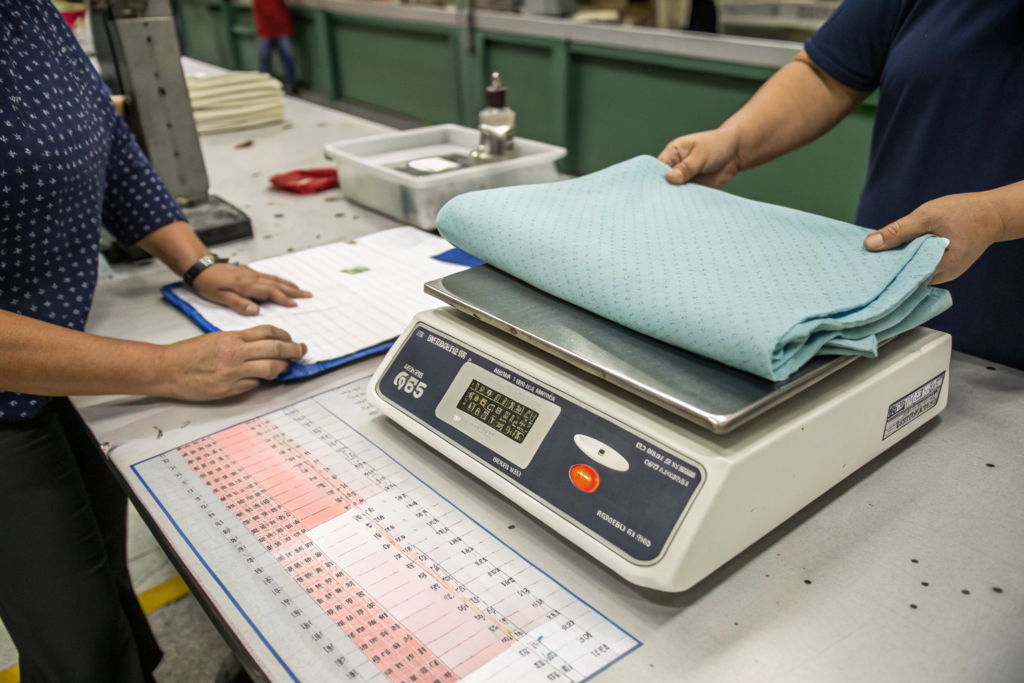
This is basic math, but it is math that most designers ignore. When you buy knit fabric, you buy it by the Kilogram (KG) . The vendor charges you $10 per KG. You assume you are getting a certain number of meters per KG based on the 200 GSM spec.
Let’s run the numbers on a 1,000 KG order.
- Order Spec: 200 GSM Jersey. Expected yield: 2.5 meters per KG. Total expected fabric: 2,500 meters.
- Actual Received: 180 GSM Jersey. Actual yield: 2.78 meters per KG. Total actual fabric: 2,780 meters.
Wait, you got more fabric! That is good, right? Wrong. You are making garments. You cut patterns based on Meters, not Kilos. If you ordered 1,000 KG expecting to cut 2,000 t-shirts (based on 1.25 meters per shirt), you will actually have fabric left over. But the t-shirts you do make will be thinner than the sample. They will feel cheap. They will fail the quality standards.
Even worse, if the vendor was smart, they will charge you for 200 GSM but ship you 180 GSM. They just saved 10% on their raw cotton costs. They keep that 10% as extra profit. You get a subpar product. Your customer feels the difference. Your reviews tank. The cash you spent on that 1,000 KG did not buy you the quality you needed to command your retail price. You now have to mark down those t-shirts to clear them, destroying your margin.
At Shanghai Fumao, we cut a Weight Swatch from every single roll of greige fabric before it goes to dyeing. We use a GSM Cutter and a calibrated digital scale. We reject any roll that is more than 3% underweight or 5% overweight (overweight is bad too because you pay for extra weight that doesn’t give you more yield). We keep the weight consistent. Your COGS stays predictable. I found a technical explanation of this issue in a forum post about how gsm variance affects fabric cost and garment quality in knit production. It is a must-read for any production manager.
Does Skewing and Torque Increase Your Cutting Room Labor Costs?
This is the one that makes cutting room managers want to pull their hair out. Skew (also called Torque or Spirality) is when the fabric is knitted with unbalanced twist in the yarn. When you wash the fabric or even just let it relax on the cutting table, the whole grain of the fabric twists diagonally.
If you lay out a marker on skewed fabric, the pattern pieces that are cut "on grain" are actually off-grain. The seam will twist. The t-shirt will hang crooked on the body. To fix this, the cutting room has to Block the fabric. They have to physically pull and steam the fabric to try and straighten the grain before cutting. This takes time and labor.
I have walked through cutting rooms in Los Angeles where they add a 15% Labor Surcharge for working with skewed fabric from cheap mills. They have to lay the fabric out, let it rest for 24 hours to "relax," then steam it, then cut it. That labor cost is hidden in the cutting ticket. It adds $0.25 to $0.50 per garment.
We prevent this by using Compact Yarn and Relaxed Dyeing methods. We also run a Skew Test (AATCC 179) on every lot. Our standard is a maximum skew of 3%. Most cheap fabric runs at 8% to 12% skew. That difference means your cutter can just spread the fabric and cut it immediately. No blocking. No wasted labor. That savings goes straight to your bottom line.
How Does Color Consistency Impact Your Production Lead Times?
Color is the first thing the customer sees. It is also the first thing that can shut down your production line. You designed a collection around a specific shade of Sage Green. The lab dip was perfect. The bulk arrives and it is more like Mint Green. You cannot mix the mint green rolls with the sage green rolls in the same garment. You cannot ship them to the same store because the visual merchandising team will reject them. You are now stuck with 500 yards of a color you cannot use.
What Is the Difference Between a Lab Dip and Bulk Shade Continuity?
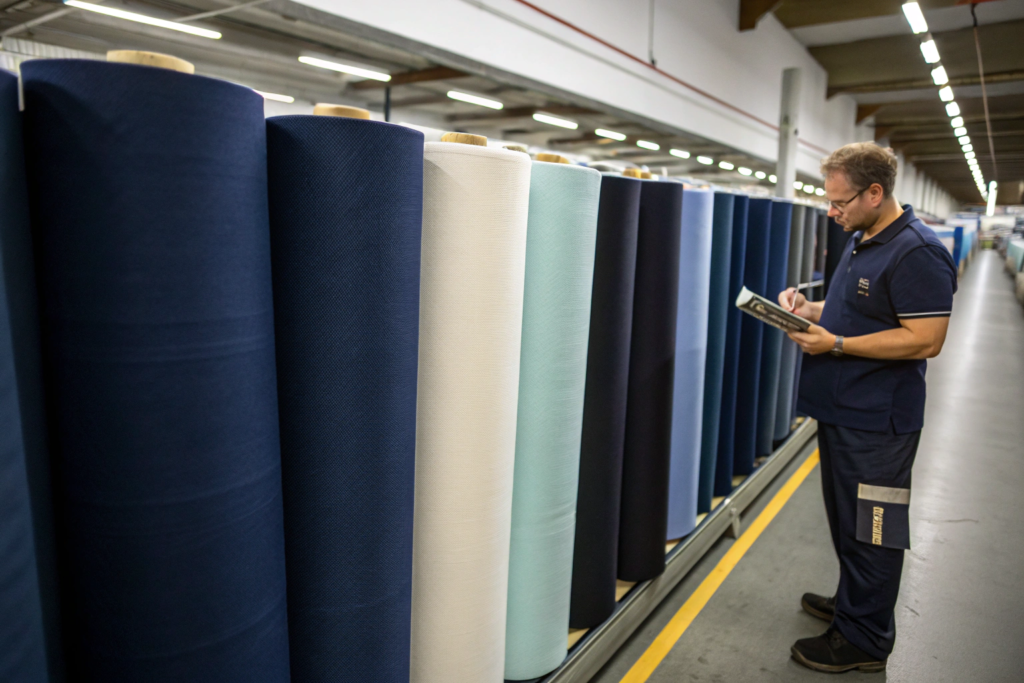
A Lab Dip is a tiny swatch of fabric dyed in a beaker under perfect laboratory conditions. It is the "promise." Bulk Shade Continuity is what happens when you dye 1,000 KG of fabric in a giant pressure vessel with hundreds of gallons of water and steam.
The difference between these two is where the cash flow killer lives. Many mills cut corners by using Low-Quality Reactive Dyes that are not stable under high heat. They might match the lab dip on day one, but if the dye machine temperature fluctuates by 5°C between Batch #1 and Batch #2, the shade shifts.
We use High-Energy Reactive Dyes from top German and Swiss suppliers (like Huntsman or Archroma) at Shanghai Fumao. These dyes are more expensive per KG, but they are Temperature Robust. They give a consistent shade across a wide range of conditions.
Furthermore, we use a Spectrophotometer to read every single batch. This machine gives the color a numerical value (Delta E CMC). We keep the Delta E under 0.8 for solid colors. That means the human eye cannot see the difference. Most cheap vendors accept a Delta E of 1.5 to 2.0. You can see that difference. It looks like a "bad batch."
I had a client doing a run of bridesmaid dresses in Dusty Rose. The original vendor gave them three batches with a visible difference. They had to sort the cut pieces by shade and sew them in separate lots. This doubled their sorting labor and delayed shipment by two weeks. The retailer canceled a portion of the order due to late delivery. Cash flow gone. We re-ran the order for them using our continuous dyeing range. One lot. One shade. Perfect match. You can learn more about this in an article on the importance of delta e cmc tolerances in textile dyeing for apparel brands. It is a technical read but worth it.
Can Poor Colorfastness Trigger a Recall of Your Garments?
Yes, and a recall is the nuclear bomb of cash flow destruction. Colorfastness is the ability of the dye to stay in the fabric and not bleed onto the wearer’s skin or other clothes in the wash. The specific test is AATCC 61 (Wash Fastness) and AATCC 8 (Crocking/Rubbing) .
If a dark denim jacket bleeds blue dye onto a white leather car seat, you are not just getting a bad review. You are getting a lawsuit for property damage. If a red cotton romper bleeds onto a baby’s skin, you are looking at a CPSC Recall. A recall means you have to refund every single customer, pay for return shipping, and destroy the inventory. That is a 100% loss on that production run.
We test wash fastness and crocking on every single color lot in our CNAS lab. We do not guess. We do not rely on the dye house’s word. We have a washing machine and a crock meter in our building. If the color bleeds more than a Grade 4 on the Gray Scale for Staining, we reject the lot and re-dye it. It costs us time and money to do this, but it costs you nothing because it never leaves our dock.
I remember a case in 2024 with a client doing a vintage wash black t-shirt. The pigment dye looked amazing but crocked badly (it rubbed off on everything). We advised the client to switch to a Reactive Dye with a Silicone Softener to achieve the same look without the rub-off. They agreed. The shirts sold out without a single complaint about dye transfer. That is the kind of intervention that saves your brand’s reputation and your cash.
How Does Fumao’s CNAS Lab Save You from Bad Batches?
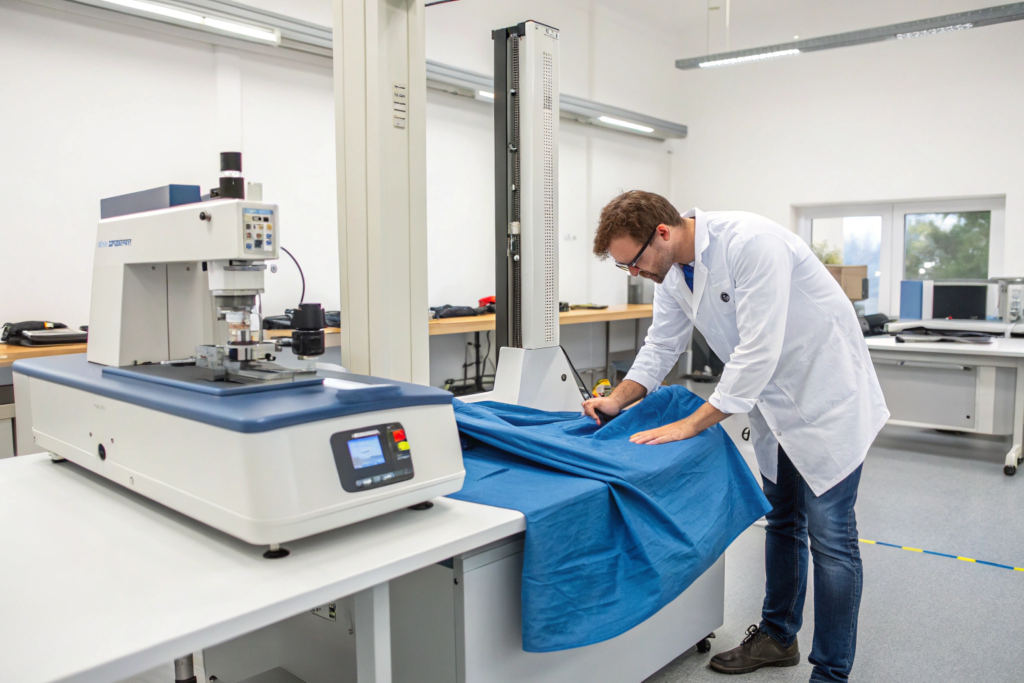
Most fabric trading companies do not have a lab. They have a phone and a relationship with a freight forwarder. They take your money, they buy fabric from a mill they barely know, and they hope for the best. If the fabric is bad, they go back to the mill. The mill says, "It meets Chinese national standard." And you, the buyer in America or Europe, are left holding the bag. This is why having a CNAS Accredited Lab in-house changes the entire power dynamic.
CNAS is the China National Accreditation Service. It means our lab follows ISO 17025 standards. It means our test results are legally recognized internationally. When I give you a test report from Shanghai Fumao, it is not just a piece of paper. It is a shield.
Why Is In-House Testing Faster and More Reliable Than Third-Party?
Speed is a form of cash flow protection. Here is the traditional model:
- Fabric finishes production.
- Vendor cuts a swatch and mails it to a third-party lab like SGS or Intertek.
- Lab takes 3-5 business days to process the sample.
- Lab emails the report (another 1-2 days).
- If there is a fail, you start over.
That is a 7-10 day delay between finishing the fabric and shipping it. In the fashion calendar, 10 days is an eternity.
Our model is different. The fabric comes off the finishing line and goes straight into our lab on the same floor. We run the ASTM tests for bursting, pilling, and colorfastness within 24 hours. If there is a problem, we catch it immediately. We do not pack the container and then find out the fabric failed. We fix the issue before the container is booked.
This speed means we can offer Quick Ship Programs that other vendors cannot match. If you need 2,000 yards of interlock in 14 days, we can do it because we do not waste 10 of those days waiting for an outside lab report. That speed keeps your production line moving and your cash converting into finished goods faster. You can read about the benefits of in-house lab testing in this industry resource on how vertical textile mills use in-line testing to reduce lead times and defects.
What Specific ASTM Tests Does Fumao Perform on Every Lot?
Transparency is the only cure for suspicion in this business. I want you to know exactly what we are checking before you pay the balance. Here is the Standard Test Suite we run on every single finished fabric lot (unless you specify otherwise):
| Test Name | ASTM Standard | What It Measures | Why It Protects Cash Flow |
|---|---|---|---|
| Bursting Strength | ASTM D3787 | Fabric resistance to rupture (kPa) | Prevents knee blowouts & chargebacks |
| Dimensional Stability | AATCC 135 | Shrinkage % after 3 washes | Prevents size mismatches & returns |
| Colorfastness to Laundry | AATCC 61 | Dye bleeding/staining | Prevents wash recalls & liability |
| Crocking (Rubbing) | AATCC 8 | Dry/Wet rub-off of dye | Prevents dye transfer complaints |
| Pilling Resistance | ASTM D3512 | Fuzz balls after abrasion | Prevents "cheap look" after wear |
| pH Value | AATCC 81 | Acidity/Alkalinity of fabric | Prevents skin irritation (baby safety) |
This is not a "nice to have." This is the minimum standard we set for ourselves. If the fabric passes these six tests, I can sleep at night knowing it will not come back to haunt your cash flow.
I had a client from Canada last season who asked us to match a specific interlock from a cheaper vendor. We ran the cheaper vendor’s swatch through our lab first. The pH Value was 9.5 (highly alkaline). That means the fabric was not neutralized properly after dyeing. It would have caused severe skin rash on a baby or someone with sensitive skin. We showed the client the report. They were shocked. They had been selling that fabric for a year with no complaints yet. They immediately switched to our production. That is the kind of invisible risk we help you avoid.
Conclusion
Fabric quality is not a luxury feature. It is not a marketing bullet point. It is the bedrock of your cash flow forecast. When you buy cheap fabric, you are not saving money. You are borrowing time and risk. You are betting that the batch will be consistent, that the color will hold, and that the fabric will not fail. And when that bet loses—and it eventually will—you pay for it with air freight, with chargebacks, with idle labor, and with lost customer trust.
At Shanghai Fumao, we have spent the money on the CNAS lab, the spectrophotometers, the inspection frames, and the high-energy dyes. We have done that so you do not have to spend your money on emergency air freight and compliance fines. We have built a system that catches the silent killers before they leave our factory floor in Keqiao.
You should be spending your mental energy on your next design, your next marketing campaign, and your next sales meeting. You should not be spending it wondering if the red dye will bleed or if the fabric will bag out.
If you are ready to lock in your costs and protect your cash flow with lab-certified fabric that performs exactly how it is supposed to, let’s have a conversation. We can provide you with a full test report template so you can see exactly what you are buying.
Reach out to our Business Director, Elaine. She coordinates all the technical documentation and can arrange for a physical swatch book complete with test data for each fabric. Email her at elaine@fumaoclothing.com. Let’s stop the silent killer before it hits your bottom line.