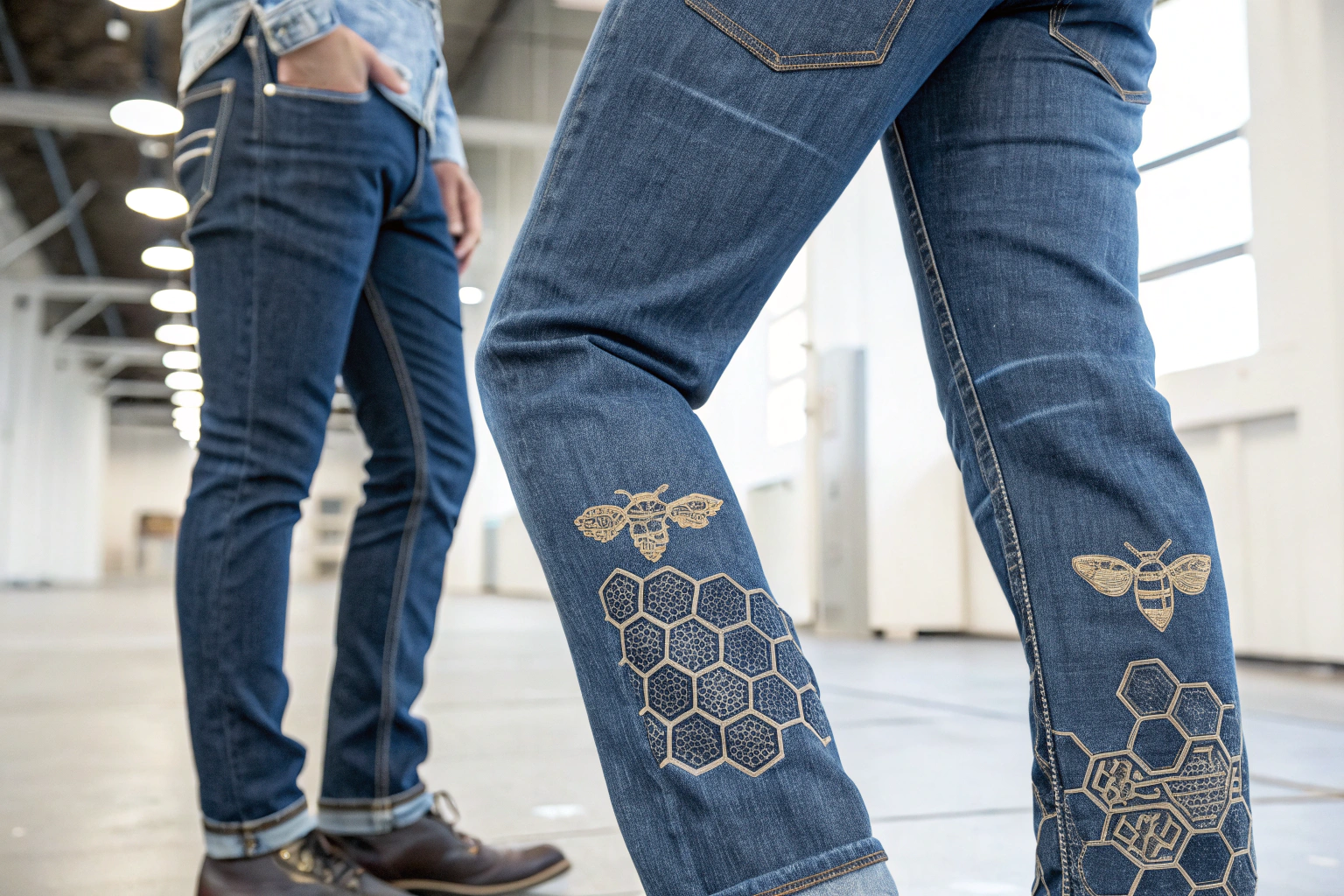
Let me be blunt: sourcing denim from China is easy. Sourcing denim with consistent wash quality is one of the hardest things you can do. I’ve seen too many brands, from LA startups to European mid-market labels, get burned. They receive a beautiful first sample, approve production, and then the bulk fabric arrives—the shade is different, the hand-feel is wrong, the whiskers don’t pop the same way. The result? Garments that look like they came from different brands, massive delays, and angry wash house managers.
Consistency in denim isn’t a happy accident; it’s the product of extreme vertical control, obsessive process standardization, and deep technical expertise. The wash is the soul of denim, and that soul is born in the fabric’s construction and finishing, long before it ever hits a laser or pumice stone. At Shanghai Fumao Fabric, our entire denim operation is engineered around this single principle: predictability. We don’t just sell denim; we sell a repeatable, washable canvas for your creativity.
The secret lies in controlling the variables—from the yarn twist to the final sanforization. I’ll walk you through the exact framework we use to guarantee that roll 1 and roll 10,000 behave identically under the wash jets.
What Fabric Construction Elements Dictate Wash Results?
The wash process reveals what’s already in the fabric; it doesn’t add magic. Inconsistent washes almost always trace back to inconsistent fabric construction. You must think like a denim engineer, not just a buyer. The core variables are: yarn quality and slub profile, weave tension, and indigo dyeing penetration. If these aren’t locked down, your wash house is fighting a losing battle.
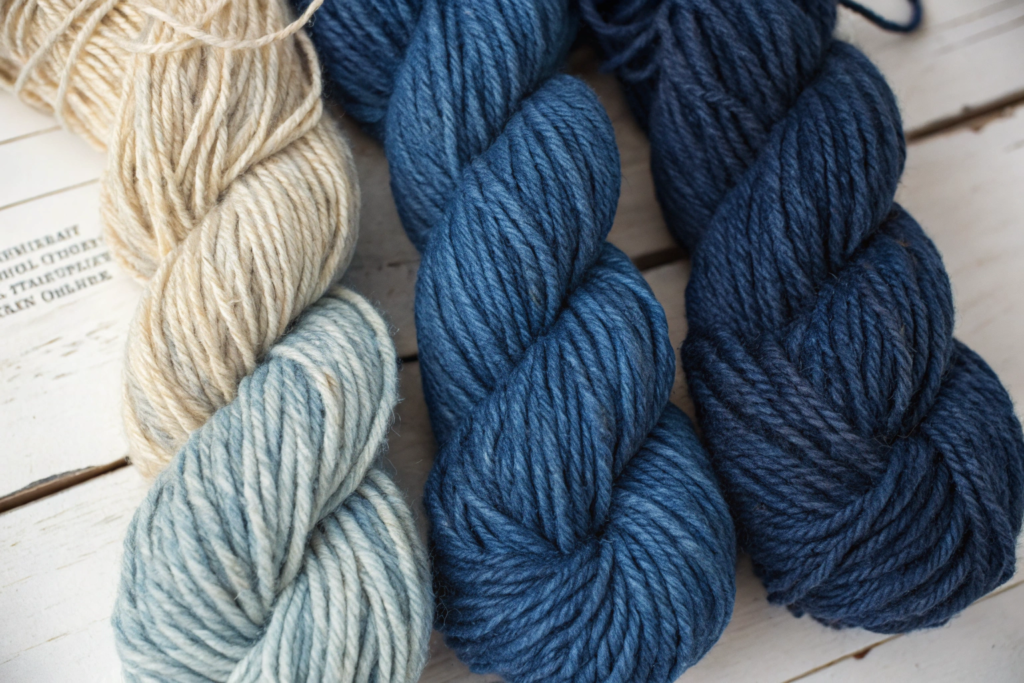
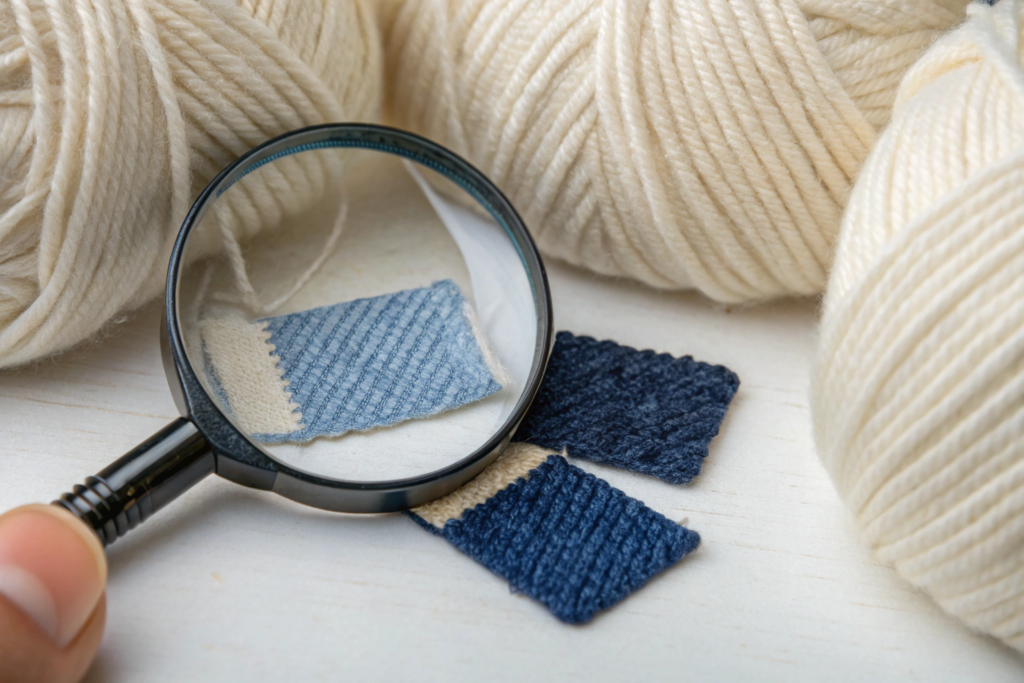
The foundation is the yarn. A high-slub, irregular yarn will abrade differently than a smooth one, creating more dramatic, vintage-looking wear patterns. But if that slub profile varies from lot to lot, your whiskers will be random. Then there’s dye penetration. Ring-dyed indigo (where only the yarn’s outer layer is colored) is key for abrasion-based fading. If the dye vat parameters fluctuate, penetration depth changes, leading to different fade speeds and final hues.
Why is yarn selection the first and most critical step?
It’s the DNA. You must specify and control:
- Yarn Twist Level: Higher twist yarns are harder, resist abrasion more, and fade slower. Lower twist is softer and wears faster.
- Slub Frequency and Intensity: This is often specified visually against a "master swatch." Is it a fine, peppery slub or a bold, irregular one?
- Staple Fiber Origin and Blend: Egyptian cotton vs. Turkish vs. Supima vs. recycled cotton—each has different fiber length and strength, affecting the wear character.
We maintain a dedicated yarn bank for key clients. For a major Australian workwear brand in late 2023, we created a custom yarn blend with a specific Turkish cotton and a defined low-twist parameter. Every production run since has used yarn from the same spinning mill, under the same contract. The result? Their wash house reports a 95% reduction in wash recipe adjustments between fabric lots. For deep technical insights, forums like Denimhunters provide excellent breakdowns on how yarn characteristics influence denim fading.
How does weave tension affect consistency?
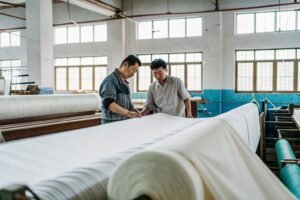
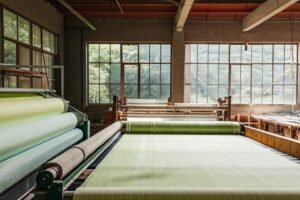
Think of the loom like a piano—it needs to be in tune. Warp tension must be absolutely uniform across all thousands of ends. Inconsistent tension leads to variation in fabric density (picks per inch), which directly changes how the fabric abrades. A tighter weave resists sandblasting and enzyme attack differently than a looser one. Our weaving facility uses Belgian Picanol looms with automatic tension monitoring. The data is logged. If a roll’s density falls outside our strict +/- 2% tolerance, it’s flagged for review before it ever goes to dyeing. This level of control is non-negotiable.
How to Standardize the Dyeing and Finishing Process?
This is where most inconsistency is born. Artisanal, small-batch dyeing might sound romantic, but it’s the enemy of bulk consistency. Modern, consistent denim requires computerized, repeatable processes. The goals are: identical indigo shade, identical reduction/oxidation cycles, and identical post-dye finishing (like sanforization for shrinkage control).
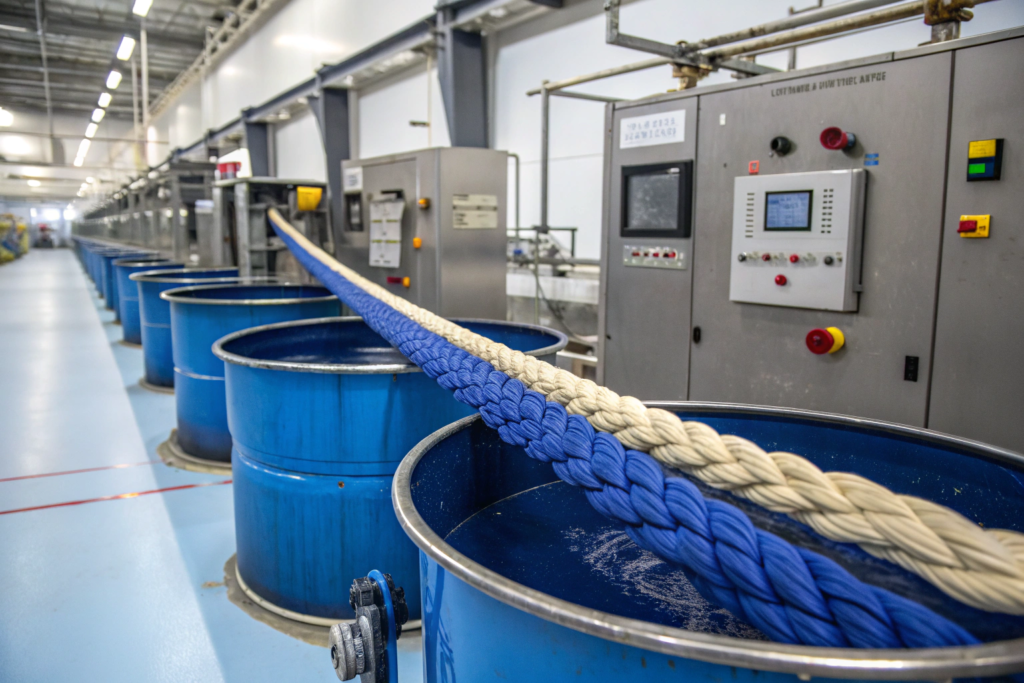
The indigo dyeing process (rope dyeing or slasher dyeing) is a complex chemical dance involving dip cycles, air oxidation times, and reduction agent concentrations. Any drift in these parameters changes the final shade and, crucially, the "ring" of the dye. Finishing, especially pre-shrinking, must be calibrated to deliver the exact residual shrinkage you specify (e.g., 3% max in warp). Inconsistent sanforization is a primary cause of garment panel distortion after home washing.
What controls are needed in the indigo dye range?
You need a supplier who can provide process logs, not just promises. Key control points:
- Indigo & Chemical Concentration: Automated dosing systems with real-time monitoring.
- Dip-Nip Cycles: Precise control over immersion time and squeeze pressure for each dip.
- Oxidation Time & Humidity: Critical for dye fixation; must be environmentally controlled.
We partner with a dyeing mill that uses a fully automated, closed-loop Indigo Vat Control system. Every meter of fabric is tagged with the vat batch number. In April 2024, a client in Italy reported a minor shade query. We pulled the digital log for that vat batch, cross-referenced it with the lab dip approval, and identified a 0.5°C temperature fluctuation in the oxidation chamber. We adjusted it immediately for the next run. This traceability is everything. Resources like AATCC (American Association of Textile Chemists and Colorists) set the global standards for colorfastness and dyeing process control.
Why is post-dye finishing a make-or-break stage?
After dyeing, the fabric is "green" and unstable. It must be finished. The two critical steps are:
- Singeing: Burning off surface fibers for a cleaner face. Uneven singeing leads to patchy abrasion.
- Sanforizing/Skimming: This passes the fabric through a hot cylinder and rubber belt to pre-shrink it. The temperature, pressure, and moisture must be perfect. We calibrate our sanforizers weekly against a master fabric sample.
We provide a Shrinkage Test Report for every roll, not just per lot. This gives your pattern makers the confidence to grade accurately. A Scandinavian jeans brand we work with reduced their in-house "wash-and-measure" QC time by 70% because they trust our roll-specific data. (Here’s a tip from the factory floor: if a supplier’s shrinkage report is a single number for a 10,000-meter lot, be very suspicious).
How to Collaborate Effectively with Wash Houses and Your Supplier?
Consistency is a three-way partnership between you, the fabric supplier, and the wash house. Isolation is the enemy. The old model—buy fabric, throw it over the wall to the wash house, and hope—is broken. The modern model is integrated and data-driven. Your fabric supplier must speak the language of the wash technician.
The goal is to create a "Wash Development Kit" for each fabric. This isn’t just a swatch; it’s a dossier. It includes fabric specs, dyeing parameters, and, most importantly, a set of pre-approved wash protocols developed in tandem with a pilot wash house. This kit is then shared with your production wash house, giving them a proven starting point. We act as the technical bridge, often participating in three-way calls to troubleshoot any deviation.
What should be in a denim fabric tech pack for washing?
Go beyond standard specs. Include:
- Base Fabric Weight & Construction: GSM, Warp/Weft count, weave.
- Shrinkage Residuals: Warp/Weft, provided by the mill.
- Chemical History: List of applied finishes (softeners, resins) as these affect enzyme reaction.
- Approved Wash Recipes: For a light, medium, and heavy wash (e.g., enzyme time, pumice stone type, laser power settings).
- Physical Standard Swatches: Washed and unwashed, with measured delta-E values.
We developed this system for a US streetwear brand in 2023. Their fabric tech pack included a QR code linking to a video of the approved wash development process. Their wash houses in Vietnam and Mexico both accessed the same information, achieving 98% shade and hand-feel match across countries. For wash houses seeking to standardize, platforms like Jeanologia’s resource center discusses digitalizing and calibrating denim wash processes.
How do you set up a pilot wash development process?
Don’t wait for bulk. During sampling, you must:
- Send 50-meter pilot rolls to your designated development wash house.
- Test the full range of washes you plan to use (enzyme, bleach, stone, laser).
- Document every parameter and measure the results (color, abrasion points, tensile strength loss).
- Lock the recipes and send the finished, approved swatches back to the fabric mill as the gold standard.
We keep these "gold standard" washed swatches in our QC room. Every bulk roll is checked against them for visual and tactile match before shipment. This closed-loop system eliminates surprises.
What Quality Assurance Protocols Guarantee Batch-to-Batch Consistency?
Hope is not a strategy. You need a supplier whose QA system is designed to catch and eliminate variation before it leaves the factory. This goes beyond basic inspection for holes. It’s about statistical process control (SPC) on the key parameters that affect washability.
The protocol must be destructive and non-destructive. It should include pre-production testing on greige fabric, in-process checks during dyeing, and a final audit that simulates wash conditions. At Shanghai Fumao, our CNAS-accredited lab is central to this. We don’t just test to pass; we test to predict and control.

What specific lab tests predict wash performance?
These are mandatory:
- Tensile & Tear Strength (Before/Abrasion): Measures the fabric’s inherent strength and how much it loses after standardized abrasion (Martindale test). This predicts durability in heavy stone washing.
- Colorfastness to Rubbing (Dry/Wet): AATCC Crockmeter test. Predicts indigo bleeding and crocking onto pockets or linings.
- Colorfastness to Washing: Ensures the base shade is stable.
- Precision Shrinkage Test: Using a dedicated washer/dryer for accuracy.
- PH Test: Residual alkalinity can affect enzyme activity in the wash.
We batch-test these for every dye lot. In one instance, for a client sourcing black sulfur-dyed denim, our pre-shipment abrasion test showed a higher-than-spec strength loss. We traced it to an over-application of softener, which was then corrected before shipment. This saved the client from potential garment failures. The SGS Global website is a key reference for understanding denim fabric performance testing standards.
How does in-line monitoring work during production?
Technology is key. We use:
- On-Loom Density Monitors: Continuous feedback on picks per inch.
- Spectrophotometers at the Dye Range: Scanning the fabric every few meters for shade deviation.
- Automated Inspection Machines: Not just for defects, but to map fabric density and slub distribution.
This data creates a "fingerprint" for each roll. Any roll whose fingerprint is outside the statistical norm of the approved master batch is held for review. This system is how we achieve what clients call "uncanny consistency." It’s not uncanny; it’s just thorough engineering.
Conclusion
Sourcing denim with consistent wash quality from China is not about finding a cheap factory; it’s about partnering with a technical manufacturer that treats denim as a precision-engineered product. The path to consistency is clear: control the yarn and weave, standardize the dyeing and finishing with data, integrate your wash house into the development loop, and enforce a ruthless, science-based QA protocol.
The brands that win in denim are those that understand this depth. They don’t buy fabric; they invest in a reliable, repeatable system. They enjoy faster time-to-market, lower production waste, and a brand identity built on dependable quality.
You can have the creative freedom of vintage-inspired washes without the vintage-inspired supply chain chaos. It requires a partner who is built for this challenge. At Shanghai Fumao Fabric, our entire vertical denim operation is dedicated to delivering that elusive consistency, roll after roll. Let us be your foundation. Contact our Business Director, Elaine, to start a technical discussion about your denim needs. Build your collection on a foundation of certainty: elaine@fumaoclothing.com.