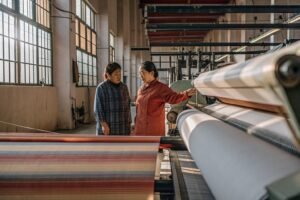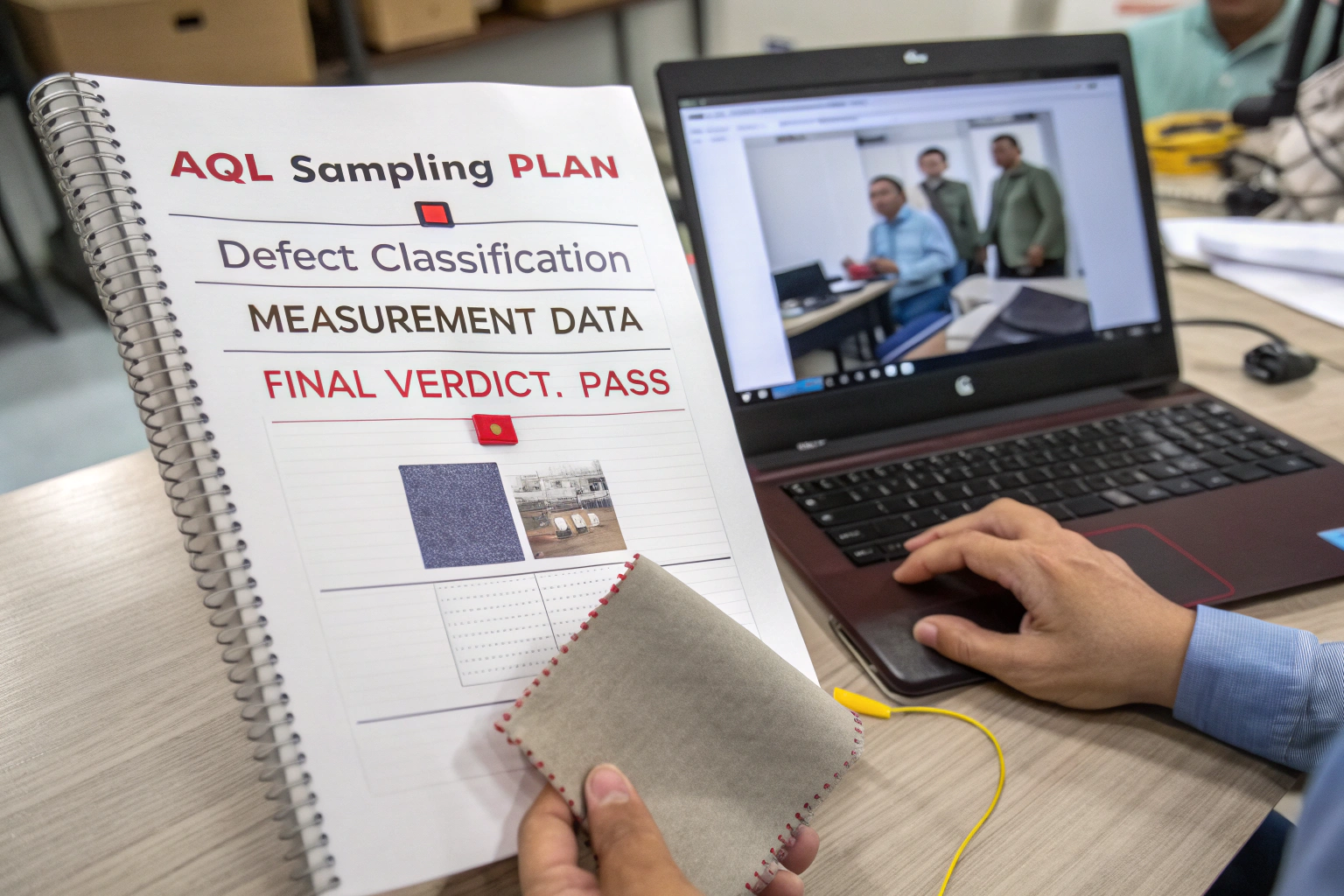
A buyer receives an inspection report from a third-party QC company in China. The report is fifteen pages long. It has photos, defect lists, measurement tables, and a final verdict that says "PASS." The buyer files it and releases the shipment. Two weeks later, the container arrives at their warehouse. The fabric has a selvage-to-selvage shade variation that affects 30% of the rolls. The inspection report, on page twelve, noted "minor shade variation observed" and classified it as a minor defect. The buyer didn’t read page twelve. They read the verdict on page one. The inspection didn’t fail them. Their interpretation of the inspection failed them.
A fourth-party inspection report—commissioned by the buyer from an independent QC company like SGS, Intertek, Bureau Veritas, or AsiaInspection—is the most powerful quality assurance tool available to an international fabric buyer. But the report is only as useful as the buyer’s ability to read it correctly. The verdict on the cover page is the least important information in the document. The sampling plan, the defect classification, the measurement data spread, and the inspector’s notes contain the real quality story. A "PASS" report can hide a shipment that will cause production problems. A "FAIL" report can be overturned by understanding the difference between a genuine quality issue and an overzealous inspector applying the wrong standard. At Shanghai Fumao, we work with buyer-appointed QC companies on a regular basis, and I’ve seen reports interpreted brilliantly and interpreted disastrously. In this article, I’ll show you exactly how to read an inspection report—what to look at first, what to challenge, and what questions to ask the inspection company before you make a shipment decision.
What Is a Fourth-Party Inspection and How Is It Different from a Third-Party Audit?
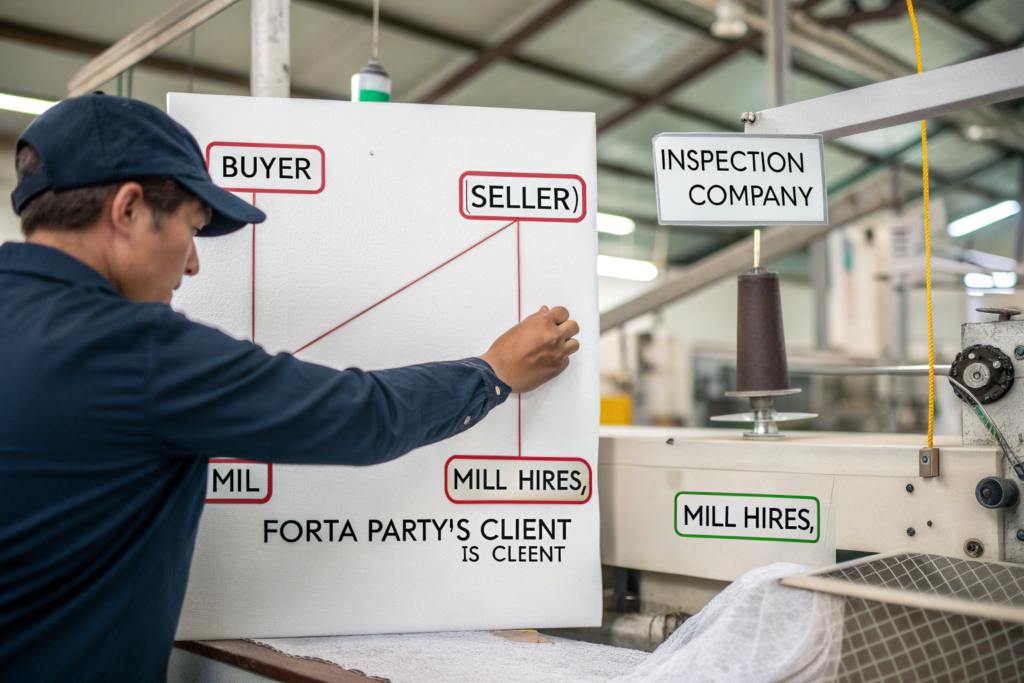
The difference between third-party and fourth-party inspection is who pays and who is the client. A third-party inspection is commissioned and paid for by the mill or the trading company. The inspection company’s client is the seller, not the buyer. The report is issued to the seller, who may choose to share it with the buyer or may choose to bury it if the results are unfavorable. The seller can influence the inspection scope, the sampling level, and the defect classification. The independence of the inspection is structurally compromised by the payment relationship.
A fourth-party inspection is commissioned and paid for by the buyer. The inspection company’s client is the buyer. The report is issued directly to the buyer, without passing through the seller’s hands. The buyer defines the inspection scope, the sampling plan, the AQL levels, and the defect classification standards. The seller has no ability to influence the inspection parameters or suppress the results. The independence is structural and complete. For high-value orders, critical quality requirements, or new supplier relationships, fourth-party inspection provides a level of assurance that a mill-commissioned third-party report simply cannot match. At Shanghai Fumao, we welcome fourth-party inspections. A buyer who invests in independent verification is a buyer who takes quality seriously, and we want that buyer to have complete confidence in what they’re receiving. We facilitate the inspection logistics—providing access to the warehouse, the sampling tables, the lighting, the measurement equipment—because a clean fourth-party report on our production is a powerful trust signal. The third-party versus fourth-party quality inspection definitions and independence structures in textile and apparel supply chain quality assurance provides the detailed comparison and guidance on when each is appropriate.
Who Are the Major Fourth-Party Inspection Companies in China?
The global inspection, verification, testing, and certification industry is dominated by a few large companies with extensive networks of offices and inspectors across China’s textile manufacturing regions. SGS, Intertek, and Bureau Veritas are the three largest, often called the "big three" of TIC services. They have laboratories in Shanghai, Guangzhou, Hong Kong, and other major cities. Their inspection reports carry significant weight with retailers, importers, and customs authorities because of their global reputation and their ISO 17025 laboratory accreditations. Their services are comprehensive but their pricing reflects their brand premium.
AsiaInspection, now part of the QIMA group, is a digital-first inspection company that has grown rapidly by offering faster booking, lower pricing, and a more user-friendly online platform than the traditional big three. Their inspector network across China is extensive, and their report turnaround times are typically faster. V-Trust and TUV Rheinland are also significant players with strong presences in specific product categories. For fabric and textile inspections, all of these companies offer similar core services—pre-shipment inspection, during-production inspection, and container loading supervision. The differentiation is in price, speed, geographic coverage in the specific manufacturing region, and the quality and consistency of the individual inspectors assigned to your account. A smaller company may provide a more dedicated, consistent inspector who learns your product and your standards over time. A larger company may provide more robust report review processes and wider laboratory backup. The major fourth-party inspection company comparison for textile and apparel quality control in China including service scope, pricing, geographic coverage, and report quality analysis provides the comparative evaluation.
What Types of Inspections Can I Book for a Fabric Order?
The four main inspection types serve different stages of the production process, and booking the right type at the right time can catch quality problems when they’re still fixable rather than after the container is sealed. Pre-production inspection checks the raw materials before production begins—the yarn, the greige fabric, the dyes and chemicals. It’s the earliest possible quality intervention and the least commonly used, but for a high-value or high-risk order, it can prevent a cascade of downstream problems. A pre-production inspection that catches a yarn quality issue before the knitting or weaving starts has saved the entire production lot.
During-production inspection, sometimes called inline inspection or DUPRO, checks the fabric while production is ongoing—typically when 20% to 40% of the order quantity has been produced. The inspector evaluates the production process, checks the initial output against the approval standard, and identifies any systemic issues that are affecting the product. The key advantage of inline inspection is that problems can be corrected before the entire order is produced. A shade deviation caught at 20% production can be fixed for the remaining 80%. A shade deviation caught at final inspection is a crisis with no good options. Pre-shipment inspection, or final random inspection, is the most common type. It’s conducted when production is 100% complete and at least 80% of the goods are packed. The inspector draws a statistical sample from the finished goods and evaluates it against the agreed standard. If the sample passes, the shipment is released. If it fails, the buyer and seller negotiate rework, replacement, or discount. Container loading supervision ensures that the correct goods, in the correct quantity, with the correct packing, are loaded into the container and that the container is properly sealed. It prevents the substitution of lower-quality goods after the pre-shipment inspection has passed—a rare but not unknown form of fraud. At Shanghai Fumao, we recommend that buyers book inline inspection for first-time orders and pre-shipment inspection for repeat orders from established programs. The pre-production, inline, pre-shipment, and container loading inspection types for textile orders and the selection criteria based on order value, supplier relationship, and product risk provides the detailed decision framework.
How Do I Read the AQL Sampling Plan on My Inspection Report?
The AQL sampling plan is the statistical engine of the inspection report. It determines how many rolls the inspector checked, how many defects were found, and whether the numbers pass or fail the agreed quality threshold. The plan is based on the ANSI/ASQ Z1.4 standard, which is the American national adoption of ISO 2859-1. The standard defines a set of sampling tables that link the total lot size to the required sample size, and the sample size and AQL level to the acceptance and rejection numbers. Understanding these tables is not optional for a buyer who wants to interpret their own inspection report.
The lot size is the total quantity in the shipment. For fabric, it’s usually expressed in meters or yards. The inspector selects the sample size from the standard table based on the lot size and the inspection level. Most textile inspections use General Inspection Level II, which provides a statistically robust sample size for normal commercial quality control. Level I is smaller and faster but less discriminating. Level III is larger and more stringent. The AQL—Acceptable Quality Limit—is the maximum percentage of defective units that the buyer considers acceptable for the lot to pass inspection. The most common AQL for fabric is 2.5 for major defects and 4.0 for minor defects. This means the lot passes if the sample contains no more major defects than the AQL 2.5 acceptance number allows. A lower AQL is more stringent—AQL 1.5 rejects lots that AQL 2.5 would accept. A higher AQL is more lenient. The acceptance and rejection numbers come from the standard table at the intersection of the sample size and the AQL level. If the number of defects found in the sample is at or below the acceptance number, the lot passes. If the number of defects is at or above the rejection number, the lot fails. At Shanghai Fumao, our standard outgoing quality uses AQL 2.5 major and 4.0 minor, which aligns with the inspection standards used by most buyer-appointed fourth-party inspectors. The ANSI ASQ Z1.4 AQL sampling plan tables and interpretation methodology for textile fabric pre-shipment inspections provides the full standard and worked examples.
What Happens If My Lot Size Falls Between Two Levels on the Sampling Table?
The ANSI Z1.4 tables use lot size ranges, not exact numbers. A lot of 5,000 meters falls into the 3,201 to 10,000 range. The inspector uses the sample size code letter for that range—typically Code L at General Inspection Level II, corresponding to a sample size of 200 units. A lot of 3,000 meters falls into the 1,201 to 3,200 range, Code K, sample size 125. The sample size steps are discontinuous because the statistics don’t require a continuously proportional sample—the sample size increases more slowly than the lot size because the statistical confidence improves with larger absolute samples.
If your lot size is near the boundary between two ranges—say 3,200 meters, which is the top of the 1,201 to 3,200 range—you might be sampled at Code K (125 units) while a lot of 3,201 meters would be sampled at Code L (200 units). The difference in sample size is not a procedural error; it’s how the standard works. If you want the larger sample size for a lot near the boundary, you can specify the higher inspection level—General Level III instead of Level II—in your inspection booking. This increases the sample size and the discriminating power of the inspection. For high-value or critical orders, specifying Level III is a reasonable quality investment. At Shanghai Fumao, we’re comfortable with Level III inspections; the larger sample doesn’t inconvenience us. The ANSI Z1.4 lot size to sample size code letter mapping and boundary condition handling for textile inspection sampling plans provides the detailed table and boundary guidance.
What Is the Difference Between Major and Minor Defects in Fabric Inspection?
The defect classification determines whether a flaw counts toward the major AQL or the minor AQL, which directly affects whether the lot passes or fails. The distinction between major and minor is defined in the inspection standard, but it must be customized for the specific fabric type and end-use. A defect that is minor for a lining fabric could be major for a face fabric on a tailored jacket. The inspection booking must include a defect classification guide that the inspector can apply consistently.
Major defects are flaws that make the fabric unsuitable for the intended end-use or that would be immediately visible and objectionable to the consumer. For fabric, major defects typically include: holes or tears, continuous yarn breaks creating visible lines, severe dye stains, selvage-to-selvage shade variation, barre or weft banding visible at normal viewing distance, missing yarns creating a structural weakness, and finishing faults like uneven shrinkage or handle. Minor defects are flaws that are visible on close inspection but do not render the fabric unusable or immediately objectionable. Minor defects typically include: small isolated slubs, minor nep content, slight yarn irregularities, minor crease marks, and minor shade variation between rolls that will be cut and sewn into different garment pieces and not worn adjacent. The classification must be agreed between buyer and mill before the inspection, and the same classification must be communicated to the inspection company. A buyer who applies a stricter defect classification than the industry standard for that fabric type will generate more inspection failures. A buyer who applies a more lenient classification will generate fewer failures but may receive fabric that causes production problems. At Shanghai Fumao, we provide our buyers with a fabric-specific defect classification guide based on the fabric construction and end-use, and we recommend they use this as the basis for their inspection booking. The fabric defect classification framework for fourth-party inspection with major and minor defect definitions by fabric type and end-use application provides the detailed classification criteria.
What Data in the Inspection Report Matters Most?
The verdict on the cover page is a summary. The data inside the report is the evidence. A buyer who only reads the verdict is outsourcing their quality judgment to an inspector who spent two hours with the fabric. The buyer who reads the measurement data, the defect photographs, and the inspector’s notes can form their own judgment and, critically, can challenge the inspector’s classification if it doesn’t align with the commercial agreement.
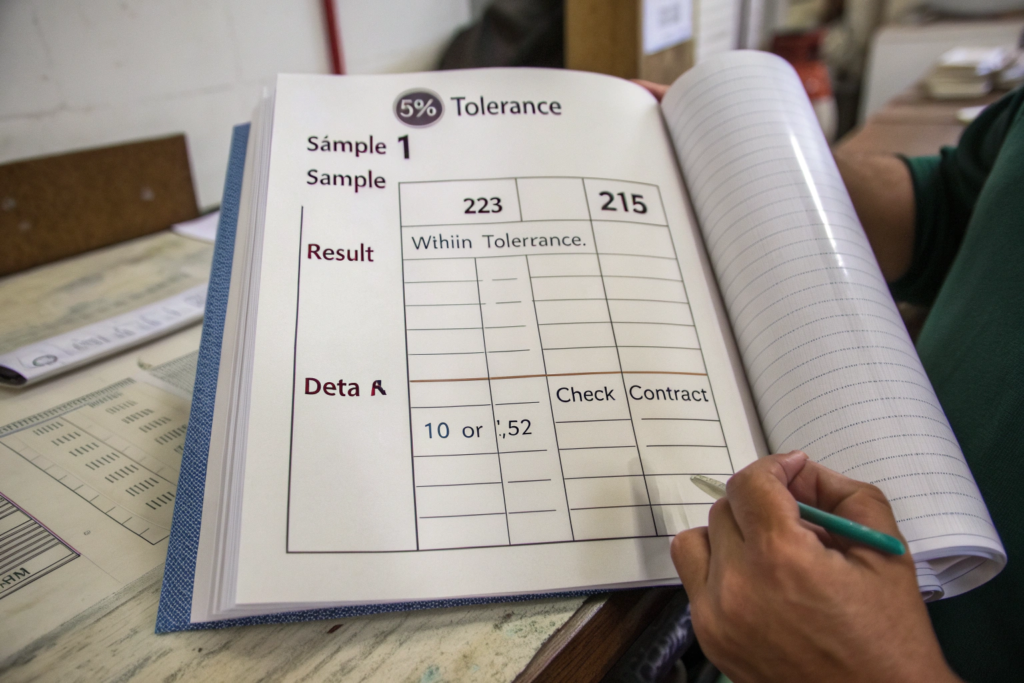
The most important data sections in a fabric inspection report are: the measurement data, the shade assessment, the defect list with photographs, and the inspector’s narrative notes. The measurement data table shows the actual measured values for each sample against the specification and tolerance. Look for values that are near the tolerance limit—a weight measurement of 209gsm against a 220gsm specification with a -5% tolerance limit of 209gsm is technically in spec but practically marginal. Look for variation between samples—a weight range from 215gsm to 228gsm across ten samples indicates poor process control, even if all values are within tolerance. The shade assessment shows the visual and instrumental evaluation of color consistency. Look for the Delta E values against the standard, and check that they’re within the tolerance specified in your purchase order. Look for notes on shade variation within rolls or between rolls—"minor shade variation observed" is a qualitative flag that the inspector noticed something, and you should ask for clarification. The defect list with photographs shows each defect found, its location, its size, its classification, and a photograph. Review the photographs yourself. Is the defect classified as major actually major in the context of your product? Is a slub that the inspector called minor actually going to be visible and objectionable on your specific garment? Your judgment as the buyer overrides the inspector’s classification. The inspector applies a general standard. You apply your product-specific standard. The fourth-party fabric inspection report data interpretation methodology and key data points for informed shipment decision-making provides the detailed data analysis framework.
What Does "Shade Continuity" Actually Mean in an Inspection Report?
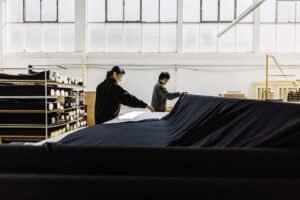
Shade continuity refers to the consistency of color within a single roll of fabric and between different rolls in the same dye lot. The inspector checks shade continuity by unrolling a length of fabric and examining it under standardized D65 lighting. They look for selvage-to-selvage variation—the left edge is a different shade from the right edge—and end-to-end variation—the beginning of the roll is a different shade from the end. They also compare multiple rolls from the same lot to check roll-to-roll consistency.
The inspection report should describe the shade continuity findings in specific terms, not vague ones. "Shade continuity acceptable" is a vague conclusion. "No selvage-to-selvage or end-to-end shade variation observed. Roll-to-roll shade variation within commercial tolerance. Delta E between darkest and lightest rolls measured at 0.8." This is a specific, useful finding. If the report only says "minor shade variation," ask the inspection company to quantify it. What was the Delta E reading? Which rolls were affected? Is the variation within the tolerance specified in your purchase order? A good inspection company will have recorded this data even if it’s not summarized on the standard report template. At Shanghai Fumao, when a fourth-party inspector flags a shade continuity concern, we provide our own spectrophotometer data for the flagged rolls and work with the buyer to resolve whether the variation is within the agreed commercial tolerance. The shade continuity assessment and reporting standards for fabric pre-shipment inspection including instrumental measurement and visual assessment criteria provides the detailed assessment methodology.
How Should I Review the Defect Photos in an Inspection Report?
The defect photographs in an inspection report are the closest thing to being in the warehouse yourself. They show you exactly what the inspector saw. But a photograph can make a defect look better or worse than it actually is, depending on the lighting, the camera angle, the distance, and whether a scale reference is included. A slub photographed from 10 centimeters away with a wide-angle lens looks like a mountain range. The same slub photographed from a meter away in flat lighting might be invisible.
When reviewing defect photos, ask these questions: Is there a scale reference in the photo—a ruler, a coin, or the inspector’s finger—so I can judge the actual size of the defect? Is the photo taken under standardized D65 lighting, or under the warehouse’s mixed fluorescent and daylight? Is the defect shown against the surrounding fabric so I can judge its visibility in context, or is it an extreme close-up that exaggerates its prominence? Does the defect description match what I see in the photo? An inspector might classify a "continuous yarn break—major" but the photo shows a single thin line that would be invisible in the cut garment. Or an inspector might classify a "minor slub" but the photo shows a thick, dark contamination that will be glaringly visible on a pale fabric. Your visual judgment, informed by your knowledge of your product and your customer, is the final classification authority. If the photo shows a defect that you consider minor but the inspector classified as major, or vice versa, contact the inspection company to discuss reclassification. The defect photograph review methodology for fabric inspection reports including scale reference, lighting, and context assessment for remote shipment decision-making provides the detailed review protocol.
What Should I Do If the Inspection Report Shows a FAIL?
A failed inspection is not the end of the order. It’s a quality checkpoint that worked. The inspection caught a problem before the fabric left China. The problem now has solutions—rework, replacement, or negotiated discount—that are far cheaper and faster than discovering the problem after the fabric is cut and sewn in your domestic facility. The worst response to a FAIL report is panic. The best response is a structured investigation and decision process.
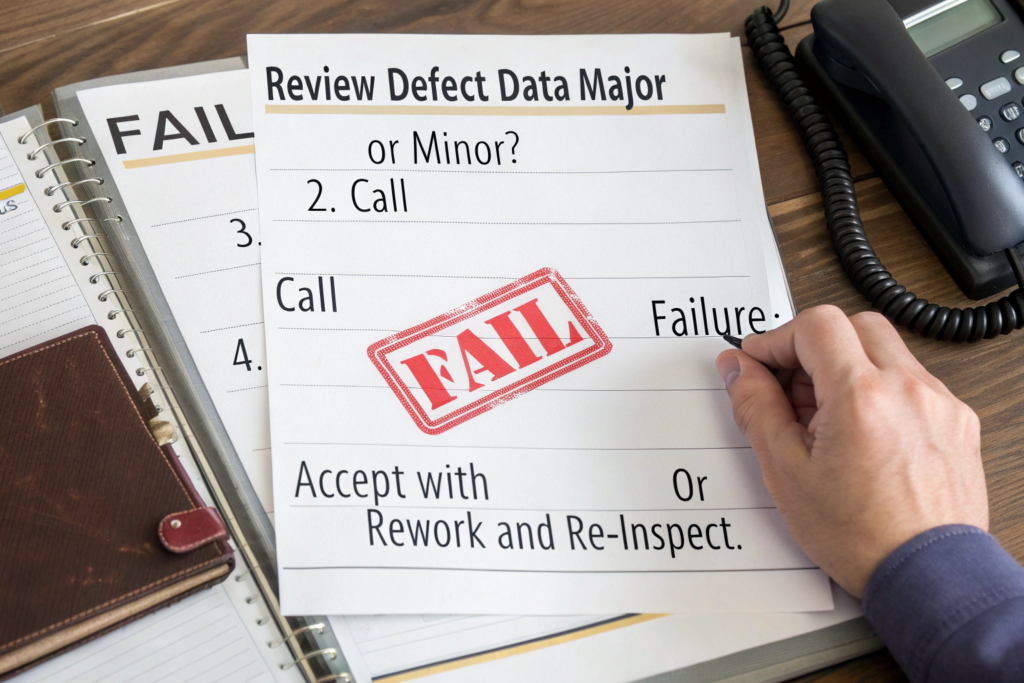
Step one: understand exactly why the lot failed. Review the defect list and the measurement data. Did it fail on major defects, minor defects, or measurements? A failure on major defects is more serious than a failure on minor defects. A failure on a single measurement parameter—say, fabric width being 2% under tolerance—may be manageable in production. A failure on shade continuity across 40% of the rolls is a different order of problem. Step two: call the inspector. Most inspection companies allow the buyer to speak directly with the inspector who performed the inspection. Ask them: "In your professional judgment, how severe is this issue? Have you seen this type of failure before from this mill? Is this a systemic process problem or an isolated batch issue?" The inspector’s verbal assessment often contains nuance that the formal report filters out. Step three: call the mill. Present the inspection findings. Ask for the root cause analysis and the proposed corrective action. A good mill will already have investigated and will have a plan. A poor mill will deflect and deny. The quality of the mill’s response to a failed inspection is a valuable diagnostic of the supplier relationship. Step four: make a commercial decision. Can the fabric be reworked to meet the specification? Can you accept the fabric with a discount that compensates for the reduced value? Does the entire lot need to be remade? The decision depends on the severity of the defects, the feasibility of rework, the production timeline, and the commercial relationship. At Shanghai Fumao, if a fourth-party inspection flags a quality issue on our production, our standard response is a root cause analysis within 24 hours and a proposed corrective action plan within 48 hours. The failed textile inspection decision framework and resolution options including rework, discount negotiation, and lot rejection criteria provides the structured decision process.
Can I Challenge the Inspector’s Classification of a Defect?
Yes, and you should if your product-specific knowledge suggests the classification is wrong. The inspector is applying a general textile quality standard. They may not know that a particular slub, objectionable in a plain-weave shirting, is acceptable and even desirable in a textured linen-look fabric. They may not know that a slight shade variation between rolls is irrelevant because your product is a garment-dyed finish where the fabric will be overdyed anyway. They may not know that your customer base is luxury-focused, and a defect they classified as minor will generate returns from your particular consumer.
The challenge process should be factual and reference the agreed defect classification standard that was included in the inspection booking. "Per the defect classification guide provided with the inspection booking, isolated slubs under 3mm in length on textured fabrics are classified as acceptable character marks, not defects. The slub in photo 14 measures 2.2mm against the scale reference and should be reclassified." This is a valid, process-based challenge. "We don’t think this should be a defect" is not. If the inspection company agrees with the reclassification, the defect count changes, and the pass/fail outcome may change. If the inspection company disagrees, you have the final authority as the client to accept the lot despite the reported failure—the inspection is advisory, not binding. You can write "Accepted as is despite inspection failure" and release the shipment, absorbing the quality risk yourself. The defect reclassification request process for fourth-party textile inspections and the buyer’s authority to override inspection findings provides the formal challenge procedure.
Should I Get a Second Inspection If I Disagree with the First One?
A second inspection by a different inspector or a different company is an escalation that should be used when you have specific, articulable reasons to believe the first inspection was unreliable. The reasons might be: the inspector’s defect photos don’t match their defect descriptions, the measurement data shows impossible consistency suggesting the inspector fabricated the numbers rather than measuring, the inspector’s narrative notes conflict with the mill’s production records, or the inspector has a known history of problematic reports from other buyers.
A second inspection is expensive and time-consuming. It delays the shipment. If you commission a second inspection, use a different inspection company, provide them with the full context of the first inspection’s findings, and ask them to specifically verify or refute the key findings from the first report. Don’t tell them what result you’re hoping for—that creates a bias. Ask them to independently assess the same parameters using the same sampling plan and defect classification standard. If the second inspection confirms the first, the problem is real. If the second inspection contradicts the first, you have a discrepancy that requires investigation—one of the two inspections was unreliable, and you need to understand which one and why. At Shanghai Fumao, we support a buyer’s right to a second inspection and we facilitate the logistics. A good mill has nothing to hide from a competent inspector. The second inspection protocol for textile shipments with disputed first inspection results and the criteria for determining inspection reliability provides the decision framework and the process for managing the escalation.
Conclusion
A fourth-party inspection report is a quality measurement tool, not a quality decision. The report provides data. The buyer makes the decision. The verdict on the cover page is a statistical summary based on the sampling plan and the defect classification standard that were booked for that specific inspection. It is not an absolute judgment of the fabric’s fitness for your product. The data inside—the measurement values, the defect descriptions, the shade notes, the inspector’s narrative—contains the information you need to make your own judgment. Reading that data, questioning it when it doesn’t match your product knowledge, and making a commercial decision based on the complete picture is the difference between a buyer who manages quality and a buyer who is managed by inspection reports.
The inspection is a checkpoint, not an endpoint. A PASS report doesn’t guarantee a problem-free production. A FAIL report doesn’t mean the order is lost. Both outcomes are inputs to a commercial and quality conversation between buyer and seller. The buyer who understands the sampling statistics, the defect classification logic, and their own product’s quality requirements can use inspection reports as a powerful tool for managing supplier quality, rather than as a source of anxiety and confusion.
If you’re setting up a fourth-party inspection program for your fabric orders, or if you’ve received an inspection report that you’re not sure how to interpret, reach out to us. At Shanghai Fumao, we work with buyer-appointed inspection companies regularly, and we can help you understand what you’re looking at in the report, what questions to ask the inspector, and how to make a shipment decision you’re confident in. Our Business Director, Elaine, can connect you with our quality team for a technical discussion of your inspection data. She’s at elaine@fumaofabric.com. Let’s make sure the inspection serves your quality goals, not the other way around.