
Which hi-vis colorants and fabrics maintain brightness after UV exposure?
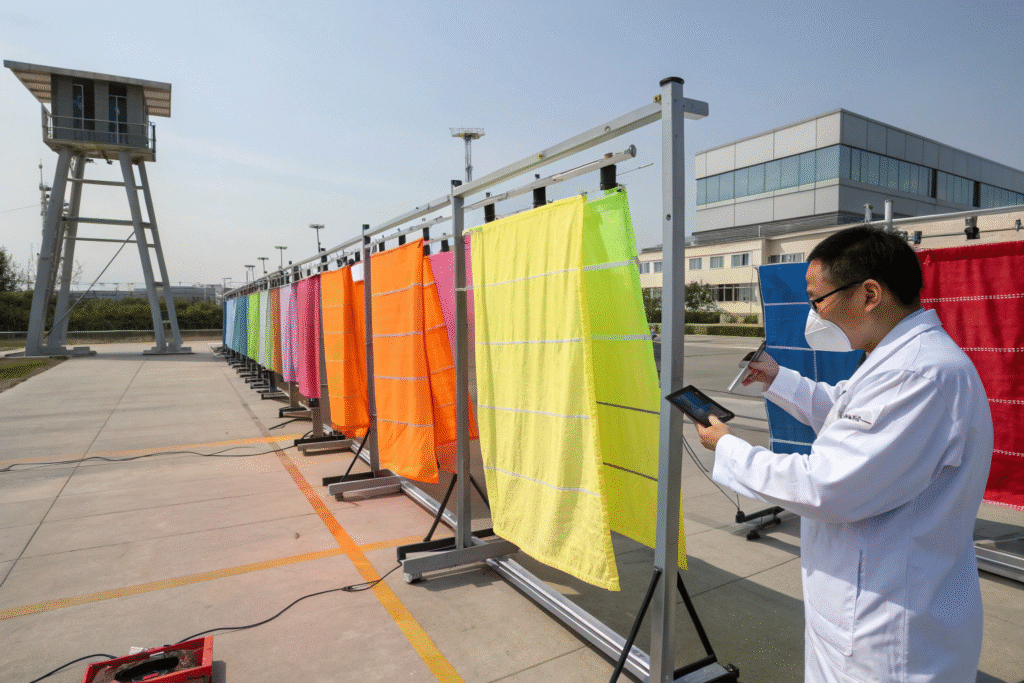
Your high-visibility garments are fading after just six months of outdoor use, putting workers at risk and failing safety audits. The fluorescent colors that looked brilliant in the warehouse are now washed out and dull, compromising the visual protection your workers depend on. This UV degradation costs companies an average of 18-25% in premature uniform […]
How do I compare FR-treated cotton to inherent FR fibers for PPE?
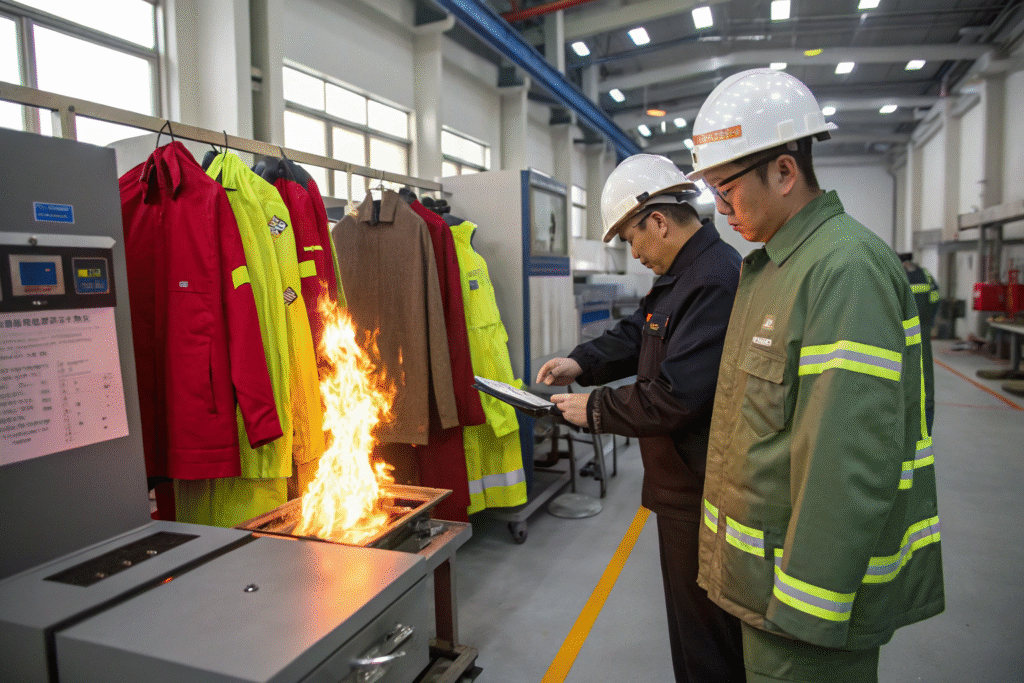
You’re specifying protective garments for workers facing flash fire risks, and you’re stuck between cost-effective FR-treated cotton and premium inherent FR fibers. Making the wrong choice could mean the difference between minor injuries and life-changing burns – and we’ve seen both outcomes from improper FR selection. Compare FR-treated cotton and inherent FR fibers across seven […]
Which ESD fabric specs suit electronics manufacturing uniforms?
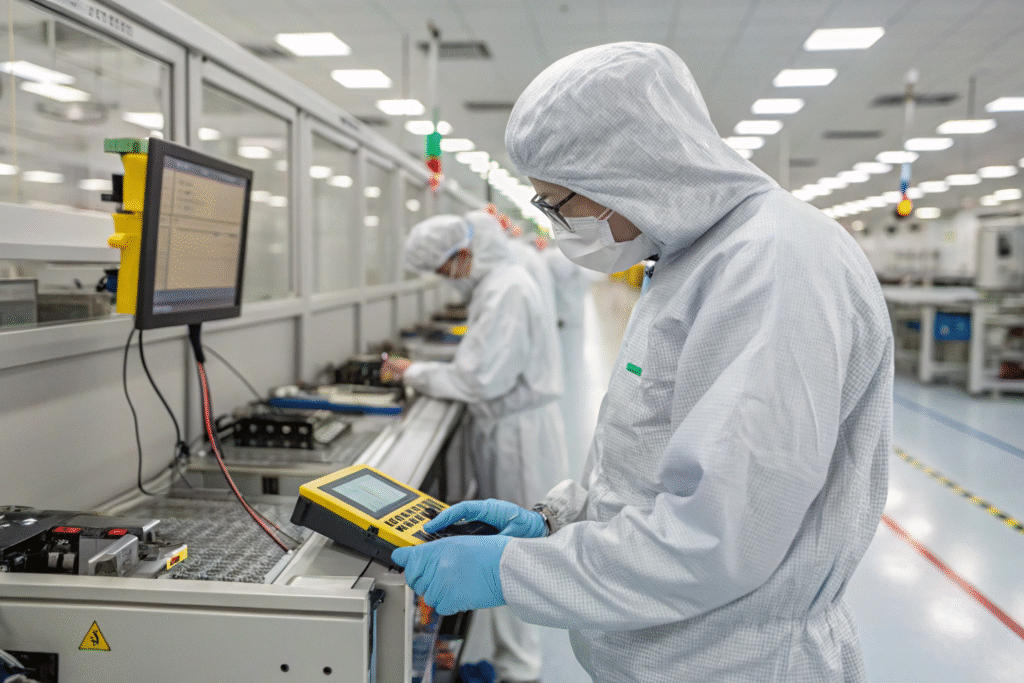
You just received another batch of ESD uniforms failing compliance tests – the surface resistance is drifting, and your electronics assembly line is experiencing mysterious component failures. This static protection failure costs electronics manufacturers an average of $40,000 per incident in damaged components and production downtime. Select ESD fabrics with surface resistance of 10^5-10^9 Ω/sq, […]
How do I select durable anti-odor chemistries without silver or zinc?

You’ve just received test results showing your "anti-odor" fabric lost 80% of its effectiveness after 20 washes. The silver or zinc technology that promised permanent protection is washing out, leaving you with unhappy customers and returns. This durability failure costs brands an average of 18-25% in returns and damages hard-earned reputations for performance. Select durable […]
Which polyester filament cross-sections improve wicking and dry time?
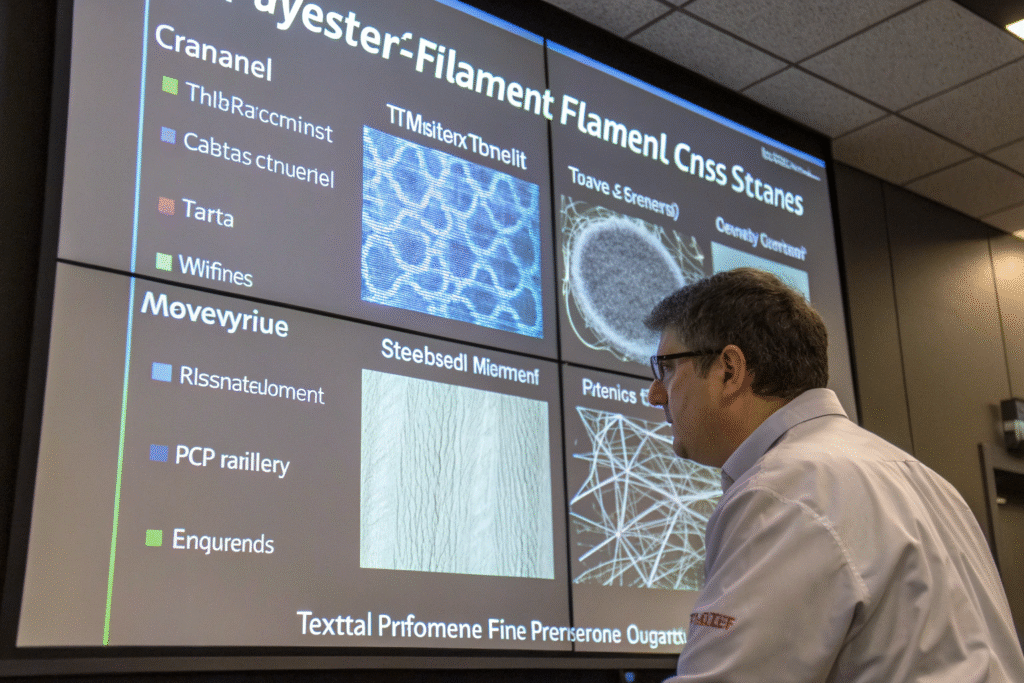
You’re developing performance activewear, and your current polyester feels clammy against the skin. The moisture management just isn’t there, despite what the supplier promised. This common frustration costs brands 15-20% in returns for comfort issues and damages hard-earned reputations for technical performance. Trilobal, tetra-channel, and W-shaped cross-sections dramatically improve wicking and dry time by creating […]
How do I validate spandex performance with cyclical extension tests?
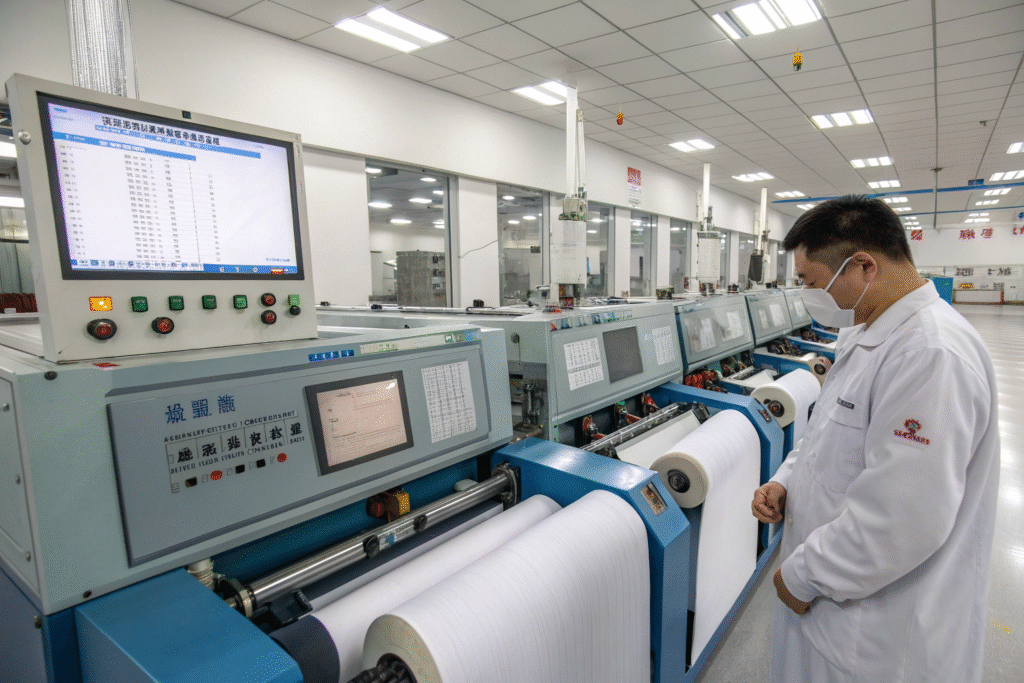
You just received another batch of activewear that lost its shape after a few wears. The fabric feels right initially, but the spandex isn’t holding up to real-world movement. This hidden performance failure costs brands an average of 22% in returns and another 15% in damaged brand reputation. Standard quality checks miss cyclical fatigue – […]
Which knitting needles and densities prevent laddering in fine jerseys?
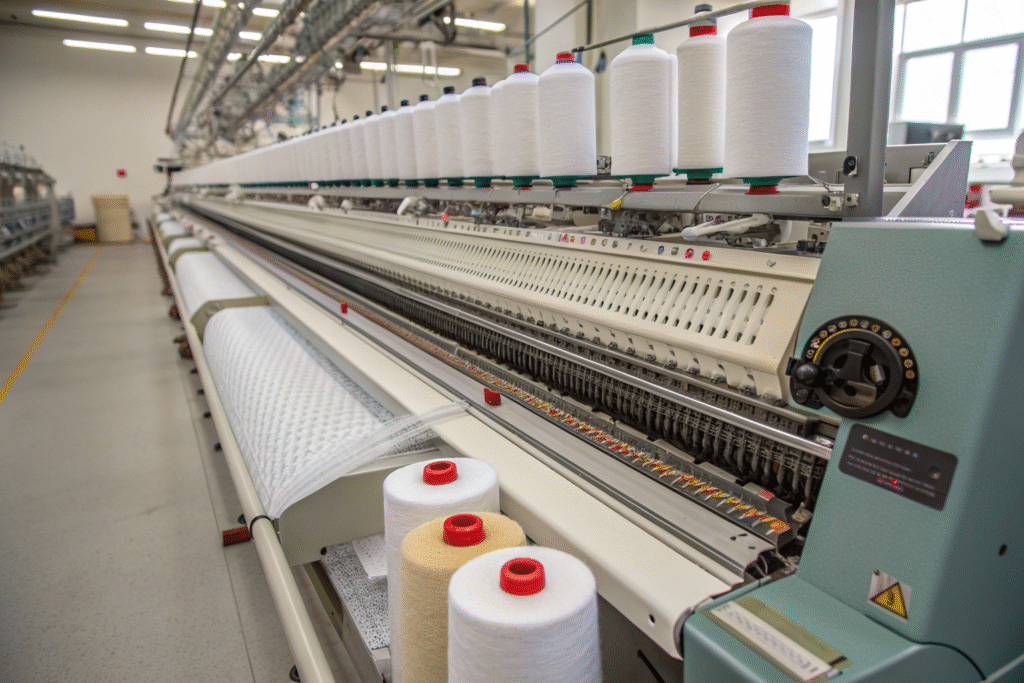
You just received another batch of fine jersey with visible ladders running down the fabric – exactly where your customers will notice them first. This frustrating defect costs brands an average of 8-12% in fabric waste and another 15% in quality-related discounts. Laddering isn’t just a cosmetic issue; it’s a structural failure that weakens your […]
How do I structure price breaks to optimize fabric cost per yard?

You’re staring at a price list with quantity breaks that don’t match your production reality. Ordering 10,000 yards gets you a great price, but you only need 7,000. Taking the higher quantity means dead stock; taking the lower quantity means leaving money on the table. This pricing dilemma costs brands an average of 12-18% in […]
Which MOQ strategies—color splits, greige holds—lower inventory risk?
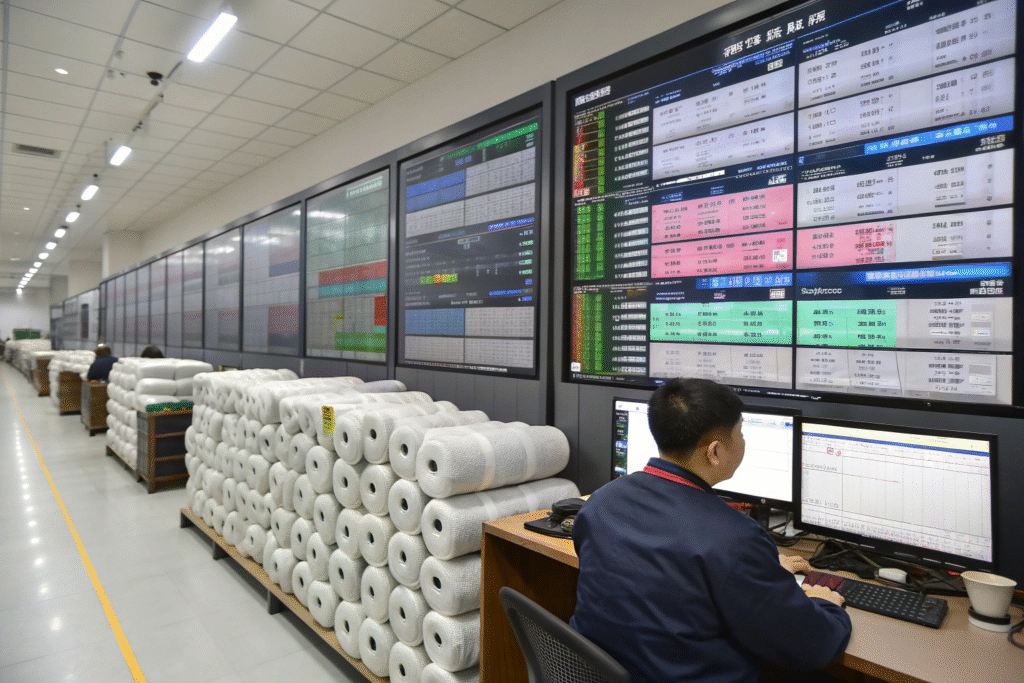
You just committed to 5,000 meters of a specific color that’s now sitting in your warehouse while sales are slower than projected. Meanwhile, your bestseller is out of stock because you didn’t order enough. This inventory miscalculation costs brands an average of 18-25% in carrying costs and missed sales annually. The traditional all-or-nothing MOQ approach […]
How do I leverage Keqiao’s weaving–dyeing–finishing cluster to reduce lead times?
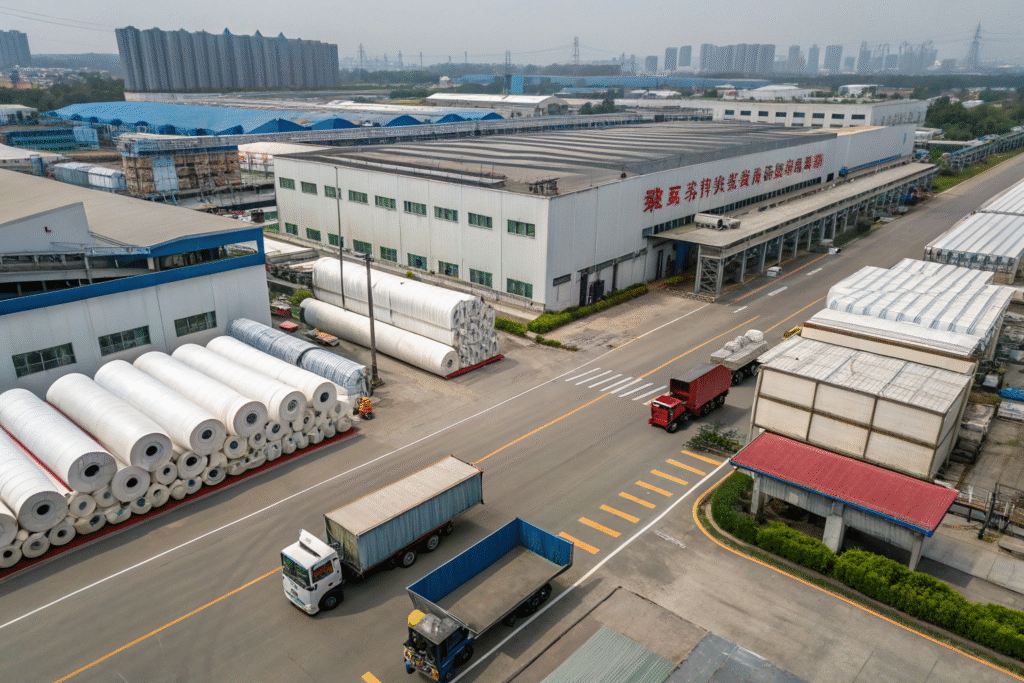
You’re waiting six weeks for fabric that should take three. Your dye house is in one city, weaver in another, and finisher in a third. Each transport adds days, each handoff creates communication gaps, and every quality issue means shipping fabric back through the same fragmented chain. This geographic fragmentation costs our clients an average […]