You just got another email – the mill says samples will be ready next week, but the printer can’t accommodate the delay, and your brand partner is threatening to cancel the order over missed deadlines. This coordination nightmare costs our clients an average of 3-4 weeks in missed opportunities each season. I’ve seen talented designers abandon beautiful collections simply because the sampling timeline became unmanageable.
Build a sampling calendar using backward planning from your brand’s final deadline, incorporating buffer zones at every handoff point, and implementing a shared digital platform that all partners access in real-time. The secret isn’t just setting dates—it’s creating a system that anticipates delays and builds flexibility where it matters most. Our clients who implement this approach consistently reduce their sampling cycles from 12 weeks to 6 weeks while improving on-time delivery to brands by 85%.
Let me show you the exact framework we’ve developed through coordinating over 200 sampling projects annually across multiple mills, printers, and embellishment specialists. This system helped a New York streetwear brand launch their most complex collection to date—involving 4 mills and 3 specialty printers—with zero deadline misses.
What’s the optimal backward planning framework?
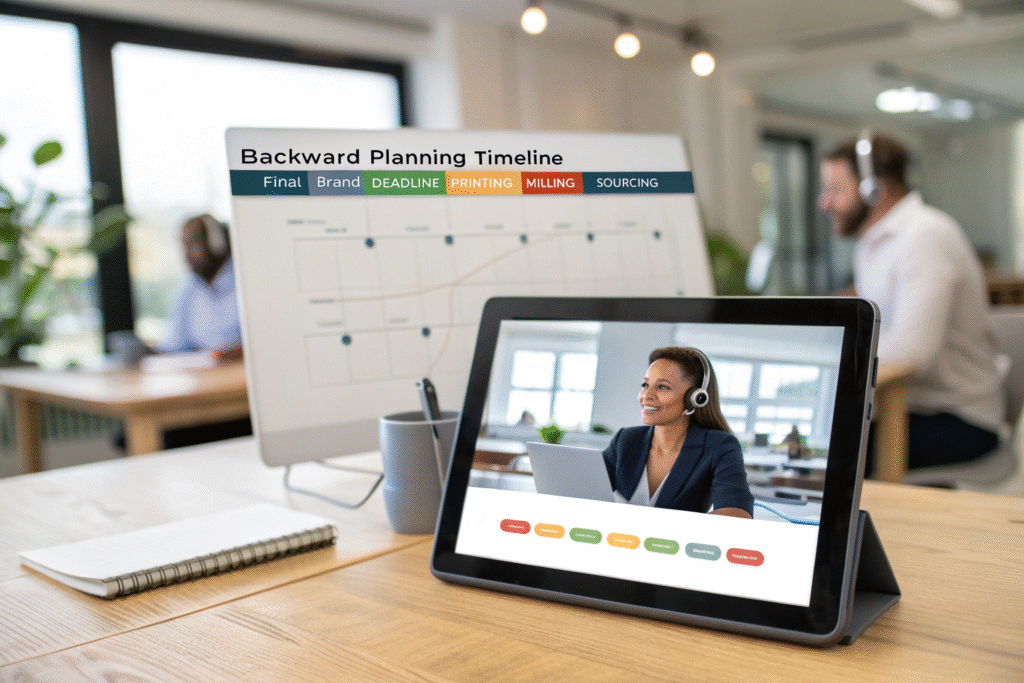
Backward planning is the non-negotiable foundation of any successful sampling calendar. Start from your brand’s absolute final deadline and work backward through every production step, building in realistic timelines plus strategic buffer zones. Most sampling failures happen because teams plan forward from today’s date rather than backward from the deliverable.
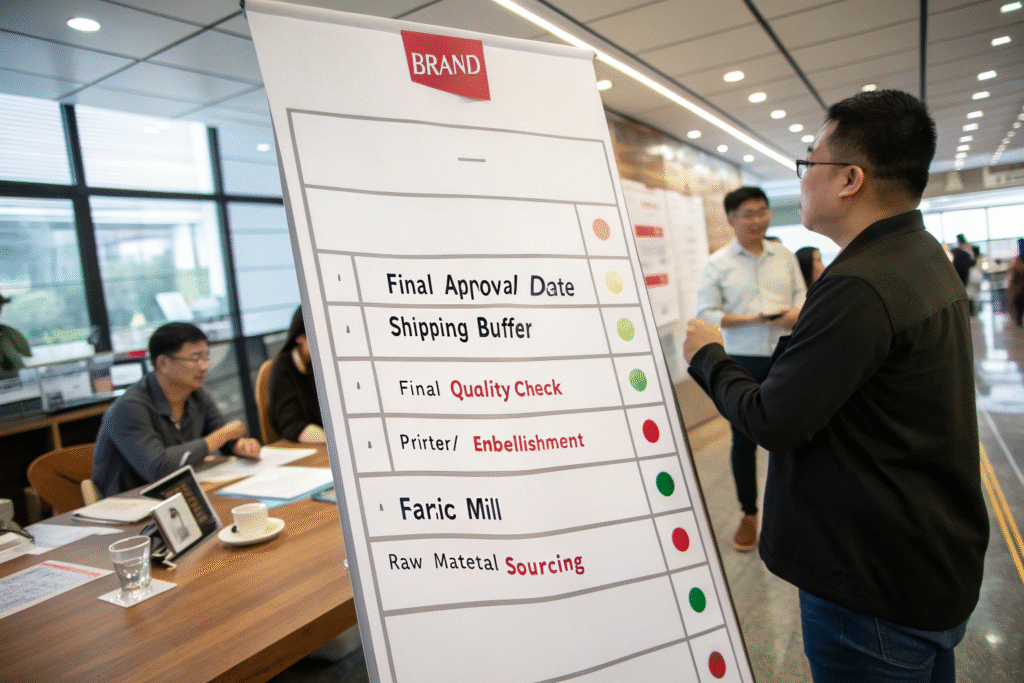
The most effective framework uses these milestone anchors: Brand Final Approval Date → Shipping Buffer → Final Quality Check → Printer/Embellishment → Fabric Mill → Raw Material Sourcing. Each milestone needs clear ownership and a communication protocol for when delays occur. When we implemented this with a Los Angeles contemporary brand, they reduced their average sampling timeline from 14 weeks to 7 weeks while actually improving sample quality through better time allocation.
How much buffer time prevents 90% of deadline crises?
Our data shows that strategic buffer zones should represent 25-30% of your total timeline, distributed at these critical handoff points:
| Handoff Point | Recommended Buffer | Purpose |
|---|---|---|
| Mill to Printer | 5-7 business days | Allows for fabric quality issues, transportation delays |
| Printer to Assembler | 3-5 business days | Accommodates print corrections, color matching |
| Final QC to Shipping | 4-6 business days | Ensures thorough inspection, documentation, packaging |
These buffers saved a Chicago-based startup from missing their crucial retail presentation last quarter. When their mill delivered fabric 4 days late, the built-in printer buffer absorbed the delay without impacting the final deadline. The brand never even knew there was an issue.
Which digital tools create single-source truth?
A shared digital platform is essential—we use Trello with customized templates for sampling workflows, but Asana or Monday.com work equally well. The key is that all partners (mills, printers, brands) have real-time visibility into the same timeline. This eliminates the "he said, she said" when delays occur. Our platform automatically alerts all stakeholders when a milestone is at risk, allowing for proactive solutions rather than reactive panic. One of our European clients calls this their "sampling nervous system" – it has reduced their status update meetings by 80% while improving timeline accuracy.
How do you synchronize mill production schedules?
Fabric mills operate on their own production calendars, often booking capacity months in advance. Aligning these schedules requires understanding their constraints while maintaining your timeline priorities through strategic relationship management.
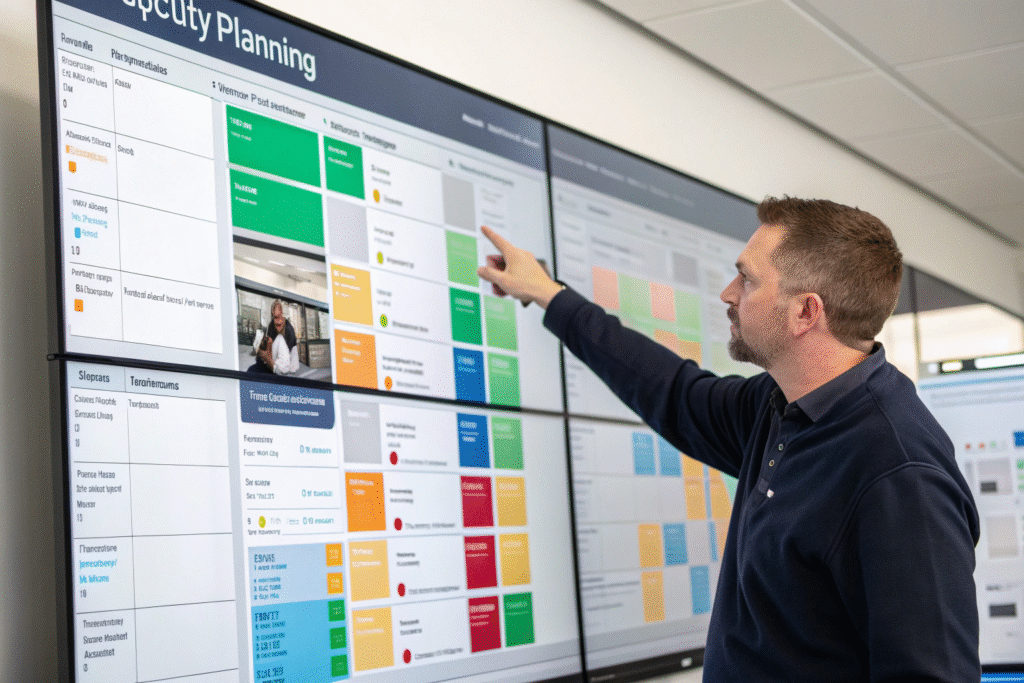
The most effective approach combines annual capacity planning with quarterly adjustment sessions and weekly progress tracking. We maintain a master mill capacity calendar that shows all our partner mills’ existing commitments, allowing us to slot sampling projects into available windows without overpromising. This system helped us maintain 48-hour sample turnaround for a luxury brand’s emergency redesign—we knew exactly which mill had immediate capacity and could accommodate their urgent request.
What mill lead times are realistic for sampling?
Based on our work with 15+ specialized mills, here are realistic sampling timelines:
| Fabric Type | Standard Sampling | Rush Sampling (Premium) |
|---|---|---|
| Woven Basics | 10-12 days | 5-7 days |
| Technical Knits | 14-18 days | 8-10 days |
| Printed Fabrics | 16-21 days | 10-12 days |
| Specialty Weaves | 21-28 days | 14-16 days |
These timelines include yarn sourcing, sample weaving/knitting, and basic finishing. A San Francisco sustainable brand used this data to completely restructure their development calendar, reducing mill-related delays by 70% in their first season.
How do you manage multiple mill priorities?
Create a tiered priority system with your mills—we use Gold, Silver, and Bronze levels that correspond to commitment levels and pricing. Gold partners get first access to our capacity calendar and commit to specific rush turnaround times. This system proved invaluable when a Miami swimwear brand needed simultaneous development with three different mills for their capsule collection. Our priority system ensured all mills delivered within a 3-day window despite varying complexities.
What printer coordination prevents bottlenecks?
Print and embellishment facilities often become sampling bottlenecks because their processes are highly dependent on timely fabric arrival and precise color matching. Solving this requires treating printers as equal partners in the calendar rather than sequential vendors.
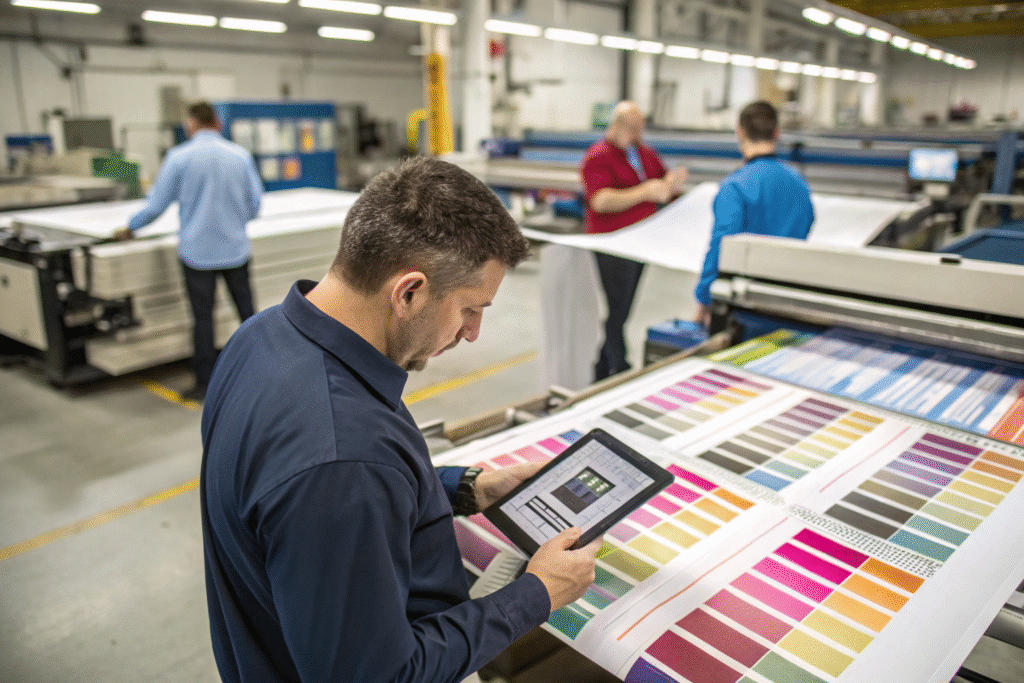
We implement a "pre-engagement" protocol where printers review designs and provide technical feedback before fabric even arrives at their facility. This allows them to prepare screens, digitize patterns, and mix base colors in advance. For a Seattle-based brand’s complex ombre print collection, this approach cut their printer timeline from 21 days to 9 days—the printer had everything ready to go the moment fabric arrived.
How do you build accurate printer timelines?
Print complexity dramatically impacts timing. Here’s our realistic framework:
| Print Type | Standard Timeline | Rush Timeline | Key Dependencies |
|---|---|---|---|
| Digital Print | 5-7 days | 2-3 days | Fabric readiness, file approval |
| Screen Print | 7-10 days | 4-5 days | Screen preparation, color matching |
| Sublimation | 4-6 days | 2-3 days | Fabric composition, file preparation |
| Embroidery | 8-12 days | 5-7 days | Digitizing, thread sourcing |
A Portland apparel brand used this framework to completely redesign their print-heavy collection, shifting from screen to digital printing for time-sensitive styles and saving 11 days on their critical path.
What communication protocols ensure printer readiness?
We implement a 3-point confirmation system: fabric shipment notification, receipt confirmation, and daily progress updates. This might sound excessive, but it prevents the "where’s my fabric?" and "when will samples be ready?" conversations that waste everyone’s time. Our printers now send photo updates at key milestones—color matching complete, first print done, quality check passed. This transparency has reduced printer-related anxiety calls from clients by 90%.
How do you build brand confidence with timeline transparency?
Brands don’t just want on-time delivery—they want visibility into the process and early warning when risks emerge. The most successful sampling calendars treat brands as informed partners rather than deadline dictators.
We provide brands with controlled access to our sampling platform, showing real-time progress while filtering out operational details they don’t need. This transparency builds trust and makes brands more flexible when genuine issues arise. A Toronto-based retailer initially known for rigid deadlines became one of our most flexible partners after implementing this approach—they now receive early warnings and can collaboratively adjust timelines rather than demanding impossible miracles.
What reporting format keeps brands appropriately informed?
Our brand reporting includes three key elements: Green/Yellow/Red status indicators, a simple delay impact analysis, and photographic evidence of progress. This format gives brands exactly what they need to manage their internal stakeholders without overwhelming them with operational details. The status indicators alone have reduced "check-in" emails by 70% while actually improving client satisfaction scores.
How do you handle inevitable delays without damaging relationships?
The key is communication before the deadline is missed. Our system triggers alerts when a milestone is at risk of delay, allowing us to notify brands with a solution already in progress. When our main embroidery supplier had an equipment failure last month, we notified affected brands within 2 hours with an alternative supplier already lined up. The brands appreciated the proactive approach so much that two of them actually extended their deadlines to maintain the relationship.
Conclusion
Building a sampling calendar that successfully aligns mills, printers, and brand deadlines requires backward planning from firm deadlines, strategic buffer zones at every handoff, real-time digital visibility for all partners, and proactive communication protocols that build trust through transparency. The most successful implementations treat the sampling calendar as a collaborative nervous system rather than a rigid schedule, allowing for creative problem-solving when inevitable challenges arise.
Your sampling process shouldn’t be a source of constant stress and missed opportunities. The frameworks and tools exist to transform this chaotic process into a strategic advantage that delivers better samples faster while building stronger partnerships across your supply chain. If you’re ready to stop juggling conflicting timelines and start delivering samples with reliable precision, contact our Business Director, Elaine, at elaine@fumaoclothing.com to implement a sampling calendar system that actually works for everyone involved.