As a fabric supplier based in Keqiao for over two decades, I hear this question almost daily from American importers. Many buyers arrive with ambitious designs but get stuck when facing minimum order quantities that don’t match their startup budgets or testing needs. They worry about committing to large volumes without seeing physical samples first.
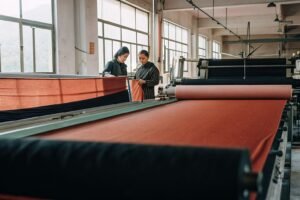
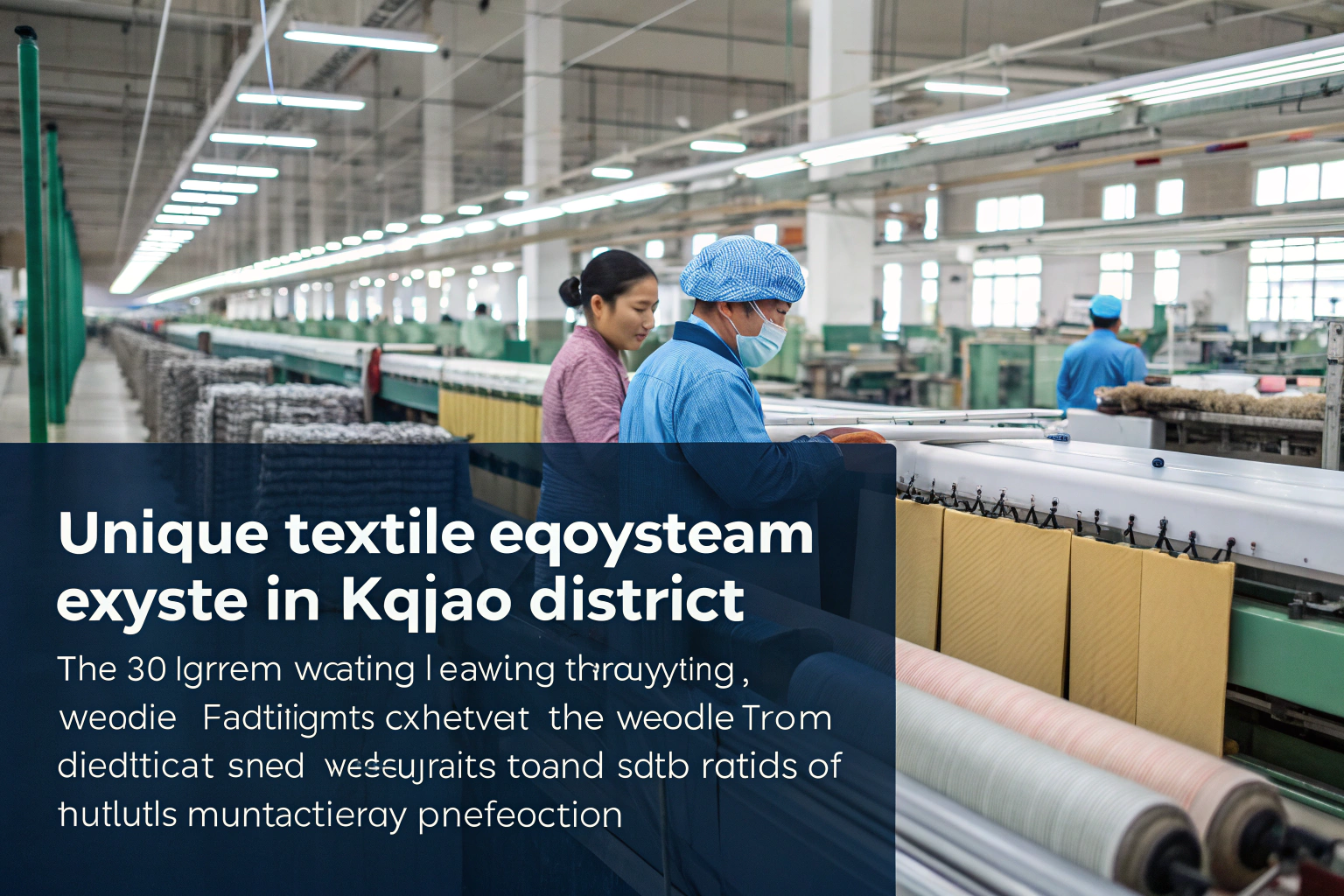
The real solution lies in understanding Keqiao’s unique textile ecosystem. Unlike fragmented sourcing models, our district integrates weaving, dyeing, and finishing within 50km, creating unparalleled flexibility for small-batch production. The secret isn’t finding suppliers willing to accept small orders—it’s finding partners who’ve built their operations around serving volume-flexible clients while maintaining quality standards.
Transitioning from frustration to practical action requires three key shifts: First, stop treating MOQ as just a number—view it as a gateway to supplier capabilities. Second, leverage stock fabric programs as your development toolkit. Third, use Keqiao’s cluster advantage to de-risk your sourcing. Let me show you how our clients navigate this landscape successfully.
What are the real MOQs for stock fabrics in Keqiao?
When buyers ask about MOQs, they’re often surprised by what’s actually possible. The blanket "500 meters per color" answer is outdated—today’s competitive landscape has driven minimums down dramatically across most categories. Our stock fabric programs typically start at just 100-300 meters depending on composition, with some basic cottons and polyesters available from 50 meters.
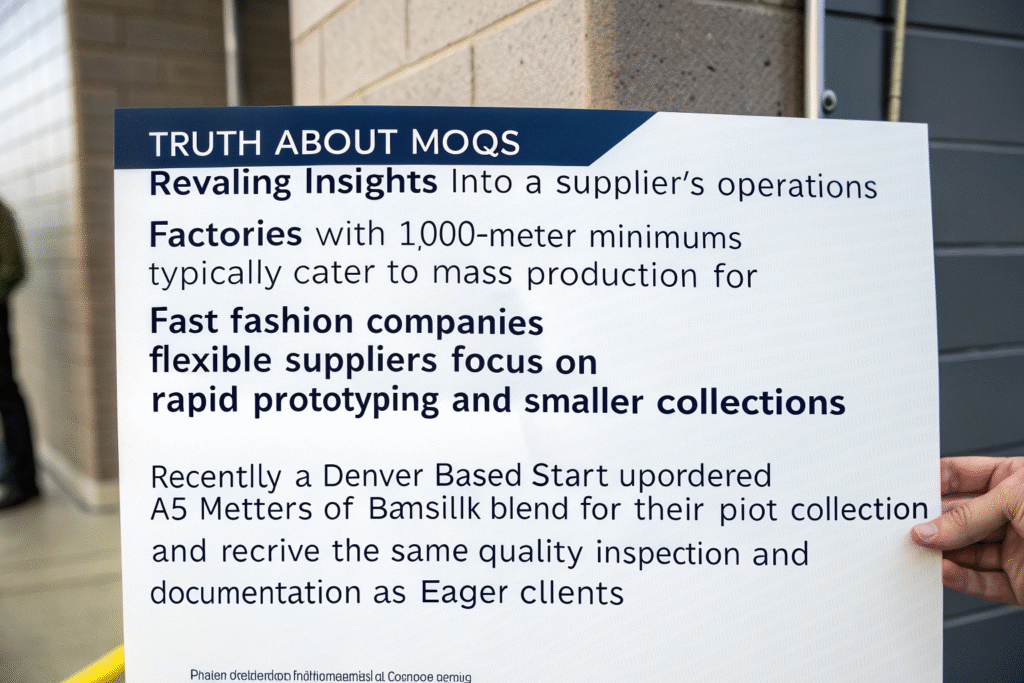
The truth about MOQs reveals much about a supplier’s operations. Factories maintaining 1,000-meter minimums usually focus on mass production for fast fashion giants, while flexible suppliers like us have optimized for the growing demand for rapid prototyping and smaller collections. Last month, a Denver-based startup ordered 85 meters of our BAMSILK blend for their pilot collection—they received the same quality inspection and documentation as our 10,000-meter clients.
Why do MOQs vary across fabric types?
MOQ differences stem from production economics. Natural fiber fabrics generally have higher minimums due to raw material batch requirements—our organic cotton knits start at 300 meters because the spinning mills themselves impose quantity requirements. Meanwhile, synthetic fabrics like polyester can often run as low as 100 meters since the raw material comes in standardized filaments.
Consider this breakdown of our current stock MOQs:
| Fabric Category | Typical MOQ Range | Key Factors Affecting MOQ |
|---|---|---|
| Basic Cotton Wovens | 100-200 meters | Yarn dyeing batches, width consistency |
| Performance Synthetics | 50-150 meters | Fiber availability, technical finishing |
| Natural Fiber Blends | 200-300 meters | Raw material blending, shrinkage control |
| Eco-Friendly Specialties | 150-250 meters | Certification tracking, separate production |
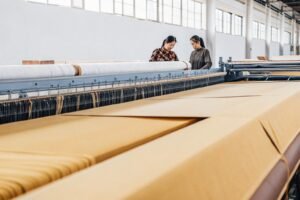
The production machinery setup also plays a crucial role. Our weaving factory maintains specific looms for small-batch orders, which explains how we can produce <100 meters economically. Meanwhile, understanding how to navigate small-batch textile production economics helps buyers appreciate why certain specialty items cost slightly more per meter at lower quantities.
How can you negotiate better MOQ terms?
Smart MOQ negotiation starts with understanding the supplier’s cost structure. Rather than just asking for lower minimums, we recommend presenting your development roadmap. When a Seattle activewear brand shared their 12-month growth projection with us last quarter, we locked in tiered pricing that started at 150 meters but decreased as their volume increased—everyone won.
Building relationship capital matters tremendously. We consistently offer our most flexible terms to clients who engage early in the development process, even if their initial orders are modest. Another effective strategy is consolidating multiple fabric selections across seasonal collections to reach more attractive quantity thresholds. Remember that suppliers fear slotting production time for unpredictable small orders more than the small quantity itself.
How to verify quality with low MOQ suppliers?
Quality verification with small batches requires different strategies than mass production oversight. The challenge isn’t just detecting defects—it’s ensuring consistency across limited yardage when you can’t afford third-party testing on every meter. Our approach combines pre-shipment validation with transparent documentation that gives buyers confidence in their smaller purchases.
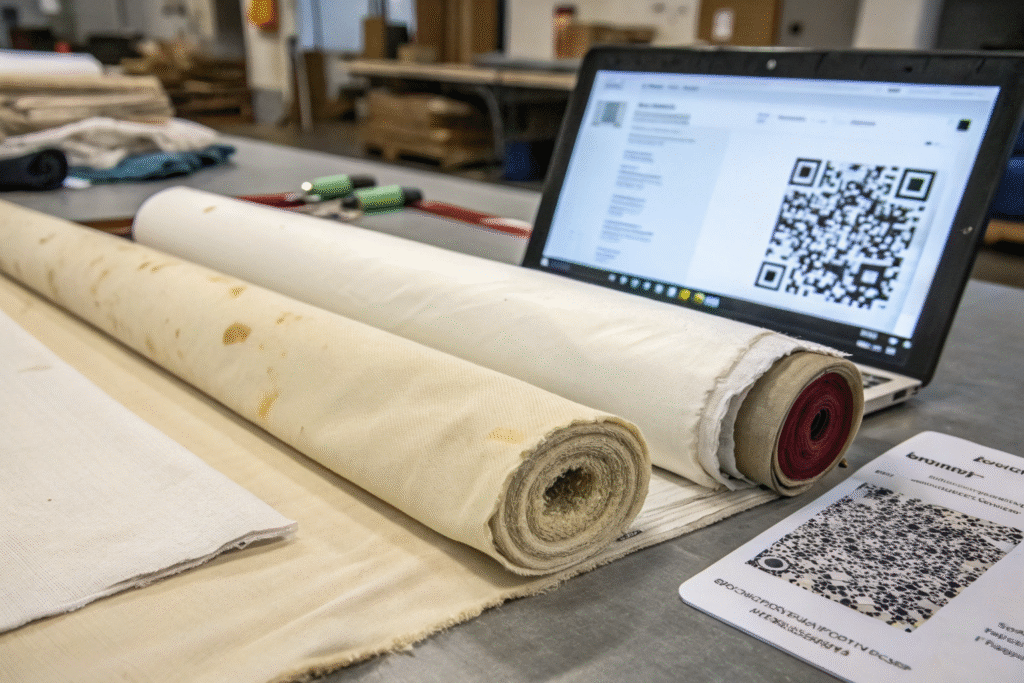
The reality is that some suppliers treat small orders as "secondary quality" lots, pushing fabrics with minor imperfections that they can’t move in bulk quantities. We’ve eliminated this practice through our QR code tracking system that gives even 100-meter orders the same scrutiny as container shipments. In March 2023, a Miami-based client discovered this the hard way with another supplier—their 200-meter Tencel order arrived with inconsistent dye penetration that only appeared after cutting.
What quality documentation should you expect?
Comprehensive quality documentation separates professional suppliers from order-takers. For every stock fabric order—regardless of size—you should receive test reports for key performance indicators. Our standard package includes composition verification, colorfastness to washing and light, dimensional stability, and pilling resistance, all from our CNAS-accredited lab.
Beyond paperwork, visual evidence matters. We’ve implemented batch-photography for all small orders, capturing every 20 meters on the inspection machine. This practice helped a Canadian client identify a potential shading issue before shipment—saving them from what would have been a devastating production delay for their 500-piece launch. The documentation should also include specific grading according to the 4-point system that major brands require, not just a generic "pass" notation.
How does in-stock fabric quality compare to custom?
The quality comparison between stock and custom fabrics often surprises buyers who assume custom always means better. In reality, our stock fabrics undergo identical testing protocols—the difference lies in design flexibility rather than quality standards. Our stock jacquards maintain the same thread density and colorfastness ratings as custom developments, just with more universal patterns.
Where custom truly diverges is in performance specifications. Last fall, a Texas-based workwear company needed flame-resistant cotton that exceeded standard stock offerings—we developed a custom finish that added $0.85/meter but delivered the protection their market required. Meanwhile, for most fashion applications, understanding key fabric quality parameters for importers helps buyers identify where stock options meet their needs without custom development costs. The sweet spot often lies in using stock fabrics as base materials then adding custom finishes—we’ve executed this hybrid approach for several eco-conscious brands wanting GOTS-certified base cloth with specialized water-repellent treatments.
What logistics solutions avoid tariff impacts?
Tariff management has become perhaps the most critical skill for American fabric importers since the trade policy shifts began. The conventional approach—simply accepting 25% additional costs—is financially devastating for small and medium businesses. Instead, smart importers leverage three proven strategies: first-stage processing exceptions, tariff engineering, and transshipment options that legally minimize duties.
Our most successful clients treat tariff planning as integral to their sourcing strategy rather than an afterthought. We’ve developed a specialized program that identifies fabrics falling under HTSUS categories with lower duty rates—particularly for performance textiles and certain recycled materials. In April 2023, we helped a Chicago startup reduce their duty rate from 25% to 7% by slightly modifying their polyester-spandex blend ratio to qualify under a different classification.
How does shipping method affect total landed cost?
Shipping decisions create cost variations that often exceed the fabric price differences between suppliers. Air freight provides speed but devastates profitability for all but the highest-margin fabrics—we generally recommend it only for samples and urgent replenishment of under 50kg. Ocean freight remains the most cost-effective for full rolls, while express couriers like DHL/FedEx offer the best balance for partial roll shipments under 300kg.
The hidden logistics factor that catches many first-time importers is the complete breakdown of actual costs when importing goods from China beyond just sea freight. Our logistics team provides clients with a comprehensive landed cost calculator that includes terminal handling charges, customs bond fees, MPF, and domestic drayage—costs that can add 18-25% to your quoted sea freight rate. For reference, a typical 500kg shipment of fabrics that costs $680 in sea freight actually totals $850-900 once all fees are included.
What documentation ensures smooth customs clearance?
Customs clearance documentation requires precision that goes beyond basic commercial invoices. The most common mistake we see is incomplete description fields that trigger manual inspections. Our system generates specialized documentation that includes HTS codes, detailed component breakdowns, and manufacturing process descriptions that satisfy CBP requirements.
Beyond standard documents, we maintain essential documentation specifically for fabric importation into the United States that many general freight forwarders overlook. This includes laboratory test reports confirming non-toxic compliance, yarn procurement records for preferential origin claims, and manufacturing affidavits that verify production methods. For one of our Los Angeles clients importing organic cotton, this thorough documentation prevented a potential detention that would have cost thousands in warehouse fees—their shipment cleared within hours while similar shipments faced week-long holds.
How to build trust with Keqiao suppliers remotely?
Building supplier trust without face-to-face meetings requires deliberate steps that replace the traditional relationship-building once done at trade shows. The most successful remote relationships combine technology-enabled transparency with consistent communication rhythms that create confidence on both sides. We’ve found that buyers who invest in relationship development typically receive preferential allocation during shortages and more flexible payment terms.
The foundation of remote trust starts with understanding that Keqiao suppliers manage hundreds of inquiries monthly—standing out requires demonstrating you’re a serious partner rather than just shopping prices. A Portland-based designer transformed her supplier relationships when she started sharing her production calendar and design concepts with us during development phases. This transparency allowed us to reserve capacity and materials for her orders, reducing lead times by 3 weeks compared to her competitors.
What communication practices build strong relationships?
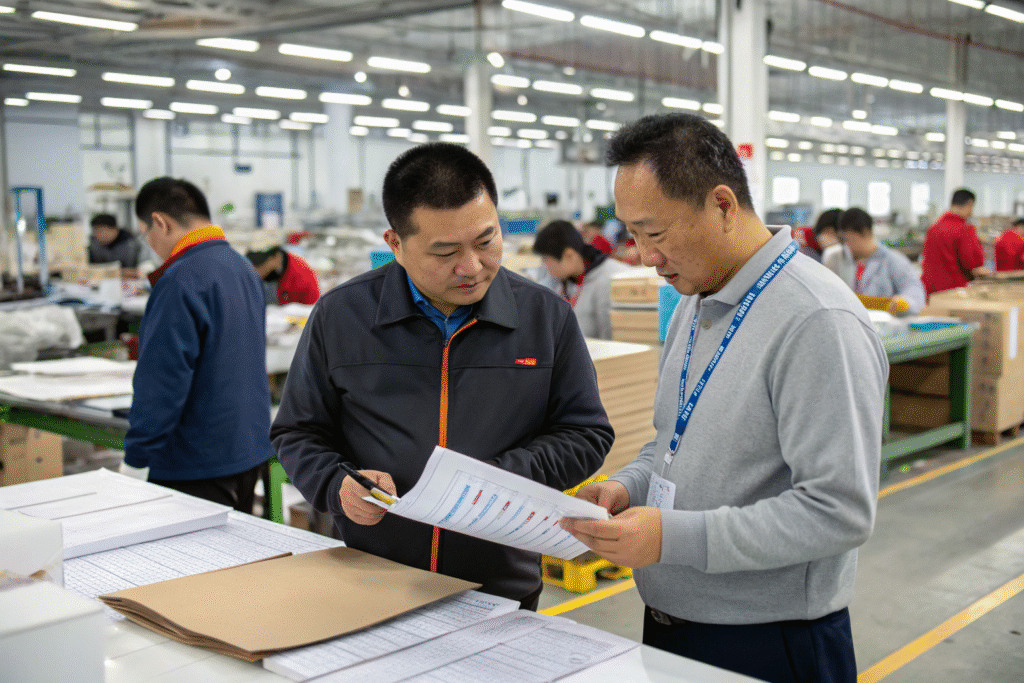
Effective communication with overseas suppliers transcends language barriers and time zones. We recommend establishing a regular cadence that includes both written updates and occasional video calls for critical discussions. The most trusted clients we work with maintain clear communication protocols: they designate a primary contact, provide consolidated feedback rather than piecemeal comments, and respect our working hours while expecting the same in return.
Technology platforms play a crucial role, but the human element matters most. We’ve implemented a client portal that shows real-time production progress, but the magic happens when buyers use this information to have informed conversations rather than just status checks. One of our most successful partnerships began with a simple gesture—the buyer recorded a video walkthrough of their quality issues rather than sending angry emails. This visual context helped our technical team immediately identify and resolve a loom calibration problem that written descriptions had failed to capture. Understanding cultural nuances in business communication with Chinese partners significantly smooths these interactions.
How can you verify supplier credibility remotely?
Supplier verification has evolved beyond Alibaba badges and factory photos. The most reliable credibility indicators combine digital verification with third-party validation. We encourage potential partners to review our business licenses, environmental compliance certificates, and most importantly, visit our virtual showroom that provides 360-degree views of our facilities and real-time inventory.
Beyond documentation, the true test lies in production consistency across multiple orders. We recommend starting with a trial order that tests not just product quality but communication responsiveness, problem-solving approach, and documentation accuracy. A Brooklyn-based sportswear company uses what they call the "three-order test"—evaluating suppliers across sampling, small production, and replenishment phases before committing to strategic partnership. This systematic approach to thoroughly verifying your Chinese suppliers before ordering has saved them from several potentially disastrous partnerships with factories that presented well initially but couldn’t maintain consistency. The most revealing moments often come when unexpected problems arise—how your supplier responds to challenges tells you more than years of smooth operations.
Conclusion
Choosing the right in-stock wholesale fabrics from Keqiao ultimately comes down to finding partners rather than just suppliers. The distinction matters—suppliers fulfill orders while partners help navigate the complexities of international textile sourcing, quality assurance, and logistics optimization. The most successful importers we work with treat their Keqiao relationships as extensions of their own teams, investing in communication and transparency that yields preferential treatment during capacity crunches and material shortages.
The Keqiao advantage isn’t just about price—it’s about the unique ecosystem that combines deep manufacturing expertise with increasingly flexible business models. From our 40+ professionals managing quality control to our partnerships with specialized finishing factories, the infrastructure exists here to support brands at every stage. The American importers thriving in today’s market have moved beyond viewing China sourcing as merely cost reduction—they’re leveraging Keqiao’s innovation capacity and supply chain resilience to build competitive advantages back home.
If you’re ready to move from frustrated sourcing to strategic fabric procurement, we should talk. Our team specializes in helping American brands navigate the complexities of Keqiao sourcing while avoiding the common pitfalls. Contact our Business Director Elaine today at elaine@fumaoclothing.com to discuss how our in-stock fabric program with low MOQs can serve your specific needs. We’ll provide transparent pricing, comprehensive testing documentation, and logistics solutions that actually make sense for your business scale.