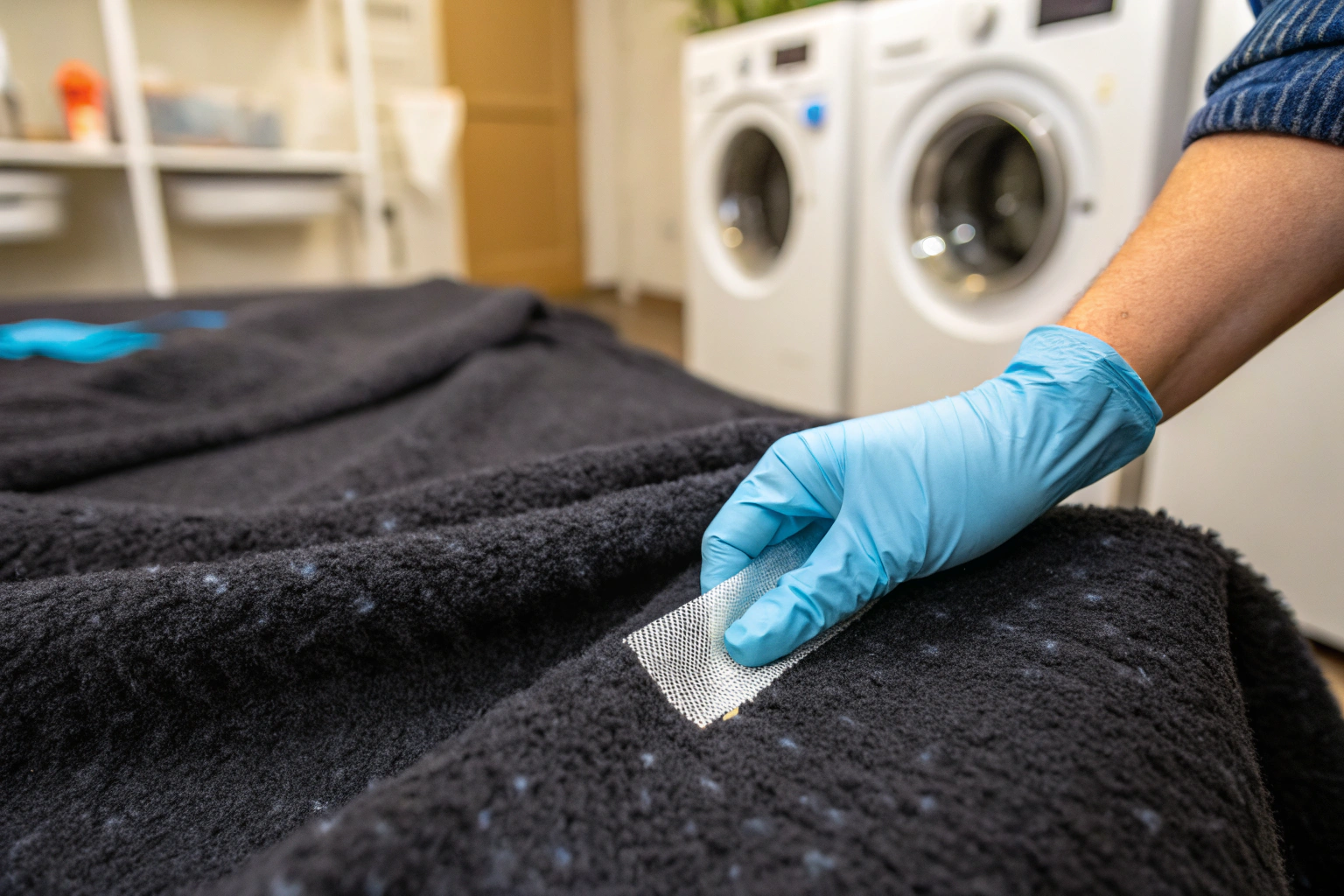
Let me tell you about a complaint that makes every fabric mill owner’s stomach drop. You open an email from a brand client and it’s a photo of a dryer lint trap. But it’s not just full of lint. It’s overflowing like a small animal died in there. The subject line reads: "Fleece Shedding Issue – Urgent." You know instantly this is going to cost thousands of dollars in returns lost goodwill and rework.
Fleece shedding is the silent killer of loungewear and activewear brands. The consumer loves the hoodie in the store. It’s soft it’s cozy it’s perfect. They take it home. They wash it one time. They open the washer and it looks like they washed a long-haired cat. The inside of the hoodie is matted. The rest of their laundry is covered in little fuzz balls. They are furious. They leave a one-star review that says "Cheap fabric falls apart." And they never buy from you again.
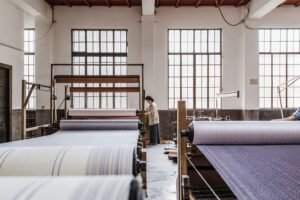
The pain is real and it’s preventable. But preventing it requires understanding what happens inside the yarn before it ever gets to the cutting table. At Shanghai Fumao we manufacture hundreds of tons of fleece every year for brands that cannot afford shedding issues. We’ve developed a specific set of protocols from yarn selection to finishing that virtually eliminates this problem. I’m going to share those protocols with you.
The key thing to understand is that Shedding is not a Fabric Problem. It’s a Yarn Problem. The fleece fabric is made by knitting a ground yarn and a loop yarn. Then those loops are brushed or napped to create the fuzzy surface. If the yarn used for those loops is weak or poorly spun the fibers will pull out during washing. It’s that simple. Let’s break down exactly how we engineer our fleece to stay put.
What Causes Fleece Fabric to Shed Microplastics
Let’s get technical for a minute because this is where the marketing fluff ends and the real engineering begins. There are two distinct but related issues: Shedding and Pilling. Consumers often confuse them.
Shedding is the loss of Loose Fibers from the surface of the fabric. These are fibers that were never properly anchored in the yarn structure in the first place. They are just sitting there trapped by static or friction. The moment you introduce water agitation and detergent they break free and float away. This is what clogs your dryer lint trap.
Pilling is different. Pilling is when fibers do break but instead of falling off they tangle together into little hard balls on the surface of the fabric. This happens when the fiber itself is strong (like polyester) but the yarn twist is too low.
The root cause of excessive shedding in polyester fleece is Low Tenacity Fibers and Low Twist Yarn. To make fleece cheaply some mills use Virgin Polyester Staple Fiber that is very short (low denier per filament). Or worse they use Recycled Polyester that hasn’t been properly processed. When you shred plastic bottles into fiber the resulting fibers have jagged edges and varying lengths. If you don’t use a high percentage of long-staple virgin fiber to anchor the blend the short recycled fibers will just fall out.
At Shanghai Fumao we specify a Minimum Staple Length of 38mm for our fleece yarns. We also use a specific Siro-Spun technique that traps fibers by twisting them in a double-bind. This increases the Inter-Fiber Friction . The fibers literally cannot slide past each other to escape.
How Does Yarn Twist Level Impact Shedding in Knit Fleece
This is the single most important specification on a fleece tech pack that nobody ever asks for. Twist Per Inch (TPI) or Twist Factor (Alpha Metric) .
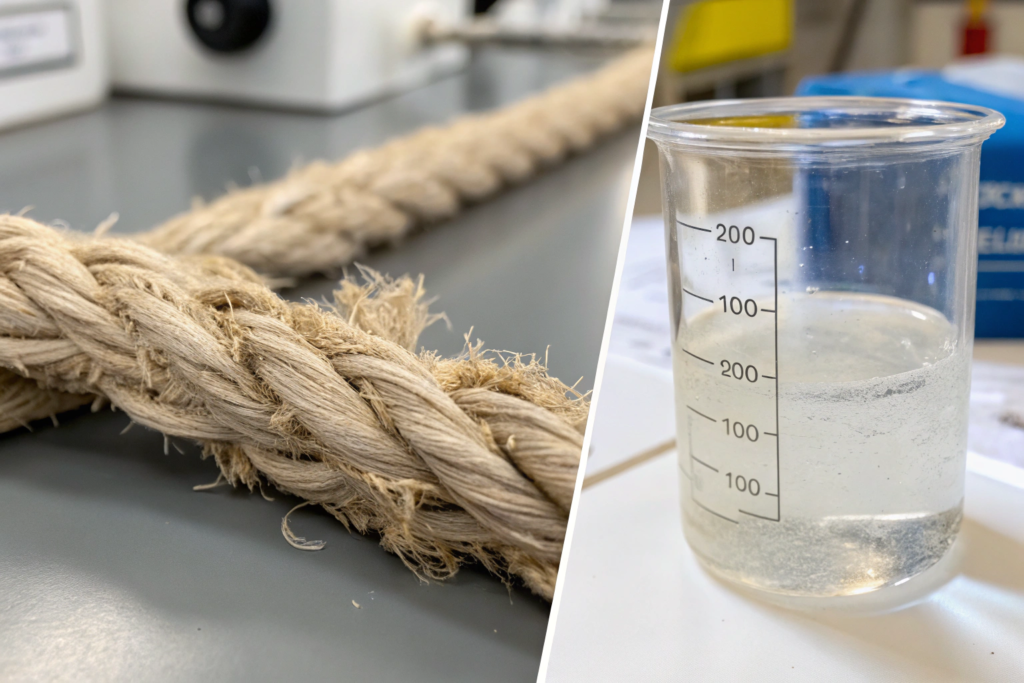
Think of a yarn like a rope. If you twist it loosely the individual strands can be pulled out easily. If you twist it tightly they are locked in place. The same physics applies to fleece.
For the Loop Yarn (the one that gets brushed to make the fuzzy inside of the hoodie) we use a Low Twist. That’s intentional. You want the fibers to open up and bloom during brushing. That’s what creates the soft handfeel.
The problem is that low twist yarns shed. The solution is in the Ground Yarn. The ground yarn is the structural backbone of the fabric. It holds the loops in place. If you use a High-Twist Ground Yarn it acts like a vise grip. It clamps down on the base of the loop yarn fibers. Even if the loop yarn is low twist and fuzzy the base of the fiber is locked into the knit structure by the tight ground yarn.
We also use a technique called Plating. This is where we feed two yarns into the knitting machine at the same time. The high-twist ground yarn stays on the Technical Back (the outside face of the hoodie). The low-twist loop yarn stays on the Technical Face (the inside brushed surface). This creates a fabric with a durable smooth face and a soft fuzzy back. But because the ground yarn is strong and tight it prevents the soft yarn from migrating through the fabric and shedding out the face side.
What Is the Difference Between Open-End and Ring-Spun Yarn Shedding
This is a choice that separates cheap fleece from premium fleece.
Open-End (OE) Yarn is made by a high-speed rotor spinning process. It’s cheap and fast. But the fibers inside an OE yarn are mostly Parallel. They don’t have a lot of twist holding them together. The yarn is held together by Wrapper Fibers which are thin fibers that wind around the outside. These wrapper fibers break easily. When they break the whole yarn structure collapses and the inner parallel fibers explode out as lint. OE fleece sheds like crazy.
Ring-Spun Yarn is made on a traditional ring frame. It’s slower and more expensive. But the fibers are Truly Twisted into a helical structure. The twist runs all the way through the core of the yarn. This mechanical interlocking is incredibly strong. Fibers cannot slide out easily.
Here is a comparison table based on our internal lab testing of different yarn types in identical fleece constructions.
| Yarn Type | Relative Cost | Fiber Alignment | Resistance to Shedding (1-5) | Best Use in Fleece |
|---|---|---|---|---|
| Open-End (OE) | Low | Parallel / Wrapped | 2 (Poor) | Low-cost promotional blankets |
| Ring-Spun Carded | Medium | True Twist (Irregular) | 3.5 (Good) | Mid-tier hoodies |
| Ring-Spun Combed | High | True Twist (Parallel) | 4.5 (Excellent) | Premium Fleece |
| Compact Ring-Spun | Highest | True Twist (Ultra-Tight) | 5 (Superior) | Luxury / Zero-Shed Fleece |
For a deeper dive into the physics of yarn structure I recommend resources that explain the fundamental differences in yarn formation between rotor open-end spinning and ring spinning technologies and their impact on fabric surface integrity. It’s the hidden science behind why some hoodies last forever and some die in the wash.
How to Test Fleece for Shedding Before Bulk Production
You can’t just trust the mill’s word that the fleece is "anti-shed." You need to verify it yourself. And you don’t need a $50,000 lab to do it. You can do a lot with basic tools in your office.
The first test is the Tape Lift Test. This is the industry standard quick-check. Take a piece of Clear Adhesive Tape (Scotch Magic Tape works best). Press it firmly onto the face of the fleece fabric. Rub it down hard with your fingernail. Then peel it off slowly.
Look at the tape. A Grade 5 (Excellent) fleece will have Zero to 3 tiny fibers stuck to the tape. A Grade 4 (Good) will have a light dusting of fibers. A Grade 3 (Fair) will have visible clumps of fiber. Anything Grade 2 or below is a shedding nightmare and should be rejected for apparel.
The second test is the Wash Test Simulation. Cut a 10-inch by 10-inch square of the fleece. Finish the edges with a zigzag stitch or pinking shears to prevent unraveling. Weigh it on a Gram Scale. Record the weight. Put it in a mesh laundry bag and wash it in a standard home washing machine with a cup of white vinegar (no detergent). Dry it in the dryer. Take it out and weigh it again.
The Weight Loss should be Less than 1% . If you started with 100 grams and you end with 98 grams that’s acceptable. If you end with 94 grams you have a 6% fiber loss. That’s a disaster. That means 6% of the fabric weight just went down the drain or into the lint trap.
At Shanghai Fumao we run this test on Every Single Dye Lot before shipping bulk. It’s part of our internal AQL 2.5 inspection protocol. We don’t just check for holes and stains. We check for shedding.
How to Perform a Martindale Abrasion Test for Fleece Fabrics
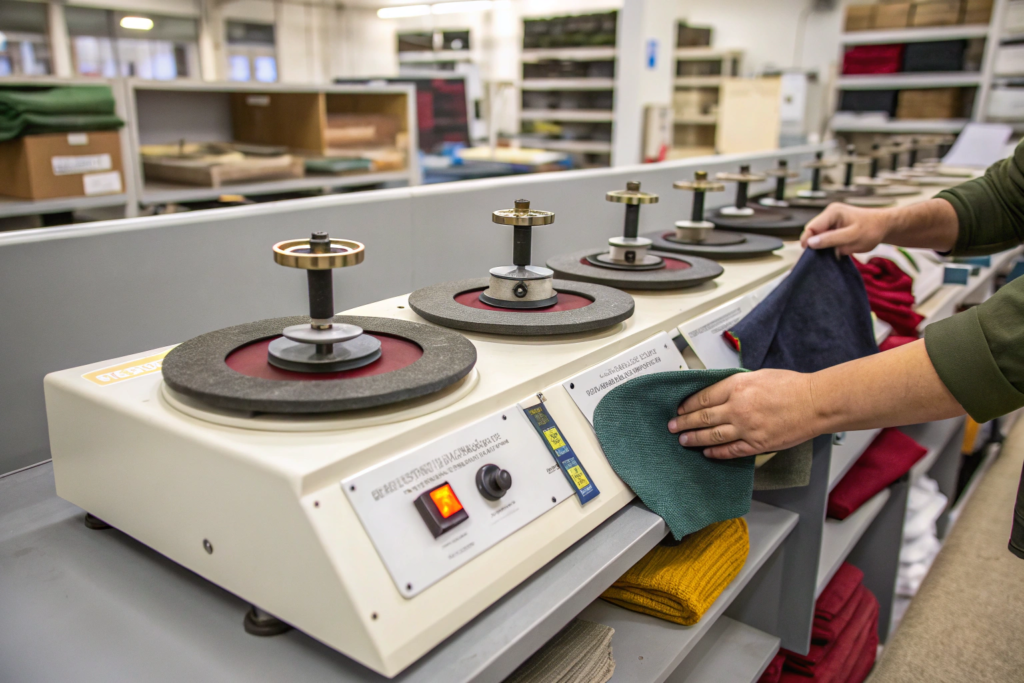
If you have access to a lab or a university textile department this is the gold standard test. The Martindale Tester rubs the fabric in a Lissajous figure (a figure-8 pattern) against a standard wool abradant.
For fleece we run the test for 5,000 Rubs. After the test we don’t just look for holes (though we check for that too). We look at the Weight Loss and the Surface Appearance.
The key metric for fleece shedding is the Visual Rating against the ASTM D3512 Random Tumble Pilling Standards. A premium fleece should maintain a Grade 4 or higher after 5,000 rubs. This means the surface is slightly fuzzy but there are no pills and no significant fiber loss.
I always advise brands to request a Martindale Report from their fleece supplier. If the supplier looks at you blankly and says "What’s that?" you are dealing with a trading company that has never set foot in a lab. Walk away. A real mill has this report on file.
Here is a summary of the testing protocol I recommend for fleece quality assurance.
| Test Method | Equipment Needed | Duration | Acceptance Criteria (Premium) |
|---|---|---|---|
| Tape Lift | Scotch Tape | 30 seconds | < 5 fibers visible |
| Wash Simulation | Washer / Dryer / Scale | 2 hours | < 1% Weight Loss |
| Martindale Abrasion | Martindale Tester | 5,000 Rubs | Grade 4 (Slight Fuzz) |
| Elmendorf Tear | Tear Tester | 1 minute | > 2,000 mN |
Why Does Pre-Washing Bulk Fabric Reduce Consumer Complaints
This is a process step that costs us money but saves our clients from a world of pain. We offer Garment Dyeing and Fabric Pre-Washing services for fleece.
The first wash is the Dirtiest Wash. That’s when the vast majority of loose fibers are going to come out. If that happens in the consumer’s home it’s a problem. If it happens in our factory it’s a process.
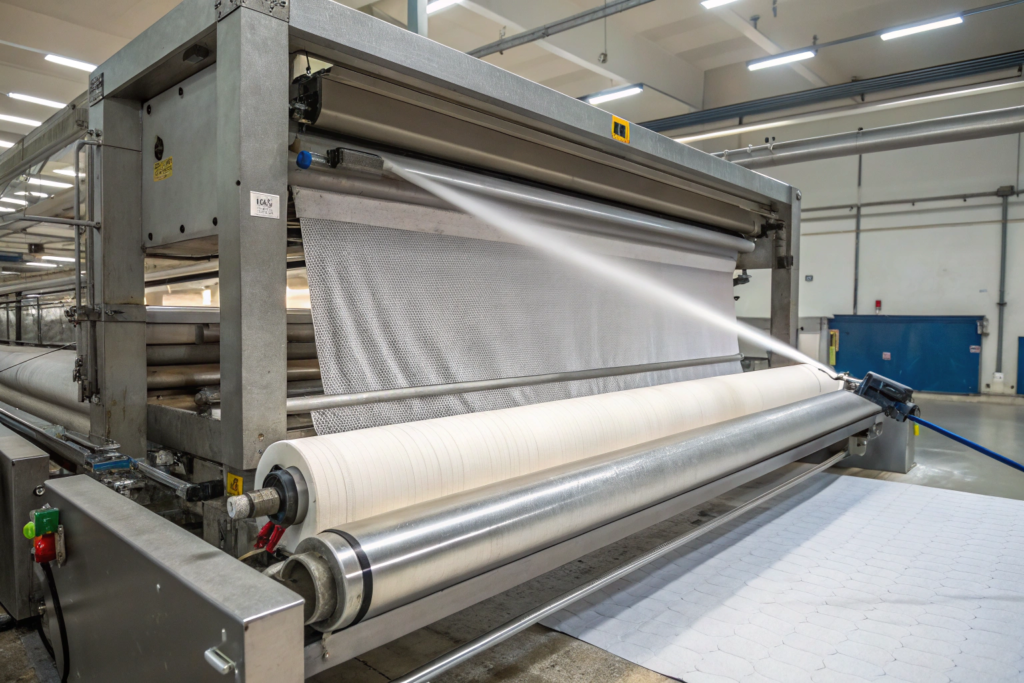
We run the finished fleece fabric through a Continuous Washing Range . It’s a series of huge industrial washers and dryers. We use hot water and mechanical agitation to intentionally release any poorly bound fibers. Then we Tumble Dry the fabric to remove the lint. We use high-efficiency lint filters and we clean them every hour.
The fabric that leaves our factory has already shed 90% of what it’s ever going to shed. The consumer washes it and the lint trap is almost empty. They think "Wow this is great quality." That’s not an accident. That’s pre-washing. For smaller brands who can’t afford fabric pre-washing I recommend reading discussions on textile manufacturing forums about low-cost methods for reducing microplastic fiber release during home laundering of synthetic textiles. It gives insight into how fibers behave in water.
What Are the Best Anti-Pill Finishes for Polyester Fleece
Let’s talk about chemistry. Because sometimes yarn engineering isn’t enough. Sometimes you need a little chemical help to lock those fibers down.
The industry standard for anti-pilling and anti-shedding is Anti-Pilling Finish . It’s a type of Polymer Resin that coats the surface of the fibers. It acts like a Glue or a Hairspray. It sticks the loose fiber ends down to the yarn body.
But here’s the problem with cheap anti-pill finishes. They wash off. After three or four home launderings the finish is gone and the shedding starts. This is why some hoodies are great for a month and then fall apart.
The premium solution is Exhaustible Anti-Pill Agents . These are chemicals that have an Affinity for Polyester. They don’t just sit on the surface. They Diffuse into the Fiber at a molecular level during the dyeing process. When you dye the fleece at 130°C the heat opens up the polyester polymer structure. The anti-pill agent goes inside. When it cools the agent is trapped inside the fiber.
This type of finish is Permanent. It lasts the life of the garment. It reduces the Coefficient of Friction between fibers. Fibers slide past each other instead of grabbing and pulling out. This is the technology we use on our premium fleece for high-end streetwear brands.
How Does Bio-Polishing Improve the Surface of Cotton Fleece
Polyester fleece is one problem. Cotton fleece is a different beast. Cotton fibers are naturally short and fuzzy. They have tiny little hairs sticking out all over the place. This is called Fuzz.
If you don’t remove this fuzz before you make the garment the cotton fleece will pill like crazy. But it’s a different kind of pill. It’s a soft pill that eventually falls off (that’s the shedding).
Bio-Polishing is an enzymatic process. We use Cellulase Enzymes . These are biological catalysts that eat cellulose. But they only eat the Loose Fuzzy Ends of the cotton fiber. They don’t eat the main strong fiber body because it’s too crystalline.
We put the cotton fleece in a bath with these enzymes at a specific temperature and pH. The enzymes nibble off all the surface fuzz. The result is a fabric surface that is incredibly Smooth and Clean. It looks almost like it’s been singed.
Because the loose ends are removed enzymatically they can’t tangle into pills. And they can’t fall off in the wash. The fabric has already shed its "baby fur" in a controlled factory environment. This process also improves the Color Brilliance and Drape of the fleece. It’s a must-do for any premium cotton hoodie.
What Is the Impact of Heat Setting on Polyester Fleece Stability
This is a physical process that is just as important as the chemical one. Heat Setting uses the Thermoplastic Nature of Polyester.
Polyester is basically plastic. When you heat it to its Glass Transition Temperature (around 170-190°C) it becomes soft and moldable. When you cool it rapidly it "freezes" in that new shape.
We use a Stenter Frame to stretch the fleece to a precise width and length and then blast it with hot air. This does two things for shedding. First it Anchors the Loop Yarn. The heat relaxes the stress in the yarn and allows it to conform to the knit structure. When it cools it "locks" into that position. The loops are less likely to be pulled out.
Second it Crystallizes the Polymer. The polyester molecules align themselves into a more organized structure. This increases the fiber strength and reduces the ability of the fiber to fibrillate (split into tiny microfibers). Proper heat setting can reduce shedding by up to 40% compared to unset fabric.
How to Educate Consumers on Fleece Care to Minimize Shedding
Even with the best yarn engineering and the best finishing some shedding is inevitable over the life of a fleece garment. It’s the nature of the beast. But you can drastically reduce it by educating the end consumer on proper care. Most consumers wash fleece in ways that actively promote shedding.
The number one mistake is Washing Fleece with Cotton Towels or Jeans. This is a shedding accelerant. The rough surface of towels and denim acts like Sandpaper on the soft fleece face. It physically abrades the fibers and pulls them out.
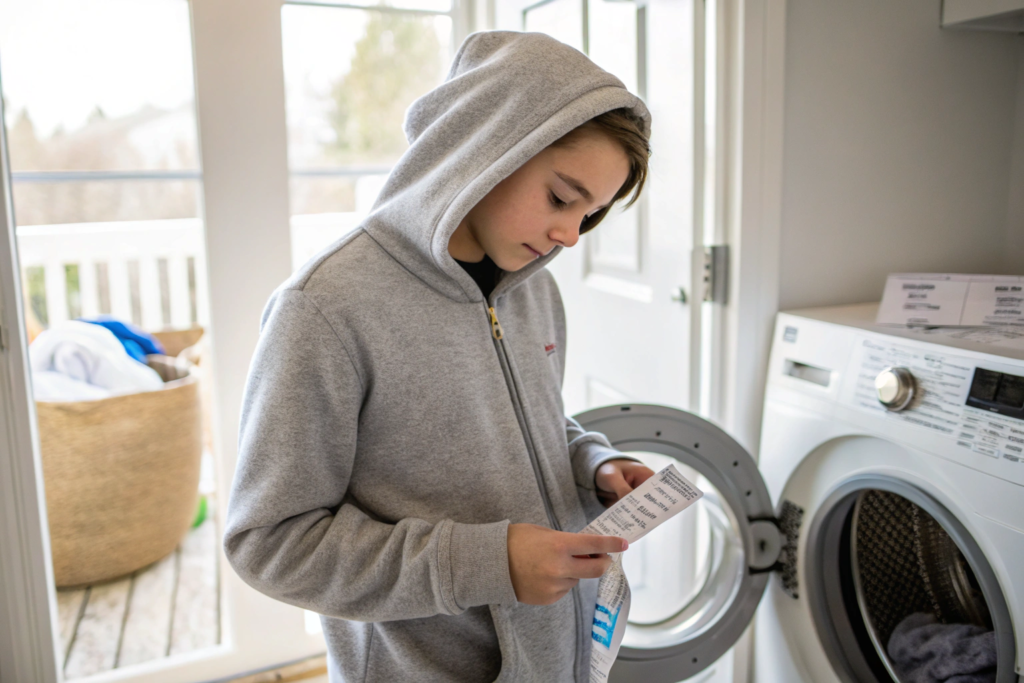
You need to tell your customers explicitly on the care label and in your marketing to Wash Fleece Only with Other Synthetic Fabrics or Wash Fleece Inside Out in a Mesh Bag. The mesh bag is the single most effective tool a consumer has. It reduces the mechanical agitation against other garments by 90%.
The second mistake is Fabric Softener. I know it’s counter-intuitive. Softener makes it feel softer so it must be good right? Wrong. Fabric softener works by coating fibers with a waxy lubricant. This lubricant builds up on fleece. It mats down the pile. It clogs the pores of the fabric and traps moisture. Worse it actually Weakens the Bond of the fiber to the yarn. Over time softener causes more shedding. Tell them to use White Vinegar in the rinse cycle instead. It softens naturally and removes detergent residue.
At Shanghai Fumao we provide our brand clients with a Care Instruction Card template to include in their shipments. It’s a small thing that dramatically reduces returns and negative reviews.
What Is the Role of the Guppyfriend Bag in Microfiber Capture
This is a specific product that I recommend to all my eco-conscious clients. The Guppyfriend Washing Bag is a mesh bag designed specifically to capture Microplastic Fibers released during washing.
The bag is made of a monofilament mesh that is so fine it catches fibers as small as 50 microns. The fibers get trapped in the seams and corners of the bag. You can then collect them and dispose of them in the trash (not down the sink).
This doesn’t stop the fabric from shedding but it stops the shed fibers from entering the waterways. For brands that market sustainability this is a powerful co-branding opportunity. You can sell the bag alongside the hoodie or include it as a gift with purchase. It shows the consumer you care about the entire lifecycle of the product. There are detailed studies available on the effectiveness of external filtration devices like the Guppyfriend bag and washing machine filters in reducing microplastic fiber emissions from synthetic textiles. The data is compelling.
Why Does Air Drying Extend the Life of Fleece Garments
The dryer is a shedding machine. The high heat weakens polyester fibers over time. The tumbling action creates friction. The lint trap is proof of the carnage happening inside that drum.
If a consumer wants their fleece hoodie to last for five years instead of one year they need to Air Dry It. Or at least Tumble Dry on Low Heat for just a few minutes and then hang it up.
I know this is a hard sell. Convenience is king. But you can position it as a "Pro Tip" for keeping the hoodie looking new. "Want that fresh-from-the-store softness forever? Hang dry this bad boy." It’s a way to build a relationship with the customer and position your brand as an authority on quality.
Here is a simple care guide table that I recommend printing on the hang tag.
| Care Step | Recommended Action | Why This Matters for Fleece |
|---|---|---|
| Sorting | Wash with synthetics only | Prevents abrasion from rough fabrics |
| Bagging | Use a Guppyfriend or mesh bag | Captures shed fibers reduces friction |
| Detergent | Mild liquid no softener | Softener weakens yarn structure |
| Wash Cycle | Cold water gentle cycle | Reduces thermal stress on fibers |
| Drying | Air dry or tumble low | Eliminates high-heat fiber damage |
Conclusion
Ensuring your fleece fabric won’t shed in the wash is a multi-layered challenge that starts long before the first consumer ever touches the hoodie. It starts with selecting the right yarn type ring-spun combed over open-end. It continues with engineering the knit structure to lock the loops in place with a high-twist ground yarn. It’s reinforced with permanent anti-pill finishes and enzymatic bio-polishing. And it’s validated through rigorous wash testing and Martindale abrasion tests.
As a brand owner you cannot afford to leave this to chance. A shedding fleece complaint is not just a quality issue. It’s a brand reputation issue. It’s a sustainability issue. Consumers are becoming increasingly aware of microfiber pollution and they will hold brands accountable.
At Shanghai Fumao we’ve made low-shed fleece a core competency of our knitting division. We don’t just sell "fleece fabric." We sell a specific engineered product with a guaranteed performance standard. We test it we wash it and we stand behind it.
If you’re developing a fleece program hoodies joggers blankets and you need a partner who takes shedding as seriously as you do let’s talk. Our Business Director Elaine can send you our fleece spec sheet including yarn type twist factors and wash test data. She can also provide sample yardage so you can run your own tape lift test and see the difference.
Reach out to Elaine at: elaine@fumaoclothing.com