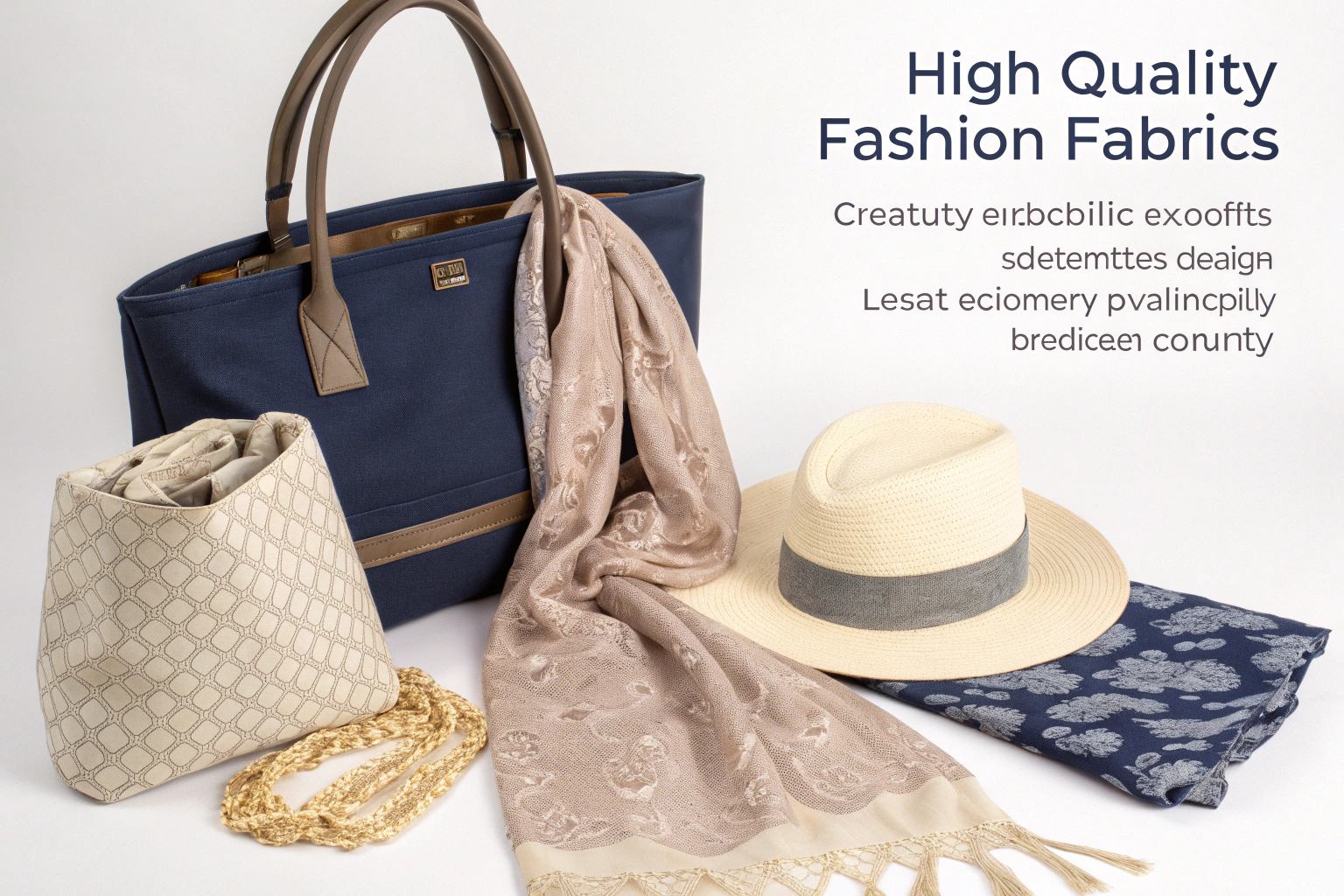
In the competitive world of fashion accessories, the fabric is the hero. A bag’s prestige, a hat’s character, and a scarf’s allure are fundamentally defined by the materials from which they’re made. Yet, sourcing fabrics for accessories presents a unique set of challenges distinct from apparel: it’s not just about drape and comfort, but about structure, durability, surface aesthetics, and often, a lower-volume, more diverse SKU strategy. Choosing a beautiful but structurally weak fabric for a tote bag or a non-breathable lining for a summer hat can lead to product failure and brand damage. So, how do you build a strategic, reliable fabric sourcing pipeline for accessories that balances creativity with commercial and technical reality?
Sourcing fabrics for accessories requires a category-specific, performance-first approach. You must prioritize durability and abrasion resistance for bags, structure, shape retention, and breathability for hats, and drape, hand feel, and print fidelity for scarves. Success lies in understanding the distinct technical demands of each product, identifying the right fabric families (canvas, PU leather, wool felt, silk twill, etc.), and building relationships with mills and converters that specialize in lower MOQs and diverse surface treatments. It’s a dance between aesthetic vision and material engineering.
This guide will break down the key considerations for each accessory category, moving from broad concepts to specific fabric recommendations and sourcing tactics to help you build collections that are both beautiful and built to last.
What are the key fabric properties for bags and totes?
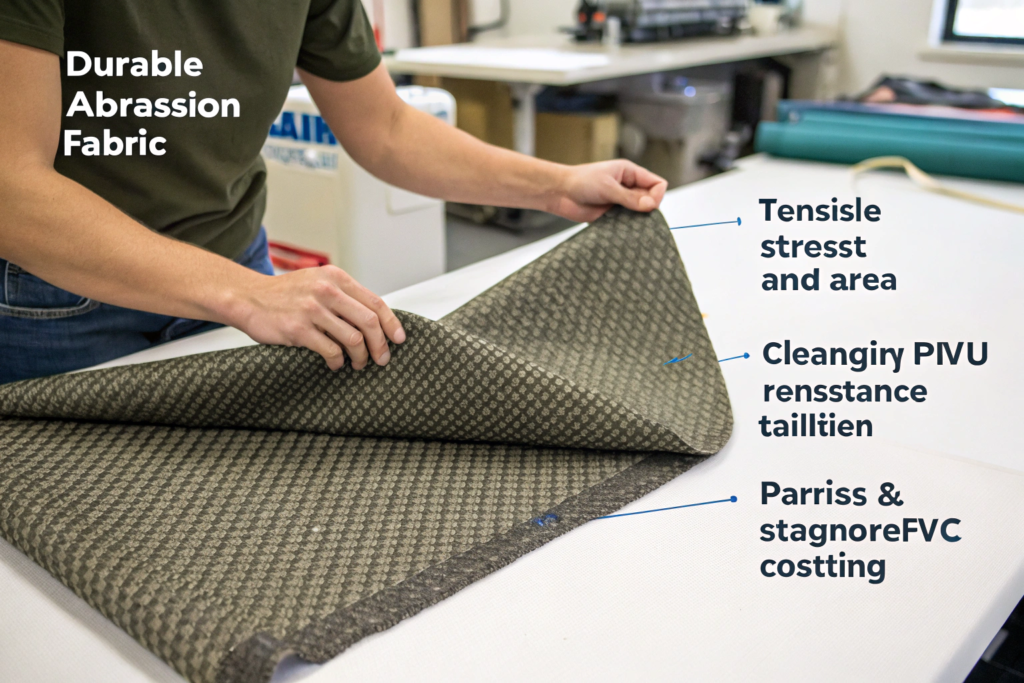
A bag is a workhorse. Its fabric must withstand daily abrasion (against desks, car seats, pavement), bear significant weight stress at seams and handles, resist stains and water, and maintain its shape without collapsing. The aesthetic—whether rustic, sleek, or luxurious—is built upon this foundation of toughness.
The primary considerations are:
- Durability & Abrasion Resistance: Measured by tests like the Martindale or Wyzenbeek rub test. High-denier yarns and tight weaves (like canvas, duck, or ballistic nylon) excel here.
- Tensile & Tear Strength: The fabric must not rip easily under load. Fabrics with a ripstop weave or those made from strong fibers like nylon or polyester are key.
- Dimensional Stability: The bag shouldn’t sag or distort over time. This requires a firm hand feel and often a coating or laminate.
- Cleanability & Water Resistance: A DWR (Durable Water Repellent) finish, PU coating, or PVC laminate can provide protection.
- Aesthetic Versatility: The fabric should accept printing, embroidery, or waxed finishes well.
Which fabric constructions are industry standards for bags?
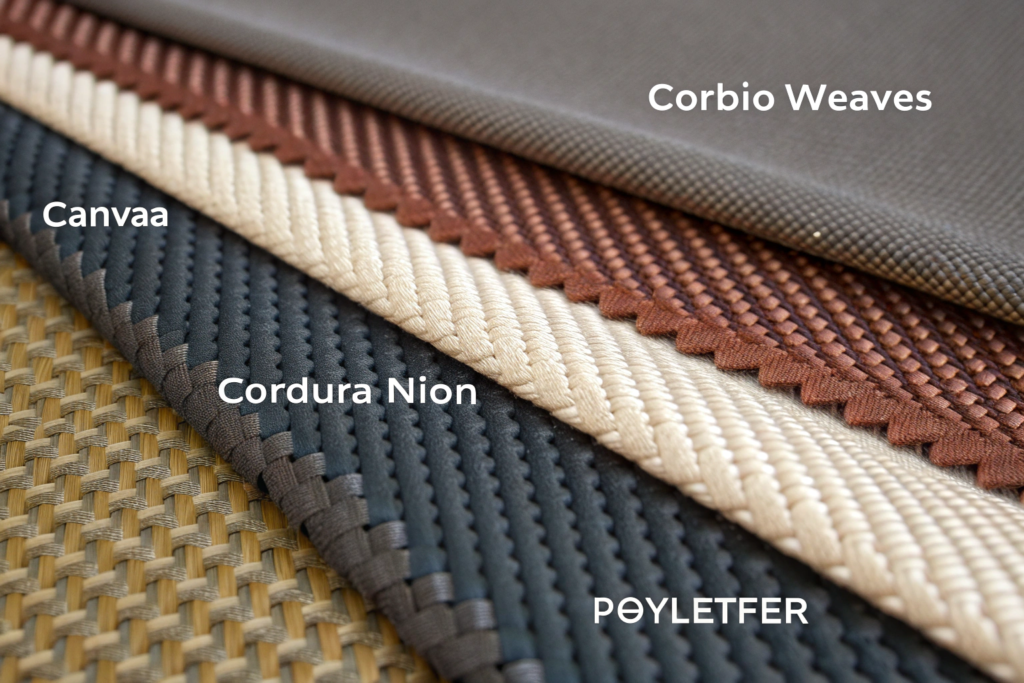
- Canvas (Cotton or Poly-Cotton): The classic choice. Natural, breathable, and highly durable. Can be waxed for water resistance. Ideal for totes, backpacks, and casual bags. Weight matters: 10-16 oz/sq yd is common for structured bags.
- Cordura® or Ballistic Nylon: A high-tenacity nylon fabric with an exceptional strength-to-weight ratio. Extremely abrasion-resistant. Used for premium backpacks, luggage, and tech bags.
- PU/PVC Leather (Synthetic Leather): Provides a uniform, easy-to-clean aesthetic at a fraction of the cost of genuine leather. Quality varies widely; look for a high percentage of PU surface layer (not just a thin coating) for better durability and feel.
- Polyester Twill or Oxford: Lighter weight than canvas, often with a water-resistant coating. Common for lightweight travel bags, duffels, and liner fabrics.
- Non-Wovens (Felt, Neoprene): Used for specific styles. Wool felt offers great structure for clutches; neoprene (like Scuba fabric) provides cushioning and a modern look for cosmetic cases.
For a recent collaboration with a DTC bag brand, we developed a custom 14oz recycled polyester canvas. The client wanted an eco-credential but couldn’t compromise on durability. By using high-tenacity rPET yarns in a tight 2×1 basket weave, we achieved a fabric that passed 40,000+ Martindale abrasion cycles and had a great, substantial hand—proving sustainable options can be tough. Resources like specialist bag industry guides to fabric types offer deeper dives into these standards.
How do coatings and laminates affect performance?
This is where functionality is engineered. A PU (Polyurethane) coating adds water resistance and enhances the fabric’s body. A PVC lamination (often on polyester) creates a fully waterproof, wipe-clean surface but reduces breathability. A waxed finish on canvas gives a water-repellent, lived-in patina that develops character over time. When sourcing, specify the coating weight (e.g., 100g/sq m PU) and request a water column test result (e.g., 3000mm indicates high water resistance). The choice directly impacts the bag’s functionality and price point.
What fabrics provide structure and style for hats and caps?
Hats demand a fascinating balance: they need enough body to hold a shape (a brim, a crown, a structured panel) but often also require breathability, moisture-wicking, and UV protection for wearer comfort. The wrong fabric can lead to a floppy brim, a sweaty headband, or a cap that loses its form after one wash.
Key considerations diverge by hat type:
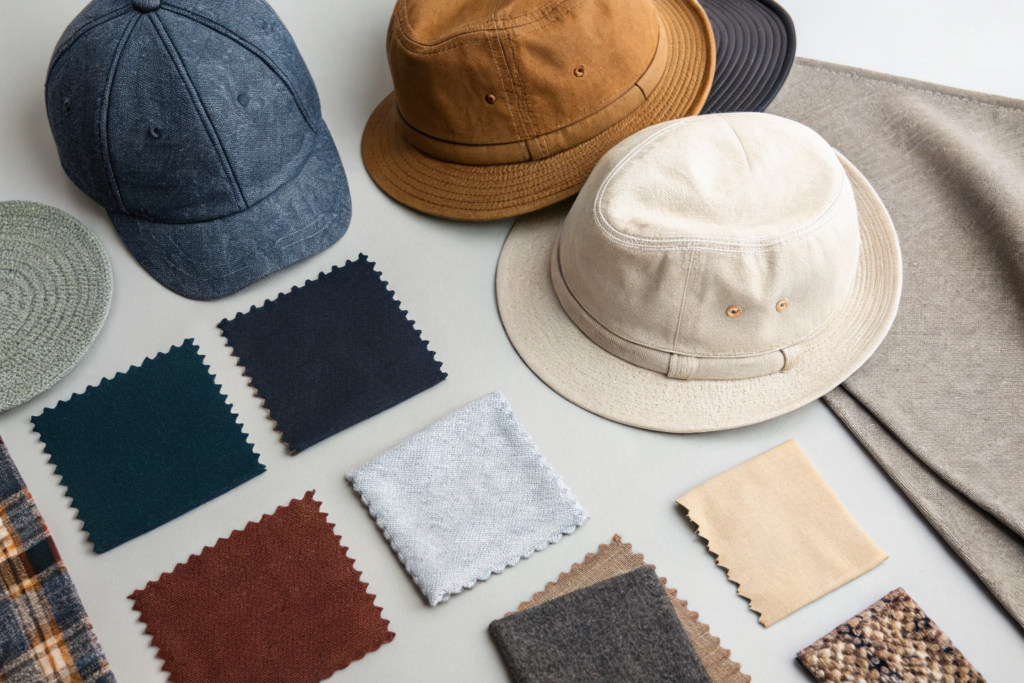
- Structured Hats (Fedoras, Buckets, Baseball Caps): Require stiffness, shape retention, and moldability. Fabrics are often backed with interlining or fusing.
- Unstructured/Soft Hats (Beanies, Berets): Prioritize softness, stretch, and drape.
- Universal Needs: Sweatband lining must be absorbent and quick-drying. UV protection (UPF rating) is critical for summer styles.
What are the go-to fabrics for different hat categories?
| Hat Type | Primary Fabric Recommendations | Key Reason |
|---|---|---|
| Baseball Caps | Cotton Twill, Polyester Twill, Wool Melton, Corduroy | Durable, holds structure, good for embroidery. Polyester offers moisture-wicking. |
| Structured Sun Hats | Paper Straw (raffia), Sinamay, Toyo, Polybraid (synthetic straw), Cotton Canvas | Natural stiffness or can be stiffened. Breathable and lightweight. |
| Fedoras & Dress Hats | Wool Felt, Fur Felt (beaver, rabbit), Wool Melton, Tweed | Excellent moldability, holds a crisp shape, premium feel. |
| Beanies & Knit Hats | Acrylic, Wool, Cashmere, Cotton, Blends (e.g., Acrylic/Wool) | Soft, stretchy, warm. Acrylic is cost-effective and easy-care; wool is warmer and natural. |
| Bucket Hats | Cotton Canvas, Nylon, Linen, Corduroy | Casual drape with enough body to hold the bucket shape. |
At Shanghai Fumao, we worked with an Australian hat maker on a line of UPF 50+ sun hats. The challenge was finding a natural-feeling fabric that blocked UV rays without a plastic feel. We sourced a tightly woven linen-cotton blend that inherently achieved a UPF of 45, then applied a very light, breathable UV-inhibitor finish to cross the 50+ threshold. The result was a high-performing, breathable fabric that maintained a natural, premium hand feel.
Why is the inner sweatband fabric so critical?
The sweatband is the primary point of contact with the wearer. It must be highly absorbent, quick-drying, and antimicrobial to prevent odor and deterioration of the hat’s structure from moisture. Common solutions include:
- Specialty Terry or Velour: Made from pima cotton or microfiber polyester for softness and absorption.
- Moisture-Wicking Performance Fabrics: Often used in sport caps, featuring Coolmax® or similar technology.
- Leather or Synthetic Leather: For dress hats, providing a smooth, traditional finish.
Always test the sweatband fabric separately for colorfastness to water and perspiration (AATCC 15, ISO 105-E04) to avoid dye transfer stains. For insights into trim sourcing, headwear association resources often cover component specifications.
How to select the perfect fabrics for scarves and shawls?
Scarves are the ultimate expression of tactile and visual luxury. The sourcing focus shifts decisively to sensorial qualities and aesthetic impact. Drape, hand feel, warmth, and how the fabric interacts with dye or print are paramount.
The decision tree starts with seasonality and desired effect:
- Lightweight Summer Scarves (Silk, Viscose, Linen): Focus on drape, sheen, and vibrant print/color.
- Medium-Weight Year-Round Scarves (Cotton Voile, Fine Wool, Modal): Balance softness, warmth, and drape.
- Heavy Winter Scarves (Wool, Cashmere, Acrylic, Fleece): Prioritize warmth, loft, and softness against the skin.
What makes silk and viscose ideal for luxury scarves?
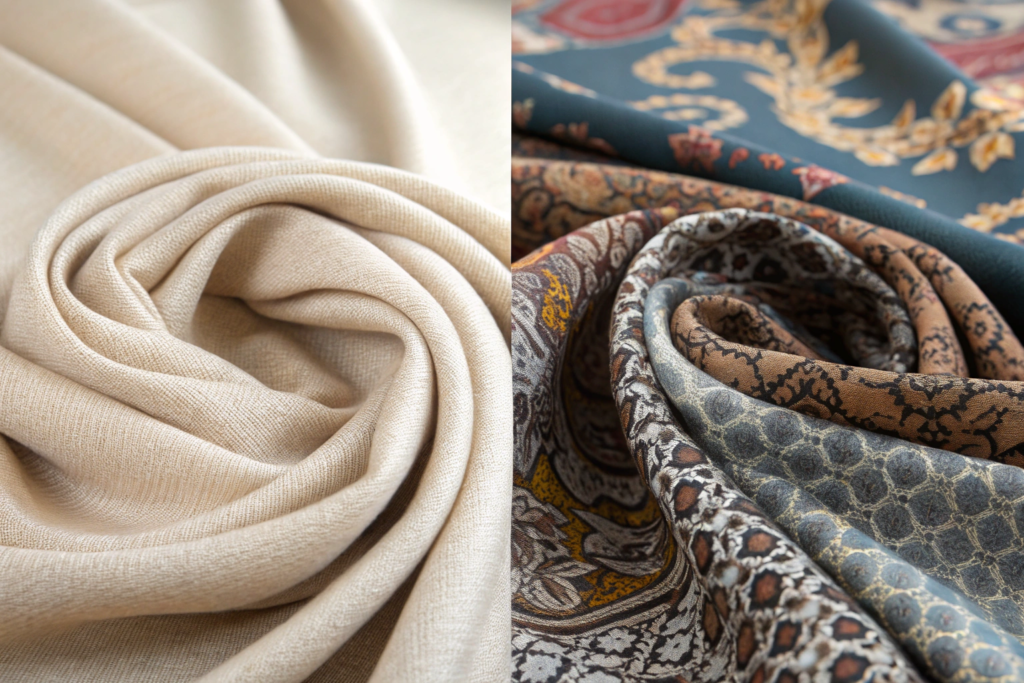
- Silk: The gold standard. Its triangular prism fiber structure refracts light, creating an unparalleled luminous sheen. It has a beautiful, fluid drape and is incredibly strong for its weight. It takes dye brilliantly, resulting in deep, rich colors. Types include:
- Charmeuse: Glossy front, matte back. The classic silk scarf face.
- Twills (e.g., Jacquard): Have a subtle diagonal rib, great for woven patterns.
- Chiffon & Georgette: Sheer, airy, and floaty.
- Viscose/Rayon: Often called "art silk." It mimics silk’s beautiful drape and soft luster at a much lower cost. It is highly absorbent, making it excellent for digital printing. However, it can be weaker when wet and may wrinkle more. Modal and Lyocell (Tencel™) are upgraded, more sustainable viscose variants with better strength and a softer finish.
The key to sourcing is understanding momme weight (mm) for silk or GSM for other fabrics. A heavier momme (e.g., 16mm vs. 8mm) means a denser, more durable, and more opulent silk scarf. For a boutique brand’s signature floral scarves, we recommended a 12mm silk satin for the perfect balance of drape, sheen, and durability for rolling/folding in packaging.
How do fabric construction and finish impact print and texture?
- For Digital Printing: A smooth, light-colored, and absorbent fabric is key. Silk Habotai, Viscose Twill, or Polyester Satin are perfect canvases.
- For Woven Patterns (Jacquard): You need a yarn-dyed fabric. Silk, Cotton, or Wool can be woven into intricate, reversible patterns on a jacquard loom.
- For Texture: Loop-back fabrics (like modal fleece), brushed finishes (brushed wool), or slubbed yarns (in linen or silk noil) add a tactile dimension.
Always request a printed strike-off on the exact bulk fabric before production. Colors can look vastly different on silk vs. polyester. For print-specific guidance, guides to fabric printing techniques help match design intent with the right fabric base.
Where and how to source accessories fabrics efficiently?
Accessory brands often face the "MOQ dilemma": needing a wide variety of fabrics but in smaller quantities than apparel mills typically require. Your sourcing strategy must adapt.
1. Identify the Right Supplier Tier:
- Large Mills: For bulk orders of standard fabrics (e.g., 10,000 yards of black polyester twill for caps). Best for core, high-volume basics.
- Converters & Jobbers: These are the secret weapon for accessory brands. They buy large lots from mills, then dye, print, or finish in smaller batches. They offer lower MOQs, faster turnaround, and vast stock options.
- Specialist Small-Batch Mills: Some mills, particularly in regions like Keqiao, specialize in "small MOQ" or "innovative sampling" services, especially for novelty items like jacquards or special coatings.
2. Leverage Fabric Markets & Trade Shows:
Physically visiting hubs like Keqiao (China), Surat (India), or Como (Italy) allows you to touch thousands of samples, discover novelties, and build relationships with converters. Trade shows like Première Vision (Paris/Shanghai) or Texworld are curated platforms to find innovative and sustainable materials.
3. Master the Art of the Sample Request:
When contacting a new supplier, be specific:
- "We are a hat brand seeking wool felt, 2mm thickness, in melange colors. MOQ per color: 50 meters. Can you provide a physical swatch card?"
- "We need a 300D recycled polyester canvas for tote bags, with a PU coating for water resistance. Can you send tech specs and a sample?"
This filters out suppliers who cannot meet your volume or technical needs.
How to negotiate MOQs and manage inventory for multiple SKUs?
- Consolidate Across Collections: Can you use the same black cotton canvas for a bag, a hat, and a pouch across different lines?
- Negotiate "Stock Color" Programs: Some converters hold stock of their best-selling colors. You can order from this stock at very low MOQs (sometimes as low as 10-30 meters).
- Use "Cutting Charges": For very small quantities of a special fabric (e.g., for a limited-edition scarf), some suppliers will sell you just the yardage you need but charge a premium cutting/handling fee. This can be worth it for prototyping or small runs.
A sustainable accessories client of ours uses our "Fumao Mini-Lot" program. They pre-select 5-6 base fabrics (an organic cotton canvas, a recycled nylon, a Tencel™ twill). Each season, they choose from our stock-dyed color palette on these bases, allowing them to launch 20+ new color SKUs with minimal fabric inventory risk and low per-color MOQs.
What certifications and tests are crucial for accessories?
Beyond aesthetics, ensure compliance:
- General Safety: OEKO-TEX® STANDARD 100 for harmful substances is a baseline for any fabric touching skin (scarves, hat linings, bag straps).
- Performance: Colorfastness tests (to washing, rubbing, light) for scarves and bags. Abrasion tests for bags. UPF testing for sun hats.
- Sustainability: GRS (Global Recycled Standard) for recycled content, OCS (Organic Content Standard) for organic cotton.
Always request test reports for the specific batch. A reputable supplier like Shanghai Fumao will provide these as part of the quality package. For navigating the sustainable sourcing landscape, platforms like Textile Exchange’s standards guide are invaluable.
Conclusion
Sourcing fabrics for accessories is a specialized discipline that blends creative vision with rigorous material science. The process demands a category-specific lens: prioritizing structural integrity and durability for bags, shape retention and comfort engineering for hats, and sensorial luxury and print perfection for scarves. Success hinges on moving beyond generic fabric catalogs to engage with converters and mills that understand the unique MOQ and performance needs of the accessory world.
By developing a deep understanding of key fabric families, their performance attributes, and a strategic sourcing network, you empower your brand to create accessories that are not only beautiful and on-trend but also commercially viable and built to endure. This material mastery becomes a tangible point of difference in a crowded market.
Ready to translate your accessory designs into reality with the perfect fabrics? Partner with a supplier that speaks the language of both creativity and technical execution. At Shanghai Fumao, we bridge the gap between large-scale mills and the niche needs of accessory brands. Our network of converters and in-house development team can provide you with low-MQ options, custom finishes, and full technical support—from durable bag canvases to luxurious scarf silks. Let’s build your next iconic collection from the fabric up. Contact our Business Director Elaine to start the conversation: elaine@fumaoclothing.com.