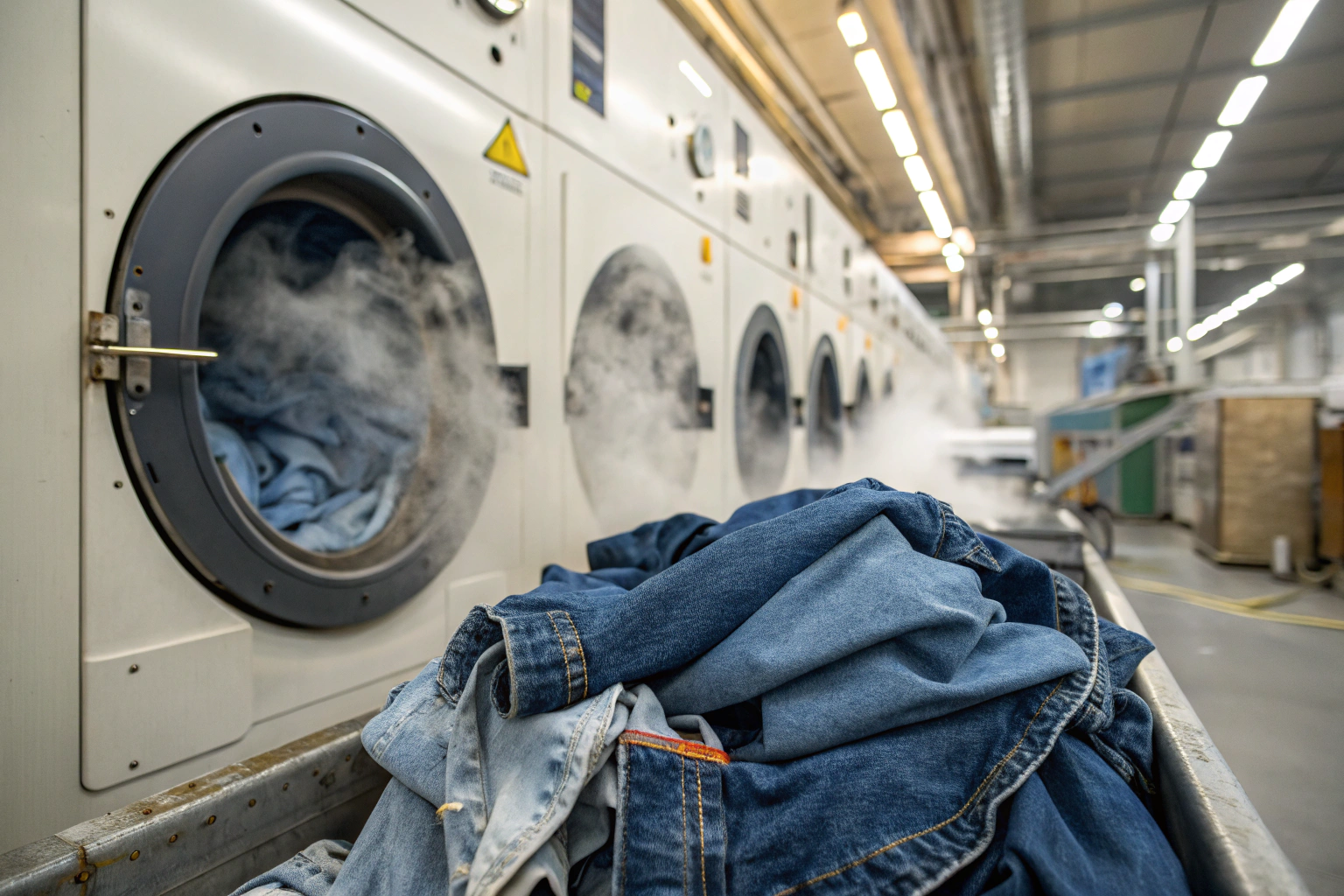
I learned about stone washing the hard way in 2016. A major denim brand ordered 50,000 meters of our indigo fabric specifically for their signature stone-washed finish. We delivered perfect fabric. They processed it, and the results were inconsistent—some garments looked great, others were barely abraded, some had damaged seams. They blamed our fabric. We spent months and significant money proving the issue was their washing process, not our fabric. That experience taught me to understand washing as thoroughly as weaving.
Fabric stone washing and enzyme washing are mechanical and chemical finishing processes that soften fabrics, create distressed or vintage appearances, and improve hand feel. Stone washing uses pumice stones to physically abrade fabric surfaces, while enzyme washing uses biological catalysts to digest protruding fibers, creating softness without mechanical damage. Both processes are essential tools for achieving specific aesthetic and tactile results.
Let me walk you through exactly how these processes work, when to use each, and what results to expect. Whether you're creating vintage-inspired denim or softening rigid fabrics, understanding washing helps you specify the right finish and troubleshoot when things go wrong.
What is stone washing and how does it work?
Stone washing is the original mechanical distressing process, developed in the 1980s and still essential for achieving specific looks. Understanding the mechanics helps you specify the right level of abrasion for your desired result.
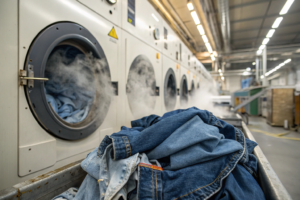
The process places garments or fabric pieces in large industrial washing machines with pumice stones. As the machine rotates, stones tumble against fabric, abrading the surface. This removes some dye, breaks down fibers, and creates the soft, worn-in feel associated with vintage denim. The abrasion is physical—stones literally scrape the fabric.
What types of stones are used and why does size matter?
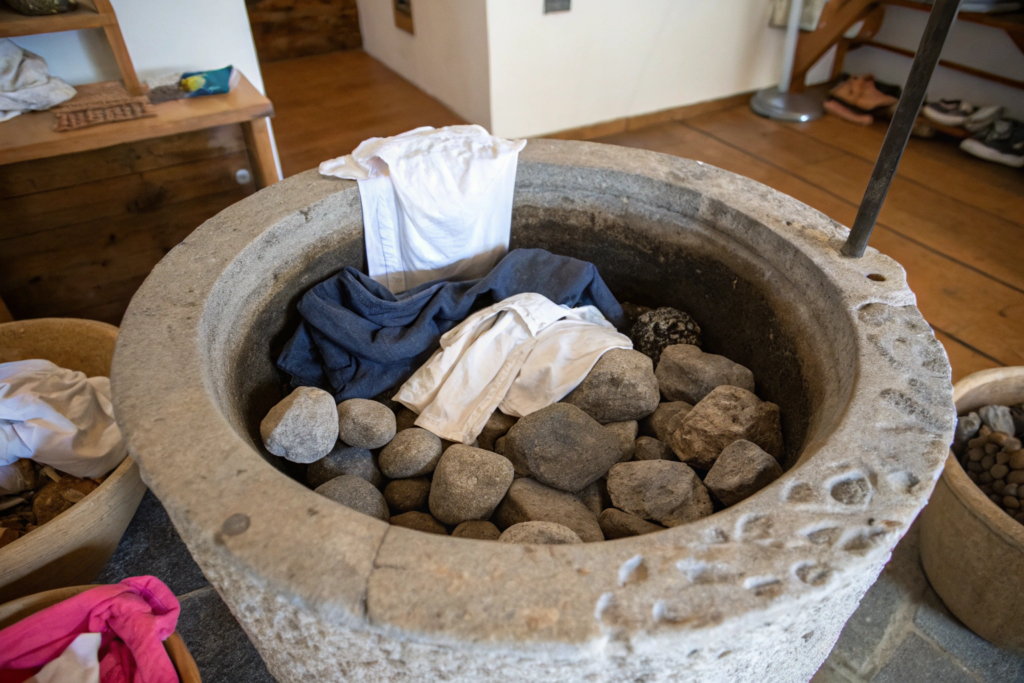
Pumice stones are standard because they're porous, lightweight, and abrasive without being too destructive. They come in various sizes, typically 2-10 cm diameter. Larger stones create more aggressive abrasion, faster processing, but higher risk of fabric damage. Smaller stones create more uniform, subtle effects with less damage risk.
Some modern processes use artificial stones or ceramic media for consistency and longer life. Natural pumice wears down during processing, changing abrasion characteristics. Artificial media maintains consistent size and abrasiveness throughout the cycle.
The stone-to-garment ratio affects results. Higher stone loads create more abrasion faster but increase wear on machines and garments. Typical ratios range from 0.5:1 to 2:1 (stone weight to fabric weight). Heavier ratios for heavier distressing.
In 2018, a Japanese denim brand wanted their signature "vintage fade" that required specific stone size and ratio. We stone washing process parameters for denim worked with their launderer to dial in 3 cm stones at 1.5:1 ratio for exactly the look they wanted. The consistency across production runs now defines their brand identity.
How does processing time affect results?
Time is the primary control variable. Short cycles (30-60 minutes) create subtle abrasion, surface softening, minimal color loss. Longer cycles (2-4 hours) create significant color loss, fiber breakdown, and the soft, almost worn-out feel of heavily distressed garments.
Temperature and water level also matter. Higher temperatures accelerate abrasion but can cause uneven results. Lower water levels increase stone-to-fabric contact but risk inadequate cleaning of loosened fibers.
The relationship isn't linear—doubling time doesn't double abrasion. The process accelerates as fabric softens and stones wear. Experienced operators monitor progress and adjust in real-time.
For a US workwear brand in 2020, we developed specifications for three levels of stone washing: light (45 minutes) for subtle softening, medium (90 minutes) for vintage appearance, heavy (150 minutes) for distressed look. The stone washing time and intensity relationship specifications ensure consistency across their production runs.
What is enzyme washing and how is it different?
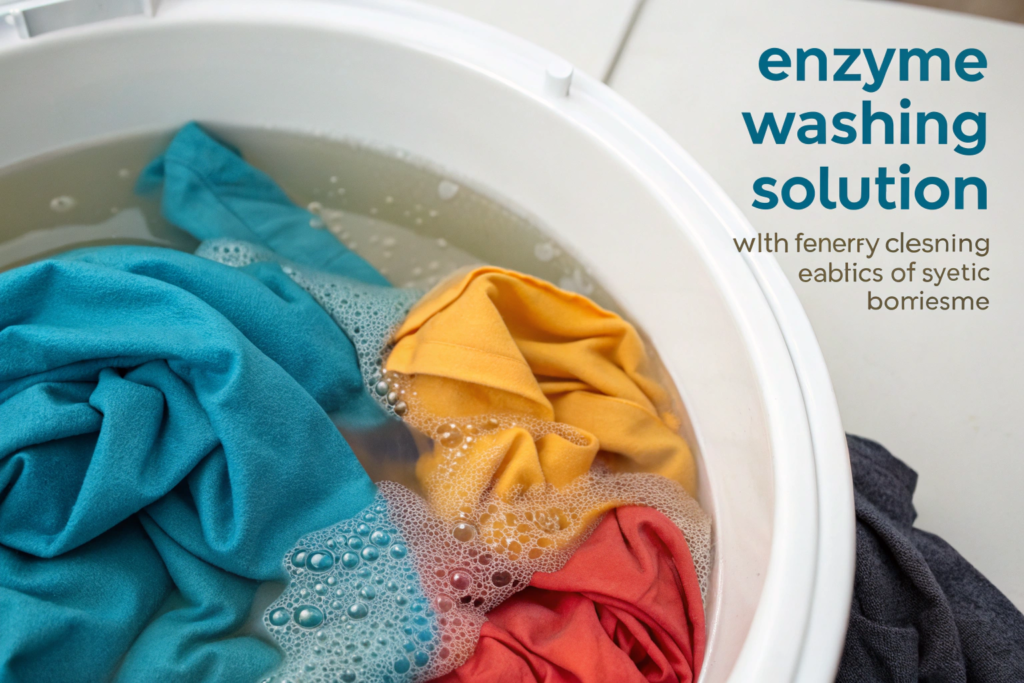
Enzyme washing emerged in the 1990s as a gentler alternative to stone washing. Instead of mechanical abrasion, enzymes chemically digest cellulose fibers on fabric surfaces. The result is softness without the wear and tear of stones.
Enzymes are biological catalysts that target specific fiber types. Cellulase enzymes attack cellulose fibers (cotton, rayon, linen), breaking down protruding fiber ends and surface fuzz. This smooths fabric surfaces, softens hand feel, and can create color effects by removing loosely bound dye.
What types of enzymes are used for different effects?
Neutral cellulases work best at pH 6-7 and moderate temperatures (50-60°C). They provide controlled surface modification with minimal strength loss—ideal for general softening and cleaning up fabric appearance.
Acid cellulases work at pH 4.5-5.5 and lower temperatures. They're more aggressive, creating faster softening but higher risk of strength loss if over-processed. Used for heavier effects where some strength reduction is acceptable.
Bio-polishing enzymes are specifically formulated to remove protruding fibers from fabric surfaces, creating smoother, cleaner appearance with reduced pilling tendency. This is essentially enzyme washing for aesthetic improvement rather than softening.
For a Portuguese shirting brand in 2021, we recommended neutral cellulase treatment for their pinpoint oxford fabric. The enzyme types for fabric washing treatment removed surface fuzz, improved hand feel dramatically, and reduced pilling in wear tests—all without compromising the crisp shirting aesthetic.
Can enzyme washing replace stone washing completely?
Not for true vintage effects. Enzyme washing creates softness and surface smoothing but doesn't produce the same abrasion patterns as stones. The look is different—cleaner, more uniform, less distressed. For authentic vintage appearance, stones or combination processes are needed.
However, enzyme washing has largely replaced stone washing for basic softening applications. It's gentler on garments, more controllable, and eliminates stone disposal issues. Many "stone washed" garments today are actually enzyme washed or combination processed.
Combination processes use stones for initial abrasion, then enzymes for final softening and clean-up. This achieves the distressed look of stone washing with the smoothness of enzyme treatment. The two-step process is common in premium denim.
For a Swedish denim brand, we developed a combination process: 45 minutes stone washing for initial abrasion, then 30 minutes enzyme treatment for softening and surface smoothing. The enzyme vs stone washing comparison for denim result had authentic vintage character but superior hand feel—their customers loved it.
How do you control washing results for consistency?
Consistency is the biggest challenge in washing. Stone and enzyme processes involve multiple variables that interact complexly. Without careful control, results vary between batches. Understanding control points helps you specify and verify.
Start with standardizing input fabric. Fabric that varies in weight, construction, or dye penetration will wash differently. Consistent greige goods are essential for consistent washing results. We test every batch for wash-down characteristics before production.
What process parameters need monitoring?
For stone washing: stone size and type, stone-to-garment ratio, water level, temperature, time, and machine type all matter. Different machines (front-load vs top-load) produce different abrasion patterns. Documenting every parameter enables replication.
For enzyme washing: enzyme concentration, pH, temperature, time, and water quality affect results. Enzymes are living catalysts—they're sensitive to conditions. Water hardness, chlorine content, and other factors can deactivate enzymes or alter their behavior.
Both processes require careful rinsing to remove residues. Residual stones (stone dust) or enzymes can continue affecting fabric if not properly removed. Multiple rinse cycles with fresh water are standard.
In 2019, a Canadian brand complained that their second production run looked different from the first. We traced it to different water source—first run used soft water, second used hard water that affected enzyme activity. We controlling stone and enzyme washing consistency adjusted enzyme concentration for hard water and matched results exactly. Now we specify water testing in every production protocol.
How do you verify results against standards?
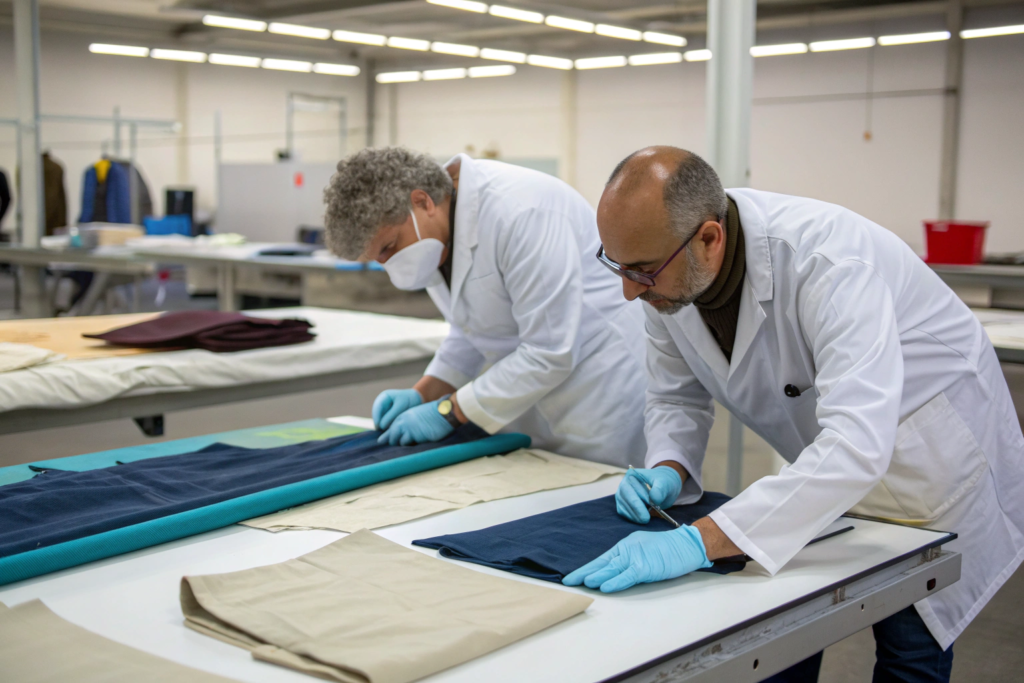
Visual standards are essential. Keep physical samples of approved results for comparison. Digital photos can't capture the nuances of wash effects. Operators compare production batches to master samples under standardized lighting.
Measurable standards help too. Shade measurement (spectrophotometer) quantifies color change. Stiffness testing (cantilever or Kawabata) measures softening objectively. Weight loss indicates abrasion severity. Combining visual and measured standards ensures consistency.
For a French luxury brand, we maintain master samples for each wash effect, plus documented process parameters and measurement targets. Every production batch is wash effect verification and quality control compared to master and measured against targets. The system catches drift before it becomes visible.
What are the environmental considerations for fabric washing?
Washing processes have significant environmental impacts—water use, chemical discharge, stone waste. Understanding these helps you make responsible choices and comply with regulations.
Stone washing generates stone waste. Pumice stones wear down during processing, creating fine dust that must be filtered from wastewater. Used stones eventually become too small to use and must be disposed. Some landfills accept pumice; others classify it as industrial waste.
How do you treat enzyme washing wastewater?
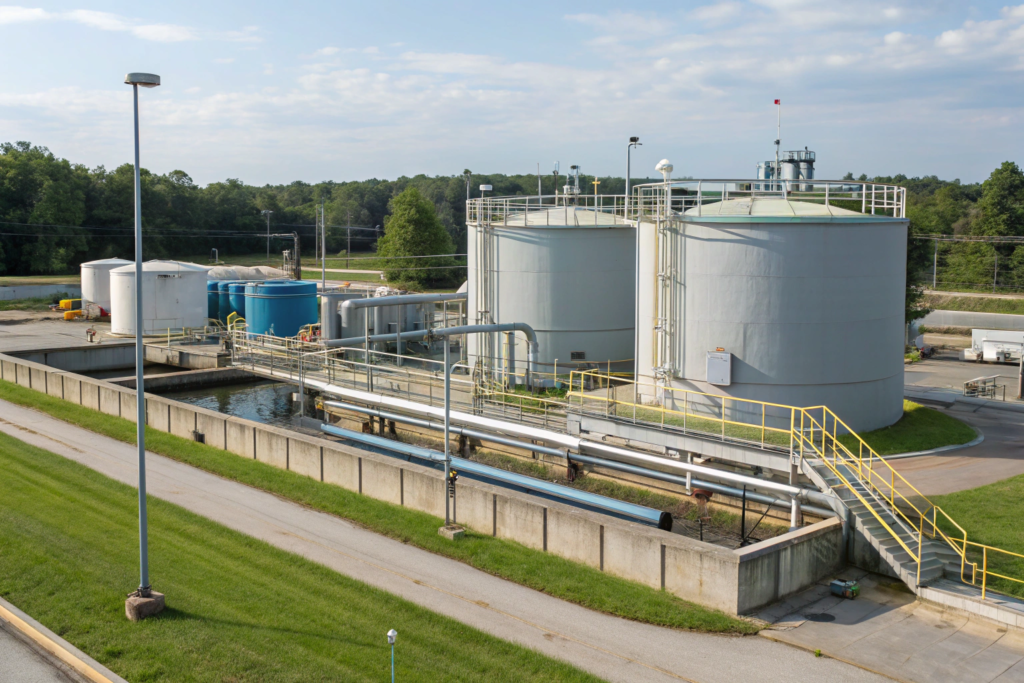
Enzyme baths contain biological materials that affect wastewater treatment. Most enzymes break down in standard treatment, but residual activity can affect receiving waters if not properly managed. Neutralization and deactivation steps are often required.
Color removal is another challenge. Washing releases indigo and other dyes into wastewater. These must be removed before discharge to prevent water body discoloration. Advanced treatment systems use chemical precipitation, membrane filtration, or biological processes.
Water consumption is significant. A typical wash cycle uses 10-20 liters per kilogram of fabric. Multiple cycles (washing, enzyme treatment, rinsing) multiply this. Water recycling systems can reduce consumption by 50-80%.
For a German brand with strict environmental requirements, we partner with laundries using closed-loop water recycling and biological treatment. The environmental impact of stone and enzyme washing facility recycles 80% of water, treats all effluent to strict standards, and composts enzyme residues. The brand features this in their sustainability reporting.
Are there more sustainable alternatives?
Ozone washing is emerging as a lower-water alternative. Ozone gas treats fabric in closed chambers, oxidizing indigo and other dyes without water. Results are different from stone/enzyme washing but acceptable for certain looks.
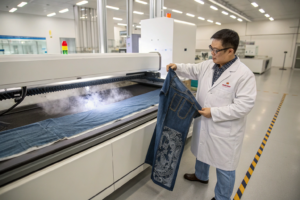
Laser distressing creates precise abrasion patterns without water or stones. Lasers remove dye by burning surface fibers, creating controlled fade effects. The look is different—more precise, less organic—but the water saving is enormous.
These technologies are improving but haven't replaced traditional washing for all applications. The most sustainable approach often combines multiple technologies strategically—laser for precision effects, ozone for color reduction, minimal enzyme for softening.
A California denim brand we work with uses laser for fade patterns, ozone for overall color reduction, and minimal enzyme for softening. Their sustainable alternatives to traditional fabric washing water use is 70% below industry average, and their environmental footprint is significantly reduced.
What results can you expect from different washing approaches?
Understanding what each process delivers helps you choose the right approach for your products. Realistic expectations prevent disappointment and over-specification.
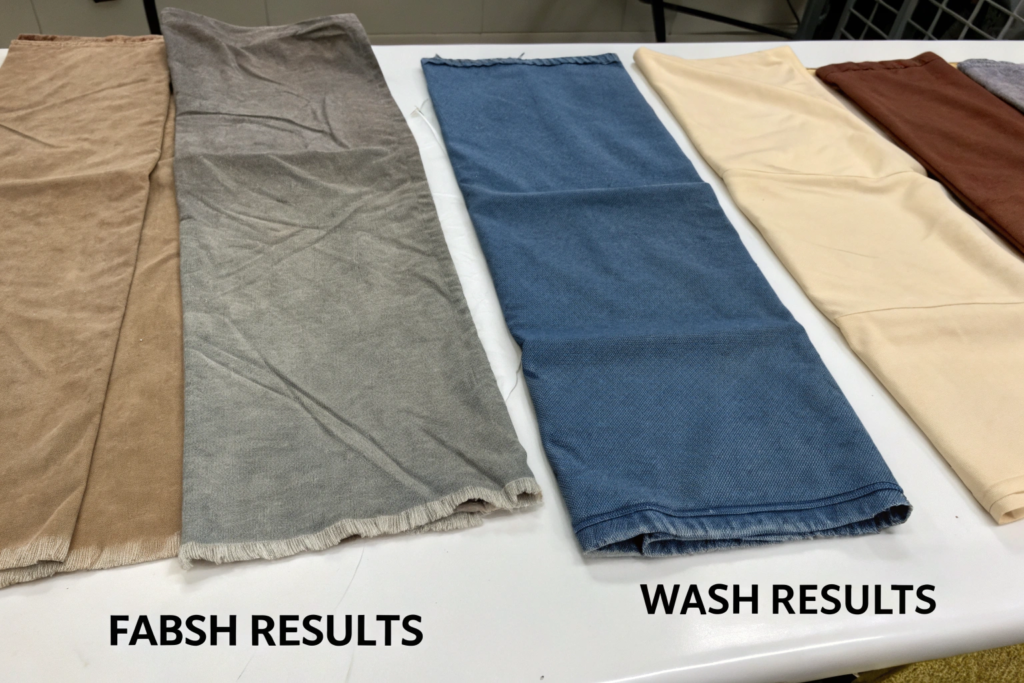
Stone washing creates irregular, organic abrasion patterns. Color loss concentrates on high points—seams, edges, areas of maximum stone contact. The result looks naturally worn, with variation between garments adding to the authentic character.
What does enzyme washing alone achieve?
Enzyme washing creates uniform softening and surface smoothing. Color loss is minimal unless combined with other processes. The fabric feels softer, looks cleaner, pills less, but doesn't look distressed. It's softening, not aging.
For garments needing softness without vintage character (t-shirts, underwear, basic tops), enzyme washing alone is ideal. The improvement in hand feel is dramatic without changing appearance.
For a basics brand in 2020, we recommended enzyme washing for their organic cotton t-shirts. The enzyme washing results and applications treatment softened fabric significantly while maintaining the natural cotton aesthetic. Their customers consistently comment on how comfortable the shirts are.
What about combination processes?
Stone then enzyme creates authentic vintage appearance with superior softness. Stones create abrasion patterns; enzymes clean up rough edges and add softness. This is the premium denim standard.
Enzyme then stone is less common but possible for specific effects. Enzymes soften first, then stones create abrasion. Results can be different—softer base fabric may abrade differently.
Stone only, without enzymes, leaves fabric feeling rougher despite softening from abrasion. The surface may feel "chalky" from stone dust and broken fibers. Rinsing helps but enzyme finishing improves hand feel dramatically.
For a Italian luxury denim brand, we specify stone washing followed by enzyme treatment for all their premium lines. The combination stone and enzyme washing benefits results have the authentic vintage character they're known for, with hand feel that customers describe as "buttery." The two-step process is worth the extra cost for their market positioning.
Conclusion
Stone washing and enzyme washing are essential tools for achieving specific fabric aesthetics and hand feels. Stone washing creates mechanical abrasion for distressed, vintage looks. Enzyme washing creates biological softening for improved comfort and appearance. Understanding both processes, their control parameters, and their environmental impacts helps you specify the right finish for your products.
At Shanghai Fumao, we don't just supply fabric—we understand how it will perform in washing. Our relationships with trusted laundries allow us to recommend appropriate processes, troubleshoot issues, and ensure your finished products meet expectations. We've learned through years of experience what works for different fabrics and end uses.
If you're developing products that require stone washing, enzyme washing, or combination finishes, reach out to our Business Director, Elaine. She can discuss your desired results, recommend appropriate fabric and process combinations, connect you with trusted laundry partners, and help you navigate the technical aspects of finishing. Whether you're creating vintage denim or softening basics, we have the expertise to support you. Contact Elaine at [elaine@fumaoclothing.com]() to start a conversation about your washing needs.