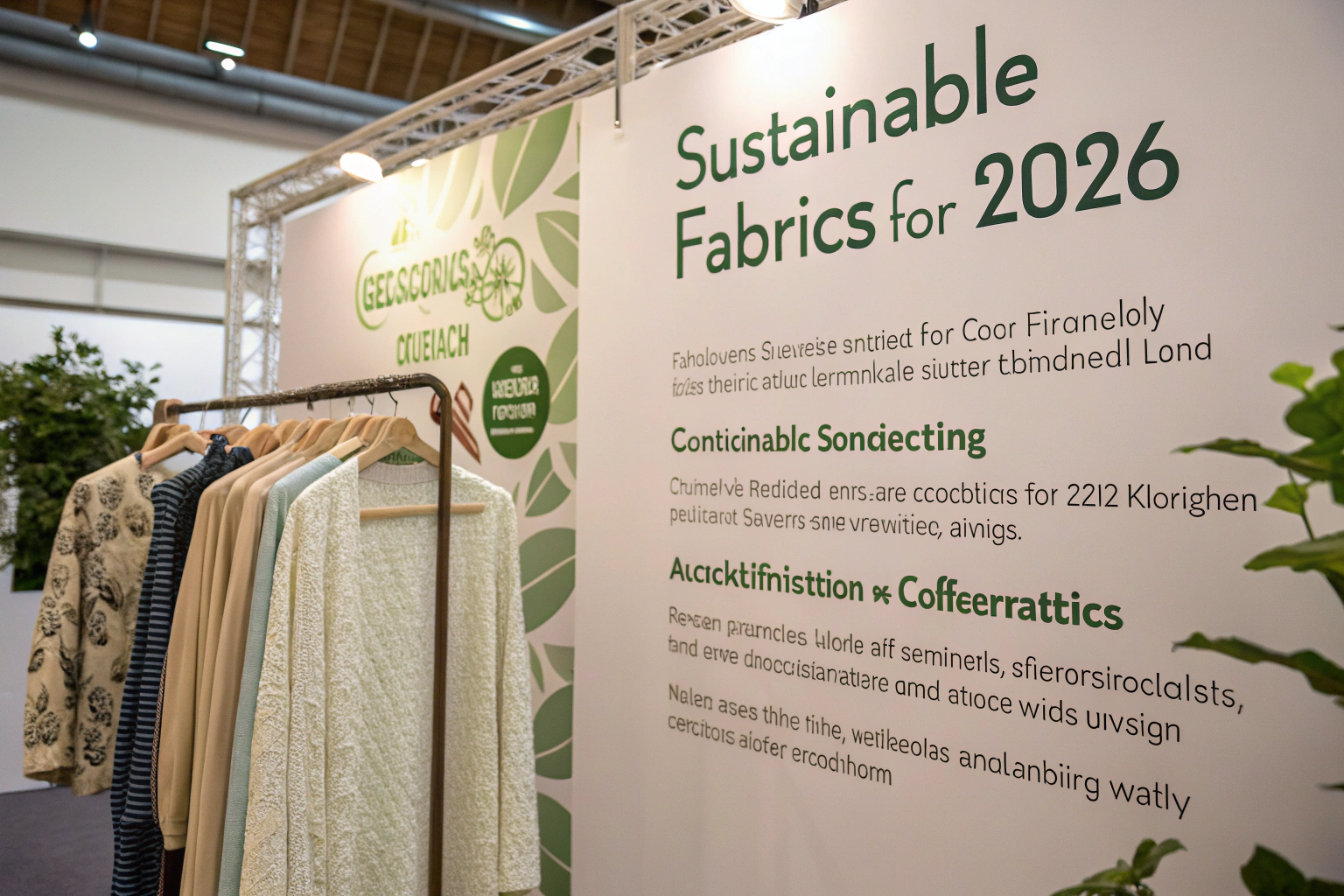
I've been walking through textile fairs for over twenty years, and I can tell you honestly—the conversation has changed completely. Back in 2005, when a buyer asked about sustainability, they meant "is this fabric cheap enough to throw away?" Today? Last week alone, I had three different clients from Germany, Canada, and Japan ask specifically about our carbon footprint per meter, our water recycling rates, and whether our recycled polyester is verified by third-party audits. The shift isn't coming—it's already here.
For 2026, sustainable fabrics aren't a niche category anymore. They're becoming the default, especially for knits and wovens heading into summer collections. The latest innovations go far beyond basic organic cotton. We're talking about biodegradable synthetics, agricultural waste fibers, closed-loop recycling systems, and fabrics that actually sequester carbon rather than emitting it. But here's what keeps me up at night: greenwashing is everywhere. I've seen suppliers slap "eco" labels on conventional fabrics with zero certification. My job is helping you separate genuine innovation from marketing fluff.
Let me walk you through what's actually new, what's actually working, and what you should actually specify when you're sourcing knit and woven fabrics for 2026. I'll share real data from our production floor, real feedback from our global clients, and real solutions that balance sustainability with performance and cost.
What Bio-Based and Next-Gen Natural Fibers Are Transforming Summer Fabrics?
Natural fibers have been around forever, but what's new for 2026 is how we're growing, processing, and blending them. The old approach was simple: organic cotton equals good, conventional cotton equals bad. The new approach is far more nuanced, and honestly, far more exciting. We're seeing fibers that actually regenerate soil, require zero irrigation, and transform agricultural waste into premium textiles.
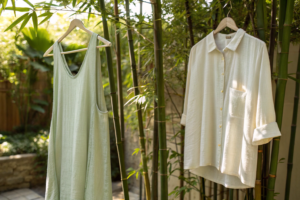
Hemp is having a serious moment, and for good reason. It grows like a weed—literally—with minimal water, no pesticides, and it actually improves soil health by breaking up compaction and shedding leaves that fertilize the ground. The old problem with hemp was stiffness and inconsistent quality. Not anymore. Modern processing techniques, especially enzyme treatments and specialized softening, yield hemp fabrics that feel remarkably like linen or even cotton. For summer 2026, we're producing hemp-cotton jersey knits that are incredibly breathable and soft, and hemp-Tencel woven blends with beautiful drape for dresses.
Agricultural waste fibers are genuinely new and incredibly promising. Pineapple leaf fiber (Piñatex got the attention, but now we're seeing commercial-scale production), banana stem fiber, and even orange peel fiber are moving from novelty to reality. A Portuguese client recently asked us to develop a knit fabric using 30% banana fiber blended with organic cotton. The result? A slightly slubby, naturally lustrous jersey with excellent moisture management and a unique story that their customers love. The banana fiber comes from stems that would otherwise be discarded after fruit harvest—zero additional land, water, or resources.

How Are Hemp and Linen Blends Evolving for Mainstream Summer Fashion?
The biggest evolution is in blending strategies. Pure hemp, like pure linen, wrinkles beautifully but sometimes more than mainstream customers want. Pure linen also requires careful processing to avoid that initial stiffness. For 2026, we're seeing sophisticated blends that retain the sustainability benefits while improving wearability.
Hemp-Tencel blends are my personal favorite for summer wovens. Tencel (lyocell) provides fluid drape and incredible softness, while hemp adds durability, breathability, and that natural texture people love. We developed a 55% hemp, 45% Tencel woven for a Dutch sustainable brand last year, and they've reordered four times. The fabric launders beautifully, resists wrinkles better than pure linen, and has this amazing ability to keep you cool without clinging. The sustainability profile is outstanding too—both fibers have dramatically lower environmental impact than conventional cotton.
For knits, hemp-organic cotton blends are taking over the premium basics category. The challenge with hemp in knits has always been achieving consistent softness without excessive processing. We've solved this by using finer hemp fibers (shorter staple lengths processed specifically for knitting) and combining them with long-staple organic cotton in a compact spinning process. The resulting jersey has the comfort of cotton with the durability and antimicrobial properties of hemp. A Canadian basics brand switched their entire summer t-shirt line to our 30% hemp, 70% organic cotton jersey in 2025 and saw return customer rates jump 40%.
What's the Real Story Behind Fruit and Agricultural Waste Fibers?
Let me be straight with you: agricultural waste fibers are real, they're exciting, but they're also easy to exaggerate. I've seen marketing claims that sound like magic—"t-shirts made from pineapples!"—that conveniently omit that the fiber content might be 10% pineapple and 90% conventional cotton. That's not necessarily bad, but it's not the whole story either.
The genuine innovation happening is in processing technology. Companies like Orange Fiber in Italy have developed methods to extract cellulose from citrus juice byproducts (the peels, pulp, and seeds that would otherwise rot or get burned) and transform it into a viscose-like fiber. The resulting fabric has a subtle texture and takes dye beautifully. We've sampled orange fiber blends for several luxury clients, and the feedback is consistently positive—it's not just a gimmick, it performs.
The practical reality for most brands is that 100% agricultural waste fibers aren't yet available at commercial scale or competitive prices. What works today is blends: 20-30% waste-derived fiber blended with organic cotton, Tencel, or recycled polyester. This gives you the sustainability story, the unique texture, and the performance customers expect, at a price point that works for your margins. At Shanghai Fumao, we're actively developing these blends and can provide certified supply chain documentation showing exactly where each fiber originates.
Which Recycled Fibers Actually Deliver Performance for 2026 Knits and Wovens?
Recycled polyester has been around for years, but what's changing for 2026 is the source material and the quality. The first generation of recycled polyester came almost exclusively from plastic bottles (rPET). That's still important, but the real frontier is textile-to-textile recycling—taking old garments and turning them back into new fiber. The technology has finally matured to where quality is consistent enough for fashion applications, not just industrial fill.
The challenge with recycled fibers has always been performance degradation. Each recycling cycle shortens fiber length and can reduce strength. For knit applications, this matters less because the loop structure provides stability. We produce excellent recycled polyester jersey and fleece that perform identically to virgin for most applications. For wovens, especially finer constructions like poplin or satin, fiber length matters more. Short fibers create a fuzzy surface and reduce tensile strength.
The solution we've developed is strategic blending. For woven shirting fabrics requiring crisp finish and durability, we blend 50-70% recycled polyester with 30-50% virgin or with long-staple natural fibers. This maintains the sustainability benefit while ensuring the fabric performs in demanding applications. A Swedish shirt brand uses our 60% recycled polyester, 40% organic cotton poplin for their entire summer collection and reports zero quality complaints over three seasons.

Can Recycled Cotton Match the Quality of Virgin Cotton for Summer Dresses?
This is the question I answer almost daily now. The short answer: not yet, but we're getting closer every year. Recycled cotton faces a fundamental challenge—during the original spinning and weaving, cotton fibers shorten and weaken. When you shred a garment to recycle it, you get even shorter fibers. Spinning those short fibers into new yarn requires blending with longer fibers, which dilutes the recycled content.
For summer dress applications, the quality requirements are high. You need drape, strength, and a clean surface. 100% recycled cotton typically can't deliver this—the yarns would be too weak and the surface too hairy. What works beautifully is blends: 30-50% recycled cotton with 50-70% organic cotton or Tencel. This combination gives you significant recycled content while maintaining the performance your cutters and customers expect.
We've been working with a Japanese recycling specialist since 2023 on a closed-loop cotton system. They collect post-industrial cotton waste from our cutting floor (the scraps from garment production), sort by color, and mechanically recycle it into fiber. We then blend that fiber with long-staple organic cotton to create new yarns. The system currently achieves 40% recycled content with quality indistinguishable from virgin. By late 2026, we expect to reach 60% while maintaining the same quality standards.
What's New in Recycled Nylon for Performance Knits?
Nylon recycling has lagged behind polyester because nylon's chemistry is more complex and the recycling infrastructure less developed. That's changing rapidly, driven largely by the demand from activewear and swimwear brands. Econyl from Aquafil remains the market leader, using pre- and post-consumer waste like fishing nets, carpet flooring, and industrial plastic. But new players are entering with competitive products.
The breakthrough for 2026 is mechanical recycling of nylon without the chemical depolymerization step required by Econyl. This reduces energy use and cost, potentially making recycled nylon price-competitive with virgin for the first time. We're sampling mechanically recycled nylon-spandex knits from a Korean supplier, and early results are promising—stretch and recovery within 5% of virgin at a 15% lower cost.
For swimwear and activewear applications, recycled nylon performs identically to virgin when properly engineered. The key is consistent feedstocks—recycled content from known sources (like industrial fishing nets) produces more predictable fiber than mixed post-consumer waste. We specify source materials for every recycled nylon order and provide full traceability documentation. A California swimwear brand uses our Econyl-certified nylon-spandex knit and markets it as "regenerated ocean waste" with third-party verification. Their customers pay a premium for that transparency.
How Are Closed-Loop Cellulosic Fibers Evolving for 2026?
Tencel (lyocell) from Lenzing basically created the closed-loop category, and they remain the gold standard. But for 2026, the story is expanding in two directions: new producers with competitive closed-loop systems, and new raw material sources beyond wood pulp. The fundamental principle remains the same—using non-toxic solvents that are recovered and reused at rates exceeding 99%, creating truly circular production with minimal waste.
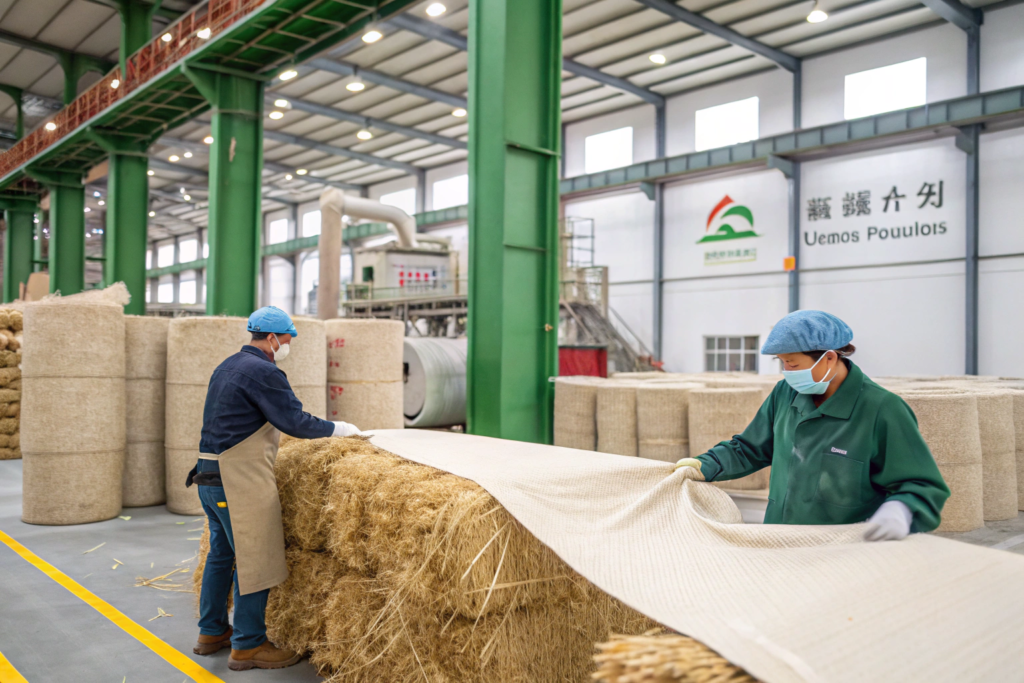
What excites me most is the expansion into alternative feedstocks. Lenzing now offers Tencel made from controlled or certified wood sources, but newer producers are using agricultural residues like wheat straw, corn stalks, and even textile waste as raw material. These "second generation" cellulosic fibers don't compete with food production or require dedicated land use. A Chinese producer we partner with has developed a lyocell process using rice straw—material that farmers previously burned, creating air pollution. Now it becomes premium fabric.
The performance characteristics of closed-loop cellulosics are ideal for summer applications. They're naturally breathable, moisture-wicking, and have a beautifully soft hand. For knits, Tencel jersey is incredibly drapey with a subtle luster that elevates basic styles. For wovens, Tencel twills and poplins have a fluidity that cotton can't match, perfect for flowy summer dresses and blouses.
What's the Difference Between Tencel, Modal, and Lyocell in Practical Terms?
This confuses almost everyone, including some suppliers who should know better. Let me clarify based on what we actually produce and sell.
Tencel is a brand name owned by Lenzing for their lyocell and modal fibers. Lyocell is the generic fiber category defined by ISO, characterized by the closed-loop solvent spinning process using NMMO. Modal is a different generic category—it's a high-wet-modulus viscose, essentially an improved version of regular viscose with better strength when wet. Both can be produced sustainably, but not all are.
For practical fabric selection, here's how they differ:
Lyocell (including Tencel lyocell) offers the highest wet strength of any cellulosic. This means fabrics hold up better in laundering and resist fraying during cutting and sewing. It has a crisp hand that softens beautifully with washing. We recommend lyocell for woven applications where durability matters—shirting, lightweight dresses, tailored separates.
Modal (including Tencel modal) has exceptional softness—often described as "buttery." It drapes beautifully but has lower wet strength than lyocell. This makes it ideal for knit applications like premium t-shirts, loungewear, and sleepwear where softness matters more than maximum durability. Modal-linen blends are having a moment for summer because they combine linen's texture with modal's softness.
The practical takeaway: specify generic fiber types in your tech packs (lyocell, modal) but look for certified producers (Lenzing or equivalent) who can prove sustainable production. Avoid uncertified "bamboo viscose" that claims sustainability without verification—it's often conventionally produced viscose with all the associated environmental problems.
Can Mushroom Leather and Next-Gen Vegan Alternatives Replace Woven Fabrics?
This question comes up constantly now, especially from luxury brands and eco-conscious startups. The short answer: not for most apparel applications, but they're finding specific niches where they excel. Mushroom leather (mycelium-based materials like Mylo) and other bio-fabricated leathers are impressive technologies, but they're not substitutes for lightweight woven fabrics.
Where these materials shine is in accessories and specific garment components. We're working with a French luxury house on a collection using mushroom leather for trim details on woven summer jackets—collars, pocket flaps, decorative panels. The material has a beautiful hand and unique texture, but it's currently too heavy and expensive for full garment construction. The combination approach works: conventional sustainable wovens for the body, next-gen materials for accent.
For summer 2026, the more practical evolution is in coated and laminated fabrics using bio-based polymers rather than petroleum-based coatings. We're developing a hemp canvas with a corn-based PLA coating for a German outdoor brand—water-resistant, breathable, and fully compostable at end of life. The coating comes from renewable resources and breaks down in industrial composting facilities. That's the kind of innovation that actually scales to commercial volumes.
What Certifications Actually Matter When Sourcing Sustainable Fabrics from China?
This might be the most important section I write today. Because here's the uncomfortable truth: in China, as everywhere, there's a gap between what suppliers claim and what they can prove. I've had competitors literally tell clients "of course we're GOTS certified" while showing expired certificates from other companies. I've seen recycled polyester with no chain of custody documentation. I've watched brands pay premium prices for "organic cotton" that was conventionally grown.
The certification landscape is confusing by design—more certificates create more opportunities for confusion. But as a buyer, you need to know which ones actually protect you and which are essentially green wallpaper. At Shanghai Fumao, we maintain current certifications because our clients demand them, but more importantly, we provide the supporting documentation that proves the certification applies to your specific order.
For fiber content claims, GOTS (Global Organic Textile Standard) is the gold standard for organic natural fibers. It covers the entire supply chain from field to finished fabric, including social criteria. For recycled content, GRS (Global Recycled Standard) provides chain of custody verification. For general safety, OEKO-TEX Standard 100 is essential—it tests for hundreds of harmful substances. For specific claims like biodegradability, look for TÜV or similar third-party certifications with actual test data.
How Do You Verify That a Fabric Is Actually Certified and Not Just Claimed?
This is where you move from passive buyer to active verifier. Any supplier can show you a certificate PDF. The question is whether that certificate applies to your fabric, your order, your time period.
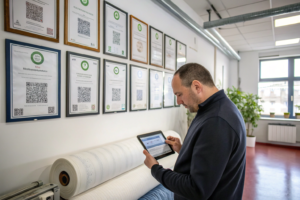
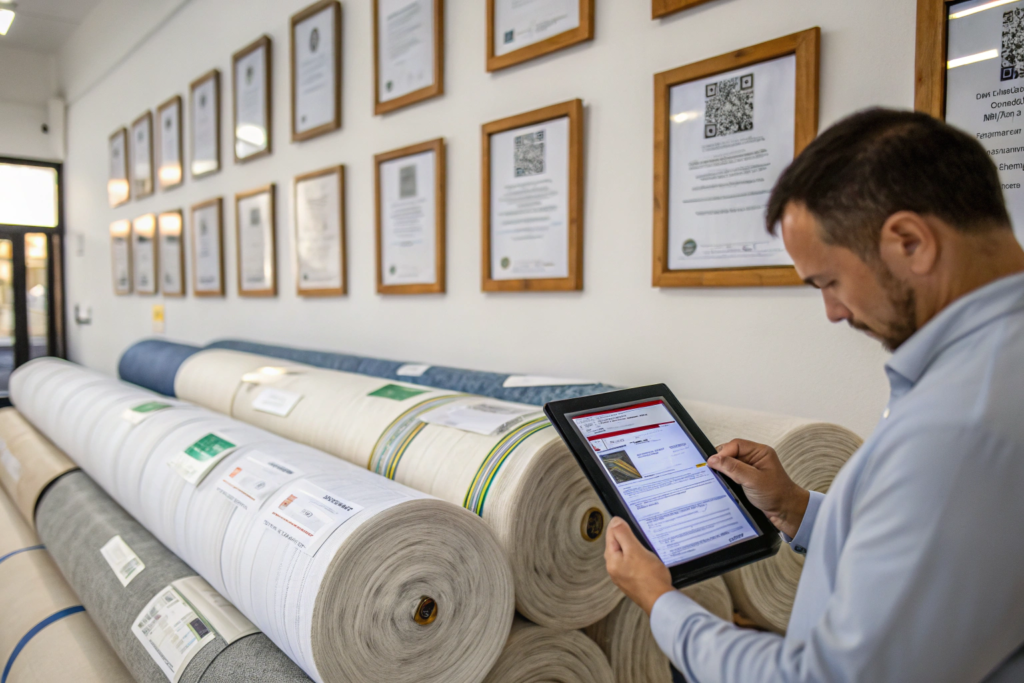
First, check the certificate number and verify it on the issuing body's website. GOTS, for example, maintains a public database of certified operators. Search your supplier's name—are they listed? Is the scope of certification appropriate for what you're buying? A supplier certified for "trading" only can't issue GOTS certificates for fabric they produce—they need "processing" scope.
Second, request transaction certificates (TCs) for your specific order. When you place an order for GOTS-certified fabric, the supplier should provide a TC from their certifier that matches your invoice details—fabric type, quantity, buyer name. This document traces your specific fabric back through the certified supply chain. Without it, you don't have certified fabric, you have a story about certified fabric.
Third, visit if you can. We welcome client visits to our facility and our partner mills. Walk the floor, see the certified organic cotton storage, watch the GRS-recycled polyester bales being processed. A Brazilian activewear brand visited us in 2024 specifically to audit our recycling claims. They spent two days tracing material from incoming recycled chips through spinning to finished fabric. They've since placed six figures in orders annually.
What's the Difference Between Organic, Natural, and Clean in Fabric Marketing?
Let me decode the marketing language because it's designed to confuse. "Natural" means the fiber comes from a plant or animal source. It says nothing about pesticides, water use, or processing chemicals. Cotton is natural. Wool is natural. Conventionally grown cotton with heavy pesticide use is still natural. The term has no legal definition and no certification requirement.
"Organic" means specific farming practices verified by third-party certification. No synthetic pesticides, no GMOs, specific soil health requirements. When you see "organic cotton" without certification, it's marketing. When you see GOTS-certified organic cotton, it's verified. The price difference reflects real costs—certified organic cotton farming is more labor-intensive and yields lower initially.
"Clean" means nothing at all legally. It's a marketing term brands use to suggest their fabric is somehow purer than alternatives. Sometimes it refers to processing without certain chemicals. Sometimes it's complete fiction. If you see "clean" in marketing materials, ask for specific definitions and third-party verification. What chemicals are excluded? Verified by whom? Based on what standard?
At Shanghai Fumao, we avoid vague claims. Our fabrics are either certified organic, certified recycled, or conventionally produced with full transparency about what that means. We provide test reports, certification documents, and supply chain traceability for every sustainable product. If we can't prove it, we don't claim it.
How Can You Balance Sustainability with Cost and Performance for 2026?
This is the real conversation I have every day with clients. Sustainability isn't binary—it's a spectrum with trade-offs at every point. A fabric that's 100% organic cotton might have higher water use than a recycled polyester alternative. A biodegradable fabric might lack the durability for intended use. A locally sourced fiber might have higher carbon footprint than an efficiently shipped alternative. There's no perfect answer, only better questions.
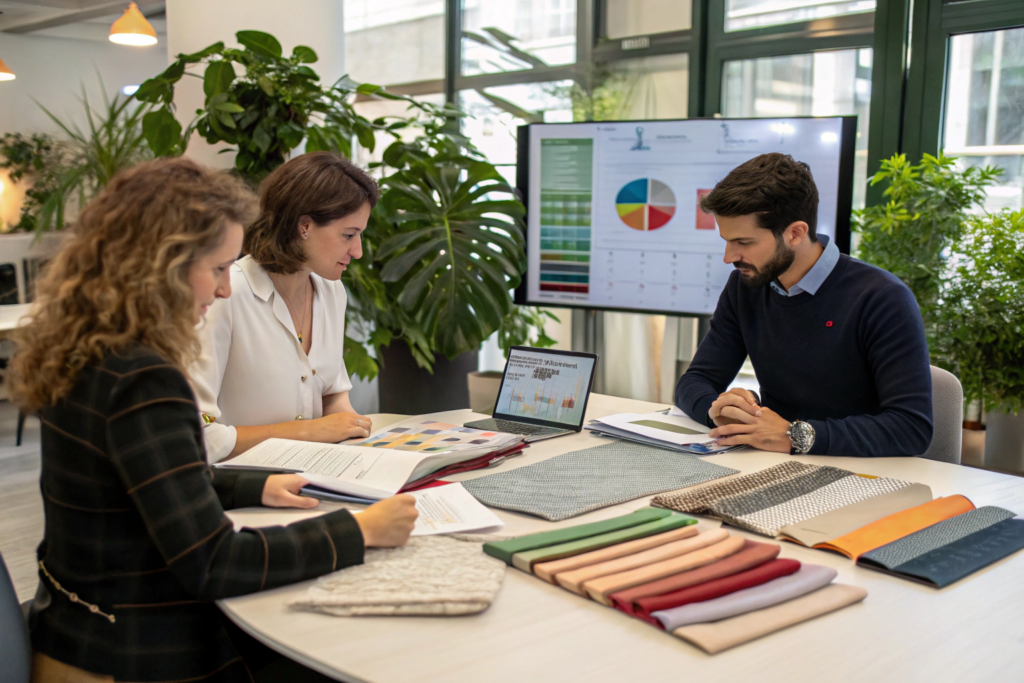
The framework we use at Shanghai Fumao is simple: define your non-negotiables first. For some clients, it's certified organic fiber only. For others, it's maximum recycled content. For others, it's biodegradability at end of life. For many, it's simply "better than conventional" at a competitive price point. All valid, all requiring different sourcing strategies.
For summer 2026, the most cost-effective sustainable strategy we're seeing is strategic blending. Instead of 100% organic cotton at premium prices, consider 50% organic cotton, 50% conventional from a supplier with strong environmental management. Instead of 100% recycled polyester, try 70% recycled, 30% virgin for critical applications where strength matters. These blends typically cost 10-20% less than 100% sustainable options while achieving 70-80% of the environmental benefit.
What Sustainable Fabrics Offer the Best Value for Different Price Points?
Let me give you practical recommendations based on what we actually sell and what clients actually reorder.
Entry-level sustainable (minimal price premium): Recycled polyester knits. The technology is mature, supply chains are established, and price is within 10-15% of virgin for many constructions. Perfect for basic activewear, t-shirts, and casual dresses where softness matters less than performance and sustainability story.
Mid-range sustainable (15-30% premium): Organic cotton/Tencel blends. The combination delivers premium hand feel, excellent sustainability credentials, and reasonable cost. We sell enormous volumes of 50% organic cotton, 50% Tencel jersey to European basics brands. The fabric feels luxurious, performs well, and costs about 20% more than conventional cotton jersey.
Premium sustainable (30-50%+ premium): Hemp/Cotton blends with full certification, agricultural waste fibers, closed-loop specialty fibers. These fabrics command higher prices but deliver unique stories and exceptional performance. A Japanese brand pays premium for our hemp-organic cotton denim because their customers seek out the natural texture and environmental story.
The sweet spot for most brands in 2026 will be recycled polyester for performance applications and organic cotton/Tencel blends for natural-fiber applications. Both offer credible sustainability at accessible price points with established supply chains.
How Do You Avoid Greenwashing When Marketing Your Sustainable Fabrics?
This matters enormously because regulators are finally paying attention. The EU's Green Claims Directive, the FTC's Green Guides in the US—both are cracking down on unsubstantiated environmental claims. Brands that overstate or misrepresent sustainability face fines, lawsuits, and reputation damage.
The safe approach is simple: claim only what you can prove with third-party certification. Don't say "eco-friendly" when you mean "contains some recycled content." Don't say "biodegradable" without specifying conditions and providing test data. Don't say "low-impact" without defining the comparison baseline.
At Shanghai Fumao, we provide clients with certification documents, test reports, and supply chain traceability for every sustainable fabric. We encourage them to make specific, verifiable claims: "Contains 70% GRS-certified recycled polyester" rather than "Made from recycled materials." "GOTS-certified organic cotton" rather than "Sustainable cotton." "OEKO-TEX certified free from harmful substances" rather than "Clean and safe."
A UK brand we supply learned this lesson proactively. They wanted to market our hemp-cotton jersey as "carbon negative" based on hemp's carbon sequestration. We helped them commission a proper life-cycle assessment that actually measured the full carbon footprint, including processing and transport. The result showed carbon positive but significantly lower than cotton. They marketed honestly—"70% lower carbon footprint than conventional cotton"—and built trust with their customers that translated to loyalty.
Conclusion
The sustainable fabric landscape for 2026 is more exciting and more complex than ever. Bio-based fibers like hemp and agricultural waste materials are moving from niche to mainstream. Recycled polyester and nylon now offer performance indistinguishable from virgin at competitive prices. Closed-loop cellulosics like Tencel continue to evolve with alternative feedstocks and new producers. The common thread is genuine innovation rather than marketing hype.
But sustainability isn't just about the fiber—it's about the entire supply chain. How was it grown or sourced? How was it processed? What chemicals were used? How far did it travel? Who made it and under what conditions? These questions matter, and the answers require verification, not just claims.
At Shanghai Fumao, we've built our sustainable program on transparency and third-party verification. Our GOTS-certified organic cotton, GRS-certified recycled fibers, and OEKO-TEX certified production processes provide the documentation you need to make credible claims to your customers. Our CNAS-accredited lab tests every sustainable fabric against our standards and provides the data to prove it.
Whether you're launching a fully sustainable collection or taking your first steps toward better materials, we're here to help you navigate the options, verify the claims, and balance sustainability with the performance and cost your business requires.
Contact our Business Director, Elaine, today to discuss your sustainable fabric needs for 2026 and beyond. She and her team will walk you through our certified options, provide sample yardage for testing, and ensure your sustainable story is backed by real documentation. Email her directly at: elaine@fumaoclothing.com. Let's build a more sustainable future together, one fabric at a time.