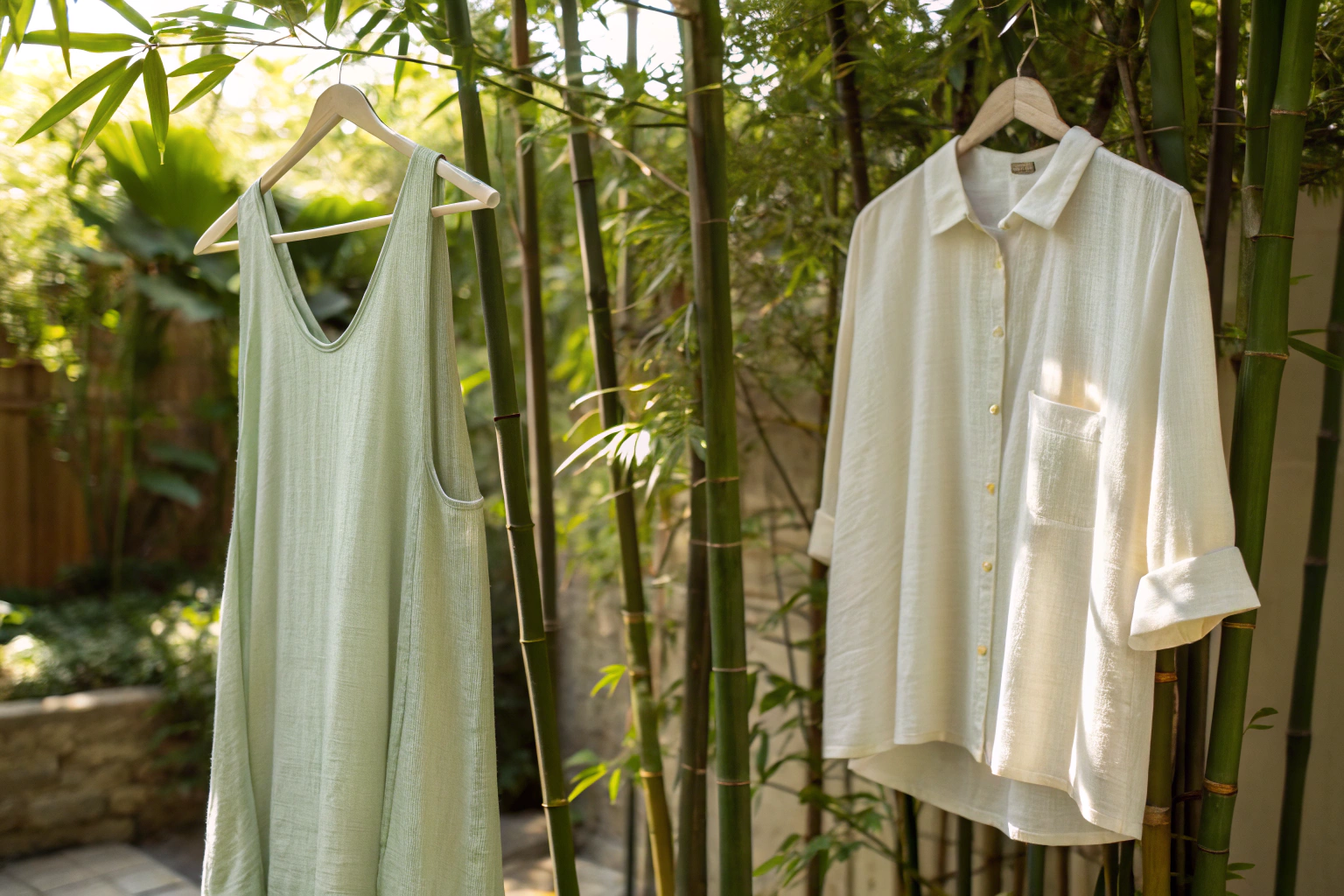
I get this question at least twice a week, usually from someone who's fallen in love with the softness of bamboo fabric but isn't sure what they're actually buying. A designer from Melbourne calls me and says, "I found this amazing bamboo fabric, but the supplier says it's woven and I need a knit for my pattern—can bamboo even be woven?" The confusion is completely understandable because bamboo isn't a construction—it's a fiber. And that fiber can be transformed into almost any fabric type imaginable.
Here's the straightforward answer: bamboo viscose can be both knitted AND woven, depending entirely on how it's constructed. The fiber itself doesn't determine whether the final fabric stretches or holds shape—that's determined by whether we knit it into loops or weave it into grids. A bamboo jersey knit will stretch and drape like any other knit. A bamboo poplin woven will be crisp and stable like any other woven. The common thread is the luxurious softness and breathability that bamboo fiber brings to any construction.
Let me walk you through everything you need to know about bamboo viscose fabrics for summer comfort. I'll explain the different constructions available, how to tell them apart, which performs best for different summer garments, and most importantly, how to avoid the greenwashing that plagues this category. With over twenty years in Keqiao's textile industry, I've seen bamboo fabrics evolve from a niche novelty to a summer essential—and I've also seen every mistake brands make when sourcing them.
What Exactly Is Bamboo Viscose and How Is It Made?
Let's start with fundamentals because too many people use "bamboo fabric" as a catch-all term without understanding what it actually means. Bamboo viscose (sometimes labeled bamboo rayon) is a regenerated cellulose fiber made from bamboo pulp. It's manufactured similarly to regular viscose, but using bamboo as the raw material instead of wood pulp. This distinction matters because the environmental profile depends heavily on how it's processed.
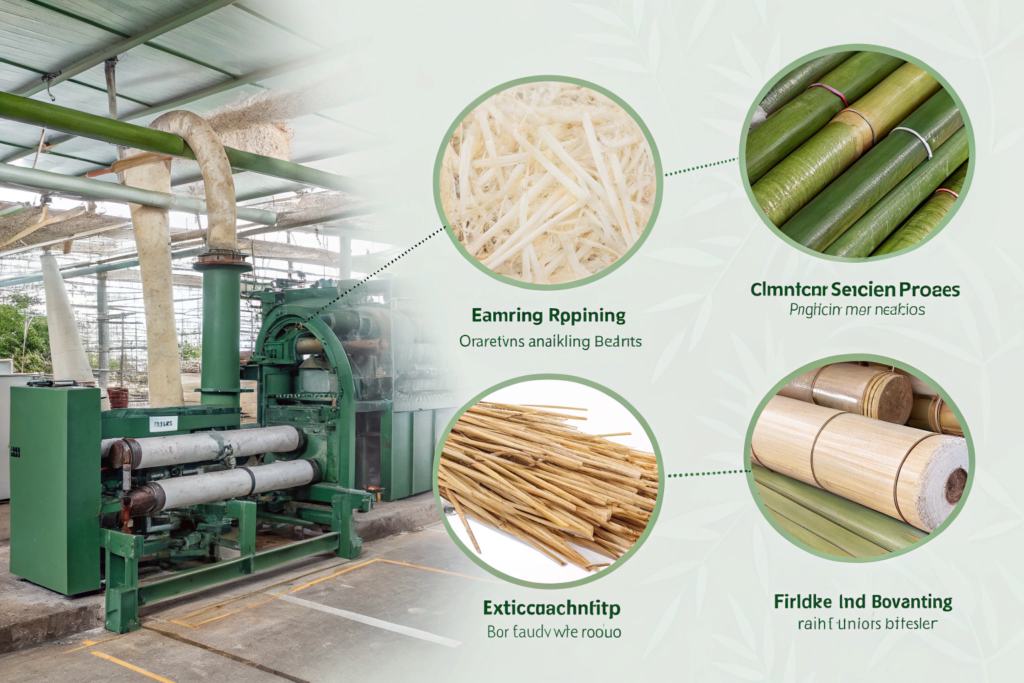
The manufacturing process begins with harvesting bamboo stalks, which are chopped and crushed. The cellulose is extracted using chemicals—typically sodium hydroxide and carbon disulfide in conventional processing—to create a pulp. This pulp is dissolved, forced through spinnerets (like a showerhead with microscopic holes), and solidified into fibers in an acid bath. Those fibers are then cut into staple lengths, spun into yarns, and finally knitted or woven into fabric.
Here's the critical point many suppliers gloss over: the "bamboo" part is just the raw material. The processing chemicals and methods determine whether the final product is environmentally responsible. Closed-loop processing that recovers and reuses chemicals (like the lyocell process) is dramatically better than conventional viscose processing that releases chemicals into wastewater. When a supplier says "bamboo fabric" without specifying the processing method, you're missing the most important environmental information.
The fiber properties are what make bamboo special for summer. Bamboo viscose fibers are naturally smoother and rounder than cotton, with fewer protruding fibrils. This creates that incredibly soft, silky hand feel that people love. The fibers also have micro-gaps that create capillary action, wicking moisture away from skin better than cotton. And bamboo contains a natural antimicrobial agent (bamboo kun) that survives processing to some degree, though claims vary widely on effectiveness.
Is Bamboo Viscose the Same as Mechanical Bamboo Fiber?
Absolutely not, and confusing these two leads to major problems. Mechanical bamboo fiber (sometimes called bamboo linen) is made by crushing bamboo stalks and mechanically combing out the fibers, similar to how linen is made from flax. This process uses no chemicals and produces a coarse, stiff fiber that feels nothing like the soft bamboo people expect.
True mechanical bamboo fabric is rare and expensive. The fibers are short and uneven, making spinning difficult and limiting applications. The resulting fabric has a rustic, linen-like texture with none of the silky softness that made bamboo famous. When you see "bamboo linen" marketed, it's almost always bamboo viscose with a misleading name.
The vast majority of "bamboo fabric" in the market—probably 95% or more—is bamboo viscose (rayon). The chemical process allows bamboo to be transformed into a fiber that can be spun into fine, consistent yarns suitable for both knitting and weaving. This is what gives bamboo its characteristic softness and drape.
For summer comfort, bamboo viscose is the relevant product. Mechanical bamboo is too coarse for next-to-skin summer garments. When clients ask for bamboo summer fabrics, we always clarify that we're discussing bamboo viscose and provide full disclosure about the processing method. Transparency builds trust, and trust keeps clients coming back.
What Environmental Claims About Bamboo Should You Verify?
Bamboo marketing is full of claims that range from exaggerated to outright false. "Bamboo is naturally sustainable because it grows fast without pesticides" is true for the plant. "Bamboo fabric is eco-friendly" depends entirely on processing. The plant's sustainability doesn't automatically transfer to the fabric.
Here's what you need to verify with every bamboo supplier:
Processing method: Is it conventional viscose processing with chemical discharge, or closed-loop processing that recovers chemicals? The latter (often labeled as bamboo lyocell) is genuinely more sustainable. The former is conventional viscose with a green-washed raw material.
Certifications: Look for OEKO-TEX Standard 100 for safety (tests for harmful residues). For environmental claims, FSC-certified bamboo source matters, as does EU Ecolabel or similar certification for the processing facility. A supplier who can't provide these is hiding something.
Biodegradability claims: Bamboo viscose is biodegradable under the right conditions, but processing chemicals can affect this. Ask for test data if you plan to market biodegradability.
A UK-based sustainable brand learned this painfully when their "eco-friendly bamboo" line was challenged by a competitor. Investigation revealed their supplier used conventional viscose processing with no environmental controls. They had to relabel everything and lost significant market trust. Now they only buy certified bamboo lyocell from verified sources like our Shanghai Fumao facility.
How Does Bamboo Viscose Perform in Knitted Constructions for Summer?
Bamboo viscose truly shines in knitted constructions for summer. The fiber's natural properties combine with knit structure to create fabrics that feel almost impossibly soft while keeping the wearer cool and comfortable. If you're designing summer t-shirts, tanks, dresses, or loungewear, bamboo knits should be on your radar.
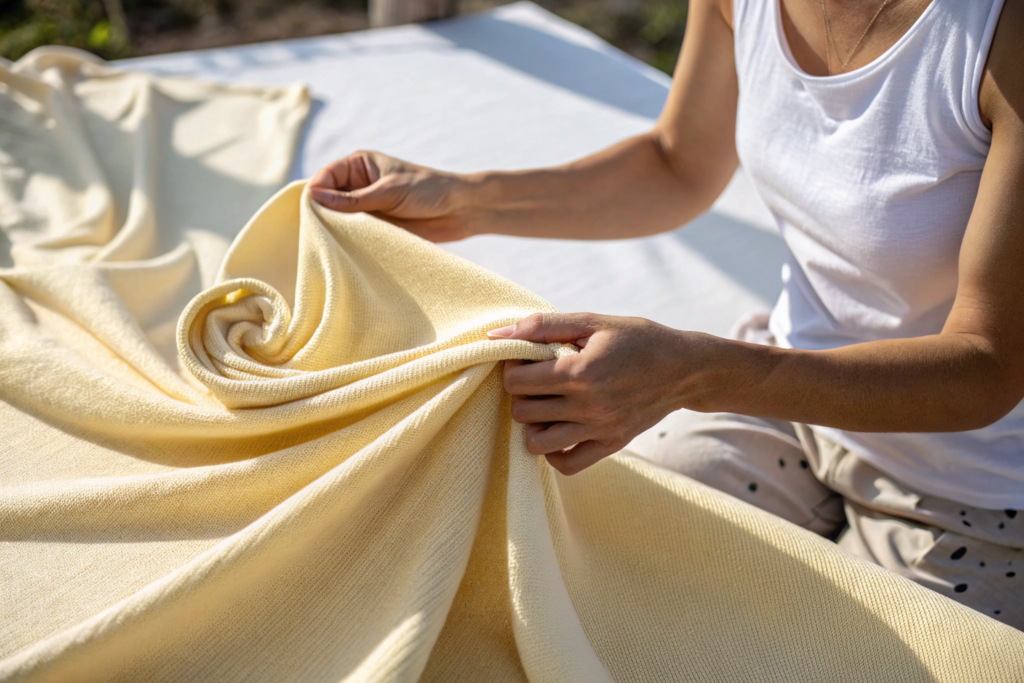
Single jersey is the most common bamboo knit construction. The simple loop structure allows maximum expression of bamboo's softness and drape. A bamboo jersey t-shirt has a fluid, almost silky hand that cotton can't match, with natural breathability that keeps summer heat at bay. The fabric drapes beautifully, skimming the body without clinging. We produce enormous volumes of bamboo jersey for European basics brands, and reorders are constant.
The performance characteristics are impressive. Bamboo jersey typically wicks moisture better than cotton, drying faster and keeping the wearer more comfortable during summer humidity. The natural fiber structure also provides UV protection—bamboo fabric naturally blocks about 98% of UV radiation, compared to cotton's 50-80%. For summer outdoor wear, this is a significant benefit.
There are trade-offs, and honesty matters. Bamboo jersey has less elasticity than cotton jersey unless blended with spandex. A 100% bamboo jersey dress will stretch during wear and may not fully recover, leading to bagging at seats and elbows. We recommend 5-8% spandex for garments that need to hold shape. The blend maintains bamboo's softness while adding the recovery customers expect.
What Summer Garments Work Best with Bamboo Knits?
Based on client feedback and sales data, here's where bamboo knits excel for summer:
T-shirts and tanks are the obvious winners. The softness against skin, breathability, and natural drape make bamboo jersey the ultimate summer basic. A Swedish basics brand switched from premium cotton to our bamboo-spandex jersey in 2024 and saw repeat purchase rates jump 35%. Customers consistently mentioned the "incredible softness" in reviews.
Summer dresses in bamboo jersey are gaining popularity. The fluid drape creates flattering silhouettes without bulk, and the moisture-wicking keeps wearers comfortable even on hot days. For maxi dresses and casual styles, bamboo jersey outperforms cotton and viscose from other sources. A California resort wear brand uses our bamboo jersey for their entire summer collection and sells out every year.
Loungewear and sleepwear are natural applications. Bamboo's softness and breathability make it ideal for items worn close to skin for extended periods. Bamboo knit pajamas are a premium category with loyal customers willing to pay for comfort. A Canadian sleepwear brand reports their bamboo collection has the highest customer retention of any product line.
Children's summer wear benefits from bamboo's softness and UV protection. Bamboo knit rompers, onesies, and lightweight pants keep babies comfortable while providing sun protection parents appreciate. The natural antimicrobial properties (even if reduced) are an added selling point for concerned parents.
What Are the Limitations of 100% Bamboo Knits?
I need to be straight with you about where pure bamboo knits fall short, because managing expectations prevents returns and complaints.
Recovery is the biggest issue. As mentioned, 100% bamboo jersey lacks the elastic memory of cotton or synthetics. Garments stretch out during wear and don't fully snap back. Elbows bag, seats sag, necklines gap. For fitted styles, this is a deal-breaker. The solution is spandex blending—we recommend 5-8% for most applications, 10-12% for high-recovery needs like fitted dresses.
Durability in laundering is another consideration. Bamboo fibers are slightly weaker than cotton when wet, so aggressive washing can cause damage. We recommend gentle cycles and cold water for bamboo knits. Care labeling should be explicit, though we know many consumers ignore instructions. A French brand learned this when their bamboo t-shirts developed holes after a few washes—investigation revealed consumers were machine drying on high heat, which weakens the wet fibers.
Pilling can occur in high-friction areas. Bamboo's smooth fibers actually resist pilling better than some cottons, but it's not immune. Armholes, sideseams, and areas where bags or seatbelts rub can develop fuzz over time. Anti-pilling finishes help, but the best solution is proper fiber selection—longer staple bamboo fibers pill less than short fibers. We specify long-staple bamboo for all our knit production.
How Does Bamboo Viscose Perform in Woven Constructions for Summer?
Bamboo viscose in woven constructions offers something completely different from knits, but equally valuable for summer collections. The same fiber that creates butter-soft jersey can also produce crisp, elegant wovens with a subtle luster that elevates summer dressing. If you're designing blouses, shirts, lightweight dresses, or summer trousers, bamboo wovens deserve attention.
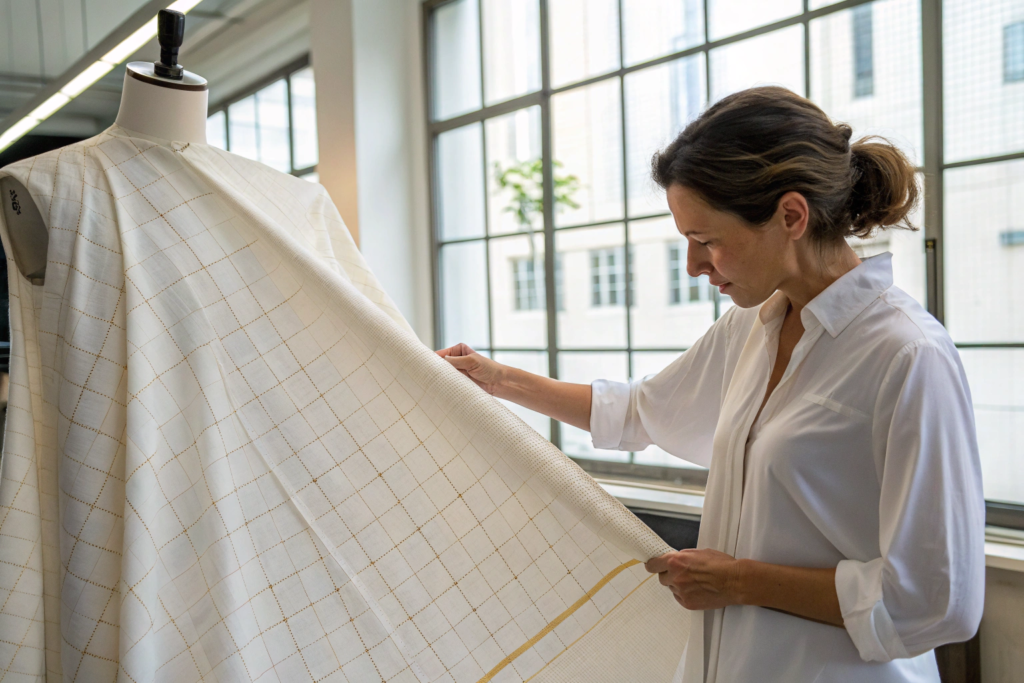
The key difference is in the hand feel. Bamboo woven fabrics retain the fiber's characteristic softness but gain the structure of woven construction. A bamboo poplin shirt has a smoother, more luxurious hand than cotton poplin, with a gentle drape that flatters without clinging. The fabric breathes beautifully, making it ideal for office wear in warm climates or elegant summer events.
The visual appearance is distinctive. Bamboo fibers take dye exceptionally well, producing rich, saturated colors with a subtle luster that catches light beautifully. Unlike the high shine of polyester, bamboo's luster is soft and natural, more like high-quality cotton or Tencel. For summer collections where color and visual appeal matter, this is a significant advantage.
Wrinkle behavior differs from cotton. Bamboo wovens wrinkle less than comparable cotton wovens, but more than synthetic blends. The fiber's natural flexibility allows some recovery, but not enough to be truly wrinkle-free. For travel-friendly summer wear, we recommend either accepting gentle wrinkles as part of the aesthetic or blending with a small percentage of polyester for recovery.
What Summer Garments Work Best with Bamboo Wovens?
Based on our production data and client reorders, here's where bamboo wovens excel:
Summer shirts and blouses are the top application. The combination of softness against skin, breathability, and elegant drape creates shirts that feel as good as they look. Bamboo poplin is particularly popular for women's blouses where fluidity matters. A German brand uses our bamboo viscose poplin for their entire summer shirt collection and positions it as a luxury alternative to silk at accessible prices.
Lightweight dresses in bamboo woven constructions offer structure with comfort. A bamboo satin weave creates dresses with beautiful luster and drape, perfect for summer weddings and events. The fabric moves gracefully without the static cling of synthetics or the weight of silk. A US evening wear brand switched from silk charmeuse to our bamboo satin for their summer collection and maintained their luxury positioning while improving margins.
Summer trousers and skirts benefit from bamboo's breathability and drape. Wide-leg trousers in bamboo crepe or twill move beautifully while keeping the wearer cool. The fabric doesn't cling in humidity, a major advantage over synthetic alternatives. A Dutch sustainable brand reports their bamboo trousers are the best-selling item in their summer collection, with customers consistently praising comfort.
Men's summer shirts are growing category. Bamboo woven shirts offer the refined appearance men want with the comfort they need in warm weather. The fabric breathes better than cotton, resists wrinkles better than linen, and feels softer against skin than either. We supply several menswear brands with bamboo-cotton blends that hit the sweet spot of performance and price.
How Does Bamboo Woven Compare to Linen for Summer?
This comparison comes up constantly, and the answer depends on what you're prioritizing.
For softness against skin, bamboo wins decisively. Linen's natural stiffness softens with washing but never achieves bamboo's inherent smoothness. For customers with sensitive skin or those who prioritize comfort above all, bamboo is the better choice.
For texture and natural aesthetic, linen has advantages. Linen's slubby texture and casual wrinkles signal natural luxury that many consumers seek. Bamboo woven is smoother and more uniform, which some find elegant and others find less interesting. The aesthetic choice depends entirely on your brand positioning.
For breathability, both perform well but differently. Linen conducts heat away from the body faster, creating an immediate cooling sensation. Bamboo wicks moisture and dries quickly, keeping the wearer comfortable during sustained activity. In still, humid conditions, bamboo often feels more comfortable because it doesn't stick to skin.
For wrinkle resistance, bamboo outperforms linen significantly. Linen wrinkles dramatically and holds those wrinkles until ironed. Bamboo wrinkles gently and releases some wrinkles during wear. For travel or busy days, bamboo is more practical.
A Japanese brand we supply offers both: linen-cotton blends for their traditional aesthetic collection, bamboo wovens for their modern travel-friendly line. Both sell well to different customer segments. The key is knowing which customer you're serving.
How Can You Tell If a Bamboo Fabric Is Knit or Woven?
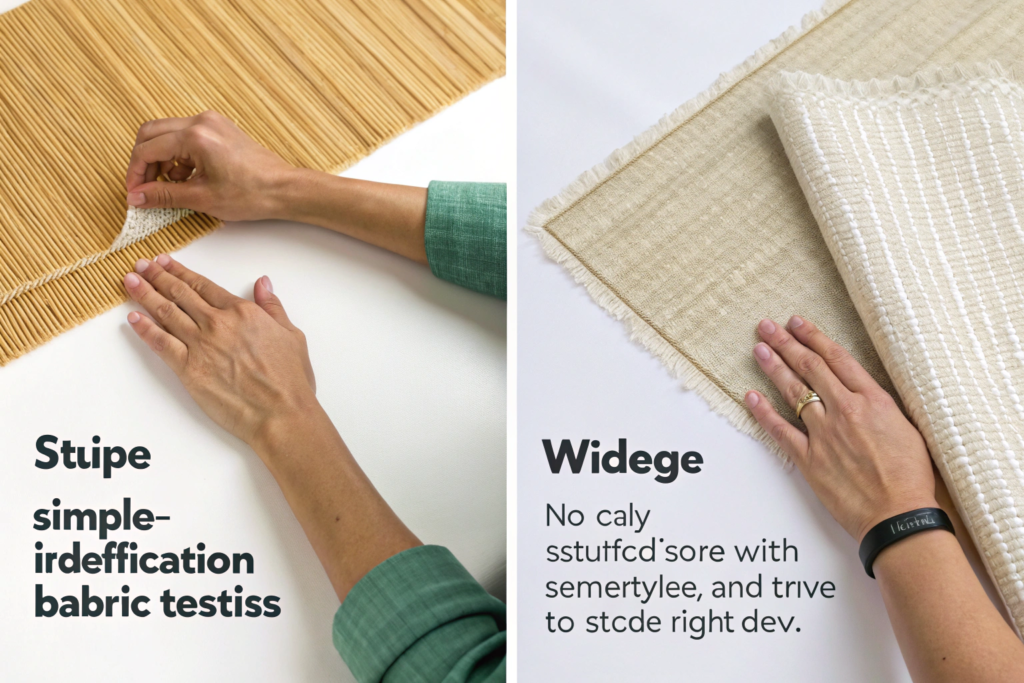
Since bamboo can be either construction, you need reliable ways to tell them apart—especially when you're sourcing remotely or evaluating samples. The tests I've used for decades work perfectly on bamboo fabrics.
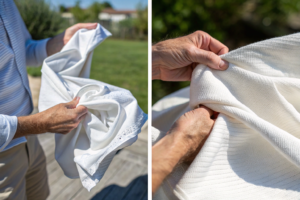
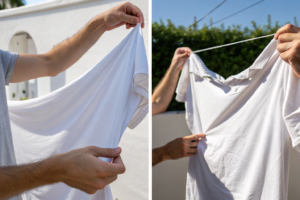
The stretch test is your fastest indicator. Hold the fabric widthwise (from selvedge to selvedge) and pull gently. A bamboo knit will stretch noticeably—often 20-30% or more depending on construction. A bamboo woven will have minimal stretch, typically less than 5% unless it's a stretch-woven with spandex. This difference is immediate and unmistakable.
The edge test confirms your suspicion. Look closely at a cut edge of the fabric. A bamboo knit will curl toward the face or back, especially along the width edges. The cut edge will be clean with no loose threads. A bamboo woven will lie flat with no curl, and you'll see individual yarn ends starting to fray out. Rub the edge gently—woven will release more loose fibers.
The surface inspection under good light reveals the structure. A bamboo knit shows the characteristic loop structure—tiny V's or interlocking rings depending on the knit type. A bamboo woven shows the grid pattern of warp and weft yarns crossing at right angles. If you have a magnifying glass or even a smartphone camera with zoom, the difference becomes obvious.
What About Bamboo-Spandex Blends—Are They Always Knits?
Not always, but usually. Spandex is most commonly added to knits because the loop structure allows the spandex to work effectively. A knit with 5-8% spandex stretches and recovers beautifully. The same percentage in a woven would have limited effect because the weave structure restricts movement.
However, stretch wovens exist and are increasingly common. These use spandex core-spun yarns in either the warp or weft (or both) to add stretch to woven constructions. A bamboo-spandex stretch woven might have 10-15% stretch—enough for comfort, not enough for activewear. These fabrics are used for tailored garments that need a little give.
How to tell? The stretch test still works, but you need to pay attention to recovery. A bamboo-spandex knit will stretch easily and snap back immediately when released. A bamboo-spandex stretch woven will stretch with more resistance and recover more slowly. The edge test remains definitive—if the cut edge frays, it's a woven, regardless of stretch.
For a recent client from Barcelona, we supplied both: a bamboo-spandex knit for their activewear line and a bamboo-spandex stretch woven for their travel trousers. Same fiber family, completely different constructions, both labeled clearly to prevent confusion in their production.
Why Do Some Suppliers Mislabel Bamboo Fabric Constructions?
I wish this didn't happen, but it does, and often enough that you need to be vigilant. The reasons vary from innocent ignorance to deliberate deception.
Some smaller suppliers genuinely don't understand the difference. They buy fabric from various mills, label it based on what the mill told them, and never verify. If a mill sends "bamboo fabric" that happens to be a knit, that's how it gets labeled. When they later source a woven version, it all gets filed under "bamboo" without distinction.
Worse, some suppliers deliberately mislabel to make a sale. A buyer asks for "bamboo fabric for summer dresses" and the supplier sends whatever bamboo they have, assuming the buyer won't know the difference. When the dress pattern designed for woven arrives and the fabric is knit, disaster follows.
The solution is simple: specify construction in every communication. Don't ask for "bamboo fabric." Ask for "bamboo jersey knit" or "bamboo poplin woven." Request samples and verify before bulk orders. Work with suppliers who clearly differentiate constructions in their product descriptions and technical data.
At Shanghai Fumao, our product listings, quotes, and technical data sheets all specify construction type. We provide swatch sets organized by construction, not just fiber. A client ordering bamboo knows exactly whether they're getting knit or woven, with test data to confirm. This transparency has built trust that keeps clients returning for over two decades.
What Blends Enhance Bamboo Viscose Performance for Summer?
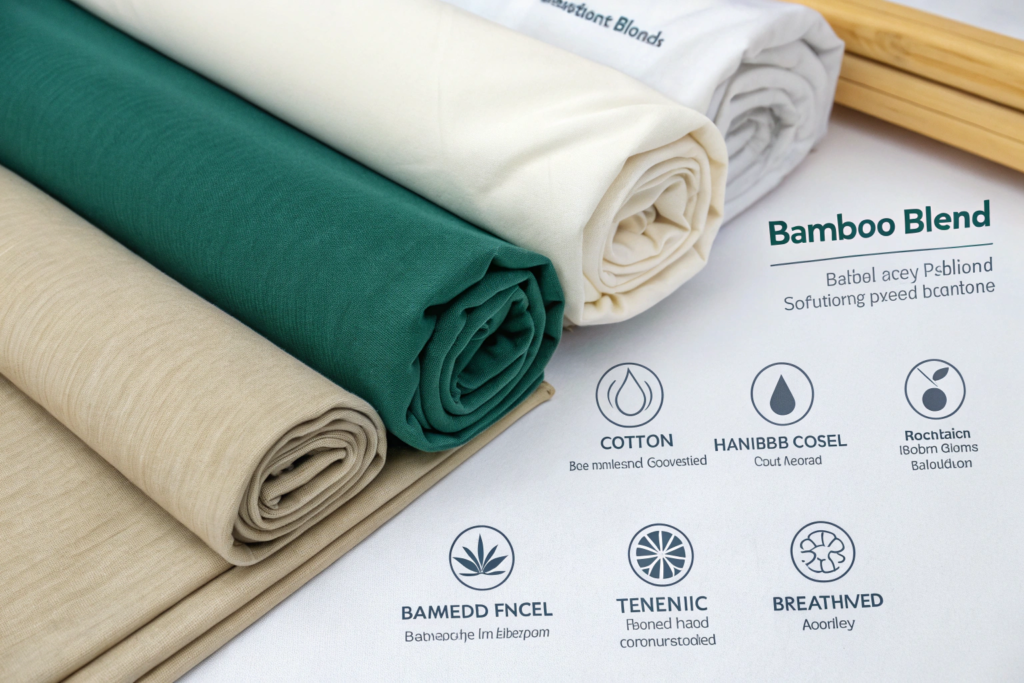
Pure bamboo viscose is lovely, but strategic blending can address its limitations while maintaining its strengths. The right blend depends entirely on your application and priorities.
Bamboo-cotton blends are the most common entry point. Adding cotton reduces cost while maintaining much of bamboo's softness. The blend also improves wet strength—cotton is stronger than bamboo when wet, so garments hold up better in laundering. A 50/50 bamboo-cotton jersey offers 80% of bamboo's softness with better durability and lower cost. For basics brands targeting value-conscious consumers, this is the sweet spot.
Bamboo-Tencel blends elevate performance significantly. Tencel (lyocell) adds strength, improves wet stability, and enhances the environmental story if the Tencel is responsibly produced. The combination creates fabrics with exceptional softness, beautiful drape, and better durability than either fiber alone. A 70% bamboo, 30% Tencel woven is one of our most requested fabrics for premium summer dresses.
Bamboo-polyester blends add durability and wrinkle resistance. The polyester component improves recovery, reduces wrinkling, and extends garment life. For active summer wear or travel garments, 60% bamboo, 40% recycled polyester creates a fabric that feels natural but performs like a technical fabric. A California activewear brand uses this blend for their summer hiking collection and reports excellent customer satisfaction.
Bamboo-spandex blends, as discussed, add stretch and recovery. For fitted summer styles, 92-95% bamboo with 5-8% spandex delivers the comfort of bamboo with the shape retention customers expect. The spandex is nearly invisible in the fabric but transforms how it performs during wear.
What's the Best Blend for Wrinkle-Resistant Summer Bamboo Wovens?
For clients prioritizing wrinkle resistance, I recommend bamboo-polyester or bamboo-Tencel with specific constructions.
Bamboo-polyester at 60/40 ratio offers the best wrinkle recovery. The polyester component provides elastic memory that pulls the fabric back to shape after crushing. In our lab testing, this blend achieves 140-150 degree wrinkle recovery (AATCC method), compared to 110-120 for pure bamboo. The fabric still feels predominantly natural, with the polyester nearly undetectable in hand feel.
Bamboo-Tencel at 70/30 improves wrinkle resistance modestly (to about 130 degrees) while maintaining exceptional softness. Tencel's molecular structure gives it slightly better recovery than bamboo alone. This blend is ideal for clients who want maximum natural content with meaningful performance improvement.
Construction matters as much as blend. A tighter weave with higher thread count will wrinkle less than a loose, open weave regardless of fiber content. We recommend twill or oxford constructions for wrinkle-resistant applications—the diagonal weave structure distributes stress better than plain weave.
A Swiss travel wear brand uses our 65/35 bamboo-polyester twill for their summer blazer collection. The fabric travels beautifully, resists wrinkles during wear, and maintains the softness their customers expect. They've reordered five times since launching.
How Do Blends Affect Bamboo's Natural Antimicrobial Properties?
This question comes up often, and honest answer is: they dilute them. Bamboo's natural antimicrobial agent (bamboo kun) is present in the raw material but gets diluted when blended with other fibers. A 50/50 bamboo-cotton blend has roughly half the antimicrobial activity of pure bamboo.
The practical impact depends on your marketing claims. If you're heavily promoting antimicrobial benefits, pure bamboo or high-bamboo blends (80%+) are necessary. If antimicrobial is a secondary benefit, lower percentages still provide some advantage over non-bamboo alternatives.
Testing matters if you're making claims. We can arrange antimicrobial testing (AATCC 100 or ISO 20743) for any blend, providing quantitative data on bacterial reduction. A Japanese sock brand uses our 80% bamboo, 20% cotton jersey and markets it with verified antimicrobial test results. Their customers pay a premium for that assurance.
The truth is that for most summer applications, bamboo's antimicrobial properties are a nice bonus but not the primary purchase driver. Softness, breathability, and comfort matter more. We advise clients to lead with those benefits and mention antimicrobial as supporting evidence rather than the main story.
What Quality Issues Should You Watch for in Bamboo Fabrics?
After supplying bamboo fabrics for over fifteen years, I've learned exactly where problems hide. Knowing these issues before you order saves enormous headaches later.
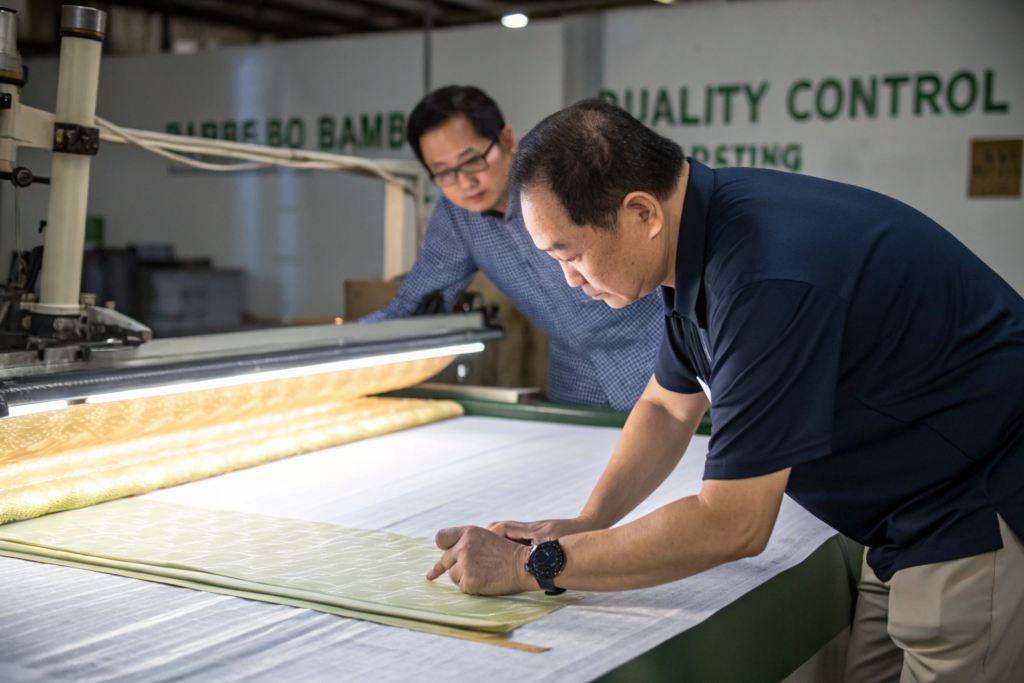
Fiber consistency varies dramatically between suppliers. Cheap bamboo viscose uses short, irregular fibers that create weak yarns with poor uniformity. The resulting fabric pills quickly, wears unevenly, and may develop thin spots. Premium bamboo uses long-staple fibers from controlled sources, creating stronger, more consistent yarns. The difference isn't visible in a small swatch but becomes obvious after production and washing.
Dye uniformity challenges bamboo differently than cotton. Bamboo fibers absorb dye enthusiastically, which is good for color depth, but they can also absorb unevenly if processing isn't controlled. Look for "barré" (horizontal streaks) in knits or "shading" (color variation across width) in wovens. Our CNAS-accredited lab tests every dye lot for color consistency before shipping.
Shrinkage behavior differs from cotton. Bamboo fabrics typically shrink 3-5% in the first wash, similar to cotton, but the effects can be more visible because bamboo garments are often cut for fluid fits. A dress that's perfectly proportioned in sample form may be noticeably shorter after the first wash. We pre-shrink all bamboo fabrics (compacting for knits, sanforizing for wovens) and provide shrinkage data with every order so pattern makers can adjust.
How Can You Prevent Bamboo Fabric from Stretching Out of Shape?
This is the most common complaint we hear about bamboo garments, and it's almost always preventable with the right specifications.
First, specify spandex for any garment that needs to hold shape. As discussed, 5-8% spandex transforms bamboo jersey from a fabric that stretches permanently to one that stretches and recovers. The cost increase is minimal; the performance improvement is dramatic.
Second, choose the right knit construction. Interlock knits are more stable than single jersey, with better recovery even without spandex. Rib knits have natural elasticity from their structure. For garments where maximum shape retention matters, consider these alternatives to basic jersey.
Third, ensure proper compacting during finishing. This mechanical process compresses the fabric slightly, relaxing tensions and setting the structure. A well-compacted bamboo knit will resist stretching during cutting, sewing, and eventual wear. We compact every bamboo knit unless a client specifically requests otherwise.
A Danish fashion brand learned this when their first bamboo collection received complaints about baggy knees and stretched-out necklines. The fabric was quality bamboo but lacked spandex and hadn't been properly compacted. Their next order specified 6% spandex and our standard compacting process. Complaint rates dropped to near zero.
What Care Instructions Extend Bamboo Fabric Life?
Given that consumers often ignore care labels, designing for real-world conditions is wise. But clear instructions still help the customers who follow them.
Cold water washing is essential. Hot water weakens bamboo fibers and can cause excessive shrinkage. Recommend cold or warm (30°C/86°F maximum) for all bamboo garments.
Gentle cycle protects fibers from agitation damage. The mechanical action of washing machines can abrade bamboo fibers, especially when wet and vulnerable. A gentle cycle with reduced agitation extends garment life significantly.
No fabric softener—this surprises many consumers. Fabric softener coats fibers with waxy residues that reduce absorbency and can actually make bamboo feel less soft over time. Bamboo is naturally soft; it doesn't need chemical assistance.
Line drying is ideal. Tumble drying on low heat is acceptable but reduces garment life. High heat damages fibers and degrades any spandex in blends. For maximum longevity, line drying is best.
We provide these instructions with every bamboo order, printed on care labels and included in packaging. A Canadian brand includes a small card with bamboo care tips in every garment, and customers frequently mention appreciating the guidance. It's a small touch that builds brand loyalty.
Conclusion
Bamboo viscose is remarkably versatile—it can be knitted into the softest summer t-shirts or woven into elegant blouses and dresses. The fiber itself doesn't determine construction; your design requirements do. Understanding this distinction lets you select the right fabric for each garment rather than being limited by misconceptions about what bamboo "is."
The key takeaways for summer 2026: bamboo knits excel for casual comfort, stretch, and drape—ideal for t-shirts, dresses, and loungewear. Add spandex for shape retention. Bamboo wovens offer refined elegance with natural breathability—perfect for shirts, blouses, and tailored summer pieces. Blend with polyester or Tencel for wrinkle resistance.
Quality varies enormously between suppliers. Fiber consistency, processing methods, and finishing techniques determine whether your bamboo garments delight customers or generate complaints. Work only with suppliers who provide transparent information about their sourcing, processing, and testing.
Environmental claims require verification. Bamboo's sustainability depends on processing methods, not just the plant. Look for closed-loop processing, third-party certifications, and honest communication about what your fabric actually delivers.
At Shanghai Fumao, we've supplied bamboo fabrics to clients worldwide for over fifteen years. Our bamboo viscose comes from certified sources with controlled processing. Our CNAS-accredited lab tests every batch for quality, shrinkage, and performance. And our team helps you select the right construction—knit or woven—for your specific summer applications.
Whether you need bamboo jersey for flowing summer dresses, bamboo poplin for crisp shirts, or custom blends for unique applications, we have the expertise and capacity to deliver.
Contact our Business Director, Elaine, today to discuss your bamboo fabric needs for summer 2026 and beyond. She and her team will guide you through construction options, blend recommendations, and certification requirements. Email her directly at: elaine@fumaoclothing.com. Let's create summer comfort that your customers will love.