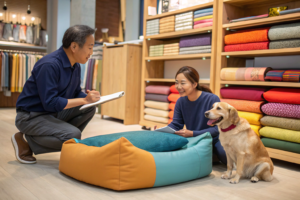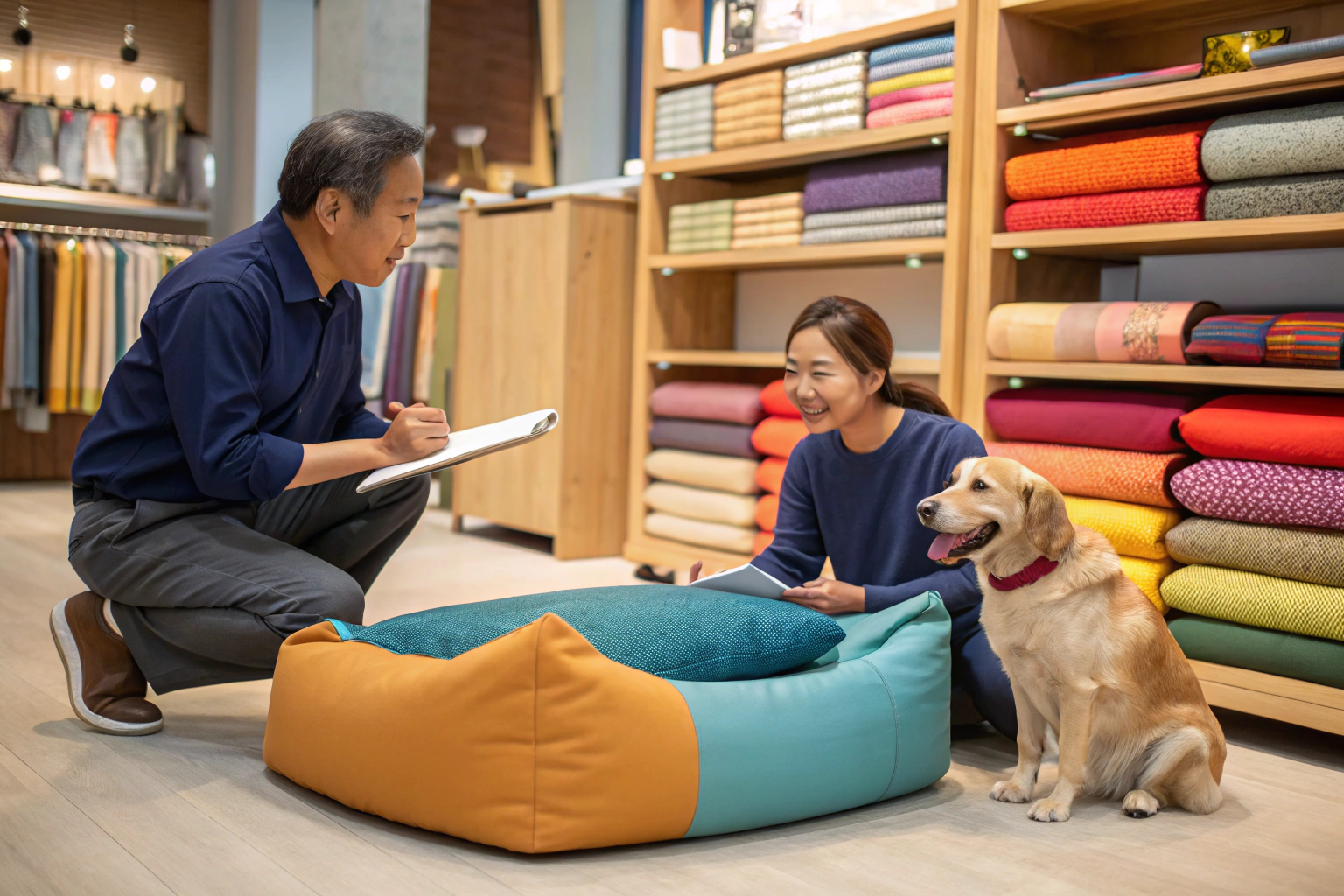
Look, I've been in textiles for over 20 years, and if there's one category that's exploded in that time, it's pet products. People treat their dogs and cats like family now. And that means they want the same quality, safety, and style for their furry friends as they do for themselves. I get calls from US entrepreneurs like Ron all the time. They have a great idea for a stylish pet bed or a durable dog backpack, but they get stuck on the same question: what fabric do I use?
The problem is, pet products face unique challenges. A dog bed isn't a sofa cushion. It gets jumped on, scratched, drooled on, and rolled in mud. It needs to be tough, but also cozy. It needs to be washable, but also hold its shape. And above all, it needs to be safe. You can't use the same chemicals or finishes on a pet bed that you might on a winter coat. The wrong choice can lead to chewed-up fabric, allergic reactions, or a product that looks terrible after one trip through the washing machine.
So, how do you source the right fabric for pet beds and accessories? The short answer is: you need to balance durability, safety, and aesthetics, all while keeping an eye on cost. At Shanghai Fumao (shanghai fumao), we've been supplying fabrics for the pet industry for years. We've learned what works, what fails, and what pet owners truly value. We've seen the difference between a fabric that lasts for years and one that ends up in the trash after six months.
In this post, I'm going to walk you through exactly how to navigate this growing market. We'll talk about the best fabrics for different types of pet products, the critical safety standards you need to know, how to manage the challenge of washing and durability, and the smartest ways to handle logistics for these often bulky items. By the end, you'll have a clear roadmap for creating pet products that are safe, stylish, and built to last.
1. What are the most durable fabrics for heavy-chewing dogs?
This is the number one question we get from pet brands. A heavy chewer can destroy a bed in hours if the fabric isn't up to the task. You need a fabric that's not just strong, but engineered to resist punctures, tears, and abrasion. In our experience, the winners here are high-denier synthetic fabrics, often with a specific, tight weave structure.
For beds and mats aimed at aggressive chewers, ballistic nylon or cordura are the top choices. These are fabrics originally developed for military and industrial use. They're made from high-tenacity nylon yarns, woven in a specialized, dense construction. We're talking about fabrics with a tear strength that can exceed 100 pounds of force. For less extreme cases, a heavy 600D or 1680D polyester Oxford with a PVC backing is excellent. It's tough, water-resistant, and much more affordable. I remember a client from Texas in 2023. He was making beds for a rescue that specialized in pit bulls. He was losing money because the dogs kept shredding his beds. We switched him to our ballistic nylon. The beds lasted. His returns dropped to nearly zero. That's the power of choosing the right material for the job.
What is ballistic nylon, and is it safe for pets?
Let's break down ballistic nylon. It was originally designed for flak jackets in World War II. The name comes from its original purpose: to stop shrapnel. Today, it's a specific type of nylon fabric with a very high denier per filament (often 1050D or 1680D) and a unique, basket-weave construction. This weave is key. It's incredibly resistant to tearing and abrasion because the stress is distributed across multiple yarns. For a heavy chewer, this means a tooth might puncture a single yarn, but it's much harder for that puncture to turn into a long tear.
Is it safe? Yes, absolutely, if it's finished correctly. The base nylon fiber is inert and non-toxic. The safety comes from the finishing. You must ensure that any backing coatings (like PU or PVC) are phthalate-free and lead-free. Also, for heavy chewers, you need to consider the zipper. A metal zipper exposed by a chewed hole is a swallowing hazard. For these extreme cases, we often advise clients to use a design where the cover is separate and the inner cushion is a solid piece of high-density foam with no zipper at all. The ballistic nylon cover then acts as a protective shell. For more on the technical specs of high-performance fabrics, the Invista Cordura® brand page offers detailed information on their certified fabrics, which set the industry standard.
How does denier (D) affect the chew-resistance of fabric?
Denier is the unit of measurement for the linear mass density of fibers. Simply put, it's the weight in grams of 9,000 meters of the fiber. A higher denier number means a thicker, heavier, and generally stronger individual fiber. So, a 1680D polyester fiber is much thicker and stronger than a 600D fiber.
But here's the nuance: denier is just one part of the equation. The weave density is equally important. You can have a high-denier fiber woven into a loose, open construction that a dog's claw can easily snag. Or you can have a medium-denier fiber woven into an extremely tight, high-thread-count fabric that's very resistant to snagging. For pet products, you need both. We typically recommend a minimum of 600D for casual use, but for chewers, we jump to 1680D or even 2000D in a high-density plain or ripstop weave. The "ripstop" weave, where a thicker reinforcing thread is woven into the fabric at regular intervals, is also excellent. It creates a grid that stops a small tear from becoming a big one. We used a 1680D ripstop polyester for a line of dog backpacks for a Canadian outdoor brand. The packs have survived being dragged over rocks and through bushes without a single failure.
2. What safety standards apply to pet bed fabrics?
This is non-negotiable. When you're making a product for a human, you have some safety regulations. For a pet, who might lick, chew, and sleep on your product for years, the standards are, in some ways, even more critical. A pet can't tell you the fabric smells funny or makes them itch. They just suffer in silence. You need to be their advocate.
The primary safety concern is chemical. Fabrics can contain residues from dyes, finishes, and coatings that are harmful if ingested or absorbed. Things like heavy metals (lead, cadmium), phthalates (used to soften PVC), formaldehyde (used in some wrinkle-resistant finishes), and certain azo dyes (which can break down into carcinogens) are all potential hazards. The good news is, there are clear, internationally recognized certifications that screen for these. At Shanghai Fumao, we test all fabrics intended for pet products in our in-house CNAS-accredited lab against these standards before they ever ship. In 2022, a UK client came to us after a bad batch from another supplier tested positive for lead in the zipper pull. We requalified all our components and provided them with a full test report. It saved their brand's reputation.
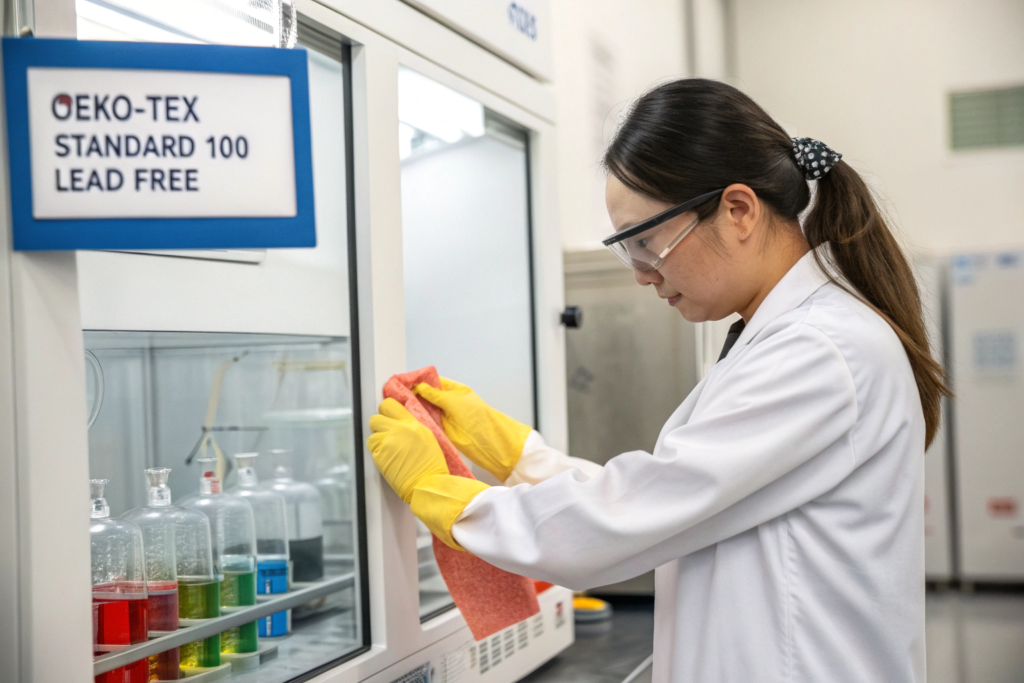
What does OEKO-TEX Standard 100 certification mean for pet products?
This is the gold standard for textile safety. OEKO-TEX Standard 100 is an independent, international testing and certification system. It tests for hundreds of harmful substances, including regulated and non-regulated chemicals that could be harmful to human health. For pet products, you should look for Product Class I certification. Class I is for baby products (under 36 months) and is the strictest class. It sets the lowest allowable limits for chemicals because babies, like pets, have a lot of skin contact and tend to put things in their mouths.
When we say a fabric is OEKO-TEX Class I certified, it means it has been tested and proven free from harmful levels of things like formaldehyde, pesticides, heavy metals, and phthalates. It gives you, the brand, and your customer, the pet owner, complete peace of mind. It's a powerful marketing tool. You can put the OEKO-TEX label on your product and show you've gone the extra mile. We always recommend our pet brand clients specify OEKO-TEX Class I for any fabric that will be in direct, prolonged contact with the animal. You can verify certifications directly on the OEKO-TEX® official website's buying guide.
Are there specific regulations for anti-microbial or stain-resistant finishes?
Yes, and this is an area where you need to be very careful. Finishes that are great for a human sofa might be dangerous for a pet. For example, some older anti-microbial treatments used silver or zinc-based compounds, or even triclosan, which can be toxic if ingested in large quantities. Stain-resistant finishes often use PFCs (perfluorinated chemicals) , which are persistent environmental pollutants and are increasingly regulated or banned in many regions (like the EU).
If you want a pet bed to be antimicrobial or stain-resistant, we recommend using safer, modern alternatives. For antimicrobial properties, we often use built-in fiber technologies or finishes based on natural, non-toxic ingredients like chitosan (derived from shellfish) or zinc pyrithione in a formulation that's safe for pets. For stain and water resistance, we look for PFC-free durable water repellents (DWR) . These are newer formulations that provide good protection without the environmental and health concerns of older chemistries. You must ask your supplier for the Material Safety Data Sheet (MSDS) for any finish they apply and ensure it's compliant with your target market's regulations. The ZDHC (Zero Discharge of Hazardous Chemicals) Gateway is an excellent resource to check which chemicals are being phased out and what safer alternatives exist.
3. How do I choose fabric for washable and durable pet accessories?
Let's be real: pet accessories get dirty. Muddy paws, drool, the occasional "accident." If a product can't be thrown in the washing machine, it's not a practical product for most pet owners. So, washability is a key feature you need to design for. But a fabric that's easy to wash also needs to survive those washes. It shouldn't shrink, fade, pill, or lose its waterproofing after a few cycles.
The choice of fiber is the first step. Polyester is inherently more washable and durable than cotton in this context. It resists shrinking, dries faster, and holds its color better. Nylon is also excellent, especially for high-stress items like harnesses and leashes. For the outer fabric of a washable bed, we often recommend a polyester microfiber or a polyester fleece. These are soft, cozy, and wash beautifully. For items that need to be waterproof, like a crate mat or a travel seat cover, you need a laminate fabric, like polyester with a TPU (thermoplastic polyurethane) backing. TPU is a much better choice than PVC for washable items because it's more flexible, doesn't get stiff in the cold, and is more environmentally friendly. We used a TPU-laminated polyester for a line of dog seat covers for a German automotive accessory brand. After 50 wash tests, the waterproof layer was still 100% intact.
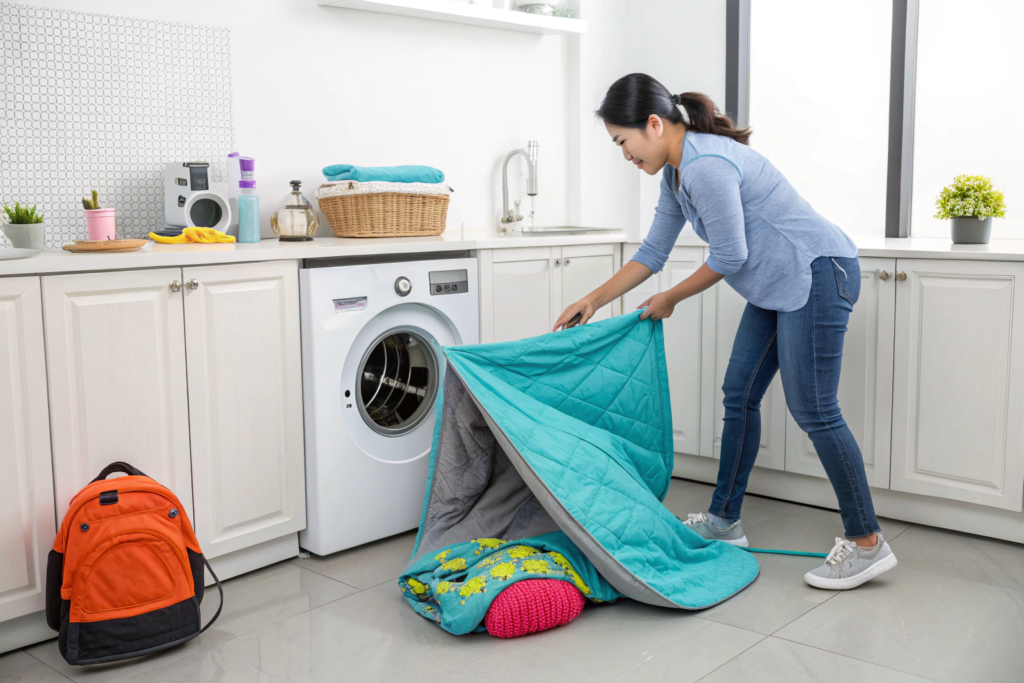
What fabric properties prevent shrinking and fading after multiple washes?
The key to preventing shrinkage is fabric stabilization. For natural fibers like cotton, shrinkage is a natural tendency. For synthetics, it's less of an issue, but it can still happen if the fabric wasn't properly heat-set during manufacturing. Heat-setting is a process where the fabric is passed through a hot oven or over heated rollers under tension. This relaxes the internal stresses in the fibers and "locks" the fabric into its final dimensions. Any reputable supplier should heat-set their synthetic fabrics.
To prevent fading, you need dyes with good colorfastness to washing. This is a lab test (like AATCC 61) where a fabric sample is washed under controlled conditions and the color change is rated. For pet products, we aim for a colorfastness rating of 4 or higher (on a scale of 1-5). Also, solution-dyed fibers are the gold standard for fade resistance. In solution dyeing, the color pigment is added to the polymer before it's extruded into fibers. The color is literally part of the fiber, not just coated on the surface. These fabrics are incredibly resistant to fading from washing and UV light. They are more expensive, but for a premium, long-lasting product, they are unbeatable. We use solution-dyed acrylic and polyester for our high-end outdoor pet collections. A client from Colorado loved this for their dog bandanas, which sit in the sun all day.
How do I test fabric for pilling resistance before production?
Pilling—those little balls of fuzz that form on the surface of fabric—is a common complaint, especially with softer fabrics like fleece and some knits. It makes a product look old and worn out long before it actually is. You can and should test for this before you commit to a bulk order.
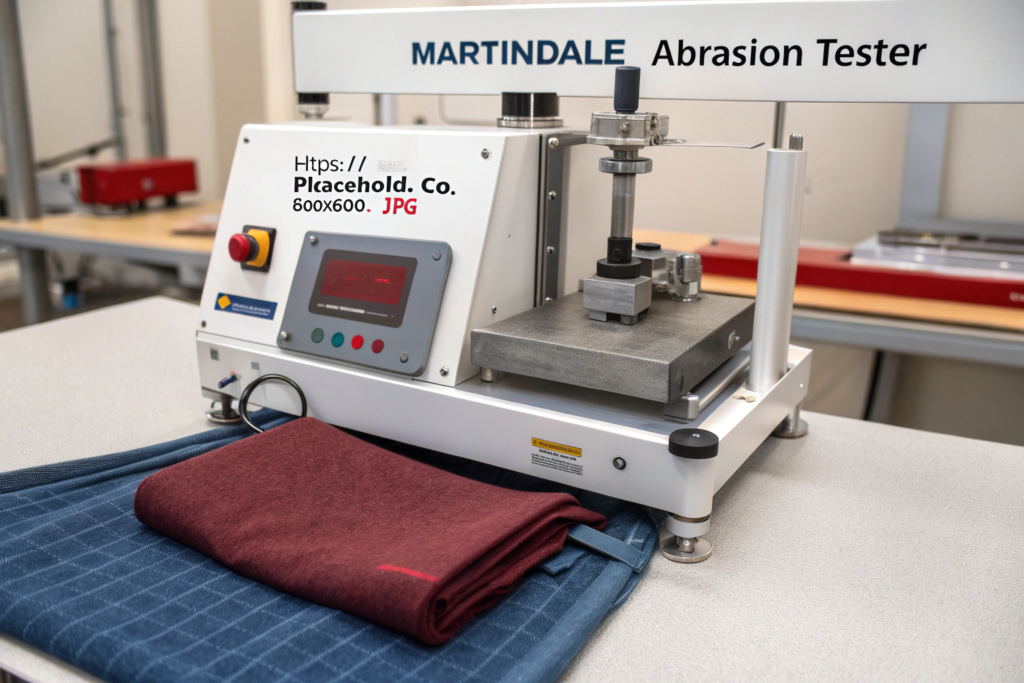
The standard test is the Martindale pilling test (ASTM D4970 or ISO 12945-2) . A circular sample of your fabric is rubbed against a standard abrasive surface or the same fabric for a set number of cycles. Then, it's visually rated on a scale from 1 to 5, where 5 means no pilling and 1 means severe pilling. We run this test on every new development for a pet product. For a soft fleece bed cover, we aim for a minimum rating of 3-4 after 2,000 cycles.
You can also do a simpler, practical test yourself. It's not a substitute for lab testing, but it's a good gut check. Take your fabric sample and vigorously rub it against itself, or against a piece of Velcro, for a minute. Does it immediately start to fuzz and ball? If yes, it's likely to pill badly in real use. A well-constructed fabric, even a soft one, should resist this. We had a client in 2024 who wanted an ultra-soft, velour-like fabric for a cat bed. The first sample we sourced was beautiful but failed our Martindale test miserably. We went back to our mills and found a version with a higher twist yarn and a denser knit construction that passed with a 4. The cat bed was soft but didn't look shabby after a month of cat naps.
4. What are the logistics challenges for bulky items like pet beds?
This is a practical reality that many new pet brands don't think about until it's too late. Pet beds are big. Even a medium-sized dog bed can take up a cubic meter of space. If you're shipping them by sea from China, that volume translates directly into shipping costs. You pay for the space you occupy. A container full of air is a very expensive way to do business.
The key is to think about the final mile logistics from the very beginning. How will the product get from our factory to your customer's door? The answer often lies in the design of the product itself and the way we pack it. At Shanghai Fumao, we work with our pet product clients on these exact challenges. We don't just make the fabric; we help them think through the whole supply chain. For one Australian client in 2023, we redesigned the packaging for their orthopedic dog beds. By switching to a smaller carton and using vacuum compression, we reduced their per-unit shipping volume by 60%, saving them a fortune on freight.
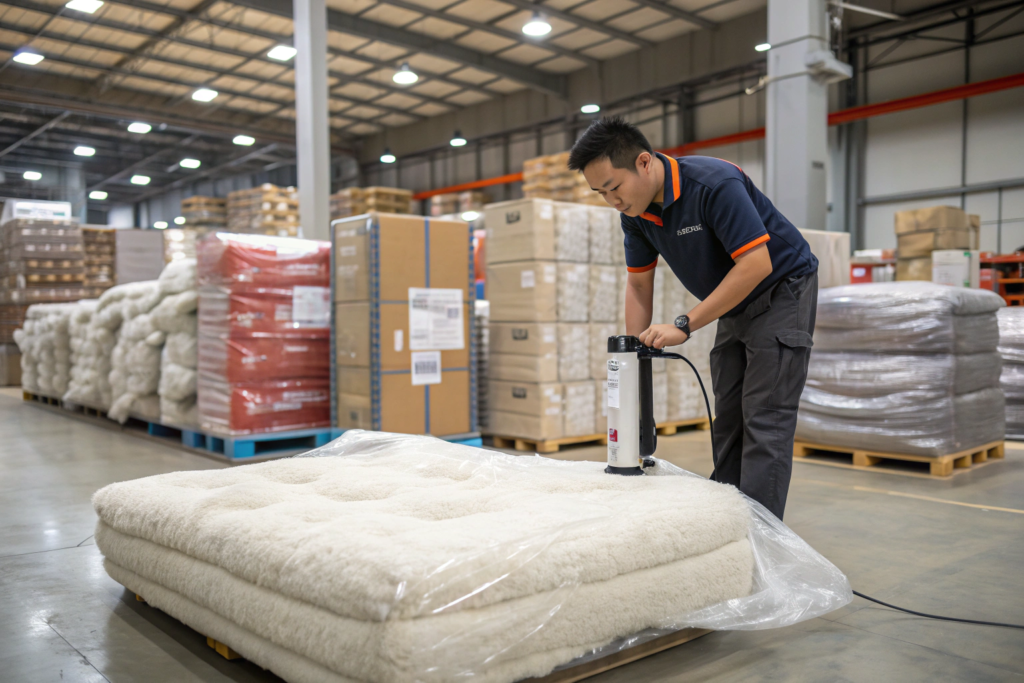
Can pet beds be vacuum-packed to reduce shipping volume?
Yes, absolutely. And it's one of the smartest things you can do. Vacuum compression involves placing the finished pet bed (or just the inner cushion) into a plastic bag and removing the air with a machine. This can reduce the volume of a plush, fiber-filled or foam bed by 50% to 70%. It's like magic.
There are a couple of things to consider. First, the filling material must be resilient enough to recover its full loft after being compressed. High-quality shredded memory foam or polyester hollow fiber are excellent for this. Cheap foam may never fully expand. Second, you need to allow time for the product to "bloom" after the customer opens it. We always include clear instructions: "Remove from bag, fluff, and allow 24-48 hours to fully expand." We do this for a major US pet brand for their bolster beds. They go into a box that's a fraction of the size of the bed itself. It saves them on warehousing costs in the US and on the final shipping cost to the customer. Plus, customers love the "unboxing" experience of watching their new pet bed grow.
How do I forecast demand to avoid high air freight costs?
Forecasting is an art and a science. The worst-case scenario for a brand is running out of stock during peak season (like Q4 holidays) and having to air freight a container of bulky pet beds. That can wipe out your entire profit margin. The best way to avoid this is to plan your supply chain backward from your sales peaks.
For the US market, the peak seasons for pet products are generally Q4 (for holiday gifting) and back-to-school (for new pet owners). If you need inventory for November sales, your goods need to be on the water by August or early September. That means your orders need to be placed with us by June or July. For a new brand, it's better to be conservative and order a bit more than you think you'll need for your first peak season, using sea freight. It's cheaper to store a few extra pallets in a US warehouse for a month than to pay for air freight. We work with our clients to create production schedules that align with these key shipping windows. We had a Canadian client in 2022 who underestimated their Q4 demand. By October, they were out of stock. We helped them air freight a small, emergency shipment of their best-selling item, but they paid triple the freight cost. They now plan much further ahead. For market data and trend forecasting, resources like the American Pet Products Association (APPA) reports are invaluable for understanding demand cycles.
Conclusion
Sourcing fabric for pet beds and accessories is a unique challenge that sits at the intersection of durability, safety, comfort, and practicality. It's not just about picking a color you like. It's about engineering a product that can withstand claws, teeth, and the washing machine, while being completely safe for a beloved family member who will spend hours on it. It requires a deep understanding of fibers, weaves, finishes, and the logistics of getting bulky goods to market efficiently.
At Shanghai Fumao, we've embraced this challenge. With our own weaving, dyeing, coating, and a CNAS-certified lab, we have the full toolkit to develop and produce fabrics specifically for the pet industry. We understand the need for OEKO-TEX safety, the demand for rugged durability, and the practical realities of washability and shipping. We've helped brands from startups to industry leaders create products that pets love and owners trust.
If you're ready to stop guessing about fabric and start building a pet product line with a solid foundation, let's talk.
Contact our Business Director, Elaine, directly to discuss your pet product project. She and her team are experts in sourcing safe, durable, and beautiful fabrics for our furry friends.
Email Elaine at: elaine@fumaoclothing.com
Let's create something they'll love to curl up on.