I learned to negotiate payment terms the expensive way. In my first years running this business, I lost three major clients because I wouldn't budge from our standard 30% deposit, 70% against documents terms. One buyer from London told me straight: "Your fabric is perfect, your price is fair, but your terms tie up my cash for months. I'll pay more to someone who works with me." That conversation changed everything. Today, we offer multiple payment structures, and our business has grown because of it, not despite it.
Negotiating better payment terms with fabric suppliers requires understanding their cash flow needs, building trust through transparent communication, offering value beyond price, and structuring agreements that balance risk between both parties. The best terms aren't necessarily the lowest deposit—they're the ones that work for both sides over the long term.
Let me share what I've learned from thousands of negotiations. Payment terms aren't just about money—they're about trust, relationship, and mutual understanding. A supplier who trusts you will offer better terms. A buyer who understands supplier constraints will get better cooperation. The goal isn't to win a negotiation; it's to build a partnership that benefits both sides.
What payment terms are standard in the fabric industry?
Before negotiating, understand what's normal. Standard terms vary by region, order size, and relationship length. Knowing the baseline helps you negotiate realistically and recognize when you're getting a good deal.
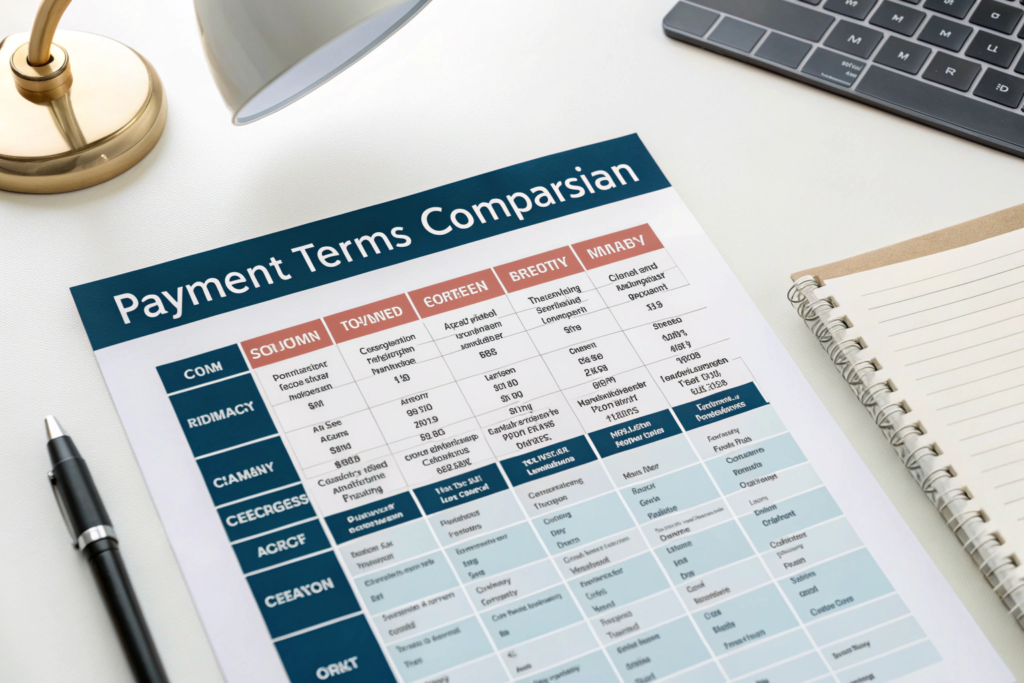
For first orders with new suppliers, 30-50% deposit with balance against shipping documents (B/L copy) is standard in China. This protects the supplier (they have deposit for materials) and the buyer (they don't pay full balance until goods ship). For repeat clients with established trust, terms may shift to 20% deposit or even open account for very strong relationships.
How do terms differ between China, India, and other sourcing countries?
Chinese suppliers typically require higher deposits than Indian or Bangladeshi suppliers because our raw material costs are higher and our margins are thinner. A Chinese mill might need 30% to buy yarn and greige goods. An Indian mill might accept 20% because their cost structure differs.
Turkish and Portuguese suppliers often offer better terms to European buyers because of proximity and relationship. But their prices are typically higher. The trade-off between price and payment terms is real—you often can't have both the lowest price and the best terms, especially with new suppliers.
For a US brand sourcing globally, we recommend balancing standard payment terms by sourcing country portfolios—accepting stricter terms in China for better pricing, while using easier terms elsewhere for strategic products. No single source offers everything.
What influences a supplier's willingness to offer better terms?
Several factors matter. Order size—larger orders justify more flexible terms. Order frequency—regular buyers build trust faster. Payment history—consistent on-time payment is the strongest trust-builder. Market conditions—when mills are busy, terms tighten; when business is slow, flexibility increases.
Your company's reputation matters too. Suppliers talk to each other. If you're known for paying late, everyone knows. If you're known as a reliable partner, that reputation precedes you.
In 2019, a French brand approached us for better terms based solely on their industry reputation. We'd never worked with them, but three other mills we trusted vouched for their payment reliability. We factors influencing supplier payment term flexibility offered 20% deposit (vs our standard 30%) based on that reputation alone. They've never missed a payment, and the trust was justified.
How can you build trust to qualify for better terms?
Trust isn't abstract—it's built through specific actions over time. Suppliers who trust you will offer better terms because they're confident you'll pay. Understanding what builds trust helps you accelerate the process.
Start with transparency. Share your business model, your customer base, your growth plans. Suppliers who understand your business are more comfortable extending terms. We've offered better terms to startups who shared their business plans than to established companies who remained opaque.

What documentation helps establish credibility?
Financial references from other suppliers carry enormous weight. A letter from a current supplier saying "X company has paid us on time for three years" opens doors. Bank references showing financial stability help. Audited financial statements for larger buyers demonstrate capacity.
Trade credit insurance can substitute for personal trust. If you have credit insurance that guarantees payment, suppliers may offer better terms regardless of relationship length. The insurance company's due diligence replaces our own.
For a Canadian startup in 2021 with no payment history, we offered standard 30% deposit terms. Six months later, after four on-time payments, we reduced to 20%. After a year, to 15%. Their building trust with fabric suppliers for better terms consistent performance built trust faster than any document could. Today they're at 10% deposit, and we consider them among our most reliable partners.
How does order consistency affect term negotiations?
Regular orders build trust faster than large sporadic ones. A buyer who orders every month, even in small quantities, demonstrates reliability. A buyer who places one huge order annually remains unknown for most of the year.
Consistent communication between orders matters too. Buyers who stay in touch, share market updates, and maintain relationship build trust faster than those who disappear until next order.
For a German brand ordering quarterly, we offered improved terms after 18 months of consistent business. Their pattern was predictable, their payments always on time, their communication clear. The order consistency and supplier payment terms risk was minimal, so flexibility was easy to offer.
What alternative payment structures can you propose?
Sometimes the standard deposit/balance structure doesn't work for your business. Proposing creative alternatives can solve problems for both sides. Understanding what's possible opens negotiating options.
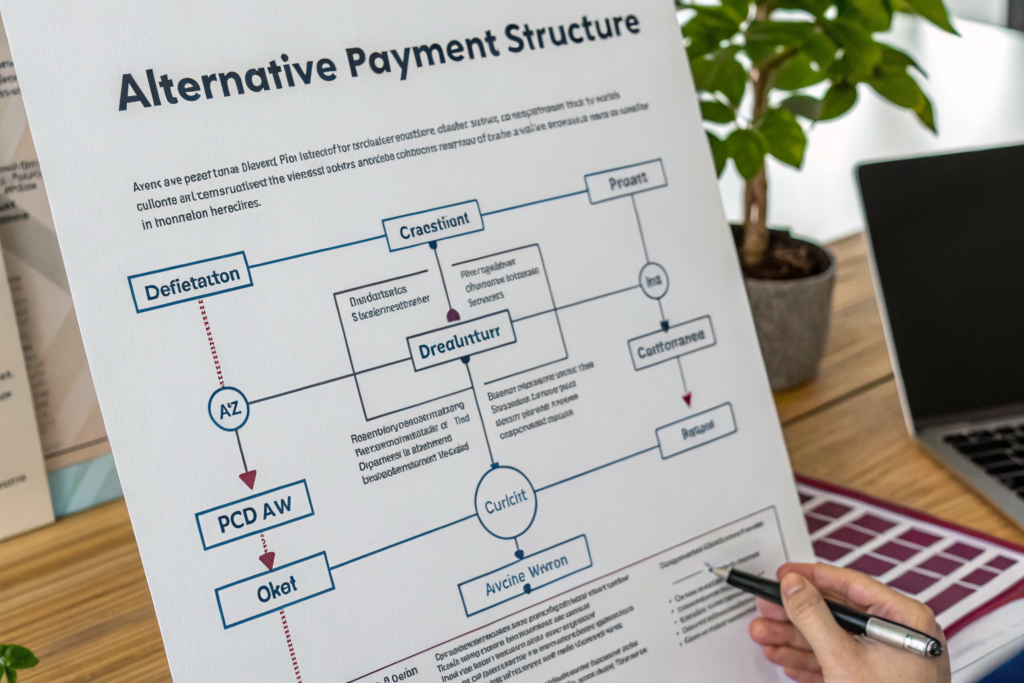
Letter of credit (L/C) is the classic alternative. The buyer's bank guarantees payment upon presentation of shipping documents. This protects the supplier (bank guarantee) and buyer (no payment until shipment). L/Cs involve bank fees and documentation requirements but work well for large orders or new relationships.
How do progress payments work for longer production cycles?
For orders with long lead times (custom jacquards, specialty finishes), progress payments can align cash flow with work completed. For example: 20% with order, 20% when yarn is dyed, 20% when weaving starts, 20% when finishing begins, 20% against shipping documents.
This structure helps suppliers fund production without carrying the full cost. It helps buyers see work progressing before final payment. Both sides share risk more evenly.
For a Australian brand ordering complex custom fabric in 2022, we structured five progress payments over four months. They could see progress payment structures for custom fabric orders work advancing at each stage, and we had cash flow to pay suppliers. The arrangement built trust through transparency.
What about extended terms after delivery?
Net 30, net 60, or net 90 (payment 30/60/90 days after delivery) are common in domestic trade but rare in international sourcing. Suppliers usually can't wait that long for payment because they've already paid for raw materials and production.
However, for strong relationships, partial extended terms can work. For example, 20% deposit, 50% against documents, 30% net 30. This gives the buyer some float while ensuring the supplier recovers most costs quickly.
For a US brand we'd worked with for five years, we agreed to net 30 on 20% of their order value. The extended payment terms for international fabric sourcing trust built over years justified the risk, and they've used the flexibility to manage seasonal cash flow.
What concessions can you offer in exchange for better terms?
Negotiation isn't just about asking—it's about trading. Offering something valuable in exchange for better terms often succeeds where demands fail. Understanding what suppliers value helps you structure win-win exchanges.
Longer-term commitments are powerful. A buyer who commits to a year's volume across multiple orders reduces our sales uncertainty. We can plan production, buy materials in bulk, and schedule efficiently. In exchange, we offer better terms.

How do larger or consolidated orders help?
Combining multiple orders into one larger order reduces our transaction costs. One order for 10,000 meters costs less to process than five orders for 2,000 meters. We pass some of that saving through better terms.
Consolidating across seasons helps too. A buyer who plans fall and spring orders together gives us visibility and efficiency. We can combine yarn purchases, schedule production continuously, and reduce setup costs.
For a UK brand in 2020, we consolidated their entire year's fabric needs into two orders instead of six. The consolidating orders for better supplier terms efficiency savings allowed us to reduce their deposit from 30% to 20% and extend payment timing. They saved on shipping too—win-win all around.
What about exclusivity or long-term partnerships?
Exclusivity is valuable to suppliers. A buyer who commits to sourcing a specific fabric category exclusively from us gives us predictable volume and reduces marketing costs. In exchange, we offer preferential terms.
Long-term partnership agreements (2-3 years) with volume commitments justify investment in dedicated production capacity. We can reserve loom time, stock raw materials, and optimize for their needs. Better terms are part of the package.
For a Swedish brand, we signed a three-year agreement for their core fabric needs. They committed to minimum annual volume; we committed to preferential pricing and 15% deposit terms. The exclusivity and long-term agreements in fabric sourcing stability benefits both sides, and the relationship has grown stronger each year.
How do you handle payment term negotiations professionally?
The approach matters as much as the ask. Negotiating poorly can damage relationships even when you get what you want. Professional negotiation builds partnerships rather than straining them.
Start by understanding their perspective. Ask about their cash flow needs, their raw material payment terms, their production cycle. When you understand why standard terms exist, you can propose alternatives that address their constraints while meeting your needs.

What timing is best for term negotiations?
Don't negotiate terms when placing an urgent order. The supplier has leverage (you need fabric fast) and will be less flexible. Negotiate during quiet periods when mills have capacity and are eager for business.
Build term discussions into regular business reviews, not emergency conversations. "Let's discuss our partnership for next year" is better than "I need better terms on this order shipping next week."
For a Dutch brand, we review terms annually during their planning cycle. They share next year's projections; we discuss what's possible. The timing payment term negotiations with suppliers conversation is collaborative, not confrontational, and we've adjusted terms gradually over years.
How do you handle rejection without damaging relationship?
Sometimes the answer is no. How you handle that matters more than the outcome. Accept gracefully, express understanding of their position, and look for other ways to add value.
"Thank you for explaining. I understand why 30% deposit works for you. Would a longer-term commitment help justify revisiting this in six months?" This keeps relationship positive and leaves door open for future discussion.
If terms are truly impossible for your business, be honest about that too. "I understand your position, but 30% deposit doesn't work for our cash flow. Is there any alternative structure we could explore?" Sometimes the handling payment term rejection professionally conversation reveals creative solutions neither side initially considered.
Conclusion
Negotiating better payment terms with fabric suppliers isn't about demanding concessions—it's about building partnerships where both sides win. Understanding standard terms, building trust through consistent performance, proposing creative structures, offering value in exchange, and negotiating professionally all contribute to outcomes that work for everyone.
At Shanghai Fumao, we've learned that flexible payment terms attract better partners. We offer multiple structures because different buyers have different needs. Startups need lower deposits. Established brands need volume pricing. Growing companies need cash flow flexibility. We work with each to find arrangements that support their business while protecting ours.
If you're interested in discussing payment terms for your fabric sourcing, reach out to our Business Director, Elaine. She can explain our standard terms, discuss your specific situation, and explore what might work for both sides. Whether you're a startup placing your first order or an established brand reviewing annual agreements, we're committed to finding terms that support your success. Contact Elaine at [elaine@fumaoclothing.com]() to start a conversation about partnership, not just transactions.