
Where to Source GRS-Certified Deadstock Fabrics Ethically?
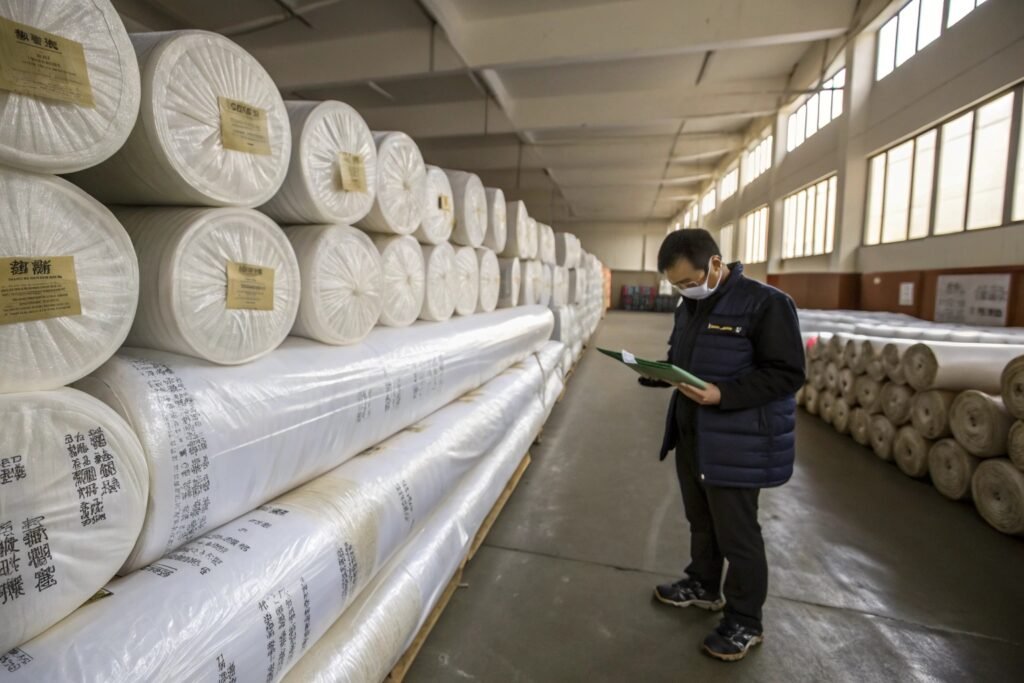
In the age of sustainable sourcing, deadstock fabrics have become a popular solution for brands seeking ethical supply chain alternatives. However, as this demand grows, so does the confusion around certification, traceability, and legitimacy—especially when it comes to sourcing GRS-certified deadstock. You can source GRS-certified deadstock fabrics ethically from verified recycling mills, sustainable sourcing platforms, […]
How Does Fabric Composition Affect US Customs Duty Calculations?
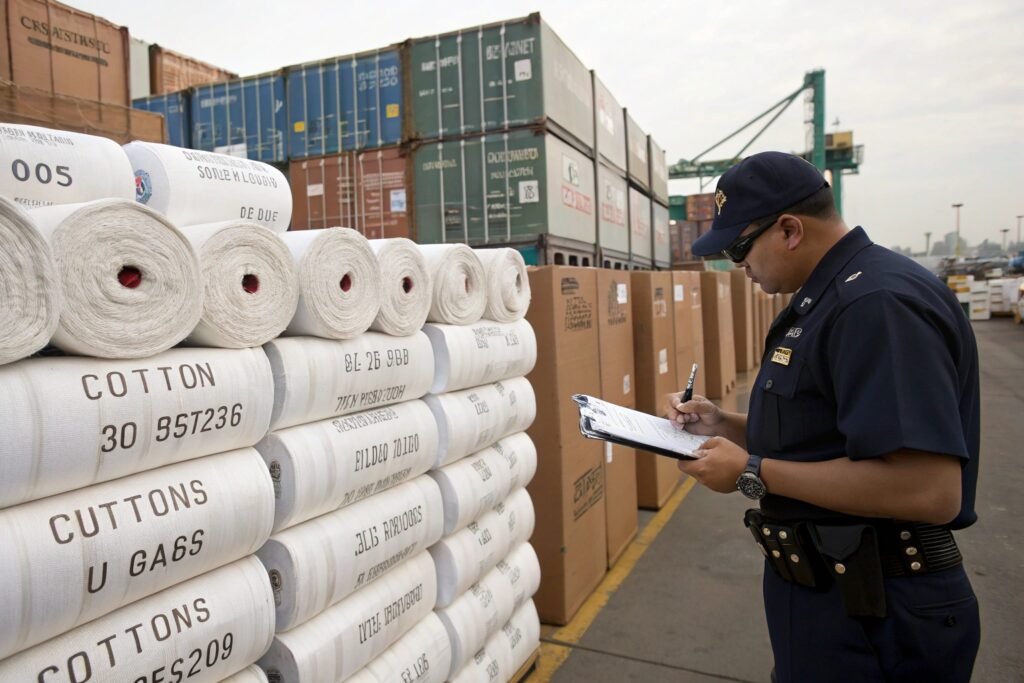
When importing textiles into the United States, most buyers expect duties—but few understand how deeply fabric composition influences the actual rate. A few percentage points here or there may seem minor, but over thousands of meters of fabric, the impact on total landed cost can be huge. US customs duty rates on fabric imports are […]
What Are the Optimal GSM Ranges for Seasonal Fleece Fabric?
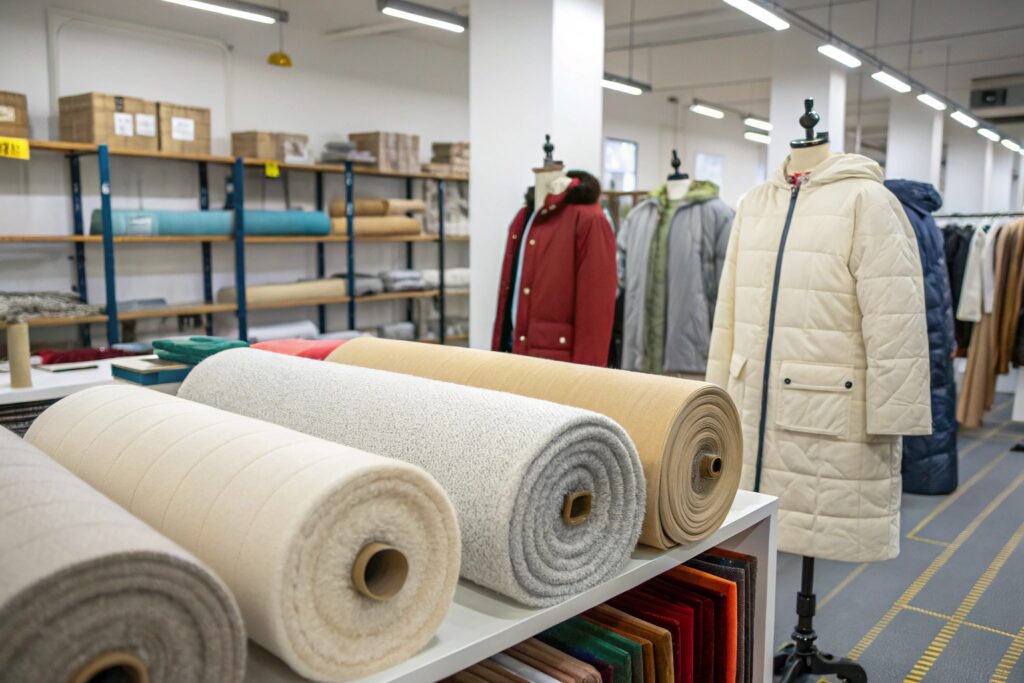
When choosing fleece for garments, one key metric determines warmth, weight, and overall feel: GSM. Whether you’re sourcing for hoodies, outdoor wear, or baby blankets, selecting the right GSM (grams per square meter) for the season is essential to deliver comfort and functionality. The optimal GSM range for fleece fabric depends on the season—lightweight 130–200 […]
Why Choose Enzyme Washed Cotton for Vintage Denim Effects?
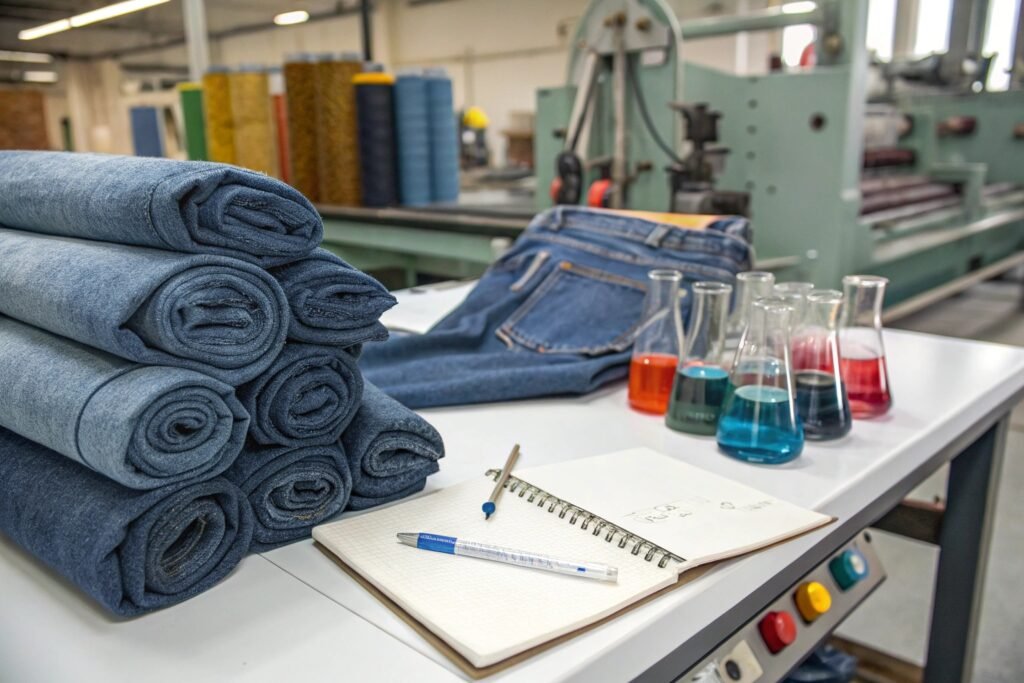
Vintage denim never goes out of style—but achieving the perfect worn-in look takes more than just sandpaper or stonewashing. Today, global denim brands are turning to enzyme-washed cotton as a sustainable, fabric-friendly method to get that authentic, soft, aged appearance. Enzyme-washed cotton delivers a smoother, more naturally faded look on denim while preserving fabric strength […]
Where to Find Light-Reflective Trim Fabrics for Safety Workwear?
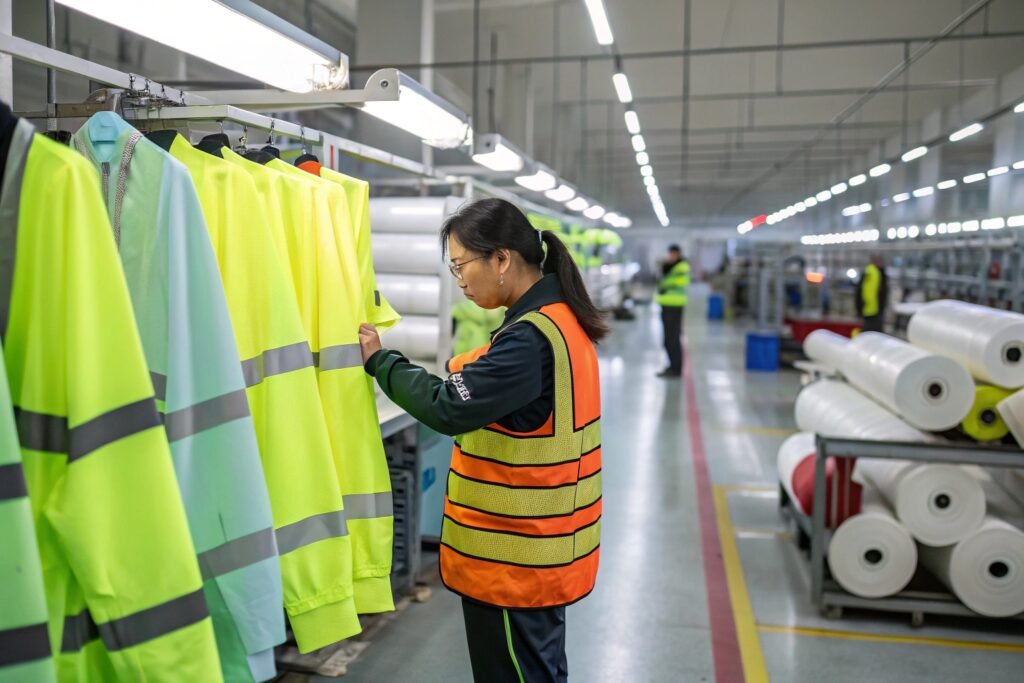
When sourcing fabrics for safety wear, the stakes are high. Your customers depend on visibility to stay safe—especially in low-light or high-risk conditions. Reflective trims play a critical role in this, but finding quality, compliant, and affordable options from reliable manufacturers isn’t always easy. The best places to find light-reflective trim fabrics for safety workwear […]
How to Negotiate Fabric Sampling Fees with Chinese Manufacturers?
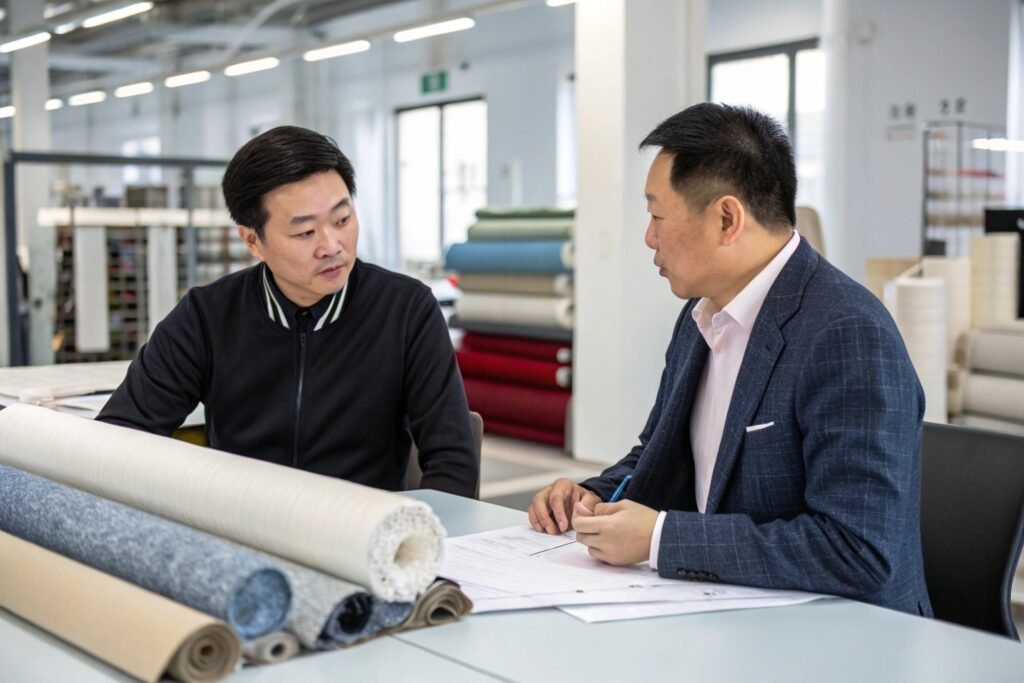
Fabric sampling can make or break your sourcing strategy. Many buyers, especially those new to China’s textile industry, feel puzzled when suppliers quote high fees just for sending fabric samples. But if you want to secure the best quality and build long-term supplier trust, knowing how to handle sample negotiations is essential. Getting fair sampling […]
What Are the Lead Time Differences for Woven vs Knit Fabric Production?
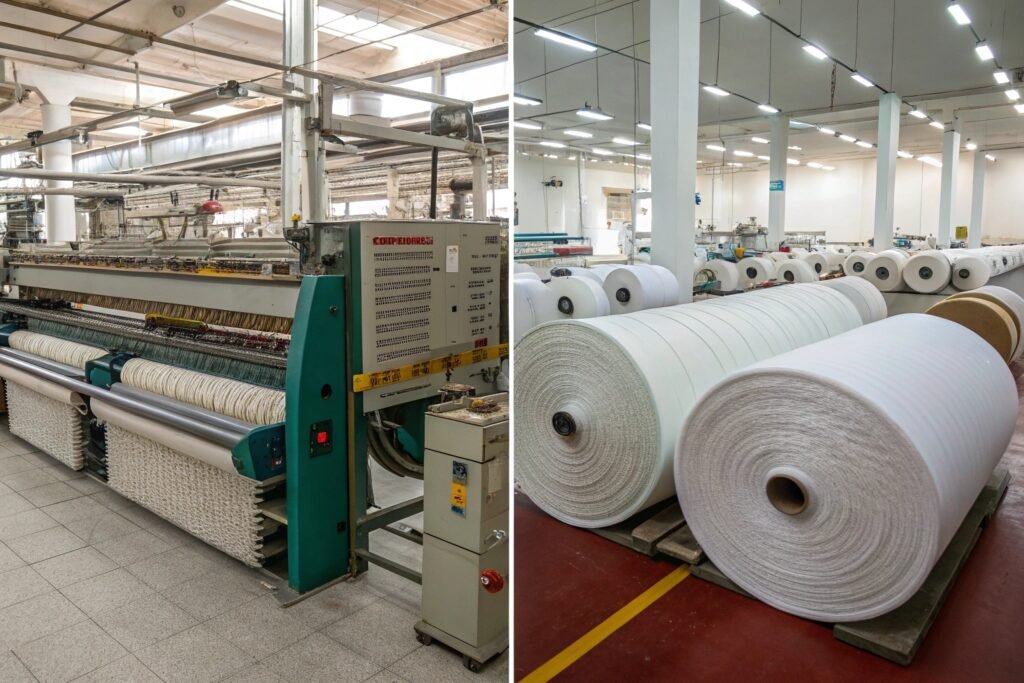
When it comes to sourcing fabrics for apparel manufacturing, lead time isn’t just a production detail—it’s a critical decision factor. Whether you’re building a seasonal collection or managing rolling orders for an online store, your ability to deliver on time depends heavily on fabric readiness. The difference between woven and knit fabric production timelines could […]
Why Is Airflow Testing Critical for Performance Sportswear Fabrics?
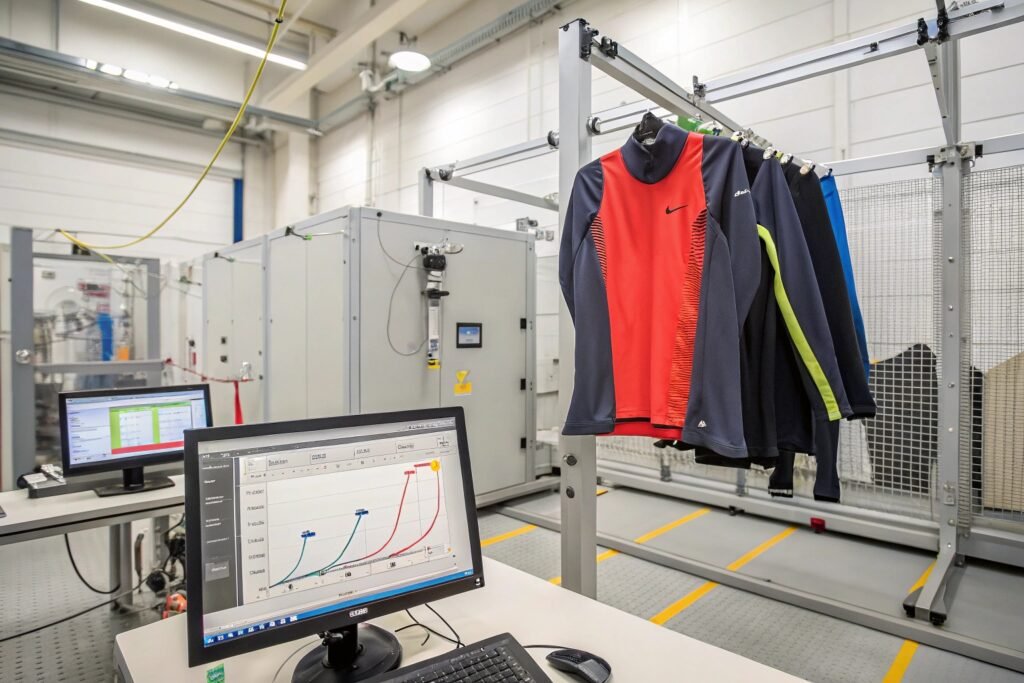
In the world of performance apparel, every gram, seam, and breath of air counts. Whether it’s marathon runners, pro cyclists, or gym-goers, athletes rely on apparel that cools fast, dries quickly, and breathes better than ever before. But how do brands and fabric buyers know which fabrics deliver that airflow advantage? Airflow testing is the […]
How to Source Oeko-Tex Certified Linen for Hotel Textiles?

Sourcing bed and bath linens for hotels is no longer just about softness and price—safety and sustainability now take center stage. Hotel guests today are increasingly eco-aware, and global hospitality brands are responding by demanding fabrics free from harmful substances. That’s where Oeko-Tex certified linen stands out. Oeko-Tex certified linen ensures that the textile is […]
What Are the Best Stretch Velvet Fabrics for Adaptive Clothing?
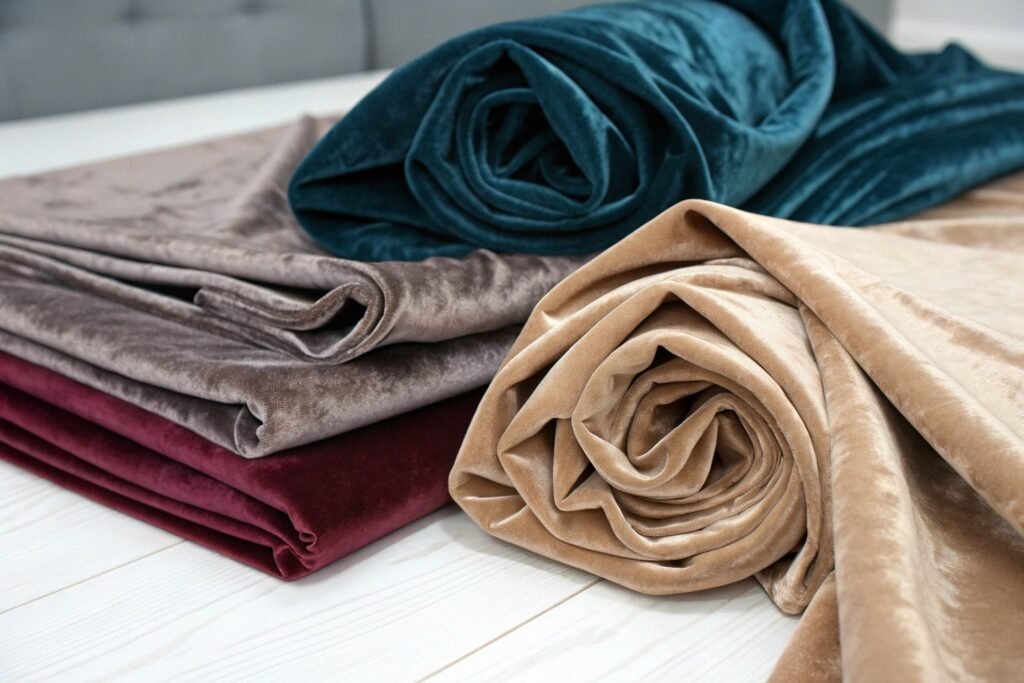
In the world of inclusive fashion, adaptive clothing isn’t just a trend—it’s a necessity. Designed to support individuals with mobility, sensory, or health-related challenges, adaptive garments must combine softness, ease of wear, flexibility, and dignity. That’s why fabric choice is critical. Stretch velvet is one of the top materials for adaptive clothing. It blends plush […]