I remember a conversation I had with the founder of a successful womenswear brand in New York about four years ago. She had built her brand on beautiful designs and clever marketing. She was profitable. She was growing. But when I asked her about her fabric strategy, she looked at me blankly. "Fabric strategy?" she said. "I buy what looks good for the collection. That's my strategy."
I understood her perspective. For a long time, fabric was just a raw material. You bought what you needed when you needed it. If one supplier didn't work out, you found another. There was no need for a long-term strategy. But that world is gone. The past few years have taught us that fabric is not a commodity. It's the foundation of your brand. And if you don't have a strategy for it, you're building your brand on sand.
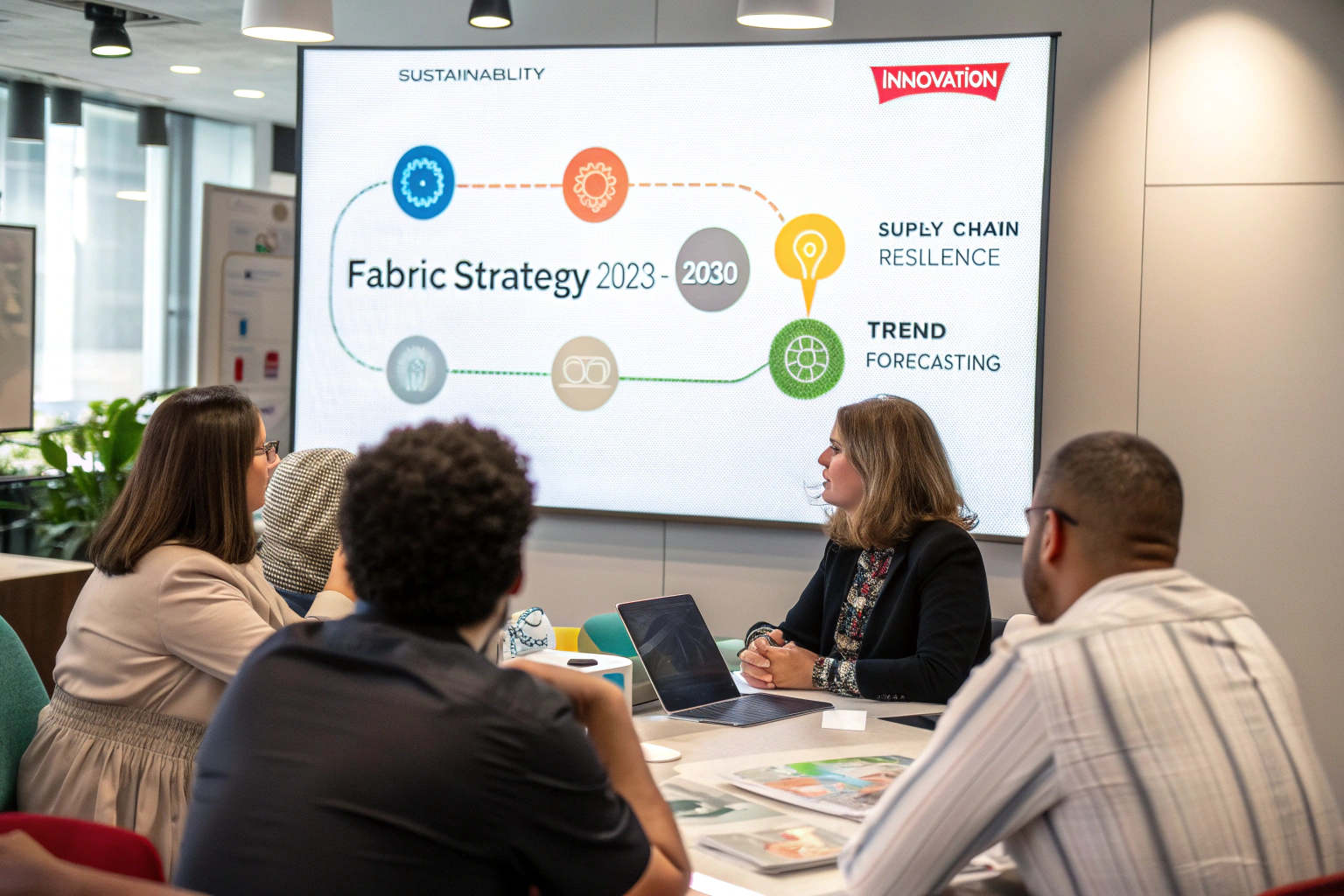
I've seen too many brands get caught off guard. A pandemic shuts down factories. A trade war raises tariffs. A shipping crisis delays containers for months. A sustainability regulation changes overnight. A TikTok trend creates sudden demand for a fabric they can't source. These aren't isolated events. They're the new normal. And the brands that survive and thrive are the ones that have a fabric strategy—a plan for what they will use, where they will get it, and how they will adapt when things change.
At Shanghai Fumao, we've been helping our clients develop fabric strategies for years. We've seen what works and what doesn't. In this article, I'm going to share why your brand needs a fabric strategy for 2026 and beyond—and how to build one.
What Is a Fabric Strategy and Why Does It Matter?
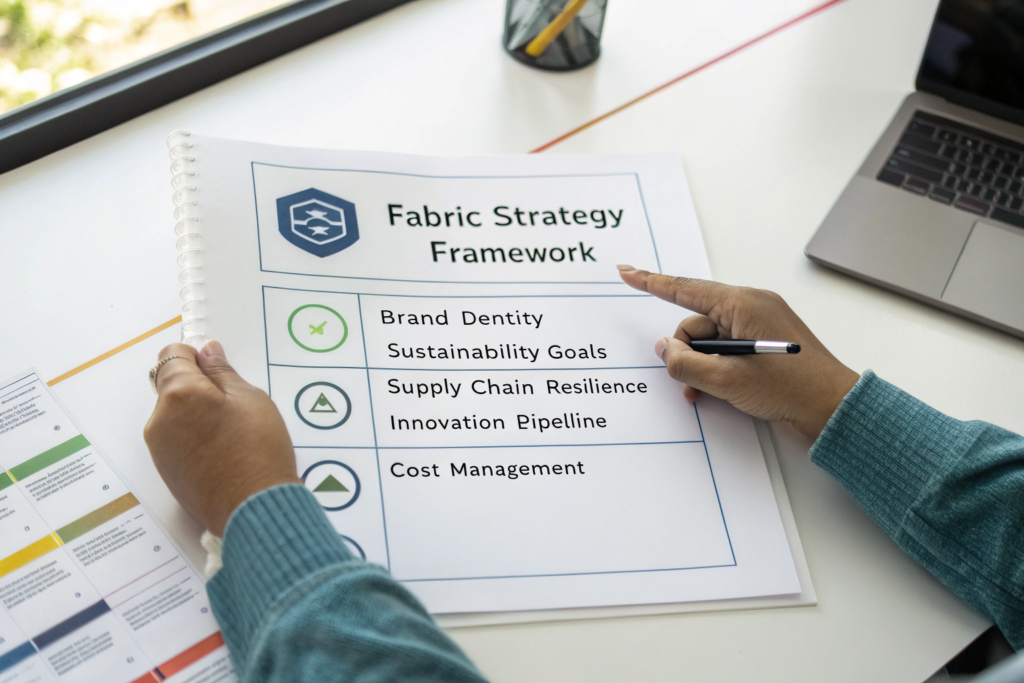
A fabric strategy is not a list of suppliers. It's a framework for making decisions about the materials that go into your products. It considers your brand identity, your customer expectations, your supply chain risks, your sustainability goals, and your financial targets. It's a plan that guides your sourcing decisions today and prepares you for tomorrow.
How Does a Fabric Strategy Align with Your Brand Identity?
Your fabric is your brand. The customer feels it. They see how it drapes. They experience how it wears. If your brand is about luxury, you need high-end fabrics with premium hand feel. If your brand is about sustainability, you need certified organic or recycled materials. If your brand is about performance, you need technical fabrics that deliver. Your fabric strategy must align with what your brand promises.
I had a client who built a brand around "effortless luxury." The clothes were simple, elegant, and expensive. But they were sourcing fabrics from the same mills as fast-fashion brands. The fabrics looked good in photos, but they didn't feel luxurious. Customers complained. The brand's reputation suffered. We helped them develop a fabric strategy that prioritized hand feel, drape, and exclusivity. They switched to higher-quality mills, developed exclusive weaves, and invested in better finishing. The fabrics felt luxurious. The customers noticed. Sales increased.
Your fabric strategy is not just about sourcing. It's about delivering on your brand promise. For a guide to aligning fabric strategy with brand identity, this branding resource offers a framework for material brand alignment.
How Does a Fabric Strategy Mitigate Supply Chain Risk?
The past few years have shown us that supply chains are fragile. A factory shutdown in one country can ripple through the entire industry. A shipping container shortage can delay orders for months. A tariff change can wipe out your margins overnight. A fabric strategy anticipates these risks and builds in resilience.
A fabric strategy means you don't rely on one supplier for a critical fabric. You have backups. It means you don't source from only one country. You diversify. It means you hold strategic inventory for your core fabrics. You don't wait until you need it to order it. It means you build relationships with suppliers who will prioritize you when things get tight.
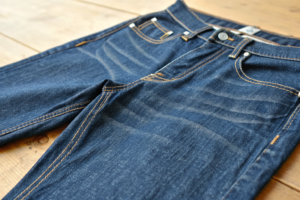
I had a client who sourced all their denim from one mill in one country. When that country faced political unrest, the mill closed for three months. The client had no denim. Their production stopped. They lost a season. After that, they developed a fabric strategy that included multiple denim suppliers in different countries. They also held six months of inventory for their core denims. When the next disruption came, they kept producing.
For a guide to supply chain risk management, this supply chain resource offers a framework for building resilient sourcing.
What Are the Key Elements of a Modern Fabric Strategy?
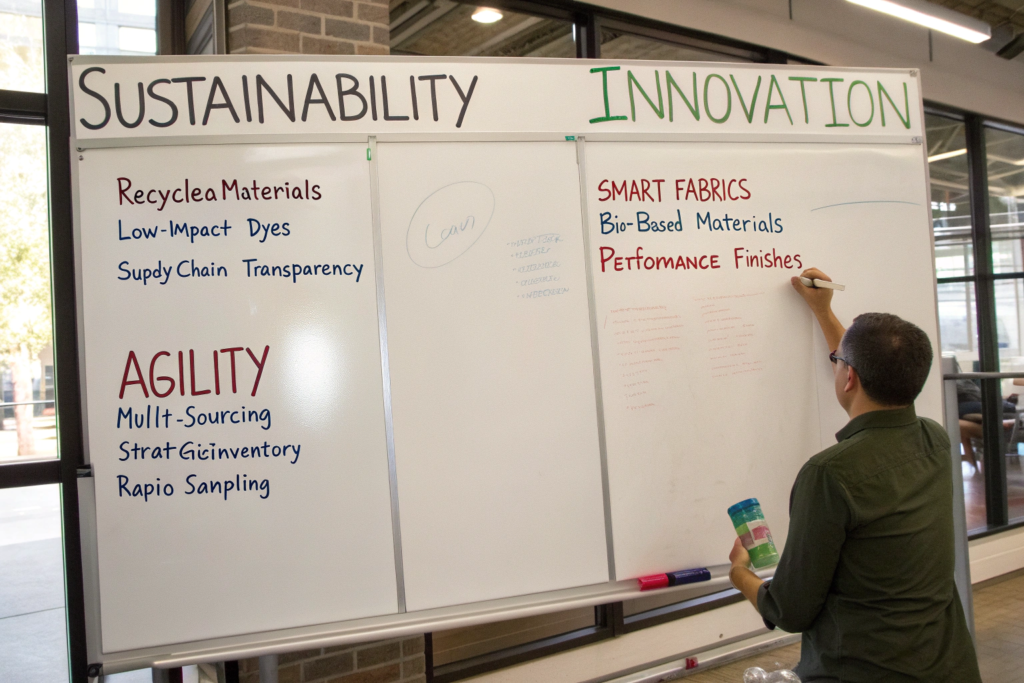
A fabric strategy for 2026 and beyond is not just about price and lead time. It has to consider sustainability, innovation, and agility. These are the pillars of a modern fabric strategy.
Why Is Sustainability No Longer Optional?
Sustainability is not a niche anymore. It's a baseline requirement. European regulations like the CSRD and ESPR are making sustainability reporting mandatory. Consumers are demanding transparency. Investors are screening for environmental performance. If your brand doesn't have a sustainability strategy for your fabrics, you're already behind.
A sustainable fabric strategy means knowing where your materials come from. It means using certified organic or recycled fibers where possible. It means working with mills that use low-impact dyes and renewable energy. It means being able to trace your fabric back to its source. It means having a plan to reduce your carbon footprint over time.
I had a client who thought sustainability was a marketing gimmick. They sourced cheap fabrics from wherever they could get them. When a major European retailer required sustainability documentation for their products, the client couldn't provide it. They lost the account. Now, they have a sustainability strategy for every fabric they use. It wasn't easy, but it was necessary.
For a guide to building a sustainable fabric strategy, this sustainability resource offers a framework for textile sustainability.
How Do You Build Innovation into Your Fabric Strategy?
Innovation is what sets your brand apart. In a crowded market, the brand with the most innovative fabrics wins. That could mean performance fabrics that wick sweat and block UV. It could mean smart fabrics that monitor health. It could mean bio-based materials that are compostable. It could mean exclusive weaves that no one else has.
An innovative fabric strategy means you're not just buying what's available. You're developing what's next. You're working with mills to create exclusive fabrics. You're testing new fibers and finishes. You're building a pipeline of new materials that will keep your brand fresh.
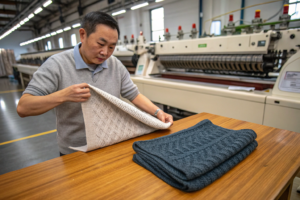
I had a client who built their brand around innovative performance fabrics. They worked with us to develop a proprietary moisture-wicking knit that no one else had. The fabric became their signature. Customers knew that if they bought this brand, they were getting something special. The exclusivity allowed them to charge premium prices.
For a guide to building innovation into your fabric strategy, this textile innovation resource offers a framework for fabric development.
Why Is Agility Critical for 2026 and Beyond?
The pace of change is accelerating. Trends emerge and fade in weeks, not seasons. Disruptions come without warning. A fabric strategy for 2026 must be agile. It must allow you to respond quickly to opportunities and threats.
Agility means having relationships with suppliers who can turn samples in days, not weeks. It means having a mix of stock fabrics for quick turnaround and custom fabrics for differentiation. It means having the ability to scale up quickly when a product takes off. It means having contingency plans for when things go wrong.
I had a client who missed a huge opportunity because their fabric supplier couldn't move fast enough. A celebrity wore their dress, and orders exploded. But the supplier couldn't get them the fabric fast enough. They lost the moment. Now, they work with suppliers who can scale up quickly and hold strategic inventory of their core fabrics.
For a guide to building agility into your supply chain, this manufacturing resource offers a framework for agile sourcing.
How Do You Build a Fabric Strategy for Your Brand?
Building a fabric strategy is a process. It takes time, research, and commitment. But it's worth it. A brand without a fabric strategy is vulnerable. A brand with one is prepared.
Step One: Audit Your Current Fabrics
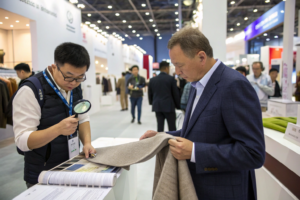
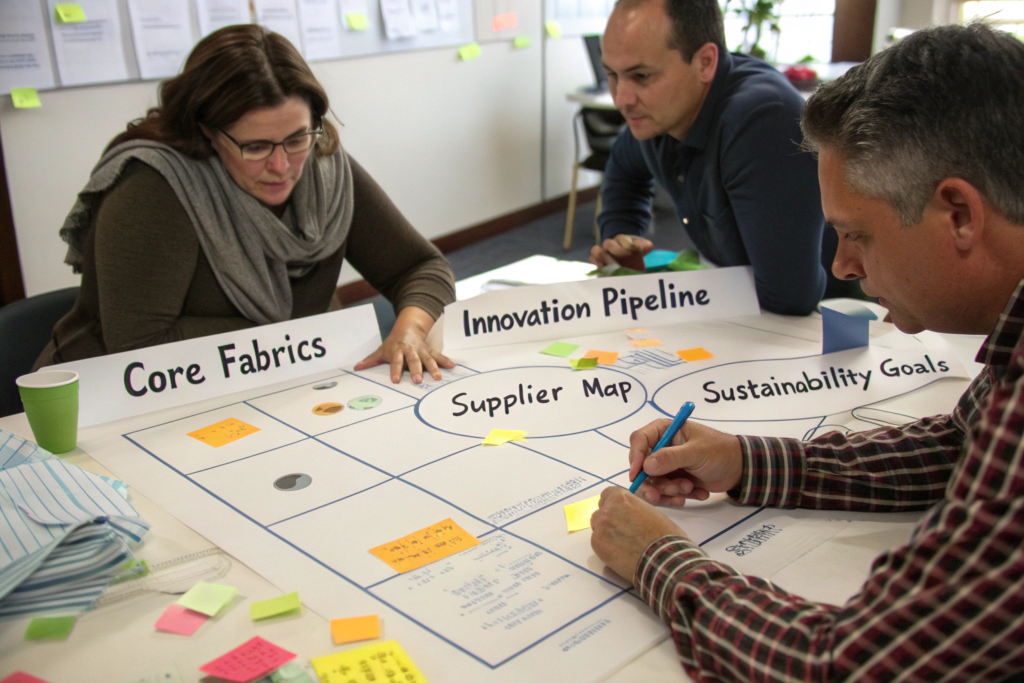
The first step is to understand what you're currently using. What are your core fabrics? Which ones are critical to your brand? Where do they come from? What are their environmental impacts? What are the risks in their supply chains? This audit will show you where you're strong and where you're vulnerable.
I did this exercise with a client and discovered that 80% of their fabric volume came from one mill in one country. They had no backup. The mill was a good partner, but if something happened to them, the brand would stop. We helped them diversify their sourcing while keeping their core quality. Now, they have three mills for their core fabrics.
For a fabric audit template, this sourcing resource offers a framework for assessing your current fabric portfolio.
Step Two: Define Your Requirements
The second step is to define what you need from your fabrics. What are your brand values? What are your sustainability goals? What are your performance requirements? What are your cost targets? What are your lead time requirements? Write them down. Be specific.
I worked with a client who defined their requirements as: 100% organic or recycled fibers by 2028, maximum 30-day lead times, under 5% shrinkage, and OEKO-TEX certification for all fabrics. These requirements guided every sourcing decision. When a supplier couldn't meet them, they moved on.
For a guide to defining fabric requirements, this product development resource offers a framework for fabric specification.
Step Three: Map Your Suppliers
The third step is to map your current and potential suppliers. Who can meet your requirements? Where are they located? What are their capabilities? What are their certifications? What are their lead times? What are their financial stability? This map becomes your sourcing guide.
I have a supplier map that I update every year. It shows which mills are best for which fabrics. It shows which have capacity for rush orders. It shows which are investing in sustainability. When a client needs a specific fabric, I can look at the map and know who to call.
For a guide to supplier mapping, this supply chain resource offers a framework for supplier mapping and assessment.
Step Four: Build Relationships
The fourth step is to build relationships with the suppliers who are strategic to you. Don't treat them as vendors. Treat them as partners. Visit their factories. Get to know their people. Share your plans with them. Give them feedback. When you have a problem, work together to solve it. A supplier who knows you and trusts you will go the extra mile when you need it.
I have a client who visits our factory twice a year. She knows our production manager by name. She knows our QC team. When she has a rush order, we prioritize her. When we have a new development, we show her first. The relationship is the foundation of our partnership.
For a guide to building supplier relationships, this sourcing resource offers a framework for supplier partnership.
What Are the Trends Shaping Fabric Strategy for 2026?
Looking ahead, there are several trends that will shape fabric strategy for the next few years. Understanding these trends helps you prepare.

Regenerative Materials
Sustainability is moving beyond "less bad" to "more good." Regenerative materials are those that restore the environment. Regenerative cotton is grown using practices that improve soil health. Regenerative wool comes from farms that sequester carbon. These materials will become more important as brands move beyond net-zero to net-positive.
Circular Economy
The circular economy means designing products to be recycled at the end of their life. For fabrics, that means using mono-materials (like 100% polyester) that can be easily recycled. It means avoiding blends that are hard to separate. It means designing for disassembly. Circularity will become a requirement, not an option.
Digital Product Passports
The EU's ESPR will require Digital Product Passports for textiles. These passports will contain information about the fabric's origin, composition, and environmental impact. Brands that don't have this information will not be able to sell in Europe. Your fabric strategy must include the ability to trace and document your materials.
On-Demand Manufacturing
On-demand manufacturing—making products after they're ordered—reduces waste and inventory risk. It requires a supply chain that can move quickly. Your fabric strategy must include suppliers who can deliver small quantities quickly and scale up when needed.
AI-Driven Design
AI is changing how fabrics are designed and developed. AI can predict trends, optimize patterns, and even design new weaves. Brands that embrace AI in their fabric development will have a competitive advantage.
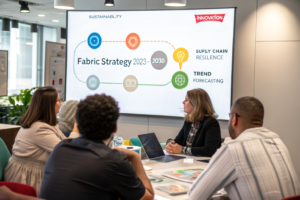
For a guide to these trends and their implications, this future-of-textiles resource offers a forecast for the textile industry 2026-2030.
Conclusion
Your brand needs a fabric strategy for 2026 and beyond because the world has changed. Supply chains are no longer reliable. Sustainability is no longer optional. Innovation is no longer a luxury. Agility is no longer a nice-to-have. The brands that survive and thrive will be the ones that have a plan for their fabrics.
A fabric strategy aligns your materials with your brand identity. It mitigates supply chain risk. It builds sustainability into your products. It creates a pipeline of innovation. It gives you the agility to respond to opportunities and threats. It's not a one-time exercise. It's a living framework that guides your decisions every day.
At Shanghai Fumao, we've been helping our clients develop fabric strategies for years. We've seen the difference it makes. Brands with a strategy are more resilient. They're more innovative. They're more profitable. They're prepared for whatever comes next.
If you don't have a fabric strategy, start today. Audit your current fabrics. Define your requirements. Map your suppliers. Build relationships. Look ahead to the trends that will shape your industry. And find partners who can help you execute your vision.
Contact our Business Director, Elaine, to discuss how we can help you build a fabric strategy for your brand.
Email: elaine@fumaoclothing.com
Let's build a foundation for your future.