I remember a conversation I had with a buyer from a fast-growing online fashion brand about five years ago. He was proud of his operation. Everything was digital. He sourced through online platforms, approved fabrics based on photos and videos, and sold exclusively through his website. He told me that the "touch and feel" test was outdated. "Our customers buy based on images," he said. "So why do I need to touch the fabric?"
I didn't argue with him. I sent him samples anyway. A few weeks later, he called me back. He had approved a jersey fabric based on a photo from another supplier. The photo looked great. When the bulk fabric arrived, it was stiff, scratchy, and completely different from what he expected. He had to scrap the order. "I should have asked for a sample," he told me. "I should have touched it."
That experience taught him what I've learned over twenty years in this business: no matter how good the digital tools get, the touch and feel test is irreplaceable. A photo can show you color. A video can show you drape. But only your hands can tell you how a fabric truly feels. And how a fabric feels determines how your customers will feel about your product.
At Shanghai Fumao, we've embraced digital tools. We have a website. We have virtual showrooms. We send photos and videos to clients around the world. But we still insist on sending physical swatches. We still encourage clients to visit our factory if they can. We still believe that the touch and feel test is the foundation of quality sourcing. In this article, I'm going to explain why that test still matters, what you can learn from touching fabric, and how to do it right.
What Can You Learn from Touching Fabric That You Can't See in a Photo?
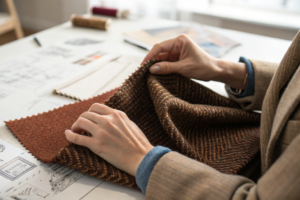
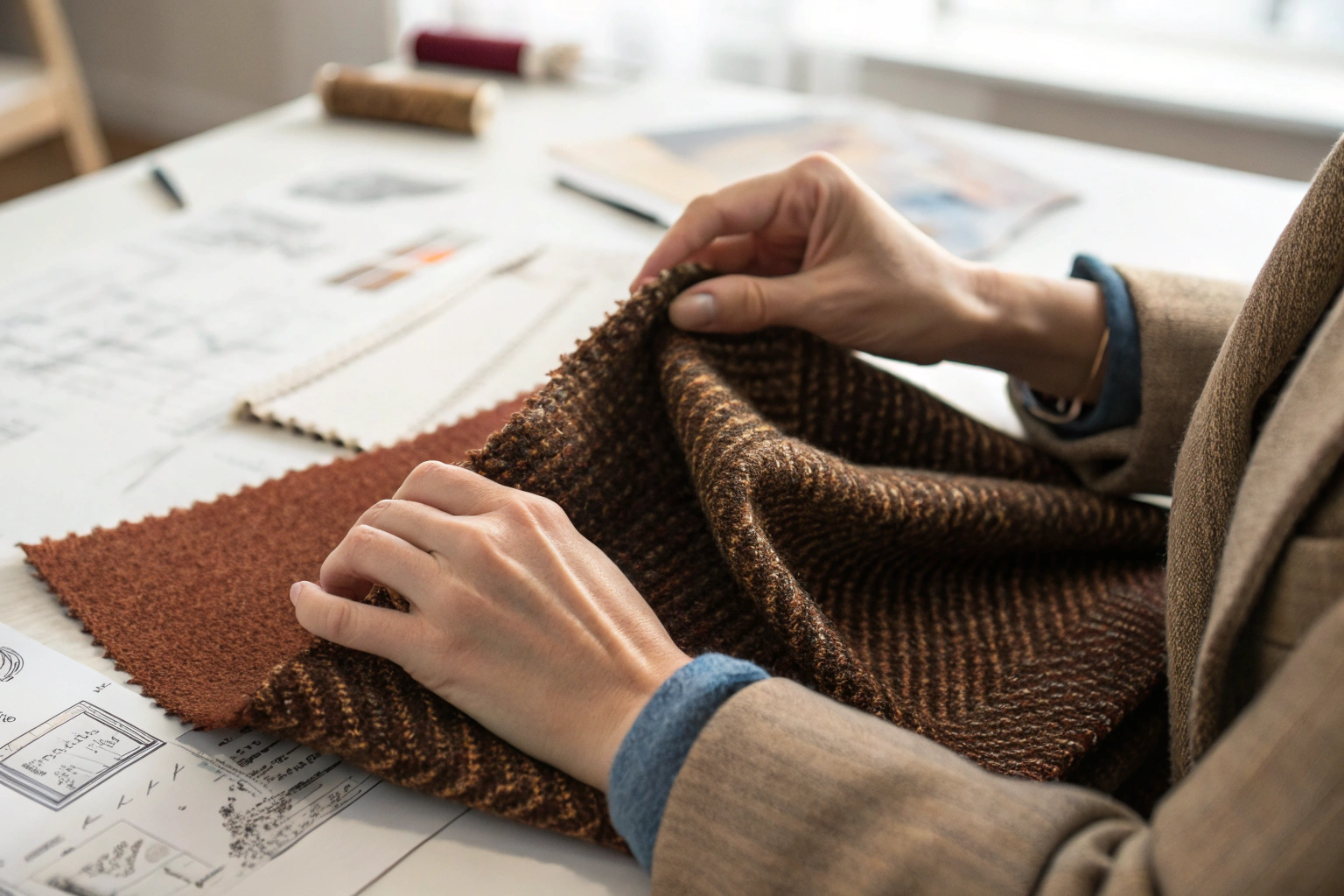
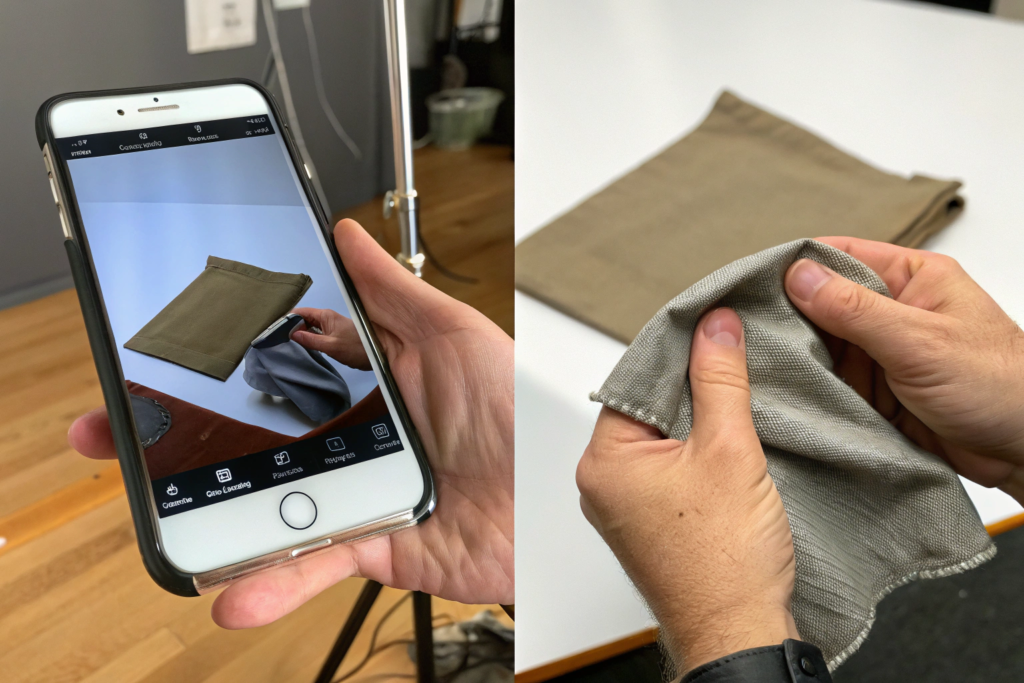
A photo can tell you a lot. It can show you the color, the pattern, the overall appearance. But there's a whole world of information that only your hands can reveal. When I train new buyers, I tell them to close their eyes and feel before they look. Your hands are better sensors than your eyes.
How Does Hand Feel Reveal Fiber Quality?
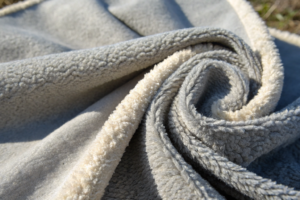
Your hands can tell you immediately whether a fabric is made from quality fibers or cheap substitutes. A high-quality cotton feels soft, smooth, and substantial. A cheap cotton feels thin, rough, or slick from chemical finishes. A quality wool feels springy and resilient. A cheap wool feels scratchy or limp.
I had a client from a luxury bedding brand in the UK who was sourcing Egyptian cotton sheets. He received photos from a supplier showing beautiful, high-thread-count sheets. The price was good. He was ready to order. But I convinced him to ask for a sample first. When the sample arrived, he touched it and immediately knew something was wrong. The fabric was slick and plasticky. It didn't have the natural softness of high-quality cotton. He sent it to a lab for testing. It was a cotton-polyester blend, not 100% Egyptian cotton. The photo had fooled him. The touch revealed the truth.
Your hands can also detect the presence of elastane. A stretch woven should feel comfortable, not rubbery. Your fingers can feel if the elastane is well-integrated or if it's creating a tacky surface. For more on how to evaluate fiber quality by touch, this textile guide offers a sensory approach to fabric assessment.
How Does Drape Reveal Itself Through Touch?
Drape is how a fabric falls and flows. It's critical for garments. A dress needs fabric that drapes beautifully. A jacket needs fabric that holds its shape. You can get some sense of drape from a video, but your hands tell you more.
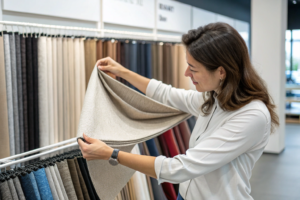
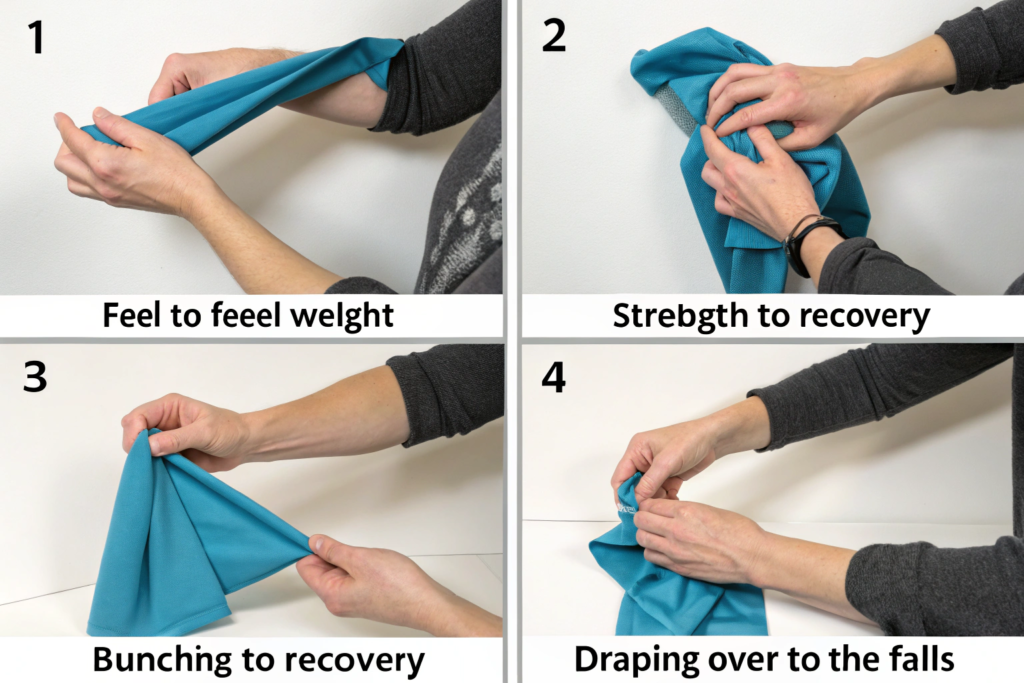
When you hold a fabric, you can feel its weight. You can feel its stiffness or its fluidity. You can bunch it in your hand and see how it recovers. You can let it fall over your arm and see how it behaves. These are tactile experiences that no video can fully replicate.
I remember a client from a bridal wear brand in New York who was sourcing a silk charmeuse. She had seen videos from three different suppliers. All the videos showed beautiful drape. She asked for samples. When the samples arrived, she held them side by side. One was light and fluid. Another was heavier and had a stiffer drape. A third was somewhere in between. The videos had all looked similar. Her hands told her which one was right for her design. She chose the light, fluid one. The gowns turned out beautifully.
For a guide to evaluating drape in fabric, this fashion design resource offers a tactile approach to assessing fabric behavior.
What Are the Hidden Qualities Only Touch Can Reveal?
Beyond the obvious qualities like softness and drape, there are hidden characteristics that only touch can reveal. These are the qualities that determine how a fabric will perform over time. They're often invisible to the eye but critical to the end user.
How Do You Test Stretch and Recovery by Hand?
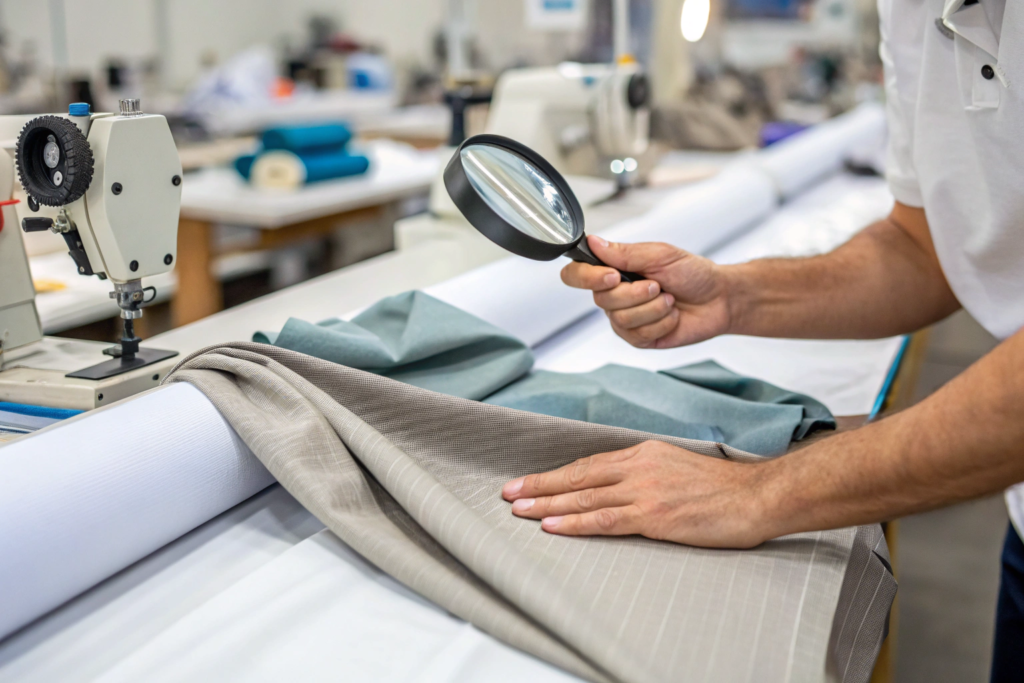
Stretch and recovery are critical for any fabric that will be worn close to the body. A good stretch fabric should stretch easily and return to its original shape. A poor stretch fabric will stretch and stay stretched, or it will feel like it's fighting you.
The hand test is simple. Stretch the fabric between your hands. How much give does it have? Release it. Does it snap back immediately, or does it linger? Does it return to its original dimensions, or does it stay stretched? These are things you can feel in seconds.
I had a client from a sportswear brand in Germany who was sourcing a performance knit for leggings. He had two samples. Both looked similar in photos. He stretched them by hand. One stretched easily and snapped back perfectly. The other stretched, but it felt tight, and it didn't return to shape as quickly. He chose the first one. His customers loved the leggings. The ones with poor recovery would have bagged out at the knees.
Your hands can also detect uneven stretch. If you stretch the fabric across its width, you can feel if it stretches evenly or if there are areas that are tighter or looser. Uneven stretch leads to twisted seams and poor fit. For a technical guide to testing stretch by hand, this quality control resource offers a field guide to stretch fabric evaluation.
How Do You Detect Finishing Issues by Touch?
Finishing is the process that gives fabric its final properties—softness, water resistance, wrinkle resistance, and more. Problems with finishing are often detectable by touch. A fabric that has been over-softened might feel greasy or slick. A fabric that hasn't been properly washed might feel stiff or have a chemical smell. A fabric with a poor water-repellent finish might feel uneven—slick in some areas, rough in others.
I remember a client from a workwear brand in Canada who ordered a fabric with a water-repellent finish. The sample he approved felt great. When the bulk fabric arrived, he touched it and immediately knew something was wrong. It felt uneven. Some areas were slick, others were rough. He sent it to a lab. The test showed that the finish had been applied unevenly across the fabric width. The fabric would have leaked water in some areas. He rejected the order. His hands caught the problem before it became a customer complaint.
Your nose is also part of the touch test. A fabric that has been improperly finished might smell like chemicals or mildew. A good fabric should smell clean and neutral. For a guide to detecting finishing issues, this textile finishing resource offers a checklist of sensory quality checks.
How Do You Conduct a Proper Touch and Feel Test?
The touch and feel test isn't complicated, but it needs to be systematic. If you just hold a fabric for a second and say "feels good," you're missing a lot. You need to put the fabric through a series of movements that reveal its true qualities.
What Is the "Bunch and Release" Test?
The bunch and release test tells you about the fabric's hand feel and its recovery. Take a piece of fabric, about 20 centimeters by 20 centimeters. Bunch it up in your hand, squeezing it tightly. Hold it for a few seconds. Then release it and let it fall.
What do you feel as you bunch it? Is the fabric soft and pliable, or stiff and resistant? Does it feel smooth, or does it have a lot of friction? When you release it, what happens? Does it spring back to its original shape, or does it stay wrinkled? A good fabric for most apparel should recover quickly. A fabric that stays wrinkled will look messy after wearing.
I remember a client from a travel clothing brand in the US who used this test religiously. He was sourcing a wrinkle-resistant fabric for shirts that could be packed in a suitcase and worn without ironing. He bunched and released samples from three suppliers. Two recovered well. One stayed wrinkled. He chose the two with good recovery. His customers loved the shirts.
For more on the bunch and release test, this fabric care guide offers a simple method for evaluating wrinkle resistance.
What Is the "Drape Over Arm" Test?
The drape test tells you how a fabric will behave in a garment. Take a piece of fabric, about 30 centimeters by 30 centimeters. Drape it over your forearm. Let it hang. What do you see? Does the fabric fall in soft, fluid folds, or does it hold a stiff shape? Does it conform to your arm, or does it stand away?
This test is especially important for garments that need to follow the body's curves—dresses, blouses, trousers. A fabric with good drape will look elegant and comfortable. A fabric with poor drape will look stiff and unflattering.
I had a client from a womenswear brand in France who was sourcing fabric for a bias-cut dress. The bias cut requires fabric with exceptional drape. She draped samples over her arm. One fabric flowed beautifully. Another was stiffer and didn't follow the curve of her arm. She chose the flowing fabric. The dress became a bestseller.
For a guide to drape testing, this fashion design resource offers a visual and tactile approach to evaluating fabric fall.
How Do You Combine Digital Tools with Touch?
The touch and feel test isn't an either-or proposition. You don't have to choose between digital sourcing and physical testing. The best approach combines both. Use digital tools for discovery and initial screening. Use physical samples for final approval.
How Do You Use Video to Screen Fabrics Before Touching?
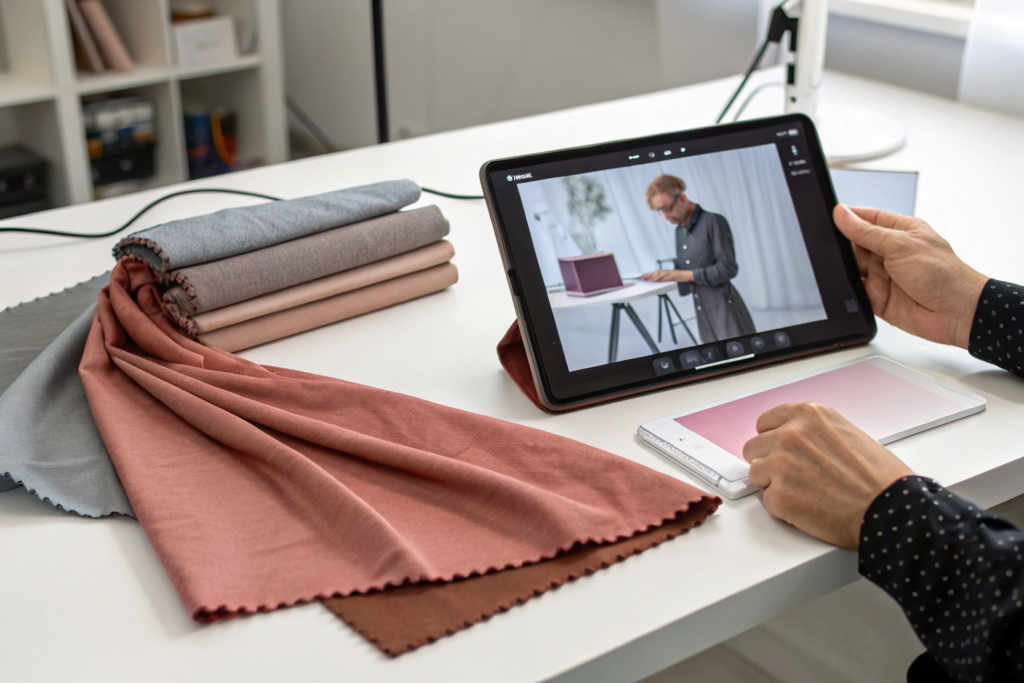
Video is great for the first pass. You can look at hundreds of fabrics in minutes. You can see the color, the pattern, the basic movement. You can eliminate fabrics that are clearly wrong. But video should never be the final approval.
When I work with remote clients, I use video to narrow down options. I'll send them a video of five or six fabrics, showing the color, the drape, the stretch. They choose two or three that look promising. Then I send physical swatches. They touch those swatches, do the bunch test, the drape test. They choose one. That's the one we produce.
I had a client from a brand in Australia who was 8,000 kilometers away. We couldn't meet in person. I sent him videos of 20 different knit fabrics. He narrowed it down to four. I sent him swatches of those four. He did the touch test, the stretch test, the recovery test. He chose one. The bulk order was perfect. The combination of digital and physical worked.
For a guide to using video for fabric evaluation, this sourcing resource offers tips for virtual fabric sourcing.
How Do You Use Physical Samples to Validate Digital Impressions?
Once you have physical samples, you need to validate what you saw in the video. Does the color match? Does the drape match? Does the hand feel match what you expected? Sometimes the video is accurate. Sometimes it's not.
I had a client from a brand in the UK who approved a fabric based on a video. When the physical swatch arrived, she touched it and realized it was much heavier than she expected. The video had made it look lightweight. She went back to the drawing board and chose a different fabric. The video saved her time in the initial screening. The physical swatch saved her from a production mistake.
Your physical sample should also be used for testing. Wash it. Dry it. Wear it. See how it performs. A fabric that feels great in the hand might shrink, pill, or fade after washing. The physical sample is your opportunity to test for real-world performance.
For a guide to integrating digital and physical sourcing, this industry article offers a framework for hybrid fabric selection.
What Are the Risks of Skipping the Touch and Feel Test?
I've seen too many buyers skip the touch test and regret it. The risks are real. A fabric that looks beautiful in a photo can be a disaster in your hands. And that disaster will end up in your customer's hands.
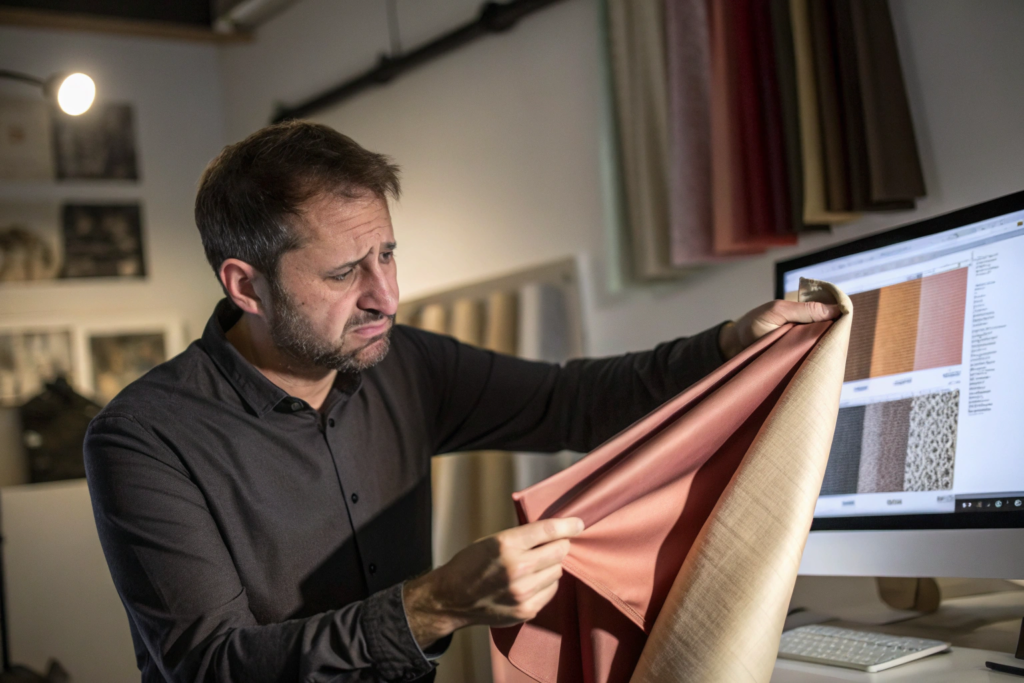
What Are the Cost Implications of Skipping Touch?
The most obvious risk is financial. If you approve a fabric based on a photo and the bulk fabric is wrong, you're stuck. You might have to sell it at a discount, or scrap it entirely. You might have to air freight replacement fabric. You might miss your production window. The cost of a bad fabric order is always higher than the cost of a sample.
I had a client from a children's wear brand in the US who skipped the touch test. He approved a fabric based on a photo. When the bulk fabric arrived, it was stiff and scratchy. It wasn't suitable for children's clothing. He had to scrap 10,000 meters. He lost $50,000. He now asks for samples for every order, no matter how small.
The cost of a sample is negligible compared to the cost of a bad bulk order. A swatch costs a few dollars. A bulk order costs thousands. The math is simple.
For a discussion of the financial risks of skipping sampling, this sourcing guide offers a cost-benefit analysis of fabric sampling.
What Are the Reputational Implications?
Beyond the financial cost, there's the reputational cost. If your fabric is wrong, your customers will feel it. They'll return the product. They'll leave bad reviews. They'll tell their friends. In the age of social media, a bad product can damage your brand overnight.
I remember a brand that launched a line of "ultra-soft" hoodies based on a fabric they had never touched. The fabric arrived and it wasn't soft. Customers complained. The brand had to issue refunds and pull the line. Their reputation took a hit that took years to recover. All because they didn't touch the fabric first.
Your customers will touch your fabric. They'll feel it against their skin. They'll judge your product by how it feels. If you haven't touched it yourself, how can you be confident that they'll love it?
For a discussion of how fabric quality affects brand reputation, this consumer behavior article offers insights into the tactile experience of apparel.
Conclusion
The touch and feel test is not outdated. It's not a relic of a pre-digital era. It's as essential today as it was twenty years ago. A photo can show you color. A video can show you drape. But only your hands can tell you how a fabric truly feels. And how a fabric feels determines how your customers will feel about your product.
The touch test reveals things that no digital tool can capture. It tells you about fiber quality. It tells you about drape. It tells you about stretch and recovery. It tells you about finishing issues. It tells you whether a fabric will perform as promised. It's the final quality check before you commit to production.
But the touch test doesn't have to replace digital tools. The best approach combines both. Use digital tools for discovery and initial screening. Use videos to narrow down options. Use virtual showrooms to see a wide range. Then, when you've narrowed it down, ask for physical swatches. Touch them. Test them. Wash them. Wear them. Only then, approve.
At Shanghai Fumao, we believe in the power of both digital and physical. We have a website, a virtual showroom, and we send videos to clients around the world. But we also send physical swatches. We encourage clients to visit our factory. We believe that the best sourcing decisions are made with both your eyes and your hands.
If you're sourcing fabric, don't skip the touch test. Ask for samples. Take the time to feel them. Do the bunch test. Do the drape test. Test them in real conditions. Your customers will thank you. And your products will be better for it.
And if you need a supplier who will send you samples, who will let you touch before you buy, who believes in the power of physical testing, let's talk. We'll send you swatches. We'll answer your questions. We'll help you make the right decision.
Contact our Business Director, Elaine, to request physical swatches for your next project.
Email: elaine@fumaoclothing.com
Let's make sure your fabric feels as good as it looks.