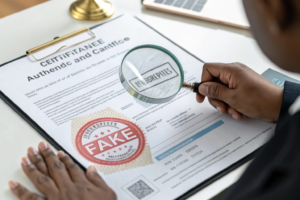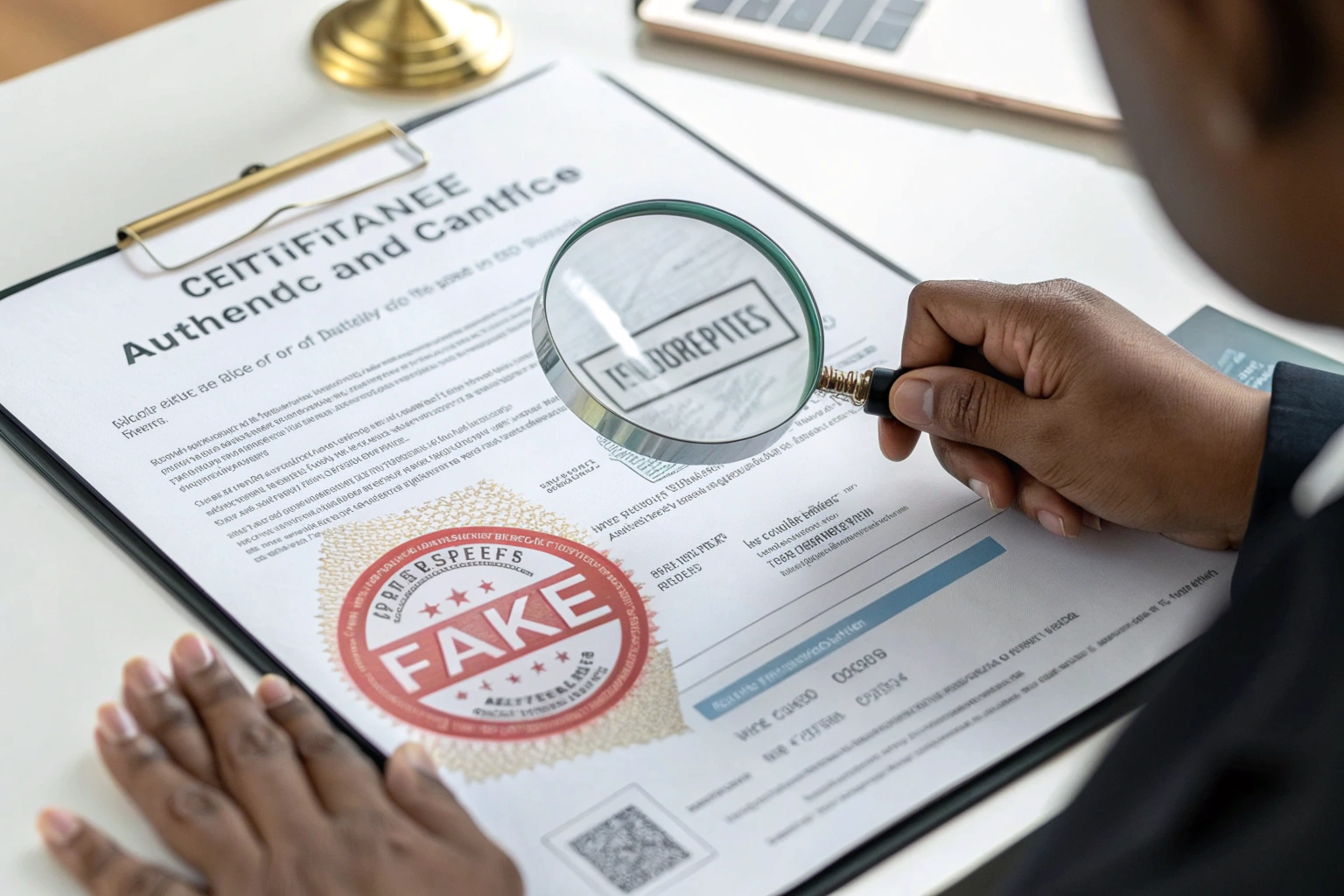
I'll never forget the look on a Dutch buyer's face when I showed him the truth. He'd been working with a "GOTS-certified" supplier in Guangdong for two years. Paid premium prices for organic cotton. Built his entire sustainable brand around their claims. Then a routine random test by a European retailer found pesticide residues. He confronted the supplier. They sent him a GOTS certificate—looked perfect, nice logo, official stamp. But when I checked the certificate number in the GOTS database, it belonged to a completely different company in India. The supplier had photoshopped the name. Two years of trust, thousands of garments, a brand reputation—all built on a lie.
That call still haunts me. Not because the fraud was sophisticated—it wasn't. Because it was so easily preventable.
Here's an uncomfortable truth: certificate falsification happens more than anyone admits. In 20 years in this industry, I've seen fake GOTS certificates, photoshopped OEKO-TEX reports, expired certifications presented as current, and test reports copied from other companies. The reasons are simple: certification is expensive and time-consuming, and some suppliers would rather fake it than earn it. But the damage to buyers—recalls, fines, destroyed brand trust—is devastating.
Let me walk you through why this happens, how to spot the fakes, and most importantly, how to protect yourself so you never become the next cautionary tale.
Why do suppliers take the risk of falsifying certificates?
It's easy to see certificate fraud as pure evil—bad people doing bad things. But understanding the why helps you prevent it. Most falsification comes from pressure, not premeditated malice.
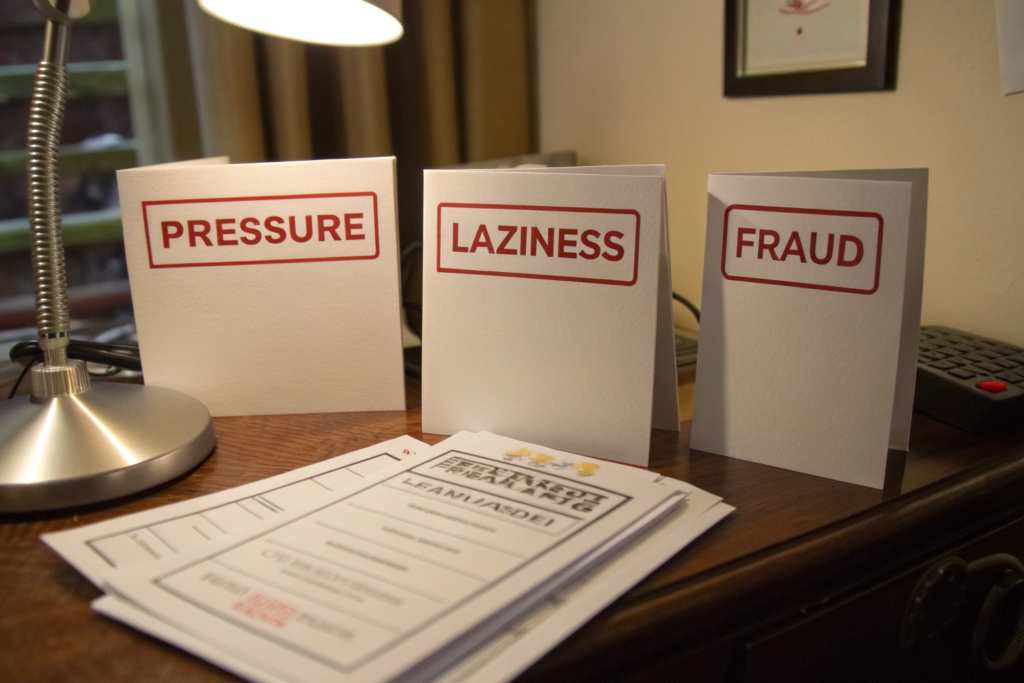
Suppliers falsify certificates for three main reasons: they need a certification to win your order but don't have it (pressure), they have an expired certificate and hope you won't check the date (laziness), or they're deliberately deceptive to charge premium prices for non-premium goods (fraud). The first two are more common than the third, but all three hurt you the same.
Let me give you a real scenario. A factory produces good quality conventional cotton. A buyer asks for GOTS-certified organic. The factory doesn't have GOTS. Getting certified takes 6-12 months and costs tens of thousands of dollars. The buyer won't wait. So the factory thinks: "What if we just... say we're certified? We'll worry about it later." That's how it starts. Not malice, but pressure. The problem is, once they send that fake certificate, they're committed. And you're at risk.
Is certificate falsification common in the textile industry?
More common than anyone wants to admit. Industry surveys suggest 10-20% of sustainability claims may be unsubstantiated. In 2023, the European Commission's enforcement operation found that 42% of green claims were exaggerated, false, or deceptive. And that's just the ones they caught. The problem is particularly bad for:
- GOTS and organic claims (premium pricing incentive)
- OEKO-TEX (often presented as "certified" when only a component was tested)
- Recycled content claims (hard to verify without chain of custody)
- Flame retardant certifications (safety-critical, high-stakes)
The European Commission's 2023 green claims study shows the scale of the problem.
What's the cost of getting legitimately certified?
Understanding this helps you see why some suppliers cut corners. Real certification costs include:
- Audit fees: $5,000-$15,000 for initial audit, depending on certifying body
- Annual renewal fees: $3,000-$8,000 per year
- Implementation costs: Upgrading facilities, training staff, changing processes—often $20,000-$100,000+
- Time: 6-18 months from application to certification
For a small factory, that's a huge investment. When a buyer demands certification but isn't willing to pay premium prices or wait for the process, the temptation to fake it grows. That's why working with certified suppliers—and paying for the value certification provides—is essential.
How can I spot a fake certificate before it's too late?
Most fake certificates aren't sophisticated. They're bad Photoshop jobs, expired documents, or certificates for a different company. You can catch most of them with 10 minutes of checking.
To spot a fake certificate, look for: mismatched company names, expired dates, missing scope details, poor print quality or inconsistent fonts, and certificate numbers that don't exist in the official database. Always verify online with the certifying body—if it's not in their database, it's not real. For test reports, check that the lab is ISO 17025 accredited and that the report includes actual test data, not just a pass/fail summary.
I train our sourcing team to treat every certificate as suspicious until verified. Not because we're paranoid, but because we've seen too many fakes. A client once sent us a "GOTS certificate" from a supplier. Looked perfect. But the certificate number was for a different company. The font was slightly off. The logo was pixelated. Small details, but they added up. We confronted the supplier, and they admitted it—they'd taken a friend's certificate and changed the name. The client walked away, dodging a bullet.
What are the red flags in certificate documents?
When you receive a certificate, check:
- Company name: Does it exactly match the supplier's legal name? Misspellings are common in fakes.
- Address: Does it match the factory location? If the certificate says one city and the factory is in another, be suspicious.
- Dates: Is it current? Most certificates expire annually.
- Scope: Does it actually cover the product you're buying? A GOTS certificate might be for "spinning" only, not "garment manufacturing."
- Certifying body: Is it a legitimate, accredited certifier? Some fake certificates come from fake certifiers.
- QR codes: Scan them. Do they go to the official verification page or a fake site?
The GOTS anti-fraud guidance has examples of real vs. fake certificates.
How do I verify a certificate online?
Every major certification has an online database:
- GOTS: Global Standard public database
- GRS/RCS: Textile Exchange certification database
- OEKO-TEX: OEKO-TEX certificate search
- Bluesign: Bluesign system partners
- BSCI: amfori BSCI platform
- SGS test reports: SGS report verification
If the certificate isn't in the database, it's fake. If the database shows a different company, it's fake. If the database shows expired status, it's not valid. Don't accept excuses—if they were certified, they'd be in the database.
What verification steps should I take before placing an order?
Verification isn't a one-time thing. It should happen at multiple points: before sampling, before bulk production, and before shipment. Each step is a chance to catch problems.
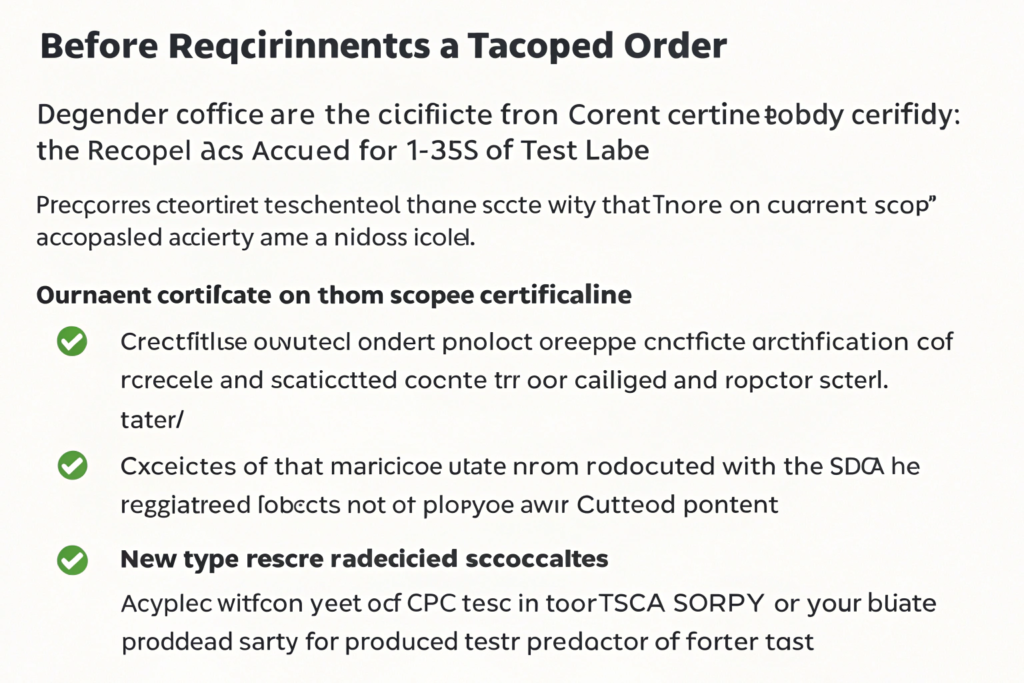
Before placing an order, demand: a current scope certificate from a recognized certifying body, verified online, that covers the specific product category you're buying. For recycled content, request the Transaction Certificates (TCs) showing the chain of custody from raw material to your order. For test reports, ensure they're from an ISO 17025 accredited lab and include the actual test data. And if possible, have a third-party inspector verify during production.
Here's our standard verification protocol for new clients:
- Request scope certificate and verify online
- Request sample test reports from the lab that matches the certificate
- For recycled or organic, request the upstream TCs from their material suppliers
- If everything checks, place a small trial order and test randomly at our lab
- Only then scale to bulk orders
It sounds like a lot, but it takes maybe an hour total and can save you from a disaster.
What are Transaction Certificates and why do they matter?
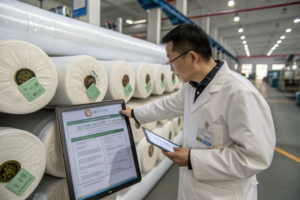
Transaction Certificates (TCs) are the proof of chain of custody for certified materials. When a GOTS-certified yarn is sold to a GOTS-certified fabric mill, the yarn supplier issues a TC. When the fabric mill sells to a GOTS-certified garment factory, they issue a TC. Each TC links back to the previous one. By the time you get the finished garment, there should be a chain of TCs from farm to finished product.
If a supplier claims GOTS certification but can't show you the TC from their fabric supplier for your specific order, they're not actually using certified materials. They might be certified as a factory, but buying non-certified fabric. That means your garment isn't certified, even if the factory is. The Textile Exchange TC guidance explains how these documents should look.
Should I use third-party testing to verify claims?
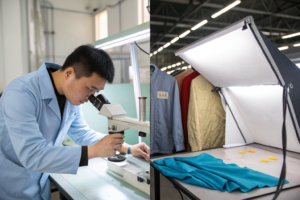
Yes, absolutely. Even with certificates and TCs, random testing is smart. Take samples from your production and send them to an independent ISO 17025 lab (like SGS, Intertek, or Bureau Veritas) for verification. Test for:
- Fiber content (is it really 100% organic cotton?)
- Chemical residues (does it pass OEKO-TEX limits?)
- Recycled content (can be verified through carbon-14 testing)
- Performance claims (is it actually water-resistant to claimed level?)
If the test results don't match the certification, you have a problem. Better to find it before shipping than after. The ISO 17025 laboratory search helps find accredited labs.
How do I build relationships with trustworthy suppliers?
Verification is about catching fraud. But the best protection is working with suppliers who don't need to fake anything. Building relationships with trustworthy partners is the ultimate safeguard.
Trustworthy suppliers share certain traits: they're transparent about their certifications (providing them without being asked), they explain their supply chain when you ask, they welcome audits and inspections, and they don't get defensive when you verify their claims. They also typically have a track record with recognizable brands and can provide references.
At Shanghai Fumao, we don't wait for clients to ask for certificates. We put them on our website. We share them in our proposals. We explain what each one means and how we maintain them. Why? Because transparency builds trust. If a supplier hesitates or makes you jump through hoops to see basic documentation, that's a red flag. Real suppliers with real certifications are proud of them.
What questions should I ask to gauge honesty?
During initial discussions, ask:
- "Can you send me your current scope certificate for GOTS/GRS/OEKO-TEX?"
- "Who is your certifying body and when was your last audit?"
- "Can you share the Transaction Certificates for your last shipment of certified fabric?"
- "Would you be open to a third-party audit or inspection?"
- "Can you provide references from other EU or US buyers who require certifications?"
Watch how they respond. A legitimate supplier will say "of course, here you go." A questionable one will hesitate, make excuses, or say "our certifications are confidential." (They're not—certificates are meant to be shared.) The Better Buying Institute's supplier partnership principles has good guidance on building transparent relationships.
How do I handle it if I discover fraud?
If you find a fake certificate or misrepresentation:
- Stop the order immediately. Do not send more money.
- Document everything. Save the fake certificate, emails, and any payment records.
- Confront the supplier. Give them a chance to explain—sometimes it's an honest mistake (expired certificate they shouldn't have sent).
- Report them. If it's intentional fraud, report to the certifying body and to Alibaba or whatever platform you found them on.
- Walk away. Even if they promise to fix it, the trust is broken. Find another supplier.
I once had a supplier send an expired GOTS certificate, claiming they were "in renewal." I checked the database—they'd been expired for 18 months and hadn't applied for renewal. That's not a mistake; that's deception. We canceled the order and reported them to GOTS. Last I checked, they were no longer listed as certified. The GOTS complaint procedure allows you to report fraudulent claims.
Conclusion
Certificate falsification happens because certification is hard, expensive, and in demand. Some suppliers take the easy way out. But the damage to your brand—recalls, fines, lost customer trust—is far worse than any short-term saving.
The solution isn't blind trust. It's verification. Check every certificate in the official database. Demand Transaction Certificates for chain of custody. Test randomly. Build relationships with suppliers who welcome scrutiny. And when something feels wrong, trust your gut and dig deeper.
At Shanghai Fumao, we've built our reputation on transparency. Our GOTS, GRS, and OEKO-TEX certificates are on our website. Our test reports are available on request. We welcome audits, inspections, and questions. Because we know that in 2026, trust isn't given—it's verified.
If you're tired of wondering whether your supplier's claims are real, let's talk. We'll show you our certifications, walk you through our supply chain, and earn your trust the old-fashioned way: by being honest.
Reach out to our Business Director, Elaine. She manages our compliance documentation and can answer any questions about our certifications. Email Elaine directly at: elaine@fumaoclothing.com. Let's build a partnership based on truth.