
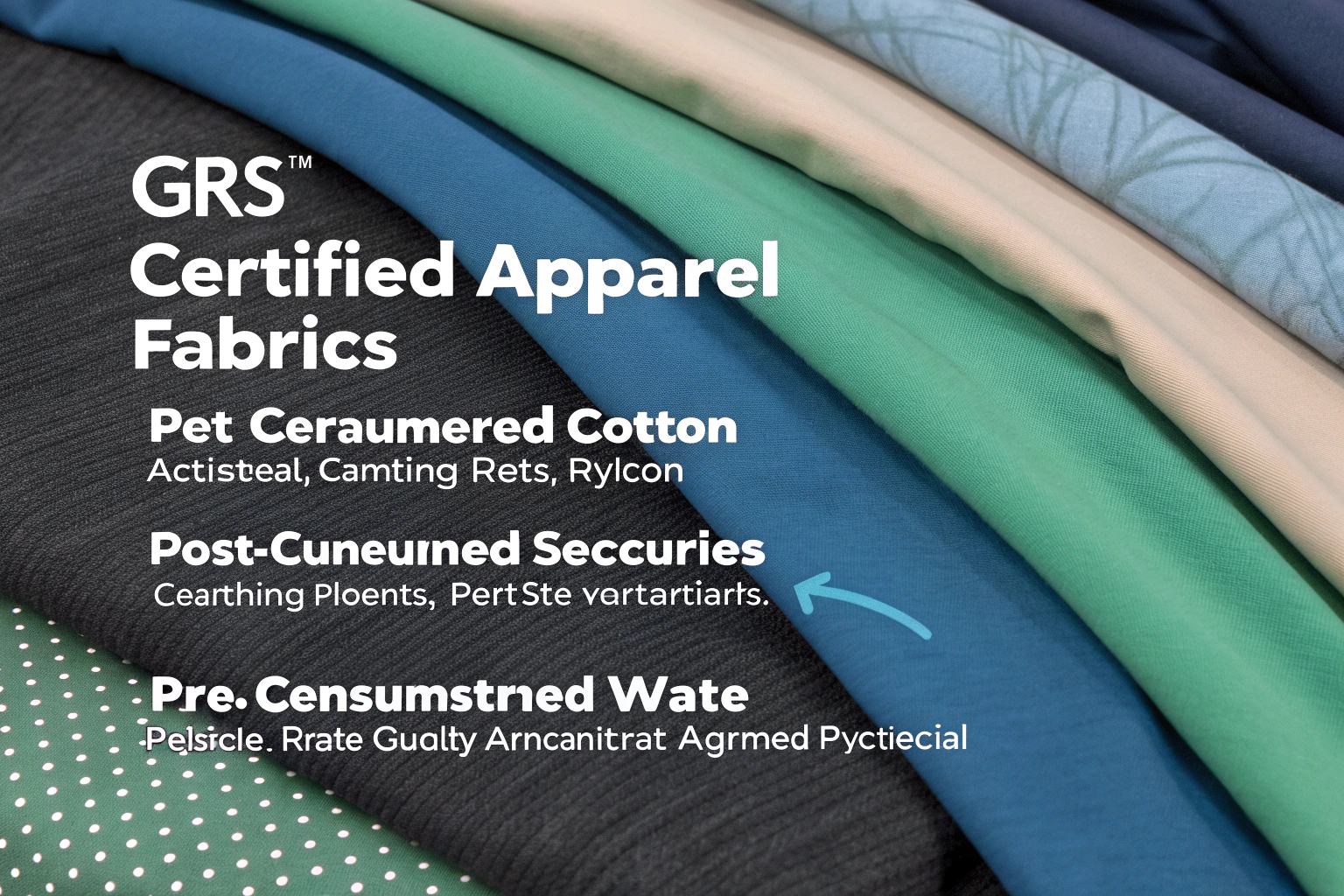
You're developing a sustainable apparel collection and keep hearing about GRS certification. But what recycled materials can actually be used in GRS apparel? Are you limited to basic recycled polyester, or can you create diverse, high-quality collections using various recycled materials that meet consumer expectations for style, comfort, and performance?
GRS certified apparel can utilize multiple recycled materials including polyester from PET bottles and textile waste, cotton from pre-consumer and post-consumer sources, nylon from fishing nets and industrial waste, wool from garment recycling, and various blended materials that collectively reduce fashion's environmental impact while maintaining quality and performance standards. The range of available recycled materials has expanded dramatically, moving beyond basic options to include sophisticated fabrics suitable for diverse apparel categories.
At Fumao Fabric, we've worked with over 20 different GRS certified recycled materials across product categories and price points. The evolution from limited options to diverse material portfolios has been remarkable, driven by both technological innovation and market demand. Let me detail the specific recycled materials available for GRS apparel and how they're transforming sustainable fashion.
What Recycled Synthetics Are Available?
Recycled synthetic fibers represent the most developed category of GRS materials, with established supply chains and proven environmental benefits compared to virgin alternatives.
Available recycled synthetics include polyester from PET bottles and textile waste, nylon from fishing nets and industrial waste, polyamide from various post-consumer sources, and elastane with recycled content - all offering significant environmental advantages while maintaining performance characteristics. These materials have become increasingly sophisticated, matching virgin synthetics in quality and functionality.

How is recycled polyester produced and used?
Recycled polyester dominates GRS synthetics: it's primarily made from post-consumer PET bottles through mechanical or chemical recycling, with textile-to-textile recycling growing rapidly. The material offers 45-55% lower carbon emissions than virgin polyester while maintaining similar performance properties. We've used rPET from post-consumer bottle sources across multiple applications - from lightweight jersey for activewear to heavy-weight fleece for outerwear. The quality has improved so dramatically that even performance brands now confidently use recycled polyester in their technical collections.
What about recycled nylon and other synthetics?
Recycled nylon offers unique benefits: primarily sourced from discarded fishing nets and industrial waste, it provides 50-60% carbon reduction versus virgin nylon while offering excellent durability and recovery. Other recycled synthetics include polyamide from carpet waste and elastane blends with recycled content. The development of recycled nylon has been particularly important for swimwear and activewear brands needing both sustainability and performance. We've worked with mills developing recycled nylon that matches virgin quality in strength, elasticity, and color fastness.
What Natural Fiber Options Exist?
Recycled natural fibers present greater technical challenges but offer important environmental benefits, particularly in reducing water consumption and agricultural impacts associated with virgin natural fibers.
Recycled natural fiber options include cotton from pre-consumer cutting waste and post-consumer garments, wool from used clothing and manufacturing waste, and various blended materials combining recycled natural and synthetic fibers. These materials help close the loop for natural fibers while maintaining their desirable properties.

How does recycled cotton work in GRS apparel?
Recycled cotton comes from two main sources: pre-consumer waste from cutting rooms and textile manufacturing, and post-consumer waste from used garments. The recycling process involves shredding and re-spinning fibers, which typically creates shorter fibers than virgin cotton. This means recycled cotton often gets blended with other fibers for strength. We've developed blended fabrics using recycled cotton that maintain the soft hand-feel cotton is known for while ensuring durability. The water savings are substantial - recycled cotton uses 99% less water than conventional cotton cultivation.
What is the status of recycled wool?
Recycled wool offers luxury sustainability: sourced primarily from used wool garments and manufacturing waste, it provides the warmth and natural properties of wool with significantly lower environmental impact. The challenges include fiber shortening during recycling and color consistency, but technical advancements have improved quality dramatically. We're now producing recycled wool blends that match virgin wool in softness and performance, making them suitable even for premium apparel categories. The carbon reduction compared to virgin wool reaches 60-70%, representing significant environmental benefits.
What Blended and Innovative Materials Are Emerging?
Material innovation is driving the development of sophisticated blends and new recycled materials that expand design possibilities while maintaining GRS certification.
Emerging blended and innovative materials include recycled fiber blends combining multiple material types, performance fabrics with recycled content, luxury materials from unusual waste streams, and technical textiles engineered for specific applications while maintaining recycled content. These materials represent the cutting edge of sustainable apparel development.

How do recycled blends enhance material properties?
Recycled blends combine benefits: polyester-cotton blends offer durability and comfort, wool-synthetic blends enhance performance characteristics, multi-fiber blends create unique textures, and technical blends provide specific functional properties. The blending process allows manufacturers to compensate for limitations in single recycled materials. We've developed a recycled blend for athletic wear that combines the moisture management of recycled polyester with the comfort of recycled cotton, creating a fabric that performs like virgin materials while offering verified sustainability.
What innovative recycled materials show promise?
Several innovative materials are emerging: recycled materials from agricultural waste like pineapple leaves, recycled fibers from coffee grounds and other unusual sources, bio-based synthetics with recycled content, and smart textiles incorporating recycled components. While not all are widely available yet, they represent the future of recycled materials. We're currently testing a fabric made from recycled coffee grounds blended with recycled polyester that offers natural odor resistance - the type of innovation that moves recycled materials beyond basic sustainability to enhanced functionality.
How Do Material Properties Compare to Virgin Equivalents?
Understanding how recycled materials perform compared to virgin equivalents is crucial for design and product development decisions. The performance gap has narrowed significantly across most material categories.
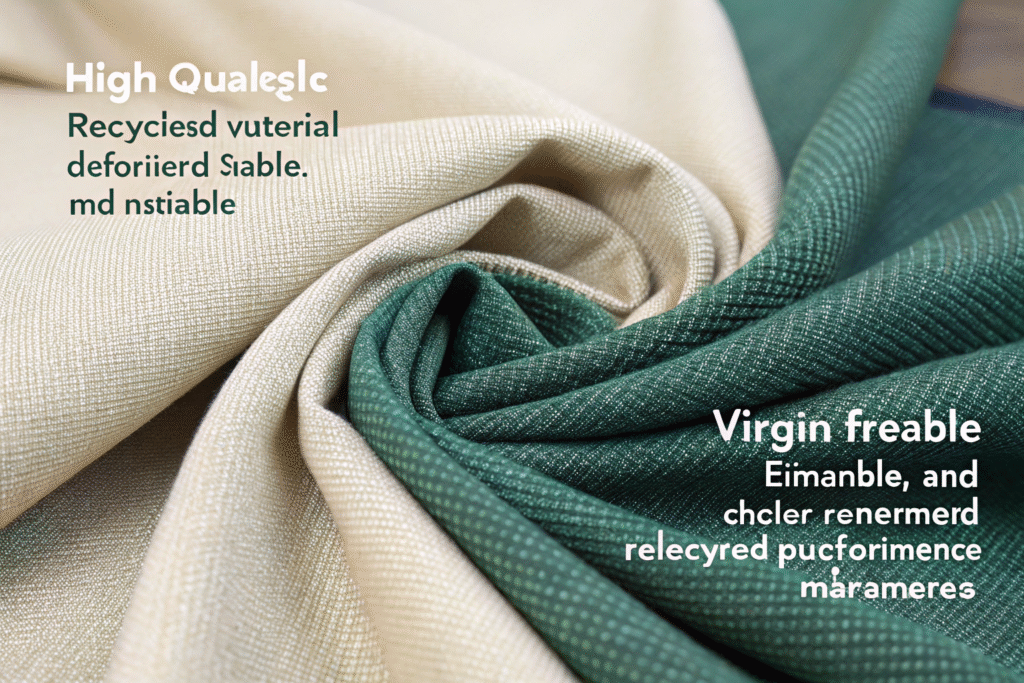
Recycled material properties now closely match virgin equivalents in most performance categories, with some trade-offs in specific areas that can be managed through fabric engineering and blending. The quality improvements have been dramatic, making recycled materials viable for even the most demanding applications.
What are the strength and durability comparisons?
Strength characteristics vary by material: recycled polyester maintains 90-95% of virgin tensile strength, recycled cotton shows 80-85% strength retention requiring careful engineering, recycled nylon matches virgin strength in most applications, and blended materials can achieve virgin-equivalent performance. These comparisons represent significant improvements from early recycled materials that suffered from noticeable quality compromises. We now confidently use recycled materials in products requiring high durability, including workwear and performance athletic apparel.
How do aesthetic qualities compare?
Aesthetic properties have improved dramatically: color consistency now matches virgin materials in most cases, surface texture and hand-feel are virtually indistinguishable, drape and movement characteristics meet expectations, and finishing options provide design flexibility. The aesthetic improvements have been crucial for fashion brands adopting recycled materials. Where early recycled fabrics often had visual inconsistencies, current materials meet the aesthetic standards of discerning designers and consumers.
What Are the Environmental Impacts of Different Materials?
Different recycled materials offer varying environmental benefits, understanding which helps brands make informed decisions based on their specific sustainability priorities.
Environmental impacts vary significantly between recycled materials: synthetics like polyester offer major carbon reductions, natural fibers like cotton provide substantial water savings, innovative materials utilize waste streams differently, and each material has unique processing considerations. This diversity allows brands to select materials aligned with their environmental priorities.

How do carbon footprints compare?
Carbon reduction varies by material: recycled polyester reduces emissions by 45-55% versus virgin, recycled nylon offers 50-60% reduction, recycled cotton provides 80-85% reduction, and recycled wool achieves 60-70% reduction. These savings represent the full lifecycle from raw material to finished fabric. The comprehensive lifecycle assessments of recycled versus virgin materials demonstrate that the carbon benefits are substantial and verified across material categories.
What about water and chemical impacts?
Water savings are particularly significant for natural fibers: recycled cotton uses 99% less water than conventional cotton, recycled wool reduces water consumption by 85-90%, while synthetics show smaller direct water savings but reduce pollution. Chemical usage varies with processing requirements, but GRS certification ensures proper chemical management regardless of material type. These differential impacts mean brands can select materials based on which environmental benefits matter most for their sustainability strategy.
How Are Supply Chains for Recycled Materials Evolving?
The availability and reliability of recycled material supply chains have improved dramatically, addressing what was once a major barrier to widespread adoption of GRS certified apparel.
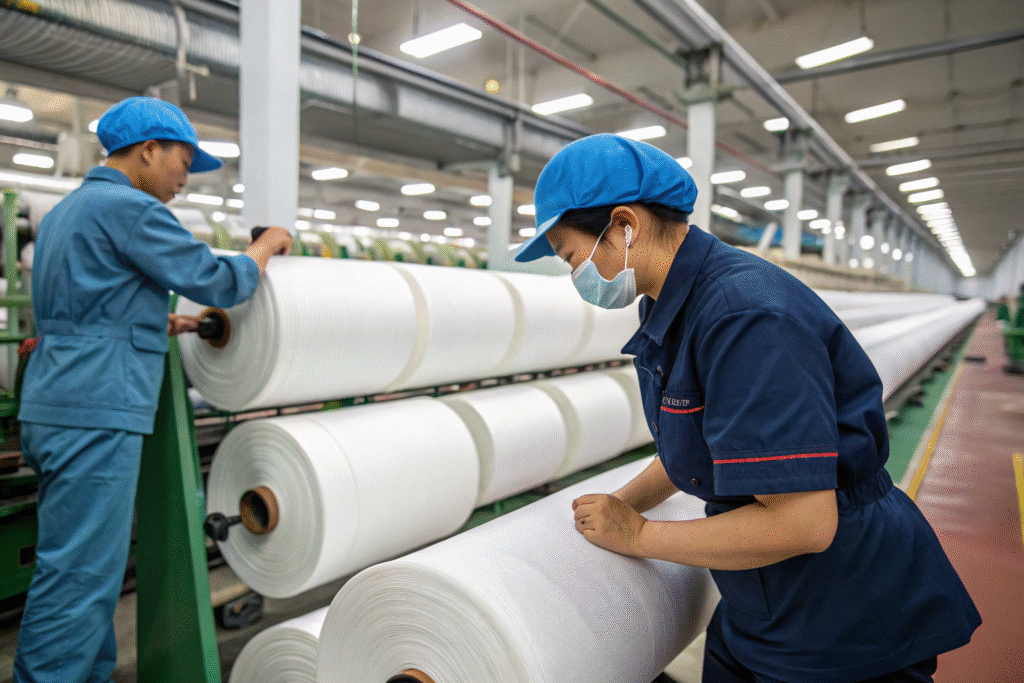
Recycled material supply chains are evolving through increased collection infrastructure, improved sorting technologies, expanded processing capacity, enhanced traceability systems, and growing market demand that collectively support reliable access to quality recycled materials. These improvements have transformed recycled materials from niche options to mainstream choices.
How has material availability changed?
Availability has improved significantly: recycled polyester is now widely available in various constructions, recycled cotton supply has expanded with better collection systems, recycled nylon availability has grown with increased fishing net recovery, and specialty materials are becoming more accessible. This availability means brands can now develop complete collections using recycled materials rather than just limited capsule lines. We've seen our recycled material options triple since 2020, with quality improvements accompanying the expanded selection.
What traceability systems support recycled materials?
Traceability has enhanced credibility: blockchain systems track materials from source to product, certification systems verify recycled content claims, testing protocols confirm material composition, and documentation requirements ensure accurate reporting. These systems address the "black box" problem that previously made brands hesitant about recycled material claims. The improved traceability has been crucial for brands needing to verify and communicate their sustainability achievements to increasingly skeptical consumers.
Conclusion
The landscape of recycled materials for GRS apparel has transformed from limited basic options to a diverse portfolio of materials spanning synthetics, natural fibers, blends, and innovations that meet various design, performance, and price requirements. The quality improvements have been particularly dramatic, eliminating the compromises that previously hindered recycled material adoption.
The environmental benefits across material categories are significant and verified, allowing brands to select materials based on their specific sustainability priorities while maintaining quality standards. The evolution of supply chains and traceability systems has addressed reliability concerns, making recycled materials viable for mainstream fashion rather than just niche sustainable collections.
At Fumao Fabric, our experience with diverse GRS recycled materials has demonstrated that sustainable apparel no longer requires compromising on style, performance, or accessibility. The materials exist, the systems work, and the market is ready. If you're developing GRS certified apparel and need guidance on material selection, contact our Business Director, Elaine, at elaine@fumaoclothing.com to discuss how recycled materials can meet your design, performance, and sustainability requirements.




One Response
Playing io, my dudes! Heard good things and gave it a shot. So far, so good. Give it a whirl! Check it out: playing io