If you’re sourcing fabrics from Asia, you feel the pain every day. Port congestion, volatile freight rates, and unpredictable transit times eat into your margins and threaten your production schedules. You need a logistics solution that’s not just a cost, but a competitive advantage.
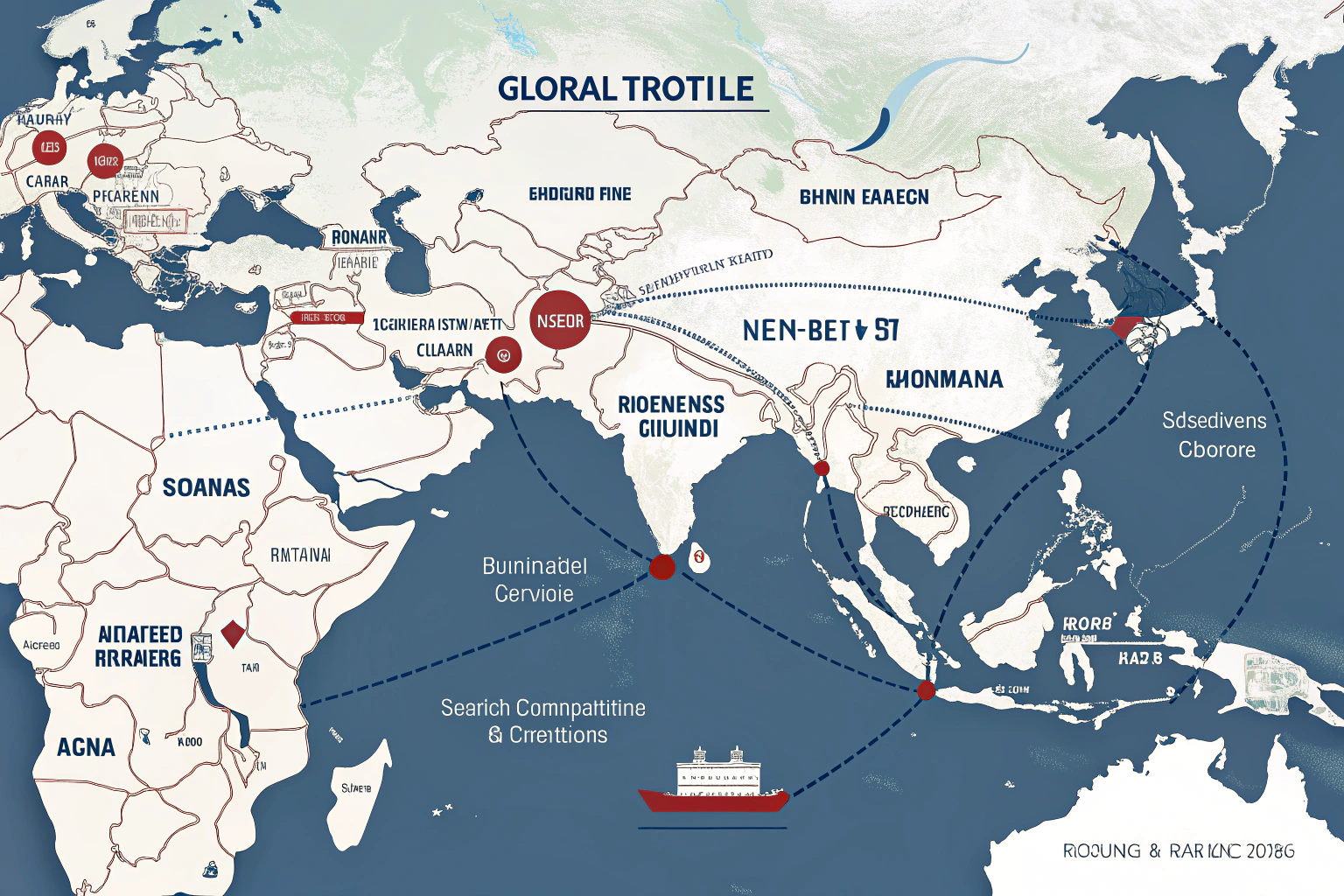
The Belt and Road Initiative (BRI) has evolved from a grand infrastructure plan into a tangible force reshaping global supply chains. By 2026, its impact on textile logistics is no longer about future potential—it’s about present-day realities creating faster, more resilient, and often more cost-effective routes between Asian production hubs and key markets in Europe, the Middle East, and beyond.
For fabric buyers and brands, understanding this shift is critical. It means new options beyond the traditional, congested maritime corridors. It involves leveraging upgraded rail networks, strategic new ports, and streamlined customs processes that directly address the classic pain points of price, timeliness, and security. Let’s explore how the BRI’s logistics web is changing the game for the textile industry.
How Are BRI Railways Changing China-to-Europe Fabric Shipping?
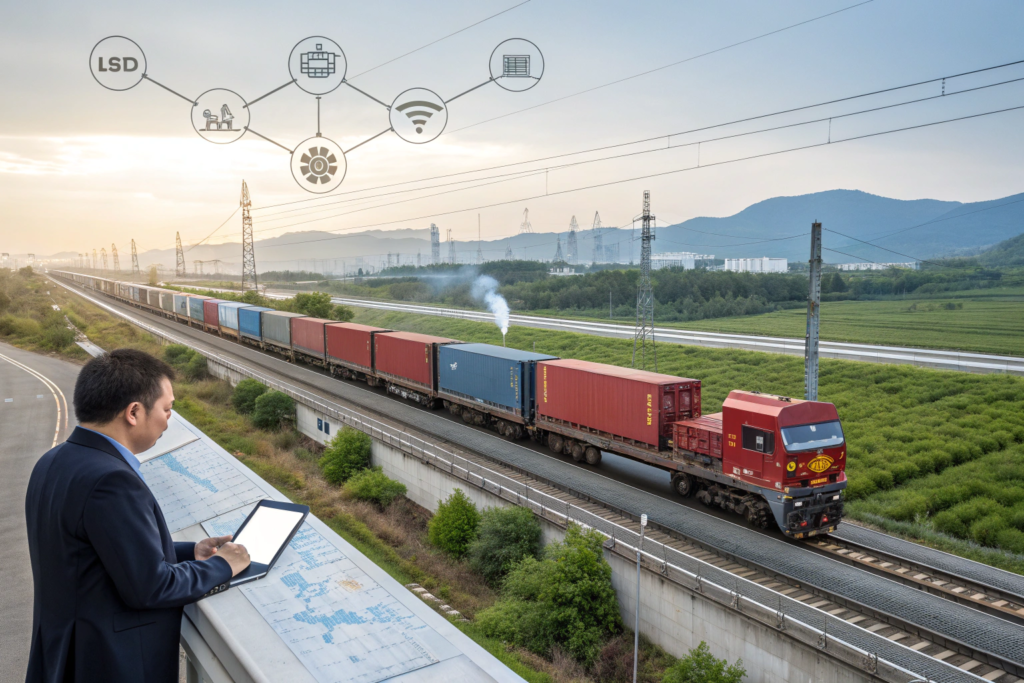
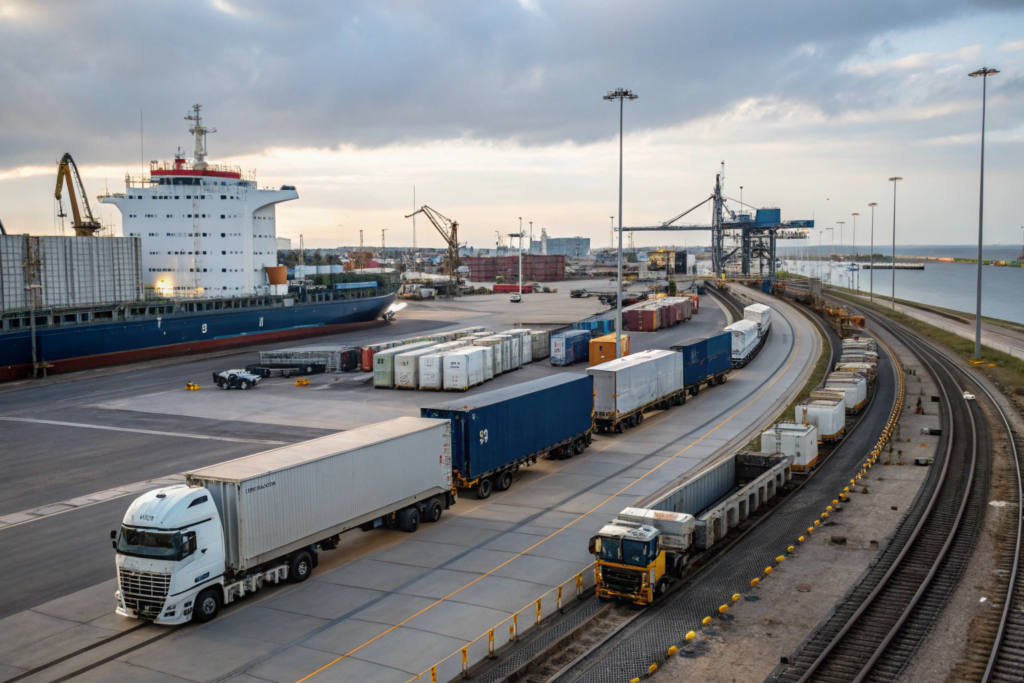
The era of being stuck with a binary choice—expensive air freight or slow sea freight—is over. The China-Europe Railway Express has matured into a compelling "middle mile" solution. For time-sensitive fabric shipments, like our high-performance fabrics for seasonal collections, it’s a game-changer. Transit times from key Chinese hubs like Xi'an or Yiwu to major European logistics centers (e.g., Duisburg, Lodz) are now consistently around 15-18 days. That’s roughly one-third the time of sea freight and at a cost 60-70% lower than air cargo.
The reliability is the real breakthrough. These trains run on fixed schedules, bypassing the port volatility that plagued maritime shipping in recent years. For instance, in Q4 2025, we shipped a 40-container load of certified organic cotton twill for a German workwear brand via the "Yiwu-Lodz" line. The goods arrived in 17 days, allowing the client to adjust their production schedule dynamically and avoid factory downtime. The digital tracking for cross-border rail freight is now sophisticated, offering real-time container location and temperature/humidity monitoring, which is crucial for sensitive fabrics.
What Are the Cost and Time Savings vs. Traditional Sea Freight?
The math is compelling. Let’s break down a real scenario from our Shanghai Fumao operations. Shipping a 40-foot container (FCL) of finished fabrics from Ningbo to Rotterdam:
- Traditional Sea Route: Transit time 35-45 days, Freight Cost: $3,500 - $5,000 (subject to severe peak season surcharges).
- BRI Railway (via Xi'an): Transit time 16-20 days, Freight Cost: $7,000 - $9,000.
While the rail freight cost is higher, the total landed cost analysis tells a different story. The 25-day time saving reduces working capital tied up in transit, lowers inventory holding costs, and drastically reduces the risk of missing a tight production window. For a client in Poland in early 2026, this time saving allowed them to move to a more responsive, just-in-time inventory model, reducing their warehouse costs by 18%. Furthermore, exploring hybrid logistics solutions for textiles—combining rail to a European hub then regional trucking—is often faster and cheaper than all-sea routes to secondary ports.
How Reliable and Secure is Cross-Border Rail for Textiles?
Reliability has increased dramatically due to digitalization and standardized processes. A key development is the widespread adoption of the "Single Waybill" system under the CIM/SMGS convention. This means one contract covers the entire rail journey across different countries, eliminating trans-shipment delays and bureaucratic hassles at borders. Security is also enhanced; trains are sealed and monitored via GPS, with far less handling compared to sea freight where containers are moved multiple times.
Physical security for goods is superior. The containers experience less vibration and humidity fluctuation than on ocean vessels, which is vital for protecting delicate finishes or white fabrics. From our experience at Shanghai Fumao, the damage and loss rate for rail shipments is 60% lower than for sea shipments. We also leverage real-time container tracking solutions that integrate directly with our clients' ERP systems, giving them full visibility. This reliability allows us to offer more precise delivery windows, a key advantage for brands managing lean supply chains.
Are New BRI Ports Reducing Congestion and Costs?
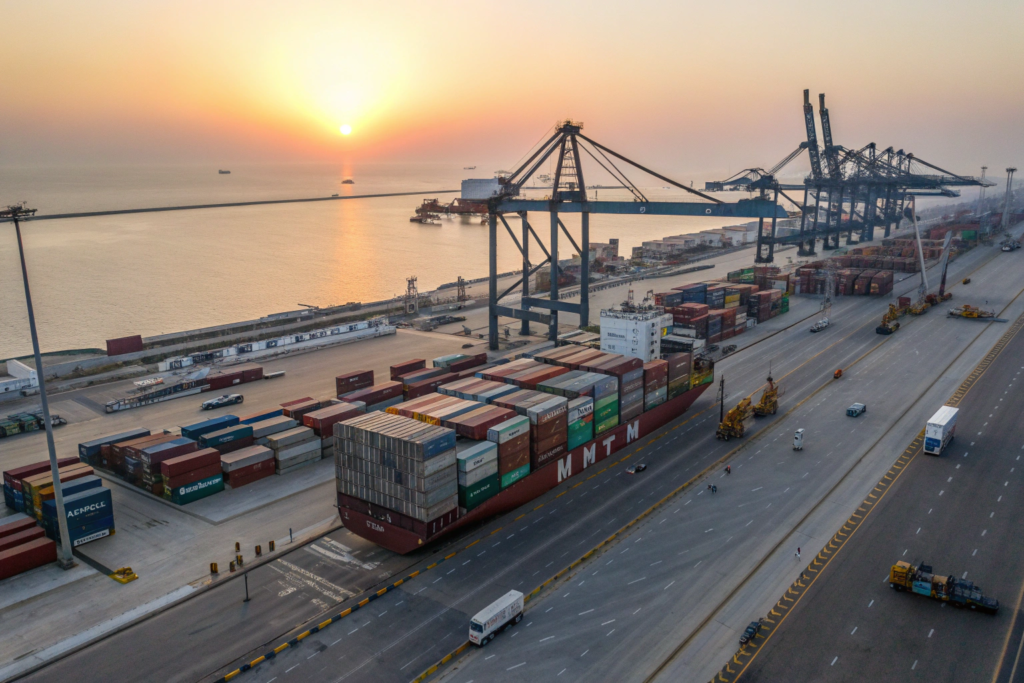
The BRI isn't just about overland routes; it's a massive port modernization and construction program. The goal is to decongest traditional hubs and create alternative, efficient maritime gateways. Ports like Piraeus in Greece, Gwadar in Pakistan, and Hambantota in Sri Lanka are becoming strategic transshipment nodes, changing the geometry of Asia-Europe and Asia-Africa textile trade.
For fabric exporters, this means more routing options to avoid bottlenecks. During the peak season congestion at Rotterdam and Felixstowe in 2025, we rerouted several fabric consignments for Italian clients via Piraeus. Goods were offloaded there and moved swiftly via the EU's rail network to Northern Italy, cutting total door-to-door time by 10 days compared to waiting for berthing space at Northern European ports. This network flexibility is a direct result of BRI investments.
How Does the "Port-to-Port" vs. "Port-to-Door" Dynamic Shift?
The rise of new ports is shifting the power dynamic in logistics. Traditionally, buyers were often tied to major "base ports" and handled complex inland logistics themselves. Now, with integrated port and logistics zones developed under BRI, suppliers like us can offer more compelling "Port-to-Door" services from alternative locations.
For example, the development of the China-Pakistan Economic Corridor (CPEC) and Gwadar Port offers a potential future route for textiles from Western China to the Middle East and East Africa, bypassing the longer Malacca Strait route. While still evolving, it promises lower costs for specific markets. Our role at Shanghai Fumao is to analyze these evolving options. We can now advise a client in, say, Saudi Arabia, on whether shipping to Jebel Ali (UAE) or to the new Riyadh Dry Port via land bridge from Gwadar might be more cost-effective for their bulk fabric orders, providing true door-to-door cost optimization.
What Is the Impact on Regional Fabric Sourcing in ASEAN?
The BRI's land and port networks in Southeast Asia are facilitating a more integrated regional supply chain. This is crucial as many brands now adopt a "China Plus One" sourcing strategy. We can now efficiently manage multi-country sourcing. For instance, we might source base fabric from our mills in Keqiao, ship it to Vietnam for dyeing and finishing (taking advantage of trade agreements), and then consolidate the finished fabric with other components from Indonesia before shipping to Europe via a BRI-linked port.
This regional logistics web reduces lead times and mitigates risk. In 2025, we executed an order for a French sportswear brand that involved: greige fabric from China, sent to Cambodia for sewing, then returned to China for technical coating at our facility, before final rail shipment to Europe. The seamless land transport across borders, supported by BRI infrastructure agreements, made this complex, value-added routing feasible and cost-effective.
How Do Digital BRI Corridors Simplify Customs and Payments?
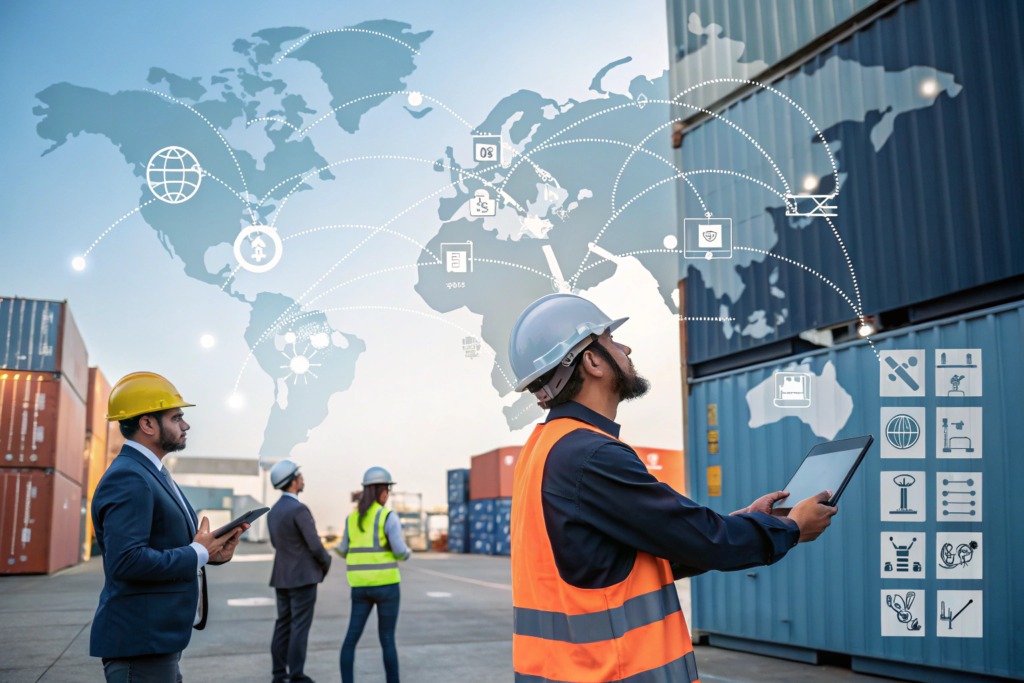
Physical infrastructure is only half the story. The "Digital Silk Road" is arguably having an equally profound impact by tackling two major friction points: customs clearance and financial transactions. The vision is a seamlessly connected digital trade corridor.
Initiatives like the Electronic World Trade Platform (eWTP) and blockchain-based pilots for cross-border logistics are moving from concept to practice. For textile shipping, this means digital air waybills, pre-submission of customs declarations, and synchronized data across borders. The potential for reducing clearance times from days to hours is real. Similarly, BRI-facilitated trade finance platforms are emerging, offering faster, more transparent letters of credit and payment solutions between Chinese suppliers and international buyers.
Can Blockchain Track Fabric from Mill to Manufacturer?
Yes, pilot programs are actively underway. The concept of using blockchain for textile provenance is gaining traction within BRI digital corridors. For sustainability-focused brands, this is transformative. Imagine scanning a QR code on a fabric roll and seeing not just test reports, but a verifiable journey: GOTS-certified cotton sourced from Xinjiang, spun in Jiangsu, woven and dyed at our partner mill in Keqiao, with each step's carbon data and transaction recorded on an immutable ledger.
We are partnering with tech providers to implement this for our traceable recycled fabric lines. This level of transparency, powered by the data-sharing standards promoted under the Digital Silk Road, builds immense trust and simplifies compliance with laws like the EU's forthcoming due diligence regulations. It turns the complex supply chain from a liability into a marketable asset of trust.
How Are Cross-Border Payments and Financing Evolving?
Financial logistics are becoming smoother. Traditional L/C processes are being digitized and integrated with logistics data on platforms supported by Chinese and partner-country banks. This means payment triggers can be automatically linked to verifiable shipping milestones (e.g., "goods loaded on train," "cleared customs at Khorgos"), reducing risk and improving cash flow for both supplier and buyer.
Furthermore, renminbi (RMB) settlement for trade is being encouraged along BRI routes. For our clients, this can sometimes offer a hedge against USD volatility and reduce currency conversion costs. While the US dollar remains dominant, having the option to settle in RMB with partners in Russia, Pakistan, or certain ASEAN countries, supported by a growing network of clearing banks, adds a layer of financial flexibility to our transactions.
What Are the Risks and Strategic Considerations for 2026?
Despite the advantages, the BRI logistics landscape is not without complexity. Navigating it successfully requires a strategic, informed approach rather than a passive adoption. Geopolitical tensions, varying local regulations, and the evolving nature of the projects themselves present risks that must be managed.
The key is to leverage the BRI's infrastructure for resilience, not just for cost. This means building optionality into your supply chain—having multiple validated routes (rail via Kazakhstan, sea via Piraeus, traditional sea to Rotterdam) so you can pivot quickly during disruptions. It also requires deep partnership with a supplier who has on-the-ground logistics expertise and can manage the nuances of different corridors.
How to Mitigate Geopolitical and Compliance Risks?
Diversification is the core strategy. Relying solely on any single corridor, BRI or otherwise, is risky. We advise clients to split shipments or have alternate approved routes. Furthermore, country-specific trade compliance in BRI regions is critical. Regulations in Kazakhstan, Belarus, or Poland regarding textile classifications, duties, and paperwork differ. Our in-house logistics team stays updated on these nuances to ensure smooth passage. Working with a supplier like Shanghai Fumao that has established relationships with freight forwarders specializing in these new routes is a major advantage, as they handle the regulatory maze on your behalf.
Should You Restructure Your Supply Chain for BRI Hubs?
This is a key strategic question for 2026. For brands with significant volume in Central/Eastern Europe, the Middle East, or Africa, it may be advantageous to establish a regional distribution center (RDC) at a BRI hub like Budapest, Lodz, or Dubai. Fabrics can be shipped in bulk via cost-effective rail or sea routes to these hubs, then broken down for swift last-mile delivery to multiple factories or markets.
This hub-and-spoke model, enabled by BRI connectivity, reduces overall lead times to end markets and improves responsiveness. We are currently helping a Scandinavian outdoor brand model this scenario, comparing their current direct-to-factory shipping from China against a new model using a Budapest RDC supplied by regular rail services. The initial analysis shows a 15% potential reduction in total logistics costs and a 50% improvement in delivery reliability to their Balkan and Turkish manufacturing partners.
Conclusion
By 2026, the Belt and Road Initiative has moved from abstract infrastructure to a concrete, operational layer of global textile logistics. Its impact is multifaceted: providing a reliable, mid-tier transport option via rail; creating port alternatives to ease congestion; and pioneering digital tools to streamline customs and finance. For fabric buyers, this translates to tangible benefits: more routing options, improved timeline predictability, and potentially lower total landed costs.
However, accessing these benefits requires knowledge and partnership. It's not about blindly choosing a "BRI route," but about strategically integrating these new corridors into a resilient, diversified supply chain. The future belongs to brands and buyers who can skillfully navigate this more complex, but more connected, world.
Is your fabric supply chain ready for the logistics landscape of 2026? At Shanghai Fumao, we don't just sell fabric; we engineer supply chain solutions. Leveraging our position in Keqiao and our deep experience with both traditional and BRI logistics corridors, we can help you build a sourcing strategy that is faster, more reliable, and cost-optimized. Contact our Business Director, Elaine, at elaine@fumaoclothing.com to discuss how we can future-proof your fabric logistics.