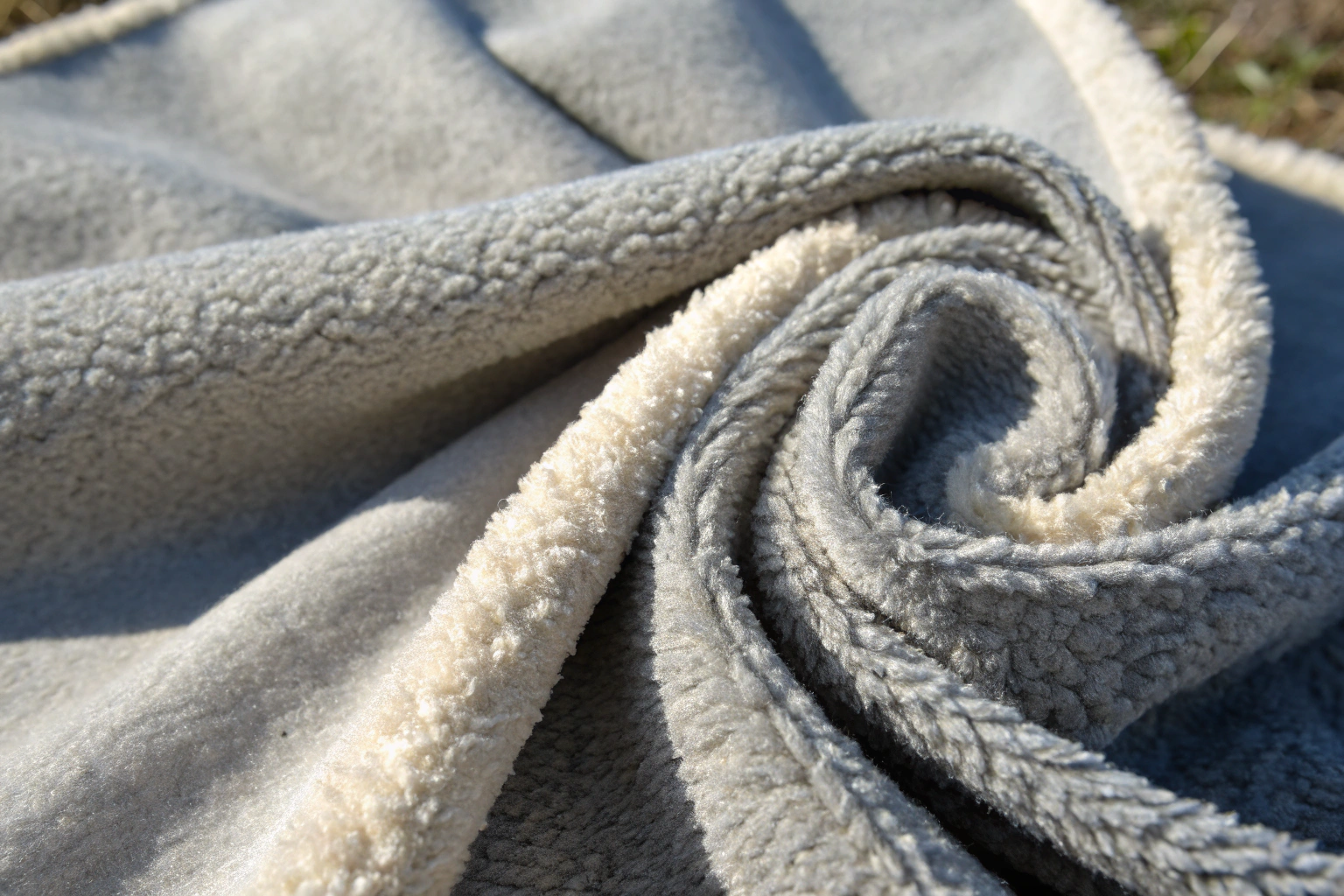
I remember a conversation with a client from a sportswear brand in the US about ten years ago. He was launching a new line of hoodies and wanted to use fleece. But he was confused. He had been talking to different suppliers, and some were calling it a knit, others were calling it a woven. He wasn't sure what he was actually buying. "Is fleece a knit or a woven?" he asked me. "And does it even matter?"
That question has come up more times than I can count over the years. Fleece is one of those fabrics that everyone knows but few people really understand. It's soft, it's warm, it's comfortable. But technically, what is it? And does the classification matter for how you source it, how you sew it, and how it performs?
The answer is simple: fleece is a knitted fabric. But that simple answer hides a lot of complexity. There are different types of fleece—from lightweight microfleece to heavy Sherpa. There are different knitting structures—terry, French terry, polar fleece. And there are different finishing processes that turn a basic knit into the soft, fuzzy fabric we all love.
At Shanghai Fumao, we produce and supply fleece fabrics for clients around the world. We've made fleece for hoodies, for sweatpants, for blankets, for jackets, for baby clothes. In this article, I'm going to break down what fleece actually is, how it's made, the different types, and what you need to know when sourcing it.
What Is Fleece Fabric Technically?
Let's start with the technical definition. Fleece is a knitted fabric that has been brushed or raised on one or both sides to create a soft, fuzzy surface. The base structure is almost always a knit—usually a weft knit like a jersey or a terry. The brushing process lifts fibers from the surface, creating the characteristic fleece texture and insulating air pockets.
Why Is Fleece Considered a Knit, Not a Woven?
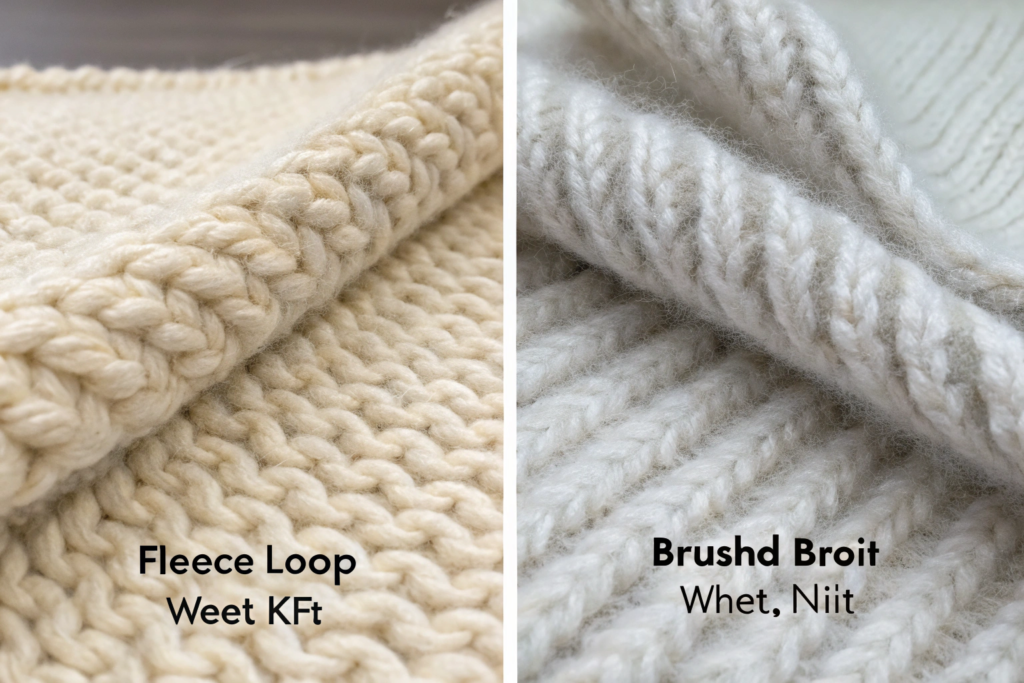
The confusion comes from the fact that fleece doesn't look or feel like a typical knit. A standard jersey knit is smooth and flat. Fleece is fuzzy and textured. But the underlying structure is knit. The fabric is made on a circular knitting machine, which creates a tube of fabric with interlooped yarns. That's the definition of a knit.
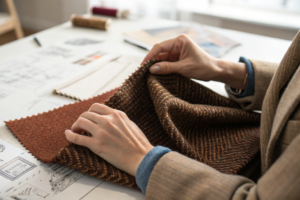
Woven fabrics, by contrast, are made on a loom with warp and weft yarns interlaced at right angles. A woven fabric has no natural stretch (unless elastane is added). A knit, including fleece, has natural stretch because of the looped structure. That's a key difference. If you pull a piece of fleece, it stretches. If you pull a woven, it doesn't (or stretches much less).
I had a client from a workwear brand in Canada who ordered a fleece-lined jacket from another supplier. When the fabric arrived, it was actually a woven with a brushed finish, not true fleece. The jacket didn't have the stretch or the comfort of real fleece. The client was unhappy. After that, he always asked to see the fabric certification confirming it was a knit. Now, when he orders from us, we provide a detailed specification that clearly states the fabric structure: weft knit, 100% polyester, brushed back.
For a technical explanation of the difference between knit and woven fabrics, this textile education resource offers a clear comparison of knit and woven structures.
How Is Fleece Made from a Basic Knit?
The process of making fleece starts with a basic knit. The most common base is a terry knit. Terry knit has loops on one or both sides. Think of a towel—that's terry. For fleece, the loops are cut or brushed to create the fuzzy surface.
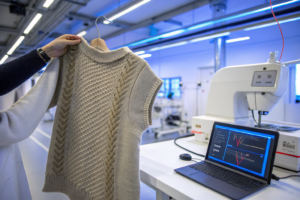
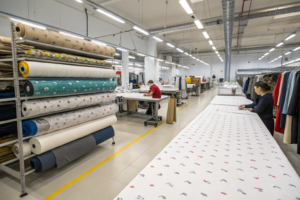
Here's how it works in our factory. First, we knit the base fabric on a circular knitting machine. For a standard fleece, we use a three-thread construction. There's a base yarn that forms the ground of the fabric, and one or two additional yarns that form the loops on the back. After knitting, the fabric goes to the finishing department. The loops are brushed with wire rollers that lift and break the fibers, creating the soft, fuzzy surface. Then the fabric is sheared to create an even pile height. Finally, it's washed and dried to set the structure.
The result is a fabric that is warm, soft, and breathable. The knit structure provides stretch and recovery. The brushed surface traps air for insulation. The combination makes fleece ideal for cold-weather apparel.
I remember a tour I gave to a client from a Swedish outdoor brand. He wanted to see how our fleece was made. We walked through the knitting floor, then to the brushing machines. He was fascinated by the transformation. "It starts as a simple knit," he said, "and comes out as something completely different." He ordered 20,000 meters of our mid-weight fleece that day. For a detailed guide to fleece manufacturing, this industry article explains the steps from yarn to finished fleece fabric.
What Are the Different Types of Fleece?
Not all fleece is the same. There are several distinct types, each with different characteristics and applications. When you're sourcing fleece, you need to know which type is right for your product.
What Is French Terry and How Is It Different from Fleece?
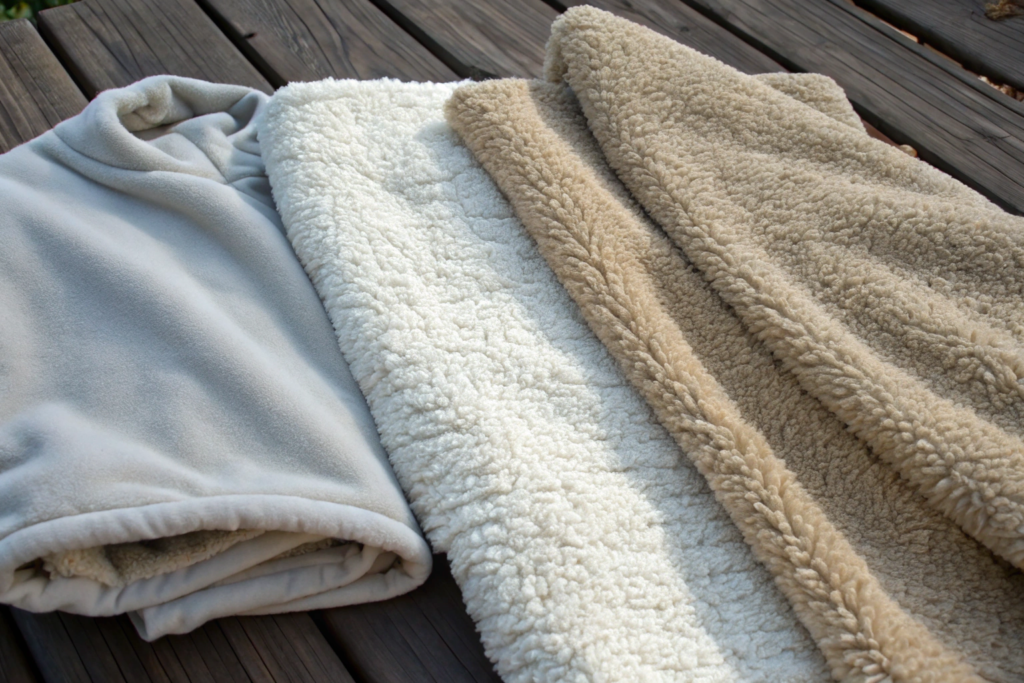
French terry is often confused with fleece, but it's a distinct fabric. French terry has loops on the inside and a smooth surface on the outside. It's not brushed. The loops are left intact, like a towel. French terry is lighter and more breathable than brushed fleece. It's often used for joggers, lightweight hoodies, and loungewear.
Fleece, by contrast, has been brushed. The loops are broken to create a soft, fuzzy surface. Fleece is warmer and has a softer hand feel than French terry, but it's also heavier and less breathable.
I had a client from a yoga brand in California who wanted a fabric for post-workout hoodies. They wanted something soft but not too warm. I recommended French terry. The smooth outside gave a clean look. The looped inside was comfortable against the skin but not overly insulating. They loved it. Their customers appreciated that the hoodies were cozy without being too hot.
If you're deciding between French terry and fleece, think about the intended use. For activewear or warmer climates, French terry is often the better choice. For cold-weather apparel, fleece is warmer and more insulating. For a comparison of French terry and fleece, this fabric guide offers a detailed breakdown of the differences.
What Is Polar Fleece and What Is It Used For?
Polar fleece is what most people think of when they hear "fleece." It's a synthetic fabric, usually 100% polyester, that is brushed on both sides. The result is a fabric with a soft, fuzzy surface on both the inside and outside. Polar fleece is very warm, lightweight, and quick-drying.
Polar fleece was developed by Malden Mills (now Polartec) in the 1980s as a synthetic alternative to wool. It quickly became popular for outdoor apparel because it's warm even when wet and dries quickly. Today, polar fleece is used for jackets, blankets, hats, gloves, and mid-layers.
We produce a lot of polar fleece for our clients. The weight can range from 150 GSM for lightweight jackets to 300 GSM for heavy blankets. The pile height can vary too—short pile for a smooth, sleek look, or long pile for a fluffy, cozy feel.
I worked with a client from a camping equipment brand in the UK who wanted a heavy polar fleece for sleeping bag liners. We supplied a 280 GSM polar fleece with an anti-pilling finish. The fabric was soft, warm, and durable. The client told us that the liners were one of their best-selling accessories. Customers loved the cozy feel.
For a comprehensive guide to polar fleece, this outdoor gear resource has a history and technical overview of polar fleece fabrics.
What Is Sherpa Fleece and When Should You Use It?
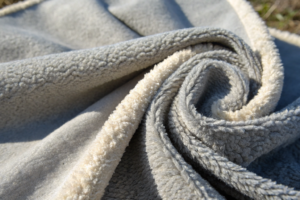
Sherpa fleece is a heavyweight fabric with a long, curly pile on one side. It's designed to mimic sheepskin or shearling. The name comes from the Sherpa people of the Himalayas, known for their wool clothing. Sherpa fleece is used for jackets, vests, blankets, and home textiles.
The pile on Sherpa fleece is much longer than on standard polar fleece. It can be 5 to 10 millimeters or more. The backing is usually a knit or a woven, often with a smooth surface that can be printed or dyed. The combination of a smooth outer and a fluffy inner makes Sherpa fleece very warm and comfortable.
I had a client from a home textile brand in the US who wanted a Sherpa fleece for a line of throw blankets. We supplied a 350 GSM Sherpa with a smooth, printed outer and a long-pile inner. The blankets were a huge success. They sold out within weeks. The client told us that the combination of softness and warmth was what customers loved.
Sherpa fleece is also popular for jackets. A Sherpa-lined denim jacket, for example, has the look of classic denim on the outside and the cozy warmth of fleece on the inside. For a guide to Sherpa fleece applications, this fashion blog has an overview of Sherpa in contemporary apparel.
What Fibers Are Used to Make Fleece?
The fiber content of fleece affects everything—warmth, weight, softness, durability, and care. The most common fiber for fleece is polyester. But cotton and blends are also used.
Why Is Polyester the Most Common Fleece Fiber?
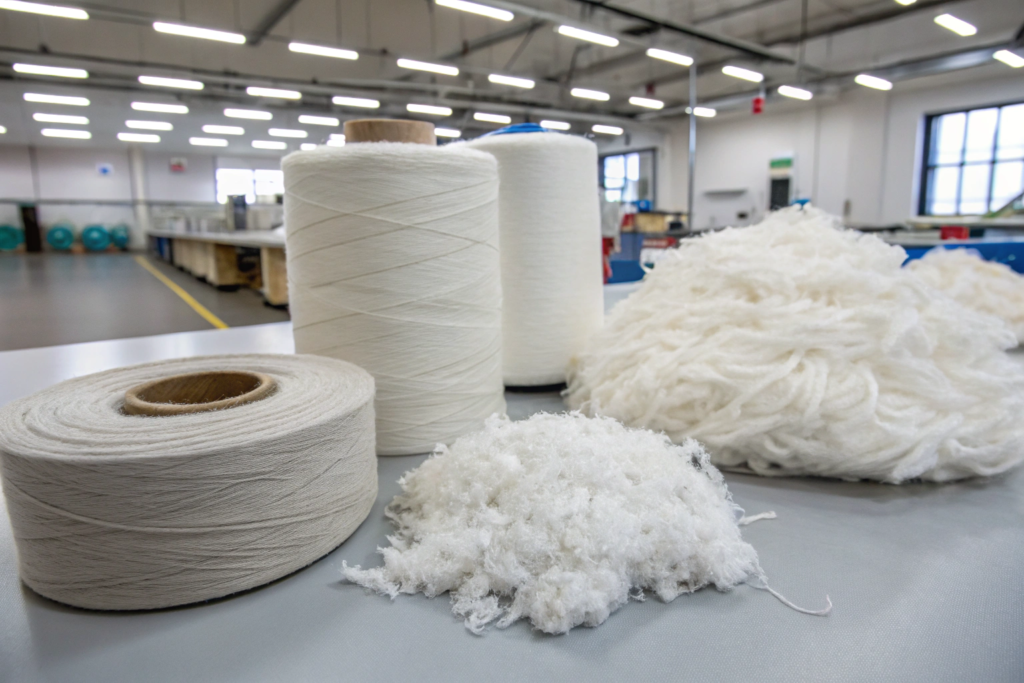
Polyester is the dominant fiber for fleece for several reasons. First, it's naturally hydrophobic—it doesn't absorb water. That means polyester fleece dries quickly and retains its insulating properties even when wet. That's why it's so popular for outdoor and activewear.
Second, polyester is durable. It resists abrasion, pilling, and fading. A polyester fleece jacket can last for years with proper care. Third, polyester is easy to brush. The fibers raise easily to create the characteristic fuzzy surface.
Fourth, and increasingly important, polyester can be recycled. Recycled polyester (rPET) is made from post-consumer plastic bottles. It has the same properties as virgin polyester but with a much lower environmental footprint. Many of our clients now specify recycled polyester for their fleece products.
I had a client from a sustainable outdoor brand in Switzerland who wanted a 100% recycled polyester polar fleece. We sourced the yarn from a supplier that uses post-consumer bottles. The fabric performed just like virgin polyester, but the client could market it as sustainable. Their customers loved the story. Sales of the fleece line were 30% higher than forecast.
For a discussion of recycled polyester in fleece, this sustainability resource offers a guide to rPET in textiles.
When Should You Use Cotton or Cotton-Blend Fleece?
Cotton fleece is softer and more breathable than polyester fleece, but it's not as warm and it doesn't dry as quickly. Cotton fleece is often used for casual wear—hoodies, sweatpants, loungewear—where high-performance isn't required.
The classic cotton fleece is a 100% cotton French terry or a cotton-polyester blend. A common blend is 80% cotton, 20% polyester. The cotton gives softness and breathability. The polyester adds durability and helps the fabric hold its shape.
I worked with a client from a streetwear brand in Los Angeles who wanted a premium cotton fleece for a line of hoodies. We supplied a 100% combed cotton French terry. The fabric was incredibly soft and had a beautiful drape. The client told us that the hoodies felt more luxurious than any they had produced before. They sold out in two weeks.
Cotton fleece requires more care than polyester. It can shrink if not pre-shrunk properly. It can pill over time. And it takes longer to dry. But for customers who prioritize natural fibers and breathability over performance, cotton fleece is the right choice.
For a comparison of cotton and polyester fleece, this fabric guide offers a breakdown of the pros and cons of each.
What Should You Consider When Sourcing Fleece?
If you're sourcing fleece for your products, there are several key factors to consider. The weight, the finish, the quality, and the testing all matter.
How Do You Choose the Right Weight for Your Application?
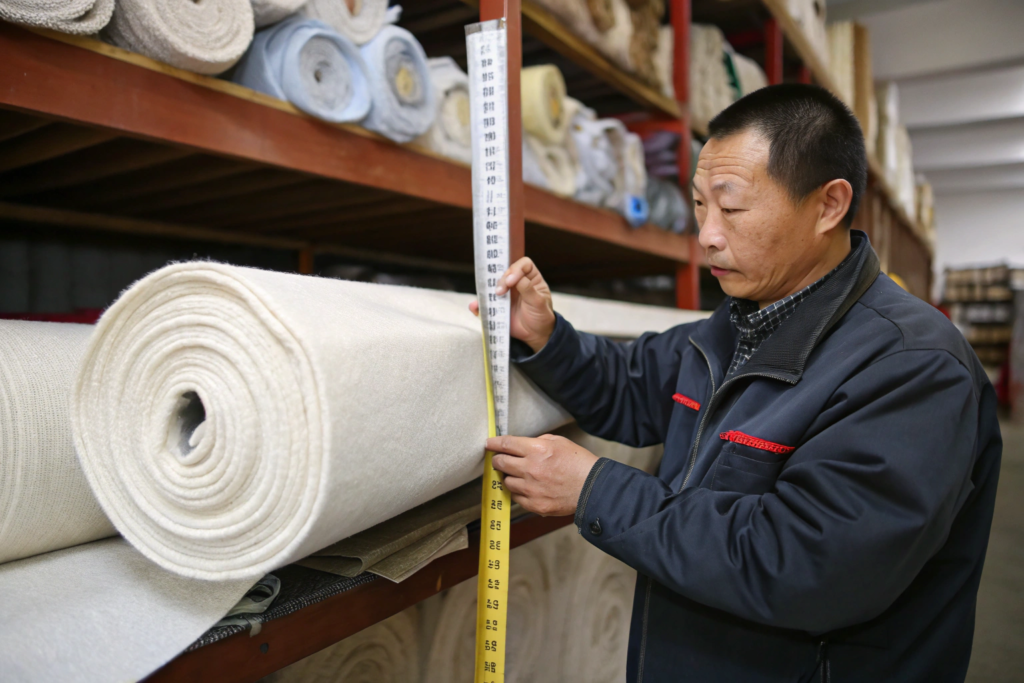
Fleece weight is measured in grams per square meter (GSM). The weight determines the warmth and the intended use. Lightweight fleece is 150-200 GSM. This is good for base layers, lightweight jackets, and spring/fall apparel. Mid-weight fleece is 200-280 GSM. This is the most common range for hoodies, sweatpants, and mid-layer jackets. Heavyweight fleece is 280-350 GSM and above. This is used for heavy jackets, blankets, and cold-weather gear.
I had a client from a workwear brand in Norway who needed fleece for a line of heavy winter jackets. They wanted something very warm. We supplied a 320 GSM polar fleece with a dense pile. The jackets were tested in Arctic conditions and performed perfectly. The client told us that the fleece was a key factor in the jackets' success.
If you're not sure what weight to choose, order samples. Feel them. Test them. See how they perform in the conditions your customers will face. For a guide to fleece weights and applications, this outdoor industry article offers a weight guide for fleece fabrics.
What Finishes and Quality Tests Are Important?
The finish on fleece makes a big difference. Anti-pilling finishes are important for fleece that will be worn frequently. Pilling—those little balls of fiber that form on the surface—is a common problem with fleece. A good anti-pilling treatment can significantly extend the life of the garment.
Other finishes include moisture-wicking treatments for activewear, antimicrobial treatments for odor control, and water-repellent finishes for outerwear.
Quality testing is also critical. We test all our fleece for pilling resistance using the Martindale test. We test for shrinkage—fleece should have less than 5% shrinkage after washing. We test for colorfastness to washing and light. And we test for fabric weight and thickness consistency.
I had a client from a children's wear brand in the UK who was very concerned about pilling. Their previous supplier had delivered fleece that pilled badly after a few washes. We provided them with a fleece that had an anti-pilling finish and a Martindale rating of 4. The client tested it themselves and was satisfied. Their customers have been happy. Returns on that product line are under 0.5%.
For a guide to fleece quality testing, this textile quality resource offers a checklist of tests for fleece fabrics.
Conclusion
Fleece is a knitted fabric. That's the technical answer. But fleece is so much more than a classification. It's a family of fabrics with different structures, different fibers, and different applications. French terry, polar fleece, Sherpa—each has its own characteristics and uses. Polyester, cotton, blends—each fiber offers different performance properties.
The key to sourcing fleece is understanding what you need. What weight? What fiber? What finish? What application? A lightweight polar fleece for a running jacket is very different from a heavy Sherpa fleece for a throw blanket. The more specific you can be, the better the result.
When you source fleece, pay attention to the details. Ask about the knitting structure. Ask about the brushing process. Ask about the finishes. Ask about testing. A good supplier will be able to answer these questions and provide documentation.
At Shanghai Fumao, we've been producing fleece for over a decade. We know the different types. We know the different weights. We know the different fibers. And we know how to test them to ensure quality. Whether you need lightweight French terry for yoga wear or heavy Sherpa for blankets, we can help.
If you're sourcing fleece and you're not sure where to start, let's talk. Tell us what you're making. Tell us what performance you need. We'll help you choose the right fabric for your application.
Contact our Business Director, Elaine, to discuss your fleece requirements.
Email: elaine@fumaoclothing.com
Let's get your fleece right from the start.