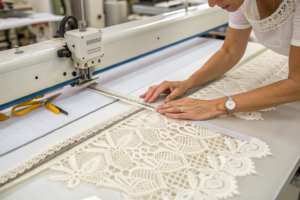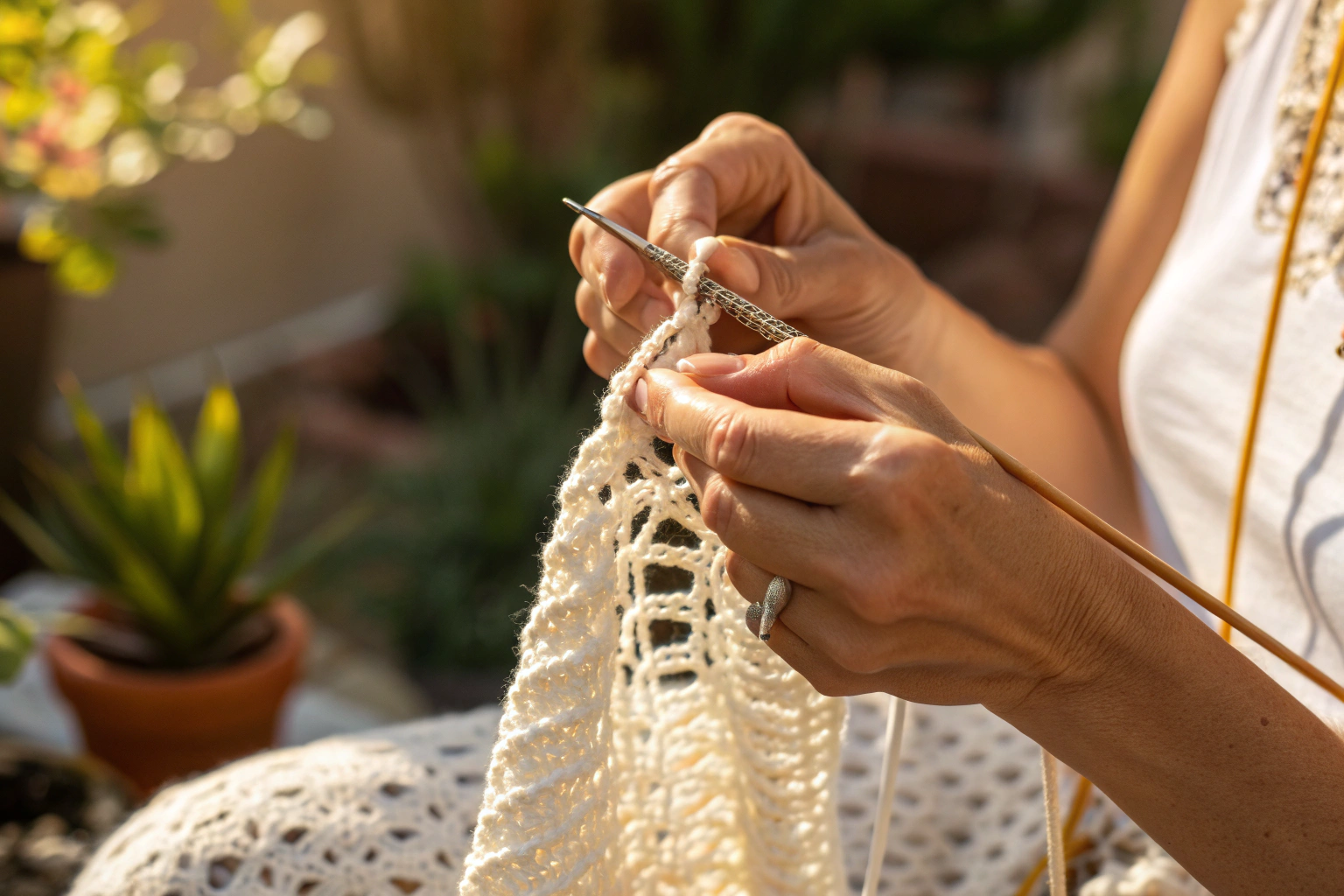
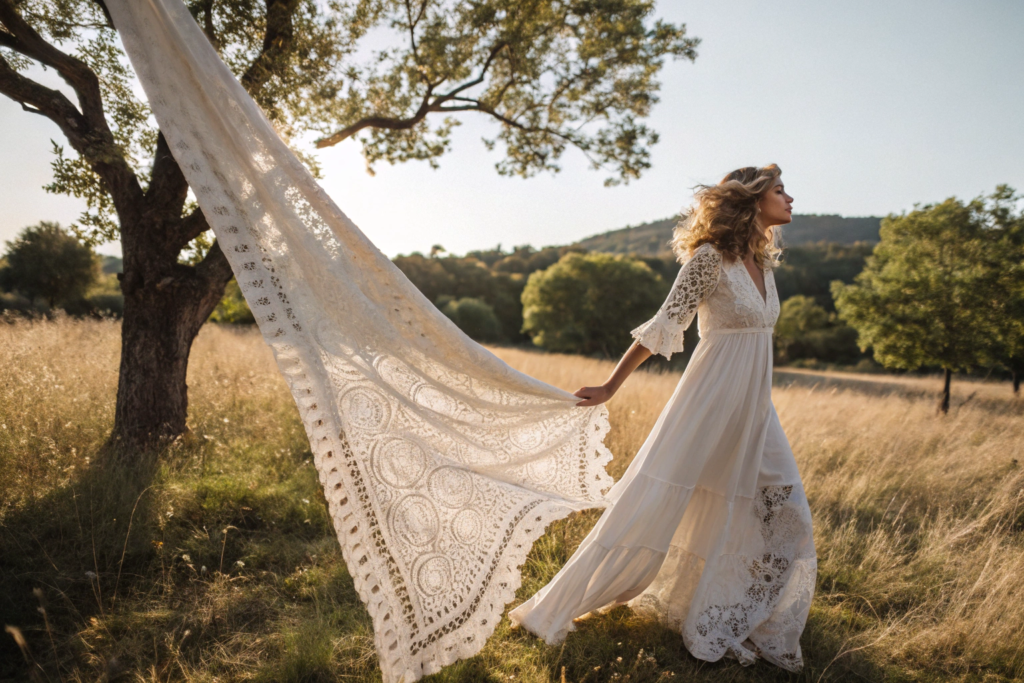
You've seen it flowing down festival fields, adding texture to boutique dresses, and giving luxury knitwear a handmade soul. Crochet lace isn't just a fabric; it's a statement. It whispers of craftsmanship, carries the irregularities of human touch, and stands in defiant contrast to the sterile perfection of mass-produced textiles. In an era where consumers crave uniqueness and story, crochet lace has become the unofficial uniform of bohemian and artisanal fashion movements. But what exactly sets it apart from other laces, and why does it hold such power in today's market?
Crochet lace is a handcrafted or machine-made fabric created by interlooping yarn with a crochet hook, forming intricate, openwork patterns. Its role in bohemian and artisanal fashion is foundational: it is the ultimate symbol of crafted individuality, romantic nostalgia, and sustainable, slow fashion values. Unlike uniform machine embroidery, crochet’s very structure embodies a personal touch, making each garment feel one-of-a-kind. For brands and designers, it bridges the gap between heritage craft and contemporary design, offering a tangible connection to human skill that modern shoppers are willing to pay a premium for.
If you're sourcing fabrics that tell a story, crochet lace is a compelling chapter. Its resurgence isn't a passing trend but a reflection of a deeper shift towards mindful consumption. However, working with it presents unique challenges in sourcing, consistency, and cost. Understanding its nuances—from distinguishing genuine handwork to integrating it efficiently into your supply chain—is key to leveraging its allure without sacrificing practicality. Let’s unravel the threads of this beautiful craft and its commercial magic.
What Defines Crochet Lace and How is it Made?
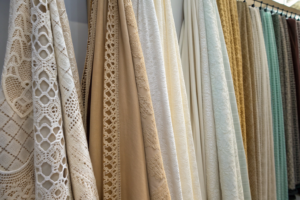
At its heart, crochet lace is defined by its construction technique: the art of creating fabric by looping yarn or thread with a single hooked needle. This fundamental process creates a distinctive, often slightly elastic, textured fabric with intentional holes (openwork) that form patterns. The key difference from other lace types lies in its making. While Leavers or Raschel laces are woven or knitted on complex machines, crochet originates from a single, linear tool movement, giving it a unique nodal structure that's often bulkier and more sculptural.
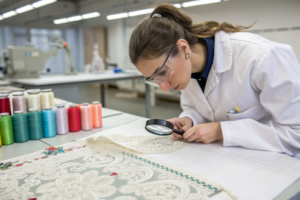
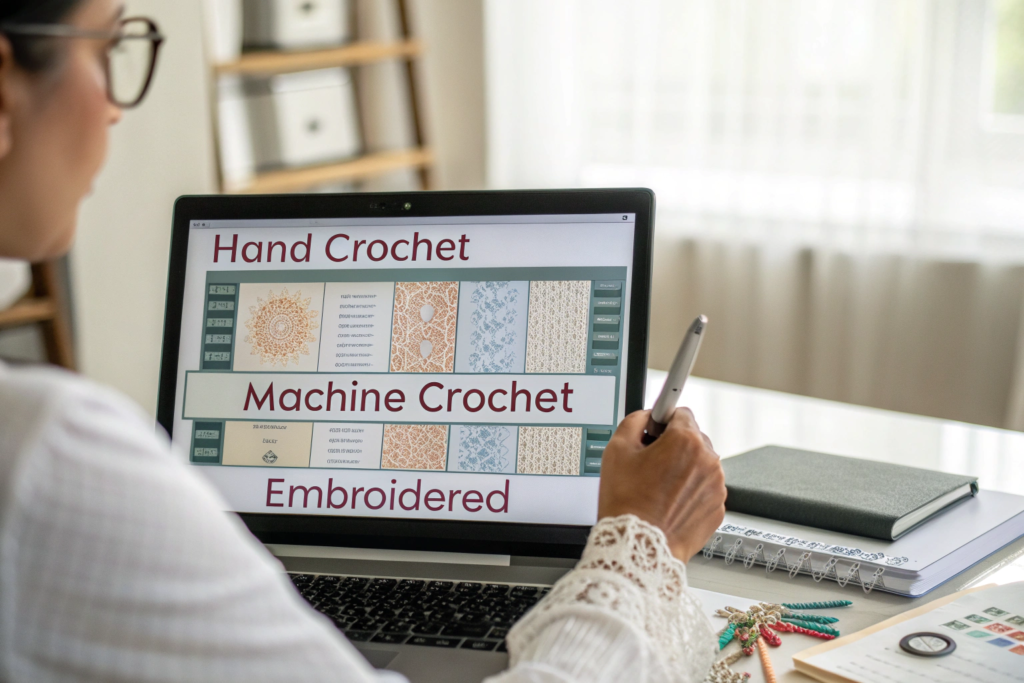
The magic happens in two main ways today: hand crochet and machine crochet. Authentic hand crochet, as practiced for centuries, is a slow, meticulous craft. The artisan follows a pattern, building each stitch upon the last, resulting in pieces that carry slight, beautiful variations—the hallmark of true artisan work. Machine crochet, often done on specialized crochet-knitting machines, replicates the interlooping stitch structure at a much faster pace, offering better consistency and scalability for commercial fashion. However, even the best machines struggle to perfectly mimic the depth and complexity of the finest handwork, especially for very fine threads or irregular, organic patterns favored in boho designs.
From a sourcing perspective, knowing the fiber is as crucial as knowing the technique. Crochet lace isn't limited to cotton doilies. At Shanghai Fumao, we work with a diverse range: organic cotton for its rustic, breathable feel; linen for a crisp, earthy drape perfect for summer artisanal collections; mercerized cotton for a subtle sheen; wool blends for cozy, textured winter lace; and even recycled polyester or bamboo yarns for added durability and eco-credibility. The choice of yarn drastically alters the hand-feel, weight, and final application of the lace. For example, a 2023 project for a Californian boutique saw us develop a crochet lace trim using a linen-cotton blend; the client specifically wanted the "lived-in" wrinkle and natural fiber look to align with their brand's sustainable ethos.
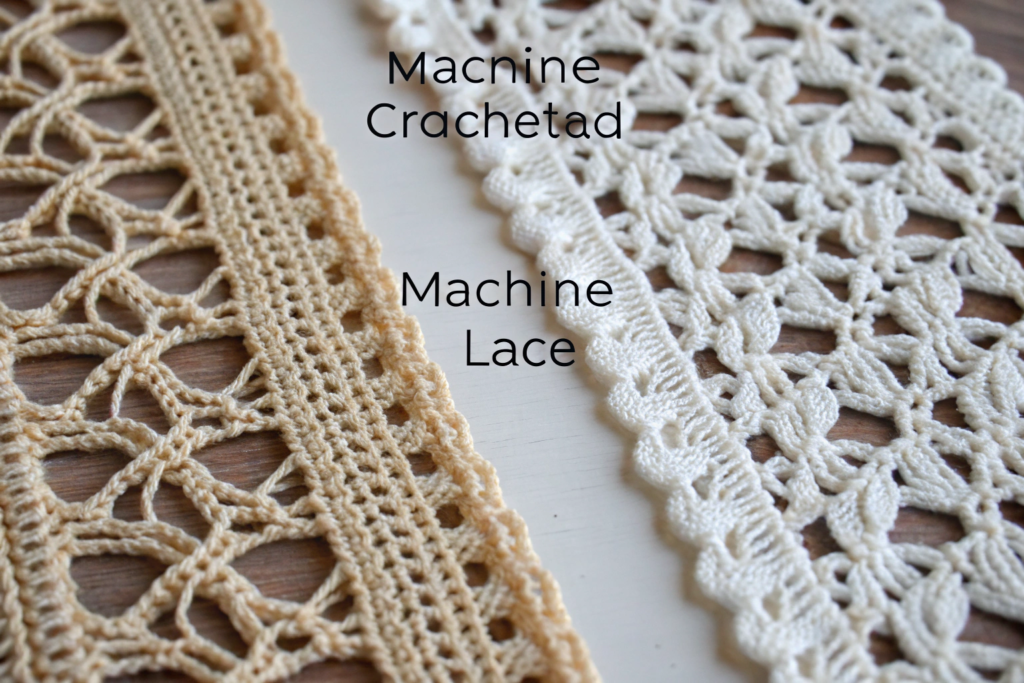
How is hand-crocheted lace different from machine-made crochet?
The differences are tangible and visual. Hand-crocheted lace typically has a more organic, uneven texture. Stitches might vary slightly in tension, and joining points in motifs can be visible, adding to its charm. It's often worked in motifs (like granny squares or flowers) that are later joined, creating a patchwork effect. The scale is usually limited by artisan time, making it ideal for trims, yokes, or accent panels. Machine-made crochet, conversely, is remarkably uniform. It's produced in continuous lengths, making it efficient for large-scale garment production like whole dress fronts or sleeves. The patterns can be highly complex and precise, but they often lack the subtle, dimensional "pop" of hand-worked stitches. A savvy buyer's eye can spot the difference: hand crochet feels softer at the joins and often has a reverse side that looks different from the front, while machine lace is more consistent front-to-back.
What are the key fibers and yarns used in modern crochet lace production?
The fiber choice defines the character and price point. Let's break down the common ones:
- Cotton: The classic. Breathable, strong, and takes dye beautifully. Ranges from coarse (for a rustic look) to super-fine mercerized (for a silky sheen).
- Linen: Offers a fantastic dry, textured hand and a beautiful slubby appearance. It's highly absorbent and gets softer with wear, ideal for the "artisanal" aesthetic. However, it's less elastic and can be prone to shrinkage.
- Wool & Blends: Used for cold-weather crochet lace, adding warmth and a fluffy, cozy texture. Often blended with acrylic for cost and shape retention.
- Synthetic Fibers (Polyester, Acrylic): Provide durability, color fastness, and lower cost. Can be engineered to mimic natural fibers. Recycled polyester is a growing demand for eco-lines.
- Specialty Yarns: Bamboo, Tencel™, and even soy yarns are entering the market, offering unique sheens, drape, and sustainable stories.
Choosing the right yarn is a balance of aesthetics, function, and cost. For brands serious about sustainability, understanding how to verify sustainable yarn sourcing for ethical fashion production is crucial. Resources like the Sustainable Apparel Coalition's Higg Index materials library can provide foundational data. Furthermore, engaging with suppliers who offer small-batch custom yarn dyeing for artisan fabric production can be a game-changer for creating truly unique color palettes that mass-market brands can't replicate.
Why is Crochet Lace a Staple in Bohemian and Artisanal Style?
Bohemian and artisanal fashion isn't just about a look; it's an ethos. It celebrates the imperfect, the personal, the connected-to-nature, and the historically rich. Crochet lace is a perfect physical manifestation of these values. Its very construction—looped, interconnected threads—speaks to community, tradition, and the slow, careful investment of time. In a world of fast fashion, a crochet lace garment implicitly tells a story of skill and patience, which is exactly the narrative modern conscious consumers want to wear.
The aesthetic connection is immediate. Boho style draws from global folk traditions, 70s hippie culture, and a romantic, free-spirited vibe. Crochet lace, with its folksy, homespun associations, fits seamlessly. It adds a layer of visual and tactile complexity—a "fussy" detail that feels rich and considered. Whether it's a crochet lace trim on a suede jacket, an all-over lace crochet top, or a delicate lace insert on a prairie dress, it instantly injects a crafted, feminine, and nostalgic touch. Artisanal fashion takes this further, often highlighting the craft itself. Brands might name the artisan collective, detail the hours of work, or showcase the specific regional technique, turning the crochet lace from a trim into the hero of the product's story.
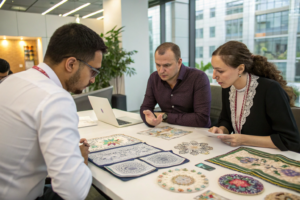
A great case study comes from our work with an independent European designer in 2022. They were launching a "slow travel" capsule collection. We developed a signature hand-crocheted lace motif using unbleached, GOTS-certified organic cotton. The motif was inspired by traditional Romanian lace patterns. We then trained a small, fair-trade cooperative to produce the motifs consistently. The designer used these as inserts on linen dresses and as yokes on cotton blouses. The collection's marketing heavily featured the artisans, and the pieces sold at a premium, demonstrating that the cost of true handwork could be directly translated into brand value and consumer willingness to pay.
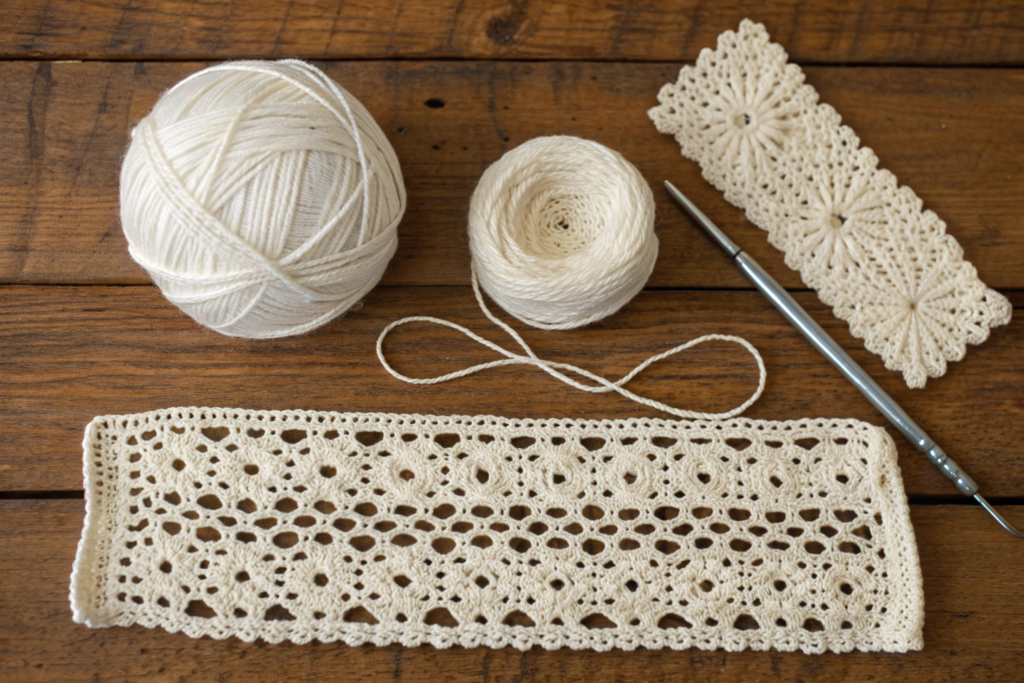
How does crochet lace embody the "slow fashion" and "artisanal" ethos?
It's the antithesis of speed. Slow fashion prioritizes quality, sustainability, and ethical production over rapid turnover. Hand-crocheted lace cannot be rushed; its production time is a natural barrier to overconsumption. It often uses natural, biodegradable fibers. The artisanal label emphasizes human skill over industrial automation. Each hand-finished piece carries the maker's signature in its tension and rhythm. This creates an emotional, non-replicable connection for the wearer. It’s the difference between owning a "product" and owning a "piece." For brands, incorporating genuine artisanal crochet means building traceable, ethical supply chains—a powerful selling point in today's market. To dive deeper into this business model, platforms discussing building a sustainable fashion brand with artisan partnerships offer valuable insights.
What are iconic bohemian fashion pieces that feature crochet lace?
The list is a tour of boho wardrobe essentials:
- The Crochet Lace Top: From delicate, sleeveless shells to chunky, openwork vests, this is a festival and summer staple.
- Lace-Trimmed Maxi Dresses and Skirts: A flowing silhouette edged or layered with crochet lace instantly evokes a romantic, ethereal vibe.
- Crochet Bags and Accessories: Market bags, bucket hats, and hair accessories made from crochet lace are perennial favorites, often using thicker yarns for structure.
- Kimonos and Cover-Ups: Lightweight, crochet lace kimonos are the perfect layering piece, adding texture without weight.
- Swimwear Cover-ups and Bikini Accents: Crochet lace is synonymous with beachy, laid-back style in this category.
These pieces work because the lace adds visual interest to simple silhouettes, creating a look that is effortful yet effortless—the core bohemian contradiction.
What are the Practical Sourcing and Production Considerations?
Loving the aesthetic is one thing; producing with it is another. Sourcing and producing with crochet lace requires a mindset shift from standard fabric procurement. The three primary challenges are cost, timeline, and consistency. Hand-crocheted lace is labor-intensive, making it expensive. Even machine-crochet is slower to produce than woven lace. Lead times are long, especially if working with artisan groups. Consistency in dye lots, stitch size, and tension can vary, particularly with handwork. This isn't a flaw—it's a feature—but it must be managed.
The key is planning and partnership. Start development early—add at least 25-30% more time to your standard fabric sourcing timeline. Be precise in your tech packs but embrace a reasonable tolerance for natural variation. When it comes to cost, understand what you're paying for: with handwork, you're paying for skilled labor time; with specialty machine lace, you're paying for machine programming and setup. Bulk ordering is where economies of scale can help, but minimum order quantities (MOQs) for custom machine crochet can still be high (often 500-1000 meters per design/color). For handwork, MOQs might be based on artisan capacity (e.g., 100 motifs per week).
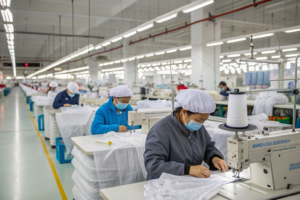
At Shanghai Fumao, we've developed a hybrid model to address these issues. For a U.S.-based "craft-inspired" brand last year, we created a stunning custom lace pattern. Instead of making the entire garment by hand (prohibitively expensive), we machine-produced the main body of the lace fabric for consistency and cost-effectiveness. Then, we had a partnered cooperative hand-crochet the more complex, three-dimensional floral motifs separately. These were then hand-applied onto the machine-made base by the same artisans. This drastically reduced cost and time compared to a fully hand-crocheted yardage, while retaining the unique, artisanal "hero element" the brand needed for its storytelling.
How to balance the desire for artisan look with commercial production needs?
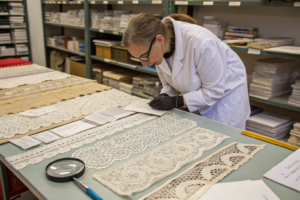
The answer lies in smart product architecture and supplier capability. Don't try to make an entire garment out of the most expensive, fully hand-crocheted lace. Use it as an accent: a trim, an insert, a yoke, or appliqués on a simpler base fabric (like linen, cotton voile, or denim). This maximizes impact while controlling cost. Source from suppliers who have direct access to both machine crochet facilities and verified artisan networks. This allows for the flexibility to create a custom base and then embellish it authentically. Always, always get sealed, pre-production samples and use them as your physical standard for bulk. Conduct in-process quality checks (IPQC) if possible, especially for handwork, to catch deviations early.
What are the cost and lead time implications compared to other laces?
Let's put it in a comparative table. Assume a mid-complexity lace pattern:
| Lace Type | Relative Cost | Typical Lead Time (Bulk) | Key Cost Drivers | Best For |
|---|---|---|---|---|
| Hand Crochet Lace | Very High | 8-14 weeks+ | Artisan labor hours, yarn cost, complexity | Luxury, artisan-branded pieces, small batch accents. |
| Machine Crochet Lace | Medium-High | 6-10 weeks | Machine programming/setup, yarn, MOQ volume. | Commercial bohemian/artisanal brands, larger runs. |
| Embroidered Lace (e.g., Leavers) | Medium | 5-8 weeks | Thread count, design complexity, base fabric. | Elegant, detailed lingerie, bridal, formalwear. |
| Raschel Knitted Lace | Low-Medium | 4-6 weeks | Design simplicity, yarn, large volume. | Fast fashion, everyday garments, linings. |
Data is indicative and varies by supplier, order volume, and complexity.
As the table shows, crochet commands a premium. The lead time and cost require brands to plan collections far in advance and justify a higher retail price through strong storytelling about craft and quality. For buyers, finding a reliable partner who can navigate this landscape is key. Researching how to evaluate a textile supplier for artisan collaboration projects can provide a structured approach to finding the right fit beyond just price.
How is Crochet Lace Evolving in Contemporary Sustainable Fashion?
The story of crochet lace is being rewoven with green threads. Its inherent artisanal and "slow" nature aligns perfectly with the core values of the sustainable fashion movement. Today, innovation isn't just about new patterns, but about new materials and processes that reduce environmental impact. The evolution focuses on three pillars: material sourcing, production ethics, and end-of-life.
Material innovation is leading the charge. We're seeing soaring demand for crochet lace made from GOTS-certified organic cotton, OEKO-TEX certified low-impact dyed linen, and most notably, regenerated fibers like Tencel™ lyocell and recycled polyester (rPET). These fibers offer the drape and performance needed for modern garments while telling a cleaner environmental story. For instance, rPET yarns can be made from post-consumer plastic bottles, creating crochet lace that is both durable and eco-conscious. At Shanghai Fumao, our R&D team has developed a proprietary blend of recycled cotton and Tencel™ that offers the perfect rustic look and soft hand for boho styles, with a significantly lower water footprint than conventional cotton.
Furthermore, the production process itself is under scrutiny. Sustainable brands are partnering directly with artisan collectives, ensuring fair wages, safe working conditions, and preserving cultural techniques. This "ethical sourcing" model turns the supply chain into part of the product's value proposition. Technology also plays a role: digital platforms are emerging that connect designers with global artisan makers, streamlining the process while maintaining transparency. The end-of-life consideration is also important. Lace made from mono-materials (100% cotton, 100% linen) is inherently easier to recycle or biodegrade than complex blends, a factor forward-thinking designers are starting to prioritize.
What sustainable materials are revolutionizing crochet lace?
Beyond the classics, new frontiers are opening:
- Recycled Yarns: rPET and recycled nylon are now available in fine counts suitable for lace.
- Regenerated Cellulosics: Tencel™ (Lyocell), Modal, and Cupro offer incredible softness, drape, and a lower environmental impact than conventional rayon due to closed-loop processes.
- Natural Innovators: Hemp is making a comeback for its durability and low water needs. Organic wool from regenerative farms is another niche but growing area.
- Bio-based Fibers: Experimental fibers from algae, orange peel, and mushroom mycelium are on the horizon, though not yet at commercial scale for lace.
Sourcing these materials requires working with a supplier who has a strong, traceable upstream yarn supply chain. It's no longer just about the fabric cost per meter, but about the Life Cycle Assessment (LCA) data behind it. Brands serious about this should educate themselves on emerging sustainable fiber technologies for textile production to ask the right questions.
How are brands innovating with crochet lace for a modern market?
Innovation is happening at the intersection of craft and technology. Brands are:
- Digitizing Traditional Patterns: Using software to archive and adapt ancient crochet motifs for machine production, making them scalable.
- Creating 3D and Textural Effects: Moving beyond flat lace to create highly sculptural, raised patterns that act as structural elements on garments.
- Mixing Techniques: Combining crochet lace with other sustainable fabrics like peace silk or washed organic denim for a modern, hybrid look.
- Focusing on Versatility: Designing crochet lace pieces that are trans-seasonal and multi-functional, aligning with the "capsule wardrobe" trend.
The goal is to honor the craft's heritage while ensuring its relevance for the future—making it not just a nostalgic choice, but a progressive one.
Conclusion
Crochet lace is far more than a decorative fabric; it is a narrative tool, a symbol of craftsmanship, and a key differentiator in the crowded fashion landscape. Its defining handmade quality—whether authentic or artfully replicated—makes it the cornerstone of bohemian and artisanal aesthetics, speaking directly to consumers' desires for authenticity, sustainability, and individuality. We've explored its unique construction, its powerful role in storytelling, the practical realities of sourcing it, and its exciting evolution within the sustainable fashion paradigm.
Understanding crochet lace means appreciating its contradictions: it is both rustic and delicate, time-intensive yet commercially viable, traditional yet innovating. Successfully incorporating it into your collection requires a strategic partnership with a supplier who understands both its soul and its supply chain. It demands early planning, clear communication, and a willingness to translate the value of craft into your brand story.
If the textured, story-rich appeal of crochet lace aligns with your brand's vision, we invite you to explore the possibilities with a partner rooted in both tradition and innovation. At Shanghai Fumao, located in the heart of Keqiao's textile ecosystem, we bridge the gap between artisan craftsmanship and scalable production. Our network includes both advanced machine crochet facilities and certified artisan cooperatives, allowing us to develop custom crochet lace solutions—from fully machine-made to hybrid artisan-accented pieces—that meet your aesthetic, ethical, and commercial goals. Let's co-create something unique. For a consultation on your next collection, please contact our Business Director Elaine at elaine@fumaoclothing.com.