I still remember my first export order back in 2003. A nice gentleman from Ohio wanted 5,000 yards of polyester lining. He sent me an email, we agreed on a price, and then came the question: "How do I pay you?" I said, "Wire transfer is fine." He sent $18,500 to our bank account. Just like that. No contract, no inspection, no nothing. Looking back, that was insane. He trusted me completely, and thankfully, I delivered. But today? That level of trust is rare—and honestly, it shouldn't exist. Too many horror stories out there.
If you're sourcing from China for the first time, the payment method you choose isn't just a technical detail. It's your only real leverage. Send too much money upfront, and you're at the supplier's mercy. Try to pay nothing upfront, and no serious factory will talk to you. Finding that balance is what separates successful sourcing from expensive lessons.
Let me walk you through exactly how payment works with Chinese manufacturers in 2026, what's safe, what's risky, and how to structure deals that protect both sides.
What payment options do Chinese factories actually accept?
You might think Chinese factories accept every payment method under the sun—credit cards, PayPal, Alipay, installment plans. The reality is much simpler, and understanding it upfront saves endless confusion.
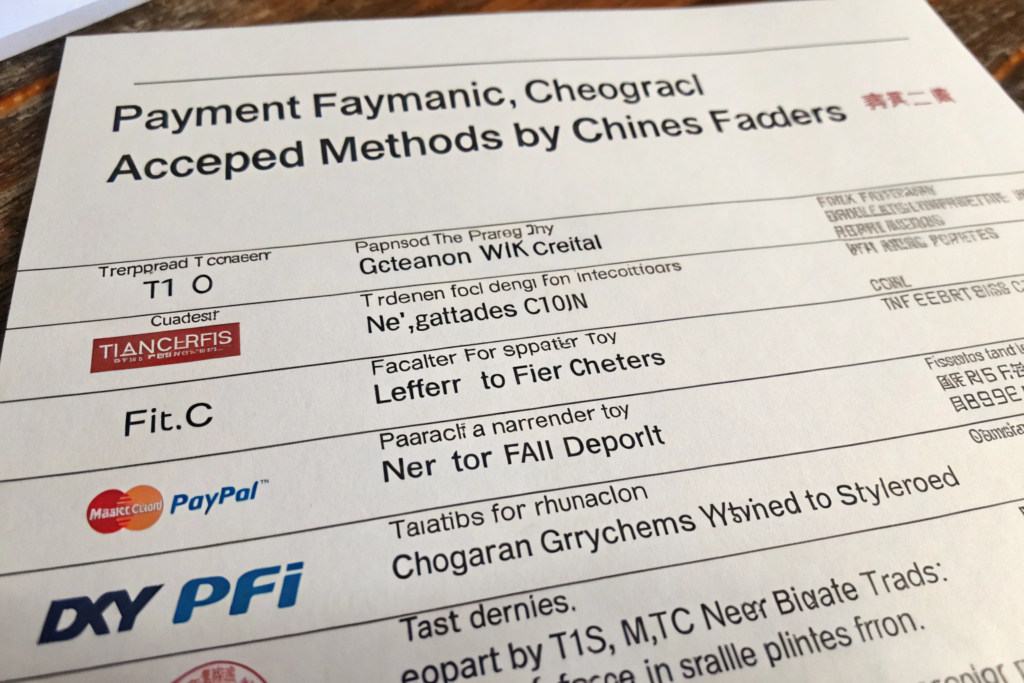
For first orders, Chinese factories typically accept three things: Telegraphic Transfer (T/T) with a deposit, Letter of Credit (L/C), or for very small orders, maybe PayPal or Alibaba Trade Assurance. That's it. Credit cards are almost never used—the fees are too high and the chargeback risk scares us. Western Union or MoneyGram? Those scream "scam" to any legitimate factory.
The reason the options are so limited comes down to cash flow and trust. We have to pay our yarn suppliers upfront. We have to pay our workers every month. If we're financing your production for 90 days while you sell the goods, that's a huge strain. So the payment terms directly reflect the risk each party takes. Let me break down the most common structures.
How does the standard T/T deposit system work?
This is the default for 90% of China sourcing. You pay a deposit upfront—usually 30% to start production—and the balance before shipment, after you approve inspection reports. The deposit covers our raw material costs. If you cancel the order after we've dyed 5,000 yards of fabric in your custom color, we're stuck with material we can't sell to anyone else. That's why the deposit is non-refundable if you cancel. But here's the protection for you: never, ever pay 100% upfront. That's the biggest red flag in sourcing. A legitimate factory will always accept 30% deposit, 70% against documents or before shipment. For a deeper look at how to structure these payments safely, this guide on secure payment terms for importing from China explains the logic behind the percentages.
Is Alibaba Trade Assurance really safe for large orders?
Trade Assurance is Alibaba's escrow-like service. It's decent for sample orders or small first trials—under $5,000 or so. The buyer pays Alibaba, Alibaba releases payment to the supplier after shipment confirmed. It adds a layer of protection. But for a $50,000 bulk order? Most serious factories prefer direct T/T because Trade Assurance fees eat into margins and the dispute resolution process can be slow. I've had clients use it for first orders to build confidence, then switch to T/T for repeat business. If you're considering it, just read the terms carefully: Trade Assurance covers non-shipment and quality vastly different from sample, but it doesn't cover "I changed my mind" or "the color is slightly off." The Alibaba Trade Assurance terms and conditions page spells out exactly what's covered.
What are the risks of paying by wire transfer?
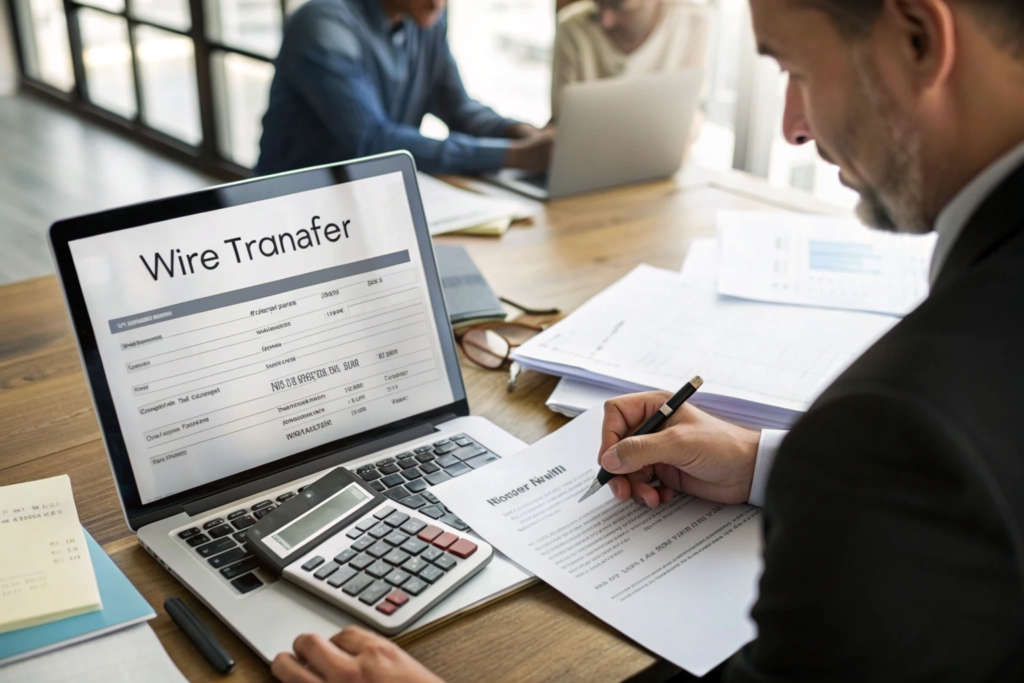
I'll be straight with you: wire transfers are irreversible. Once that money leaves your account and lands in China, getting it back without the supplier's cooperation is nearly impossible. Banks don't reverse international wires for disputes. So why does everyone use them?
Wire transfers are fast, cheap (relatively), and simple. There's no third party slowing things down. For the factory, the money is immediately available to buy yarn and pay bills. For you, the risk is managed not by the payment method itself, but by everything around it—the contract, the communication, the inspections, the relationship.
I've seen buyers get burned. I've also seen buyers who were so paranoid they refused to pay a 30% deposit, insisting on 100% after inspection. No factory took them seriously. They wasted months and ended up paying higher prices to middlemen. The key is accepting that some risk is inherent in international trade, and using smart structures to minimize it.
How can a Letter of Credit protect me?
A Letter of Credit (L/C) is a bank's promise to pay the supplier once you present documents proving shipment. It's complicated, paperwork-heavy, and banks charge fees. But for large orders—say $100,000 or more—it's the gold standard. The factory ships the goods, presents the bill of lading, packing list, and inspection certificate to their bank, and gets paid. You don't have to release funds until the documents arrive. The downside? Discrepancies in documents can delay payment, and not all factories love L/Cs because the bank scrutiny is intense. If you're considering an L/C, you absolutely need a letter of credit specialist to review it. The International Chamber of Commerce guide to L/Cs is the definitive resource on how these work.
What happens if I send a deposit and the factory disappears?
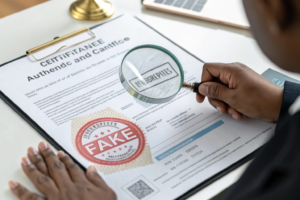
This is the nightmare scenario, and yes, it happens—usually with factories you found on random websites or through cold emails, never visited, and didn't verify. How do you prevent it? Due diligence. Ask for their business license. Ask for photos of their factory floor with today's newspaper (sounds silly, but works). Video call them and ask to walk through the facility. Check if they're on Alibaba's "verified supplier" list. Better yet, use a sourcing agent or pay for a third-party audit. I've had new clients ask me for my company registration, my tax ID, photos of our facility, even a video call with our production manager. I'm happy to provide it—because legitimate factories have nothing to hide. For a checklist on what to verify, this guide to vetting Chinese manufacturers is excellent.
How do I negotiate payment terms that work for both sides?
Negotiating payment isn't about winning. It's about finding a structure where both parties feel protected enough to say yes. If you push too hard for 100% after shipment, the factory will either walk away or build that risk into a higher price.
The most common negotiation starts with the factory asking 50% deposit. You counter with 20%. You might land at 30%. That's normal. The real negotiation, though, is about the balance payment trigger. Is it against the bill of lading? Against inspection report? Against warehouse photos? Each trigger shifts risk.
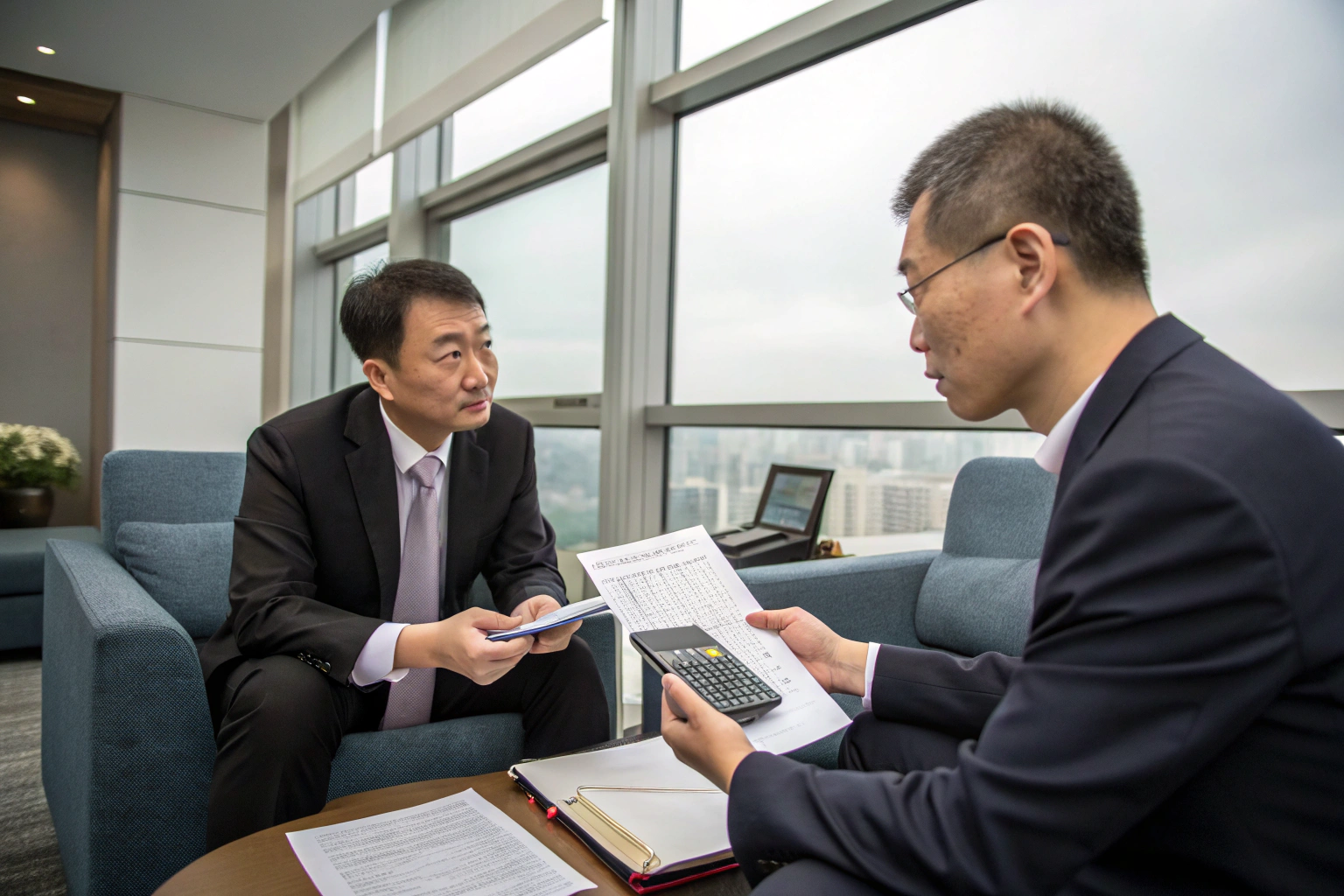
I had a Swedish client in 2024 who was very nervous—first time sourcing from Asia, big order for a sustainable fashion launch. They wanted to pay 20% deposit, 80% after goods arrived in Sweden. I explained that means I finance their inventory for 45 days of ocean freight plus customs clearance. I can't do that—my cash flow would break. We compromised: 30% deposit, 40% against shipping documents, 30% after arrival and inspection. It was complicated, required trust, but it worked. They felt secure because they held 30% until goods landed. I felt secure because I got 70% before the ship left.

Can I use a payment schedule linked to production milestones?
Absolutely. This is actually my favorite way to structure larger orders. Instead of just "deposit and balance," we break it into chunks: 30% to start, 20% when fabric is cut and approved, 20% when sewing is 50% complete, 20% when packed, 10% after inspection. This works well because both sides see progress before releasing more money. If something goes wrong at the cutting stage, you've only paid 50%, not 80%. I've used this for complex orders like technical outerwear where multiple stages need sign-off. It requires more admin work—tracking milestones, sending updates—but for high-value orders, it builds tremendous trust. Here's a good overview of milestone payment structures in manufacturing.
What if the factory asks for 50% deposit?
Don't automatically say no. Ask why. If it's a standard fabric with custom dyeing, 30% usually covers raw materials. But if it's a fabric with expensive yarn—say, merino wool or a specialty recycled nylon—the raw material cost might actually be 50% of the total. I recently quoted a client for a wool-blend coating fabric. The wool yarn alone was 45% of the final fabric price. I asked for 50% deposit because I had to buy that wool upfront from the spinner. The client understood and agreed. The key is transparency: a good factory will explain why they need a higher deposit, not just demand it. For more on raw material cost structures, Textile Exchange's material market reports show why certain fibers cost more upfront.
How should I handle payments for sample orders?
Samples are the gateway to bulk orders. But paying for samples is different—the volumes are tiny, the administrative cost is high, and neither side wants to lose money on a $200 transaction.
For samples, most Chinese factories expect payment upfront, in full, including shipping. Why? Because processing a $200 sample order costs us almost as much admin time as a $20,000 bulk order. If we send samples to ten buyers and only one orders, we've lost money on the other nine. So we ask for sample payment to cover our costs and filter out tire-kickers.
But here's something many buyers don't know: sample fees are almost always refundable or deductible from the bulk order. If you pay $200 for samples and then place a $10,000 order, we'll deduct that $200 from your deposit invoice. It's standard practice—just ask upfront. Also, for established brands with real websites and history, many factories will send basic stock samples for free if you cover shipping. We do that all the time. It's when you ask for custom-developed samples with specific colors and finishes that payment is required.
Should I use PayPal or credit card for samples?
Yes, for small amounts. For samples under $500, PayPal or even credit card (if the factory has a merchant account) is fine. It's fast, convenient, and gives you some buyer protection. Just be aware that PayPal's fees are high—typically 4-5% plus currency conversion—so the factory might add a small surcharge or prefer you cover the fee. For sample orders over $1,000, bank transfer starts making more sense. The key is matching the payment method to the transaction size. Nobody wants to pay $35 wire transfer fees on a $150 sample.
What information do I need to send a wire transfer?
If you're doing a wire transfer for samples or deposit, you'll need:
- Bank name and full address
- Beneficiary name (exactly as on their bank account)
- Beneficiary account number
- SWIFT/BIC code
- Bank intermediary details (sometimes, for USD transfers)
Double-check everything. A single wrong character can delay the transfer by days or send it to the wrong account. I always send a proforma invoice with all our banking details pre-filled, and I ask clients to show me the draft transfer receipt before sending, just to verify. If you're unsure, your bank's international department can help. This guide to international wire transfer instructions explains the process step by step.
Conclusion
Payment methods for first-time orders with Chinese factories aren't about finding a magic bullet that eliminates all risk. They're about matching the payment structure to the reality of the transaction. Small samples? PayPal or credit card is fine. First bulk order under $10,000? 30% deposit T/T with balance against inspection. Large order over $50,000? Consider an L/C or milestone payments. And always, always do your due diligence before sending a single dollar.
The best protection isn't the payment method—it's the partner. A factory that communicates clearly, explains their processes, welcomes your questions, and has a track record with other Western buyers is your real safety net.
At Shanghai Fumao, we've shipped to over 100 countries. We've worked with tiny startups placing their first 500-yard order and with global brands ordering container loads. We understand the fear of sending money to the other side of the world. That's why we're transparent about our pricing, our processes, and our payment terms. We offer flexible structures—30% deposit, milestone payments, even L/Cs for qualifying buyers—because we want you to feel secure enough to say yes.
If you're ready to start your sourcing journey and want a partner who treats your money with the same care you do, reach out to our Business Director, Elaine. She'll walk you through our standard payment terms, explain exactly what happens at each stage, and answer every nervous question you have. No pressure, just honest talk about how we protect our buyers.
Email Elaine directly at: elaine@fumaoclothing.com. Let's build trust the right way—one order at a time.