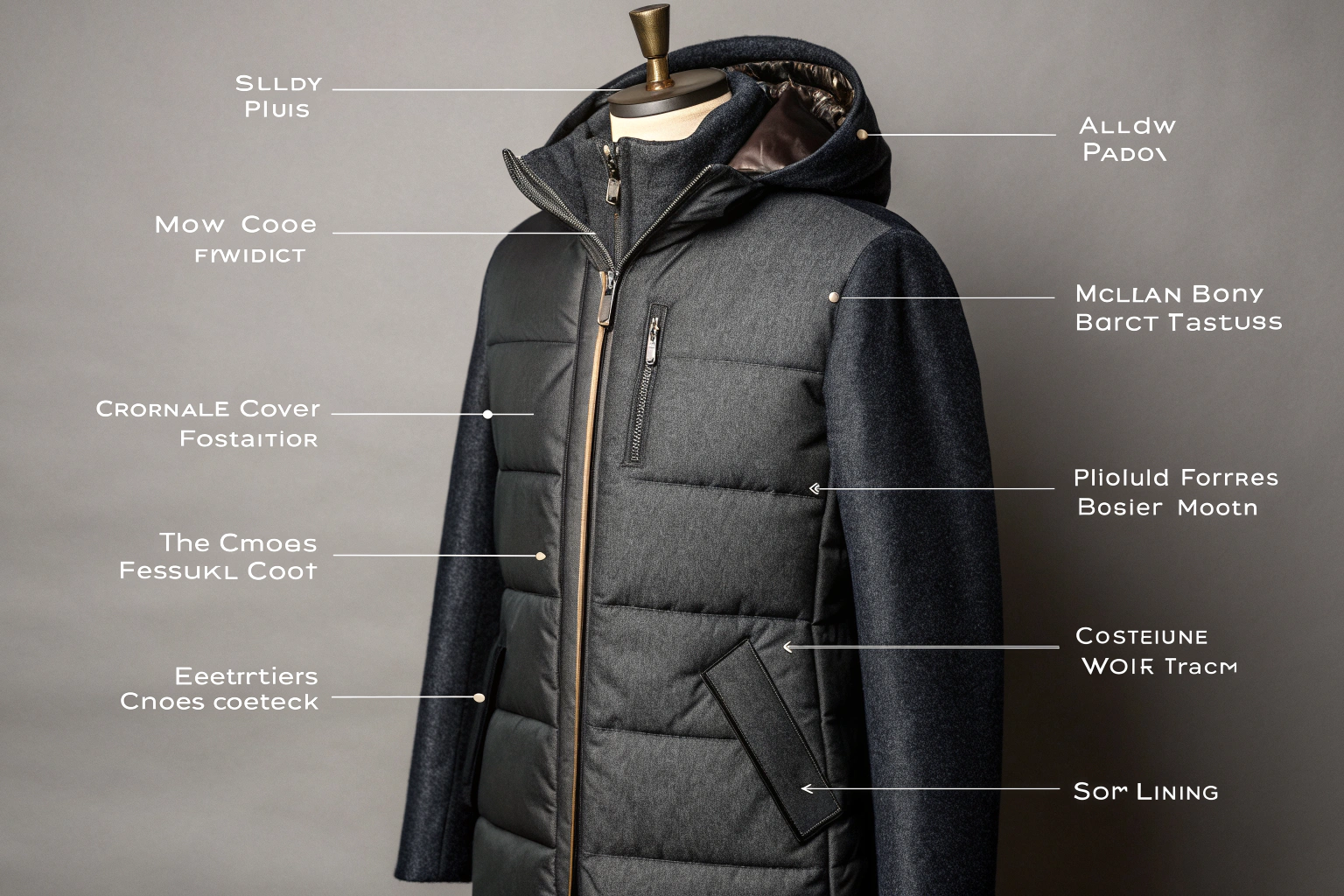
You're designing a winter collection. You need fabrics that look premium, feel incredible, and actually keep the cold out. But sorting through endless options—wool, down, synthetics—is overwhelming. Choose wrong, and you face returns, bad reviews, and a damaged brand reputation.
The best winter coat fabrics create a microclimate of warmth through a combination of insulation, wind resistance, and moisture management. It's not about one "magic" fiber, but about engineering the right fabric system—from outer shell to inner lining—for your specific style, price point, and performance needs.
Forget generic advice. We'll break down the core categories with real data from our mill, showing you exactly which fabrics work for luxury wool coats, technical parkas, and stylish urban jackets—and how to source them intelligently.
How to Choose Between Natural Wool and High-Tech Synthetics?
This is the classic showdown: timeless natural warmth versus engineered technical performance. The choice fundamentally shapes your coat's character, cost, and care instructions.
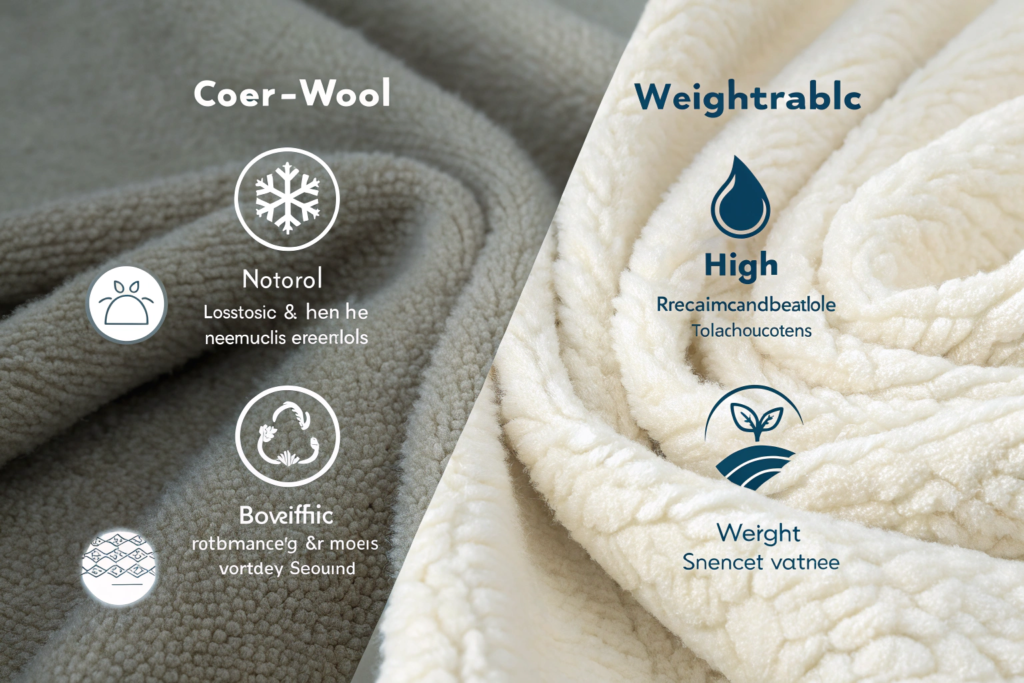
Wool (especially Merino, Lambswool, and Melton) offers unparalleled natural breathability, moisture-wicking, and odor resistance. It's biodegradable and has a inherent loft that traps heat. A high-grammage wool coating fabric is the gold standard for tailored overcoats and peacoats. However, it can be heavier, more expensive, and requires careful cleaning.
High-Tech Synthetics like polyester-based fleece, primaloft insulation, and nylon shell fabrics excel in lightweight warmth, fast-drying capabilities, and extreme durability. They are often more cost-effective for bulk production and offer superior water and wind resistance when woven with a tight construction or coated. They're the undisputed choice for performance snowboarding jackets or lightweight packable puffers.
What Makes Wool Melton the King of Traditional Coats?
Wool Melton isn't just a fabric; it's an institution. It's a densely woven, heavily milled (felted) wool that creates a smooth, almost blurry surface with zero twill line. This milling process makes it incredibly windproof and durable. Its high density gives a superb drape and structured silhouette that synthetic fabrics struggle to replicate.
At Shanghai Fumao, we source extra-fine Merino wool for our premium Melton. The key metric is grammage (gsm). A coat-grade Melton starts at 580 gsm and can go up to 750 gsm for ultimate heaviness. In 2023, we developed a 560 gsm blended wool and alpaca Melton for a Norwegian brand. The addition of alpaca increased the warmth-to-weight ratio by about 20% and gave a halo-like softness to the hand feel, allowing them to command a 30% higher retail price. For true luxury, nothing yet beats the substance and soul of a well-made Melton.
How Do Modern Synthetic Insulations Compare to Down?
The debate between down fill power and synthetic insulation is central to puffer jackets. Down (duck or goose) offers the best warmth-to-weight ratio and compressibility but loses all insulating power when wet and raises ethical concerns.
Modern synthetic insulations like Primaloft Gold or Thermolite have closed the gap dramatically. They are made of ultra-fine, continuous polyester fibers that mimic down's loft. Their supreme advantage is retaining warmth when wet. For a Canadian client making jackets for wet coastal winters, we used a Primaloft Black Eco insulation (made with 50% recycled content). It provided 98% of down's warmth, dried 3x faster, and was completely hypoallergenic—a key marketing point.
Here’s a quick performance snapshot from our lab tests:
| Insulation Type | Warmth When Dry | Warmth When Wet | Compressibility | Ethical/Eco Score |
|---|---|---|---|---|
| 800FP Goose Down | 10/10 | 2/10 | 10/10 | Variable (RDS certified is best) |
| Primaloft Gold | 9/10 | 8/10 | 8/10 | Good (often includes recycled content) |
| Thermolite Extreme | 8/10 | 9/10 | 7/10 | Excellent (100% recycled PET common) |
What Are the Essential Shell and Lining Fabrics?
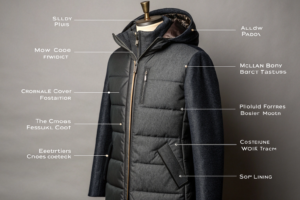
The shell and lining are the unsung heroes. They protect the insulation, manage weather, and touch the wearer's skin. Getting this combination wrong can ruin even the best insulation.
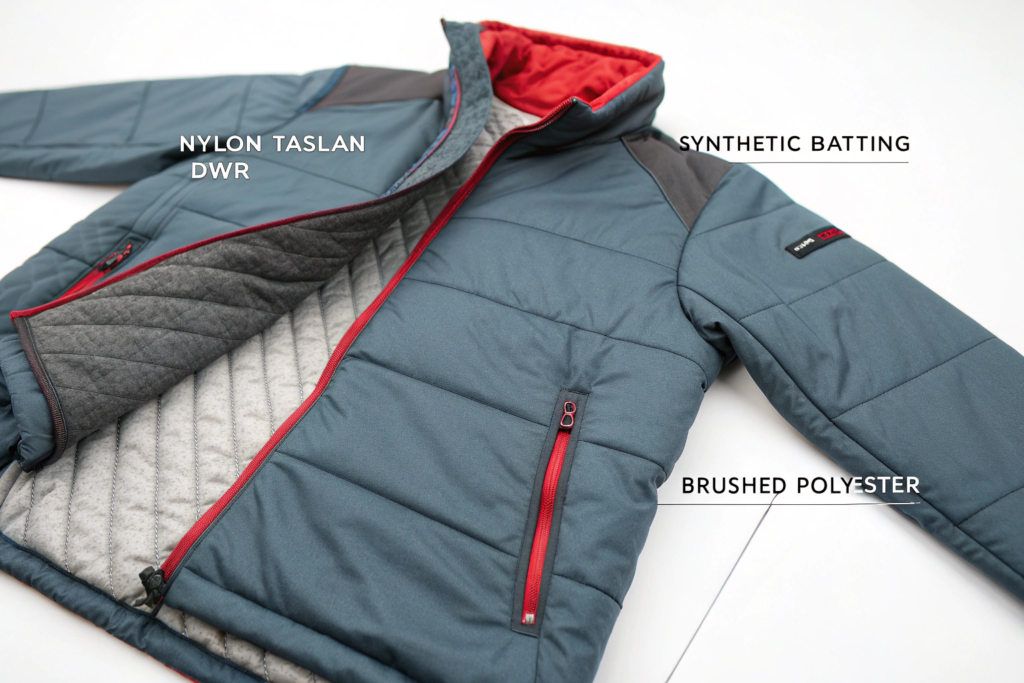
The outer shell must be tough, abrasion-resistant, and treated for water repellency (DWR). For hardcore performance, look at nylon taslan or polyester oxford with a high denier count (e.g., 70D or higher). For a more elegant urban jacket, a microfiber polyester with a peach-skin finish offers a soft hand and good stain resistance.
The lining is about comfort and function. A slippery nylon taffeta allows easy layering. For added warmth, a brushed polyester or sherpa fleece lining is ideal. For luxury, cupro (Bemberg) is a regenerated cellulose fiber with a silky feel, excellent moisture absorption, and anti-static properties—it's the secret lining of high-end brands.
Which Shell Fabrics Offer the Best Wind and Water Protection?
Absolute protection comes from lamination, not just weaving. A standard woven shell with DWR will shed light rain but eventually wet out. For guaranteed waterproofing, you need a laminated membrane (like ePTFE or TPU) bonded to the inside of the shell fabric. This creates a waterproof yet breathable barrier.
We work with a specialized coating factory to apply PU laminations to our shell fabrics. The critical spec is the waterproof rating (measured in mm, e.g., 10,000mm) and breathability rating (measured in g/m²/24hrs, e.g., 15,000g). For a ski jacket, you'd want at least 10,000/10,000. In 2022, we developed a recycled nylon shell with a PFC-free DWR and a bio-based PU membrane for an eco-conscious outdoor brand. It achieved a 12,000mm waterproof rating without harmful chemicals, meeting both performance and sustainability goals.
Why is Cupro (Bemberg) the Preferred Lining for Luxury Coats?
Cupro is a game-changer for linings. It's made from cotton linter (a waste product), making it a regenerated cellulose fiber. Its micro-fibril structure gives it a beautiful, smooth drape and a cooling, silky touch against the skin—far superior to cheap polyester.
But its real magic is hygroscopicity. It absorbs moisture (sweat) rapidly and releases it as vapor, keeping the wearer dry. It's also naturally anti-static and breathable. While more expensive than polyester, using cupro lining fabric from a trusted supplier elevates the entire garment's feel. We advise our clients to use it in the body and sleeve linings of their premium wool coats; it's a detail that consumers who appreciate quality will notice and value.
How Do You Source Sustainable and Functional Winter Fabrics?
The winter market is increasingly driven by eco-credentials and added functionality. Consumers want warmth that aligns with their values and offers smart benefits.
This means looking beyond basic fibers to certified recycled materials (like Global Recycled Standard (GRS) certified polyester for insulation and shell), bluesign® approved dyes and processes, and traceable wool (like Responsible Wool Standard). Functionality now includes heated fabrics with integrated graphene or phase-change materials (PCMs) that store and release heat.
Can You Make a Warm Coat from Recycled Materials?
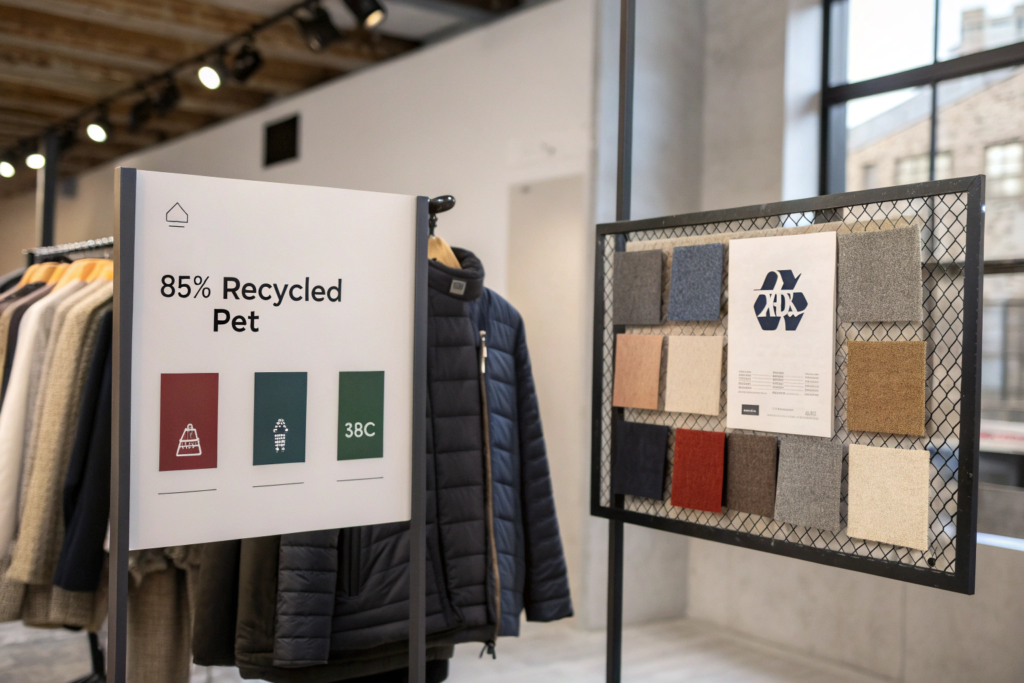
Absolutely, and the performance is now identical. The core of a sustainable puffer jacket is recycled synthetic insulation. High-quality rPET (recycled plastic bottle) insulation from suppliers like Thermore's Ecodown or Primaloft's Eco series offers consistent loft and warmth. The outer shell can be made from recycled nylon or polyester, often sourced from post-consumer waste like fishing nets or fabric scraps.
We recently completed a full-circle project for a Dutch brand: a parka made with a shell of 100% recycled nylon, insulated with Primaloft Gold Eco, and lined with recycled polyester taffeta. The entire jacket had a post-consumer recycled content of over 70%. This wasn't a compromise; it was a premium product with a powerful story, and it became their best-selling winter item.
What are the Latest Functional Finishes for Winter Wear?
The frontier is in active warming and smart care. We are applying graphene-based coatings to lining fabrics. When connected to a small, safe battery pack, it can provide low-voltage radiant heat. This is ideal for sections like the collar or kidney area.
Another innovation is in durable, eco-friendly water repellency (DWR). Traditional DWR uses PFCs (forever chemicals). We now offer PFC-free DWR finishes based on wax or dendrimer technology. They are less durable but meet strict EU regulations. For wool coatings, we apply a natural lanolin-based water-resistant finish that enhances the wool's inherent properties without synthetic chemicals. This kind of functional fabric finishing technology allows you to add tangible, marketable benefits to traditional materials.
Conclusion
Selecting the best winter coat fabric is a strategic balance of aesthetic, performance, ethics, and cost. There is no single winner. The luxury of a dense Wool Melton, the technical prowess of a synthetic insulated system, and the innovative edge of sustainable or smart fabrics all have their place in the modern market.
Your success lies in precisely matching the fabric system to your brand's identity and your customer's real-world needs. This requires a supplier who doesn't just sell cloth, but understands the engineering behind winter warmth.
Need expert guidance to navigate these choices for your next winter line? At Shanghai Fumao, we specialize in sourcing and developing the complete fabric ecosystem for standout winter coats—from heritage wools to cutting-edge synthetics. Let's collaborate to create coats that are as smart as they are warm. Contact our Business Director, Elaine, at elaine@fumaoclothing.com to start your winter fabric journey.