I remember the first time a client asked me about UPF. It was maybe 2015, and a woman from Australia called me. She said, "I need fabric that blocks the sun. Not just a little bit. I mean really blocks it. My family burns in ten minutes." At that time, most of our business was fashion fabrics, and sun protection wasn't something we thought about. But that call opened my eyes to a whole new world of textile performance.
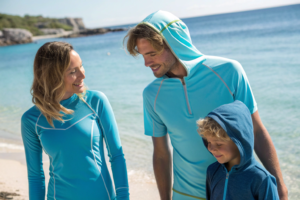
Now, UPF (Ultraviolet Protection Factor) is one of the fastest-growing requests we get. Clients from Australia, the US Southwest, the Middle East, and even Europe want fabrics that protect against the sun's damaging rays. And it's not just about beachwear anymore. We're making sun-protective fabric for everyday shirts, kids' play clothes, work uniforms for outdoor workers, and even tents and umbrellas. The science is real, and at Shanghai Fumao, we've spent years perfecting it.
In this post, I'm going to teach you what makes a fabric sun-protective, how to achieve UPF 50+ ratings, and what to look for when sourcing these materials from China. We'll cover the role of fiber, weave, color, and chemical treatments. I'll share stories from our production lines—like the time in 2023 when we helped a Canadian outdoor brand develop a line of UPF 50+ shirts that were also breathable enough for hiking in 35-degree heat. Let's get into the science of staying safe in the sun.
What Does UPF 50+ Actually Mean?
Before we talk about fabrics, you need to understand the rating system. UPF stands for Ultraviolet Protection Factor. It measures how much UV radiation (both UVA and UVB) penetrates a fabric and reaches your skin. A UPF 50 rating means that only 1/50th (or 2%) of the UV radiation can pass through the fabric. UPF 50+ is even better, blocking more than 98% of UV rays.
There's a common misconception that UPF is the same as SPF for sunscreen. They're related concepts, but not identical. SPF only measures protection against UVB rays (the ones that cause sunburn), while UPF measures both UVB and UVA (the ones that cause aging and skin cancer). So UPF is actually a more complete measure of sun protection.
The rating system is standardized. In the US, we follow AATCC 183 and ASTM D6603. In Europe, it's EN 13758-1. A fabric must be tested and show a minimum UPF of 15 to be considered sun-protective. But for serious protection, you want UPF 30, 50, or 50+. Anything below UPF 15 is not considered protective and can't be labeled as such. We test every batch of sun-protective fabric in our CNAS-accredited lab. In 2022, a client from Florida sent us a sample of fabric they'd bought from another supplier that was labeled UPF 50+. We tested it in our lab, and it came back at UPF 15. They were shocked—and grateful we caught it before they manufactured thousands of garments. For more on the science of UPF testing, this textile testing blog has a detailed explanation of the protocols.
How is UPF different from SPF in practical terms?
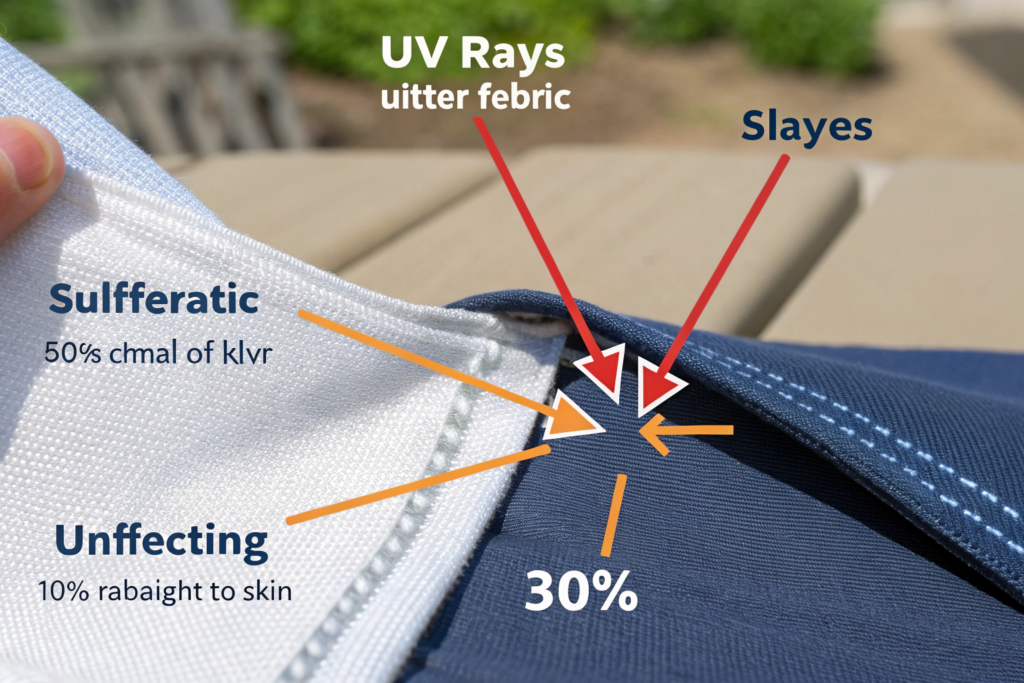
Think of it this way: SPF is for sunscreen you apply to your skin. It can wash off, sweat off, or wear off over time. UPF is built into the fabric. It's permanent protection (assuming the fabric isn't damaged or over-stretched). That's the beauty of sun-protective clothing—you put it on and you're protected for the whole day, no reapplication needed.
Another difference is the spectrum. Most sunscreens are good at blocking UVB, but not all block UVA effectively. UPF-rated fabrics must block both. When you buy a UPF 50+ shirt, you know you're getting broad-spectrum protection that's not going to wear off after two hours at the beach. We had a client from Arizona who works construction. He used to wear sunscreen, but by midday, it had sweated off and he was burning. Now he wears our UPF 50+ work shirts and hasn't had a sunburn since. That's the power of fabric-based protection. This dermatology and skin health blog explains the differences from a medical perspective.
What Fibers Are Best for UPF Protection?
Not all fibers are created equal when it comes to blocking UV. Some have natural protective properties, while others need help. The good news is that with modern textile engineering, we can make almost any fiber sun-protective. But some are better starting points than others.
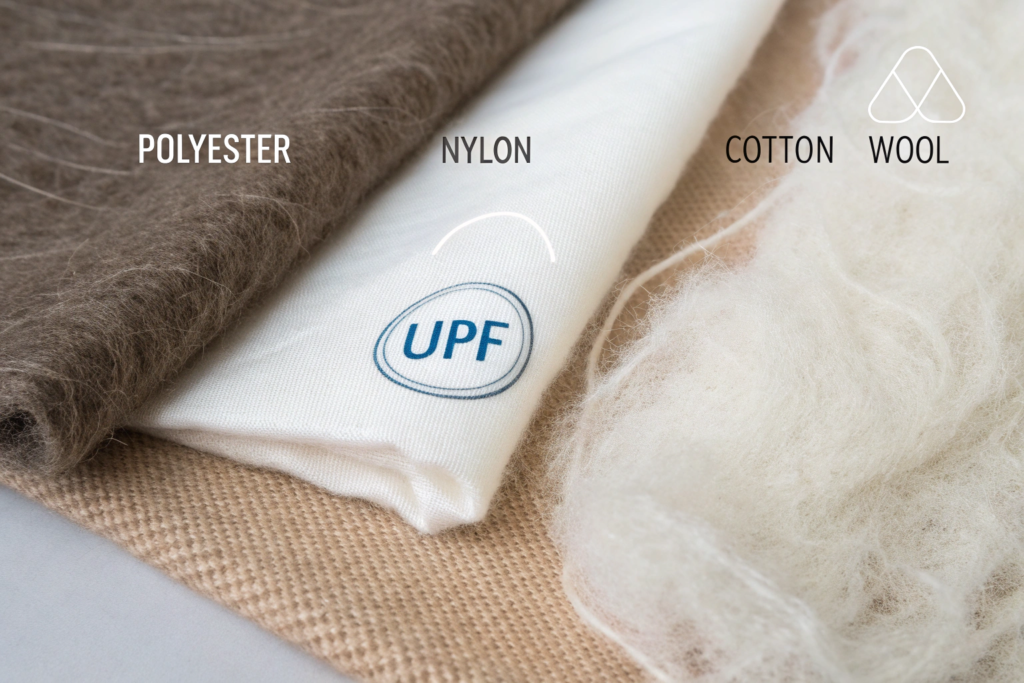
Polyester is the superstar of UV protection. The molecular structure of polyester naturally absorbs UV radiation, especially in the UVA range. It's also strong and can be made into very fine, high-density fabrics. A typical polyester fabric can achieve UPF 30+ without any special treatment. With the right construction and finishes, UPF 50+ is easy. That's why most athletic and outdoor sun-protective clothing is made from polyester or polyester blends. In 2023, we developed a recycled polyester fabric for a German sportswear brand that achieved UPF 50+ with a lightweight, breathable construction. The client was thrilled because they got both sustainability and high performance.
Nylon is also good, though slightly less effective than polyester at absorbing UV naturally. But nylon's strength allows for very tight weaves, which mechanically block UV. It's often used in swimwear and rash guards because it dries quickly and feels smooth against the skin. We blend nylon with spandex for stretch, and the combination works beautifully for active sun protection.
Cotton is a mixed bag. Unbleached, untreated cotton has some natural UV absorption due to lignin and other natural impurities. But white, bleached cotton is actually quite transparent to UV. A standard white cotton t-shirt might have a UPF of only 5 or 6. That's practically no protection. You can get sunburned through a white cotton shirt. However, cotton can be engineered for UPF through tight weaves, heavy weights, and chemical treatments. We do a lot of cotton sun-protective fabrics for clients who want the natural feel but need the protection. This fiber science blog compares the UV-blocking properties of different natural and synthetic fibers.
What about bamboo, linen, and other natural fibers?
Bamboo viscose is interesting. In its pure form, it's not particularly UV-protective. It's a regenerated cellulose fiber, similar to rayon, and it doesn't have the natural UV absorbers that some plant fibers have. But because bamboo fibers can be made very fine and woven into dense fabrics, we can achieve good UPF through construction. We also add UV absorbers to the finishing process.
Linen is another natural fiber with moderate natural UV protection, mostly due to its color and texture. Natural, unbleached linen has a creamy color that absorbs some UV. But like cotton, a lightweight, bleached linen will have low UPF. The key with linen is the weave density. A tightly woven linen can block UV effectively, but it might not have that airy, breathable feel that people love about linen. It's a trade-off.
Wool is surprisingly good at blocking UV. The scales on wool fibers scatter and absorb UV radiation effectively. Dark-colored wool can have very high UPF ratings. But wool isn't practical for most sun-protective clothing because it's heavy and hot in summer weather. We've done some wool blends for clients in cooler climates who need sun protection at high altitudes, but it's a niche application.
How Does Fabric Construction Affect UPF?
Fiber is just the start. How we weave or knit the fabric is equally important. You can take the same polyester yarn and make a fabric with UPF 15 or UPF 50+ just by changing the construction. This is where the engineering comes in.
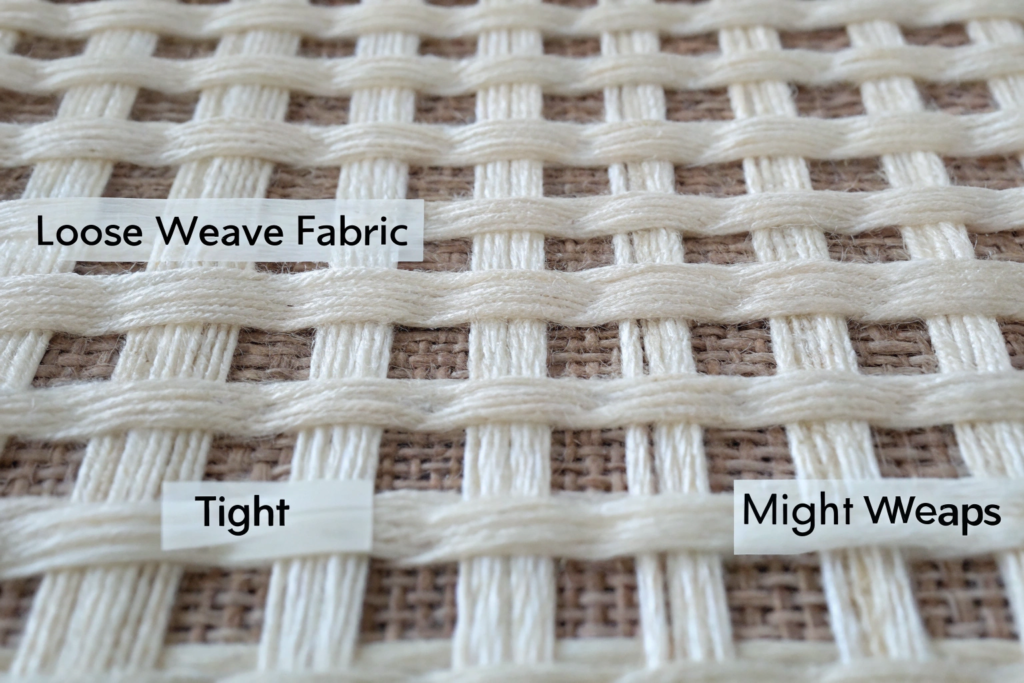
The most obvious factor is porosity. UV rays are like tiny particles. If there are gaps between the yarns, UV can sneak through. A loose weave or knit with big holes will have low UPF, no matter what the fiber is. A tight weave with minimal gaps will mechanically block UV. That's why a thick, dense denim has high UPF even if it's just cotton. The UV can't find a path through.
But we have to balance this with breathability. If we make the fabric too dense, it won't breathe, and people will overheat. That's the challenge of sun-protective clothing: how do you block UV while still allowing air and moisture vapor to pass through? The solution is often in the yarn selection. By using fine, high-twist yarns, we can weave a fabric that's dense enough to block UV but still lightweight and breathable. We did this for a client in Australia who wanted UPF 50+ hiking shirts. We used a fine polyester yarn in a plain weave with 180 threads per inch. The fabric was thin, light, and breathable, but the weave was so tight that UV couldn't penetrate. It passed UPF testing with flying colors.
Stretch is another consideration. When you stretch a fabric, the gaps between yarns get bigger, and UPF can drop. That's why a tight-fitting rash guard might have lower UPF when you're wearing it than when it's lying flat on a table. We test our stretch fabrics in both relaxed and stretched states to ensure they maintain protection. This textile engineering forum has a great discussion on how different weaves and knits affect UV transmission.
What role does fabric weight (GSM) play?
Weight matters, but it's not the whole story. Generally, heavier fabrics have higher UPF because there's more material to absorb and block UV. A heavy canvas will naturally have high UPF. But you don't want to wear canvas on a hot, sunny day.
The trick is achieving high UPF with low GSM. That's where fiber engineering and weave density come in. We can make a 120 GSM fabric with UPF 50+ if we use the right yarns and weave it tightly. We can also make a 200 GSM fabric with UPF 15 if the weave is loose and the fibers don't absorb UV. So don't just look at weight. Look at the combination of weight, construction, and fiber.
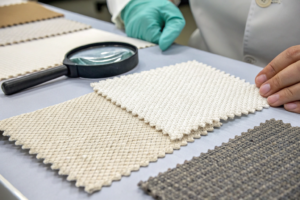
For example, we make a popular 130 GSM recycled polyester fabric for running shirts. It's incredibly light, almost like paper, but it has a UPF of 50+. How? The yarns are fine but high-twist, and the weave is a compact plain weave with no gaps. The fabric feels light and airy, but under a microscope, it's a solid wall of fiber. That's the sweet spot.
How Important Is Color for UPF?
This is one of the most misunderstood aspects of sun-protective clothing. Color matters—a lot. But it's not as simple as "dark colors are better." The relationship between color and UPF is complex and depends on the dye chemistry and the fiber type.
In general, darker colors absorb more UV radiation than lighter colors. A black fabric will typically have a higher UPF than a white fabric made from the same material and construction. That's because the dark dyes absorb UV energy and convert it to heat, rather than letting it pass through or reflect back to your skin. For maximum protection, dark colors are a safe bet.
But light colors can also achieve high UPF with the right dyes and finishes. Some dyes, especially certain pigments and naphthol dyes, are excellent UV absorbers even in light shades. We can also add UV-absorbing chemicals to the dye bath or the finishing process. So a pastel pink fabric can have UPF 50+ if it's engineered correctly.
Fluorescent colors are interesting. They actually absorb UV and re-emit it as visible light, which is why they glow. That means they're absorbing UV that would otherwise reach your skin. Fluorescent fabrics often have naturally high UPF, which is why you see so much high-visibility workwear in fluorescent colors. We had a client in Texas who wanted safety vests for outdoor workers that also provided sun protection. The fluorescent orange fabric we developed had a UPF of 50+ without any special treatment, just from the dye chemistry.
One thing to watch out for is fading. UV exposure can fade dyes over time, and as the dye fades, the UPF can decrease. That's why we test our sun-protective fabrics for UV stability. We expose them to simulated sunlight for a certain number of hours and then re-test the UPF. For a client in the Middle East with extreme sun exposure, we developed fabrics that maintained UPF 50+ after 100 hours of UV exposure. This textile chemistry blog explains how different dye classes interact with UV radiation.
Can white fabric ever be truly UPF 50+?
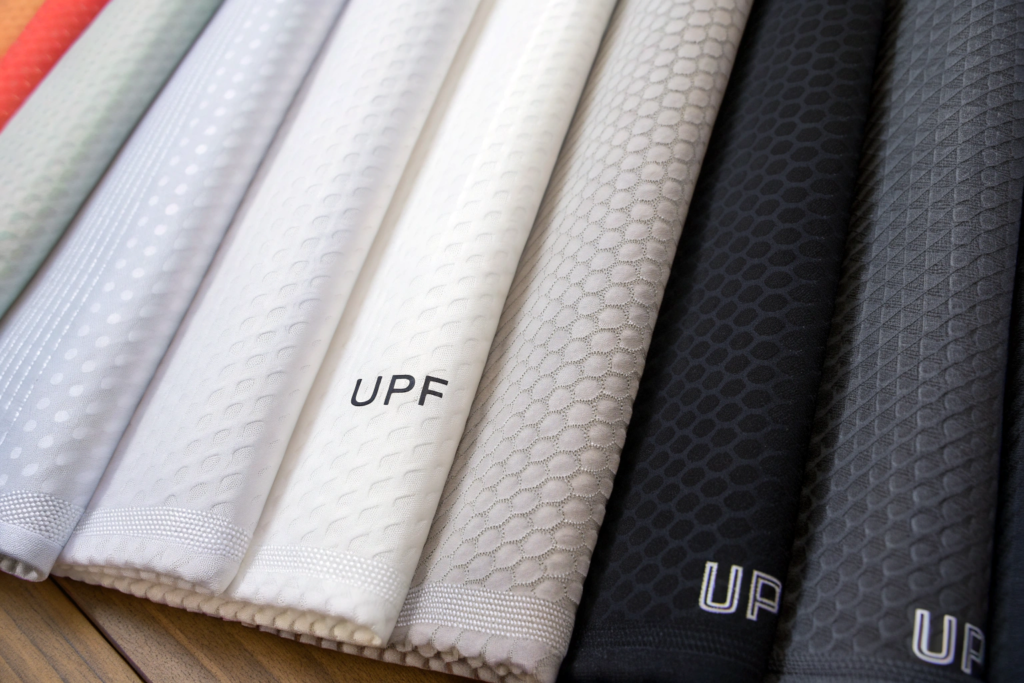
Yes, absolutely. This is a common question because people want light-colored, cool clothing for hot climates. White fabric can achieve UPF 50+, but it requires engineering.
The challenge with white is that it reflects visible light but can be transparent to UV. To make white fabric sun-protective, we have a few options. One is to use a very tight weave or knit that physically blocks UV, regardless of color. Another is to add UV-absorbing chemicals, often titanium dioxide or zinc oxide nanoparticles, to the fibers or the finish. These are the same minerals used in physical sunscreens, and they're very effective at blocking UV even in white fabrics.
We do a lot of white sun-protective fabrics for clients in the Middle East and Southeast Asia. In 2023, we developed a white cotton-polyester blend for a client in Dubai who makes traditional white thobes (long robes) with built-in sun protection. The fabric had to be white, lightweight, and breathable, but also protect the wearer from extreme sun. We used a tight weave construction with a UV-absorbing finish that was invisible and didn't affect the hand feel. The final fabric tested at UPF 50+. It's possible, but it requires the right approach.
What Chemical Treatments Boost UPF?
Sometimes fiber and construction aren't enough. That's when we turn to chemical treatments. These are additives that absorb or reflect UV radiation, boosting the fabric's UPF. They can be applied during fiber production, during dyeing, or as a finish after the fabric is made.
The most common UV absorbers are organic compounds that work like internal sunscreen. They absorb UV radiation and convert it to harmless heat. These are typically added to the dye bath or applied during finishing. They're colorless and don't affect the fabric's appearance or hand feel. We use them extensively for fabrics that need high UPF but have light colors or open constructions.
Another approach is using inorganic UV blockers like titanium dioxide or zinc oxide. These are physical blockers that reflect and scatter UV. They're often incorporated into the fibers during spinning, creating "built-in" protection that won't wash out. This is more expensive but more durable. We've done this for clients who need fabrics that maintain UPF after many washes, like for rental uniforms or hotel linens.
The durability of these treatments is critical. A finish that washes out after five washes isn't useful for a garment that will be worn and washed repeatedly. We test our treated fabrics for wash durability according to AATCC 61. We wash samples 20, 30, even 50 times and re-test the UPF. For a client in Australia who wanted kids' swimwear, we needed UPF 50+ after 50 washes. We used a combination of fiber-integrated UV blockers and a durable finish to achieve it. This textile finishing blog has more details on the different chemical options and their wash fastness.
Are UV-protective finishes safe for skin contact?
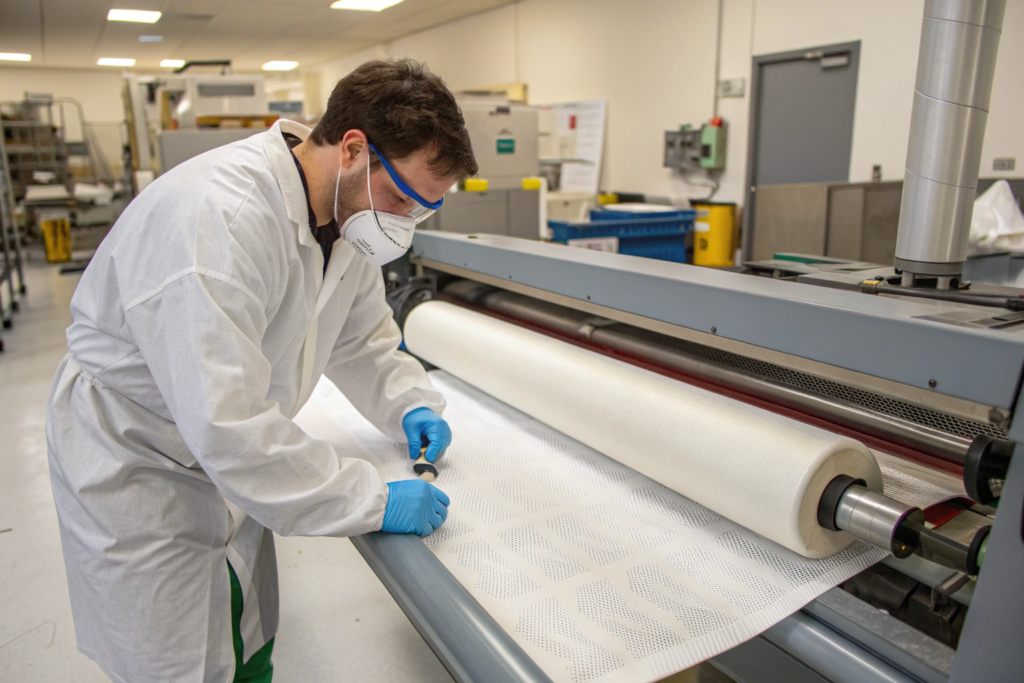
This is a critical question, and the answer is yes when done correctly. The chemicals used in UV-protective finishes are regulated and tested for safety. In the EU, they must comply with REACH regulations. In the US, they must be safe under FDA guidelines for clothing.
We only use finishes that are certified non-irritating and non-toxic. We test for skin sensitivity (cytotoxicity) and ensure there are no harmful substances like formaldehyde or heavy metals (unless they're encapsulated safely). Many of the UV absorbers we use are the same compounds approved for use in cosmetics and sunscreens, so they have a strong safety record.
That said, we always recommend that clients with sensitive skin or babies test the fabric first. We can provide samples for wear testing. In 2022, a client in Japan making sun-protective clothing for children with eczema asked us to develop a fabric with no chemical finishes at all. We achieved UPF 50+ through a super-tight weave of fine polyester fibers, with no added chemicals. It's possible, but it requires very precise engineering. This textile safety blog has good information on regulatory compliance for textile chemicals.
How Does Wetness Affect UPF?
This is a huge issue for swimwear and activewear. You're wearing a rash guard in the water, and you assume you're protected. But when fabric gets wet, its UPF can change dramatically—usually for the worse. Understanding this is essential for sourcing sun-protective swimwear.
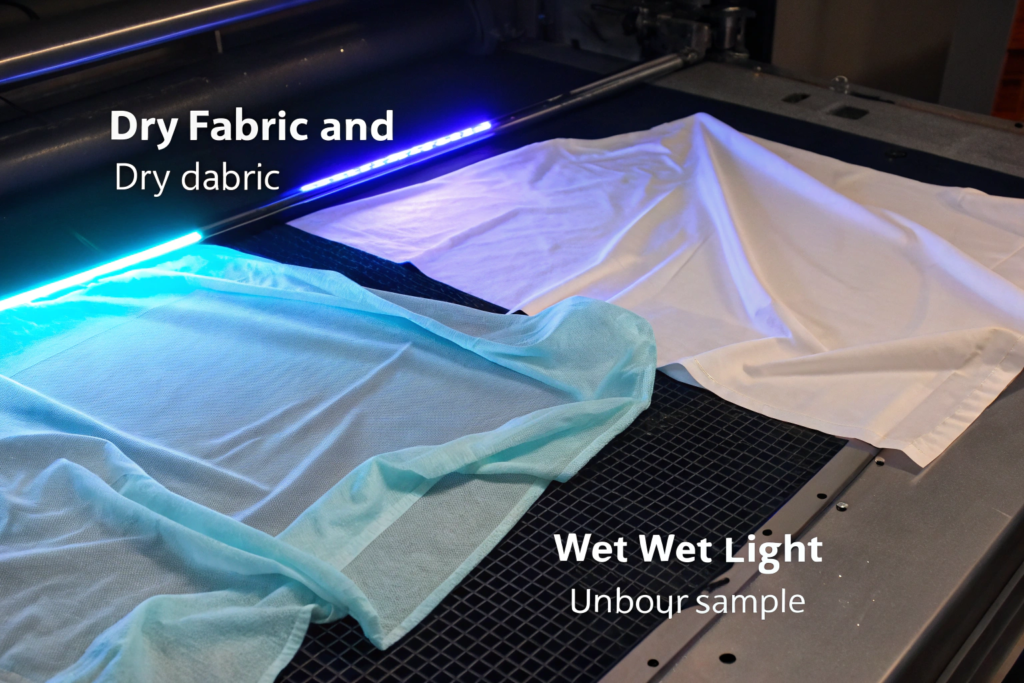
Most fabrics lose UPF when wet. Why? Water fills the spaces between fibers and reduces the scattering of light. It also can cause fibers to swell and change the optical properties. A fabric that tests at UPF 50+ when dry might drop to UPF 15 when wet. That's a huge difference, and it means the wearer is getting burned without realizing it.
The amount of loss depends on the fiber and construction. Cotton often loses significant UPF when wet. Polyester and nylon tend to lose less because they absorb less water. Some specially engineered fabrics can maintain UPF even when wet. We test all our swimwear fabrics in both dry and wet conditions. We soak the samples in water for a specified time and then test them immediately. The wet UPF rating must meet the same standard as the dry rating for us to call it "wet-rated."
In 2023, we developed a line of recycled nylon swim fabrics for a client in California. The initial samples tested at UPF 50+ dry but dropped to UPF 30 when wet. We needed UPF 50+ wet for their marketing claims. We adjusted the weave density and added a UV-absorbing finish that was more effective in wet conditions. The final fabric tested at UPF 50+ both dry and wet. It took several rounds of development, but we got there. This textile physics blog explains the science behind wet-state UV transmission and how to engineer around it.
What about stretch fabrics and UPF when wet?
Stretch fabrics add another layer of complexity. When you stretch a fabric, the gaps between yarns get bigger, reducing UPF. When you add water, the effect can be compounded. A stretched, wet fabric can have very low UPF.
For active swimwear and surf wear, we have to test in the worst-case scenario: stretched and wet. We mount the fabric on a stretching device that holds it at a specified elongation (typically 20-30%, depending on the garment fit). Then we wet it and test. This simulates what happens when someone is actually wearing the garment and moving in the water.
We had a client in Hawaii who makes surf leggings. The first samples tested fine in flat, dry condition. But when we tested them stretched and wet, the UPF dropped below 20. The combination of stretch and water was creating pathways for UV. We redesigned the fabric with a higher density in the relaxed state, so when stretched, the gaps were still small enough to block UV. It meant the fabric was slightly heavier, but it maintained UPF 50+ in all conditions. That's the level of testing needed for serious sun protection.
Conclusion
Sourcing fabric for sun-protective clothing is a science, not an art. It requires understanding the interplay of fiber, construction, color, and chemistry. Polyester is your friend, but cotton can work with the right engineering. Dark colors help, but whites can achieve UPF 50+ with UV absorbers. Wetness and stretch are the enemies, but they can be overcome with careful design and testing. And through it all, the standards—AATCC 183, ASTM D6603, EN 13758-1—are your guide to what's real and what's just marketing.
At Shanghai Fumao, we've made sun protection a core part of our business. We test everything in our CNAS-accredited lab, we work with clients to engineer fabrics that meet their specific needs, and we stay current on regulations around the world. Whether you need UPF 50+ rash guards for a surf brand, sun-protective workwear for outdoor laborers, or lightweight summer shirts that keep families safe at the beach, we have the expertise and the production capability to deliver.
If you're ready to add sun protection to your product line, or if you need to verify that your current fabrics are actually doing what they claim, let's talk. We can help you navigate the science and the sourcing. Please contact our Business Director, Elaine, at elaine@fumaoclothing.com. Let's keep your customers safe in the sun.