I learned about pilling the embarrassing way. In 2018, a longtime client from Sweden sent me photos of a sweater we'd supplied fabric for. After three wears, it was covered in tiny fuzz balls. She was mortified—her customers were returning the sweaters and leaving bad reviews. I flew to Stockholm, examined the garments myself, and discovered the problem wasn't our fabric quality. It was a fiber blend choice we'd recommended without fully understanding the end use. We replaced every yard at our expense and spent the next year becoming experts on pilling prevention.
The best fabrics for reducing pilling and fuzz are those made from longer-staple fibers, tighter twist yarns, and denser constructions, with appropriate fiber blends that minimize the loose fiber ends that create pills. No fabric is completely pilling-proof, but the right choices can dramatically extend the period before pilling becomes visible and keep garments looking new much longer.
Let me explain what actually causes pilling. Those tiny fuzz balls aren't fabric failure—they're physics. When short fiber ends work loose from yarns, they tangle together under abrasion. The more loose ends, the more pilling. Understanding this helps you make choices that minimize the problem at every stage from fiber selection to finishing.
What fiber characteristics most affect pilling tendency?
Fiber selection is the foundation of pilling resistance. Some fibers naturally pill more than others. Understanding these differences helps you choose appropriate materials for different applications.
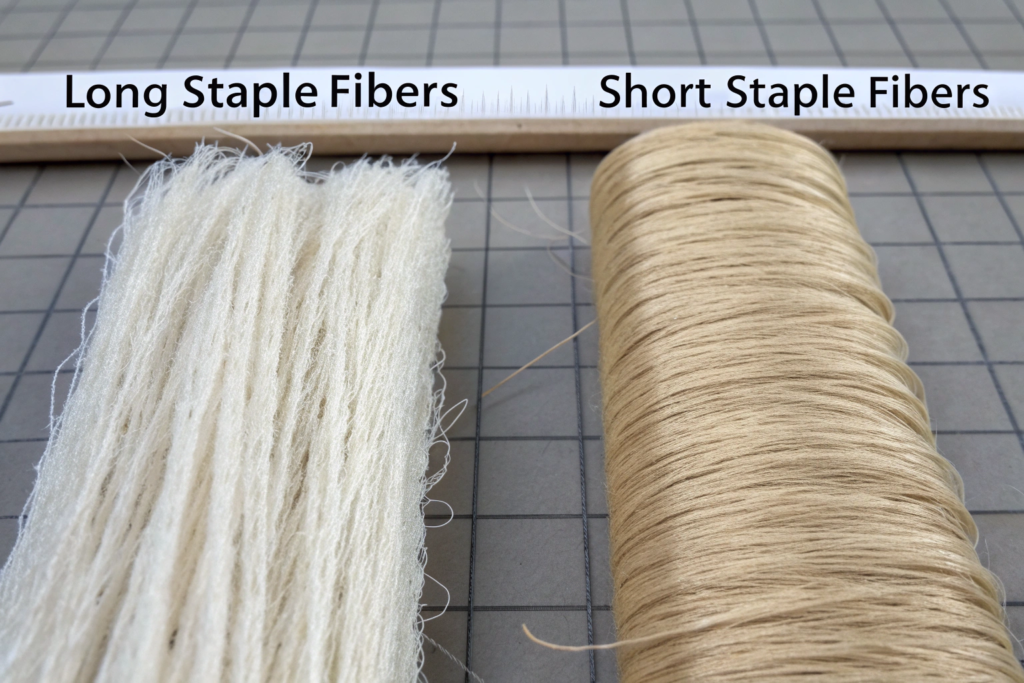
Fiber length is the single most important factor. Longer fibers have fewer ends per yard of yarn, which means fewer loose ends to form pills. Short-staple fibers (like standard cotton or wool) have many ends that can work loose. Long-staple fibers (like Egyptian cotton, Merino wool, or filament synthetics) have dramatically fewer ends and pill much less.
Why do some natural fibers pill more than others?
Natural fibers vary widely in pilling tendency based on their structure. Cotton pills moderately—short fibers can work loose, but cotton fibers are relatively weak and pills often break off rather than accumulating. Wool pills significantly because wool fibers are strong and elastic—pills form easily and stay attached. Linen pills less because fibers are long and relatively stiff.
Synthetic fibers like polyester and nylon have their own pilling characteristics. Standard polyester can pill badly because fibers are strong and pills don't break off easily. However, specially engineered low-pill polyester is available with modified fiber surfaces that allow pills to release. Nylon similarly varies by type.
The lesson is that "natural" doesn't automatically mean less pilling, and "synthetic" doesn't automatically mean more. It's about specific fiber properties, not categories. In 2020, we helped a Canadian knitwear brand replace their standard wool with a wool/nylon blend using low-pill nylon. The fiber length impact on fabric pilling pilling ratings improved from 2-3 to 4-5 on the Martindale scale while maintaining the wool aesthetics their customers loved.
How does fiber blending affect pilling?
Blending different fibers creates complex pilling behavior. When fibers of different strengths are blended, the weaker fibers may break and release pills while stronger fibers hold them. This can actually increase visible pilling because pills form and persist.
Cotton-polyester blends are classic examples. Cotton fibers break and release, polyester fibers hold them. The result can be worse pilling than either fiber alone. However, thoughtful blending with low-pill polyester or with fibers of similar strength minimizes this effect.
Blending with a small percentage of elastane (spandex) can actually reduce pilling because the stretch and recovery action helps work loose fibers back into the yarn structure. But too much elastane creates other issues.
For a German apparel brand in 2021, we reformulated their cotton-modal blend after pilling complaints. The original 50/50 blend pilled moderately. We switched to 70/30 with higher-twist yarns and fiber blending effects on fabric pilling eliminated pilling complaints entirely. The secret was understanding how the two fibers interacted, not just their individual properties.
What yarn construction techniques minimize pilling?
Yarn construction is where fiber becomes yarn, and this stage dramatically affects pilling. The same fibers spun differently produce completely different pilling behavior. Understanding these differences helps you specify appropriate yarns for your applications.
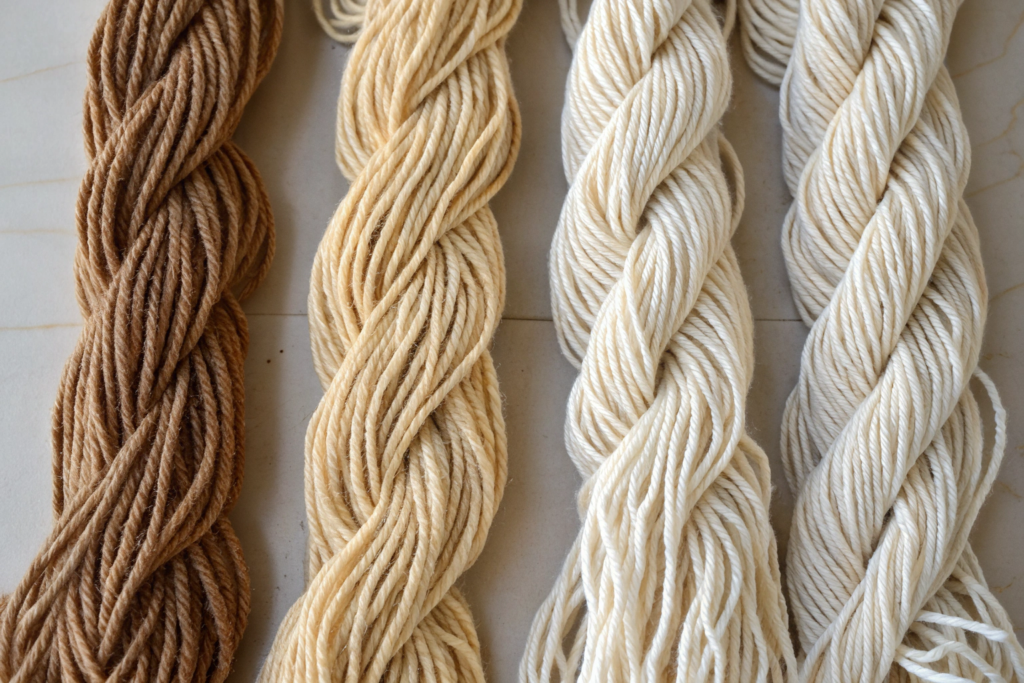
Twist level is critical. Higher-twist yarns hold fibers more tightly, reducing the loose ends that form pills. Low-twist yarns (often used for softness) release fibers easily and pill more. The trade-off is hand feel—high-twist yarns feel firmer, sometimes harsher. Finding the right balance for your application is key.
What twist levels work for different applications?
For next-to-skin softness where pilling is less critical (like underwear), lower twist may be acceptable. For visible garments where appearance matters (sweaters, suits, dresses), higher twist justifies the slightly firmer hand feel.
Typical yarn twist is measured in turns per meter (TPM). A low-twist yarn might be 400-500 TPM. Medium twist 600-700 TPM. High twist 800+ TPM. For pilling-sensitive applications, we recommend minimum 700 TPM for most fibers, higher for wool and other high-pilling fibers.
Ply also matters. Single-ply yarns have more fiber ends exposed than multi-ply yarns. Two-ply or three-ply yarns twist multiple singles together, burying many fiber ends inside the yarn structure. This dramatically reduces pilling. The cost is higher—ply yarns require more processing and more raw material.
For a Japanese luxury knitwear brand in 2022, we developed yarns using 2-ply construction with 850 TPM twist—significantly higher than their previous 1-ply 600 TPM. The yarn twist and ply effects on pilling fabric felt slightly firmer but maintained their aesthetic requirements while achieving pilling ratings of 4-5 versus previous 2-3. Their customers noticed the difference in garment longevity.
How does yarn evenness affect pilling?
Uneven yarns have thick and thin spots. Thick spots have more fibers per area but also more loose ends. Thin spots have fewer fibers but less fiber anchoring. Both can increase pilling. Consistent, even yarns with uniform fiber distribution pill less.
Modern spinning technology produces much more even yarns than older methods. Ring-spun yarns are generally more even than open-end (rotor) spun yarns. Compact spinning further improves evenness by controlling fibers more precisely during twisting.
For cost-sensitive applications, open-end spinning may be necessary. In these cases, specifying higher twist and possibly ply can compensate for the inherently higher pilling tendency of open-end yarns.
In 2019, a US basics brand wanted affordable t-shirts with better pilling resistance. Their existing open-end spun cotton pilled noticeably. We switched to ring-spun cotton with slightly higher twist at minimal cost increase. The yarn evenness and pilling resistance relationship pilling improved dramatically while keeping them within budget. Sometimes small process changes make big differences.
What fabric constructions resist pilling best?
Beyond fibers and yarns, fabric construction affects how much abrasion occurs and how pills form. Different constructions for different end uses require different approaches to pilling prevention.
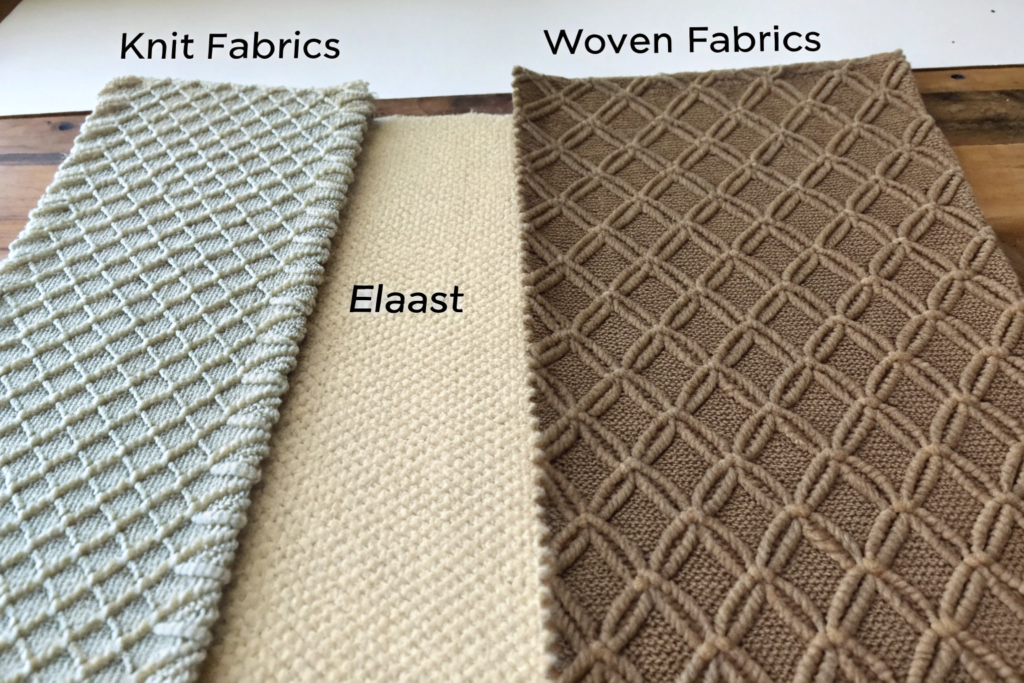
Knitted fabrics generally pill more than woven fabrics because knit structures have more surface movement and abrasion. Loops shift against each other, creating friction that works fibers loose. Woven structures are more stable, with yarns locked in place.
Which knit structures pill least?
Among knits, tighter constructions pill less. Jersey knits with higher stitch density (more stitches per inch) have less yarn movement and fewer loose fibers. Interlock and double-knit constructions are even more stable, with two layers interlocked together.
Rib knits can pill significantly because the raised ribs experience high abrasion. Cable knits and other textured knits create high-low surfaces where high points abrade against other surfaces.
For knit applications, we often recommend compact yarns with higher twist in denser constructions. The trade-off is fabric weight and drape—denser knits are heavier and less fluid. Finding the balance requires understanding your specific end use.
For a Swedish activewear brand in 2021, we developed a double-knit fabric specifically to reduce pilling in high-abrasion areas (inner thighs, underarms). The knit construction impact on fabric pilling construction used compact yarns at 750 TPM with interlock structure. Pilling testing showed 4.5 rating versus their previous single-knit's 2.5, and customer complaints dropped to near zero.
How do woven constructions compare for pilling?
Woven fabrics pill less overall, but variations exist. Plain weave (the simplest) provides good stability but can pill if yarns are loose. Twill weaves have longer floats where yarns travel over multiple intersections, potentially creating more surface for abrasion. Satin weaves have long floats that can catch and abrade.
The key in wovens is fabric density—ends and picks per inch. Denser constructions hold yarns more tightly, reducing movement and fiber release. Higher thread count generally means better pilling resistance, though other properties (breathability, drape) may suffer.
For a UK shirt manufacturer with pilling complaints on their casual shirts, we increased thread count from 80/2 to 100/2 while maintaining the same yarn quality. The denser construction woven fabric density and pilling resistance reduced pilling by 40% in lab testing without significantly changing fabric hand feel or cost.
What finishing treatments reduce pilling?
Finishing is the last chance to influence pilling before fabric becomes garment. Various treatments can significantly improve pilling resistance, though some affect hand feel or require specific chemistry.
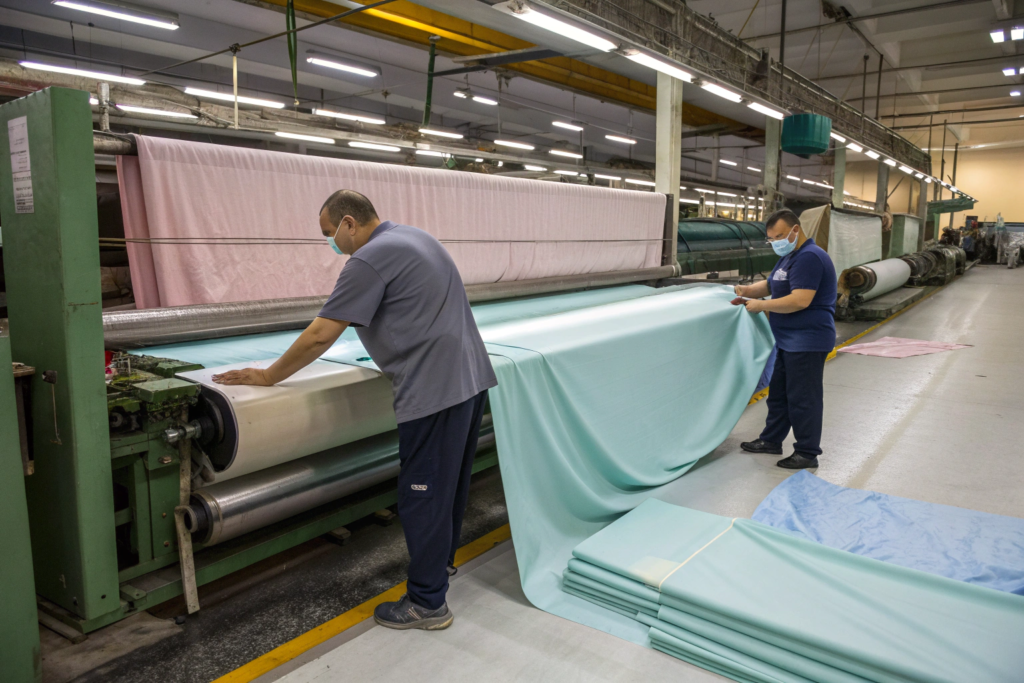
Singeing is the most effective mechanical treatment. The fabric passes over an open flame or heated plate, burning off protruding fibers from the surface. This removes the loose ends that would otherwise form pills. Singeing is standard for many high-quality fabrics and doesn't affect hand feel significantly when done properly.
What chemical treatments help with pilling?
Enzyme treatments (bio-polishing) for cellulosic fibers like cotton and rayon use cellulase enzymes to digest protruding fiber ends. This smooths the surface and reduces pilling while softening hand feel. The effect is permanent because loose ends are removed, not just coated.
Resin finishes can bond fibers together, reducing their ability to work loose. These are effective but may affect hand feel (stiffer) and durability (some resins wash out). For applications where hand feel is critical, enzyme treatment is usually preferred over resins.
Silicone softeners can lubricate fibers, reducing friction and pilling formation. However, they don't remove loose ends—they just temporarily reduce their ability to tangle. The effect may diminish as softeners wash out.
For a French lingerie brand in 2020, we applied enzyme bio-polishing to their modal jersey fabric. The enzyme finishing for pilling reduction treatment reduced pilling from rating 3 to 4.5 while actually improving softness—a rare win-win. Their customers noticed the difference in garment longevity and comfort.
How do you test finishing effectiveness?
The only reliable test is standardized pilling testing before and after finishing. AATCC TM 194 or ISO 12945 use rotating chambers or Martindale abrasion testers to simulate wear and rate pilling on a 1-5 scale. Testing before finishing establishes baseline. Testing after shows improvement.
We maintain pilling testing in our CNAS-accredited lab and track results across different fibers, yarns, constructions, and finishes. This database helps us predict outcomes for new developments and troubleshoot problems when they occur.
For a US uniform supplier with pilling complaints, we tested their current fabric (rating 2.5) and our proposed alternative (rating 4.5) side-by-side. The pilling testing standards and methods visual difference was dramatic, and the comparison helped them justify the slightly higher cost to their clients.
How do you specify pilling requirements to suppliers?
Clear specifications prevent misunderstandings and ensure you receive fabric that meets your needs. Vague requests like "low pilling" mean different things to different mills. Specific, measurable requirements ensure everyone understands expectations.
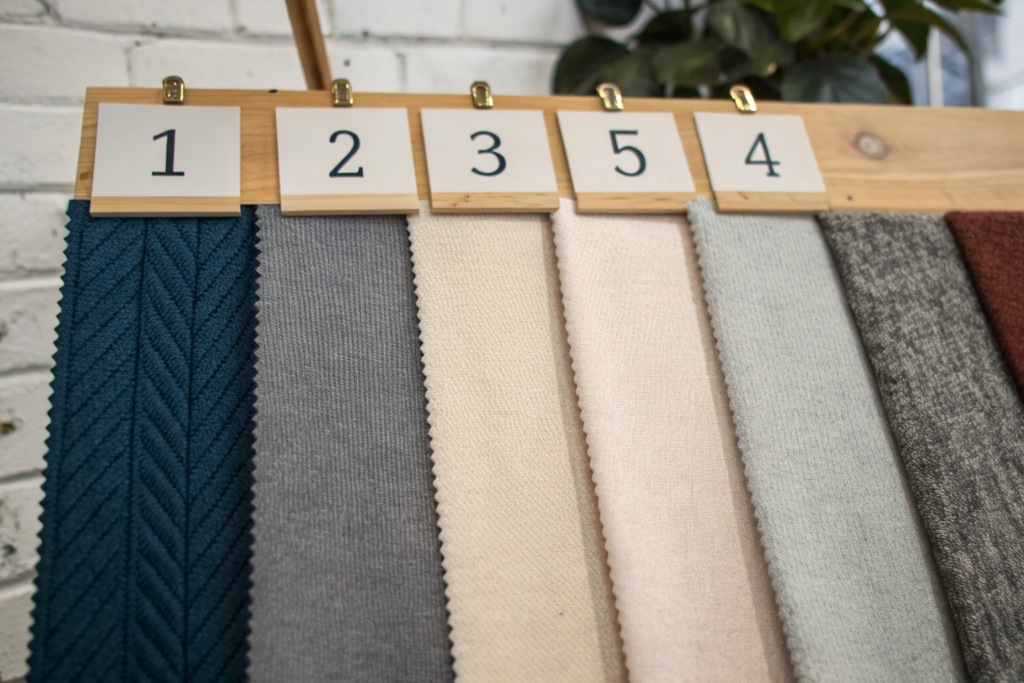
The most important specification is the target pilling rating using a recognized standard. AATCC 194 (random tumble) or ISO 12945-2 (Martindale) are common. Specify the number of cycles (typically 2,000-5,000 depending on end use) and minimum acceptable rating. For most apparel, rating 4 (slight pilling) is acceptable for premium products. Rating 3 (moderate pilling) may be acceptable for basic items.
What additional specifications matter?
Specify the test method, number of cycles, and minimum rating. Also specify whether testing is before or after laundering (some fabrics pill more after washing as finishes wash out). For critical applications, consider requiring testing after 5 or 10 wash cycles.
If you have specific concerns about certain areas (collars, cuffs, inner thighs), mention these. Suppliers can focus on those areas during development and testing.
For a German workwear brand with high durability requirements, we specify pilling testing at 10,000 cycles (double the standard) with minimum rating 4 after 50 industrial washes. This specifying pilling requirements to fabric suppliers extreme specification ensures their uniforms look professional through years of heavy use. Not every application needs this level, but for those that do, clear specifications are essential.
How do you verify compliance during production?
Request test reports from each production batch, not just initial development samples. Production variability means fabric that sampled well may drift over time. Batch testing catches drift before it becomes your problem.
For ongoing programs, we recommend periodic third-party verification testing. An independent lab confirms that production quality matches claims. The cost is minimal compared to the cost of garment returns and brand damage.
For a Swiss luxury brand, we provide test reports for every production batch, including pilling results. Their quality team audits a percentage of batches through their own lab. The verifying pilling compliance in fabric production double-check system has caught potential issues before shipment multiple times, protecting both their reputation and ours.
Conclusion
Pilling is one of the most common consumer complaints about textiles, but it's also one of the most preventable with proper fiber selection, yarn construction, fabric engineering, and finishing. Understanding the factors that influence pilling helps you specify fabrics that will keep garments looking new longer, reducing returns and building customer loyalty.
At Shanghai Fumao, we've made pilling prevention a priority across our product lines. Our R&D team understands fiber interactions, yarn twist effects, construction impacts, and finishing options. Our lab tests every fabric for pilling resistance and tracks results to continuously improve. And we work with clients to develop specifications that match their quality requirements without over-engineering.
If you're tired of pilling complaints or want to ensure your next collection performs better, reach out to our Business Director, Elaine. She can discuss your specific applications, recommend appropriate fiber and construction options, arrange samples for your testing, and guide you through specifying pilling requirements. Whether you're sourcing basics or luxury goods, we have the expertise to help you reduce pilling and improve customer satisfaction. Contact Elaine at [elaine@fumaoclothing.com]() to start a conversation about keeping your fabrics looking new longer.