As someone who's spent over 20 years in the textile industry, I've had countless conversations with designers and brands about this exact challenge. Creating beautiful, comfortable, and flattering plus-size clothing isn't just about scaling up a pattern. The wrong fabric can undermine the entire design, leading to poor fit, discomfort, and unhappy customers. I remember a client from Florida in 2021 who was struggling with returns on her beautiful plus-size kaftans. The issue? The lightweight viscose she chose clung in all the wrong places and lost its shape after a few wears. We solved it together by switching to a linen-rayon blend—a simple fabric change that cut her return rate by 40%.
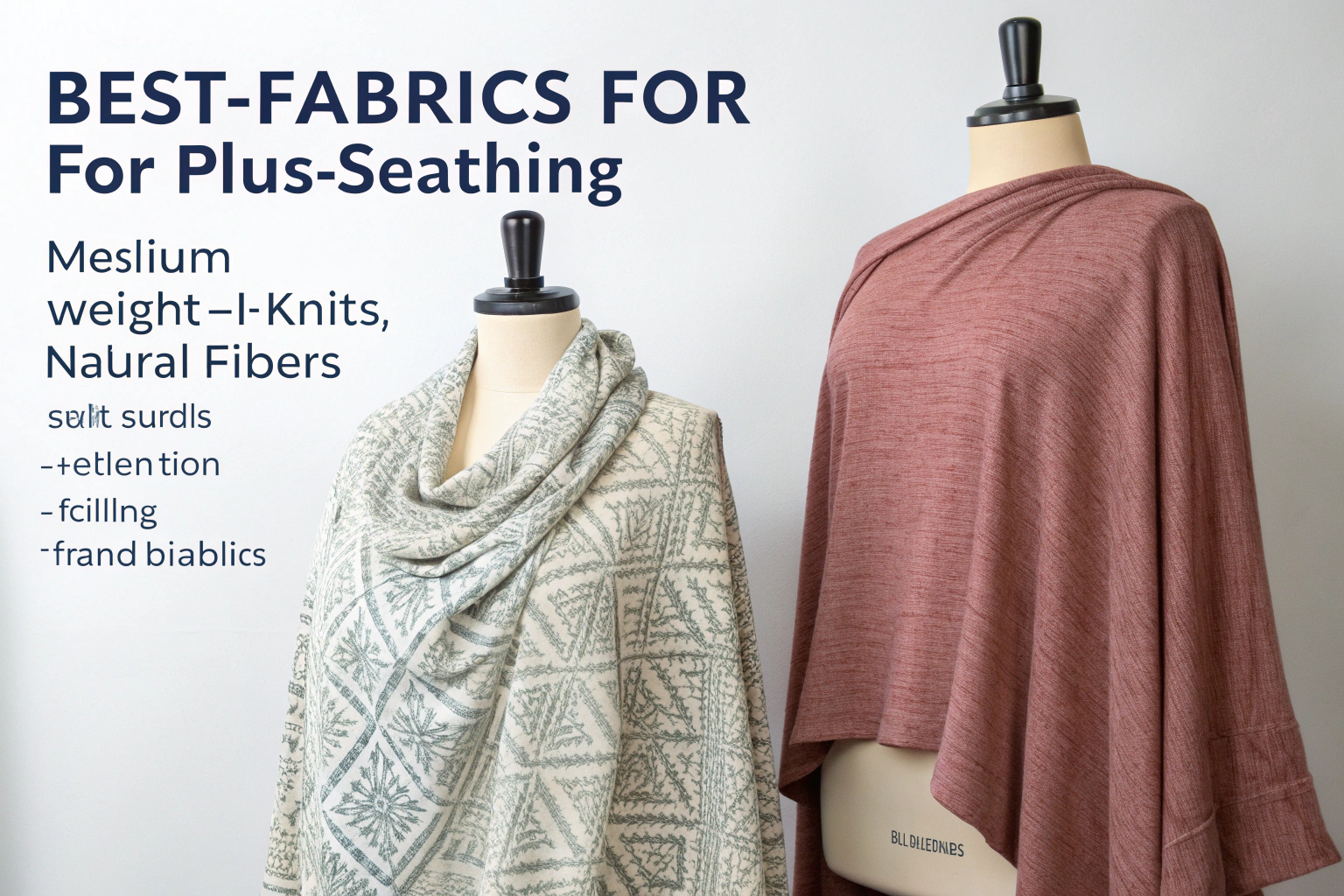
The best fabrics for plus-size clothing are those that combine structure with comfort, drape without cling, and offer breathability and durability. Think medium-weight knits with recovery, natural fibers with a soft hand, and innovative blends that provide shape retention. The goal is to find materials that celebrate the body, move with it, and maintain their integrity wash after wash.
Let's move beyond generic advice. I want to give you the practical, mill-level knowledge that designers pay for. We'll look at this through the lens of physics, comfort, and aesthetics, and I'll share specific fabric constructions and finishes that we at Shanghai Fumao develop specifically for this growing and important market segment.
Which Fabric Properties Matter Most for Fit and Comfort?
Fit and comfort are the holy grail for plus-size apparel, and fabric is 70% of that battle. It's not about hiding the body; it's about supporting and moving with it. The wrong fabric can pull, gap, ride up, or feel restrictive. The right fabric becomes a second skin that enhances confidence.
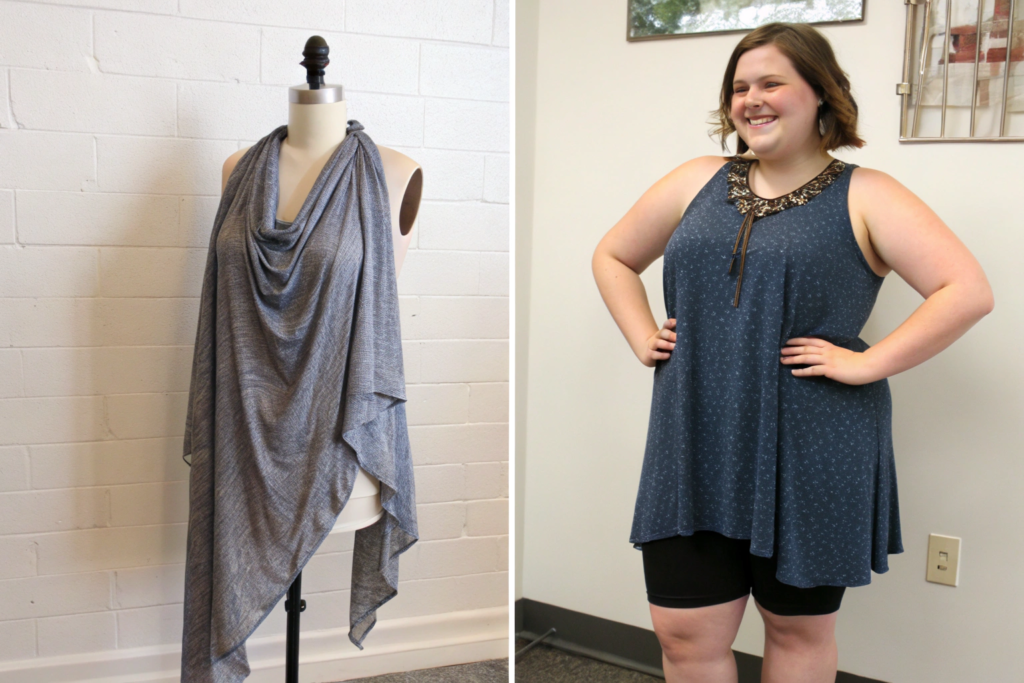
Key properties are drape, weight, recovery, and breathability. A fabric with good drape flows over curves instead of pulling across them. Weight provides a feeling of quality and can help a garment hang better, but it must be balanced against comfort. Recovery—the ability to bounce back after stretching—is non-negotiable for maintaining shape. And breathability ensures all-day comfort.
Why is Recovery and Drape a Critical Combination?
This is the technical heart of the matter. A fabric needs to be forgiving (have stretch and recovery) but also graceful (have drape). Let's take ponte di roma as a prime example. It's a double-knit fabric, often with a polyester-rayon-spandex blend. Why does it work so well? The structure from the double-knit construction gives it body and minimizes clinging, while the spandex (usually 5-10%) provides excellent 360-degree recovery. It drapes beautifully without being flimsy. We supply a lot of this to brands making premium plus-size pants, skirts, and blazers.
Compare this to a single-knit jersey. While soft and stretchy, it often lacks the recovery and structure for larger silhouettes, leading to knee bags and seat sagging in pants. The solution? Opting for a heavier jersey with added lycra (at least 8%) and a tighter knit gauge. For a deep dive into how different knit fabric structures affect garment durability and fit, resources like the Textile Learner blog offer great technical breakdowns that can inform your sourcing decisions.
How Does Weight and Breathability Impact Wearability?
There's a common misconception that lighter is always better. Not true. A very lightweight fabric like chiffon can be unforgiving and require complex lining, adding layers and heat. A medium-weight fabric can actually be more comfortable by providing a bit of structure and opacity, reducing the need for extra layers.
The magic is in breathable, medium-weight fabrics. Tencel™ (lyocell) blends are a superstar here. Tencel is derived from wood pulp and has exceptional moisture-wicking properties. A Tencel and cotton knit (say, 50/50) gives you the softness and breathability of cotton with the sleek drape and moisture management of Tencel. It feels cool against the skin—a major plus for comfort. In 2022, we developed a Tencel-Modal-Spandex jersey for a California-based brand focusing on inclusive loungewear. Their customer feedback highlighted the "cooling feel" and "no more sticky back" as key reasons for repeat purchases.
What Are the Top Recommended Fabric Types?
Let's get specific. Based on thousands of meters shipped and direct feedback from brands, these categories consistently deliver on style, comfort, and performance for plus-size designs. I'll break them down by why they work and what to look for when sourcing.
Navigating fabric types is easier when you know their "personality." Is it a supportive friend, a flowing companion, or a structured partner? Here’s my shortlist of champions, honed from two decades of collaboration with brands that size from XS to 5XL.
Why Are Certain Knits a Go-To Choice?
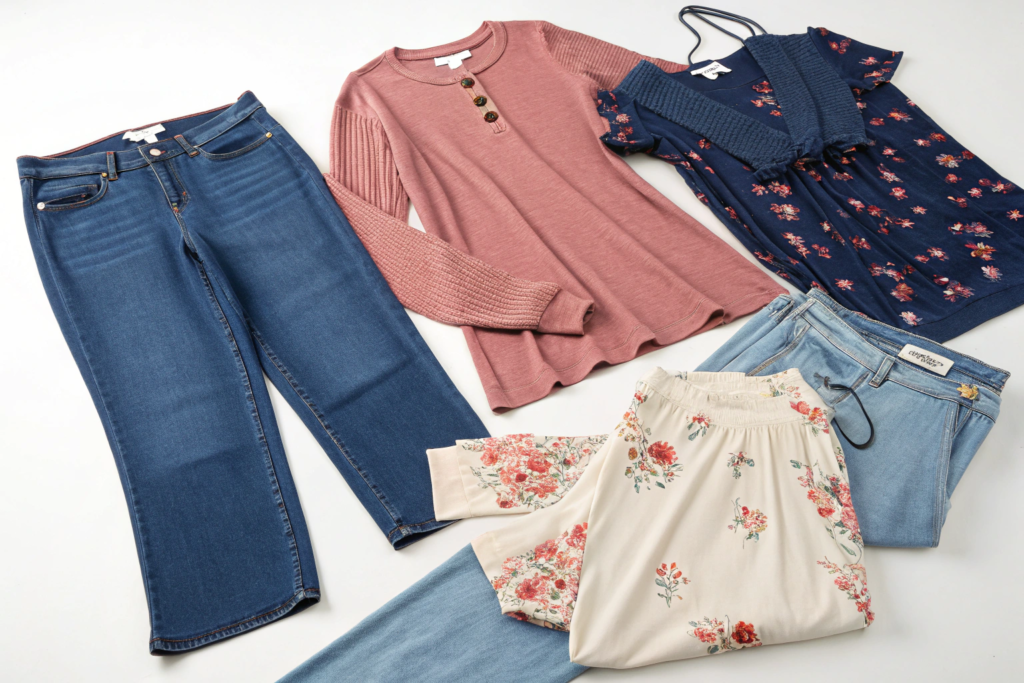
Knits are inherently forgiving due to their stretch, but not all knits are created equal. You need knits with memory.
- Ponte di Roma & Scuba: As mentioned, these are stable knits. Ideal for structured pieces like sheaths, dresses, and jackets. Look for compositions with nylon or rayon for durability and a smooth hand.
- French Terry: This is a hidden gem. The looped back is absorbent and provides a bit of loft, making it incredibly comfortable and forgiving. It’s perfect for casualwear, sweatshirts, and relaxed dresses. A cotton-rich French terry (with 2-5% spandex) is a wardrobe staple.
- High-Quality Jersey: Don't write it off. The key is in the specs. Aim for a GSM of 220-280 and a spandex content of 8-10%. This creates a substantial feel and excellent recovery. It’s the workhorse for t-shirts and casual dresses.
A resource like the Fashion-Incubator forum (though older, the technical archives are gold) has threads where pattern makers debate the best stable knit fabrics for curve-conscious patterns, offering real-world insights beyond supplier catalogs.
What Woven Fabrics Offer Flattering Drape?
Wovens bring elegance and polish. The goal is to avoid stiff, papery fabrics that create harsh lines.
- Rayon Challis & Viscose Twill: Rayon-based fabrics are champions of drape. Rayon challis is soft, fluid, and breathable—perfect for flowing blouses, dresses, and skirts. Viscose twill offers a bit more body and a beautiful diagonal texture that is very forgiving. (A quick note from our dyeing floor: premium rayon with a high wet modulus resists stretching out when wet, a crucial quality check.)
- Linen & Linen Blends: Pure linen can wrinkle, but its natural breathability and gradual drape are unmatched. The trick is to use linen-cotton or linen-rayon blends. This reduces wrinkling while keeping the beautiful, relaxed texture. It’s a top choice for warm-weather styles that need to look chic and feel cool.
- Stretch Denim: Modern plus-size jeans demand modern denim. Look for denim with 2-way or 4-way stretch, containing lycra or elastomultiester. The composition should be around 98% cotton, 2% elastane for classic feel, or 70/30 cotton-polyester with stretch for more recovery. The fabric must recover after sitting to prevent bagging.
How to Choose Fabrics for Different Garment Styles?
A fabulous fabric for a dress might be a disaster for pants. Let's apply our fabric knowledge to specific garment categories. This is where the rubber meets the road in product development.
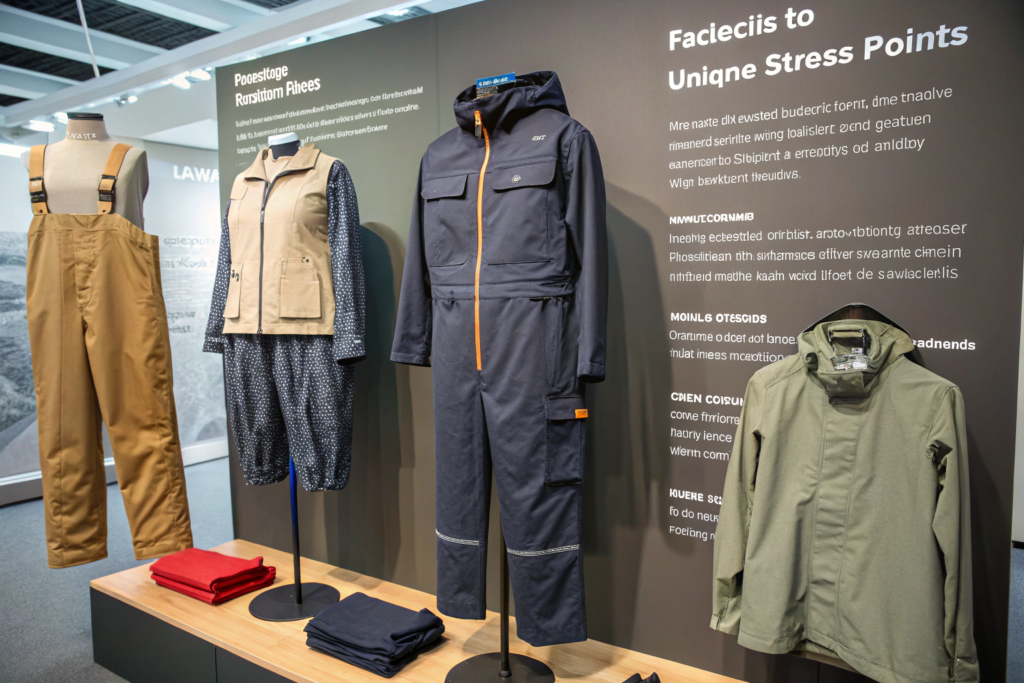
Each garment type has unique stress points and fit requirements. Your fabric choice must solve for those engineering challenges. It's like picking the right building material—you wouldn't use window glass to build a foundation.
What Makes the Ideal Fabric for Plus-Size Dresses?
Dresses need to skim the body. The stress points are the bust, shoulders, and hips. Fabrics must have vertical drape and horizontal give.
- Fit-and-Flare or A-Line Dresses: Here, you can play with more volume. Medium-weight crinkled crepe (poly or rayon) is excellent. The textured surface is forgiving, and the weight gives the skirt a beautiful swing. A stretch cotton sateen also works wonderfully, offering a slight sheen and enough structure for a defined waist.
- Bodycon or Sheath Dresses: This is where ponte and scuba reign supreme. They provide the necessary structure and compression for a smooth silhouette. For a softer look, a double-knit jersey with a high elastane content is a great alternative. We helped a UK brand in 2023 source a custom-dyed recycled polyester ponte for their capsule collection, resulting in a 95% customer satisfaction rate on fit for their size 18-28 range.
For a comprehensive look at how fabric interacts with plus-size dress pattern making, independent pattern designer blogs often provide invaluable, detailed tutorials that highlight fabric choices for specific silhouettes.
What Should You Look for in Plus-Size Bottom Fabrics?
Pants, skirts, and shorts face the ultimate test: sitting, bending, and stretching. The primary enemies are bagging at the knees and seat, and waistband rollover.
- Pants: Stretch twill and stretch denim are top contenders. Beyond stretch, look for abrasion resistance (Martindale rub test results). A fabric that pills or wears thin at the inner thighs will fail. We often recommend a poly-cotton-elastane twill for workwear; the polyester adds durability. For leggings, a high-density, brushed poly-spandex fabric (over 300 GSM) offers opacity and lasting shape.
- Skirts: A-line skirts can use beautiful drapey wovens like rayon challis. Pencil skirts need the structure of a stretch ponte or a suiting fabric with 2% lycra. The key is that the recovery must be strong enough to handle sitting and standing repeatedly without losing its tailored line.
What Are Common Fabric Pitfalls to Avoid?
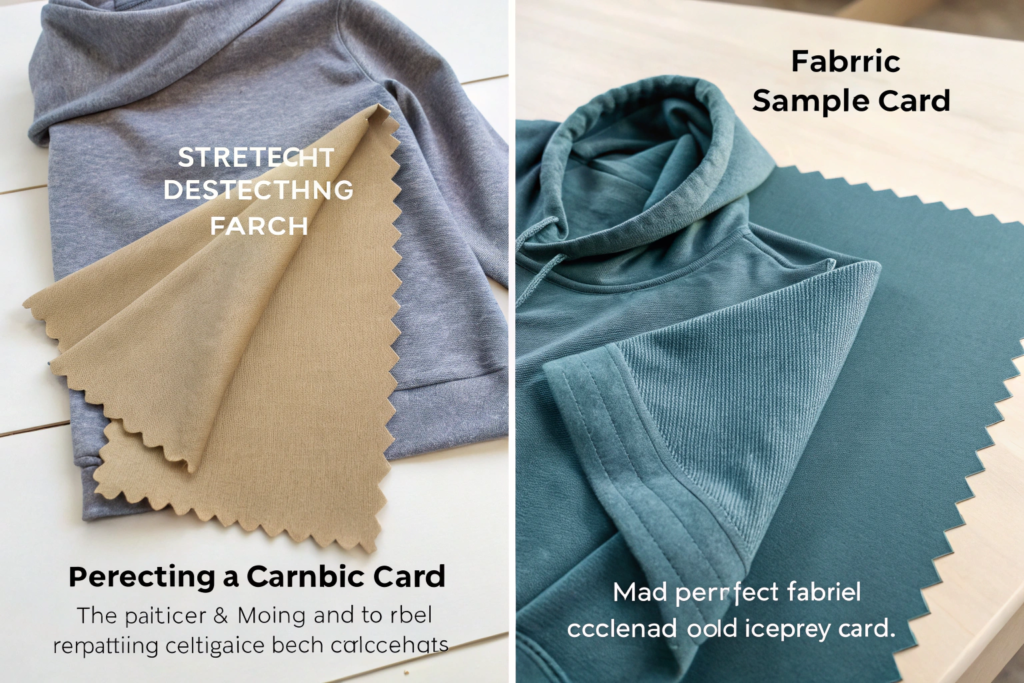
Knowing what not to do is just as important. I've seen too many well-intentioned designs fail because of fabric choices that seemed fine on a sample card but didn't perform in real life.
These pitfalls often stem from choosing fabric based only on look or hand feel at the expense of technical performance. Let's flag them so you can steer clear.
Why Are Thin, Unstable Fabrics a Problem?
Lightweight, loosely woven or knitted fabrics are the biggest culprits. They include:
- Single-Knit Jersey with Low Spandex: Will stretch out permanently.
- Cheap Viscose: Often becomes transparent when stretched and loses shape when wet.
- Sheer Fabrics (Chiffon, Georgette): Require full lining, which adds cost, complexity, and layers, often compromising comfort and breathability. If you love the look, source a lined or bonded version where the lining is fused to the face fabric, creating a single, opaque layer.
A forum thread on Maker's Row (before its pivot) was full of small brand owners sharing hard lessons about sourcing opaque and stable fabrics for larger sizes, a testament to how common this challenge is.
How Can Poor Quality Control Derail Your Project?
Even the right fabric type can fail if the quality isn't consistent. This is where partnering with a reliable supplier like Shanghai Fumao makes all the difference.
- Inconsistent Stretch/Recovery: The spandex content or knitting tension varies across the roll. Your first sample is perfect, but production runs have panels that behave differently. We avoid this with on-loom monitoring and post-production testing on every batch.
- Shrinkage: If fabric shrinks unevenly after washing, the garment's fit is destroyed. Always ask for and review shrinkage test reports (AATCC 135). We pre-shrink (sanforize) many of our woven fabrics destined for apparel.
- Colorfastness & Pilling: A beautiful color that fades or migrates, or fabric that pills after minimal wear, leads to returns. Our CNAS lab tests for these (AATCC 61, Martindale) so you get data, not just promises. A client from Texas in 2020 had a nightmare with pilling on a plus-size activewear line. Switching to our high-twist polyester yarn construction solved it, reducing pilling complaints by over 80%.
Conclusion
Choosing the best fabrics for plus-size clothing is a deliberate, technical, and empathetic process. It moves beyond aesthetics to a deep understanding of how fibers, constructions, and finishes interact with the body in motion. The winners are consistently fabrics that offer a balance: structure with stretch, drape with recovery, and beauty with durability. It's about providing comfort, confidence, and long-lasting wear.
The most successful brands in this space treat fabric sourcing as a strategic partnership. They involve their technical teams and suppliers early in the design process to engineer success from the fiber up. They test, wear-test, and iterate.
If you're looking to build or refine a plus-size line with fabrics that truly work—fabrics that are developed with fit, comfort, and longevity in mind—then let's start a conversation. Shanghai Fumao isn't just a supplier; we're a development partner with the expertise and vertical integration to bring your vision to life with the right materials. Contact our Business Director, Elaine, to discuss your specific needs. She'll connect you with our product development team to explore samples and solutions tailored for your market. Email Elaine at elaine@fumaoclothing.com.