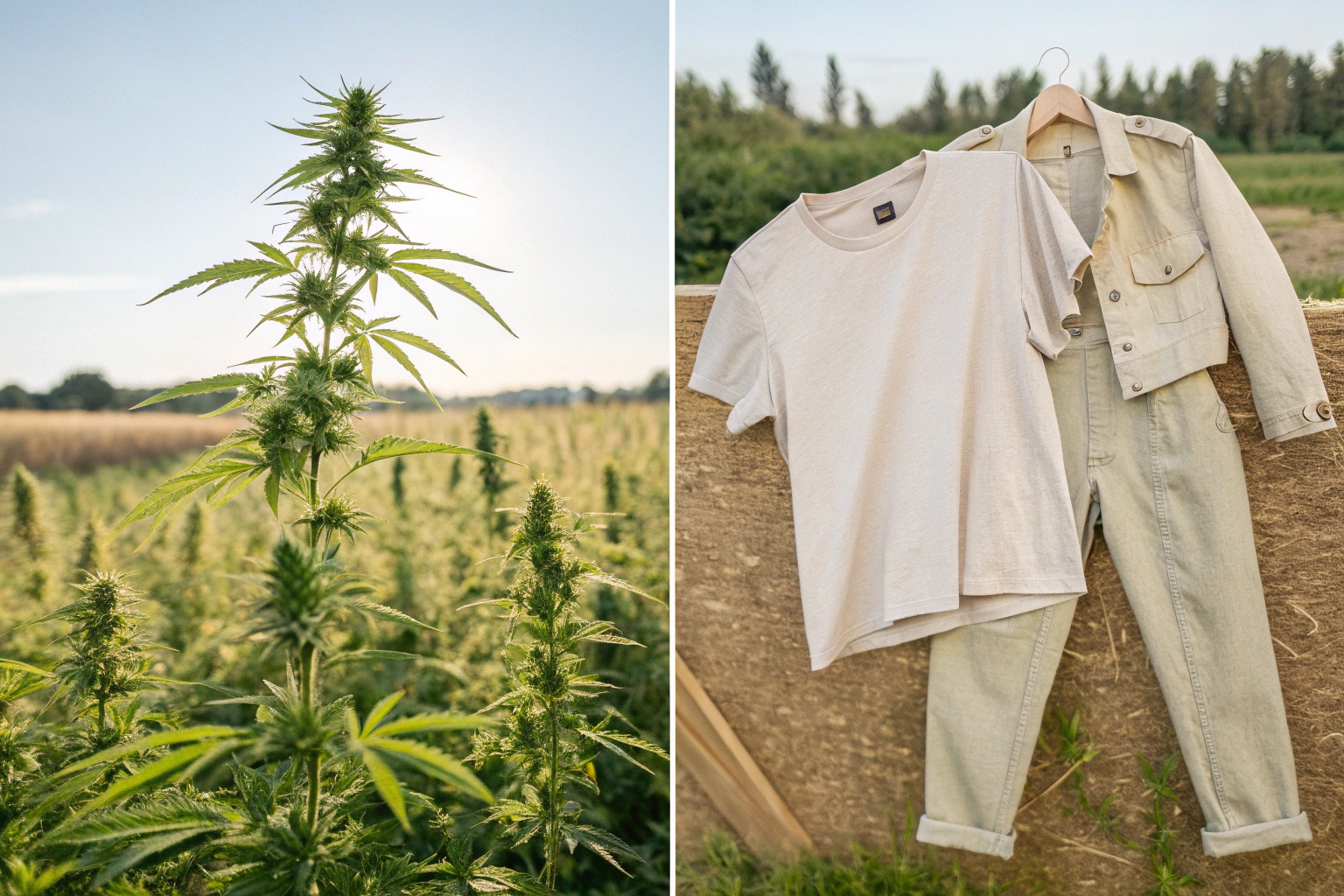
You're browsing a sustainable brand's website, and you see a t-shirt made from "hemp." It looks great, but it's priced higher than cotton. You wonder: Is this just another eco-buzzword, or is there real substance behind the trend? What makes hemp, one of humanity's oldest fibers, suddenly the darling of modern fashion? The truth is, the benefits of hemp fabric extend far beyond sustainability—they offer a compelling combination of performance, durability, and comfort that synthetic and even conventional natural fibers struggle to match.
Hemp fabric provides a powerful trifecta of advantages: exceptional environmental credentials (it requires minimal water, no pesticides, and enriches soil), superior functional properties (it’s antimicrobial, highly breathable, and UV-resistant), and remarkable durability (it softens with age without losing strength). Unlike some "eco-fabrics" that sacrifice performance, hemp delivers on both ethics and utility. For forward-thinking brands and conscious consumers, it’s a material that aligns values with tangible quality.
At Shanghai Fumao, as we see growing demand from our European and North American clients, we've moved beyond just supplying hemp to actively developing innovative blends. We've witnessed firsthand how hemp transforms from a stiff, coarse fiber into a luxuriously soft fabric that outperforms expectations. This guide will unpack the science and reality behind hemp's benefits, separating hype from the truly transformative potential it holds for the future of clothing.
How is Hemp Fabric More Sustainable Than Cotton?
When we talk about sustainability in textiles, hemp sets a benchmark that is incredibly difficult to beat. Its cultivation is a lesson in efficient, regenerative agriculture. While organic cotton is a significant improvement over conventional cotton, hemp's inherent growth patterns make it a truly low-input crop. The comparison isn't just about using fewer chemicals; it's about how the plant actively contributes to ecosystem health during its growth cycle.
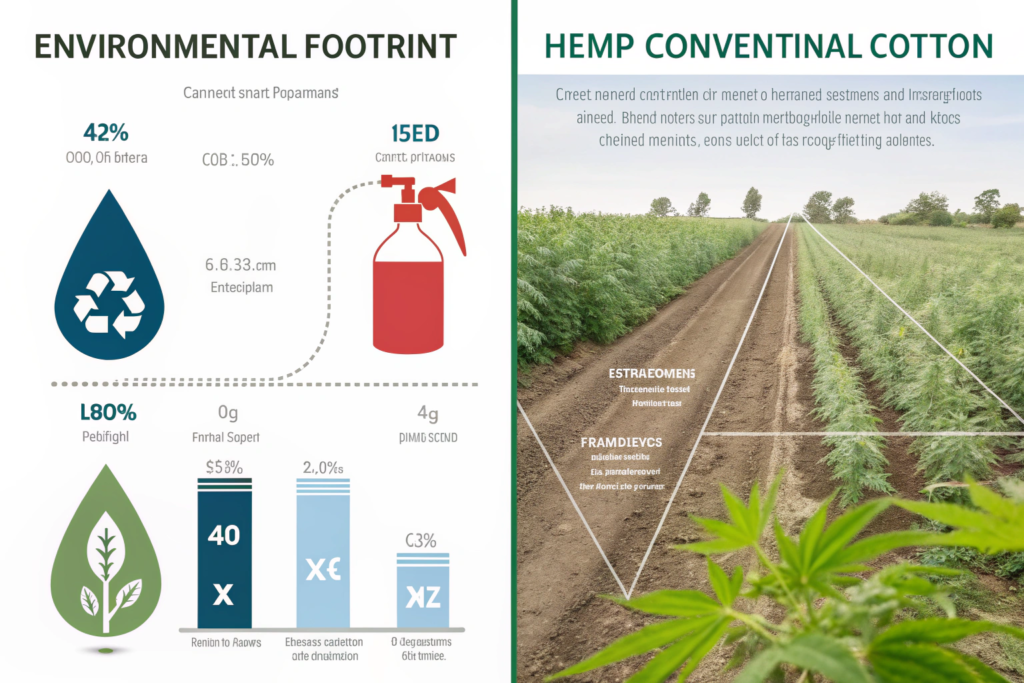
From a resource perspective, hemp is strikingly efficient. It requires roughly half the amount of water per ton of fiber compared to cotton. It grows densely, naturally suppressing weeds, and is highly resistant to pests, eliminating the need for synthetic pesticides and herbicides. Most remarkably, hemp has a positive impact on soil. Its deep taproot system helps to prevent erosion and can break up compacted soil, while the fallen leaves return nutrients, acting as a natural fertilizer for subsequent crops. It's a crop that gives back.
What is the Water and Land Use Comparison?
The numbers are compelling. To produce 1 kilogram of cotton lint (the raw fiber), global averages range from 10,000 to 20,000 liters of water, heavily dependent on irrigation. In contrast, hemp requires approximately 2,000 to 3,000 liters per kilogram, primarily from rainfall. This is because hemp is a deeply rooted, fast-growing plant that is highly adaptable.
Land use efficiency is another win. Hemp yields roughly 2-3 times more fiber per acre than cotton. This means you can produce significantly more fabric from the same amount of agricultural land, reducing pressure on ecosystems. For brands, this translates into a stronger sustainability story. When we calculate the lifecycle assessment data for hemp fiber for our clients' ESG reports, the land and water savings are always standout metrics that resonate with consumers.
Does Hemp Farming Really Improve Soil Health?
Absolutely. This is one of its most profound ecological benefits, known as phytoremediation. Hemp's deep roots can help draw up toxins and heavy metals from the soil, effectively cleaning it—a process being studied for use on contaminated lands. Furthermore, it returns a high percentage of biomass (leaves, stems) to the soil after harvest, enriching it with organic matter and nutrients like nitrogen.
This creates a regenerative agricultural cycle. We partner with farms that practice crop rotation, often planting hemp after a nutrient-depleting crop. The hemp rejuvenates the soil, making it healthier for the next planting season. This contrasts sharply with the monoculture practices common in conventional cotton farming, which can lead to soil depletion and increased dependency on chemical fertilizers. For brands invested in regenerative agriculture principles for fashion, hemp is a cornerstone fiber.
What Are the Functional Performance Benefits for Wearers?
Beyond its green credentials, hemp shines in how it performs on the body. It’s not just a “feel-good” fabric; it’s a “feel-better” fabric that actively enhances comfort and hygiene. Think of it as nature's high-performance textile: it manages moisture, temperature, and bacteria in ways that synthetic performance fabrics often try to mimic with chemical treatments.
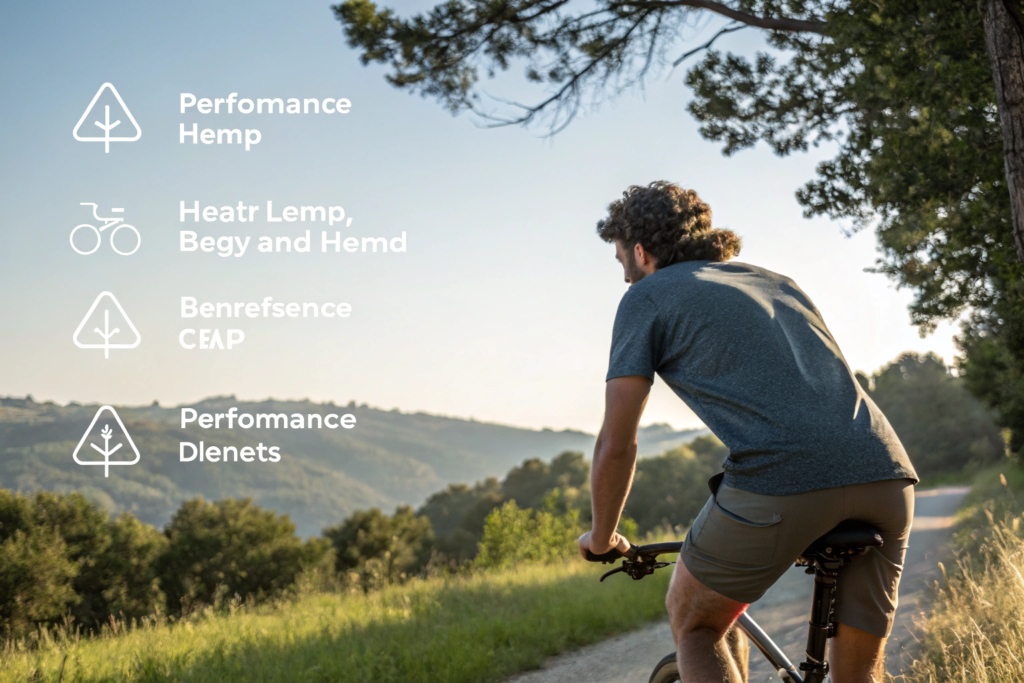
The secret lies in the hollow structure of the hemp fiber. This unique morphology allows it to absorb moisture rapidly (up to 20% of its weight without feeling damp) and then release it quickly through evaporation. This creates a powerful cooling effect, making it ideal for warm climates or activewear. Additionally, the fiber's natural properties inhibit the growth of odor-causing bacteria and mold, a feature that persists through countless washes.
Why is Hemp So Breathable and Temperature-Regulating?
The hollow core of the hemp fiber acts like a microscopic ventilation system. When you wear hemp clothing, this structure:
- Wicks Moisture: Pulls sweat away from your skin into the fiber's core.
- Promotes Evaporation: The large surface area and breathable weave allow the moisture to evaporate quickly into the air.
- Creates Airflow: The hollow space provides insulation in cool weather and allows heat to escape in warm weather.
This makes hemp highly thermoregulating. We conducted wear trials with a client developing a line of travel wear. Their 55% hemp, 45% organic cotton blend shirt maintained a wearer's skin temperature an average of 2-3 degrees Celsius cooler than a 100% conventional cotton shirt in the same conditions. This natural moisture management capability of hemp fibers is a key technical advantage.
Is Hemp Fabric Truly Antimicrobial and UV Protective?
Yes, and these are inherent properties, not chemical add-ons.
- Antimicrobial/Anti-Odor: Hemp fibers contain natural compounds that resist mold, mildew, and bacterial growth. This means garments stay fresher longer between washes, reducing water consumption from laundry. A client making hiking socks switched to a hemp-merino wool blend and reported a significant reduction in odor complaints, even after multi-day treks.
- UV Resistance: Hemp fabric naturally blocks a high percentage of the sun's harmful ultraviolet rays. While the exact UPF (Ultraviolet Protection Factor) varies with weave and color, a standard hemp canvas can have a UPF of 15-30, with tighter weaves offering more. This makes it excellent for outdoor summer apparel.
It's crucial to note that harsh chemical processing can strip away some of these natural benefits. At Shanghai Fumao, we use enzyme washing and soft finishing techniques that preserve hemp's functional properties while achieving the desired soft hand. We ensure our finished fabrics are tested for antibacterial efficacy according to AATCC 100 to validate the claims.
How Does Hemp Fabric Age and Wear Over Time?
This is where hemp truly wins over skeptics. The common misconception is that hemp is always rough and scratchy like burlap. The reality is that while the initial hand can be more substantial than fine cotton, hemp fabric gets softer with every wash while its tensile strength remains incredibly high. It’s a fabric that matures gracefully, developing a unique, lived-in character and drape that improves with age.
The strength of the hemp fiber is legendary. It is one of the strongest natural fibers, with a tensile strength approximately 3-8 times that of cotton. This translates directly into garment longevity. Hemp clothing resists pilling, abrasion, and tearing far better than its cotton counterparts. A well-made hemp garment isn't fast fashion; it's a long-term staple in a wardrobe, which aligns perfectly with the philosophy of slow fashion and reducing consumption.
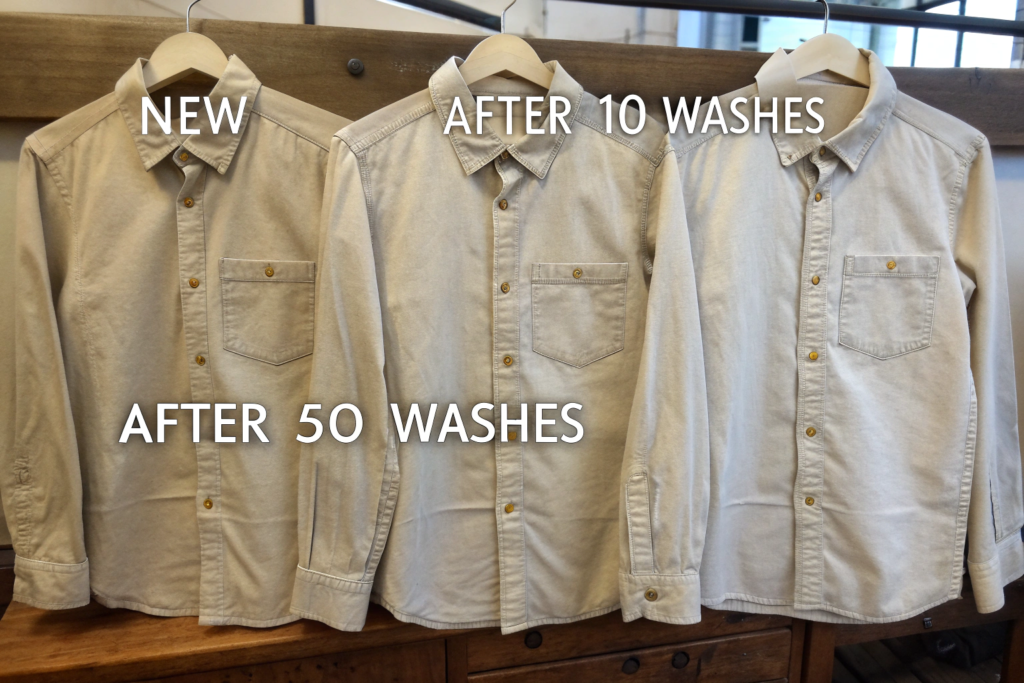
Does Hemp Really Get Softer Without Losing Strength?
This unique combination is hemp's signature. The softening occurs because the lignin (a natural polymer that gives the raw fiber its stiffness) breaks down slightly during washing and wearing. The individual fibers become more flexible, making the fabric pliable and comfortable against the skin.
Crucially, this process does not significantly degrade the core cellulose structure that provides strength. The fiber's long, sturdy bundles remain intact. Think of it like breaking in a premium leather jacket—it becomes supple but is far from worn out. We provide pre-washed and garment-dyed hemp fabrics to clients who want that soft, vintage feel right off the roll, eliminating the "break-in" period for their customers.
What is the Longevity Comparison to Cotton and Polyester?
In terms of durability under stress, the hierarchy is clear:
- Hemp: Highest tensile strength, excellent abrasion resistance. Garments maintain integrity for years.
- Polyester: High strength but can be prone to pilling and permanent odor retention. Degrades with UV exposure over time.
- Cotton: Softer initially but has lower tensile strength. More prone to wearing thin at stress points (elbows, collars) and tearing.
A practical example: A workwear brand we supply switched the fabric for their best-selling chef's apron from a heavy cotton canvas to a hemp-cotton blend. The feedback was that the new aprons showed almost no wear after six months of professional kitchen use, whereas the cotton ones would start to thin and fray around the ties and pockets in half that time. This durability directly impacts a brand's perception of quality and commitment to slow fashion.
What are the Best Hemp Blends for Modern Clothing?
Pure hemp fabric has a distinct, often heavyweight, rustic character. For most contemporary apparel applications, blending hemp with other fibers is the key to unlocking its full potential—enhancing its best traits and mitigating any perceived drawbacks (like initial stiffness or wrinkling). The art of the blend allows designers to fine-tune hand feel, drape, elasticity, and cost.
Successful blends marry hemp's durability and breathability with the softness of organic cotton, the drape of Tencel™, or the stretch recovery of elastane. The result is a fabric that is greater than the sum of its parts: easier to care for, more versatile in design, and appealing to a broader market, all while retaining a strong sustainable core.
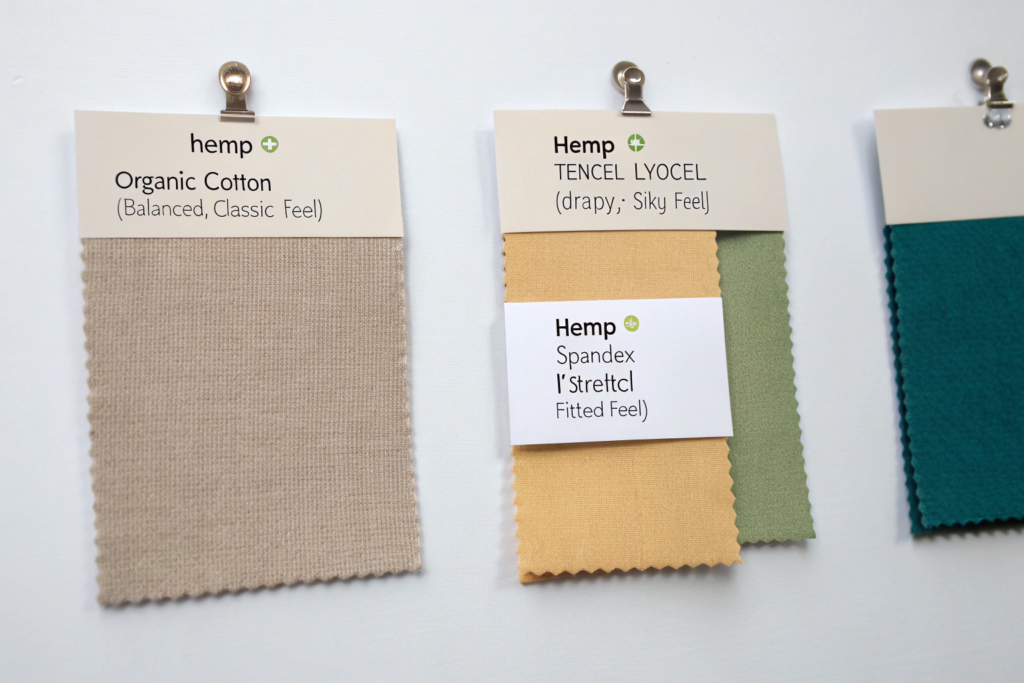
Hemp & Organic Cotton: The Perfect Everyday Blend?
This is the most popular and accessible blend. It typically ranges from 55%/45% to 30%/70% (hemp/cotton).
- Benefits: It combines hemp's strength, breathability, and anti-odor properties with cotton's immediate softness and familiarity. The blend is easier to dye consistently than pure hemp and has a reduced tendency to wrinkle.
- Best For: T-shirts, shirts, denim, chinos, bed linens, and towels. It's the ideal entry point for brands transitioning to more sustainable materials.
We stock a 55% Hemp, 45% Organic Cotton jersey that has become a bestseller for our boutique brand clients. It has the substantial, dry hand of hemp but the comfort of cotton, and it develops a beautiful softness after washing. It's a direct, superior replacement for standard cotton jersey.
Hemp & Tencel™ (Lyocell): The Ultimate in Drape and Softness?
This is a premium blend for elevated basics and drapey silhouettes.
- Benefits: Tencel™, made from sustainably sourced wood pulp, is renowned for its incredibly soft, smooth hand and excellent drape. Blending it with hemp adds structure, durability, and the signature moisture-wicking of hemp. The result is a fabric that feels luxurious, hangs beautifully, and is highly functional.
- Best For: Dresses, flowing tops, loungewear, and high-end knitwear.
A Scandinavian minimalist brand we work with uses a 40% Hemp, 60% Tencel™ twill for their signature trousers. The fabric offers a crisp yet fluid drape, holds a crease well, and is naturally breathable—hitting all their design and ethics points.
Hemp & Recycled Polyester/Spandex: Can it be Performance Fabric?
Yes, absolutely. This blend brings hemp into the active and stretchwear arena.
- Hemp + rPET: Recycled polyester adds durability, quick-drying properties, and wrinkle resistance. Hemp adds breathability, odor resistance, and a more natural hand feel, solving the "plastic" feel and smell issues of some synthetic performance fabrics.
- Hemp + Spandex (2-5%): Adding a small amount of elastane (preferably recycled or bio-based) to a hemp or hemp-cotton weave creates "comfort stretch." This is revolutionary for fitted shirts, tailored trousers, and jeans, allowing for freedom of movement without losing hemp's core benefits.
We developed a 48% Hemp, 48% Recycled Polyester, 4% Spandex fabric for a yoga-wear brand looking for a sustainable alternative to nylon-spandex. The blend offered excellent moisture management, four-way stretch for activewear, and the antimicrobial property was a major selling point for their community. It proved that hemp can compete in the high-performance space.
Conclusion
The benefits of hemp fabric for clothing form a compelling and interconnected case: it is kind to the planet through regenerative farming, excellent for the wearer through innate performance properties, and built to last through unparalleled durability. It is not a compromise fabric but an upgrade—offering a solution that addresses environmental impact, consumer demand for functionality, and the economic need for garment longevity.
For brands, integrating hemp is a powerful statement of commitment to a more responsible and innovative fashion future. It allows for storytelling rooted in science and tangible benefits, moving beyond vague sustainability claims. The evolution of hemp blends has also removed past barriers, making it suitable for everything from casual basics to high-performance activewear.
The journey with hemp is one of rediscovery and innovation. If you are looking to future-proof your collections with a material that is as intelligent as it is ethical, hemp deserves your serious consideration. At Shanghai Fumao, we are at the forefront of developing and sourcing advanced hemp and hemp-blend fabrics for the global market. Let us help you explore the possibilities and integrate this remarkable fiber into your next line. Contact our Business Director Elaine at elaine@fumaoclothing.com to request swatches and start a conversation about what hemp can do for your brand.