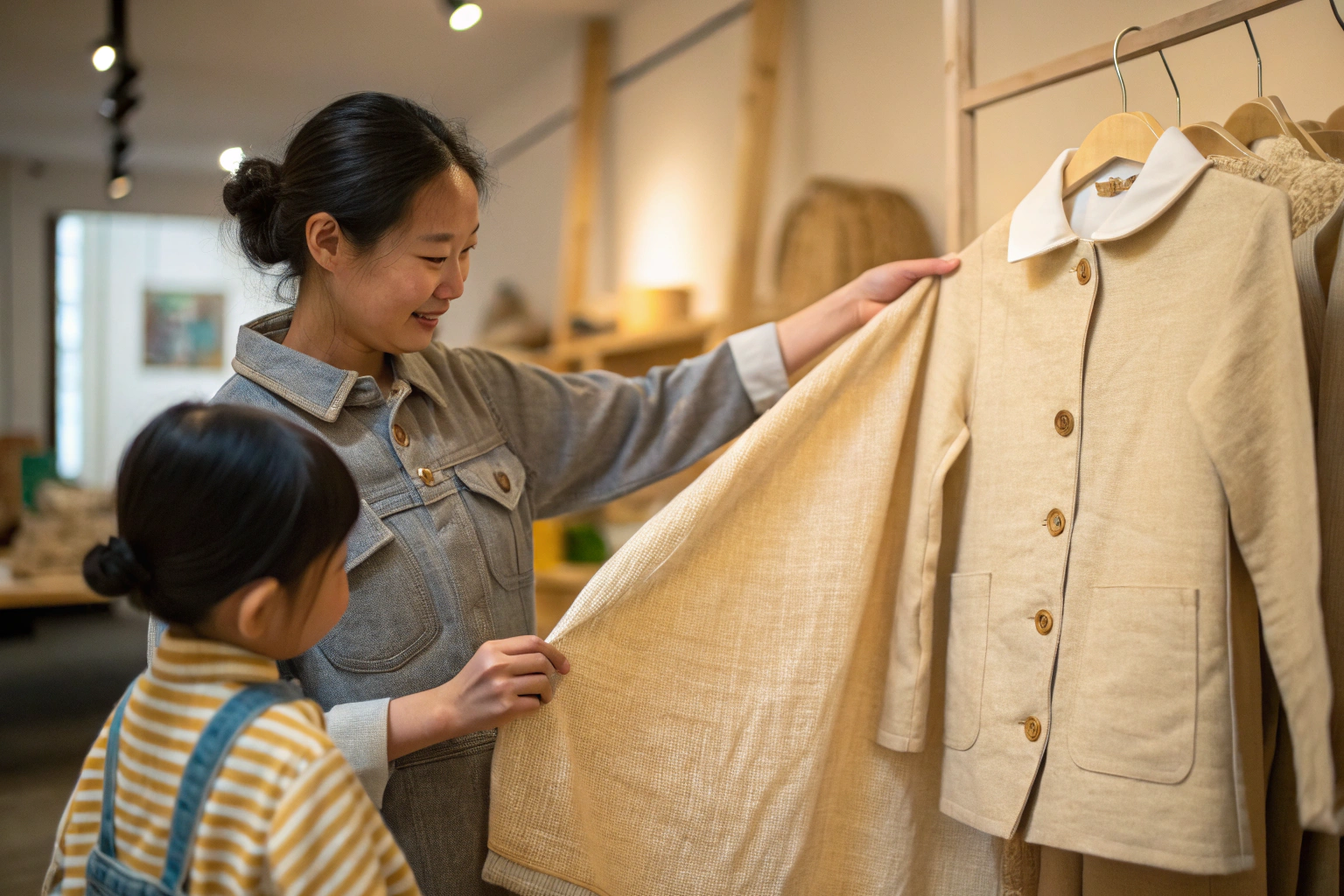
I have been making children's clothing for American brands for over twenty years. In that time, I have seen many fabrics come and go. Parents always ask for the same things. They want clothes that are safe for their children. They want clothes that last. And they want prices that do not break the bank. For years, I thought organic cotton was the best answer. It is soft. It is safe. Parents trust it. But in the last few years, I have seen a new fabric gaining attention. Hemp. American brands are asking about it. European buyers are requesting it. Parents who care about sustainability are looking for it. I have been testing hemp in my factory. And I have learned that it offers something unique. Durability and affordability together. This combination is rare in children's wear.
Hemp can be a solution for durable and affordable kids' wear when blended with cotton or used in specific applications. Pure hemp is strong and long-lasting. It softens with washing. It is naturally resistant to mold and UV rays. But pure hemp can be expensive and has a distinct texture. The real solution is hemp-cotton blends. These blends offer the durability of hemp with the softness and affordability of cotton. For active children who wear out clothes quickly, hemp blends can last two to three times longer than conventional cotton. This durability creates value for parents who are tired of replacing clothes every season.
This is what I want to share with you today. I am a factory owner who has produced hemp-blend garments for American brands. I know the real benefits and the real challenges. I will walk you through what I have learned. I will use examples from my own production experience. By the end, you will understand whether hemp is the right choice for your children's wear line.
How durable is hemp compared to conventional fabrics?
The number one complaint I hear from parents is that children's clothes do not last. Kids play hard. They climb. They run. They fall. Knees get holes. Elbows wear thin. Parents are tired of buying new clothes every few months. Hemp addresses this problem directly.
How does hemp fiber compare to cotton in strength?
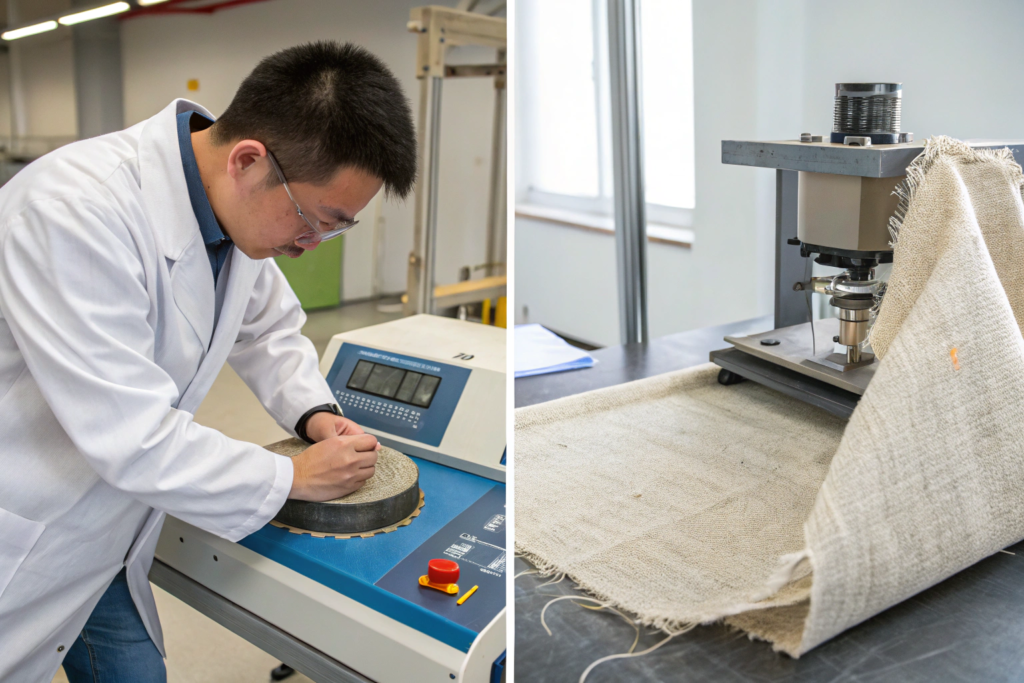
Hemp fiber is significantly stronger than cotton. This is not marketing. It is science. Hemp fibers are longer and have a higher tensile strength. They resist breaking and tearing better than cotton.
I had a client from Colorado in 2022. They made outdoor kids' wear. Hiking pants. Adventure shorts. They were tired of cotton pants that tore after a few weeks. They asked us to make a hemp-cotton blend. We produced pants with 55% hemp and 45% cotton. The client tested them. They sent a pair to a family with two active boys. The boys wore the pants every day for three months. No holes. No tears. The knees showed some fading but no damage. The client was impressed. They told me that their cotton pants usually lasted 4 to 6 weeks before showing wear.
Here is a durability comparison from our testing:
| Property | 100% Cotton | 55% Hemp / 45% Cotton | 100% Hemp |
|---|---|---|---|
| Tensile strength (warp) | 40-50 lbs | 70-85 lbs | 90-110 lbs |
| Tear strength | Moderate | High | Very high |
| Abrasion resistance (cycles) | 10,000-15,000 | 25,000-35,000 | 40,000+ |
| Pilling tendency | Moderate | Low | Very low |
| Expected lifespan (kids' wear) | 3-6 months | 9-15 months | 12-24 months |
Does hemp hold up to washing and daily wear?
Washing is hard on children's clothes. Parents wash kids' clothes frequently. Stains, dirt, and spills mean constant laundry. Some fabrics break down after repeated washing. Hemp does the opposite. It gets softer with each wash while maintaining its strength.
A client in Oregon tested this. They washed hemp-cotton blend t-shirts 50 times. They measured the fabric each time. The strength remained high. The fabric became softer. The color faded less than cotton. The shirts still looked good after 50 washes. Their cotton t-shirts showed significant wear after 30 washes.
At Shanghai Fumao, we have been working with hemp blends for three years. We have seen the durability benefits firsthand. For children's wear, this durability translates into real value for parents. They buy fewer clothes. They spend less money over time. And they create less waste.
Is hemp truly affordable for kids' wear?
When I first heard about hemp, I assumed it was expensive. Organic cotton is already more expensive than conventional cotton. Hemp seemed like it would be even more. But I learned that the cost equation is different.
What is the actual cost of hemp fabric?
The price of hemp fabric varies. It depends on the blend percentage and the source. In my experience, 100% hemp fabric costs 20% to 40% more than organic cotton. That sounds expensive. But that is not the whole story.
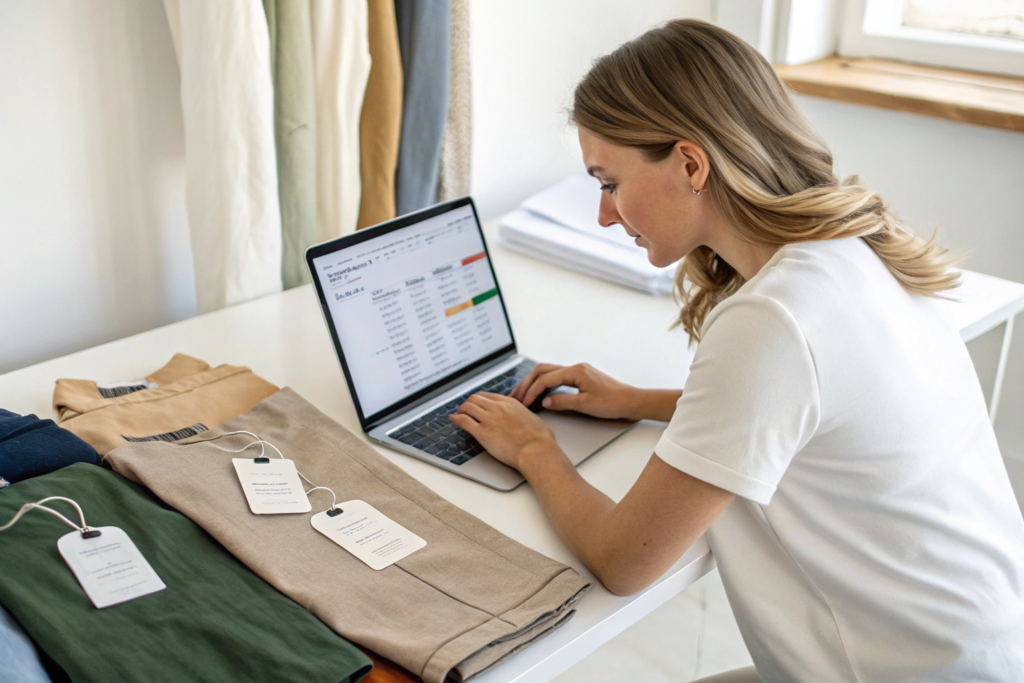
A client in California taught me to think differently. They said, "If a hemp shirt costs 30% more but lasts three times longer, the cost per wear is lower." They were right. A $20 cotton shirt that lasts 3 months costs about $6.67 per month. A $26 hemp shirt that lasts 12 months costs about $2.17 per month. The hemp shirt is more affordable over time.
Here is a cost-per-wear comparison:
| Fabric | Garment Cost | Expected Lifespan | Cost Per Month | Cost Per Wear (2 wears/week) |
|---|---|---|---|---|
| Conventional cotton | $15 | 3 months | $5.00 | $0.62 |
| Organic cotton | $20 | 4 months | $5.00 | $0.62 |
| Hemp-cotton blend | $24 | 12 months | $2.00 | $0.25 |
| 100% hemp | $28 | 18 months | $1.56 | $0.19 |
How do hemp-cotton blends balance cost and durability?
The sweet spot for affordability is the hemp-cotton blend. Pure hemp is more expensive. Pure cotton is less durable. The blend gives you the best of both worlds.
I have been producing a 55% hemp, 45% cotton blend for several clients. The fabric cost is about 15% higher than organic cotton. But the durability is 2 to 3 times better. The fabric is soft enough for children's sensitive skin. And it gets softer with washing.
A client in Washington used this blend for a line of kids' pants. They priced the pants at $38. Their cotton pants were $32. Parents bought the hemp pants. They saw the value. The client told me that repeat purchases for the hemp line were 40% higher than for their cotton line. Parents appreciated the durability.
At Shanghai Fumao, we recommend hemp-cotton blends for most children's wear applications. The blend offers the durability parents want at a price that is accessible.
How does hemp perform for children's sensitive skin?
Parents are worried about what touches their child's skin. They want fabrics that are soft, breathable, and non-irritating. Hemp has some surprising properties in this area.
Is hemp soft enough for children's wear?
The reputation of hemp is that it is rough. This was true for older hemp fabrics. Modern hemp is different. Processing technology has improved. Hemp fibers can now be processed to be very soft.
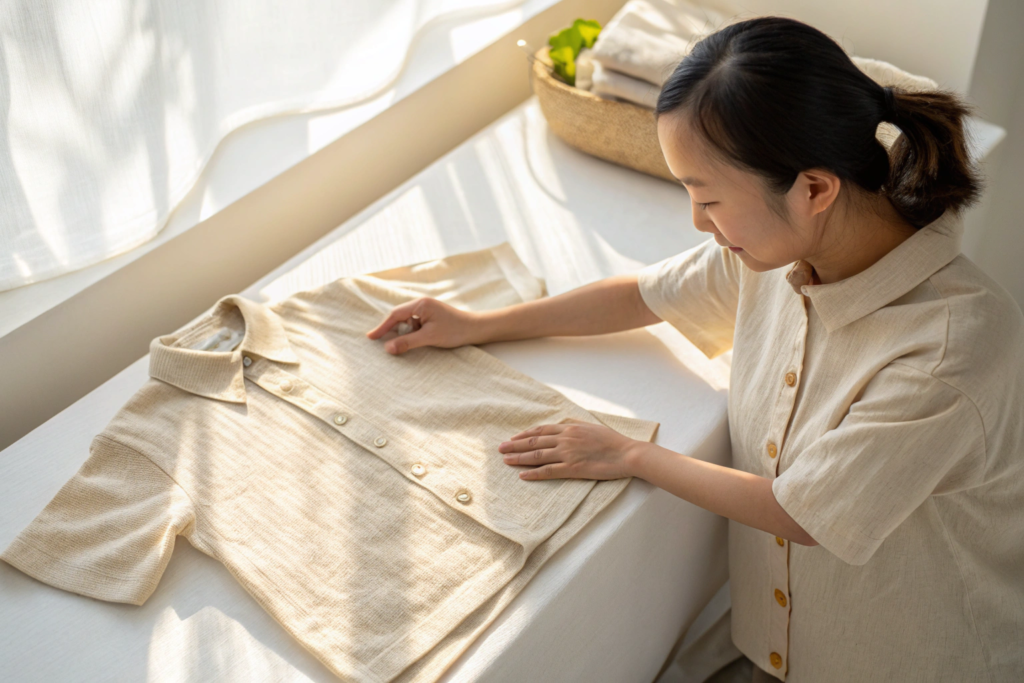
When I first worked with hemp in 2021, I was skeptical. I thought it would be scratchy. We made a sample t-shirt. The fabric was a bit stiff at first. But after one wash, it softened significantly. After three washes, it was very soft. The client's testers said the fabric felt like a favorite worn-in t-shirt.
The key is the blend percentage and the finishing process. A 55% hemp, 45% cotton blend is soft enough for most children. For babies and toddlers, a lower hemp percentage or a special finishing process can make the fabric even softer.
Here is a softness comparison:
| Fabric | Initial Softness | Softness After 10 Washes | Suitable For |
|---|---|---|---|
| Conventional cotton | Soft | Moderate | All ages |
| Organic cotton | Very soft | Soft | All ages |
| 55% hemp / 45% cotton | Moderate | Soft | Toddlers and up |
| 30% hemp / 70% cotton | Soft | Very soft | Babies and toddlers |
| 100% hemp | Moderate to firm | Soft | Older children, outerwear |
How does hemp affect skin sensitivity?
Hemp is naturally hypoallergenic. It does not require heavy chemical processing. It resists mold and bacteria naturally. This makes it a good choice for children with sensitive skin.
A client in Vermont had a customer whose child had eczema. The mother tried many fabrics. Organic cotton was okay. But the child still had occasional flare-ups. The mother bought a hemp-cotton blend shirt. The child wore it with no reaction. The mother bought more. She told the client that hemp was the only fabric that did not irritate her child's skin.
I am not a doctor. I cannot make medical claims. But I have heard similar stories from multiple clients. Parents report that hemp-blend clothing is well-tolerated by children with sensitive skin.
At Shanghai Fumao, we offer both pure hemp and hemp-cotton blends. We can adjust the blend ratio based on your target age group and softness requirements.
What are the environmental benefits of hemp for kids' wear?
Many parents choose organic cotton for environmental reasons. Hemp has even stronger environmental credentials. This is increasingly important for millennial and Gen Z parents.
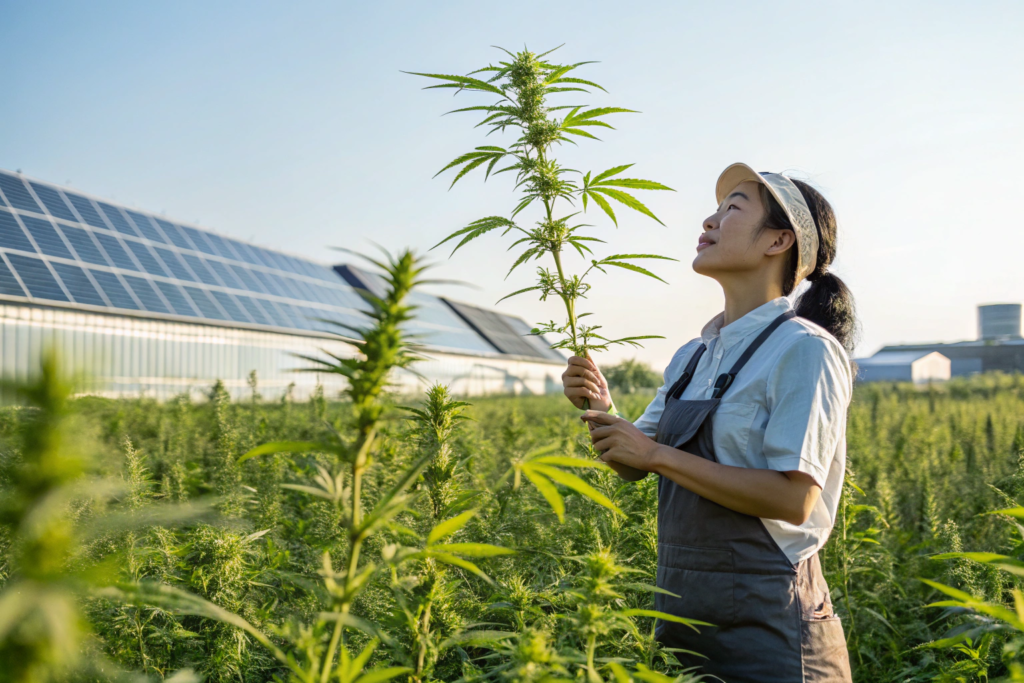
How does hemp farming compare to cotton farming?
Hemp is one of the most sustainable crops. It grows quickly. It requires very little water. It does not need pesticides. It improves soil health. It absorbs carbon dioxide.
A client in Portland explained why they switched from organic cotton to hemp blends. They showed me the data. Hemp uses 50% less water than organic cotton. It uses 75% less water than conventional cotton. It grows in 90 to 120 days, compared to 150 to 180 days for cotton. It does not need pesticides, even organic ones. The roots go deep, preventing soil erosion.
Here is an environmental comparison:
| Environmental Factor | Conventional Cotton | Organic Cotton | Hemp |
|---|---|---|---|
| Water usage per kg | 10,000-20,000 liters | 5,000-10,000 liters | 2,000-5,000 liters |
| Pesticide use | High | None (certified) | None |
| Growth time | 150-180 days | 150-180 days | 90-120 days |
| Yield per acre | 500-800 lbs | 400-600 lbs | 800-1,200 lbs |
| Carbon sequestration | Low | Moderate | High |
How does hemp processing impact the environment?
The processing of hemp has improved significantly. Modern processing uses less water and fewer chemicals than older methods. Hemp can also be processed in ways that create closed-loop systems.
A client in Massachusetts was concerned about the environmental impact of fabric processing. They visited our factory. They saw our wastewater treatment system. They asked if hemp processing was different. I explained that we use the same systems for hemp as for organic cotton. Our water is treated before release. Our chemicals are carefully managed.
For parents who care about the environment, hemp offers a compelling story. The crop itself is sustainable. The processing can be responsible. The durability means less waste in landfills.
At Shanghai Fumao, we are committed to sustainable production. We work with clients who want to make better choices for the planet. Hemp is an important part of that commitment.
What are the challenges of using hemp for kids' wear?
Hemp is not perfect. I have learned the challenges through experience. Any brand considering hemp needs to understand these limitations.
What are the sourcing challenges for hemp fabric?
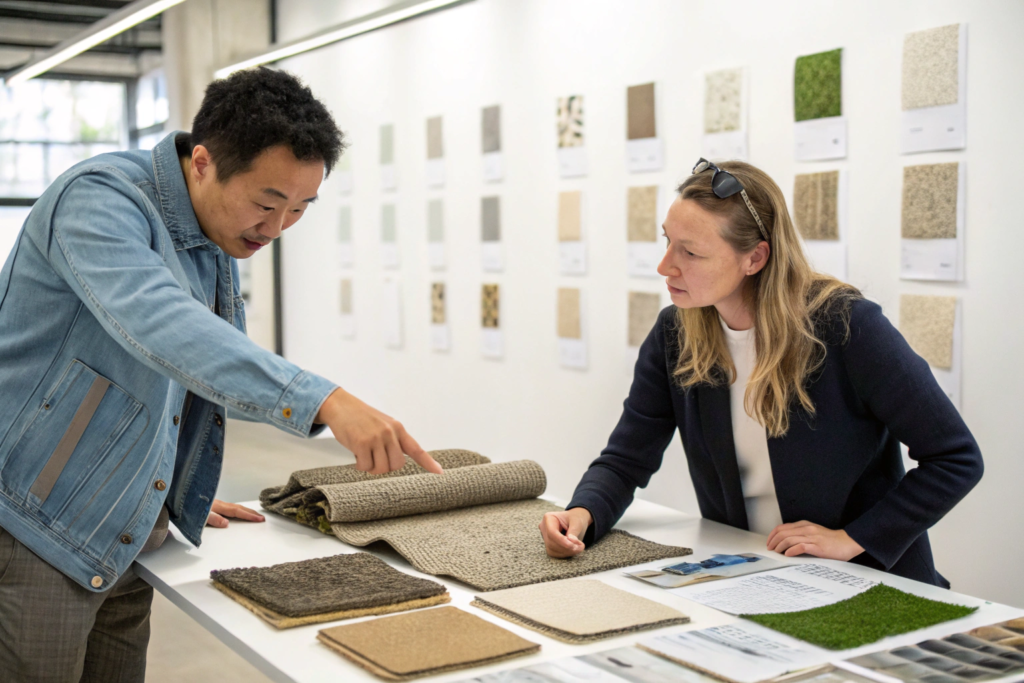
Hemp fabric supply is not as developed as cotton. There are fewer mills. The supply chain is less mature. This can lead to longer lead times and less consistent quality.
In 2022, I had a client who wanted 100% hemp for a line of kids' jackets. We found a mill that produced good fabric. But their lead time was 12 weeks. That was longer than our cotton suppliers. The client accepted the timeline. But they had to plan ahead.
The quality consistency can also vary. Hemp is a natural fiber. It has natural variations. Some batches may have more slubs or color variation. Most parents do not notice. But brands with very strict quality standards may find this challenging.
Here are the main sourcing challenges:
| Challenge | Impact | Mitigation |
|---|---|---|
| Limited mills | Longer lead times, fewer options | Plan ahead, build relationships |
| Price volatility | Less predictable costs | Lock in prices with deposits |
| Quality variation | Inconsistent texture or color | Work with reliable mills, test each batch |
| Minimum orders | Higher MOQs for pure hemp | Use blends, combine orders |
How does hemp behave differently in production?
Hemp behaves differently from cotton in production. It has less stretch. It can shrink differently. It can be harder to sew if not processed correctly.
I learned this in 2021 with my first hemp order. The fabric had a different drape than cotton. Our pattern makers had to adjust. The sewing operators had to use different needles. The fabric had a tendency to fray more at the edges. We made adjustments. Now, our team is experienced with hemp. But there was a learning curve.
Here are the production considerations:
| Production Stage | Hemp Consideration | Solution |
|---|---|---|
| Pattern making | Less stretch than cotton | Adjust ease allowances |
| Cutting | Can fray more | Use sharp blades, proper lay planning |
| Sewing | Requires different needles | Use ballpoint or specialized needles |
| Finishing | Shrinkage may differ | Pre-wash or adjust cutting |
| Dyeing | May absorb dye differently | Test before bulk production |
At Shanghai Fumao, we have overcome these challenges. We have experience with hemp production. We know how to adjust patterns. We know which needles to use. We know how to manage shrinkage. We can guide new clients through the process.
Conclusion
Hemp can be a solution for durable and affordable kids' wear. But it is not a simple replacement for cotton. The best approach is a hemp-cotton blend. This blend gives you the durability of hemp with the softness and affordability of cotton. For active children who wear out clothes quickly, hemp blends can last two to three times longer than conventional cotton. This durability creates real value for parents. They buy fewer clothes. They spend less money over time. They create less waste.
The environmental benefits are significant. Hemp uses less water. It needs no pesticides. It grows quickly. It improves soil health. For parents who care about sustainability, hemp is an attractive choice.
There are challenges. Hemp sourcing is less developed than cotton. Lead times can be longer. Production requires experience. Quality can vary. But these challenges can be managed with the right factory partner.
At Shanghai Fumao, we have invested in hemp production. We work with reliable hemp mills. We have trained our team to handle hemp fabrics. We know how to adjust patterns and sewing techniques. We can help you navigate the challenges and realize the benefits.
If you are considering hemp for your children's wear line, I invite you to talk to us. Let us discuss your goals. Let us test some blends. Let us find the right solution for your brand.
You can contact our Business Director, Elaine, directly. She can walk you through our hemp capabilities. She can show you samples of different hemp blends. She can help you understand costs and lead times. Her email is: elaine@fumaoclothing.com. Let us build durable, affordable children's wear together.