I’ll be honest with you. Twenty years ago, when I started in this business, I figured out what fabrics to make by going to trade shows in Paris, Milan, and New York. I’d walk the floors, see what the big mills were showing, and come back to China to replicate it. That was the old way. It was slow, expensive, and by the time I got my fabric to market, the trend was already six months old.
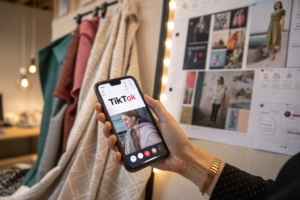
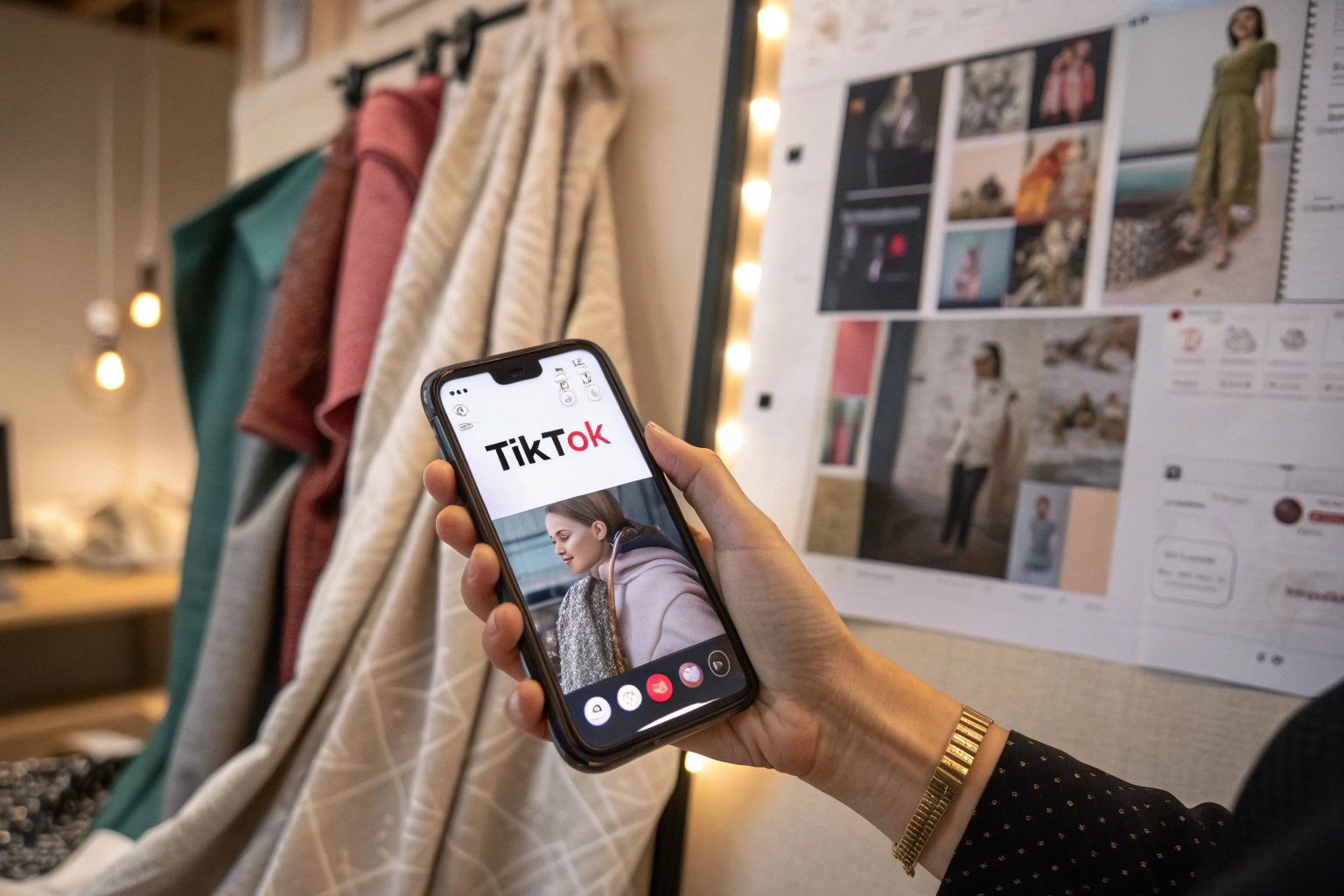
About three years ago, my daughter—who was then working as a junior designer for a streetwear brand in Shanghai—showed me something that changed my thinking. She opened TikTok on her phone and scrolled through a feed of fashion creators. “This is where trends start now,” she told me. “By the time you see it at Première Vision, it’s already dead.”
She was right. I started watching TikTok myself. Not the dances, not the challenges. I followed hashtags like #fabrictrends, #sewingtok, #fashiondesigner, and #textiledesign. What I found was a real-time pulse on what young designers, indie brands, and even major fashion houses were experimenting with. I saw textured jacquards go viral before they hit the trade shows. I saw the shift toward recycled materials driven by creator campaigns. I saw color trends emerge from a single video with millions of views.
At Shanghai Fumao, we’ve completely changed how we spot trends. We still go to trade shows. But we now spend as much time on TikTok as we do in showrooms. In this article, I’m going to share how we use TikTok to discover trending fabric styles in 2026, and how you can do the same for your sourcing.
Why TikTok Has Become the New Fashion Mood Board
TikTok isn’t just for entertainment anymore. It’s become the primary source of inspiration for a generation of designers, buyers, and consumers. The platform’s algorithm is incredibly good at surfacing niche trends and amplifying them to a massive audience. For fabric sourcing, this is a goldmine.
How Does TikTok Create Viral Fabric Trends?
The TikTok algorithm works differently from Instagram or Pinterest. On TikTok, content is pushed to users based on engagement, not just who they follow. That means a small creator with a unique fabric can suddenly get millions of views if the algorithm decides their content is interesting. That’s how we saw “crochet knit” explode in 2024. It started with a handful of creators showing how they were making chunky sweaters. Within weeks, every fast-fashion brand was producing it.
The other thing TikTok does is create communities around specific aesthetics. Hashtags like #cottagecore, #darkacademia, and #cyberpunk don’t just describe a style—they create demand for specific fabrics. Cottagecore drove demand for linen, eyelet lace, and floral prints. Dark academia pushed tweed, wool, and houndstooth. Cyberpunk is driving interest in reflective fabrics, iridescent coatings, and technical mesh.
I saw this play out last year. A client from a UK streetwear brand called me and asked if we had any “liquid metal” fabric. I had no idea what she was talking about. She sent me a TikTok link. It was a creator showing a high-shine, crinkled metallic fabric that she had made into a jacket. The video had 8 million views. Within two weeks, I had three other clients asking for the same thing. We developed the fabric and sold 50,000 meters of it in six months. That trend didn’t start in a trade show. It started on a teenager’s phone.
For a deeper look at how TikTok influences fashion trends, this marketing analysis article explains the TikTok trend lifecycle in fashion.
What Types of Fabric Content Go Viral on TikTok?
Not all fabric content is created equal. Certain types of videos consistently perform well. The first is transformation videos. A video that shows a raw, unfinished fabric being transformed into a finished garment gets huge engagement. People love seeing the before and after. We’ve seen videos of our own jacquard fabrics going viral when creators show the weaving process and then the final dress.
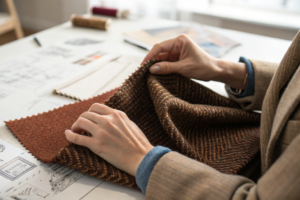
The second is texture close-ups. A video that zooms in on a unique texture—a bouclé, a velvet, a structured knit—can get millions of views. People are drawn to tactile content. They want to imagine what it feels like. The third is sustainability content. Videos that show recycled materials, deadstock fabric, or low-impact production methods perform very well. Gen Z consumers in particular care deeply about sustainability.
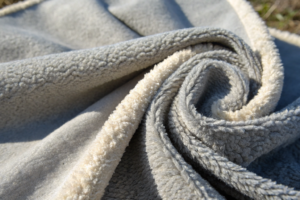
I remember a video from a creator in Berlin who bought some of our recycled polyester fleece. She made a video showing the fabric, explaining that it was made from plastic bottles, and then showing the jacket she sewed. The video got 3 million views. Her followers flooded her comments asking where to buy the fabric. She tagged us. We got inquiries from 20 new clients that week. That’s the power of TikTok.
For a guide to creating viral fabric content, this social media resource offers tips for textile creators on TikTok.
How to Find Trending Fabric Styles on TikTok
If you want to use TikTok for trend discovery, you need to know how to search, what to watch, and who to follow. It’s not just about scrolling randomly. You need a system.
What Hashtags Should You Follow?
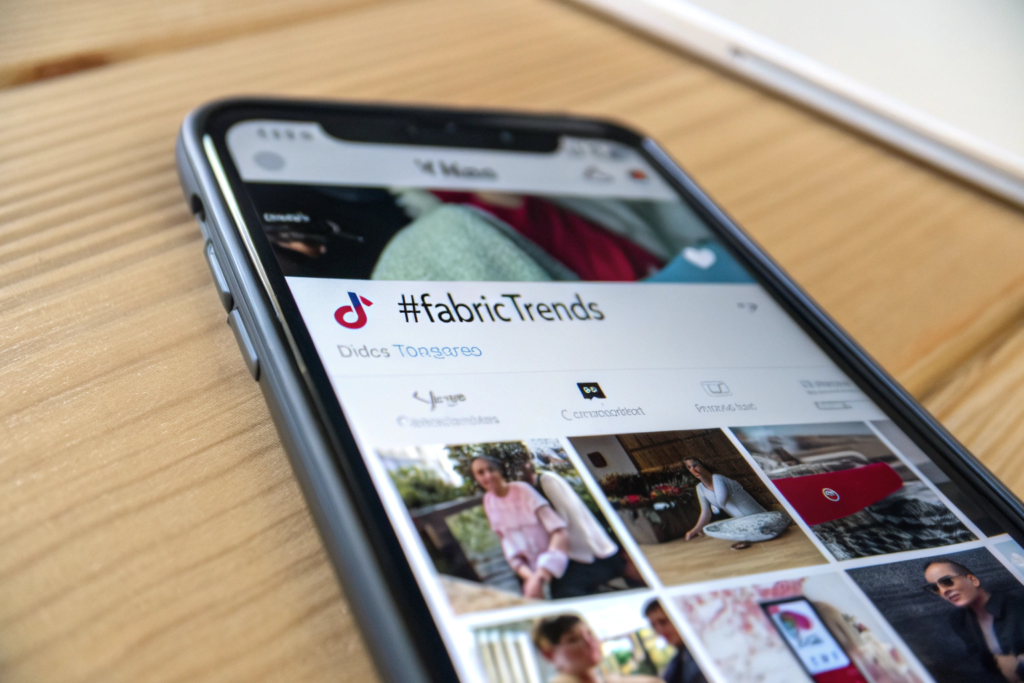
The first step is to build your feed. You need to train the algorithm to show you fabric content. Start by searching and following specific hashtags. The most obvious are #fabric, #textiledesign, #fashionfabric, and #fabricwholesale. But the real value is in more specific tags.
SewingTok is one of the biggest communities on TikTok. It’s full of creators who sew their own clothes. They’re constantly showing the fabrics they’re using. If a particular fabric appears in multiple #SewingTok videos, it’s probably trending. #FashionDesigner is another good one. Professional and aspiring designers show their collections, their fabric choices, and their inspiration.
For trend discovery, #FabricTrends is essential. It’s a smaller tag, but it’s where creators who focus specifically on fabric trends post. #WhatImSewing is another good one for seeing what fabrics are being used in real projects. I also follow #SustainableFashion and #UpcycledFashion to see what eco-conscious creators are using.
I have a list of about 30 hashtags that I check daily. It takes me about 20 minutes. In that time, I can see what colors, textures, and materials are gaining traction. Last month, I noticed that #BoucleFabric was suddenly appearing in multiple videos. I hadn’t seen it in months. I called our mill and asked them to start preparing bouclé samples. By the time the trend peaked, we had samples ready for our clients.
For a comprehensive list of textile-related TikTok hashtags, this social media guide offers a directory of fashion and fabric tags.
Who Are the Key Creators to Watch?
Following individual creators is just as important as following hashtags. There are creators who specialize in fabric content. They review fabrics, show sourcing processes, and predict trends. Following them gives you a curated feed of relevant content.
Some creators focus on deadstock fabric. They buy leftover fabric from mills and show it to their followers. This is a great way to see what high-quality fabrics are being produced but not used. Other creators focus on sustainable fabric sourcing. They show recycled materials, natural fibers, and low-impact dyes. Their content is often early indicators of what eco-conscious brands will be demanding.
I follow a creator in the UK who reviews fabric samples sent to her by mills. She shows the hand feel, the drape, the stretch. Her videos get hundreds of thousands of views. When she gives a fabric a positive review, inquiries spike. I’ve started sending her samples of our new developments. If she features them, we get orders.
Another creator I follow is a designer in New York who shows her fabric sourcing trips to the garment district. She’ll walk through a fabric store, show what’s new, and talk about what she’s seeing. Her perspective is valuable because she’s actually buying fabric for production, not just making content.
For a list of top fabric and sewing creators on TikTok, this influencer directory offers a curated list of textile-focused TikTok accounts.
How to Turn TikTok Trends into Sourcing Decisions
Discovering a trend on TikTok is one thing. Turning that discovery into a sourcing decision is another. You need to validate the trend, understand the specifications, and move quickly. Speed is everything in trend-driven fashion.
How Do You Validate a TikTok Trend?
Not every TikTok trend is a real market trend. Some trends are fleeting—they get 10 million views and then disappear in a week. Others have staying power. You need to validate before you invest in production.
The first validation is volume. How many creators are posting about this fabric? If it’s just one video with a million views, it might be a one-off. If you see 20 videos from different creators, all showing the same type of fabric, that’s a trend. The second validation is engagement. Are people asking in the comments where to buy the fabric? Are they tagging brands? That’s demand. The third validation is cross-platform. Is the same fabric appearing on Instagram, Pinterest, or YouTube? If it’s only on TikTok, it might be platform-specific.
I remember when “raschel lace” started trending in 2025. I saw it on TikTok first. A creator had made a dress from a very specific type of floral raschel lace. The video got 2 million views. I waited a week. In that week, I saw five other creators using similar lace. I checked Instagram and saw it appearing there too. I called our mill and asked if they could produce that specific pattern. We had samples in two weeks. By the time the trend peaked, we were ready.
For a guide to trend validation, this fashion forecasting resource offers a framework for distinguishing fads from trends.
How Do You Get Technical Specifications from a TikTok Video?
This is the hardest part. A TikTok video shows you what the fabric looks like. It doesn’t tell you the weight, the fiber content, the weave structure, or the finishing. You need to reverse-engineer that information.
The first step is to look closely at the video. Pause it. Zoom in. Can you see the weave? Is it a knit or a woven? Can you see the fiber? Does it look like cotton, polyester, or a blend? The second step is to read the comments. Sometimes the creator will answer questions about the fabric. Other times, followers will identify the fabric in the comments.
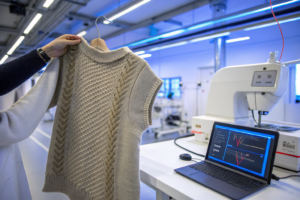
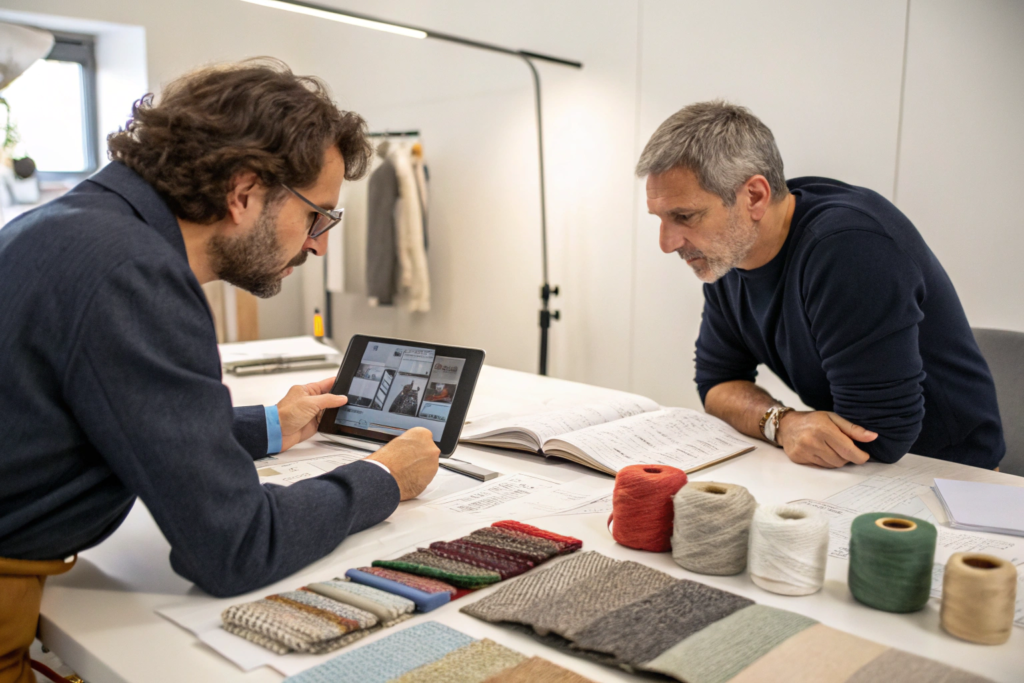
The third step is to ask your supplier. Show them the video. Send them a screenshot. At Shanghai Fumao, we’ve become experts at this. Our development team can look at a video and tell you the approximate weight, the likely fiber content, and whether it’s something we can produce. We can then send you samples that match the look and feel.
I had a client from a brand in Australia who sent me a TikTok video of a very specific textured knit. She wanted to know if we could make it. I shared the video with our knitting mill. They identified the structure as a four-feed jacquard knit. They estimated the weight at 280 GSM. They said they could replicate it. We sent her samples. She approved them. Three months later, she had 10,000 meters of that fabric in her warehouse.
For advice on how to communicate fabric specifications from visual references, this sourcing guide offers tips for using social media in fabric development.
What Are the Challenges of Using TikTok for Sourcing?
TikTok is a powerful tool, but it’s not without challenges. The platform moves fast. Trends can appear and disappear in weeks. There’s also the risk of sourcing from unverified suppliers. You need to use TikTok as a discovery tool, not as a sourcing platform.

How Do You Avoid Sourcing from Unverified TikTok Suppliers?
TikTok is full of suppliers promoting their fabrics. Some are legitimate. Others are not. I’ve seen videos from suppliers showing beautiful fabric samples, only to hear from clients that the bulk order was completely different. It’s the same problem as Alibaba, but with even less verification.
If you find a supplier on TikTok, do your due diligence. Ask for samples. Ask for certifications. Ask for references. If possible, visit the factory. Don’t place a large order based on a 30-second video. Treat TikTok as a way to find potential suppliers, not as a shortcut to vet them.
I had a client from a US startup who found a supplier on TikTok. The supplier’s videos were beautiful. The client placed a $20,000 order. The fabric that arrived was a different weight, a different color, and had poor recovery. The client lost the money and had to scramble to find replacement fabric. Now, that client asks us to vet TikTok suppliers for them. We’ve built relationships with the legitimate ones and can recommend them.
For a guide to vetting suppliers found on social media, this sourcing resource offers a supplier verification checklist.
How Do You Keep Up with the Speed of TikTok Trends?
The biggest challenge with TikTok trends is speed. A trend can appear, peak, and decline in the time it takes to develop a new fabric. If you’re sourcing from traditional supply chains, you’ll always be behind.
The solution is to build a supply chain that can move quickly. That means working with mills that can develop samples in days, not weeks. It means having stock fabrics that can be dyed or printed quickly. It means being willing to run smaller quantities for trend-driven products.
At Shanghai Fumao, we’ve restructured our development process to match the speed of TikTok. We can take a trend from a video to a sample in 48 hours. We can run small batches for initial orders, then scale up if the trend continues. This agility has made us a preferred partner for brands that want to capture viral moments.
I had a client from a brand in Canada who saw a fabric trend on TikTok. She sent me the video on a Monday. By Wednesday, she had samples. By the following Monday, she had placed an order for 2,000 meters. The fabric was in her warehouse in six weeks. She launched the product in time for the peak of the trend. It sold out in a week. That speed is only possible if your supply chain is built for it.
For a guide to building an agile textile supply chain, this manufacturing article offers strategies for fast fashion sourcing.
Conclusion
TikTok has fundamentally changed how fashion trends emerge and spread. It’s no longer about trade shows and fashion magazines. It’s about creators, algorithms, and viral moments. A video of a unique fabric can get 10 million views in a day and create demand that wasn’t there the week before. For fabric suppliers and fashion brands, this is both an opportunity and a challenge.
The opportunity is real-time trend discovery. You can see what’s gaining traction before it hits the mainstream. You can develop fabrics that capture the moment. You can position yourself as a trend leader, not a trend follower. The challenge is speed. The TikTok trend cycle is faster than traditional textile supply chains. If you can’t move quickly, you’ll miss the window.
At Shanghai Fumao, we’ve embraced TikTok as a core part of our trend discovery process. We follow the hashtags. We watch the creators. We analyze the engagement. And we’ve built a development process that can turn a viral video into a sample in 48 hours. We’re not just sourcing fabric. We’re capturing cultural moments.
If you’re a designer or a brand looking to stay ahead of trends, I encourage you to get on TikTok. Not as a viewer, but as a participant. Follow the creators. Watch the hashtags. And when you see a trend, move fast. The window is short, but the reward is real.
And if you need a supplier who can move as fast as TikTok, we’re here. Send us the video. Tell us what you need. We’ll get you samples. We’ll get you fabric. And we’ll help you capture the moment.
Contact our Business Director, Elaine, to discuss your trend-driven fabric needs.
Email: elaine@fumaoclothing.com
Let’s turn viral moments into fabric that sells.