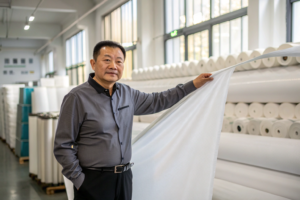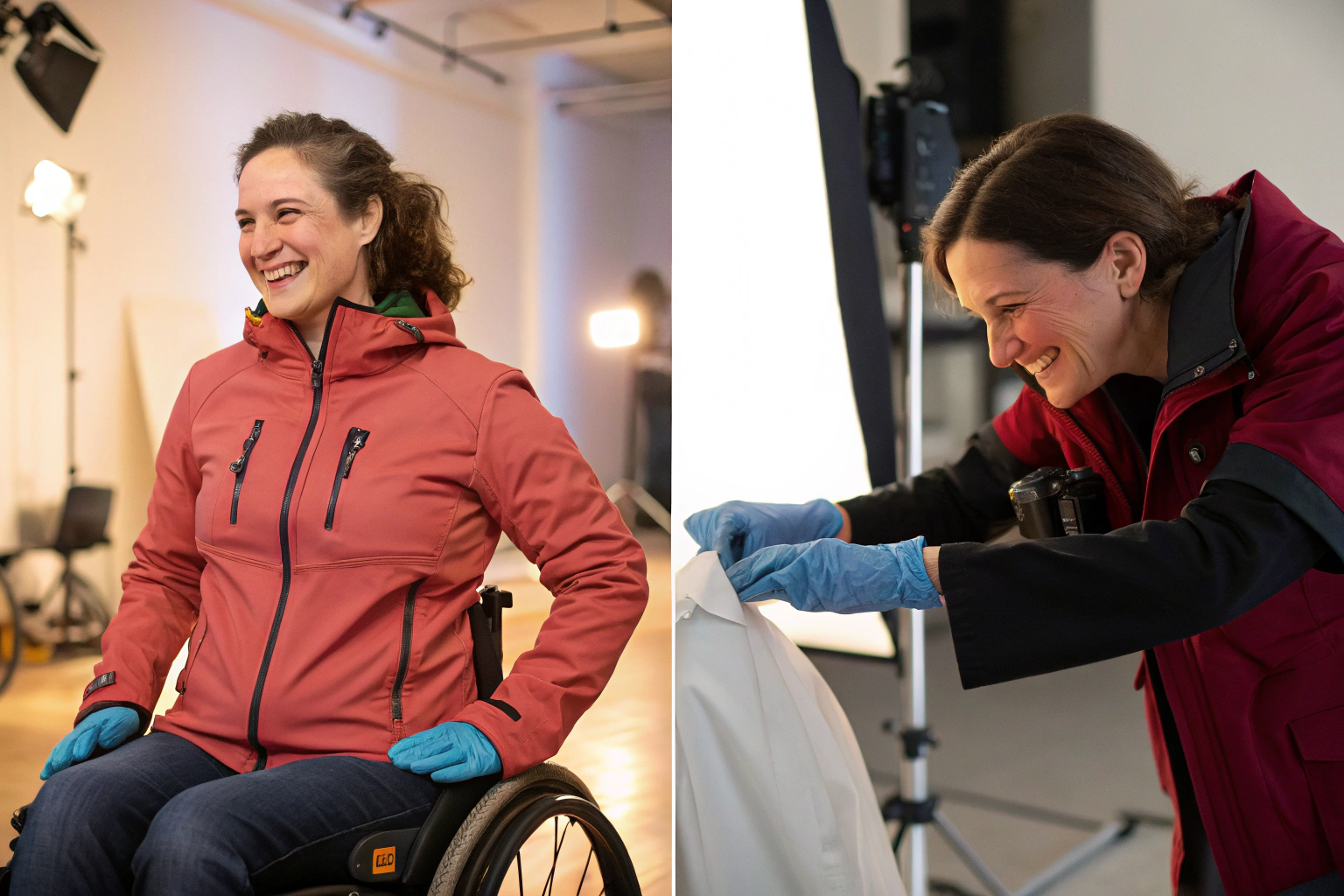
You're designing for a market that's been ignored for too long. People with disabilities represent over a billion individuals globally, yet finding the right fabrics for adaptive clothing still feels like an obstacle course. I've sat with buyers who tear up describing the frustration of their clients—people who can't find a single pair of pants that are both stylish and easy to put on. The fabric industry has treated adaptive clothing as an afterthought for decades. That ends now.
Sourcing fabric for adaptive clothing isn't just about picking something soft. It's about understanding a completely different set of requirements: ease of dressing, sensory sensitivity, durability through repeated care, compatibility with assistive devices, and dignity in design. At Shanghai Fumao Textiles International, we've spent the last five years working directly with adaptive designers and occupational therapists to develop fabrics that actually work for this community. Let me share what we've learned about getting it right.
The adaptive clothing market is growing explosively, driven by an aging population and a long-overdue recognition that disability isn't a niche. But most fabric suppliers don't understand the unique demands. They send the same stiff denim and scratchy polyesters they sell to everyone else. That doesn't work. Your customers deserve better, and I'm going to show you exactly what to look for, what to avoid, and how to source fabrics that combine accessibility with real style.
What Fabric Properties Matter Most for Adaptive Clothing?
When a typical fashion brand sources fabric, they ask: does it look good? Is it on trend? What's the cost? When you're sourcing for adaptive clothing, the questions are fundamentally different. You're asking: can someone with limited hand function put this on independently? Will it irritate sensitive skin for someone who can't remove it themselves? Will it survive the washing and wear of daily use by someone who depends on this garment? These questions change everything.
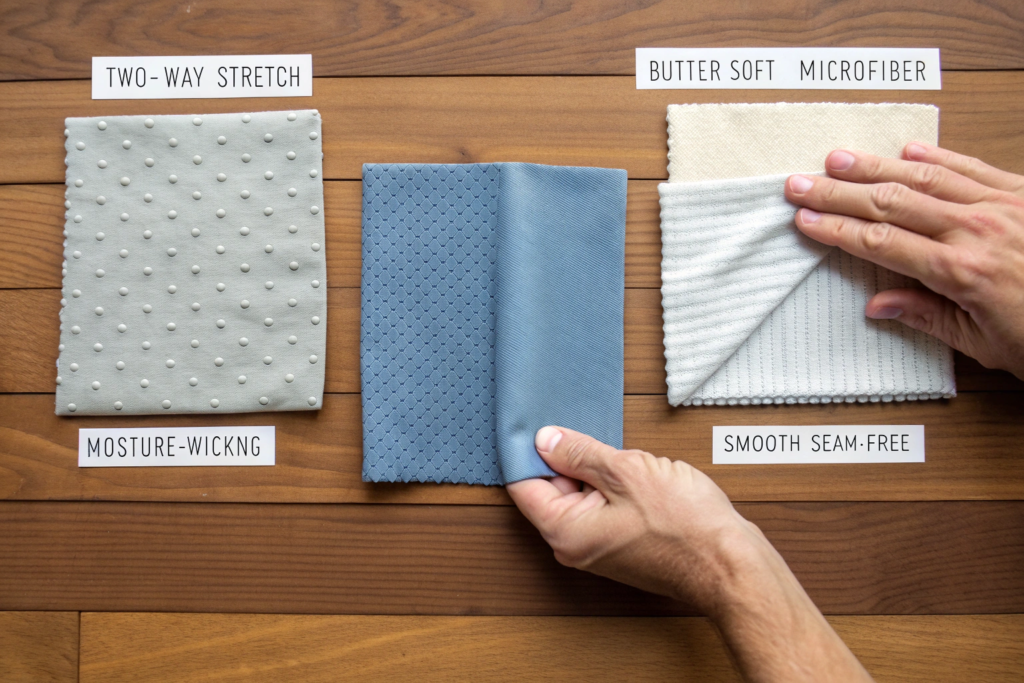
Why is "hand feel" or tactile sensitivity a medical consideration, not just a preference?
Let me be direct: for many people with disabilities, uncomfortable fabric isn't just annoying—it's painful. Individuals with autism, sensory processing disorders, or certain neurological conditions can experience everyday textures as physically distressing. A seam that you or I wouldn't notice can cause genuine suffering for someone with tactile sensitivity.
We learned this the hard way about four years ago. A Canadian designer came to us with a project for children with autism. She'd been rejected by five other mills who told her "just use organic cotton." But organic cotton isn't automatically sensory-friendly. The issue wasn't the fiber—it was the construction. The previous supplier had used a standard jersey knit with a tight, flat surface that still had enough texture to trigger sensitivity in some kids.
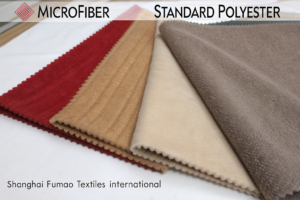
We worked with her to develop what we now call our "zero-feel" jersey. It's a microfiber polyester knit with an extra-compact construction and a special calendering finish that creates an almost glass-smooth surface. The seams are flat and minimal. The fabric标签 is printed, not woven and sewn in. The result is a garment that kids actually forget they're wearing. One mother told the designer it was the first time her son had worn a full day of school without stripping off his shirt by lunch. That's not preference. That's quality of life. This guide to sensory-friendly fabric selection for adaptive clothing explains why texture matters at a neurological level. It's real, and it's non-negotiable.
How much stretch is actually enough for dressing ease?
Everyone says "use stretch fabric" for adaptive clothing. But how much stretch? And in which direction? Most standard knits have good stretch in the width but limited stretch in the length. For someone transferring from a wheelchair to a bed, or for a caregiver dressing someone with limited mobility, that's not enough.
We test two types of stretch: mechanical stretch (the fabric's natural give) and recovery (how well it returns to shape). For adaptive clothing, we recommend fabrics with at least 30-40% stretch in both directions. But more important than the percentage is the "low-force stretch"—how easily the fabric stretches with minimal effort. A stiff fabric that requires significant force to stretch is useless for someone with limited hand strength, even if the total stretch percentage is high.
For a UK-based adaptive brand specializing in clothing for stroke survivors, we developed a specific jersey with 50% two-way stretch and extremely low modulus—meaning it stretches with almost no force. Their clients, many of whom have hemiparesis (weakness on one side), can now pull on a shirt with one hand because the fabric gives so easily. The recovery is still strong enough that the garment doesn't bag out during the day. This technical guide to stretch fabric selection for medical and adaptive applications gets into the engineering. It's not just about containing stretch—it's about usable stretch.
What Fiber Types Work Best for Different Adaptive Needs?
Not all disabilities are the same, so not all fibers are the same. A fabric that works perfectly for someone with cerebral palsy might be terrible for someone with multiple sclerosis. The fiber choice has to match the specific needs of the end user. Here's how we think about matching fibers to conditions.
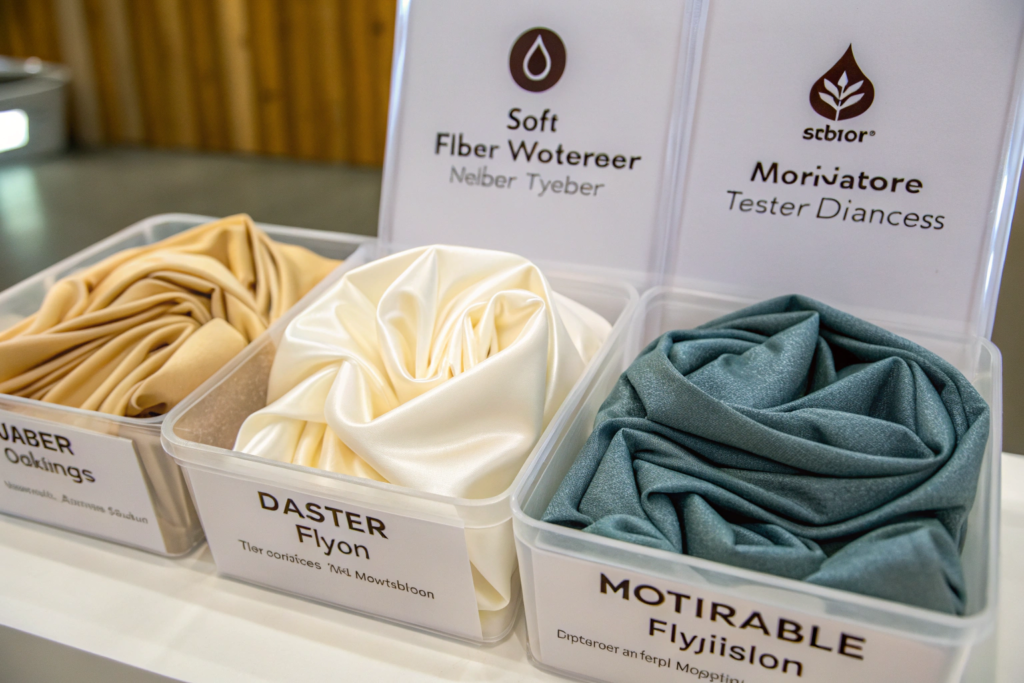
For wheelchair users, what fabric properties prevent pressure sores and skin breakdown?
Wheelchair users face two specific fabric challenges: pressure and friction. Prolonged sitting creates pressure points that can lead to skin breakdown and pressure ulcers. And the constant friction of transferring in and out of the chair can abrade both the fabric and the skin.
The ideal fabric for wheelchair users combines several properties. First, it should be smooth and low-friction on the surface that contacts the chair, to make transfers easier. But it shouldn't be so slippery that the user slides forward in the chair. Second, it should have some two-way stretch to accommodate position changes without binding. Third—and this is critical—it should wick moisture away from the skin. Moisture trapped against the skin dramatically increases the risk of skin breakdown.
We developed a custom fabric for a US-based adaptive brand that hits all these marks. It's a 65% polyester, 35% Tencel blend with a specialized weave structure. The polyester provides durability and moisture-wicking. The Tencel adds incredible softness and natural antimicrobial properties. The weave is a subtle sateen that's smooth on the outside for transfers but has a matte finish that prevents sliding. One occupational therapist told us it was the first fabric she'd seen that actually understood how wheelchair users move. This clinical guide to pressure ulcer prevention through textile selection explains the stakes. It's not comfort—it's medical necessity.
What about temperature regulation for people with MS or spinal cord injuries?
Many neurological conditions affect the body's ability to regulate temperature. Someone with multiple sclerosis might overheat easily, triggering symptom flares. Someone with a spinal cord injury might be unable to sweat below the level of injury, making them prone to dangerous overheating. For these individuals, fabric choice is literally about safety.
We recommend moisture-wicking and phase-change materials for these applications. Standard cotton absorbs sweat and holds it against the skin, which can actually cause chilling when the person stops moving. Technical polyester and nylon wick moisture away and dry quickly, helping maintain stable body temperature.
For a Swedish adaptive brand serving the MS community, we developed a line of base layers using a specialized hollow-core polyester fiber that provides thermal insulation without bulk, combined with moisture-wicking technology. The fabric actively moves sweat away from the skin while trapping warm air in the hollow fibers. Their clients report fewer temperature-related symptom flares since switching to these garments. This research on thermoregulation in neurological conditions and textile solutions shows why this matters. Temperature isn't just comfort—it's symptom management.
How Do Fastenings and Closures Interact with Fabric Choice?
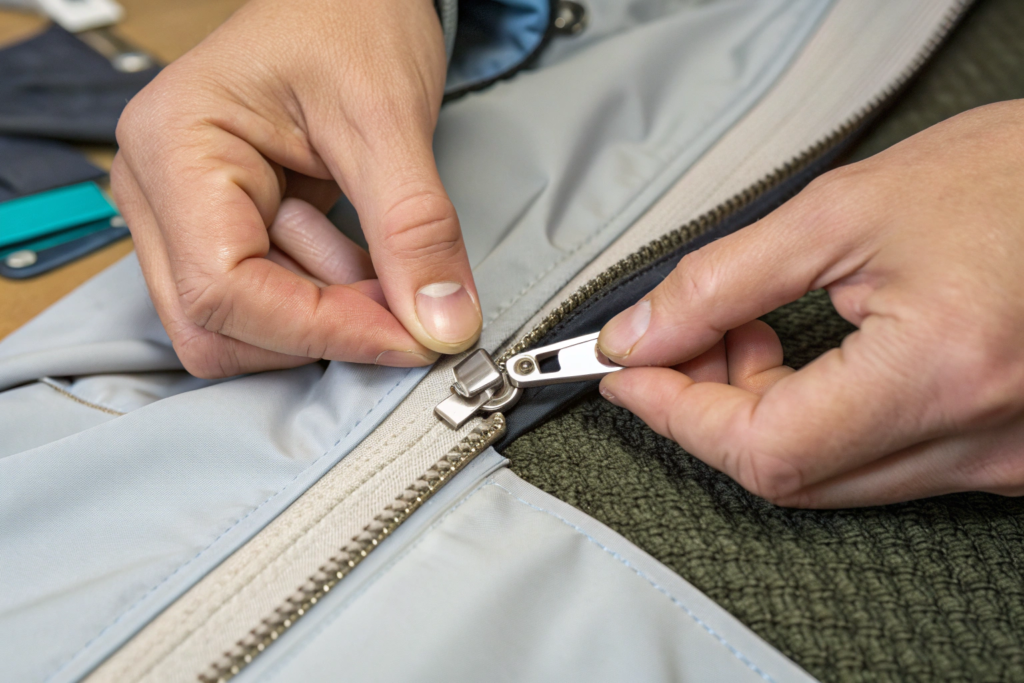
The fabric is only half the equation. Adaptive clothing relies on specialized closures—magnets, easy-pull zippers, hidden snaps—to make dressing possible. But these closures only work if the fabric supports them. A heavy fabric can defeat a magnetic closure. A flimsy fabric can tear around a repeatedly used snap. The fabric and the closure have to be designed together.
What fabric characteristics support magnetic closures without interfering with them?
Magnetic closures are revolutionary for people with limited hand function or dexterity. No pinching, no aligning, no fine motor skills required. But magnets have specific requirements. The fabric can't be too thick or the magnetic field won't reach through both layers. It can't contain ferrous materials (like) that would interfere with the magnetic field. And it needs enough stability that the fabric doesn't sag and misalign the magnets.
We've developed specific fabric constructions optimized for magnetic closures. For a US adaptive brand's denim line, we created a 10 oz cotton/spandex blend with a tighter weave than standard denim. The tighter construction prevents the fabric from stretching around the magnets and misaligning them. The spandex provides enough give for comfort, but the cotton content keeps the fabric stable. The weight is carefully calibrated—heavy enough for durability, light enough that the magnets snap through both layers easily.
We test every magnetic closure fabric with the actual magnets our clients use. We measure the pull-force required through the fabric and adjust construction until it's consistent. For a UK client's shirt line, we went through six prototype fabrics before we got the magnetic placket to close perfectly every time without being too weak to stay closed. This guide to magnetic closure selection for adaptive apparel explains the options. But the fabric matters as much as the magnet.
How do we reinforce fabric around frequently used closures without adding bulk?
Adaptive garments get dressed and undressed more often than typical clothing. Someone being dressed by a caregiver might go through three clothing changes a day. That means zippers get pulled, snaps get snapped, magnets get separated—hundreds of times. Standard garment construction will fail.
We use several techniques to reinforce closure areas without adding bulk that would make the garment uncomfortable. For zippers, we add a hidden facing strip behind the zipper tape, distributing stress across a wider area. For snaps and magnetic sockets, we use fusible interfacing on the back of the fabric, but we select interfacing that's soft enough not to irritate skin. For high-stress areas like waistband closures, we sometimes use a double layer of fabric with the closure sandwiched between, creating a reinforcement that's invisible from outside.
A German adaptive brand we work with had recurring failures on the magnetic closures of their adaptive trousers. The magnets were pulling through the fabric after 20-30 wears. We redesigned the construction with a hidden reinforcement patch behind each magnet, spreading the load. The redesigned garments are now lasting through 100+ wears without failure. This technical resource on reinforcement techniques for adaptive apparel shows the methods. Adaptive clothing has to be built tougher, not just designed differently.
What Testing Standards Apply to Adaptive Clothing Fabrics?
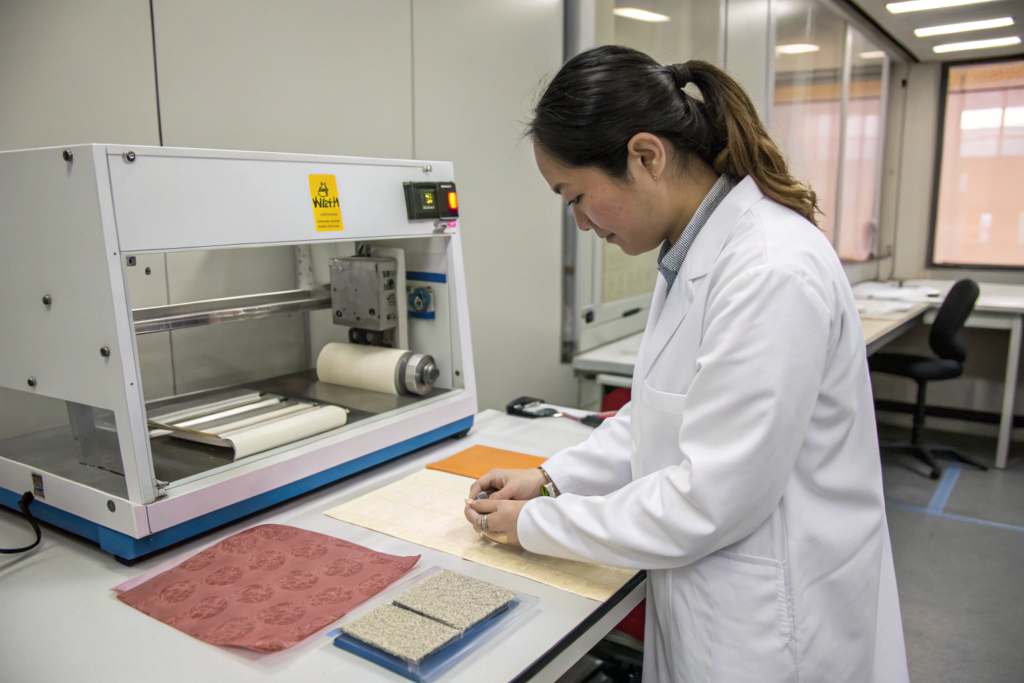
Adaptive clothing isn't fashion—it's often medical-adjacent. That means testing standards that go beyond typical apparel. Flammability, durability, skin sensitivity, and cleaning resistance all matter more when the wearer may be more vulnerable. We test adaptive fabrics to standards that most fashion suppliers have never heard of.
What flammability standards apply to adaptive clothing, especially for older adults?
Older adults and people with mobility impairments are at higher risk in fires. They may not be able to move quickly away from a flame source. Garments that ignite easily or burn rapidly can be deadly. In the US, the Consumer Product Safety Commission has specific flammability standards for children's sleepwear, but for adaptive adult wear, the requirements are less clear—but no less important.
We voluntarily test our adaptive fabrics to the highest relevant standards: 16 CFR 1610 for general apparel flammability, and where appropriate, NFPA 701 for flame-resistant treated fabrics. For clients serving nursing homes or assisted living facilities, we often recommend inherently flame-resistant fibers like modacrylic or treated cotton, even when not strictly required by law. The peace of mind is worth the extra cost.
A Japanese client serving the elderly care market requires all their adaptive fabrics to pass the Japanese JIS L 1091 flammability standard, which is more stringent than US general apparel standards. We developed a special cotton/polyester blend with a permanent flame-retardant finish that passes JIS L 1091 while maintaining the soft hand needed for sensitive skin. This guide to textile flammability standards worldwide shows the landscape. Don't assume your fabric is safe—test it.
How do we test for skin irritation and allergic reactions?
People with disabilities often have more sensitive skin, either due to their condition or because they wear medical devices that already irritate the skin. The last thing they need is a fabric that makes it worse. We test our adaptive fabrics for skin irritation using both chemical extraction and patch testing.
The chemical tests look for residues: leftover dyes, finishing chemicals, or surfactants that could irritate skin. We test for pH—skin-neutral is around 5.5, and fabrics that are too alkaline can cause irritation. We test for formaldehyde, which is still used in some wrinkle-resistant finishes and is a known irritant. And we test for disperse dyes, which are common in polyesters and can cause allergic reactions in sensitive individuals.
For our "sensitive skin" line, we use only azo-free dyes and we wash all fabrics after dyeing to remove any residual chemicals. We then send samples to an independent dermatology lab for human patch testing—actually putting the fabric on volunteer subjects' skin for 48 hours to check for reactions. It's expensive, but for a US adaptive brand's flagship collection, it was the only way their occupational therapy advisors would approve the fabrics. This resource on dermatological testing for textiles explains the Oeko-Tex certification process, which is the baseline. We go beyond it.
Conclusion
Sourcing fabric for adaptive clothing isn't about finding the cheapest option or the trendiest print. It's about understanding a completely different set of priorities: ease of dressing, sensory comfort, durability through frequent use and care, compatibility with assistive devices, and dignity for the wearer. The best adaptive fabrics are invisible in their performance—they just work, allowing the wearer to focus on living, not on their clothing.
At Shanghai Fumao Textiles International, we've made it our mission to serve this underserved market. We've worked directly with occupational therapists, adaptive designers, and end users to understand what actually works. We've developed specialized constructions for magnetic closures, sensory-friendly finishes, pressure-relieving weaves, and temperature-regulating fibers. And we test everything to standards that matter for vulnerable populations.
If you're designing adaptive clothing, you need a partner who understands that this isn't just fashion—it's function that changes lives. You need someone who will listen to your specific requirements, not just sell you whatever they have in stock. That's what we do.
Let's talk about your next project. Our Business Director, Elaine, has worked with adaptive brands across North America and Europe. She understands the unique challenges and can walk you through our capabilities. Email her at elaine@fumaoclothing.com. Tell her about the community you're serving. She'll show you how we can help you serve them better.