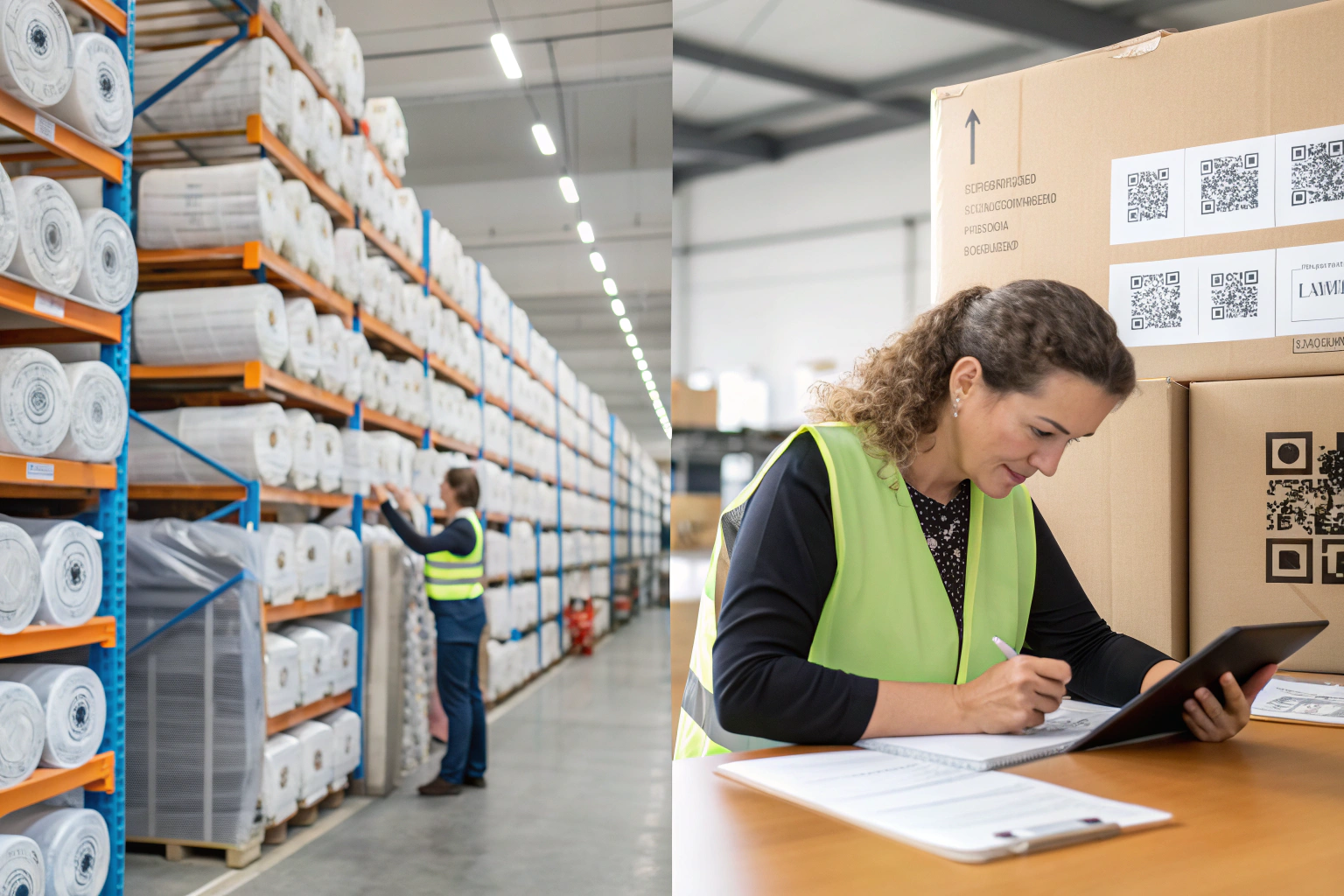
You know the nightmare. You forecast sales six months ago, ordered fabric accordingly, and now the market has shifted. That hot style you were sure would sell? Dead. And the new bestseller you didn't predict? You need fabric for it yesterday. You're stuck with warehouses full of the wrong inventory and production lines idling while you wait for the right materials. I've watched buyers lose sleep over this exact problem for two decades. The old model of "order big, hope for the best" just doesn't work anymore.
Just-in-time inventory with a Chinese supplier sounds like an oxymoron, right? China is 8,000 miles away. Ships take weeks. How can you possibly run JIT? The answer isn't about moving faster across the ocean—it's about restructuring how we work together so the ocean transit becomes just one predictable part of a flexible system. At Fumao Fabric, we've spent years building the processes, partnerships, and technology to make JIT work for clients from New York to Milan. And I'm going to show you exactly how we do it.
Let me be clear: true JIT with an overseas supplier isn't about getting fabric in 3 days. That's physically impossible. It's about eliminating uncertainty, compressing the parts of the supply chain we control, and giving you the visibility to plan with confidence. When you know exactly when your fabric will arrive and exactly what quality to expect, you can run your production lean. You don't need a mountain of safety stock. You need a reliable partner. That's what we've built.
How Does Our Production Model Compress Lead Times Without Sacrificing Quality?
Speed is the foundation of JIT. But speed that compromises quality is useless. If the fabric arrives fast but fails inspection, you're worse off than if it arrived late but correct. The trick is building a production system where speed and quality are the same thing. We've done that through vertical integration, intelligent scheduling, and a relentless focus on right-first-time production.
What does "vertical integration" actually mean for your order lead times?
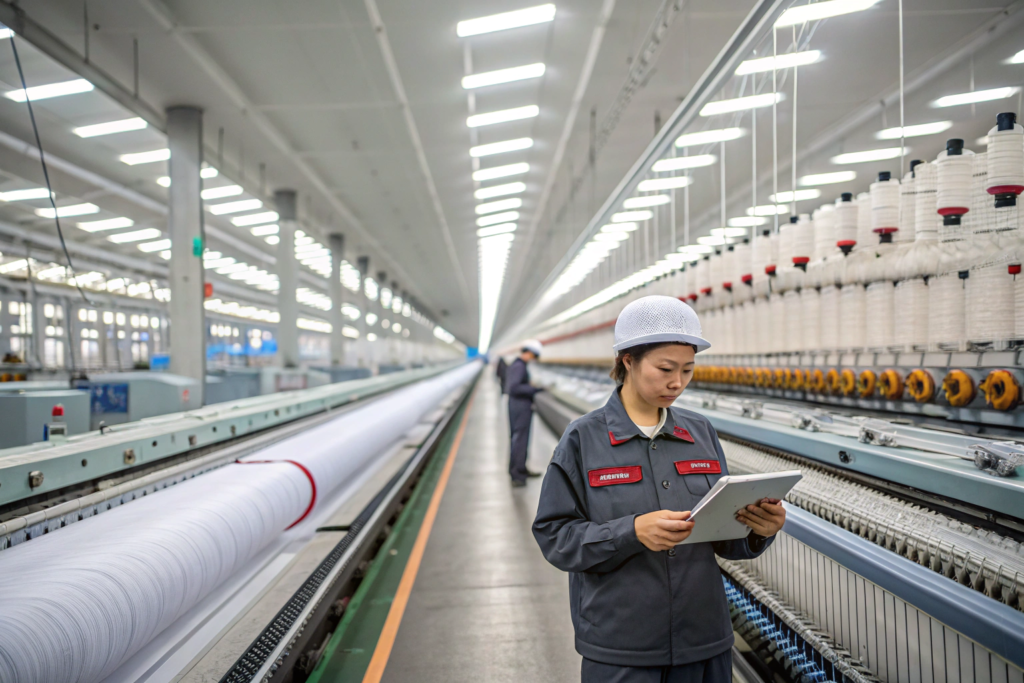
Vertical integration sounds like corporate buzzword, but in Keqiao, it's physical reality. Most fabric suppliers are really just traders. They buy grey fabric from one factory, send it to another for dyeing, then to a third for finishing. Every handoff adds a week of trucking time, a queue at the next factory, and a stack of paperwork. More importantly, every handoff adds uncertainty. When something goes wrong, finger-pointing starts, and your timeline disappears.
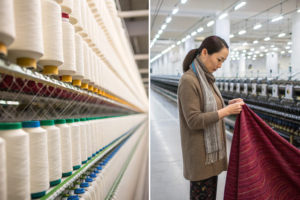
We own or operate our weaving mill, our dyeing and finishing plants, our printing and embroidery facilities, and our inspection and packaging center. When you place an order with us, the grey fabric moves from our looms to our dyeing machines the same day. No trucks. No waiting lists. No "the other factory is busy" excuses. I can walk from one end of our production line to the other in 15 minutes and see your entire order progressing.
For a New York-based contemporary brand we started working with in 2023, this integration cut their lead time from 12 weeks to 6 weeks on their first order. They couldn't believe it. They'd been told by their previous supplier that 12 weeks was normal for quality fabric from China. It is, if you're just a trader booking space in other people's factories. It's not if you control the machines. This explanation of vertical integration benefits in textile manufacturing shows why this model matters. We're not middlemen. We're makers.
How do we achieve 48-hour sample development for JIT clients?
Samples are the enemy of JIT if they're slow. You can't place a bulk order until you've approved the lab dip and the strike-off. If that process takes 3 weeks, you've already lost time you can never get back. We've compressed sample development to 48 hours for most standard requests, and here's how.
First, our digital color library. We've spectrophotometer-scanned and archived over 30,000 active colors. When you send us a Pantone, we don't start from zero. We check our database for the closest match and can often provide a physical sample within hours, not days. Second, our in-house sample machines. We don't send sample requests to the production floor and wait for a break in the schedule. We have dedicated sample weaving and dyeing equipment that runs 24/7 specifically for new developments.
I had a Canadian athleisure company in 2024 who needed a custom heather grey sample for a pitch to a major retailer. They called us on Tuesday morning their time, which was Wednesday morning our time. We pulled the fiber, spun a small sample lot, dyed it, knitted it, and had a finished sample ready for photography by Thursday afternoon their time. They won the account. That's what 48-hour development looks like in practice. This guide to rapid sample development for fashion brands explains our workflow. Speed isn't just about machines—it's about systems designed for speed.
What Inventory Strategies Do We Offer to Buffer Against Supply Chain Uncertainty?
Even with the fastest production, sometimes you need fabric now. Not in 4 weeks. Now. For those situations, we've built inventory programs that put fabric in your hands when you need it, without requiring you to tie up your own capital in months of safety stock. These strategies are the bridge between traditional made-to-order manufacturing and true JIT responsiveness.
How does our "greige goods" inventory program help you respond faster?
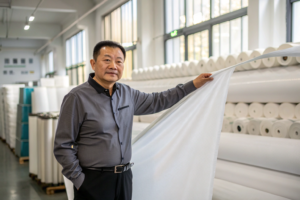
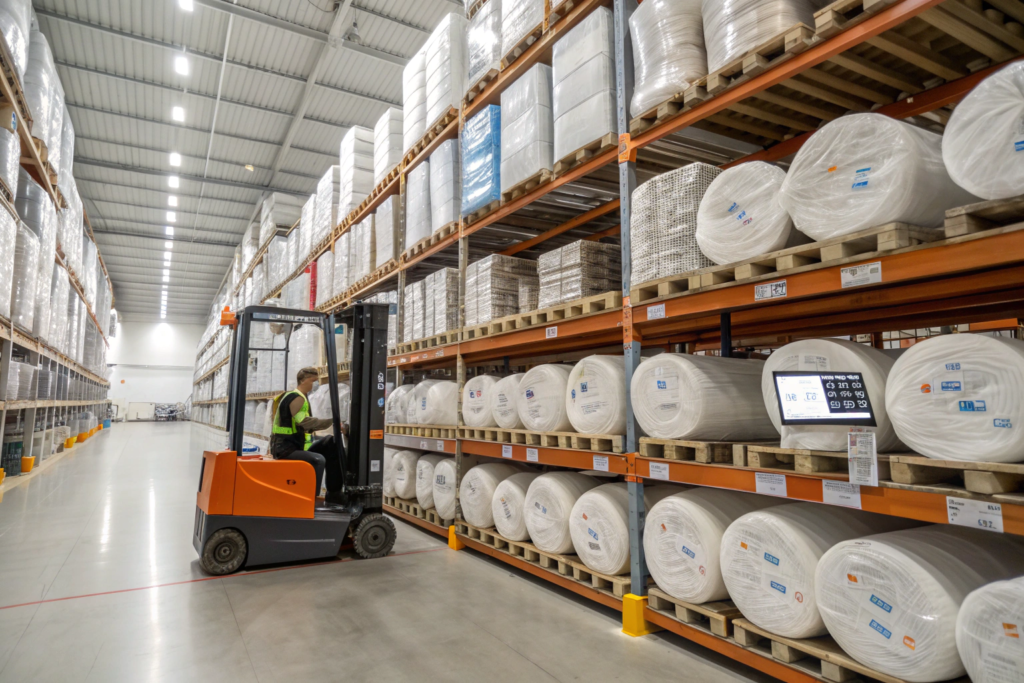
Greige goods are the unfinished fabric straight off the loom—grey, undyed, and unfinished. It's the blank canvas. By stocking greige goods of our most popular constructions, we can respond to your orders much faster than if we had to start from yarn.
Here's how it works for you. You're a brand, and suddenly a best-selling style takes off. You need 5,000 meters of black twill immediately. If we had to source yarn, weave the fabric, then dye it, you'd be waiting 6-8 weeks. But if we already have 50,000 meters of that twill construction in greige form in our warehouse, we can move it directly to the dyeing stage. Your fabric ships in 2-3 weeks instead of 6-8.
We decide which greige goods to stock based on sales history and market trends. Our top 20 fabric constructions account for about 70% of our volume, so we keep deep inventory of those in greige. For a London-based designer who does frequent small-batch reorders of their core styles, this program is a lifesaver. They don't have to order 6 months of fabric at once. They order 2 months at a time, we dye from greige stock, and they keep their inventory lean. This article on greige goods inventory management for faster fulfillment explains the strategy. It's simple, but it works.
What is our "quick-ship" program, and which fabrics qualify?
For clients who need absolute speed, we've developed a quick-ship program on select finished fabrics. These are fully dyed and finished fabrics that we stock in limited quantities specifically for immediate orders. They're ready to cut the moment you place the order.
The quick-ship catalog includes our most popular solid colors in core constructions: black, navy, grey, and cream in twills, poplins, jerseys, and fleece. These are fabrics that never go out of style and that our clients order again and again. We keep 1,000 to 5,000 meters of each in stock, depending on the construction.
A Los Angeles-based streetwear brand uses this program for their "drops." They release limited collections every 6-8 weeks and never know exactly which styles will hit. Instead of forecasting fabric months in advance, they check our quick-ship inventory when they're designing the drop. They choose colors and fabrics we already have in stock, place the order, and we ship within a week. Their inventory risk is zero. Their speed to market is incredible. This quick-ship fabric sourcing guide for small brands shows the current catalog. It keeps growing as we learn what clients need.
How Does Our QR Code Tracking System Enable Better Inventory Planning for You?
JIT inventory isn't just about getting fabric fast. It's about knowing exactly what you're getting so you can plan your production with confidence. Surprises kill JIT. If a roll arrives and it's 5% shorter than expected, your cutting markers are off, and you're scrambling. If the shade is slightly different than last month's batch, you've got matching problems. Our QR code system eliminates those surprises by giving you complete visibility into every roll before it even leaves our warehouse.
What data is embedded in each QR code, and how does it help you plan?
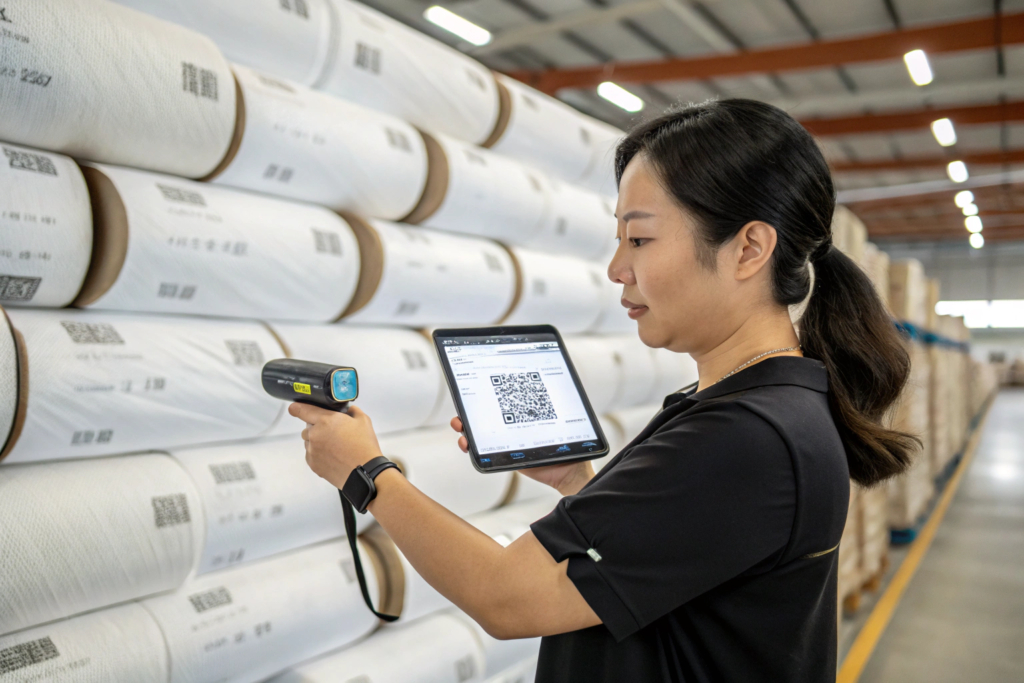
Every roll we ship gets a unique QR code. When you scan it—with your phone, a tablet, or integrated into your own inventory system—you get the complete history of that specific roll.
You see the exact length, accurate to the centimeter, not just the nominal length from the production run. You see the width at multiple points along the roll, so you know if there's any variation. You see the shade data—the Lab* values from our spectrophotometer at the beginning, middle, and end of the roll. If you're cutting multiple rolls together, you can verify they're all within tolerance before you cut a single garment.
You also see the production date, the batch number, the finishing recipe, and the test results for shrinkage, colorfastness, and any other properties relevant to that fabric. For a German workwear manufacturer we supply, this data is gold. They integrate our QR codes directly into their ERP system. When fabric arrives, they scan it, and their system automatically updates inventory, allocates it to production orders, and prints cut tickets with the exact measurements. No manual measuring. No surprises. This explanation of QR code traceability in textile supply chains shows why this matters. Data is the foundation of JIT.
How can you integrate our QR data with your own inventory management systems?
We don't keep your data locked up in our system. We make it easy for you to use. The QR code links to a public API that any competent IT person can connect to your own software. We provide full documentation, and we're happy to work with your developers to make the integration smooth.
What does that look like in practice? Imagine your system automatically places a reorder when inventory of a certain fabric drops below your safety stock level. The reorder goes to us with the exact specifications. We produce it, and when it ships, each roll's QR code data flows directly into your system. When the fabric arrives, your staff scans the codes, and your system automatically reconciles the shipment against the purchase order, updates inventory, and releases the fabric to production. No data entry. No errors. No delays.
A Swedish fashion brand we work with has taken this further. They've connected our QR data to their PLM system. When their designers specify a fabric for a new style, the system checks our real-time inventory and shows available quantities and lead times. They make design decisions based on actual availability, not guesswork. This guide to integrating supplier traceability data with ERP systems is the future of sourcing. We're ready for it today.
How Do We Navigate Shipping and Logistics to Support Your JIT Production Schedule?
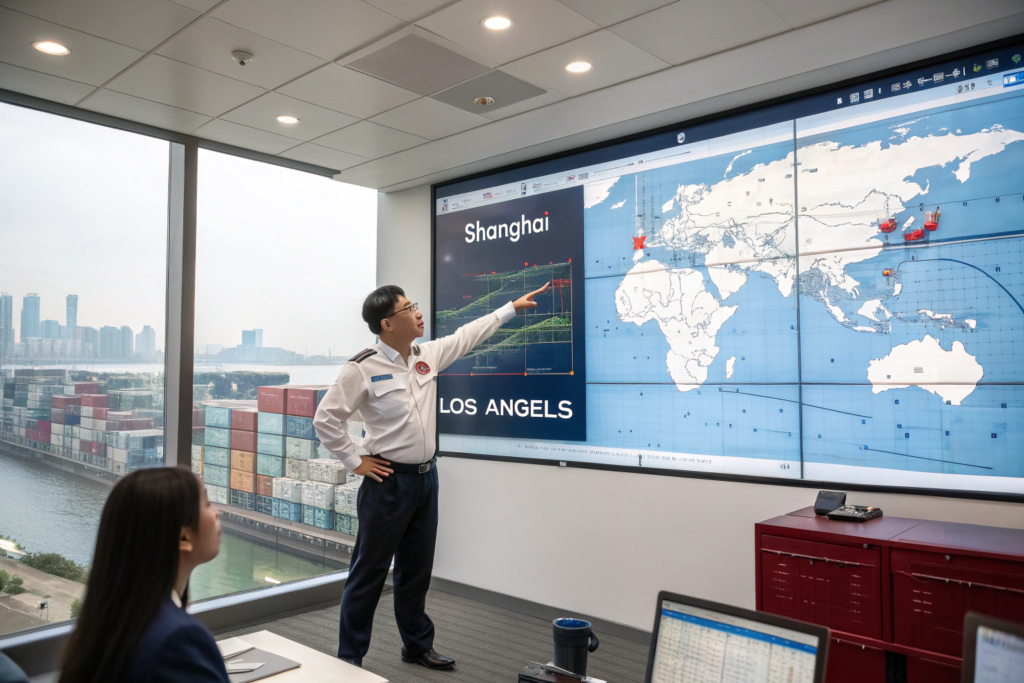
The fastest production in the world means nothing if the container sits at the port for three weeks waiting for a ship. JIT requires end-to-end visibility and control, including the ocean transit. We don't just hand your fabric to a freight forwarder and wish it well. We actively manage the logistics process to keep your schedule on track.
How do we manage the challenge of Chinese New Year shutdowns for JIT clients?
Chinese New Year is the annual migraine for anyone sourcing from China. Factories shut down for 3-4 weeks. Workers go home. Production stops. If you're running JIT, a month of no supply is a crisis. The solution isn't magic—it's planning.
We start talking to clients about Chinese New Year in October, three to four months before the holiday. We review their production forecasts for the first quarter of the next year. We identify which fabrics they'll need in January and February, and we schedule production to finish before the shutdown. Those orders are produced in November and December, shipped in December, and arrive at their warehouses in January—just when they need them.
For a US-based brand that does heavy spring business, this planning is critical. Their production starts in February for March deliveries. If they waited until January to order fabric, they'd miss their window. By planning ahead with us, their fabric is either in transit or already in their warehouse when the Chinese New Year shutdown starts. They don't feel it at all. This guide to navigating Chinese New Year for textile buyers is essential reading. It's not hard—it just requires a partner who reminds you to think ahead.
What happens when a vessel is delayed? How do we keep you informed?
Ships get delayed. It's a fact of international trade. Weather, port congestion, equipment failures—stuff happens. The key isn't preventing delays, which is impossible. The key is knowing about them immediately so you can adjust your production plans.
We track every shipment from the moment it leaves our factory until it arrives at your door. We use the same tracking tools the shipping lines use, and we monitor them daily. If a vessel is delayed, we know within hours, and we tell you immediately. Not when you call to ask where your fabric is. Before you even know to ask.
A few months ago, a vessel carrying fabric for a UK client was delayed by 10 days due to a storm in the Pacific. We flagged it the day the shipping line updated the schedule. Our client was able to shift their production schedule, moving other styles forward and pushing this one back. When the fabric finally arrived, their cutters were ready. No idle workers. No missed deadlines. This real-time container tracking resource is what we use. But the technology is just a tool. The value is in having a partner who actually watches it and acts on it.
Conclusion
Just-in-time inventory with a Chinese fabric supplier isn't a fantasy. It's a reality we've built over 20 years through vertical integration, smart inventory strategies, digital traceability, and proactive logistics management. We've compressed lead times without compromising quality. We've created inventory buffers—greige goods and quick-ship programs—that put fabric in your hands when you need it. We've built a QR code system that gives you complete visibility and integrates with your own systems. And we actively manage the shipping process to keep your production on schedule.
At Shanghai Fumao Textiles International, we understand that your inventory is your capital. Tying it up in months of safety stock is expensive and risky. We'd rather help you run lean, with fabric arriving just when you need it, exactly as you specified, with no surprises. That's what JIT means to us. That's what we deliver every day.
If you're tired of the feast-or-famine cycle of traditional fabric sourcing, if you're ready to free up capital and respond faster to your market, let's talk. Our Business Director, Elaine, works with brands around the world to design supply chains that actually work. Email her at elaine@fumaoclothing.com. Tell her about your inventory headaches. She'll show you a better way.