I have been manufacturing dresses for American brands for over twenty years. I have seen the same pattern produce completely different results. A designer sends me a beautiful sketch. They choose a fabric. I make the sample. They love it. Then they decide to change the fabric. They want a different weight. They think the silhouette will be the same. It is not. The dress looks different. It hangs differently. It fits differently. The designer is confused. They ask me, "Why does the same pattern look so different?" The answer is always the same. Fabric GSM.
Fabric GSM, or grams per square meter, is the single most important factor in determining how a dress will look and fit. A low GSM fabric creates a soft, flowing silhouette with more drape and movement. A high GSM fabric creates a structured, architectural silhouette with more body and less movement. The same pattern cut in 120 GSM cotton will look completely different than when cut in 240 GSM cotton. Understanding GSM allows you to predict the final silhouette before you cut a single piece of fabric.
This is what I want to share with you today. I am a factory owner who has worked with hundreds of dress patterns and thousands of fabrics. I know how GSM affects the final outcome. I will walk you through the relationship between fabric weight and silhouette. I will use real examples from my own production floor. By the end, you will know exactly how to choose the right GSM for the look you want.
What is GSM and how is it measured?
Before we talk about how GSM affects silhouette, we need to understand what GSM actually means. It is a simple measurement. But it tells you a lot about how fabric will behave.
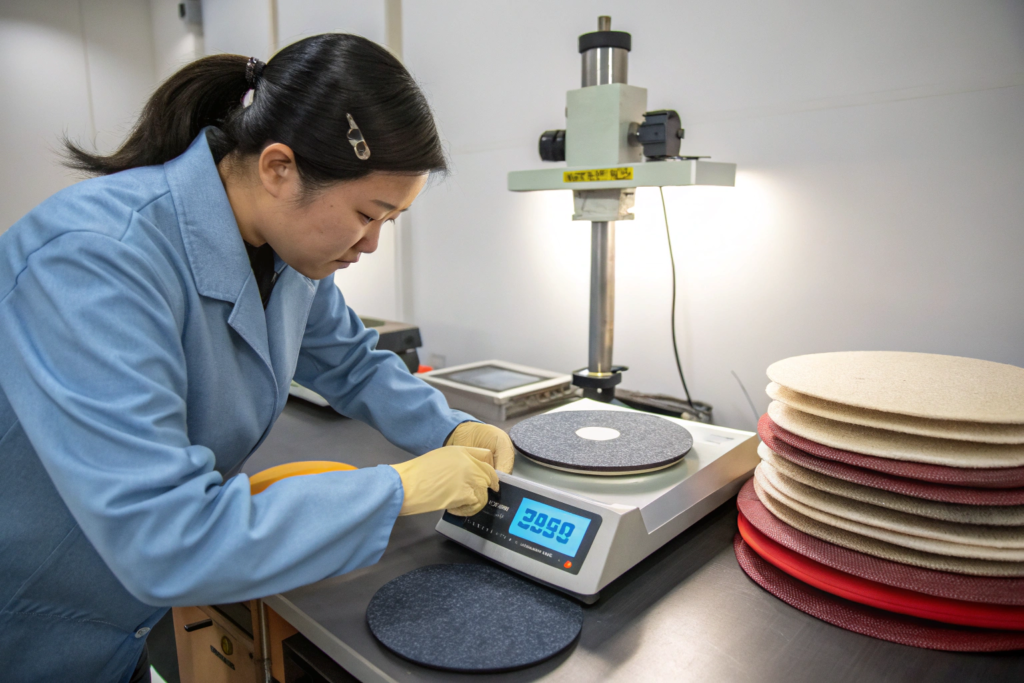
How do you measure fabric GSM?
GSM stands for grams per square meter. It is the weight of one square meter of fabric. You can calculate it by cutting a small sample, weighing it, and multiplying. Most fabric suppliers provide GSM in their specifications. But you should verify it yourself.
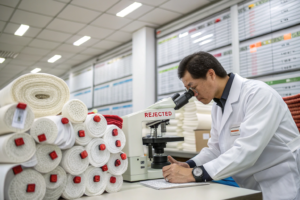
I remember a client from New York in 2022. They ordered a fabric that was supposed to be 180 GSM. They wanted a structured t-shirt dress. The sample looked good. When the bulk fabric arrived, I tested it. It was 155 GSM. The supplier had sent a lighter fabric. I called the client. We tested a sample. The lighter fabric made the dress drape more than they wanted. They rejected the bulk fabric. The supplier had to replace it. It delayed production by three weeks.
Here is how to measure GSM:
| Step | Action | Tool Needed |
|---|---|---|
| 1 | Cut a circular sample using a GSM cutter | GSM cutter (100 square cm) |
| 2 | Place sample on a digital scale | Scale accurate to 0.01 gram |
| 3 | Read the weight in grams | Digital display |
| 4 | Multiply by 100 to get GSM | Simple calculation |
What is the typical GSM range for dress fabrics?
Different fabrics have different GSM ranges. Understanding these ranges helps you choose the right fabric for your silhouette.
Here is a typical GSM range for common dress fabrics:
| Fabric Type | GSM Range | Typical Silhouette |
|---|---|---|
| Chiffon, georgette | 30-80 GSM | Very flowing, sheer, delicate |
| Lightweight cotton, viscose | 80-130 GSM | Soft, breathable, light drape |
| Medium cotton, linen, silk | 130-200 GSM | Structured but relaxed, moderate body |
| Heavy cotton, denim, twill | 200-300 GSM | Firm, structured, holds shape |
| Coating, wool suiting | 300+ GSM | Very stiff, architectural, heavy |
At Shanghai Fumao, we test GSM on every fabric batch. We do not trust supplier specifications. We measure ourselves. This ensures our clients get exactly what they expect.
How does low GSM fabric affect silhouette?
Low GSM fabrics are light. They have less body. They move more. They create silhouettes that are soft, flowing, and romantic.
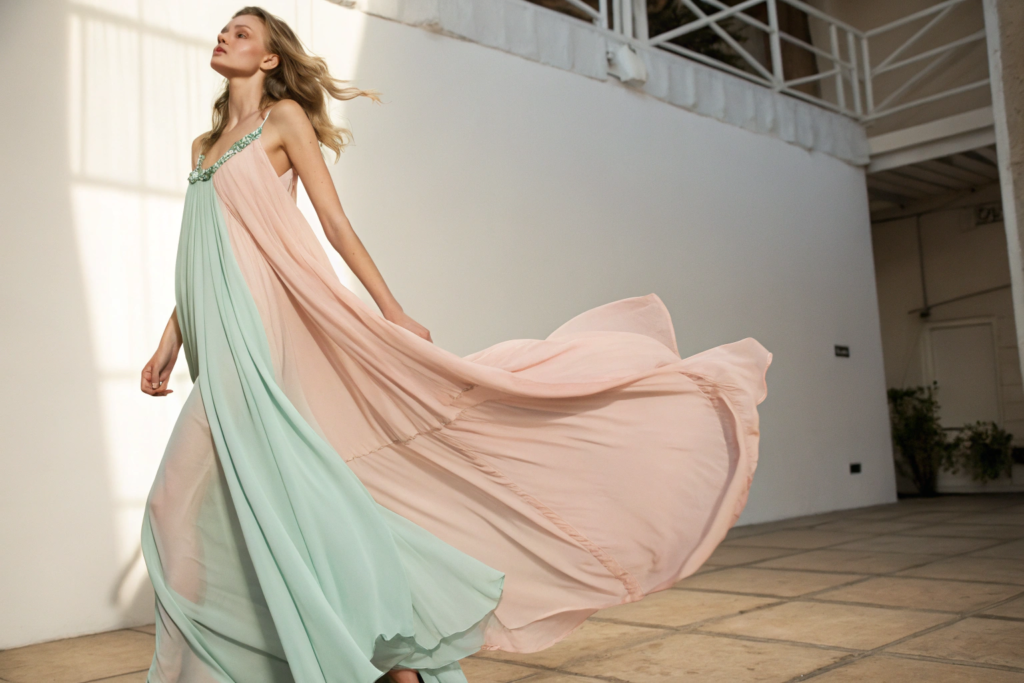
What silhouettes work best with low GSM fabrics?
Low GSM fabrics are ideal for designs that need drape and movement. They work well for:
- Maxi dresses that need to flow
- Wrap dresses that need to hug the body
- Blouses with soft gathers
- Skirts that need to swirl
- Lingerie and sleepwear
A client in Los Angeles made a beautiful wrap dress in 80 GSM viscose. The fabric was light and soft. The dress draped perfectly around the body. It moved when the customer walked. It was a best-seller. They tried the same pattern in 180 GSM cotton. The dress was stiff. It did not wrap as well. It did not move. They went back to the low GSM fabric.
Here is how low GSM fabric behaves:
| GSM Range | Behavior | Best For |
|---|---|---|
| 30-60 GSM | Very sheer, maximum drape | Layered dresses, overlays |
| 60-100 GSM | Soft, fluid, moderate drape | Flowing dresses, blouses |
| 100-130 GSM | Light but with some body | Summer dresses, shirt dresses |
What are the limitations of low GSM fabrics?
Low GSM fabrics have limitations. They can be sheer. They can be delicate. They may not hold pleats or structure well.
I had a client in Chicago who wanted a structured A-line dress. They chose a 90 GSM cotton. The fabric was too light. The A-line shape collapsed. The dress looked limp. We switched to 180 GSM cotton. The A-line held its shape. The client learned that low GSM is not for structure.
Here are the limitations:
| Limitation | Impact | Solution |
|---|---|---|
| Sheerness | May require lining | Add a lining or choose opaque fabric |
| Lack of structure | Does not hold shape | Use interfacing or choose heavier fabric |
| Delicate | May tear or snag | Choose higher GSM for durability |
| Wrinkling | Wrinkles easily | Consider wrinkle-resistant finishes |
At Shanghai Fumao, we advise clients on the right GSM for their design. We do not just make what they ask. We help them understand what will work.
How does medium GSM fabric affect silhouette?
Medium GSM fabrics are the most versatile. They offer a balance between drape and structure. They work for a wide range of silhouettes.
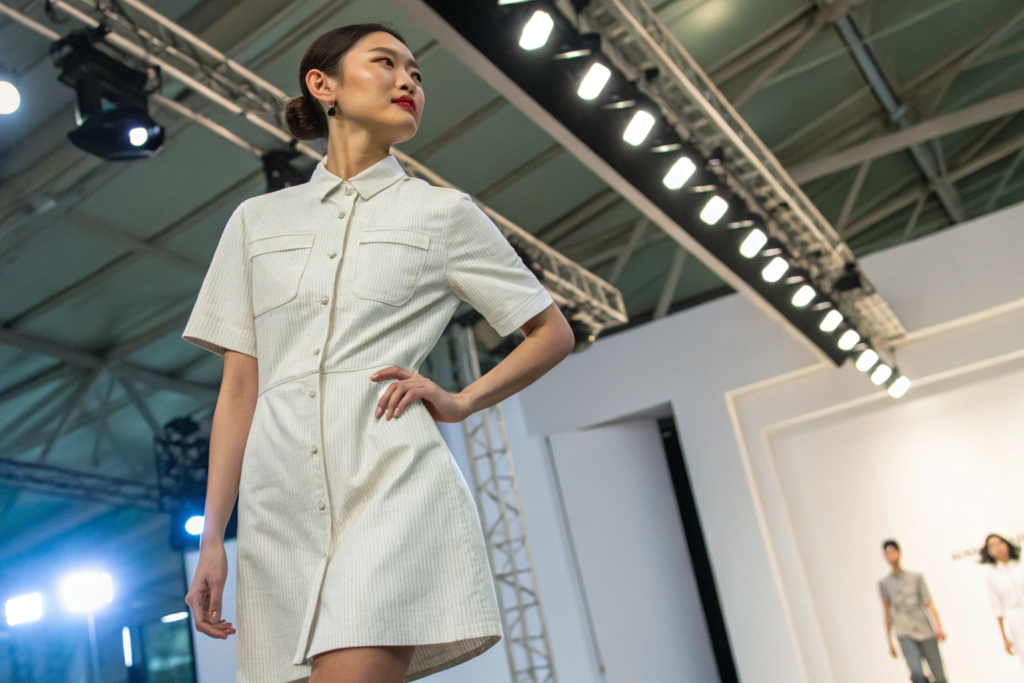
What silhouettes work best with medium GSM fabrics?
Medium GSM fabrics are ideal for designs that need some structure but still want movement. They work well for:
- Shift dresses that need to hold shape
- A-line dresses that need structure
- Shirt dresses that need to stay crisp
- Fit-and-flare dresses that need body
- Sheath dresses that need to skim the body
A client in Seattle made a shift dress in 170 GSM linen. The fabric had enough weight to hold the shape. But it was light enough to be comfortable. The dress was a classic. It sold well for three seasons. They tried the same pattern in 250 GSM linen. The dress was too stiff. It did not move. It looked heavy. They went back to the medium weight.
Here is how medium GSM fabric behaves:
| GSM Range | Behavior | Best For |
|---|---|---|
| 130-150 GSM | Light but structured | Summer dresses, blouses |
| 150-180 GSM | Balanced drape and structure | Day dresses, shirt dresses |
| 180-200 GSM | Firm but comfortable | Sheath dresses, A-line dresses |
How do you choose the right medium GSM for your design?
Within the medium range, small differences matter. A 150 GSM fabric will drape more than a 180 GSM fabric. A 180 GSM fabric will hold pleats better than a 150 GSM fabric.
I had a client in Portland who made a pleated skirt. They tried 150 GSM cotton. The pleats were soft. They did not hold. They tried 180 GSM cotton. The pleats were crisp. They held beautifully. The difference was only 30 GSM. But it changed the entire look.
Here is a guide for choosing medium GSM:
| Design Element | Recommended GSM | Why |
|---|---|---|
| Soft pleats | 130-150 GSM | Fabric folds easily, pleats are soft |
| Crisp pleats | 160-200 GSM | Fabric holds folds, pleats are sharp |
| Flared skirt | 130-160 GSM | Enough weight for movement, not too stiff |
| Pencil skirt | 180-220 GSM | Needs structure to hold shape |
| Peplum | 170-200 GSM | Needs body to stand away from body |
At Shanghai Fumao, we help clients test different GSM options. We make samples in different weights. We let them see the difference before they commit to bulk.
How does high GSM fabric affect silhouette?
High GSM fabrics are heavy. They have significant body. They do not drape easily. They create silhouettes that are structured, architectural, and bold.
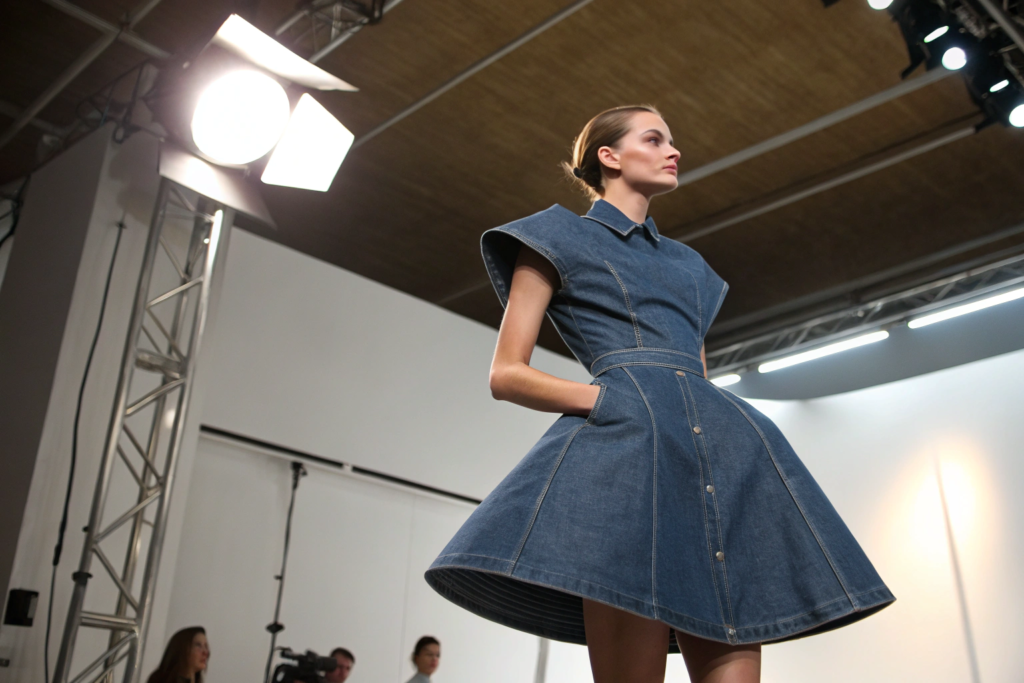
What silhouettes work best with high GSM fabrics?
High GSM fabrics are ideal for designs that need to hold a specific shape. They work well for:
- Structured jackets and coats
- A-line mini dresses that stand away
- Pleated skirts with sharp pleats
- Tailored sheath dresses
- Denim dresses and jumpsuits
A client in New York made a structured mini dress in 280 GSM denim. The dress stood away from the body. It had an architectural shape. It was a statement piece. They tried the same pattern in 200 GSM denim. The dress was softer. It did not have the same impact. The high GSM was essential to the design.
Here is how high GSM fabric behaves:
| GSM Range | Behavior | Best For |
|---|---|---|
| 200-250 GSM | Firm, holds shape well | Tailored dresses, jackets |
| 250-300 GSM | Stiff, minimal drape | Structured dresses, coats |
| 300+ GSM | Very stiff, architectural | Outerwear, sculptural designs |
What are the considerations for high GSM fabrics?
High GSM fabrics are heavy. They require different construction techniques. They are less comfortable in warm weather. They can be harder to sew.
I had a client in Miami who wanted a structured cotton dress. They chose 320 GSM fabric. The dress looked beautiful. But it was heavy. Customers complained it was too warm for Miami. The client had to offer the dress only in cooler months. The high GSM limited its market.
Here are the considerations:
| Consideration | Impact | Solution |
|---|---|---|
| Weight | Heavy to wear | Use for cooler weather, shorter silhouettes |
| Stiffness | Limited movement | Add darts or seams for shaping |
| Sewing difficulty | Requires heavy needles | Use appropriate machine settings |
| Cost | Higher fabric cost | Balance with design impact |
At Shanghai Fumao, we advise clients on the practical implications of high GSM fabrics. We want your design to be beautiful and wearable.
How do you choose the right GSM for your design?
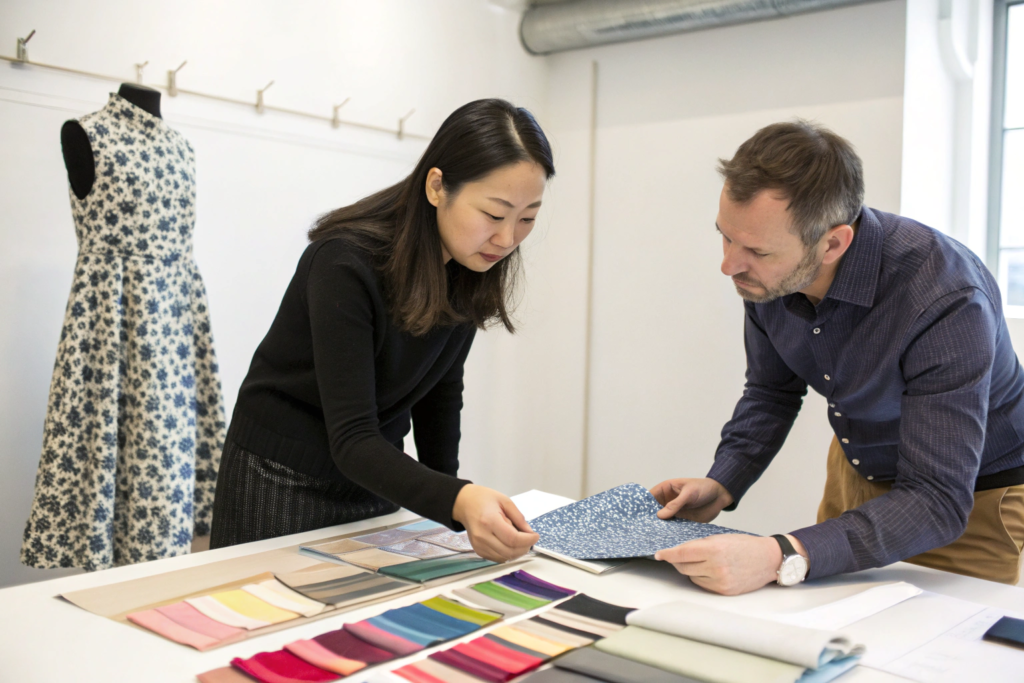
Choosing the right GSM is a design decision. It affects how the dress looks, how it fits, and how it feels. There is no single right answer. It depends on your design intent.
What questions should you ask when choosing GSM?
Before you choose a fabric, ask yourself these questions:
- What silhouette am I trying to create?
- How much structure does the design need?
- How much movement should the garment have?
- What season is this for?
- What is the comfort requirement?
A client in Boston asked these questions for a new dress line. They wanted a shift dress for summer. They wanted structure but also breathability. They chose a 160 GSM cotton. It had enough weight to hold the A-line shape. But it was light enough for summer. The dress sold well. Customers loved the balance of structure and comfort.
Here is a decision framework:
| Desired Effect | Recommended GSM | Fabric Examples |
|---|---|---|
| Flowing, romantic | 60-120 GSM | Chiffon, georgette, lightweight viscose |
| Soft, casual | 120-160 GSM | Light cotton, Tencel, lightweight linen |
| Structured but comfortable | 160-200 GSM | Medium cotton, linen, silk |
| Crisp, tailored | 200-260 GSM | Heavy cotton, twill, suiting |
| Architectural, sculptural | 260+ GSM | Denim, coating, heavyweight twill |
How do you test GSM before bulk production?
The best way to choose the right GSM is to test. Make samples in different weights. See how they look. See how they feel.
A client in San Francisco did this. They made a dress in three different GSM options: 120 GSM, 160 GSM, and 200 GSM. They put them on a model. They saw the difference. The 120 GSM was too flimsy. The 200 GSM was too stiff. The 160 GSM was perfect. They saved themselves from making a wrong decision.
Here is a testing process:
| Step | Action | Outcome |
|---|---|---|
| 1 | Select 2-3 GSM options | Range of weights to compare |
| 2 | Make samples in each weight | See actual garments |
| 3 | Put samples on model | See how they move and fit |
| 4 | Test comfort and wear | Get feedback from wearer |
| 5 | Make final decision | Choose the best GSM for your design |
At Shanghai Fumao, we encourage this testing process. We make samples in different weights. We help our clients see the difference. We want them to make informed decisions.
Conclusion
Fabric GSM is the hidden factor that determines how a dress will look. A low GSM fabric creates a soft, flowing silhouette. A medium GSM fabric offers balance between structure and movement. A high GSM fabric creates a structured, architectural silhouette. The same pattern can produce completely different results based on the weight of the fabric.
Understanding GSM allows you to predict the final outcome. You can choose the right weight for your design. You can create the silhouette you want. You can avoid the disappointment of a dress that does not look like your vision.
I have seen this play out in my factory for over twenty years. The designers who understand GSM create beautiful, consistent products. They know that fabric choice is a design decision, not just a sourcing decision. They test. They compare. They choose wisely.
At Shanghai Fumao, we help our clients understand GSM. We test every fabric. We advise on weight selection. We make samples in different weights. We want your dresses to look exactly as you imagined.
If you are designing a dress and want to understand how GSM will affect your silhouette, I invite you to talk to us. Let us discuss your design. Let us help you choose the right fabric for your vision.
You can contact our Business Director, Elaine, directly. She can walk you through our fabric selection process. She can help you understand how GSM affects your specific design. Her email is: elaine@fumaoclothing.com. Let us create the perfect silhouette together.