
Which polyester filament cross-sections (tri-lobal, hollow) improve moisture wicking?
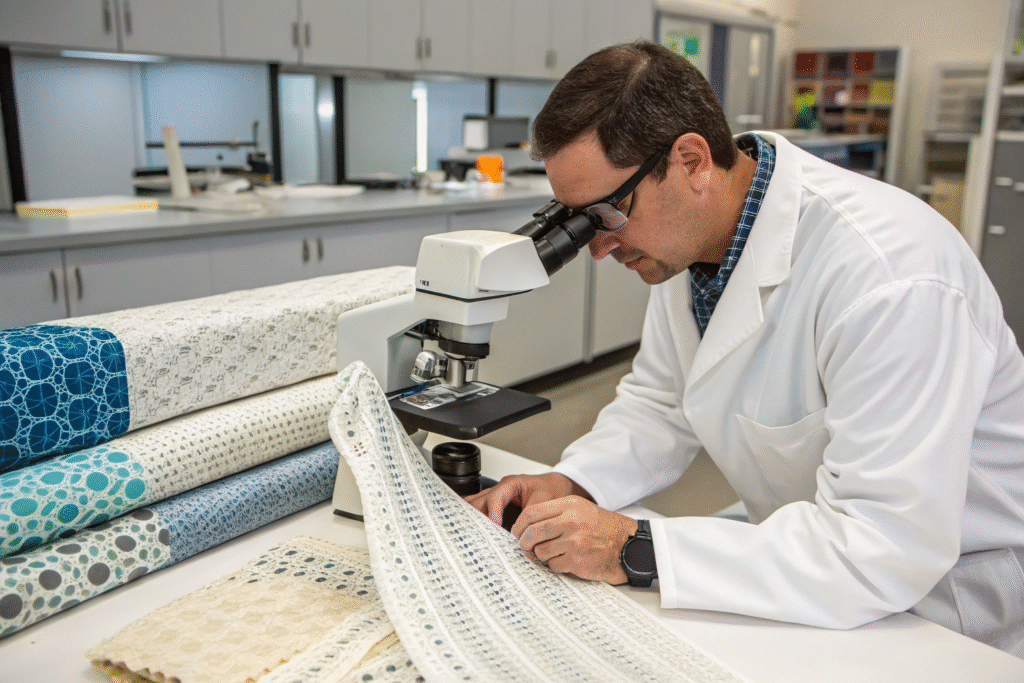
As a textile engineer who has specialized in synthetic fibers for over two decades, I’ve witnessed the revolution in polyester filament engineering that has transformed performance apparel. The days when "polyester" meant clammy, sweat-soaked workout clothes are long gone—today’s engineered cross-sections create moisture management that can rival natural fibers while maintaining polyester’s durability and quick-drying […]
How do I choose anti-odor technologies for sports fabrics that last after washes?
As a textile chemist specializing in functional finishes for over twenty years, I’ve seen the anti-odor category evolve from simple silver treatments to sophisticated multi-mechanism technologies. The challenge isn’t just finding something that works initially—it’s selecting treatments that maintain their effectiveness through the brutal reality of sports wear: repeated sweating, friction, and especially, aggressive laundering. […]
Which anti-static fabric specs are required for ESD workwear in electronics factories?
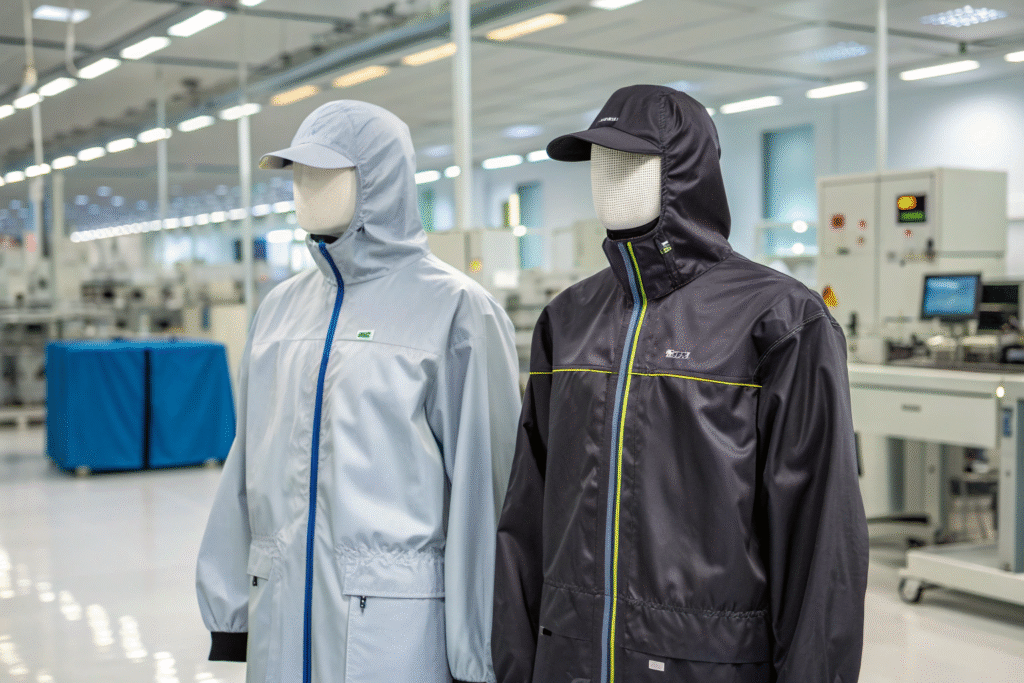
As a technical textile specialist who has supplied ESD workwear to electronics manufacturers for fifteen years, I’ve seen how seemingly minor fabric specification oversights can lead to catastrophic product losses. When a major semiconductor manufacturer lost $2.3 million in wafers due to inadequate ESD protection, the root cause traced back to workwear that met the […]
How do I pick FR-treated cotton vs inherent FR fibers for industrial uniforms?
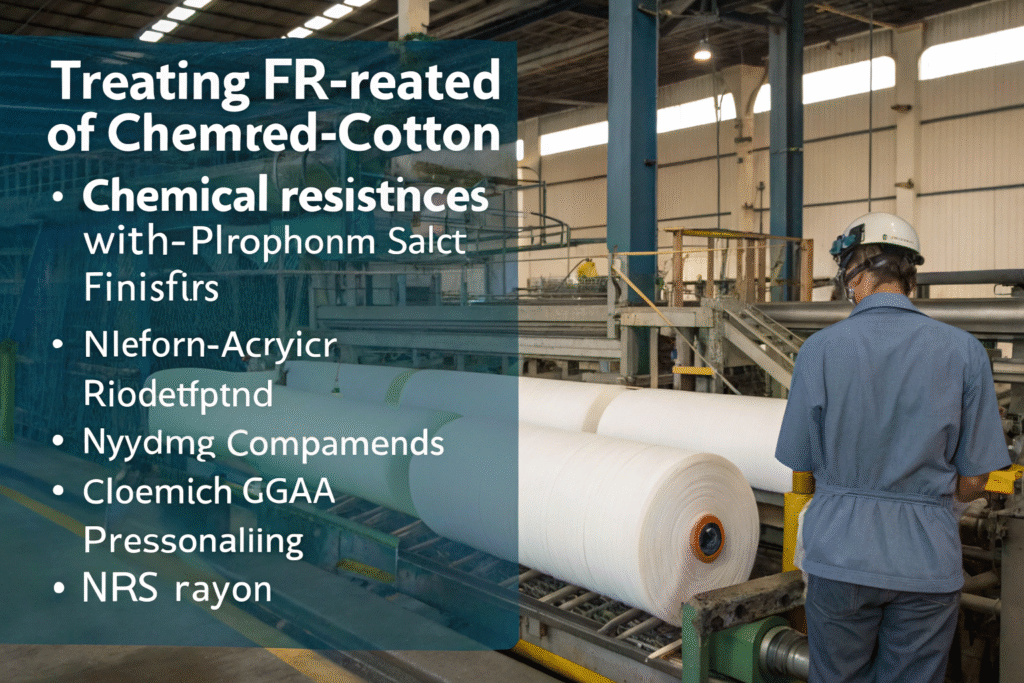
As a protective textile specialist with over twenty years of experience supplying industrial uniforms, I’ve witnessed the consequences of choosing the wrong flame-resistant approach. When an oil refinery worker suffered second-degree burns because his FR-treated cotton uniform lost protection after improper laundering, it highlighted how technical decisions directly impact worker safety. The choice between FR-treated […]
Which high-visibility fabric standards (ANSI/ISEA 107, EN ISO 20471) should I follow?

As a protective textile manufacturer supplying high-visibility fabrics to global safety markets for over two decades, I’ve witnessed the confusion that arises when companies operate across international borders. Just last year, a US-based logistics company faced €85,000 in fines when their European distribution center was inspected—their ANSI-compliant vests didn’t meet EN ISO 20471 requirements for […]
How do I choose chlorine-resistant swimwear fabric for pools and seawater?
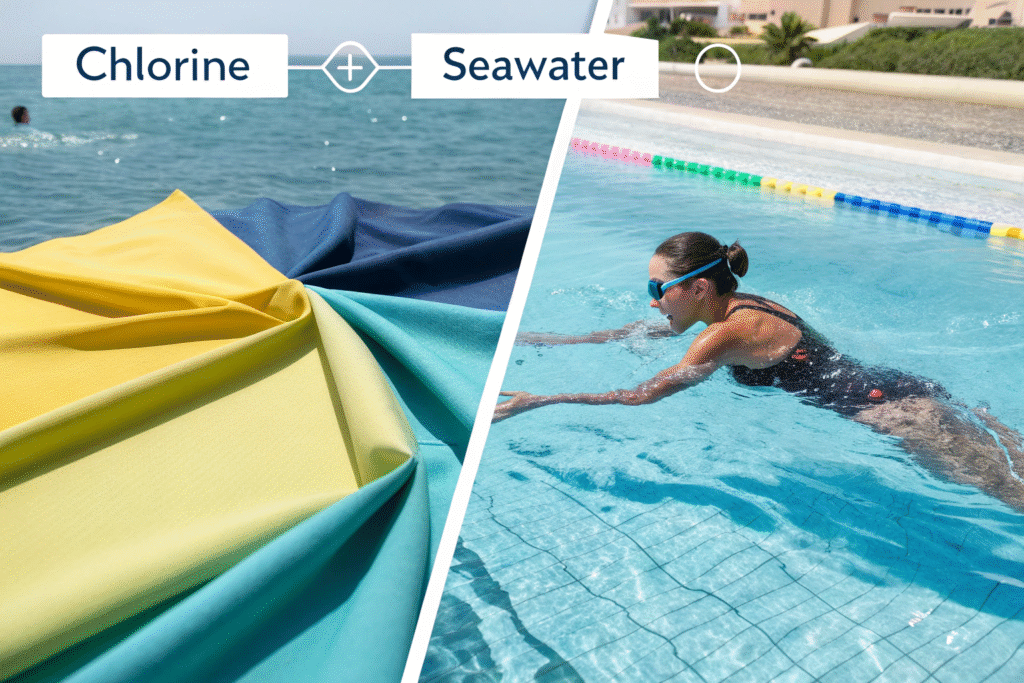
As the owner of Fumao Textiles with over 20 years in the textile industry, I’ve seen too many swimwear brands make the same costly mistake: they choose beautiful fabrics that disintegrate after one season. Nothing hurts a brand’s reputation faster than swimsuits that fade, stretch out, or fall apart when exposed to chlorine or seawater. […]
Which stretch ratio and recovery specs should I target for yoga leggings fabrics?
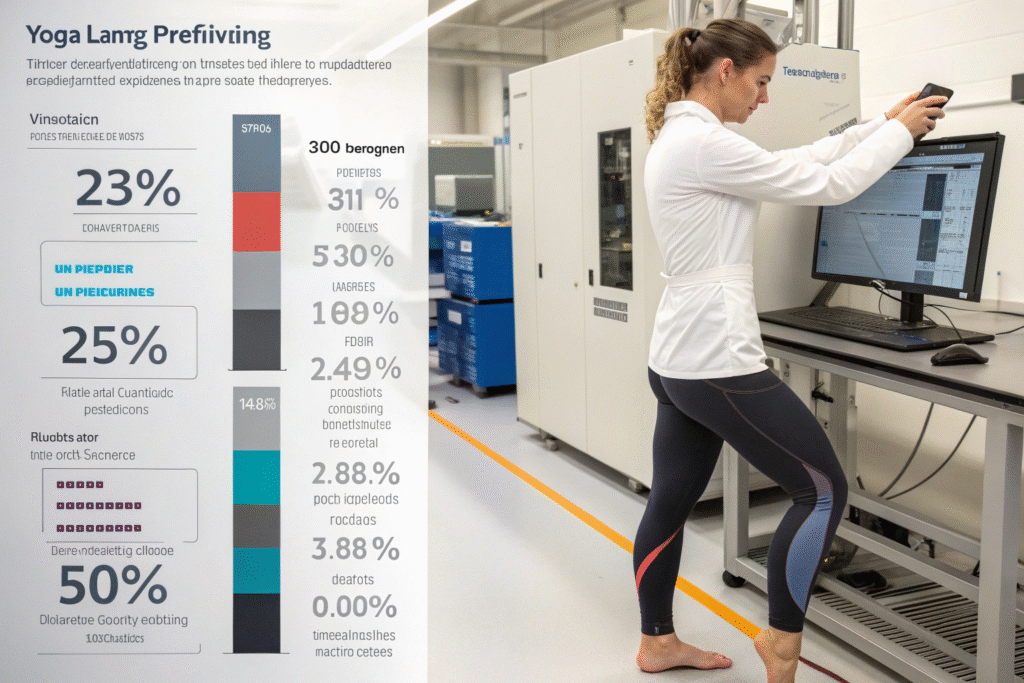
As a fabric supplier with over two decades in the textile hub of Keqiao, I’ve seen countless brands stumble on one critical detail: choosing the wrong stretch and recovery for their yoga leggings. You pour your heart into a design, only to get hit with returns because the fabric bags out at the knees or […]
How do I pick the best interlining for structured jackets without adding bulk?
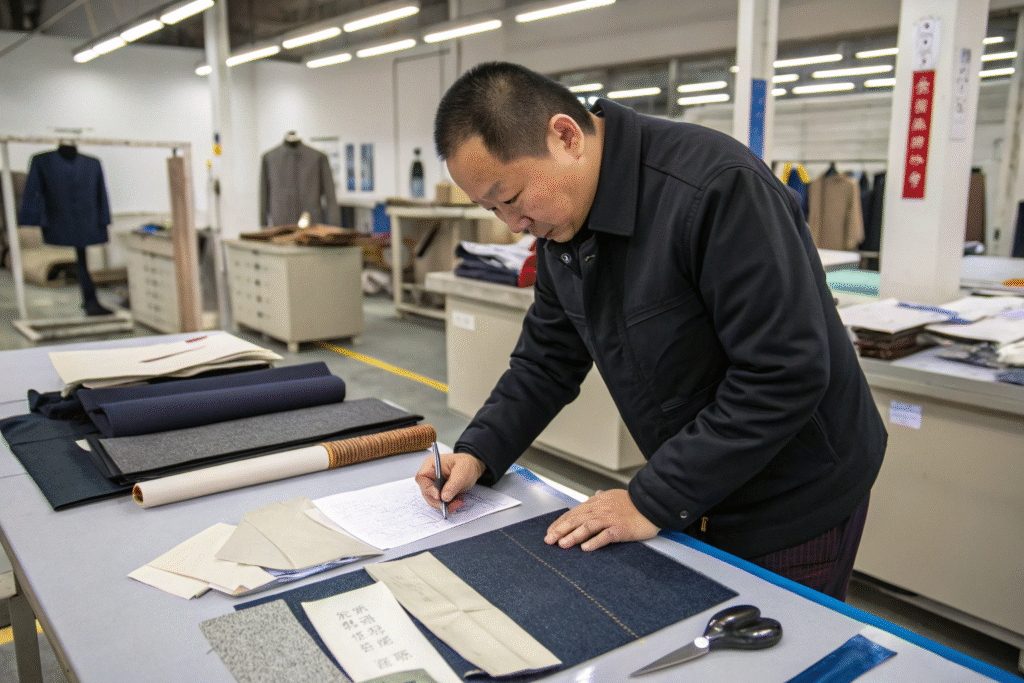
Last season, one of our Milan-based clients nearly lost a crucial order for luxury blazers because their chosen interlining added unexpected bulk to the lapels and collar, turning a sleek design into a boxy disappointment. They’d selected a high-quality fusible, but it was simply too heavy for their lightweight wool crepe. We helped them switch […]
What is seam puckering in lightweight woven fabrics and how can I prevent it?
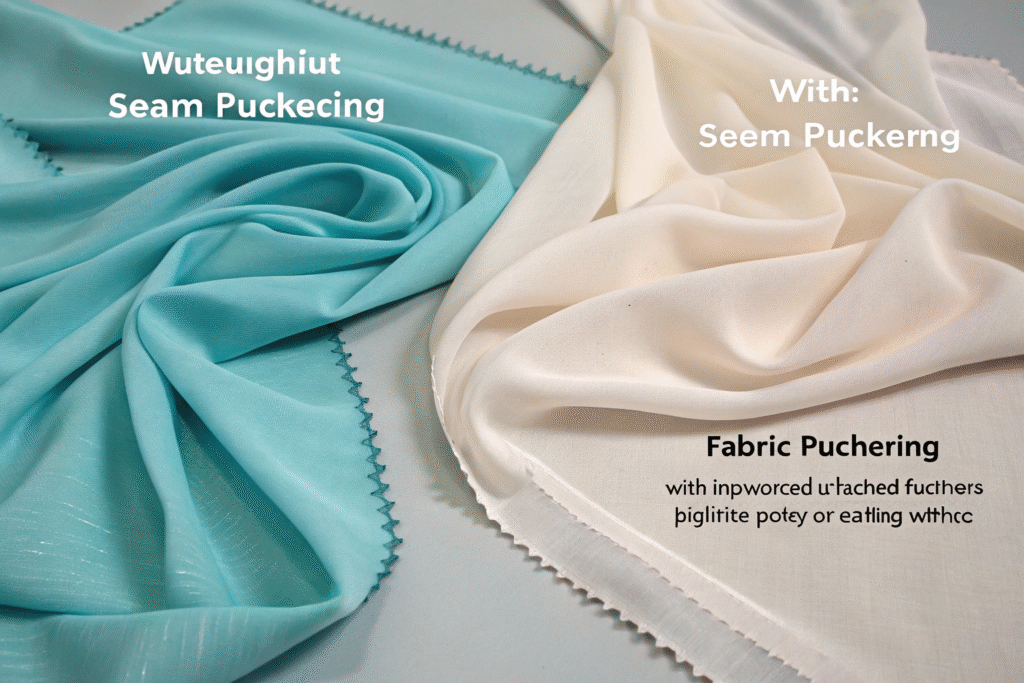
Last month, I visited a garment factory in Vietnam where 30% of their silk blouses were failing quality control due to severe seam puckering. The production manager was nearly in tears—they had tried three different sewing threads and adjusted tension repeatedly, but the problem persisted. When we analyzed the issue, we discovered the root cause […]
How do I specify UPF ratings for UV-protection fabrics in outdoor apparel?
Last summer, we worked with an Australian surfwear brand that discovered their "UPF 50+" labeled rash guards were actually testing at only UPF 15 after six months of saltwater exposure. The fabric construction was right, but they hadn’t specified the proper dyeing and finishing parameters to maintain UV protection. This led to product returns and […]