
What Are the Latest Developments in Spider Silk Synthetic Fabrics?

I talk to buyers every week who ask the same question: when will spider-silk-like textiles move from lab demos to dependable mill-ready yarns? The promise sounds irresistible—light, tough, silky, and bio-based—but my customers care about repeatability, MOQ, dye fastness, and lead time. I will break down what is real today and what is almost there, […]
Why Is ASTM E2149 Standard Key for Antimicrobial Testing?
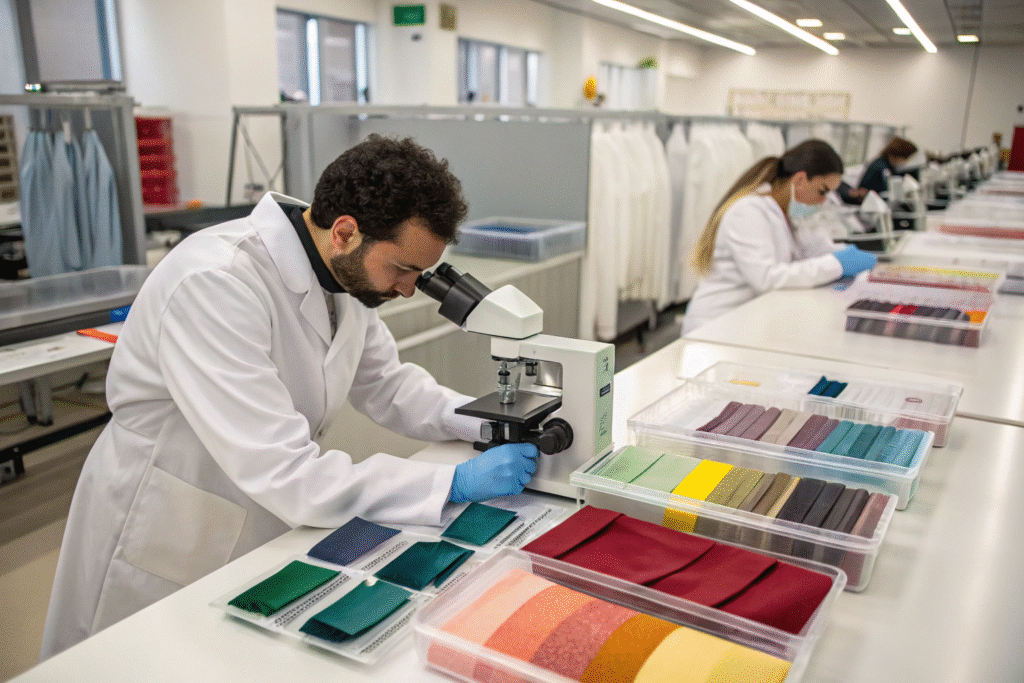
In today’s textile and apparel industry, antimicrobial fabrics are more than just a trend—they are a necessity. From sportswear to hospital linens, customers want textiles that stay fresh, safe, and durable. But one big question remains: how can buyers truly know if a fabric’s antimicrobial performance is real and reliable? Many suppliers make claims, but […]
Where to Find Conductive Pressure-Sensitive E-Foam Textiles?
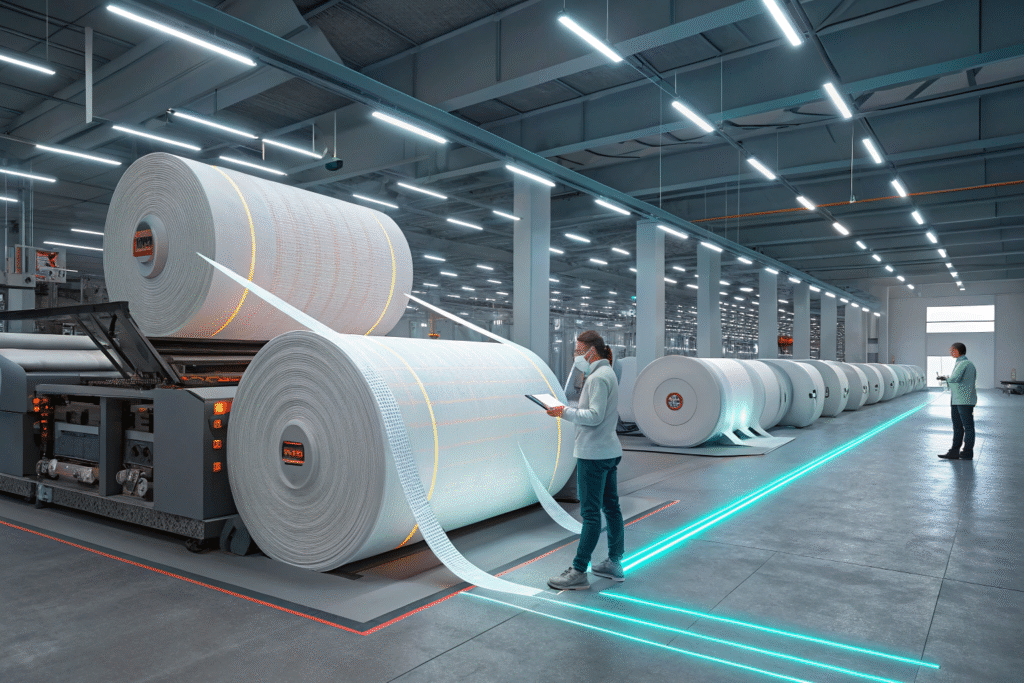
In the fast-changing world of smart textiles, one question comes up often: where can we actually find conductive, pressure-sensitive e-foam fabrics? These advanced textiles are not just trendy; they are essential for industries that need wearables, medical sensors, and flexible electronics. The demand is growing, but many buyers still find the sourcing process confusing and […]
What Are the Best Fabrics for Mars Habitat Radiation Shielding?
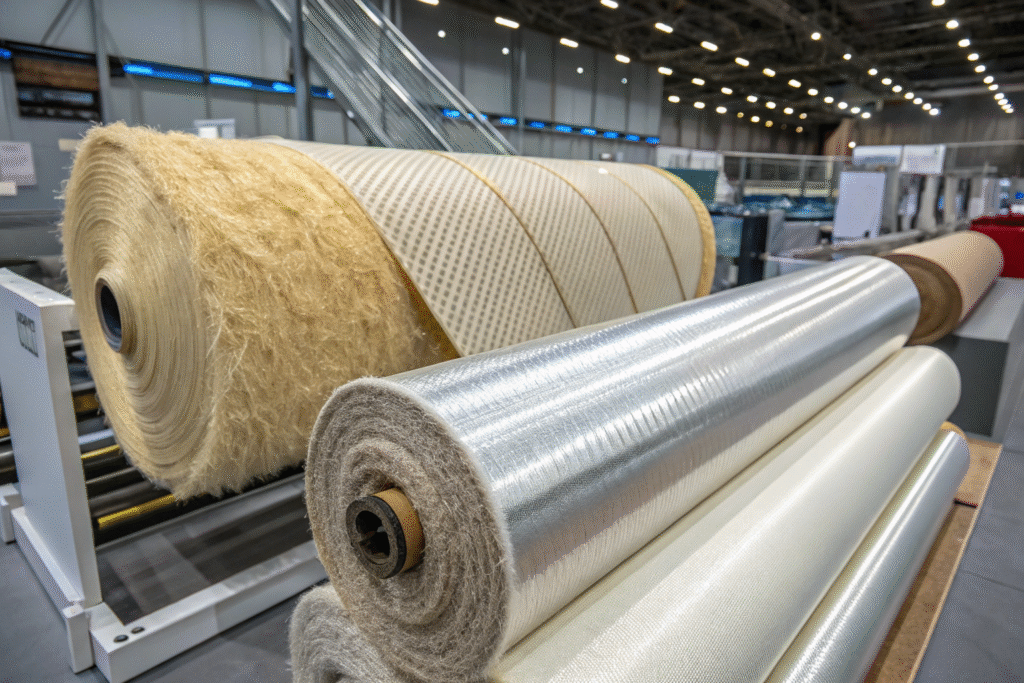
When we imagine life on Mars, one of the biggest challenges is not oxygen or food but radiation. Mars has no thick atmosphere or magnetic field to block cosmic rays and solar storms, which means any long-term habitat must include strong protection. Without it, astronauts would face serious health risks from cancer to organ damage. […]
How to Source ISO 22608 Tested Blood-Barrier Surgical Textiles?
When healthcare professionals and procurement teams look for surgical textiles, one of the most important concerns is safety. Infections acquired during surgery can have life-threatening consequences, and one of the defenses against cross-contamination is the barrier effectiveness of surgical fabrics. Buyers often struggle with questions like: Which suppliers meet international safety standards? How can I […]
Why Choose Magnetorheological Fluid-Embedded Smart Textiles?
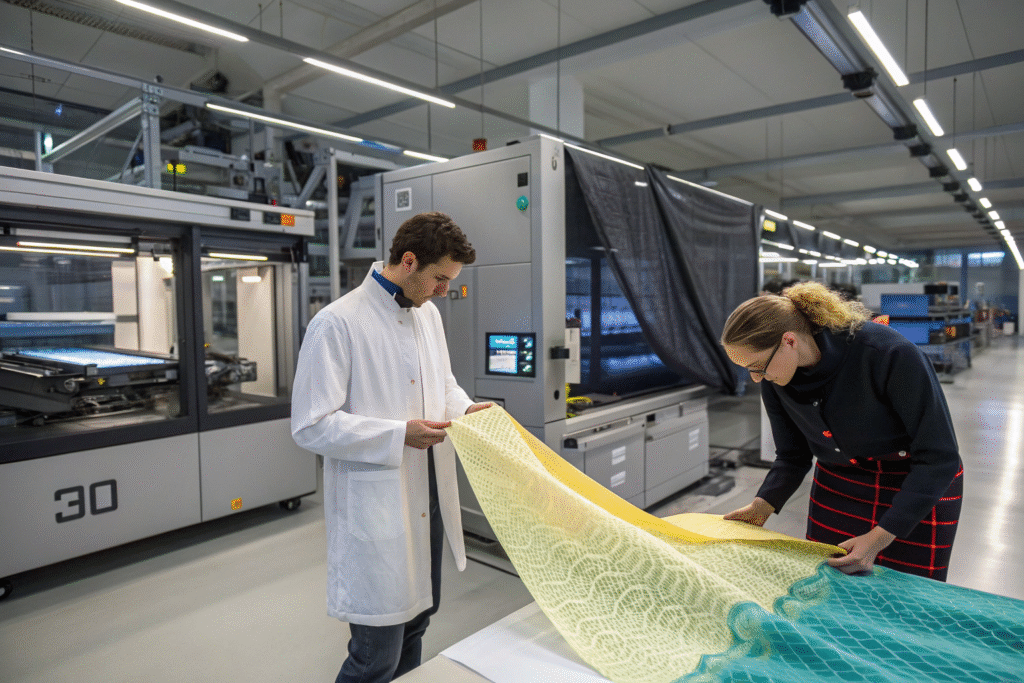
In today’s global fabric market, innovation is no longer optional—it is a necessity. Buyers demand materials that are not only stylish and comfortable but also adaptive and functional. Magnetorheological fluid-embedded smart textiles represent one of the most promising innovations in this direction. By embedding special fluids that change behavior under magnetic fields, these fabrics redefine […]
How to Source Biodegradable Stent Graft Vascular Textiles?
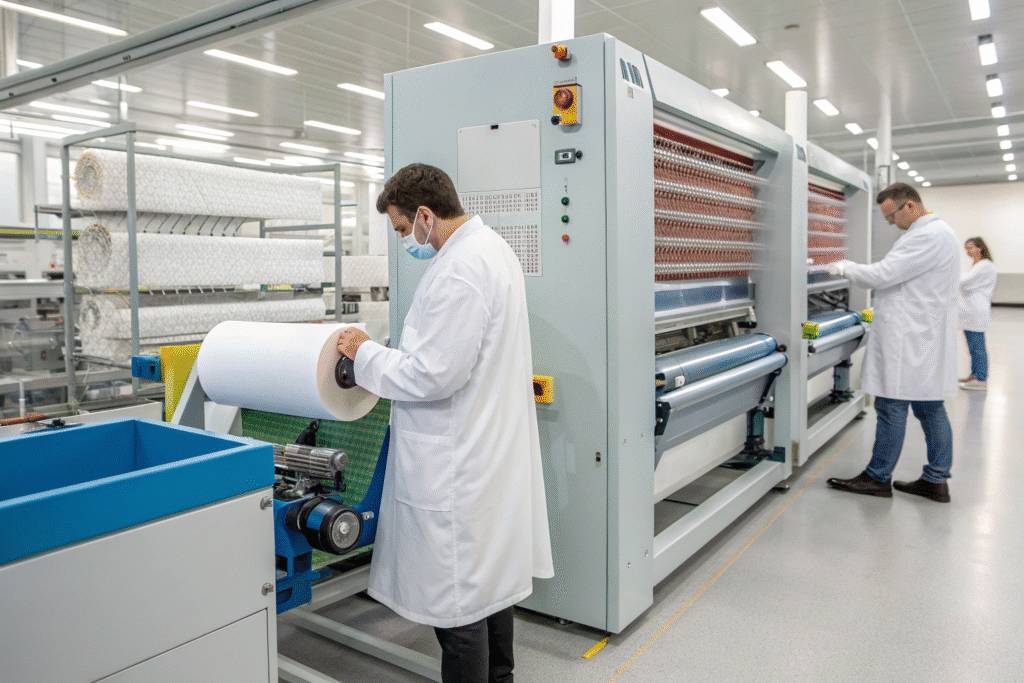
When you are sourcing biodegradable stent graft vascular textiles, you may feel overwhelmed. The industry is complex, medical regulations are strict, and material performance is critical. If you are a buyer or medical device developer, you face a painful problem: the risk of choosing the wrong supplier may delay your project for years and increase […]
Why Is IEC 61482 Certification Vital for Electric Arc Protection?

In today’s industrial world, electrical safety is more than just compliance—it is about saving lives and protecting businesses from devastating accidents. Workers in industries like power utilities, oil and gas, manufacturing, and construction face daily risks of electrical arc flashes. These incidents can cause severe burns, permanent injuries, or even fatalities within seconds. Without proper […]
Where to Find AS/NZS 4399 Certified Sun Protective Fabrics?
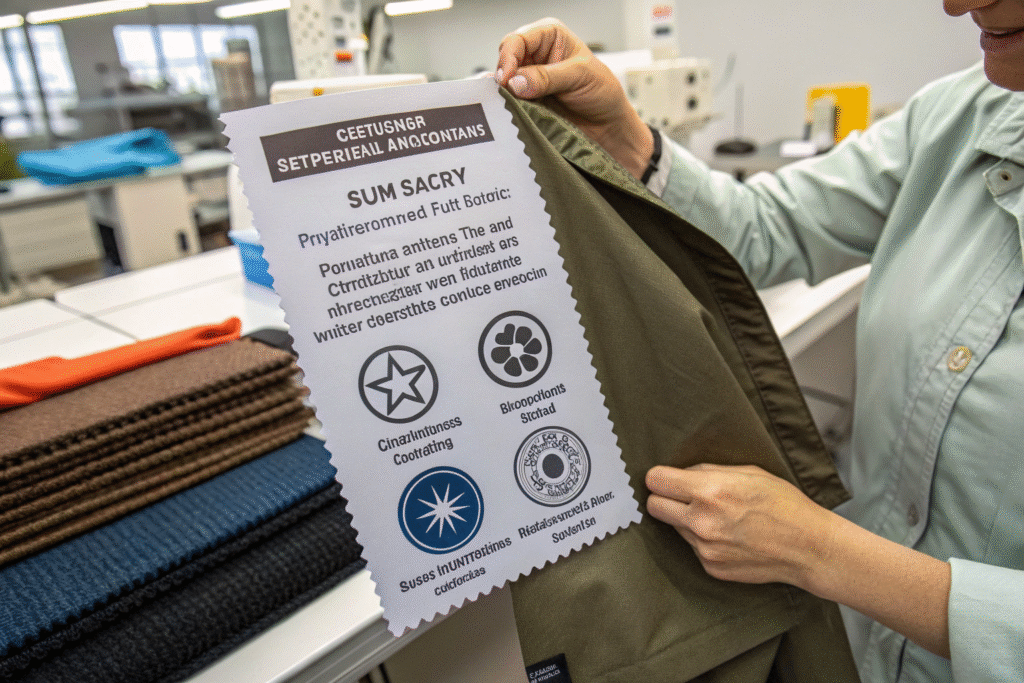
The good news is that AS/NZS 4399 certification provides a trusted standard for sun protective fabrics, ensuring products meet rigorous testing for ultraviolet protection. This standard, widely recognized in Australia and New Zealand, gives global buyers confidence when sourcing textiles for swimwear, sportswear, and outdoor apparel. For importers, wholesalers, and fashion brands, the key challenge […]
What Are the Minimums for Liquid Crystal Thermochromic Fabrics?
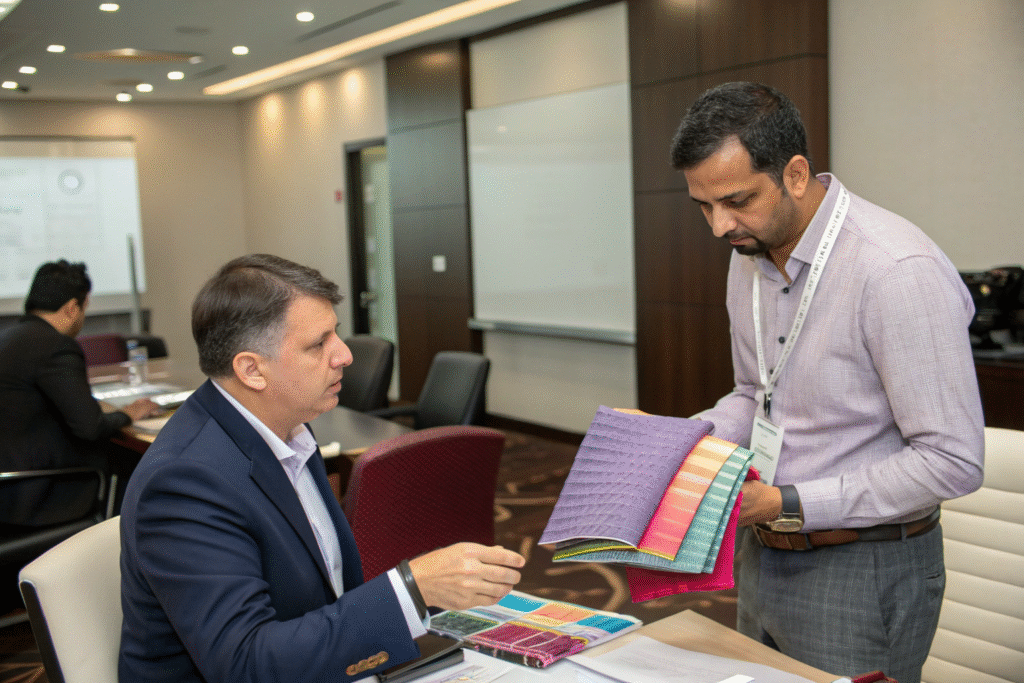
The minimums for liquid crystal thermochromic fabrics usually depend on production complexity, supplier capacity, and the intended application. While standard MOQs often start at 500–1000 meters per design, many manufacturers offer flexible solutions for prototyping and small-batch orders. That means you can still access cutting-edge thermochromic technology without committing to massive runs—if you know where […]