
Why Is EN 1149-3 Standard Key for Electrostatic Discharge (ESD) Garments?
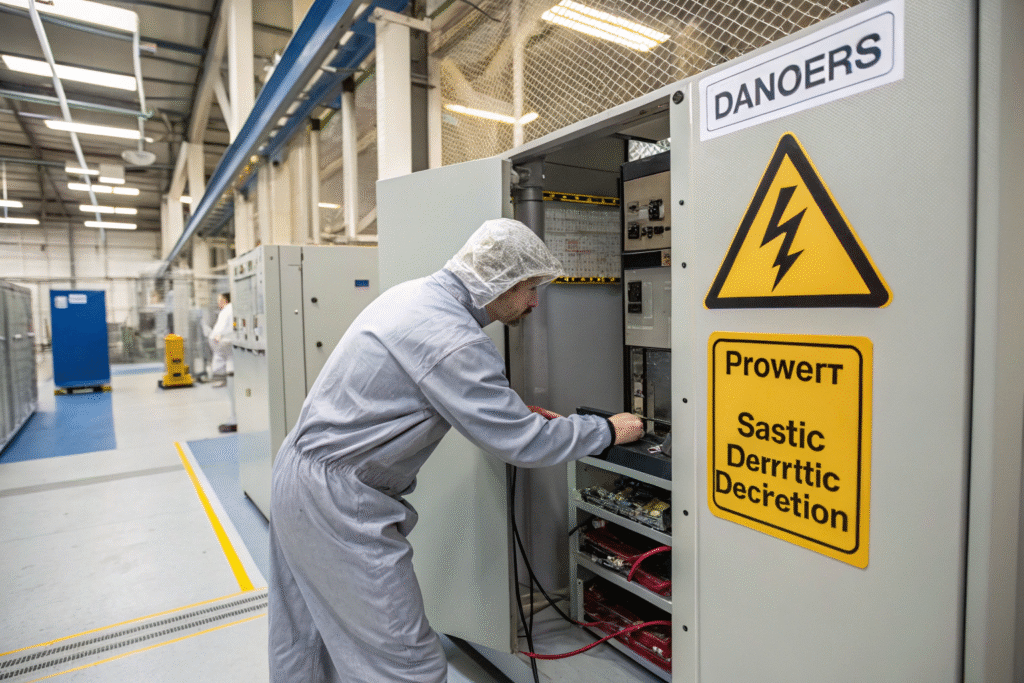
Static electricity may seem harmless, but in industries dealing with electronics, chemicals, or flammable substances, it can cause serious accidents or costly damage. Electrostatic discharge (ESD) can ignite vapors, destroy sensitive components, and compromise workplace safety. For buyers sourcing protective garments, ensuring compliance with the right safety standards is about safeguarding both workers and business […]
Where to Find ASTM F3352 Tested Stab-Resistant Vest Materials?
When security professionals or buyers search for ASTM F3352 stab-resistant vest materials, confusion often arises. Many assume ASTM F3352 applies to protective vests, but this is a mistake that leads to wasted time, wrong suppliers, and costly mismatches. ASTM F3352 is not for stab-resistant vests. It is a healthcare standard for isolation gowns. For stab […]
What Are the Latest DNA Molecular Tagging Systems for Fabric Authentication?
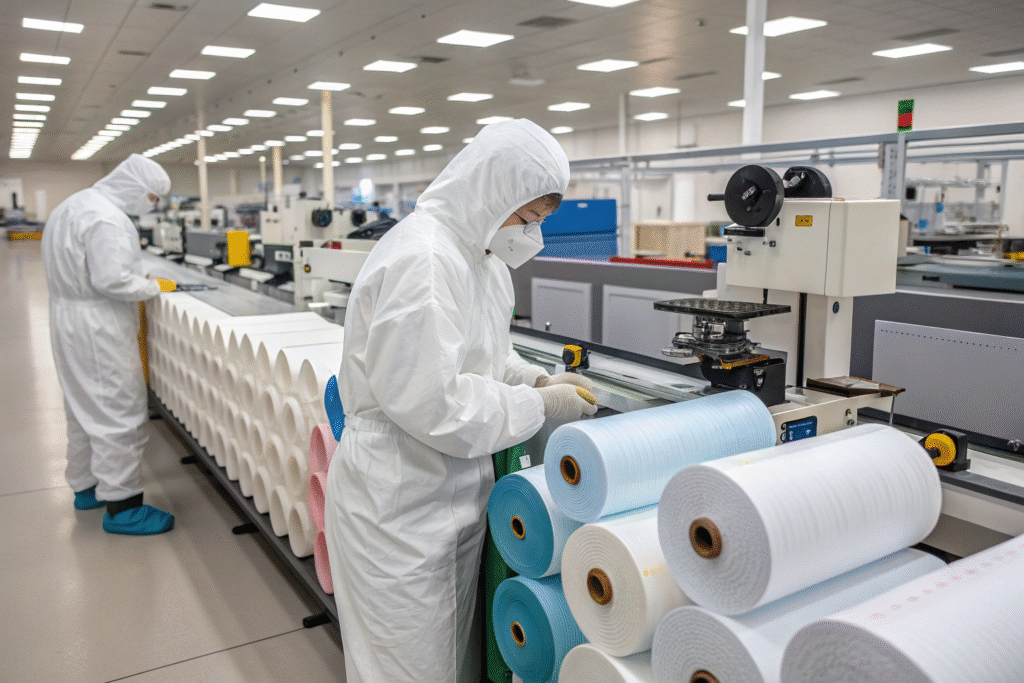
In recent years, the textile industry has faced rising risks of counterfeit fabrics and misrepresented origins. Buyers, manufacturers, and global brands suffer when fake goods enter supply chains, damaging trust and increasing costs. Traditional tools such as barcodes, RFID labels, or holograms often fail because they can be copied, removed, or destroyed during fabric processing. […]
How to Source ISO 10993-5 Certified Cytotoxicity-Free Medical Textiles?
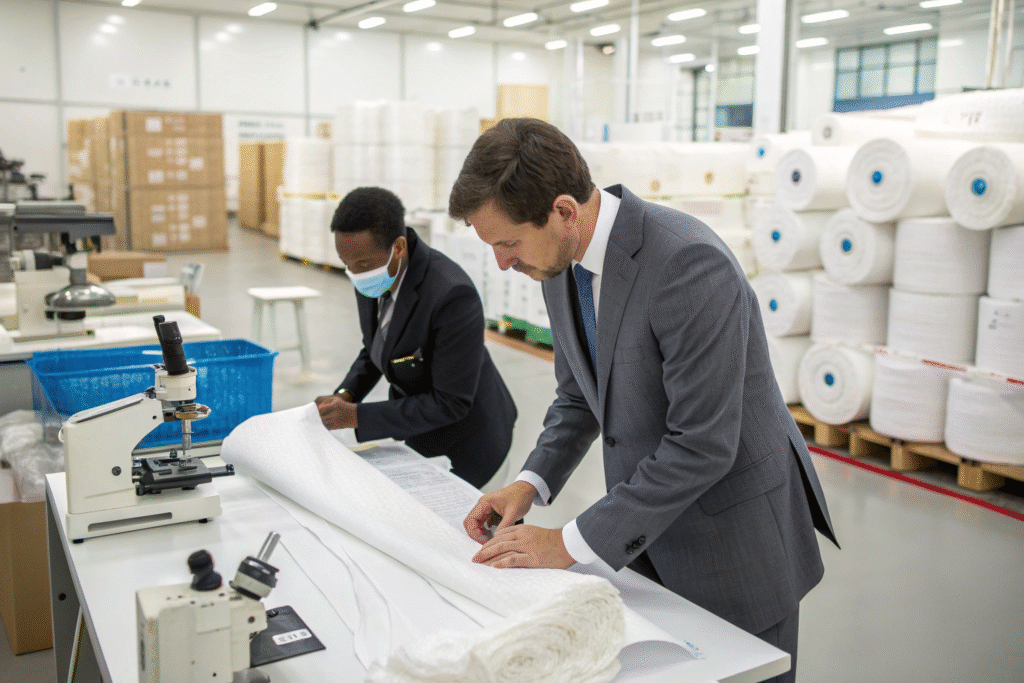
When sourcing medical textiles for hospitals, protective clothing, or healthcare products, the most critical issue is safety. Many buyers struggle with suppliers who cannot provide recognized certification. This creates delays, rejected shipments, and unnecessary risks. Without trusted proof of compliance, even a good-looking fabric may be unusable in medical applications. The solution is to select […]
Why Choose Self-Powered Piezoelectric Vibration Harvesting Textiles?
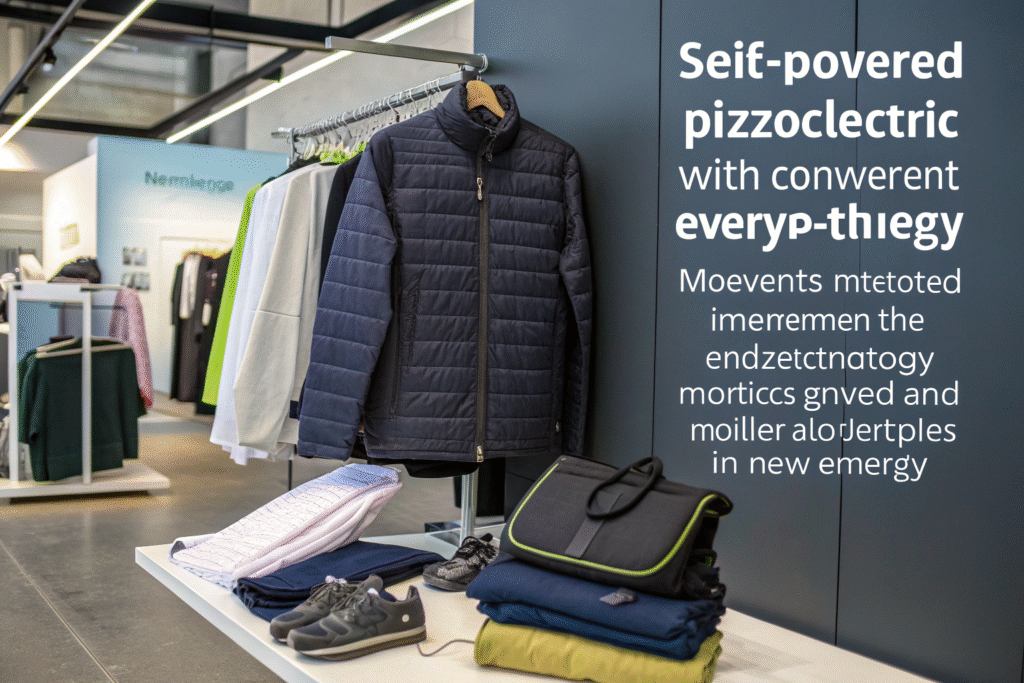
Clothing today is not only about style. People also want fabrics that are smart, useful, and friendly to the environment. One of the most exciting new ideas is self-powered piezoelectric textiles. These are special fabrics that can create electricity from movement. Imagine your clothes charging a small device just because you are walking or running. […]
Where to Find MIL-DTL-32102E Nuclear-Biological-Chemical (NBC) Fabrics?
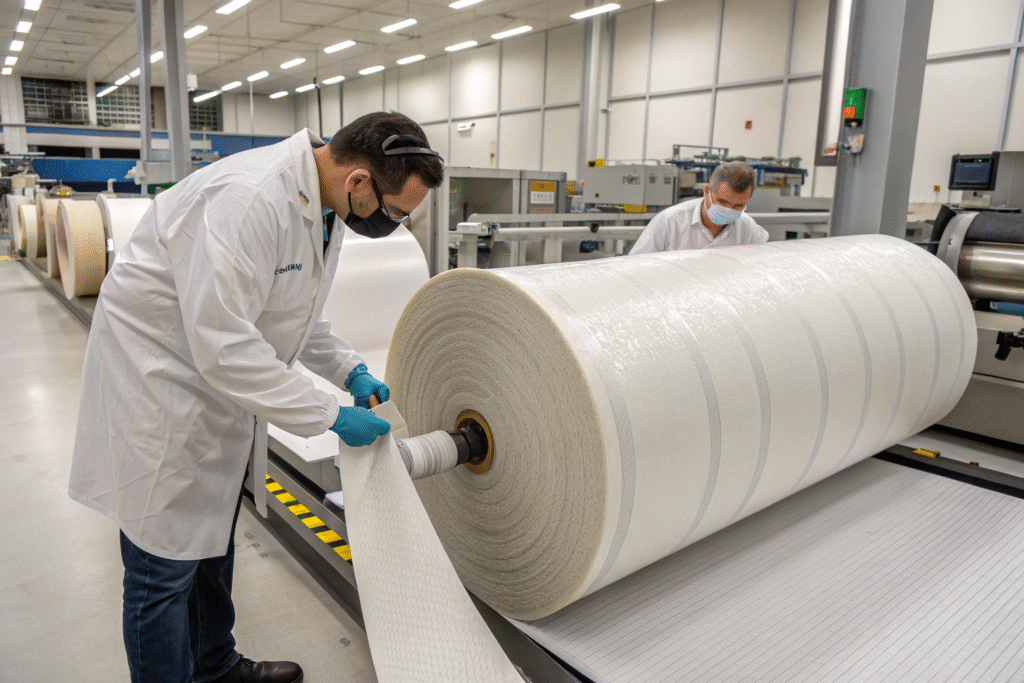
Many procurement managers and technical buyers face the same challenge: they need authentic NBC fabrics that comply with MIL-DTL-32102E, but reliable sources are hard to locate. The search often leads to incomplete data, outdated standards, or suppliers without the required military-grade capacity. This increases risk, delays projects, and raises costs. In reality, MIL-DTL-32102E fabrics are […]
What Are the Best Fabrics for Neuromorphic Computing Integration?
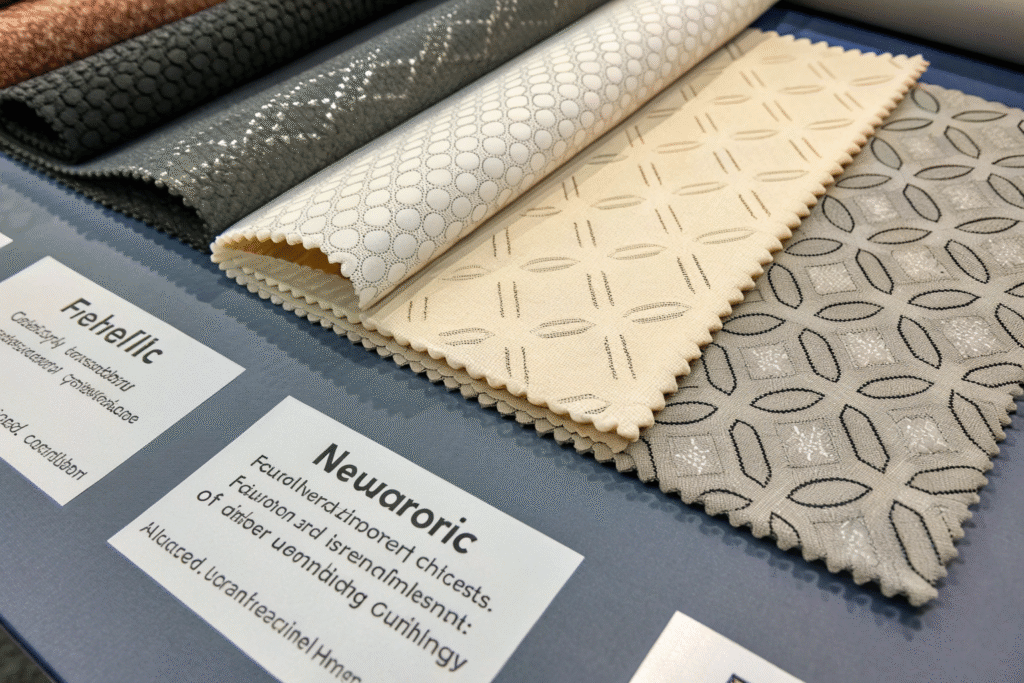
When people talk about computers, they usually imagine hard chips made from silicon. But what if fabrics could also think, learn, and respond like a brain? This is what scientists and engineers are exploring with neuromorphic computing—a way to design systems that work more like our nervous system. For this future to happen, the type […]
How to Source Shape-Memory Alloy Actuated Smart Textiles?
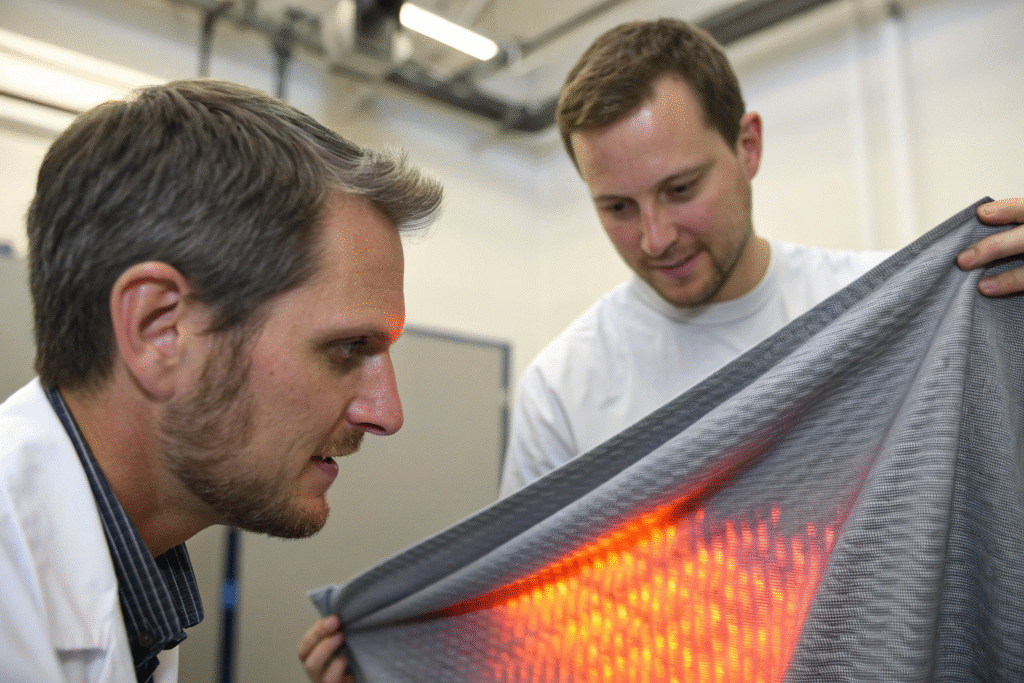
Many buyers in the textile industry are exploring smart fabrics that can move, change, or adapt. One of the most exciting options is shape-memory alloy (SMA) textiles. These textiles use wires—usually nickel-titanium—that can contract or bend when heated or powered. For buyers, the main problem is finding reliable suppliers and making sure the products meet […]
Why Is ISO 17491 Critical for Gas-Tight Suit Fabric Testing?
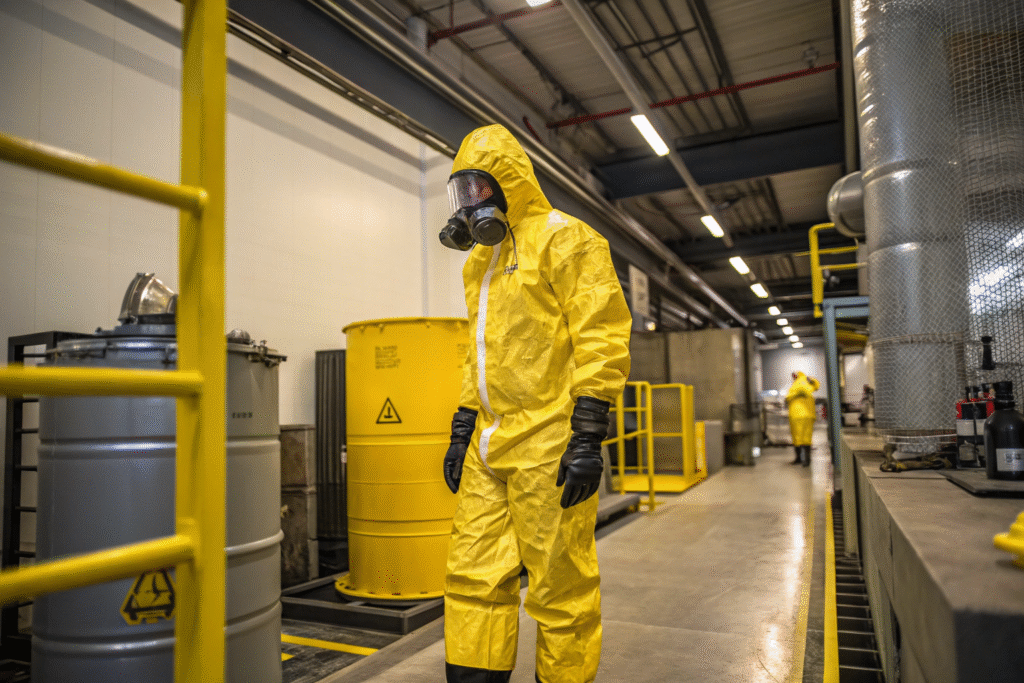
When people work in dangerous places, protective clothing is the last line of defense. If the suit fails, lives are at risk. Workers who deal with chemical, biological, or gas hazards need complete trust in what they wear. A suit that looks safe but is not tested under the right standard can break down at […]
Where to Find EN 13034 Type 6 Certified Chemical Splash Fabrics?
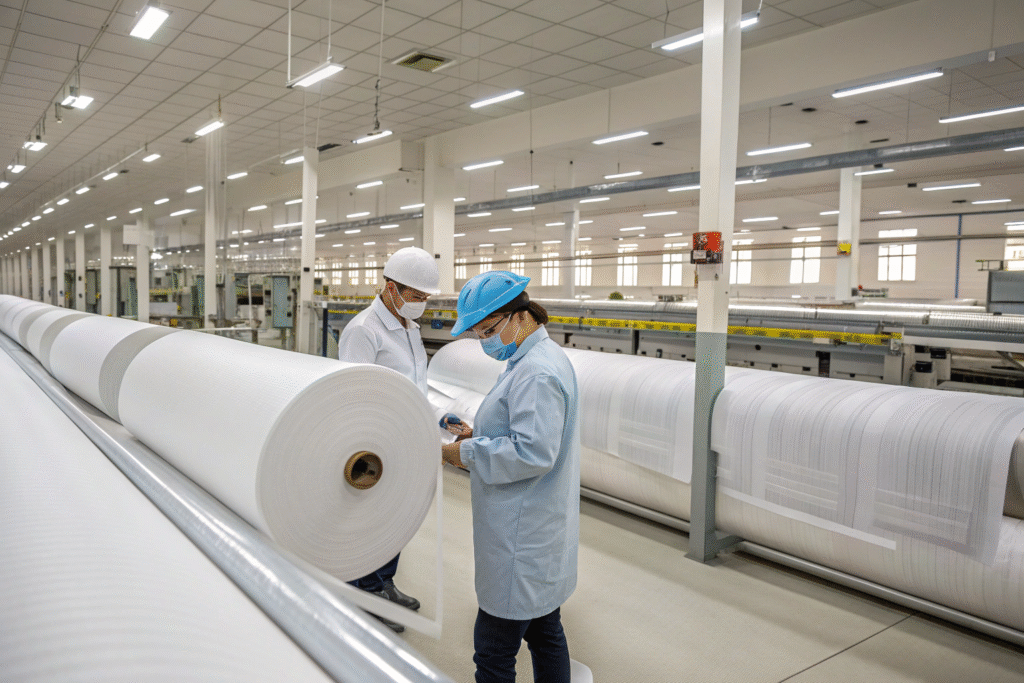
Many safety managers and buyers face a problem when they look for protective fabrics. The main issue is that they often cannot find clear information about quality or certification. Without this, companies risk buying garments that do not protect workers well. This can lead to accidents or problems with compliance. The answer is that EN […]