
How to Identify Cheap Linen Blends That Wrinkle Too Much?
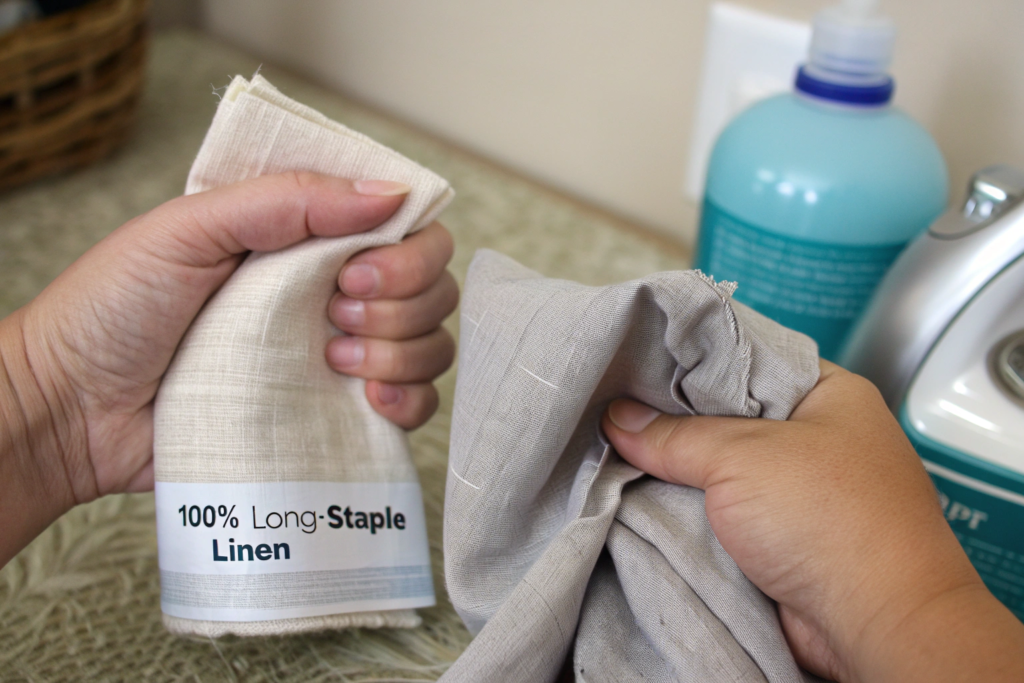
You designed the perfect summer blazer. The sample in the workroom looked incredible—textured, breathable, with that effortless, slightly rumpled elegance that linen is famous for. The bulk production arrived, you steamed a piece, hung it on a rack, and went to lunch. When you came back, the blazer looked like you had slept in it […]
What Is the Best Fabric Weight for a Year-Round Blazer?

You found the perfect blazer. It fits like it was measured by a Savile Row tailor, the lapel roll is exactly right, and the color is a versatile charcoal that works with everything from denim to tailored trousers. You wear it to a spring wedding, comfortable and confident. You wear it to an air-conditioned summer […]
What is the Best Payment Method for Fabric Wholesale: T/T vs L/C?

As an experienced fabric supplier working with international clients daily, I recognize that payment method selection profoundly impacts your supply chain efficiency and financial security. The choice between T/T (Telegraphic Transfer) and L/C (Letter of Credit) represents a critical decision point that can either streamline your operations or create significant bottlenecks. Understanding these mechanisms is […]
What Is Twill Weave Fabric and When Should I Use It?
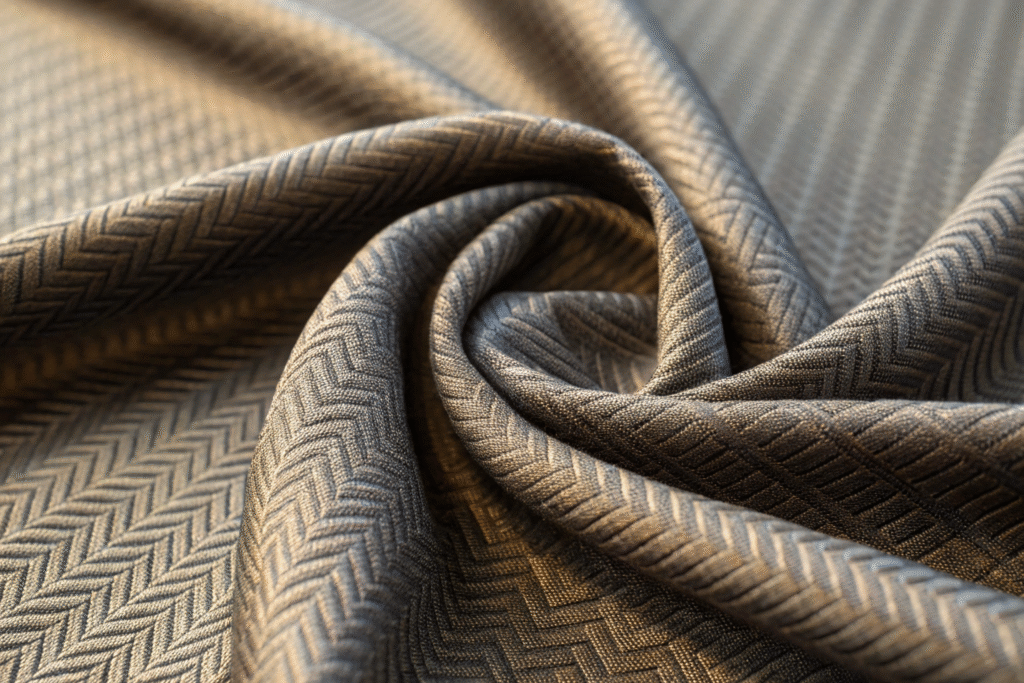
Fabric construction plays a crucial role in determining a textile’s strength, texture, and appearance. Among the three primary weaving techniques—plain, satin, and twill—the twill weave stands out for its versatility. Its signature diagonal rib pattern not only makes it visually distinctive but also contributes directly to its durability and drape. Twill weave fabric is known […]
Which Fabric Is Best for Sensitive Skin?

For individuals with sensitive skin, fabric selection is not just about fashion; it is about comfort and health. The skin reacts quickly to rough textures, synthetic treatments, or poor breathability. When the wrong material is worn, it can cause irritation, itching, or rashes. Conversely, the right fabric provides softness, regulates temperature, and reduces the risk […]
What Is the Difference Between Viscose, Rayon, and Modal?
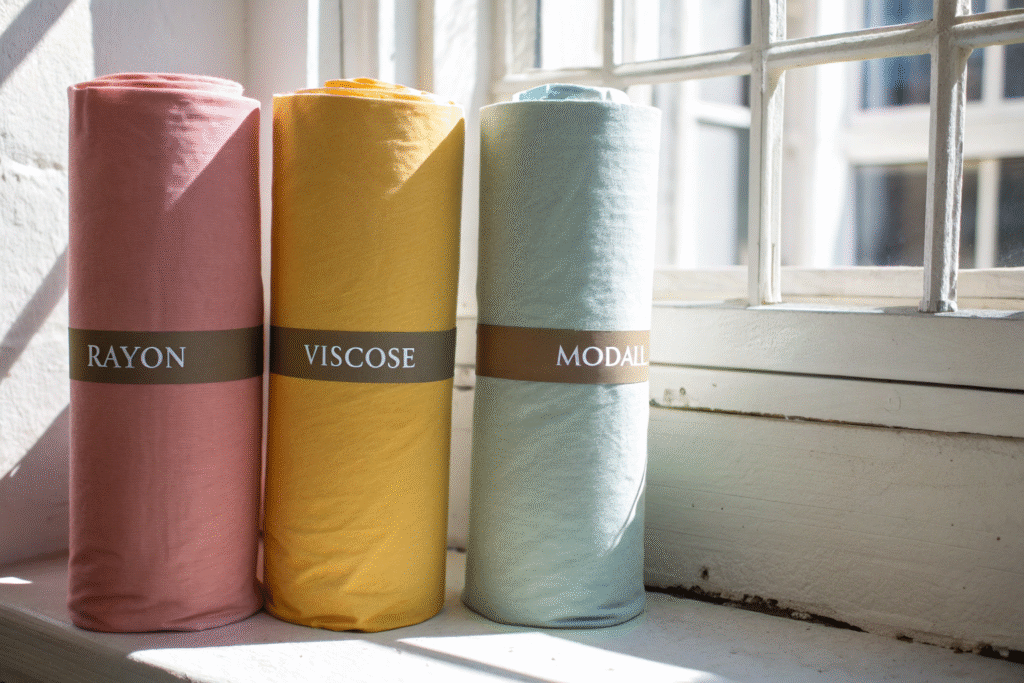
When reading clothing labels, many buyers and designers come across the terms rayon, viscose, and modal. At first, they may appear interchangeable, but they actually represent different parts of the same fiber family. Understanding their distinctions is important because fabric choice affects not only garment performance but also sustainability. Rayon is the umbrella category, viscose […]
How Do I Choose Fabric for Children’s Clothing?
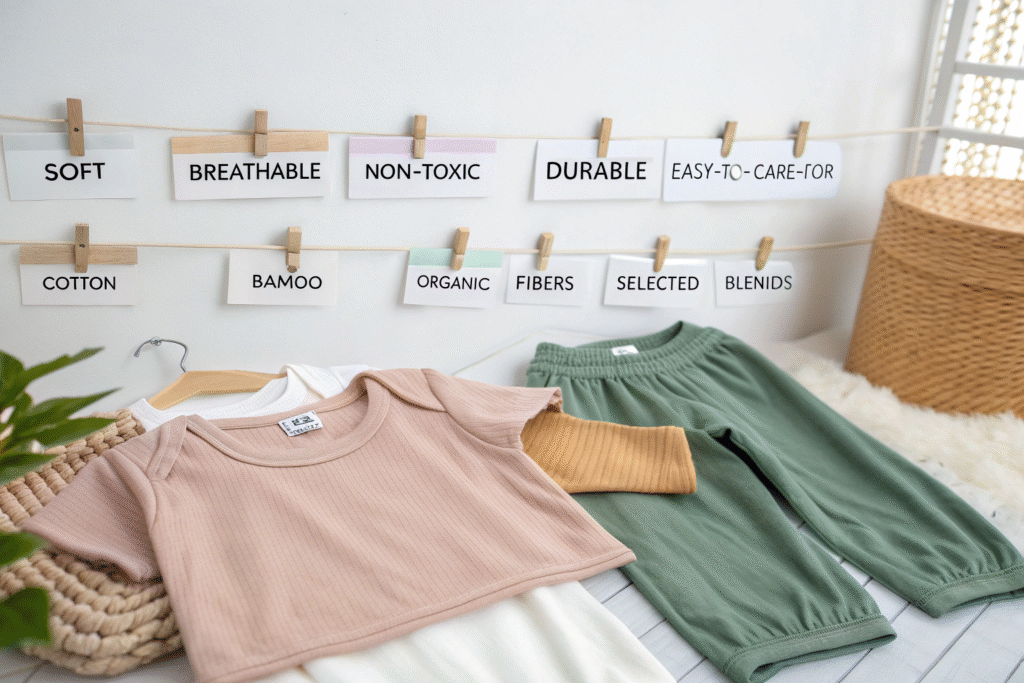
When it comes to children’s clothing, fabric selection is one of the most important decisions. Kids have sensitive skin, they are constantly active, and their clothes go through frequent washing. If the wrong fabric is chosen, it can cause irritation, discomfort, or quick wear and tear. On the other hand, the right fabric ensures safety, […]
Is Bamboo Fabric Really Sustainable for Apparel?

Bamboo has been widely marketed as a “green” solution in the textile industry. Its fast growth, low water needs, and natural antibacterial properties make it sound like an ideal resource for eco-fashion. However, sustainability is not determined only by the plant itself. The way bamboo is processed into fabric ultimately decides whether it is truly […]
What Is Tencel (Lyocell) Fabric and Is It Eco-Friendly?
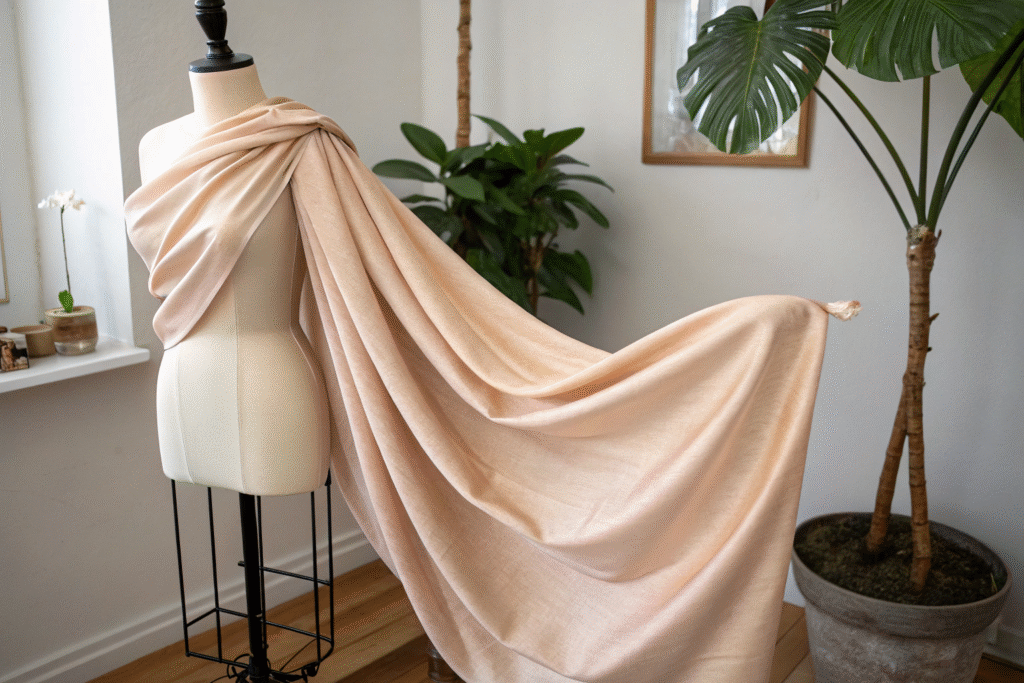
Sustainability has become a defining factor in modern textiles. Both consumers and brands are now searching for fabrics that combine comfort, durability, and environmental responsibility. Among the options available, Tencel™, also known as Lyocell, has emerged as one of the most promising eco-friendly fibers. Still, many people ask what sets it apart from cotton, polyester, […]
What Does GSM Mean in Fabric?
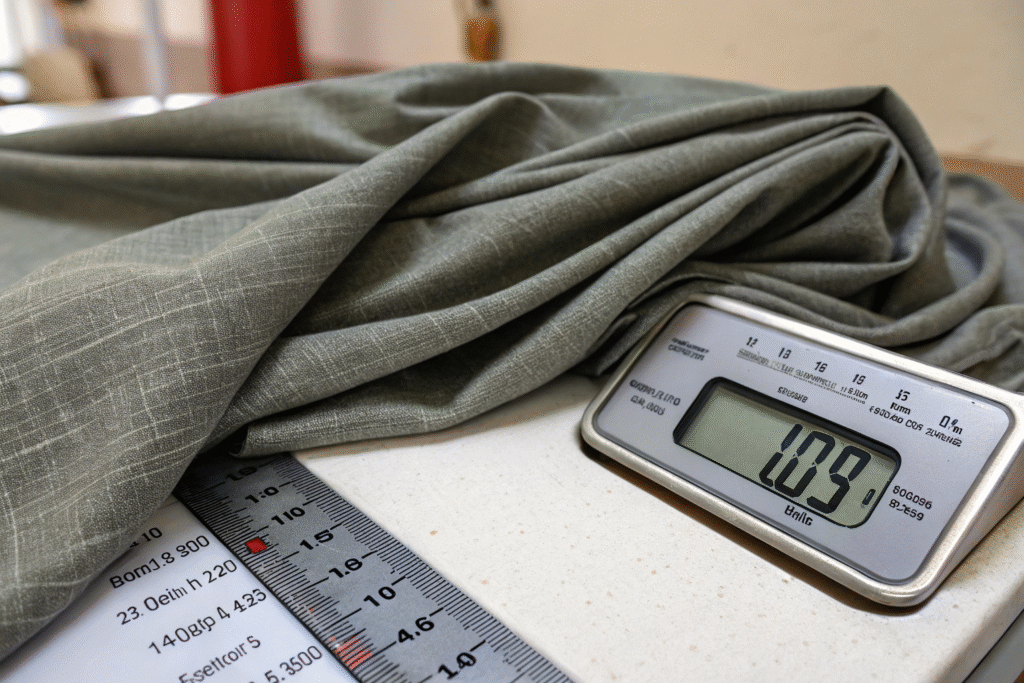
When buying or producing textiles, one technical term appears frequently: GSM. Many buyers see it listed in catalogs or technical sheets but may not fully understand its importance. Without this knowledge, it becomes difficult to evaluate whether a fabric is suitable for a particular purpose. GSM stands for “Grams per Square Meter” and indicates the […]