

You're designing a new streetwear collection that needs to reflect urban authenticity while meeting serious sustainability standards. Your designs feature custom prints, unique cuts, and specific fabric treatments - but your stockists are demanding GRS certification. Can streetwear's creative demands coexist with rigorous certification requirements?
Yes, you can absolutely get GRS certified custom streetwear by implementing certified materials, compliant customization processes, proper documentation, and strategic production planning that maintains certification integrity while allowing full creative expression. The certification covers everything from hoodies and graphic tees to technical jackets and accessories when proper systems are implemented.
At Fumao Fabric, we've produced GRS certified streetwear for brands ranging from emerging urban labels to established names expanding into sustainable collections. The streetwear category presents unique challenges for certification, but also unique opportunities for brands that successfully merge urban aesthetics with verified sustainability. Let me explain exactly how to navigate GRS certification for custom streetwear.
What Streetwear Categories Can Be GRS Certified?
Virtually every streetwear category can achieve GRS certification when proper materials, processes, and documentation systems are implemented. The key is understanding how certification requirements apply to streetwear's distinctive characteristics.
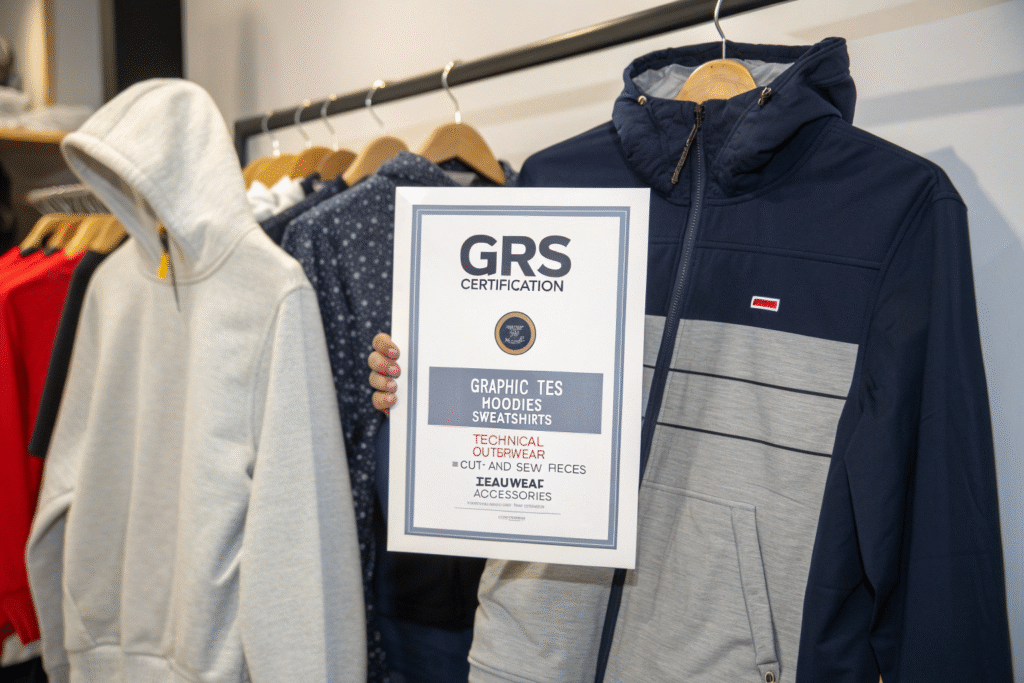
GRS certification covers all major streetwear categories including graphic tees, hoodies and sweatshirts, technical outerwear, cut-and-sew pieces, headwear, and accessories when produced with certified materials and compliant processes. The certification focuses on material content and manufacturing practices rather than limiting design possibilities.
Can graphic tees and printed streetwear be GRS certified?
Graphic tees represent streetwear's foundation and are fully certifiable: GRS certified cotton or polyester base tees, compliant printing inks and processes, certified neck tags and labels, and proper documentation of all materials. The certification requires that printing inks meet GRS chemical requirements and that material usage is properly documented. We've produced graphic tees with complex water-based printing techniques that meet GRS chemical standards while delivering the vibrant graphics streetwear demands. The key is selecting compliant inks and maintaining proper documentation through the printing process.
What about hoodies and cut-and-sew pieces?
Hoodies and complex constructions are certifiable: GRS certified fleece and jersey materials, compliant drawcords and trims, certified embroidery threads, and proper mass balance tracking for multi-component garments. The complexity comes from tracking multiple materials through production. A streetwear brand we worked with achieved certification for their signature hoodie featuring six different materials by implementing detailed component tracking that maintained certification integrity while preserving their distinctive design elements.
How Do Customization Processes Affect GRS Certification?
Streetwear thrives on customization through printing, embroidery, and unique treatments. These processes must be adapted to meet GRS requirements while maintaining the aesthetic qualities that define streetwear.
Customization processes affect GRS certification through chemical compliance requirements, material tracking complexity, documentation needs, and production segregation that must be managed while preserving design integrity. The challenges are manageable with proper planning and systems.

What printing methods work with GRS certification?
Several printing methods are GRS compliant: water-based printing using certified inks, discharge printing with compliant chemicals, transfer printing using certified materials, and embroidery with GRS certified threads. Each method requires specific compliance measures. The most successful streetwear brands work with their manufacturers during design development to select printing methods that balance aesthetic goals with certification requirements. We've developed custom printing solutions for streetwear that meet GRS standards while delivering the bold graphics the category demands.
How does embroidery impact certification?
Embroidery requires specific compliance measures: using GRS certified embroidery threads, tracking thread consumption in mass balance, maintaining segregation during production, and documenting all material usage. Embroidery actually represents one of the easier customization methods to certify since certified threads are readily available. The challenge comes with complex designs that use multiple thread colors and types, but proper tracking systems can manage this complexity effectively.
What Materials Are Available for GRS Streetwear?
The material selection for GRS certified streetwear has expanded dramatically, moving beyond basic options to include specialized fabrics that meet streetwear's performance and aesthetic requirements.
Available materials for GRS streetwear include certified organic cotton, recycled polyester, sustainable fleece, technical fabrics, and innovative blends that provide the quality, durability, and hand-feel streetwear demands while meeting certification requirements. Material development has been driven by streetwear brands pushing for better sustainable options.

What are the best fabric options for different streetwear pieces?
Different streetwear categories benefit from specific materials: heavy-weight certified cotton for premium tees, GRS fleece for hoodies and sweats, recycled technical fabrics for outerwear, sustainable denim for pants and jackets, and performance blends for active-inspired pieces. The material selection has evolved significantly - we now offer fabrics that match conventional streetwear materials in weight, hand-feel, and performance while providing GRS certification. This evolution has been crucial for brands transitioning to sustainable production without compromising their aesthetic.
How do specialty fabrics work with GRS?
Specialty fabrics present unique opportunities: GRS certified sherpa and faux fur for winter pieces, sustainable technical fabrics for performance wear, certified denim with authentic finishes, and innovative blends with unique properties. The development of these specialty options has enabled streetwear brands to maintain their distinctive aesthetics while achieving certification. We've worked with mills to develop GRS certified fabrics that replicate the characteristics streetwear designers demand while meeting certification standards.
How Does Streetwear's Design Language Work with GRS?
Streetwear's distinctive design language - including oversized fits, unique graphics, and specific details - can be maintained within GRS certification through careful planning and adaptation of standard practices.
Streetwear's design language works with GRS certification through pattern optimization, compliant material selection, adapted customization methods, and strategic detailing that maintains aesthetic integrity while meeting certification requirements. The certification doesn't require compromising design vision when properly implemented.

How do oversized fits and unique patterns affect certification?
Oversized designs impact certification economics: larger patterns typically generate more cutting waste, unique shapes may reduce fabric utilization, special details require additional tracking, and non-standard sizes complicate production planning. However, these challenges can be managed through strategic pattern making and production planning. We've helped brands optimize their oversized patterns to maintain their distinctive silhouettes while improving fabric utilization from 72% to 84% - better for both the environment and their margins.
What about streetwear's specific details and trims?
Streetwear details require careful management: custom woven labels need GRS certification, unique drawcords and toggles must meet requirements, special zippers and hardware need verification, and appliques and patches require certification. Each detail adds complexity to the certification process but can be managed with proper systems. The most successful approach involves selecting trims and details early in the design process to ensure certification compatibility.
What Are the Marketing Advantages of GRS Streetwear?
GRS certification provides significant marketing advantages for streetwear brands, particularly in reaching younger consumers who prioritize both style and sustainability in their purchasing decisions.
The marketing advantages of GRS streetwear include authenticity with conscious consumers, differentiation in crowded markets, premium pricing justification, and brand storytelling opportunities that resonate with streetwear's community-oriented nature. These advantages are particularly valuable for brands building long-term relevance.

How does GRS certification enhance streetwear brand authenticity?
GRS enhances authenticity through: verified sustainability claims in an industry rife with greenwashing, transparent supply chains that build trust, genuine environmental benefits that align with consumer values, and credible storytelling that resonates with streetwear's emphasis on authenticity. Streetwear has always valued authenticity, and GRS certification provides the verification that supports genuine sustainability claims. Brands that successfully integrate certification into their identity often see stronger community engagement and brand loyalty.
What storytelling opportunities does GRS provide?
GRS enables compelling brand narratives: the journey of recycled materials can be visually documented, environmental impact reductions make powerful stories, supply chain transparency builds consumer trust, and certification achievements demonstrate real commitment. The best streetwear brands treat their GRS certification as part of their story rather than just a compliance requirement. We've seen brands create entire marketing campaigns around their certification journey, turning what could be dry documentation into engaging content that strengthens their brand identity.
What Are the Implementation Challenges for Streetwear?
Streetwear presents specific implementation challenges for GRS certification that require specialized approaches and adaptations of standard certification practices.
Implementation challenges for GRS streetwear include complex customization tracking, material availability for specialized fabrics, cost management for small production runs, and design adaptation that maintains aesthetic integrity while meeting certification requirements. These challenges are manageable with proper expertise and planning.
How do small production runs affect certification?
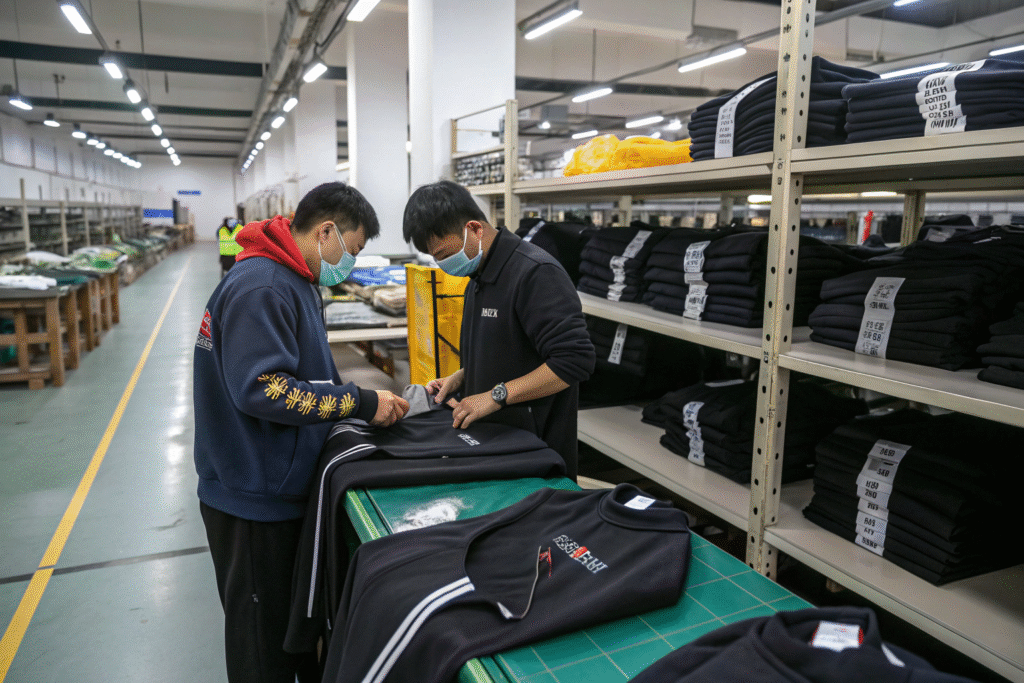
Small runs present economic challenges: certification costs are spread across fewer units, material minimums may be higher for certified options, setup costs represent a larger percentage of total costs, and documentation requirements have similar fixed costs regardless of quantity. However, several strategies can address these challenges: grouping multiple styles in production runs, working with manufacturers experienced with small-batch certification, and strategic pricing that reflects the value of certification. We've developed approaches that make GRS certification viable for streetwear brands producing as few as 500 units per style.
What about limited edition and drop culture?
Streetwear's limited edition model requires adaptation: certification must be maintained across multiple small batches, documentation needs to track individual production runs, material planning must accommodate unpredictable demand, and production scheduling needs flexibility. These challenges can be managed through systems designed for streetwear's business model. The most successful approach involves maintaining core certified materials and processes that can be adapted to different styles and limited runs while preserving certification integrity.
Conclusion
GRS certified custom streetwear represents both a significant opportunity and a manageable challenge for brands willing to invest in the systems and partnerships needed to merge urban aesthetics with verified sustainability. The certification provides the credibility needed to make genuine sustainability claims while allowing full creative expression through compliant materials and processes.
The streetwear brands achieving the greatest success with GRS certification are those that treat it as an integral part of their identity rather than a compliance requirement. They leverage their certification to tell authentic stories, build community trust, and differentiate themselves in a crowded market while delivering genuine environmental benefits.
At Fumao Fabric, our experience with GRS certified streetwear has taught us that the most successful implementations balance strict certification compliance with the creative flexibility streetwear demands. The certification provides the framework, but the creativity comes from brands and manufacturers working together to push the boundaries of sustainable streetwear. If you're considering GRS certification for your streetwear collection, contact our Business Director, Elaine, at elaine@fumaoclothing.com to discuss how we can help you achieve certification while maintaining your distinctive aesthetic and brand identity.






One Response
Alright guys, I’m on the hunt for a new sportsbook and 88vinbet1 keeps popping up. Anyone got firsthand experience? Good odds? Quick payouts? Let me know. Check out the site here 88vinbet1.