
How to Source Oeko-Tex Certified Chenille for Home Decor?
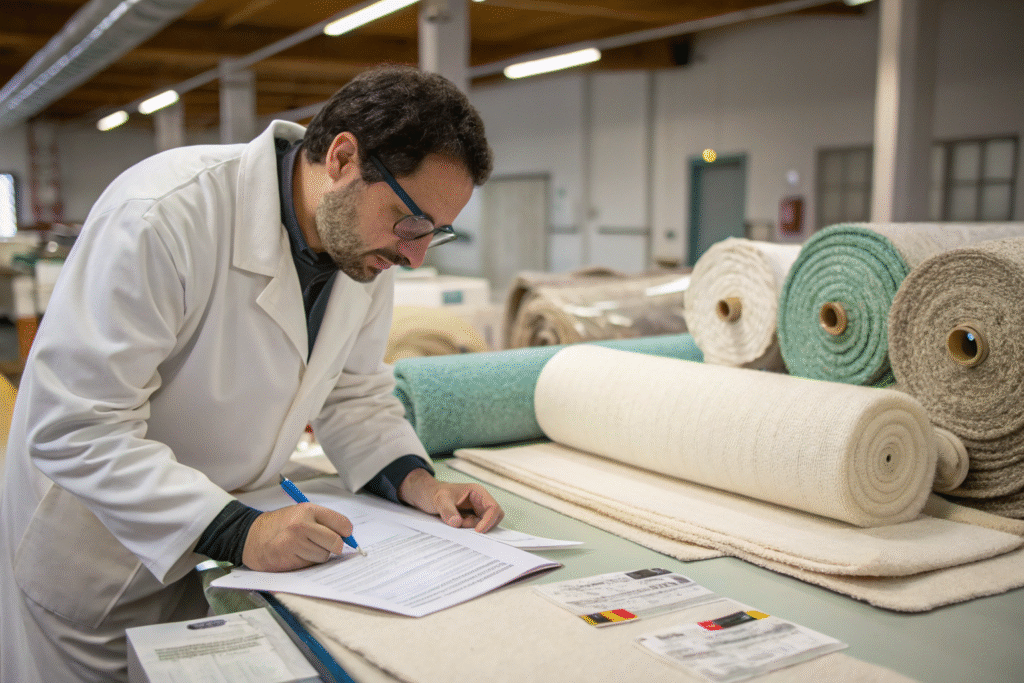
When it comes to sourcing chenille for home décor—whether it’s for sofas, cushions, throws, or curtains—quality and safety certifications matter more than ever. In the post-pandemic landscape, both retailers and end consumers are more cautious about the health and sustainability of what enters their homes. If you’re looking for chenille that meets strict European safety […]
What Are the Best Thermal Bonded Non-Woven Fabrics?
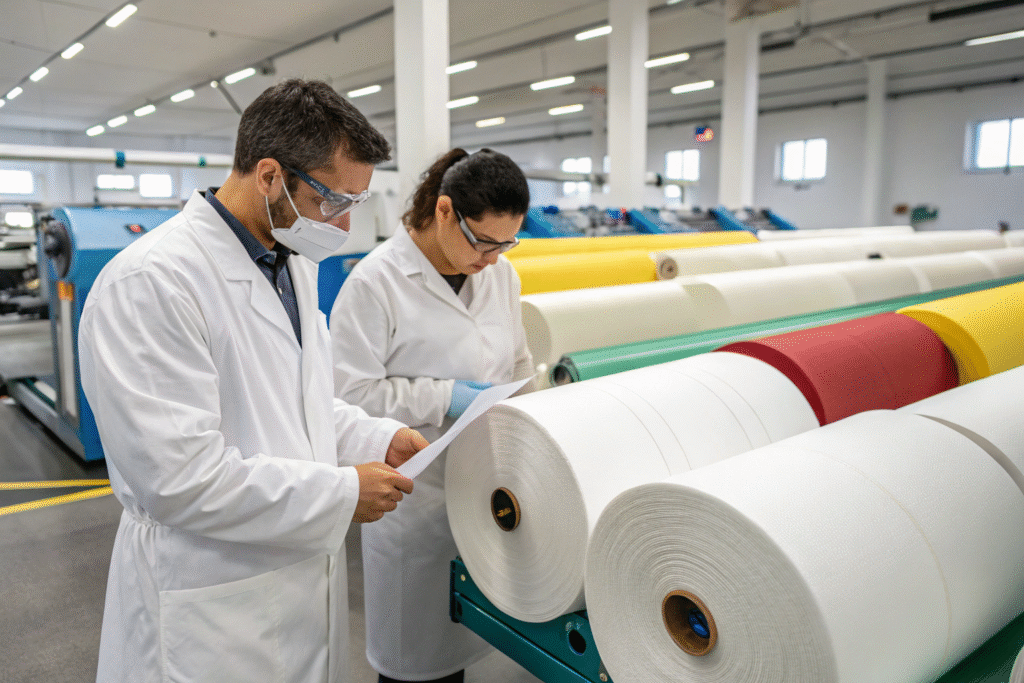
Thermal bonded non-woven fabrics have become a staple in industries ranging from apparel to automotive. But not all thermal bonded non-wovens are made the same. If you’re sourcing for technical applications, knowing the right types, structures, and properties can be the difference between consistent performance and costly defects. Thermal bonded non-woven fabrics offer excellent dimensional […]
Why Is Air Permeability Testing Key for Breathable Rainwear?
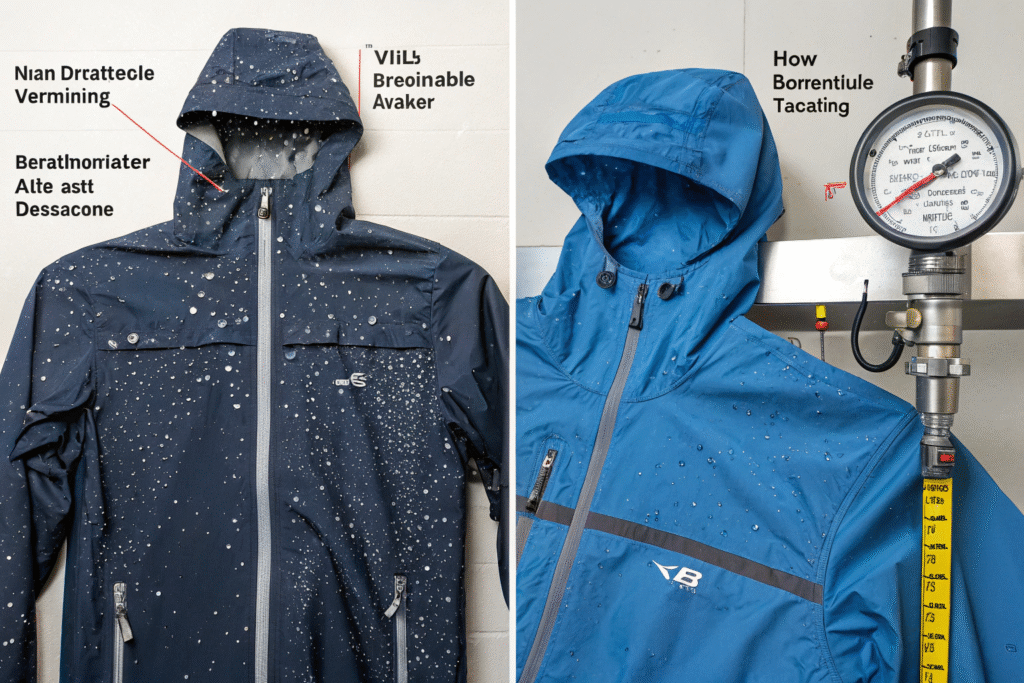
Modern consumers expect more from rainwear than just staying dry—they want it to breathe. Whether it’s for hiking, biking, or daily commuting, breathability in rainwear reduces clamminess and keeps the body dry from both external rain and internal sweat. That’s where air permeability testing becomes a critical factor. This article explains what air permeability means, […]
Where to Find Anti-Static Lining Fabric for Electronics Packaging?
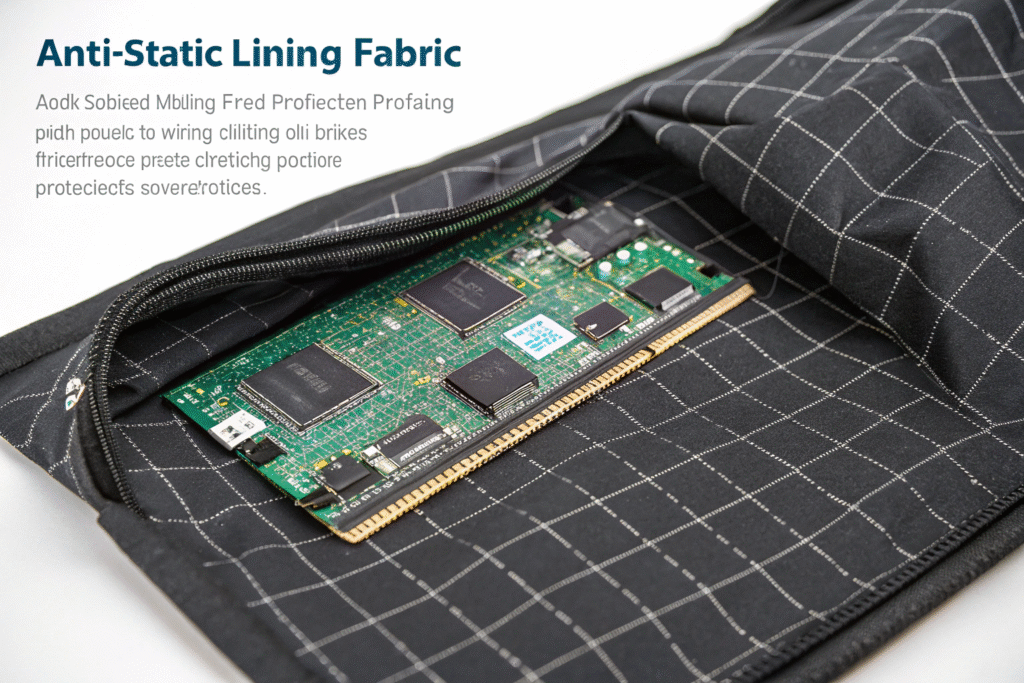
Electronics packaging demands more than cushioning—it must also protect sensitive components from electrostatic discharge (ESD). Static buildup can destroy microchips, capacitors, or PCBs during handling and transport. That’s where anti-static lining fabrics come in. They’re the hidden shield behind safe ESD packaging solutions like bags, boxes, and foam inserts. This article will help you understand […]
How Does Fiber Length Affect Fabric Pilling and Softness?
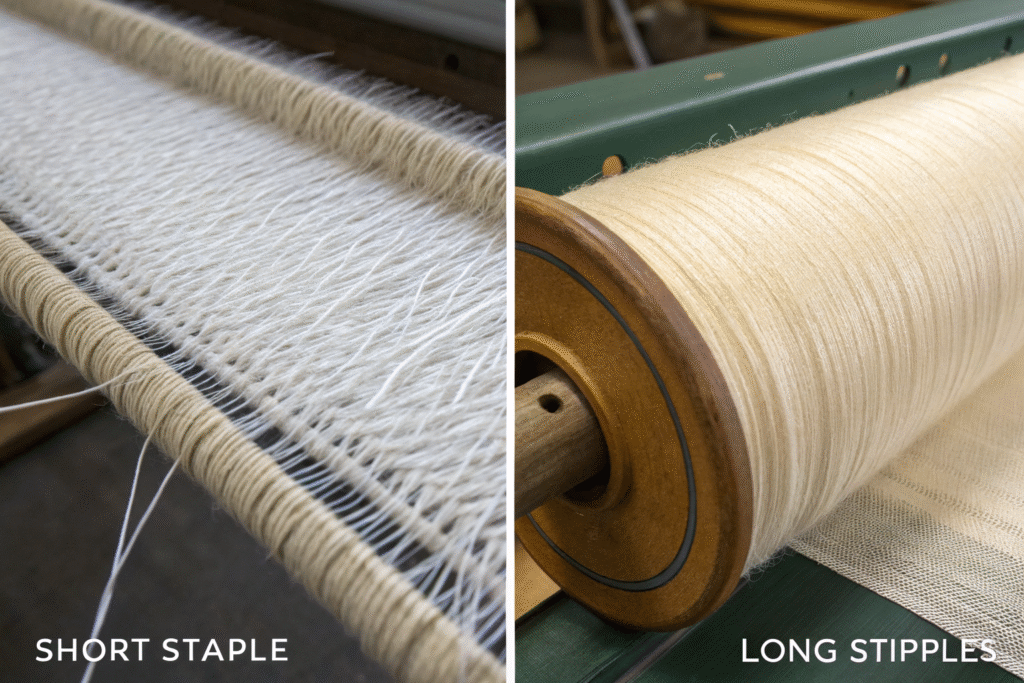
Fiber length is one of the most critical yet overlooked elements in determining a fabric’s softness, durability, and resistance to pilling. Whether you’re sourcing for luxury loungewear, high-performance sportswear, or durable workwear, understanding how staple length influences textile performance can help you make smarter decisions and improve product longevity. Why Does Fiber Length Matter in […]
What Are the Minimums for Custom Woven Tapestry Fabric?
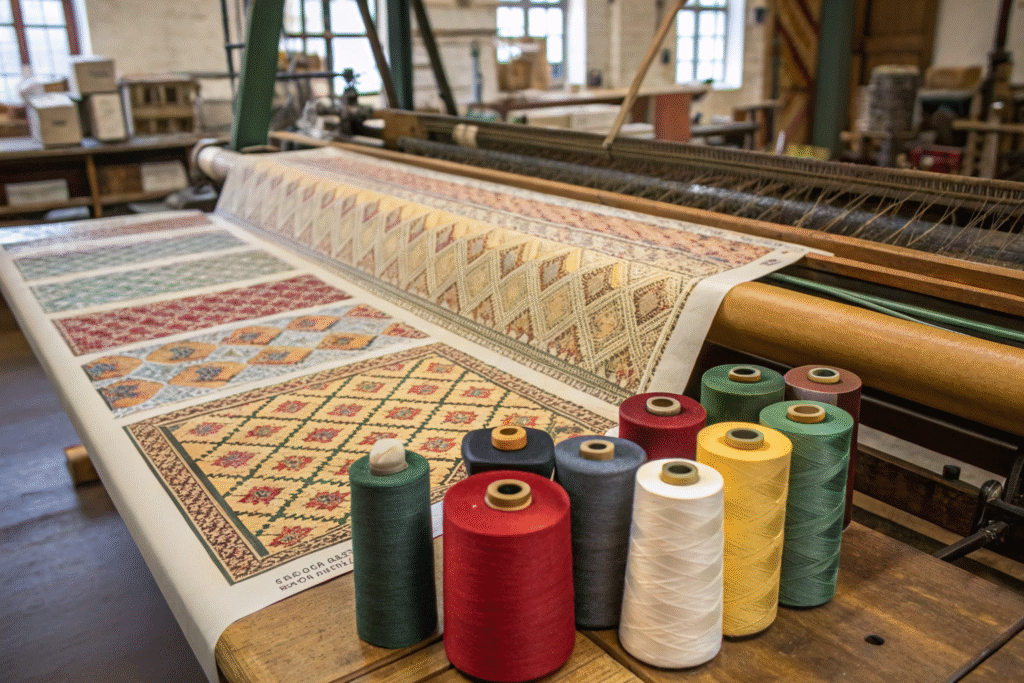
Custom woven tapestry fabric offers an unmatched combination of texture, storytelling, and heritage. From art blankets to home décor, upholstery, and fashion accessories, tapestry fabric lets designers embed intricate motifs directly into the fabric weave. But sourcing it comes with a key question—what’s the minimum order quantity (MOQ) required to start custom production? MOQ for […]
Why Choose Lenzing™ Ecovero™ Viscose for Eco-Fashion?
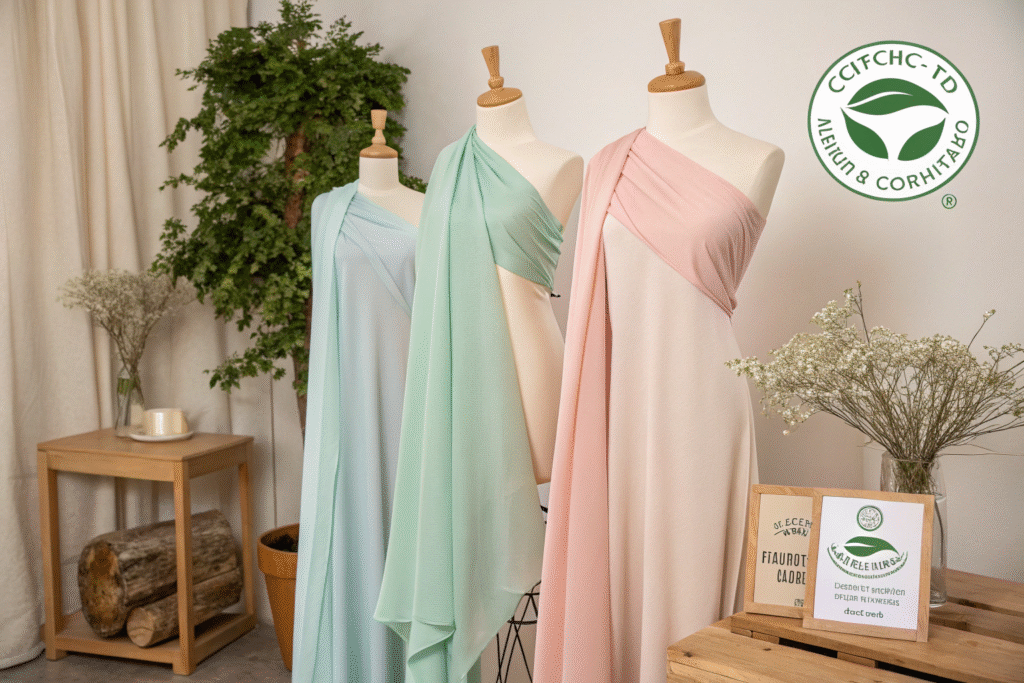
In an era where fashion must answer for its environmental footprint, Lenzing™ Ecovero™ viscose is leading the charge as a truly sustainable fabric solution. It’s not just another “green label” trend—it’s a game-changer for designers and sourcing professionals who care about transparency, traceability, and style. Lenzing™ Ecovero™ viscose is made from FSC- or PEFC-certified wood […]
How to Source Recycled Denim with Authentic Vintage Wash?
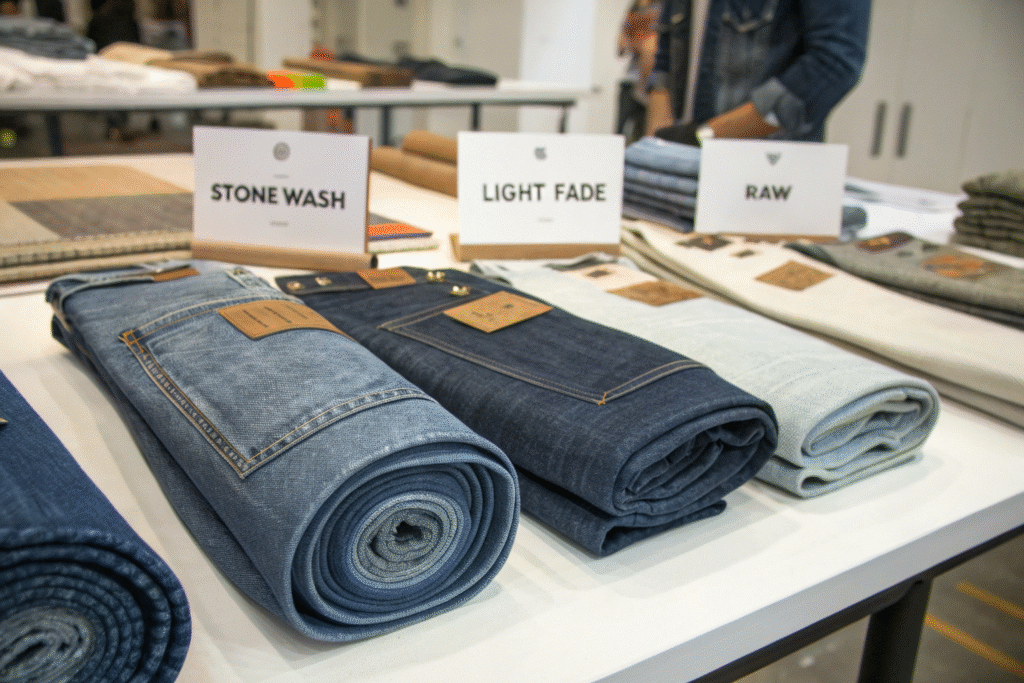
Authentic vintage denim isn’t just a fashion statement—it’s an emotional one. From subtle whiskers and sun-faded thighs to rugged stonewashes and lived-in textures, vintage denim tells a story. But as sustainable fashion rises, brands and sourcing teams now ask: Can we get that same nostalgic look—while using recycled denim? Sourcing recycled denim with an authentic […]
What Are the Best Stretch Satin Fabrics for Shapewear?
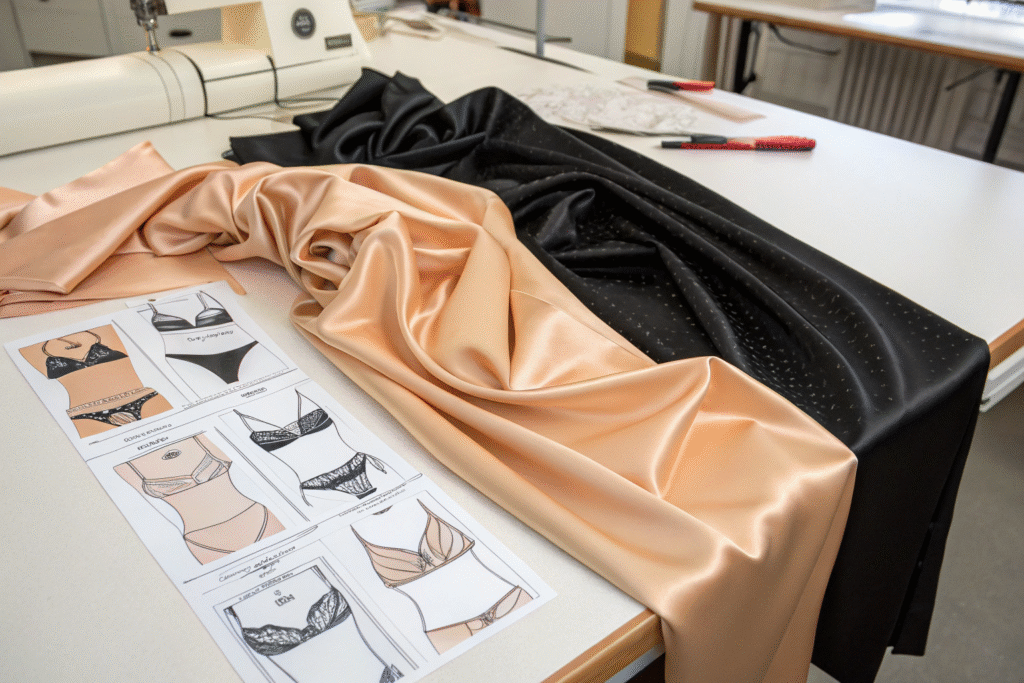
When it comes to shapewear, fabric choice is everything. The wrong material can lead to rolling edges, excessive heat retention, or garments that simply don’t sculpt or support. But the right stretch satin? It’s transformative—offering sleek compression, silky aesthetics, and adaptive comfort. So, what exactly makes some stretch satin fabrics perfect for shapewear, and where […]
Why Is Fabric Skew Testing Important for Printed Designs?
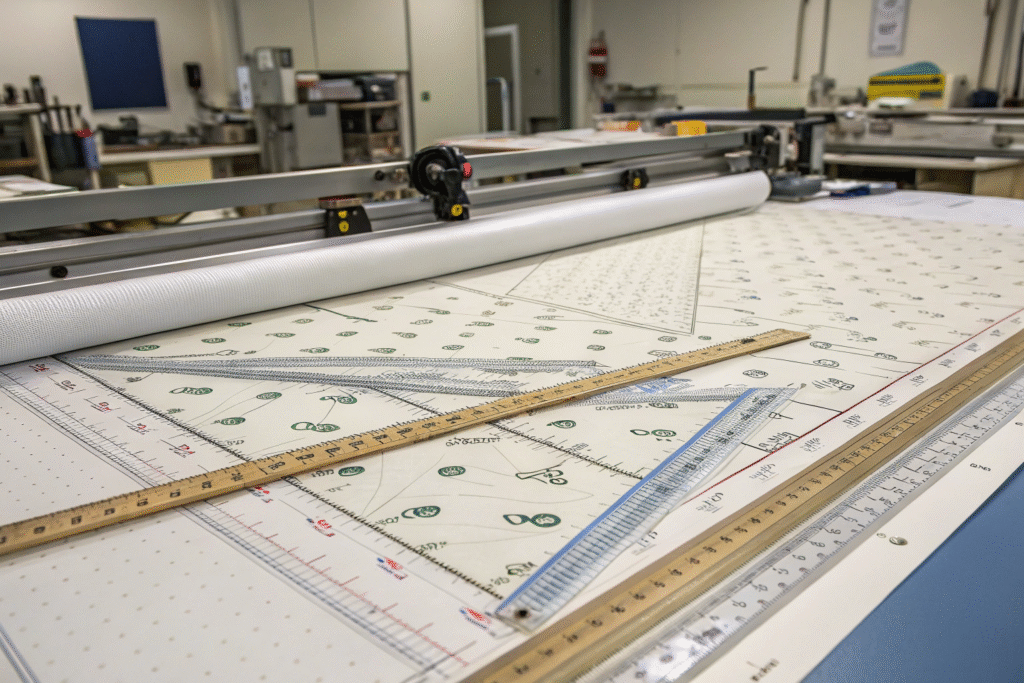
Nothing frustrates fashion designers, fabric buyers, and apparel manufacturers more than receiving beautifully printed fabric—only to discover that the pattern is visibly skewed after cutting or laundering. Even a few degrees of off-grain distortion can lead to misaligned seams, twisted garments, or rejected production lots. This is where fabric skew testing becomes a quality-control must. […]