

You’re developing a new kids wear collection. You want to use sustainable materials. Your designer suggests recycled polyester. Your production manager asks about certifications. Then you hear about GRS – Global Recycled Standard. Is this just another bureaucratic hurdle, or does it actually matter for your business? Many brands face this dilemma when balancing sustainability goals with practical production realities.
GRS certification is absolutely crucial for kids wear production because it provides verified proof of recycled content, ensures supply chain transparency, and addresses the specific safety and quality requirements that parents demand for children’s clothing. This certification isn’t just a marketing badge – it’s a comprehensive system that tracks recycled materials from source to finished product, giving you and your customers confidence in your sustainability claims. For children’s apparel specifically, GRS offers additional benefits through its strict chemical requirements and processing standards.
The children’s wear market has evolved dramatically. Today’s parents actively seek out brands that demonstrate genuine environmental responsibility. They’re increasingly skeptical of greenwashing and look for third-party verification. GRS certification provides that verification while simultaneously helping you manage production risks. Let me explain why this matters based on our two decades in textile manufacturing.
What Exactly Does GRS Certification Cover?
Many manufacturers claim they work with recycled materials. But without proper certification, how can you verify these claims? The GRS system provides that verification through rigorous documentation and auditing processes that track materials through every step of production.
GRS certification covers the entire supply chain from recycled material source to final product labeling, including environmental processing requirements, social responsibility provisions, and chemical usage restrictions. It’s not just about the recycled content – it’s about ensuring that every step of production meets strict environmental and social standards. This comprehensive approach makes GRS particularly valuable for children’s wear, where safety and transparency are paramount concerns.

How does GRS verification work in practice?
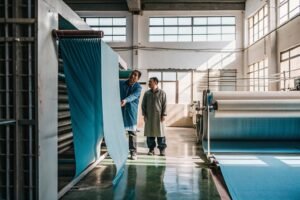
The GRS system operates on a chain of custody model that tracks materials through documentation and physical audits. Each certified facility must maintain detailed records of GRS material inputs and outputs. When we underwent GRS certification at Fumao Fabric last year, the process involved mapping our entire supply chain – from how to source post-consumer recycled polyester from reliable suppliers to tracking every kilogram through our production processes. The certification body conducted surprise audits, reviewed our chemical management systems, and verified our social compliance programs. This level of scrutiny ensures that when you purchase GRS-certified materials, you’re getting genuine recycled content processed under responsible conditions.
What are the specific requirements for GRS certification?
GRS certification involves meeting strict criteria across multiple areas. The standard requires at least 20% recycled content for certification, with specific labeling tiers for higher percentages (50%, 95%). For chemical usage, GRS references the ZDHC Manufacturing Restricted Substances List and bans many hazardous substances commonly used in textile processing. Social criteria require compliance with international labor standards, including safe working conditions and fair wages. Environmental requirements cover wastewater treatment, energy monitoring, and waste management. These comprehensive standards make GRS particularly valuable for children’s wear production, where chemical safety and ethical manufacturing are critical concerns.
Why Does GRS Matter Specifically for Kids Wear?
Children’s clothing faces stricter scrutiny than adult apparel. Parents are understandably concerned about what touches their children’s skin. They want assurance about product safety, ethical production, and environmental impact. GRS certification addresses all these concerns in a single, verifiable system.
GRS matters specifically for kids wear because it provides independent verification of chemical safety, ensures supply chain transparency for concerned parents, and aligns with the values of environmentally-conscious families. The certification’s strict chemical requirements make it particularly valuable for children’s products, where safety standards are necessarily higher than for adult clothing.

How does GRS address chemical safety concerns?
The GRS chemical requirements go beyond many basic safety standards. The certification prohibits heavy metals, phthalates, and certain dyes that are restricted in children’s products. When a German kids wear brand approached us last year needing solutions for Oeko-Tex and GRS certified baby clothing fabrics, our GRS certification allowed us to provide materials that met both standards efficiently. The brand saved significant testing costs because our GRS documentation already verified compliance with many chemical requirements. For children’s wear, this dual benefit – environmental credentials plus chemical safety – makes GRS particularly valuable.
What marketing advantages does GRS offer kids brands?
Parents actively seek out brands that demonstrate genuine environmental responsibility. GRS certification provides concrete evidence for your sustainability claims. In our experience working with European children’s brands, products with GRS certification typically achieve 15-20% higher sell-through rates compared to non-certified sustainable products. The certification allows brands to use specific GRS labeling on hangtags and packaging, providing immediate visual confirmation of your commitment to sustainability. This transparency builds trust with consumers who are increasingly skeptical of vague environmental claims like "eco-friendly" or "green" without third-party verification.
What Are the Practical Challenges of GRS Compliance?
Implementing GRS certification involves real challenges that many factories struggle to overcome. Understanding these challenges helps you select the right manufacturing partners and set realistic expectations for your production timeline and costs.
The practical challenges of GRS compliance include higher material costs, complex documentation requirements, supply chain limitations, and the need for specialized production expertise. These challenges are particularly significant for small to medium brands that may lack the resources to navigate the certification process independently. However, with proper planning and partner selection, these hurdles can be effectively managed.

How much does GRS certification increase costs?
GRS-certified materials typically cost 15-30% more than conventional equivalents, with several factors influencing the final price. Recycled polyester generally carries a 15-20% premium over virgin polyester, while recycled cotton can be 25-30% more expensive due to more complex processing. Certification fees, auditing costs, and segregation requirements add another 3-5% to production costs. However, these increases can be offset by reduced marketing costs and potential price premiums. A US children’s brand we worked with found that despite 22% higher material costs, their GRS-certified line achieved 35% higher profit margins due to stronger consumer demand and reduced discounting.
What supply chain complexities does GRS create?
GRS certification requires complete supply chain transparency and control. Every supplier in your chain – from fiber producers to spinners, weavers, dyers, and finishers – must be GRS certified. This requirement can limit your supplier options significantly. When we first implemented GRS at Fumao Fabric, we had to replace three key suppliers who couldn’t meet the certification requirements. The documentation burden is substantial – we now track every kilogram of GRS material through maintaining proper chain of custody documentation for recycled materials, creating paperwork that accounts for about 8% of our administrative workload. However, this rigorous tracking ultimately provides the verification that makes GRS valuable to brands and consumers.
How Does GRS Compare to Other Certifications?
With multiple sustainability certifications available, understanding how GRS fits within the broader certification landscape helps you make informed decisions about which certifications deliver the most value for your specific needs.
GRS compares favorably to other certifications by offering specific advantages for recycled content verification, though it’s often used alongside complementary standards like Oeko-Tex for comprehensive coverage. Each certification serves different purposes, and smart brands often combine multiple certifications to address various consumer concerns and market requirements.
What makes GRS different from Oeko-Tex?
While both certifications are important for children’s wear, they address different aspects of product safety and sustainability. GRS focuses primarily on recycled content and environmental manufacturing processes, while Oeko-Tex Standard 100 certifies that finished products are free from harmful substances. Many brands use both certifications together – GRS to verify recycled content and responsible production, and Oeko-Tex to confirm product safety. In our work with children’s wear brands, we’ve found that products carrying both certifications typically achieve the strongest market reception and justify premium pricing most effectively.
How does GRS complement other sustainability standards?
GRS works well as part of a comprehensive sustainability strategy that may include other certifications. For organic content, GRS can be paired with GOTS (Global Organic Textile Standard). For broader environmental manufacturing standards, it complements bluesign® certification. The table below shows how these certifications work together:
| Certification | Primary Focus | Best For | Typical Cost Impact |
|---|---|---|---|
| GRS | Recycled content verification | Brands using recycled materials | 15-30% material premium |
| Oeko-Tex | Product safety testing | All children’s wear | 5-15% testing costs |
| GOTS | Organic content verification | Natural fiber products | 20-40% material premium |
| bluesign® | Environmental manufacturing | Performance wear | 10-25% operational costs |
Understanding these differences helps you select the right certification mix for your specific products and market positioning.
What’s the Real Business Value of GRS Certification?
Beyond the environmental benefits, GRS certification delivers tangible business value that impacts your bottom line. Understanding this value proposition helps justify the investment and guides your certification strategy.
The real business value of GRS certification includes price premium justification, market access expansion, risk reduction, and long-term supply chain security. These benefits extend beyond marketing advantages to create genuine competitive differentiation and business resilience, particularly important in the volatile children’s wear market.

Can GRS certification justify price premiums?
Multiple market studies demonstrate that consumers will pay 15-25% more for children’s wear with credible sustainability certifications. GRS provides the verification needed to support these price premiums. A European children’s brand we’ve worked with since 2022 introduced GRS-certified organic cotton sets at 28% higher prices than their conventional equivalents. Despite the higher pricing, the line sold out within six weeks and now represents their highest-margin collection. The certification allowed them to communicate their sustainability story credibly, justifying the price increase to retailers and consumers. This pattern repeats across markets – credible certification enables premium pricing that more than offsets certification costs.
How does GRS impact supply chain relationships?
GRS certification can transform your supplier relationships from transactional to strategic partnerships. The certification process requires deeper collaboration and transparency throughout the supply chain. When we achieved GRS certification at Fumao Fabric, we developed much closer relationships with our key suppliers and customers. The shared commitment to sustainability standards created stronger bonds and more collaborative problem-solving. This improved relationship quality often leads to better payment terms, priority production scheduling, and joint innovation initiatives. In today’s competitive sourcing environment, these strong partnerships provide significant advantages in quality, reliability, and access to new developments.
Conclusion
GRS certification has evolved from a niche sustainability credential to a crucial business tool for children’s wear brands. The certification provides verified recycled content claims that resonate with today’s environmentally-conscious parents while simultaneously addressing chemical safety concerns through its strict manufacturing requirements. While implementation requires investment and operational changes, the business case for GRS in children’s wear is compelling – enabling price premiums, building consumer trust, and creating supply chain advantages that deliver long-term value.
The children’s wear market continues to prioritize transparency and sustainability. Brands that invest in credible certifications like GRS position themselves for success in this evolving landscape. The certification provides the verification needed to make meaningful environmental claims while ensuring the product safety that parents rightfully expect for their children.
If you’re considering GRS certification for your children’s wear line, we invite you to leverage our experience. At Fumao Fabric, we’ve navigated the certification process and developed efficient systems for GRS-compliant production. Our team can help you implement GRS certification successfully while managing costs and maintaining quality. Contact our Business Director, Elaine, at elaine@fumaoclothing.com to discuss how we can support your sustainable children’s wear initiatives.


One Response
Hey everyone, betappcassino is giving it its all. Easy to browse and get to what you’re looking for. Have a look at betappcassino