When a premium cycling apparel brand launched their high-performance summer line, they received massive returns because their "breathable" fabrics actually trapped heat and moisture, leaving riders drenched and uncomfortable. The root cause? They specified a single air permeability value without understanding how it interacts with activity level, garment design, and environmental conditions. This $380,000 mistake demonstrates why air permeability specification requires nuanced understanding, not just number chasing.
Specifying air permeability for breathable activewear requires balancing four interconnected factors: activity intensity, environmental conditions, garment construction, and moisture management properties. The optimal specification varies dramatically between applications—high-intensity running apparel typically needs 20-40 cfm, while moderate yoga wear performs better at 5-15 cfm, and wind-resistant outer layers might specify 0.5-5 cfm. Getting this balance wrong creates either insufficient ventilation or excessive heat loss.
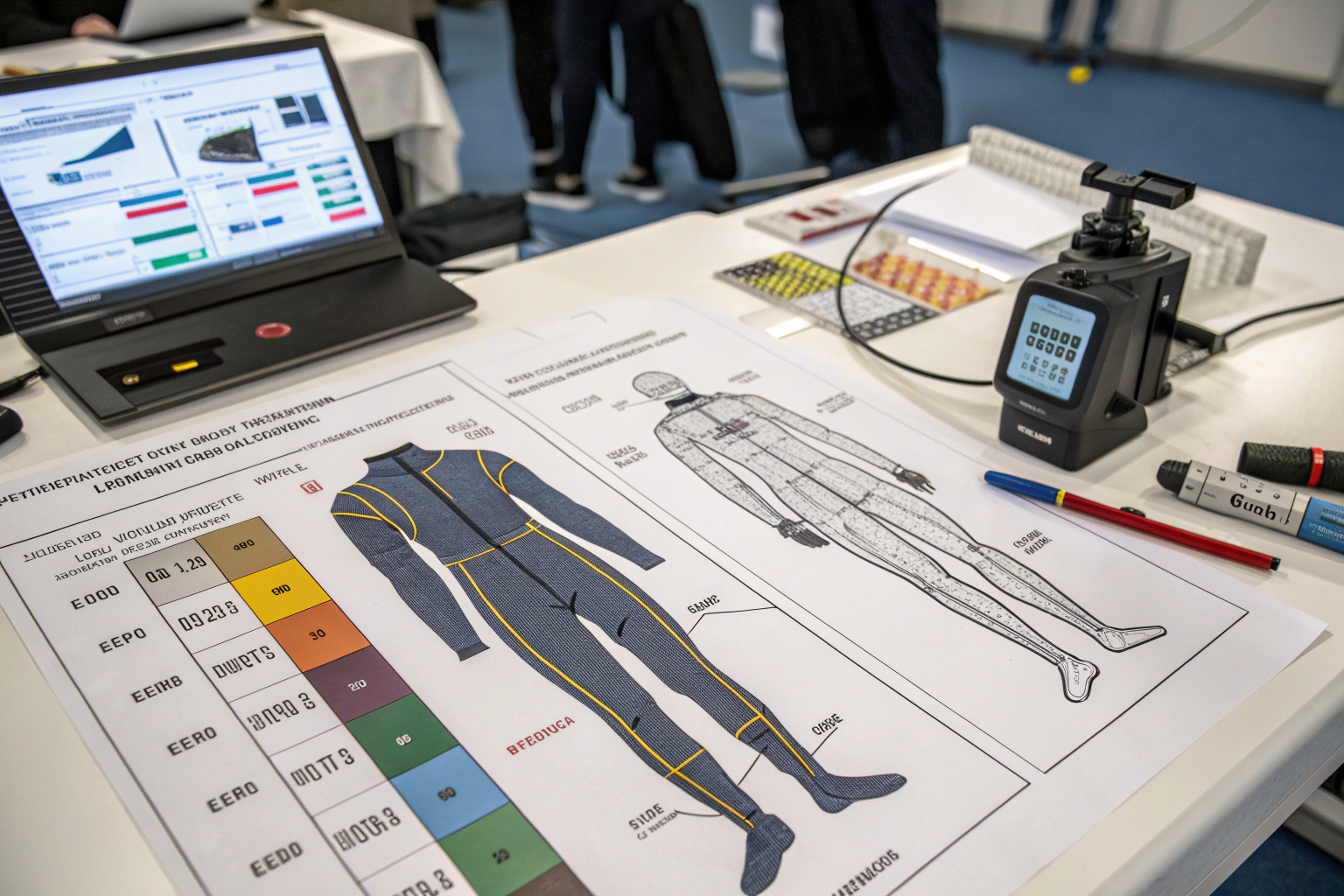
The science of air permeability specification has evolved from simple single-value targets to sophisticated performance matrices that account for dynamic body mapping, variable intensity activities, and real-world usage patterns. Modern approaches recognize that the same garment needs different permeability zones to optimize performance across changing conditions and activity levels.
What measurement standards and units apply to air permeability?
Air permeability measurement employs standardized test methods that quantify the volume of air passing through a defined fabric area under specific pressure conditions. The most common standards include ISO 9237 (international), ASTM D737 (North America), and JIS L 1096 (Japan). While these standards share similar principles, their testing parameters and reporting units differ, requiring careful conversion and interpretation when comparing values across different testing protocols.
The measurement units vary by region and standard, with cubic feet per minute per square foot (cfm or ft³/min/ft²) dominating North American specifications, while liters per second per square meter (l/s/m²) and millimeters per second (mm/s) are more common internationally. Understanding these unit conversions is essential for global sourcing and specification. For example, 10 cfm equals approximately 50.8 l/s/m² or 5,080 mm/s, demonstrating why unit confusion can lead to catastrophic specification errors.
How do testing pressure differences impact results?
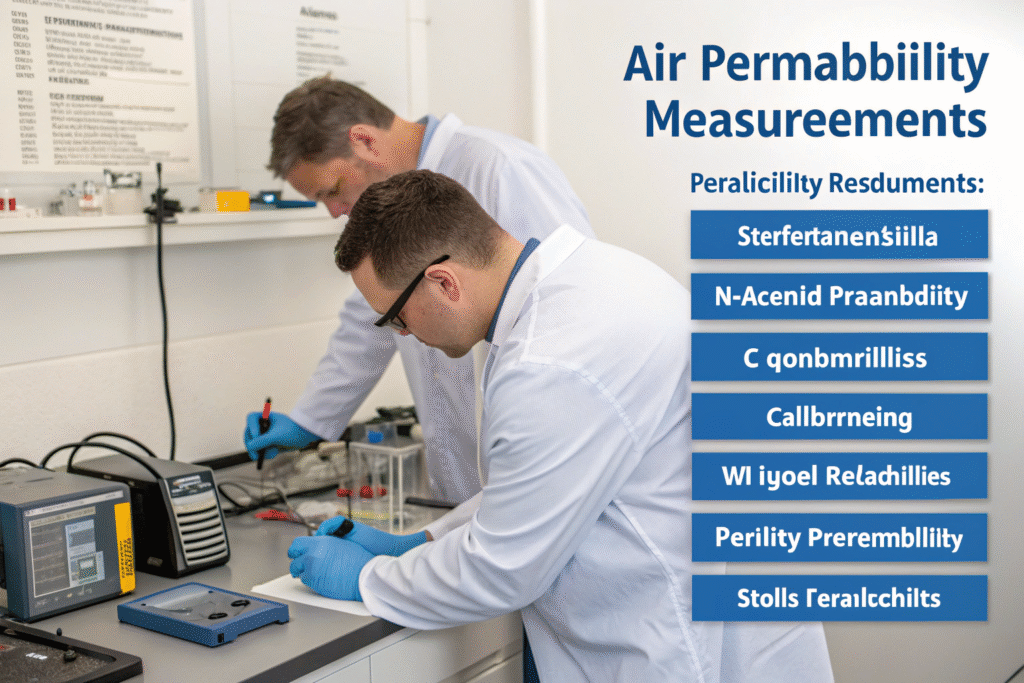
Testing pressure significantly impacts air permeability measurements, with higher pressures yielding proportionally higher values due to the nonlinear relationship between pressure and airflow through porous materials. ISO 9237 uses 100 Pa pressure difference, ASTM D737 employs 125 Pa, while some specialized standards use 200 Pa for high-density fabrics. This variation means the same fabric tested to different standards will report different values, requiring conversion for accurate comparison.
The pressure selection should reflect the intended use conditions. For activewear experiencing significant wind pressure during movement (like cycling or running), higher test pressures (150-200 Pa) may provide more relevant data. For stationary or low-intensity activities, standard 100-125 Pa testing better represents real-world conditions. Our research shows that testing at multiple pressures (50, 100, and 200 Pa) provides the most comprehensive understanding of fabric behavior across usage scenarios.
Pressure testing considerations:
- Standard Pressures: 100 Pa (ISO), 125 Pa (ASTM), 200 Pa (specialized)
- Wind-equivalent Pressures: 100 Pa ≈ 28 mph wind, 200 Pa ≈ 40 mph wind
- Activity-specific Testing: Matching pressure to expected use conditions
- Multi-pressure Profiling: Understanding fabric behavior across pressure ranges
- Conversion Factors: Mathematical relationships between different pressure results
- Anisotropic Effects: Different permeability in warp vs weft directions
What are the limitations of laboratory testing?
Laboratory air permeability testing has significant limitations in predicting real-world performance because it measures static conditions rather than dynamic wear scenarios. The tests don’t account for garment design factors like fit, seam placement, ventilation zones, or the bellows effect created by body movement. Additionally, laboratory conditions can’t replicate the complex interactions between moisture, body heat, and airflow that occur during actual wear.
The most significant limitation involves moisture impact—most standards test dry fabric, but activewear quickly becomes damp with perspiration, dramatically altering air permeability. Hydrophobic fabrics may see permeability reductions of 15-30% when wet, while hydrophilic fabrics can experience 40-60% reductions due to fiber swelling and water blocking air passages. These dynamic changes aren’t captured in standard testing protocols.
Laboratory testing limitations:
- Static vs Dynamic Conditions: No movement simulation
- Dry State Focus: Excludes moisture impact on performance
- Flat Fabric Measurement: Doesn’t account for 3D garment effects
- Temperature Neutrality: Excludes body heat convection effects
- Single Point Measurement: Doesn’t capture zonal variations
- Simplified Airflow: Laminar vs turbulent flow differences
How does activity type determine permeability requirements?
Activity type dramatically influences air permeability requirements through variations in metabolic heat production, movement patterns, and environmental exposure. High-intensity activities like running and cycling generate substantial metabolic heat (800-1,200 watts) requiring high permeability (20-40 cfm) for effective cooling, while lower-intensity activities like yoga or hiking produce less heat (200-400 watts) and perform better with moderate permeability (5-15 cfm).
The movement characteristics of each activity also significantly impact airflow. Activities with repetitive arm movements (rock climbing, cross-country skiing) create pumping actions that enhance natural ventilation, allowing lower fabric permeability. Conversely, activities with limited upper body movement (cycling, hiking with poles) rely more on fabric breathability, requiring higher permeability specifications.
What permeability ranges suit different intensity levels?
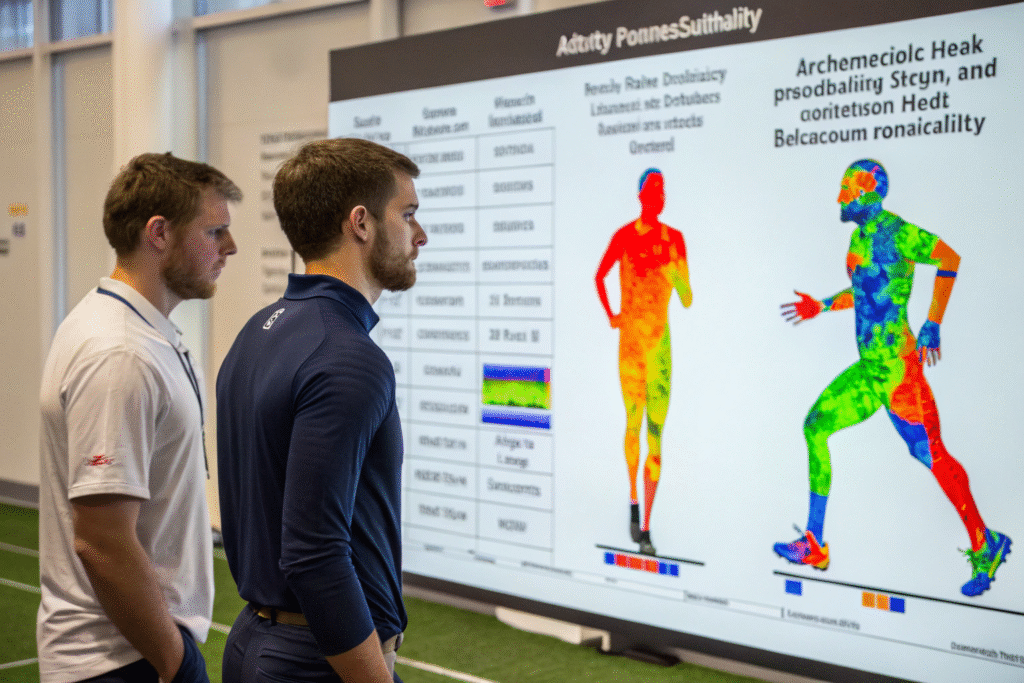
Metabolic intensity directly determines optimal permeability ranges through its relationship with heat production and perspiration rates. Low-intensity activities (yoga, walking, casual wear) typically require 3-10 cfm, providing sufficient ventilation without excessive heat loss. Medium-intensity activities (hiking, training, tennis) perform best at 10-25 cfm, balancing moisture management and thermal regulation. High-intensity activities (running, cycling, soccer) need 25-50+ cfm to handle substantial heat and moisture output.
These ranges assume standard fabric weights (120-180 g/m²) and moderate environmental conditions (15-25°C, 40-70% humidity). Extreme conditions or specialized applications may require adjustments—hot humid conditions might increase requirements by 20-30%, while cool windy conditions might decrease them by 30-50% to preserve warmth.
Intensity-based specifications:
- Low Intensity (3-4 METs): 3-10 cfm for activities like yoga, walking, golf
- Medium Intensity (5-6 METs): 10-25 cfm for hiking, training, tennis
- High Intensity (7-8 METs): 25-40 cfm for running, cycling, soccer
- Very High Intensity (9+ METs): 40-60+ cfm for racing, interval training
- Variable Intensity: 15-35 cfm for activities with intensity fluctuations
- Recovery Wear: 5-15 cfm for maintaining optimal body temperature post-activity
How do sport-specific movements influence zoning?
Sport-specific movement patterns create natural ventilation effects that should inform permeability zoning within garments. Cycling jerseys benefit from higher permeability across the back and underarms (25-40 cfm) where heat accumulates, with lower permeability on the front (15-25 cfm) for wind protection. Running apparel typically uses uniform high permeability (30-50 cfm) throughout since all areas experience similar ventilation.
Activities involving arm elevation (climbing, swimming, weightlifting) require special attention to underarm zones, which experience compression that reduces effective permeability. These zones often benefit from 20-30% higher specified permeability or strategic mesh inserts to compensate for the movement-induced restriction. Our movement analysis has identified 12 common activity patterns that should inform permeability zoning decisions.
Sport-specific zoning strategies:
- Cycling: Back-high (30-40 cfm), front-medium (20-25 cfm), sleeve-low (15-20 cfm)
- Running: Uniform high permeability (30-50 cfm) throughout
- Hiking: Torso-medium (15-25 cfm), underarm-high (25-35 cfm), shoulder-low (10-20 cfm)
- Yoga: Uniform medium permeability (8-15 cfm) with stretch compatibility
- Team Sports: Variable zoning based on position and movement patterns
- Winter Sports: Strategic low-permeability wind panels with ventilated zones
What fabric construction factors impact permeability?
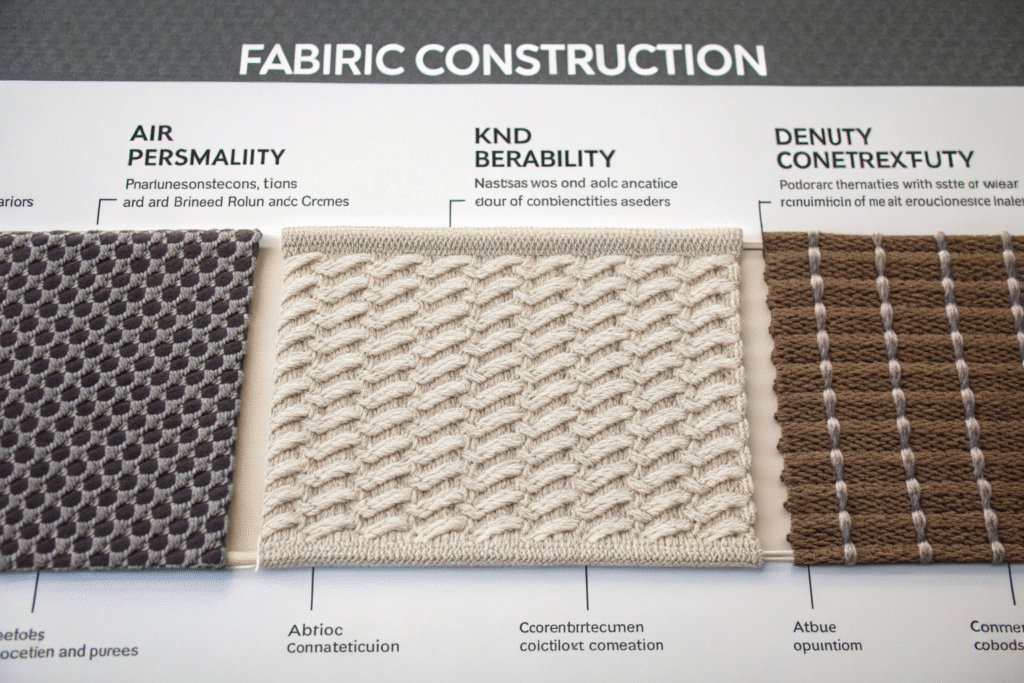
Fabric construction fundamentally determines air permeability through yarn spacing, structure density, and finishing treatments. Woven fabrics typically offer lower permeability (1-20 cfm) due to their tight interlacment patterns, while knitted fabrics provide higher permeability (10-60+ cfm) because of their looped structure that creates more open spaces. Within each category, specific constructions offer distinct permeability characteristics that can be engineered for particular applications.
The relationship between yarn size, stitch/weave density, and permeability follows predictable patterns that enable precise engineering. Increasing yarn size while maintaining stitch density reduces permeability, while increasing stitch density with constant yarn size also reduces permeability. This inverse relationship allows manufacturers to adjust multiple variables to achieve target permeability while maintaining other performance characteristics.
How do knit structures compare for activewear?
Knit structures dominate performance activewear due to their superior stretch, comfort, and permeability characteristics. Single jersey constructions offer moderate permeability (15-30 cfm) with good stretch recovery, making them suitable for base layers and training wear. Rib knits provide higher permeability (25-45 cfm) with excellent cross-stretch, ideal for cuffs and bands. Mesh knits deliver maximum permeability (40-80+ cfm) for strategic ventilation zones.
Interlock and double knit constructions offer lower permeability (8-20 cfm) with enhanced stability, suitable for areas requiring moderate breathability with structural integrity. The specific permeability within each structure category varies significantly based on yarn size, stitch density, and finishing processes, allowing precise tuning for application requirements.
Knit structure permeability ranges:
- Single Jersey: 15-30 cfm (balance of comfort and performance)
- Rib Knits: 25-45 cfm (high ventilation with good recovery)
- Mesh Constructions: 40-80+ cfm (maximum airflow for critical zones)
- Interlock: 8-20 cfm (stable medium breathability)
- Double Knit: 10-25 cfm (structural with moderate breathability)
- Jacquard Variations: 15-40 cfm (zoned permeability within single fabric)
How do finishing treatments alter permeability?
Finishing treatments can dramatically alter fabric permeability, either increasing it through mechanical processes or decreasing it through chemical applications. Brushing and napping processes increase permeability by 20-40% by raising the fiber surface and creating loft. Calendering and compacting decrease permeability by 30-60% through compression and surface smoothing. These mechanical finishes provide permanent permeability modification without chemical additives.
Chemical finishes including water repellents, softeners, and coatings typically reduce permeability by 10-50% depending on application weight and coverage. Durable water repellent (DWR) treatments generally cause minimal reduction (5-15%), while full surface coatings can reduce permeability by 30-50% or more. Understanding these impacts is crucial for specifying the appropriate base fabric permeability to achieve the target finished performance.
Finishing treatment impacts:
- Mechanical Raising: 20-40% permeability increase
- Calendering: 30-60% permeability decrease
- Compacting: 20-50% permeability decrease
- DWR Treatment: 5-15% permeability decrease
- Softener Application: 10-25% permeability decrease
- Anti-pill Treatment: 15-30% permeability decrease
How does permeability interact with other performance properties?
Air permeability doesn’t exist in isolation—it interacts significantly with other critical performance properties including moisture management, thermal regulation, and wind resistance. Understanding these interactions enables smarter specification decisions that optimize overall garment performance rather than maximizing single attributes. The most successful activewear fabrics balance multiple properties to create superior user experiences across variable conditions.
The permeability-moisture management relationship is particularly important, as airflow significantly accelerates evaporation, the primary cooling mechanism during activity. However, excessive permeability can create convective heat loss that’s undesirable in cool conditions or during recovery periods. The optimal balance depends on the specific activity, intensity, and environmental conditions the garment will encounter.
What is the relationship with moisture vapor transmission?
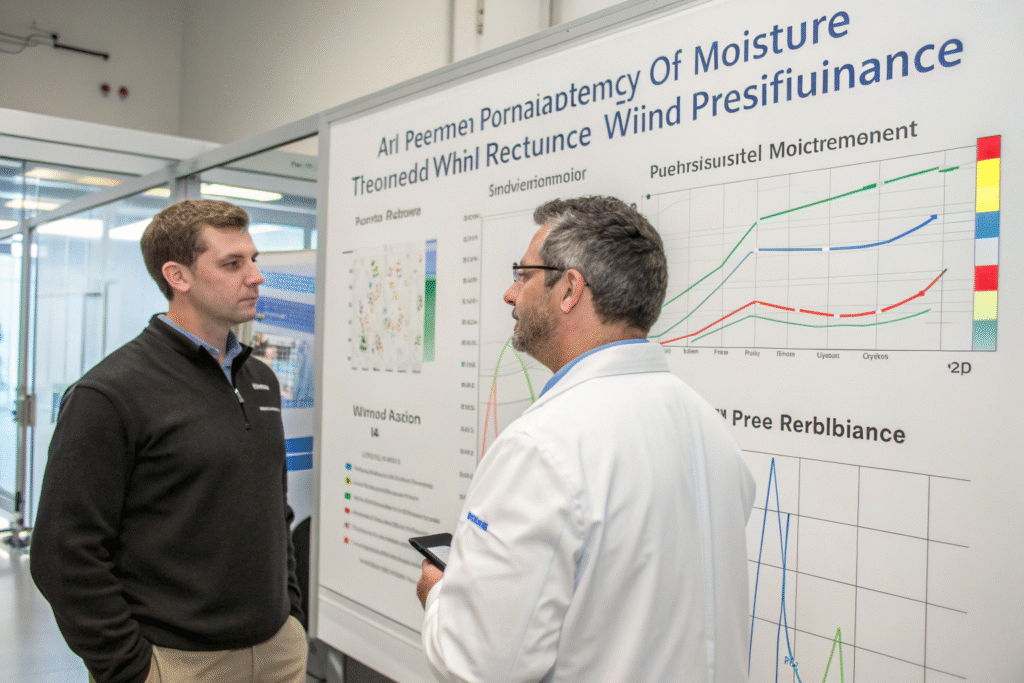
Air permeability and moisture vapor transmission rate (MVTR) represent distinct but complementary breathability mechanisms. MVTR measures water vapor diffusion through fabric, while permeability measures air passage. High MVTR (8,000-15,000 g/m²/24h) handles moisture vapor from perspiration, while high permeability (20-40 cfm) facilitates convective cooling and liquid moisture evaporation.
The most effective activewear combines high MVTR with moderate to high permeability, creating a dual-action breathability system that manages both vapor and convective heat transfer. However, these properties often trade off against each other—tight constructions that maximize MVTR typically reduce permeability, while open constructions that maximize permeability may reduce MVTR efficiency. Finding the optimal balance requires understanding the primary heat dissipation mechanism for the intended activity.
MVTR-Permeability balancing:
- Vapor-dominated Activities: Higher MVTR (10,000+), moderate permeability (15-25 cfm)
- Convection-dominated Activities: Moderate MVTR (6,000-9,000), high permeability (25-40 cfm)
- Balanced Performance: MVTR 8,000-12,000 with permeability 20-30 cfm
- Extreme Conditions: Specialized focus on one mechanism based on primary need
- Variable Intensity: Balanced approach accommodating different activity levels
- Layering Systems: Complementary specifications across layers
How does permeability affect thermal regulation?
Air permeability directly impacts thermal regulation through convective heat loss, which can represent 20-60% of total body cooling during activity. The relationship follows a logarithmic curve—initial permeability increases provide significant cooling benefits, while further increases yield diminishing returns. The optimal permeability range for thermal comfort typically falls between 15-35 cfm for most activewear applications, providing sufficient cooling without excessive heat loss.
The thermal impact varies with environmental conditions and activity intensity. In hot conditions (>25°C), higher permeability (25-50 cfm) enhances cooling, while in cool conditions (10-15°C), moderate permeability (10-20 cfm) maintains comfort by preserving some body heat. This variability explains why successful activewear collections offer different permeability specifications for different temperature ranges and activity types.
Thermal regulation considerations:
- Cool Conditions (10-15°C): 10-20 cfm preserves warmth while allowing moisture escape
- Moderate Conditions (15-25°C): 15-30 cfm balances heat retention and cooling
- Warm Conditions (25-30°C): 25-40 cfm maximizes cooling capacity
- Hot Conditions (>30°C): 35-50+ cfm for maximum heat dissipation
- Variable Conditions: 20-35 cfm accommodating changing environments
- Intensity Compensation: Adjusting ranges based on metabolic heat production
Conclusion
Specifying air permeability for breathable activewear requires a sophisticated approach that considers activity type, environmental conditions, garment design, and performance trade-offs. The most effective specifications move beyond single-number targets to develop permeability profiles that optimize comfort and performance across the garment’s intended use scenarios. This nuanced approach ensures activewear performs as expected in real-world conditions rather than just laboratory environments.
The specification process should begin with understanding the primary use case, then selecting appropriate permeability ranges, zoning strategies, and construction options that deliver the required performance. Validation through both laboratory testing and real-world wear trials provides confidence that the specification will meet user expectations across variable conditions and activity intensities.
If you’re developing activewear and need technical guidance on air permeability specification, our performance textiles team can provide data-driven recommendations based on your specific requirements. We maintain comprehensive testing data across multiple fabric categories and can help optimize permeability for your target applications. Contact our Business Director, Elaine, at elaine@fumaoclothing.com to discuss your air permeability needs.