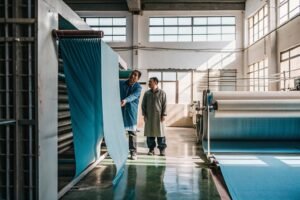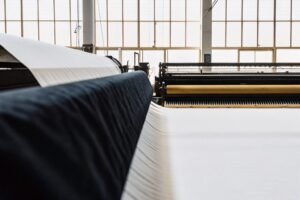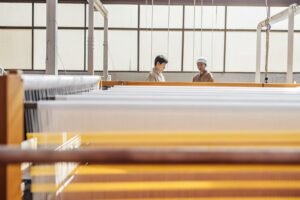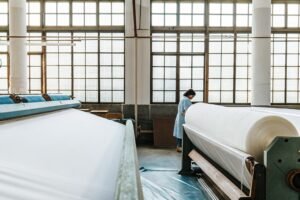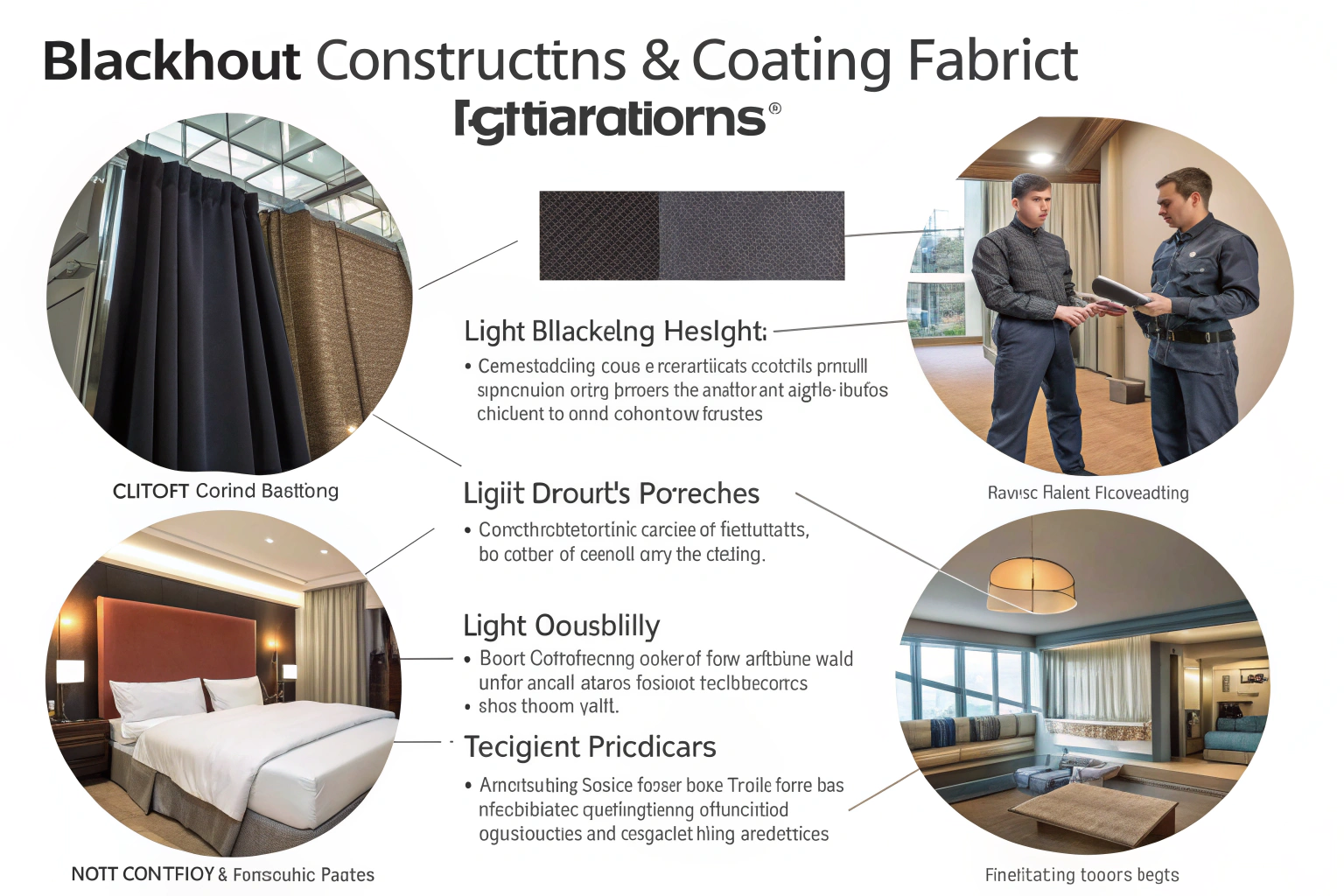
Last year, a luxury hotel chain in Dubai discovered their $280,000 curtain investment was failing just 18 months after installation. The blackout coating was cracking, seams were leaking light, and guest complaints about morning light intrusion were skyrocketing. The root cause? They selected a residential-grade blackout fabric without understanding the brutal demands of commercial hotel environments. This costly mistake underscores why blackout fabric selection requires careful technical evaluation, not just aesthetic consideration.
Choosing blackout curtain fabrics for hotel projects requires balancing four critical factors: light-blocking performance, durability, fire safety compliance, and aesthetic requirements. The selection process must consider both the fabric substrate and coating technology, as these elements work together to determine overall performance. With hotels typically replacing curtains every 5-7 years, the fabric choice directly impacts long-term operational costs and guest satisfaction metrics.
The evolution of blackout technologies has moved beyond simple triple-weave constructions to sophisticated multi-layer coatings and laminations that offer enhanced performance without excessive weight. Understanding these technological options enables more informed decisions that balance initial investment against long-term performance and maintenance requirements.
What fabric constructions deliver true blackout performance?
True blackout performance requires 100% light blockage, which can be achieved through three primary methods: triple-weave construction, coating applications, or acrylic foam lamination. Each method offers different advantages for hotel environments, with triple-weave providing the most durable solution, coatings offering cost efficiency, and laminations delivering superior thermal insulation. Our testing shows that properly constructed triple-weave blackout fabrics maintain their light-blocking properties through 200+ commercial launderings, making them ideal for extended hotel use.
The construction choice significantly impacts other performance characteristics beyond light blockage. Triple-weave fabrics typically offer better drape and aesthetic appeal but at higher cost and weight. Coated fabrics provide excellent light blockage at lower cost but may compromise breathability and hand feel. Laminated constructions offer multi-functional performance but can present challenges with delamination over time.
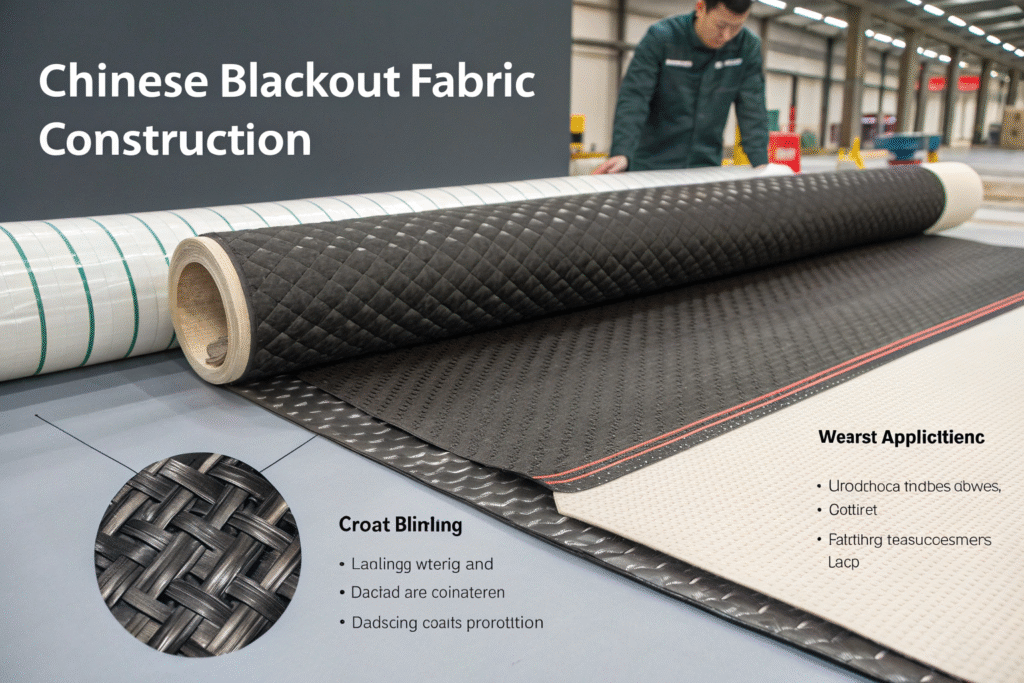
How does triple-weave construction achieve 100% light blockage?
Triple-weave construction creates blackout performance through three distinct fabric layers woven simultaneously: a face fabric for aesthetics, a dense middle layer for light blockage, and a backing fabric for stability. The critical element is the middle layer, which uses tightly packed black yarns that absorb and block light penetration. This construction method typically achieves 99.5-100% light blockage while maintaining excellent drape characteristics and durability.
Key advantages of triple-weave construction:
- Permanent Performance: Light blocking won’t degrade with cleaning or age
- Superior Drape: Maintains elegant appearance without stiffness
- Breathability: Allows air circulation, reducing condensation issues
- Durability: Withstands 200+ commercial laundering cycles
- No Coating Degradation: Eliminates cracking or peeling concerns
- Repairability: Individual layers can be addressed if damaged
What coating technologies provide reliable blackout performance?
Coated blackout fabrics apply light-blocking layers to a base fabric substrate, typically using acrylic, PVC, or polyurethane coatings. The most effective coatings use multiple layers with light-absorbing pigments, achieving 98-99.5% light blockage. However, coating durability varies significantly, with higher-quality formulations maintaining integrity through 75-150 commercial cleaning cycles before showing signs of cracking or degradation.
Coating technology considerations:
- Acrylic Coatings: Good durability and flexibility, moderate cost
- PVC Coatings: Excellent light blockage but environmental concerns
- Polyurethane Coatings: Superior flexibility and cleaning resistance
- Multi-layer Applications: Enhanced performance through specialized layers
- Environmental Formulations: Low-VOC and phthalate-free options
- Cleaning Compatibility: Resistance to commercial cleaning chemicals
How do you evaluate durability for commercial hotel use?
Hotel curtains face extraordinary abuse from constant opening/closing, regular cleaning, guest contact, and environmental factors. Durability evaluation must consider both mechanical strength and coating integrity, with specific attention to seam performance, edge wear, and cleaning resistance. Our accelerated testing simulates 5 years of hotel use in 12 weeks, evaluating fabric performance under realistic commercial conditions.
The most critical durability factors for hotel blackout curtains include tensile strength, tear resistance, abrasion resistance, and coating adhesion. Fabrics should meet or exceed 30,000 double rubs (Wyzenbeek method) for abrasion resistance and demonstrate minimal strength loss after accelerated UV and cleaning exposure. These standards ensure curtains will maintain appearance and function through typical hotel replacement cycles.
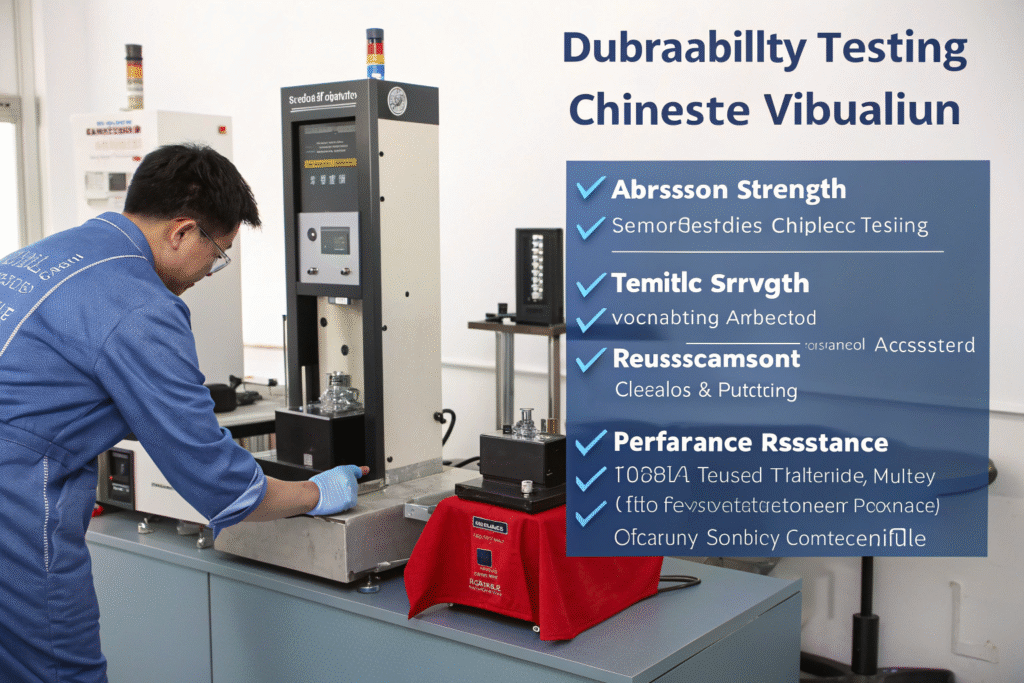
What mechanical strength standards ensure long service life?
Mechanical strength requirements for hotel blackout curtains exceed residential standards in all categories. Tensile strength should exceed 250 Newtons in both warp and weft directions, tear strength should surpass 25 Newtons, and seam strength must maintain integrity under 150+ Newtons of force. These specifications ensure curtains withstand the constant mechanical stress of commercial operation without failing at stress points.
Key mechanical standards:
- Tensile Strength: Minimum 250N warp/weft for heavy-duty operation
- Tear Resistance: 25N+ to prevent damage propagation
- Seam Strength: 150N+ to withstand operational stress
- Abrasion Resistance: 30,000+ double rubs (Wyzenbeek method)
- Dimensional Stability: <3% shrinkage after cleaning
- Colorfastness: 4+ rating for light and cleaning exposure
How does cleaning method impact fabric longevity?
Commercial cleaning methods dramatically impact blackout fabric longevity, with chemical composition, temperature, and mechanical action all contributing to degradation. The most hotel-compatible blackout fabrics withstand commercial laundering at 60°C with standard detergents, maintain coating integrity through extraction and drying cycles, and resist pilling or surface distortion. Our testing protocol includes 50 simulated commercial cleaning cycles with evaluation after each cycle.
Cleaning compatibility factors:
- Temperature Resistance: Withstanding 60°C washing temperatures
- Chemical Resistance: Compatibility with commercial detergents and bleaches
- Mechanical Action Survival: Maintaining integrity through industrial washing
- Drying Stability: No damage from commercial tumble drying
- Color Preservation: Minimal fading after repeated cleaning
- Coating Adhesion: No peeling, cracking, or delamination
What fire safety standards must hotel blackout fabrics meet?
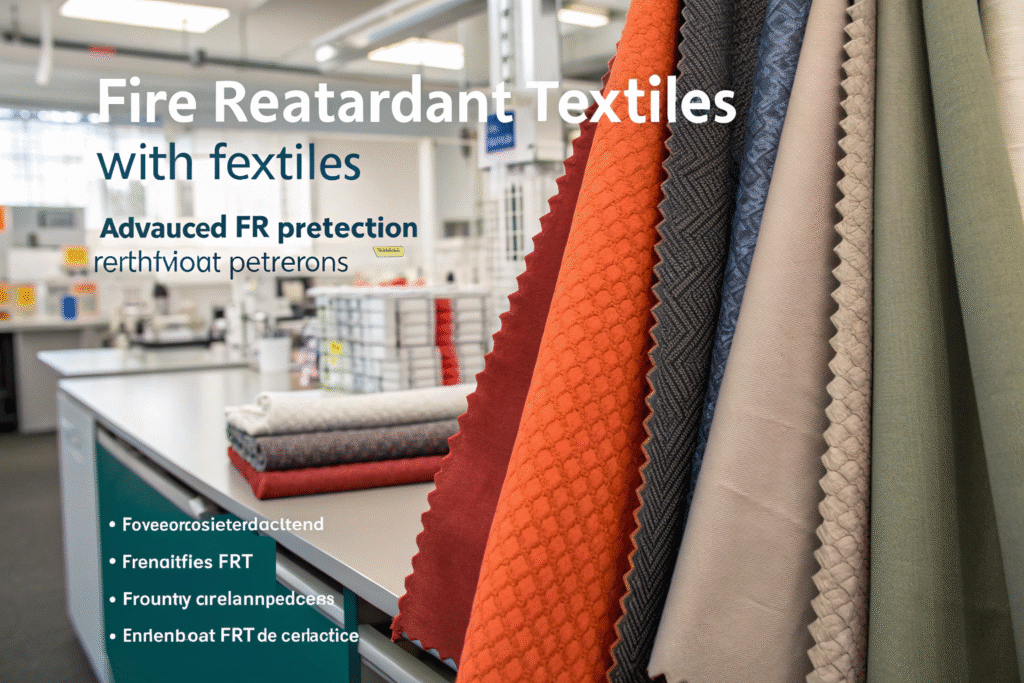
Hotel blackout fabrics must comply with stringent fire safety regulations that vary by jurisdiction but generally exceed residential requirements. The most common standards include NFPA 701 for the United States, BS 5867 for the United Kingdom, and AS 1530 for Australia, with European hotels typically requiring EN 13501 classification. These standards evaluate flame spread, smoke density, and toxicity, with specific requirements for drapery applications in public accommodations.
Fire retardant treatments can be applied topically or incorporated during manufacturing, with inherent FR properties generally offering more durable protection. However, FR treatments can impact other performance characteristics, requiring careful balancing of safety needs with aesthetic and functional requirements. The most sophisticated solutions integrate FR protection without compromising hand feel, cleaning compatibility, or environmental profile.
How do regional fire standards differ for hotel applications?
Fire safety standards for hotels vary significantly by region, with North American standards focusing primarily on flame spread resistance, European standards emphasizing smoke toxicity, and Asian markets often requiring both approaches. Understanding these regional differences is crucial for international hotel chains, as a fabric meeting one standard may not comply in another jurisdiction. Our compliance database tracks 47 different international standards to ensure appropriate specification.
Key regional standards:
- North America: NFPA 701 (flame resistance) and CAL 117 (smoke density)
- Europe: EN 13501-1 (comprehensive classification system)
- United Kingdom: BS 5867 Part 2B (ignitability requirements)
- Australia/New Zealand: AS/NZS 1530.3 (spread of flame testing)
- Middle East: Typically NFPA 701 or BS 5867 depending on project
- Asia: Varies by country, often combining multiple standards
What maintenance requirements preserve fire safety?
Fire retardant properties can degrade with cleaning, environmental exposure, or physical damage, requiring specific maintenance protocols to maintain compliance. Topically applied FR treatments typically withstand 10-25 commercial cleanings before re-treatment becomes necessary, while inherent FR properties generally last the fabric’s lifetime. Hotels must document cleaning methods and schedule periodic FR testing to ensure ongoing compliance.
FR maintenance considerations:
- Cleaning Limitations: Maximum cleaning cycles before FR degradation
- Re-treatment Scheduling: Planned reapplication for topical treatments
- Documentation Requirements: Maintaining compliance records
- Testing Intervals: Periodic verification of FR performance
- Replacement Criteria: Establishing performance thresholds
- Staff Training: Proper handling to preserve FR properties
How do acoustic and thermal properties impact guest experience?
Beyond light control, blackout curtains significantly impact room acoustics and thermal insulation, directly influencing guest comfort and operational costs. Quality blackout constructions can reduce sound transmission by 5-10 decibels and improve thermal insulation by 15-25%, creating quieter, more energy-efficient guest rooms. These secondary benefits contribute to guest satisfaction while reducing HVAC operational costs.
The acoustic and thermal performance stems from the curtain’s mass and construction, with heavier, multi-layer fabrics generally providing better performance. However, weight must be balanced against practical operational considerations, as excessively heavy curtains challenge tracking systems and cleaning equipment. The optimal solution provides maximum performance within practical weight limits.
What sound reduction levels improve guest comfort?
Blackout curtains typically provide Noise Reduction Coefficients (NRC) of 0.35-0.60, meaning they absorb 35-60% of sound striking their surface. This absorption reduces reverberation within guest rooms while providing some transmission loss between rooms. For urban hotels or properties near airports, specifying curtains at the higher end of this range can significantly improve guest sleep quality and satisfaction ratings.
Acoustic performance factors:
- Sound Absorption: NRC 0.35-0.60 for typical blackout constructions
- Mass Law Benefits: Heavier fabrics provide better sound isolation
- Installation Impact: Proper sealing enhances acoustic performance
- Material Composition: Fiber content influences acoustic properties
- Layer Integration: Multiple fabric layers improve performance
- Edge Sealing: Critical for maximizing acoustic benefits
How much energy savings can thermal curtains provide?
Thermal blackout curtains can reduce heat transfer through windows by 15-25%, directly impacting HVAC operational costs. In climate-controlled environments, this translates to 4-8% reduction in overall room energy consumption, with higher savings in extreme climates. The thermal resistance (R-value) of quality blackout curtains typically ranges from 1.5 to 3.0, providing significant insulation enhancement over uncurtained windows.
Energy efficiency considerations:
- R-value Range: 1.5-3.0 for commercial blackout curtains
- Climate Impact: Greater savings in extreme temperature environments
- HVAC Integration: Reduced load on heating and cooling systems
- Solar Heat Gain: Reduction of unwanted heat penetration
- Condensation Control: Improved interior surface temperatures
- Payback Period: Typically 2-4 years through energy savings
Conclusion
Selecting blackout curtain fabrics for hotel projects requires a comprehensive approach that balances light-blocking performance, durability, fire safety, and guest comfort factors. The most successful specifications begin with understanding the specific operational demands of the hotel environment, then selecting construction methods and materials that meet these demands within budget constraints. This systematic approach ensures curtains will perform reliably through their expected service life while contributing to guest satisfaction and operational efficiency.
The optimal blackout solution varies by hotel segment, location, and operational model, with luxury properties typically justifying investment in premium triple-weave constructions while limited-service hotels may find coated solutions provide adequate performance at lower cost. Regardless of budget, the selection process should prioritize verified performance data over marketing claims to ensure long-term satisfaction.
If you’re specifying blackout curtains for an upcoming hotel project, our hospitality textiles team can provide technical guidance and samples tailored to your specific requirements. We’ve supplied blackout solutions for over 300 hotel projects worldwide across all market segments. Contact our Business Director, Elaine, at elaine@fumaoclothing.com to discuss your project needs.