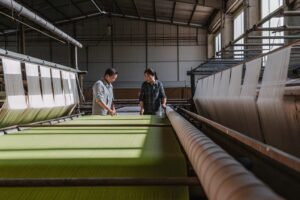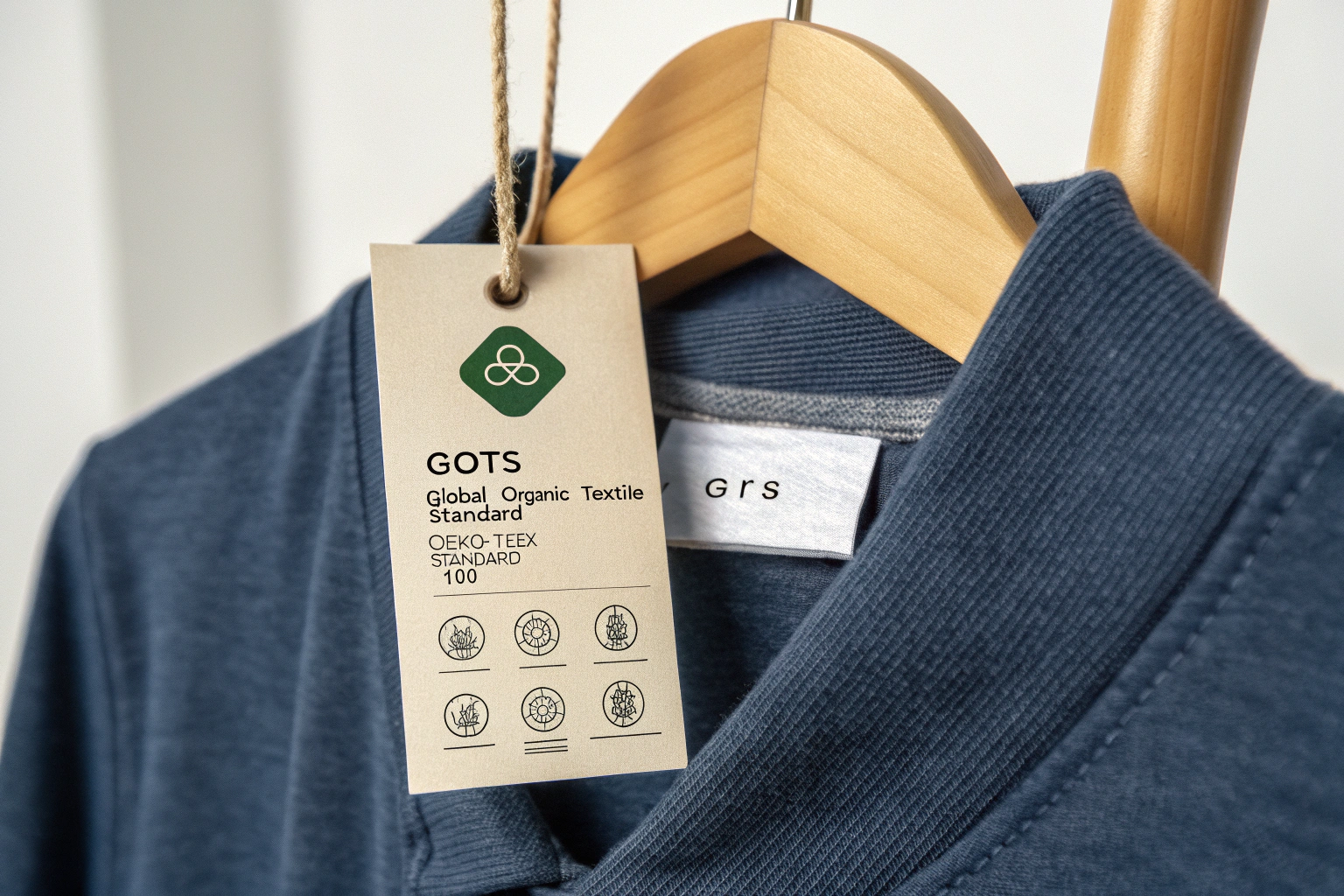
Just last month, I had a video call with a prominent Los Angeles-based apparel brand that perfectly illustrates today’s reality. They loved our bamboo silk fabric but their first question wasn’t about price or delivery—it was "Can you provide GOTS and Oeko-Tex certificates?" When I confirmed we had both, the buyer immediately said, "Great, that checks the boxes for our sustainability mandate. Let’s move to sampling." This shift is happening across the US market. Buyers aren’t just casually interested in certifications anymore; they’re making them non-negotiable gatekeepers for doing business.
Based on our daily interactions with American brands—from emerging DTC startups to Fortune 500 companies—the most requested certifications in 2025 are GOTS (Global Organic Textile Standard) for organic fibers, Oeko-Tex Standard 100 for chemical safety, and GRS (Global Recycled Standard) for recycled content. But here’s the crucial insight: it’s no longer about single certificates. Buyers are now asking for combinations that cover the entire product lifecycle—from raw material sourcing (GOTS) to manufacturing ethics (GRS) and consumer safety (Oeko-Tex). They’re building what I call "certification stacks" to tell complete sustainability stories to their customers.
The landscape has evolved dramatically from just two years ago. Where buyers once accepted simple supplier declarations, they now demand third-party verified certifications with transparent chain of custody. The driving forces? New state-level regulations like New York’s Fashion Act, consumer demand for transparency, and investor pressure for ESG compliance. Let me break down exactly which certificates matter most right now and why certain ones have surged in importance while others have faded.
Why has GOTS become the non-negotiable standard for organic claims?
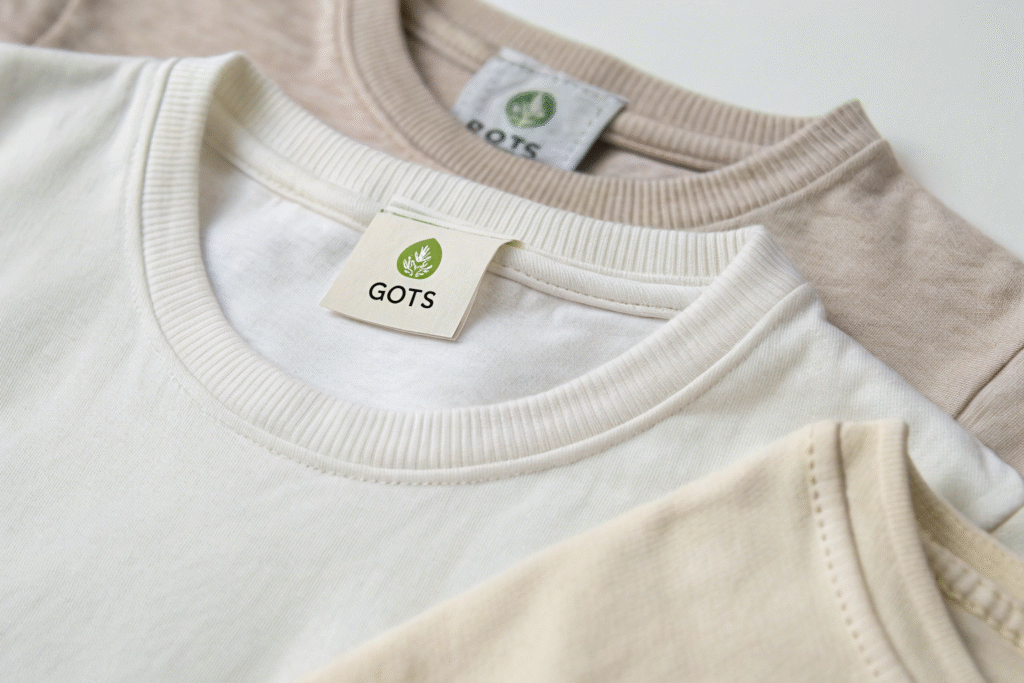
If I had to identify one certification that has truly become ubiquitous in our conversations with US buyers, it’s GOTS. Last quarter alone, we received 47 specific requests for GOTS-certified organic cotton from American clients—that’s nearly 80% of our US organic inquiries. The reason is simple: GOTS provides what others don’t—a complete ecosystem of verification from field to finished product.
GOTS certification covers the entire production chain, including environmental criteria, social compliance, and chemical restrictions. It’s not just about the organic farming of cotton; it’s about ensuring that every processing step—from ginning and spinning to knitting and dyeing—meets rigorous standards. This comprehensive approach gives brands confidence that their "organic" claim is substantiated from seed to shelf. The standard specifically prohibits toxic chemicals like formaldehyde, aromatic solvents, and heavy metals, which aligns perfectly with the growing "clean beauty" movement extending to textiles.
What many don’t realize is that GOTS has two label grades: "organic" (≥95% organic fibers) and "made with organic materials" (≥70% organic fibers). This flexibility allows brands to transition into sustainable materials without going all-in immediately. We’re seeing particular demand for GOTS-certified blends that incorporate recycled polyester, creating what buyers are calling "double sustainability credentials."
How does GOTS verification protect brands from greenwashing allegations?
In an era where class-action lawsuits against false sustainability claims are rising, GOTS provides legal protection through its third-party verification system. Every entity in the supply chain—from farmer to fabric mill to final manufacturer—must be individually certified. This creates an auditable paper trail that protects brands if their claims are challenged. We recently helped a Texas-based activewear brand navigate an FTC inquiry by providing complete GOTS documentation for their supply chain, effectively ending the investigation within weeks.
Why are US buyers prioritizing GOTS over other organic standards?
While OCS (Organic Content Standard) is still used, GOTS has become the premium choice because it includes social criteria—fair wages, safe working conditions, and no child labor—alongside environmental requirements. This addresses the growing consumer concern about ethical manufacturing. Additionally, major retailers like Target and Walmart have specifically referenced GOTS in their sustainability guidelines, creating a ripple effect through their supply chains. Understanding the specific documentation requirements for GOTS certification audits is essential for smooth implementation.
What makes Oeko-Tex Standard 100 the baseline for product safety?
While GOTS covers the production process, Oeko-Tex Standard 100 focuses exclusively on product safety from a consumer perspective. I describe it to our clients as "the ingredient label for textiles." In 2025, we’re seeing near-universal demand for Oeko-Tex certification from US buyers across all price points—from mass market to luxury.
The standard tests for over 100 harmful substances, including pesticides, heavy metals, and allergenic dyes. Products are classified into four categories based on human ecological requirements, with Product Class I (articles for babies and young children) having the strictest limits. What’s changed recently is that buyers are now specifically requesting certification for Product Class I even for adult apparel, demonstrating how safety standards are rising across the board.
The testing is conducted on the final product, which means every component—from main fabric to sewing threads and labels—must comply. This comprehensive approach catches contamination that might occur during manufacturing. We identified a formaldehyde issue in our labeling supplier through Oeko-Tex testing last year, preventing what could have been a costly recall for three of our American clients.

How does Oeko-Tex certification simplify compliance with US regulations?
While the US doesn’t have federal textile safety regulations equivalent to Oeko-Tex, the certification provides assurance that products comply with various international regulations, including REACH in Europe. This is particularly valuable for e-commerce brands selling globally. Additionally, several US states have implemented their own chemical regulations—California’s Proposition 65 being the most prominent—and Oeko-Tex testing includes many of these regulated substances. For brands navigating the complex landscape of international chemical compliance standards, Oeko-Tex serves as a comprehensive solution.
Why are Made in Green and STeP certifications gaining traction?
Beyond the basic Standard 100, we’re seeing increased interest in Oeko-Tex’s more comprehensive certifications. Made in Green adds traceability and sustainable production conditions to product safety, while STeP (Sustainable Textile Production) certifies manufacturing facilities. A Seattle-based outdoor brand we work with now requires both GOTS and Oeko-Tex STeP certifications for their fabric mills, representing the new gold standard in sustainable sourcing.
How has the recycled standard landscape evolved for 2025?
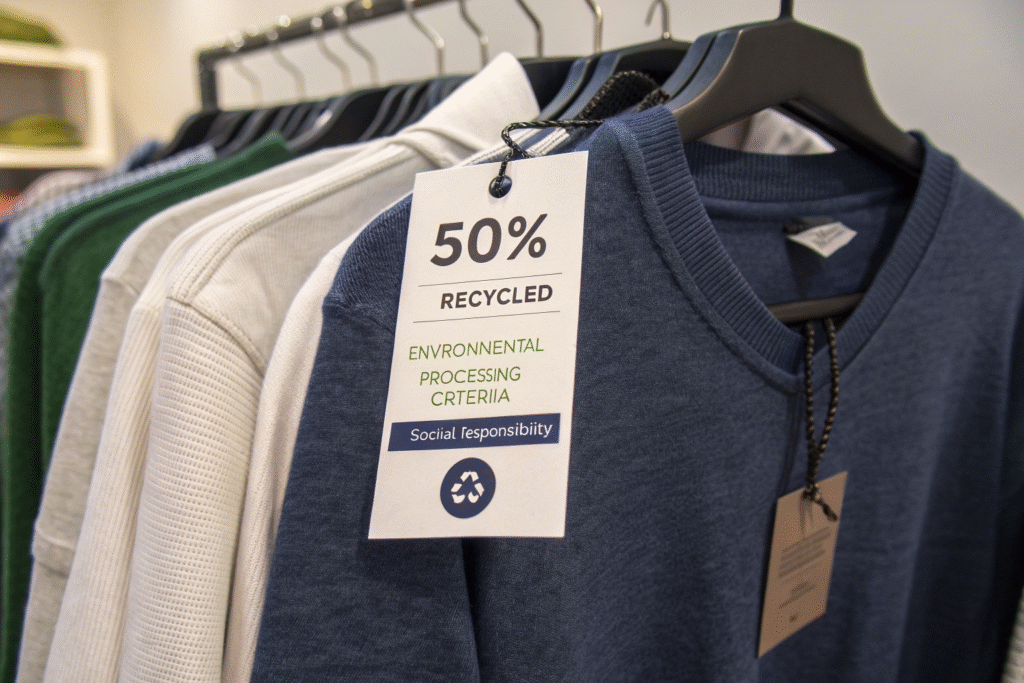
The recycled certification space has undergone significant consolidation, with GRS (Global Recycled Standard) emerging as the clear leader. Our data shows that requests for GRS certification from US buyers have increased by 300% since 2023, far outpacing other recycled standards. What’s driving this surge is the perfect alignment between what GRS verifies and what American consumers demand.
GRS tracks recycled content through the supply chain while also incorporating environmental processing criteria and social responsibility requirements. The standard specifically verifies the percentage of recycled content in the final product (20%, 50%, 95%, etc.), allowing brands to make precise marketing claims. This transparency is crucial in an environment where consumers are increasingly skeptical of vague "contains recycled materials" statements.
The standard covers both pre-consumer and post-consumer recycled content, with a preference for post-consumer as it addresses the waste stream more directly. We’re seeing particular demand for GRS-certified rPET (recycled polyester) fabrics, which have become the default choice for sustainable activewear and outerwear. The ability to trace recycled materials back to their source provides the storytelling opportunity that modern brands crave.
Why are brands combining GRS with other certifications?
The most sophisticated sustainability strategies now involve certification stacking. A typical combination we see is GRS for recycled content plus Oeko-Tex Standard 100 for chemical safety. This addresses both the circular economy angle and product safety concerns. For example, a New York fashion brand we supply uses GRS-certified recycled polyester with Oeko-Tex certification for their entire collection, allowing them to market both the environmental and safety benefits comprehensively.
How does RCS differ from GRS, and why does it matter?
The Recycled Claim Standard (RCS) is GRS’s little brother—it verifies recycled content but doesn’t include the environmental and social criteria. While RCS is less expensive to implement, we’re seeing a clear migration toward GRS among serious sustainability players. The additional requirements of GRS provide more comprehensive brand protection and storytelling opportunities. Understanding the key differences between GRS and RCS certification systems helps brands choose the right standard for their specific needs and budget.
What emerging certifications are gaining importance this year?
Beyond the established players, several newer certifications are appearing on US buyers’ radars with surprising frequency. These often address specific niche concerns that the major standards don’t fully cover, representing the next wave of textile sustainability.
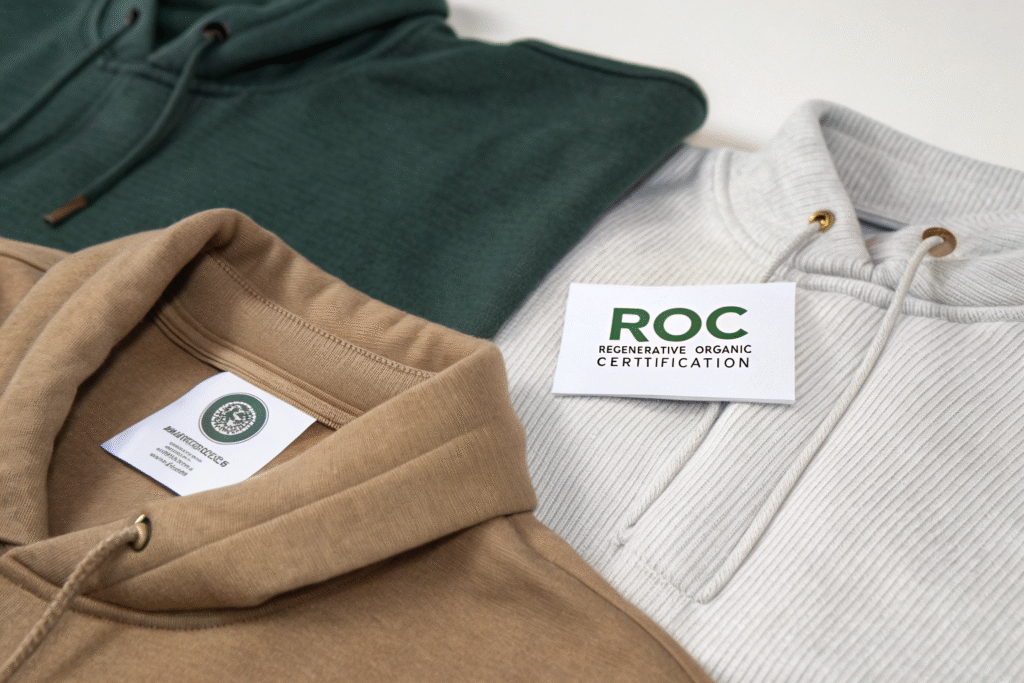
The Regenerative Organic Certification (ROC) is generating significant buzz, particularly among premium brands. While still in early adoption phases, we’ve received multiple inquiries about ROC-capable supply chains from California-based sustainable brands. ROC goes beyond "sustainable" to "regenerative," focusing on rebuilding soil health, improving animal welfare, and increasing social fairness. The standard builds upon existing organic certifications like USDA Organic and GOTS, adding additional regenerative and welfare criteria.
Blue Sign and C2C (Cradle to Cradle) are also gaining traction among technical and performance apparel brands. These standards focus on eliminating harmful substances from the entire manufacturing process rather than just testing the final product. While more complex to implement, they represent the cutting edge of manufacturing responsibility. We invested in Blue Sign certification for our dyeing partner last year, and it has become a significant competitive advantage when bidding for contracts with premium outdoor brands.
Why are biodiversity certifications becoming relevant?
2025 is seeing the rise of biodiversity as a key sustainability metric. Certifications like The Biodiversity Standard assess a company’s impact on ecosystems throughout its operations. While still emerging, we’re seeing forward-thinking brands beginning to ask about biodiversity protection in their sourcing decisions. This aligns with the upcoming COP16 focus on biodiversity and represents what I believe will be the next major wave in textile sustainability.
How are digital traceability systems complementing traditional certifications?
Physical certifications are now being augmented by digital traceability platforms like TextileGenesis and Eon Group’s CircularID. These systems create digital twins of physical products, allowing consumers to scan a QR code and see the product’s journey from raw material to retail. We’re piloting this technology with several American brands, and the early consumer engagement data is impressive—scan rates exceeding 15% for products with these digital passports. The future lies in this combination of physical certification and digital verification.
Conclusion
The US certification landscape in 2025 is characterized by sophistication, specificity, and stacking. GOTS remains the gold standard for organic claims, Oeko-Tex Standard 100 has become the baseline for product safety, and GRS leads for recycled content. However, the most forward-thinking brands are combining these with emerging standards for regeneration, biodiversity, and digital traceability to create comprehensive sustainability stories.
What’s clear is that certifications have evolved from nice-to-have marketing tools to essential business requirements that affect purchasing decisions, compliance, and brand reputation. The question is no longer whether to certify, but which combination of certifications will deliver the most value for your specific market segment and sustainability goals.
If you’re navigating this complex certification landscape and need a supplier who understands both the technical requirements and strategic implications of each standard, let’s talk. We’ve helped dozens of American brands build certified sustainable collections that resonate with today’s conscious consumers while meeting regulatory requirements. Contact our Business Director, Elaine, at elaine@fumaoclothing.com to discuss how we can help you select and implement the right certification strategy for your brand.