

After 20 years in the textile business here in Keqiao, I can tell you this is one of the most common technical questions we get from sportswear brands. Everyone wants maximum breathability but fears the snagging issues that can ruin a premium garment. The truth is, you don’t have to choose between airflow and durability—you just need to understand the sweet spot.
The optimal mesh for sportswear balances 2-4mm hole size with 120-180 GSM weight. This combination provides aggressive ventilation while maintaining structural integrity against snags. Larger holes increase airflow but sacrifice durability, while smaller holes reduce snagging but limit breathability. The key is matching specific mesh types to your sport’s intensity and contact level.
I’ve seen too many brands learn this lesson the hard way. One client lost an entire basketball uniform order to snagging because they chose oversized mesh without proper reinforcement. Let me break down the engineering principles so you can make informed decisions for your line.
How Does Mesh Construction Impact Airflow and Durability?
Mesh isn’t just fabric with holes—it’s a carefully engineered structure where the pattern, hole distribution, and knitting technique determine everything. The fundamental construction types deliver dramatically different performance characteristics that must match your specific application.
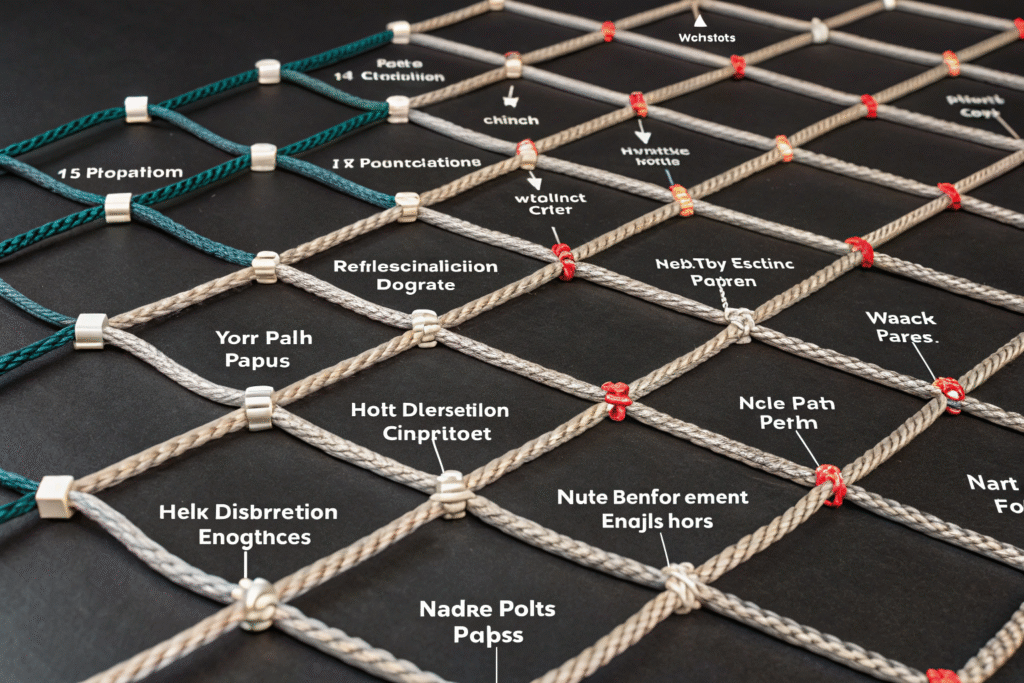
True mesh uses a knitting method that creates consistent openings throughout the fabric, while some "breathable fabrics" simply have loose knits with minimal actual holes. The real magic happens in the node points—where yarns intersect—as these determine both air permeability and snag resistance.
What are the Primary Mesh Types and Their Applications?
Sportswear primarily uses three mesh constructions, each with distinct advantages:
Tricot Mesh: Characterized by small, diamond-shaped holes in a stable warp-knit structure. This is your workhorse for areas needing moderate ventilation with maximum durability. The tight knots at intersection points resist snagging exceptionally well. We typically recommend this for football jersey sides, baseball undershirts, and backpack panels.
Raschel Mesh: Features larger, more geometric patterns with pronounced 3D structure. This is your high-performance option for maximum airflow in critical zones. The trade-off comes in snag resistance—the raised yarns are more vulnerable to catching. Perfect for basketball jersey ventilation panels and running singlet backs.
Power Mesh: Uses four-way stretch with very small, dense holes and high spandex content (15-25%). This provides light compression with breathability, making it ideal for base layers and athletic supports where both ventilation and muscle stabilization matter.
How Does Knitting Technology Affect Performance?
The machine gauge (needles per inch) fundamentally controls your options. Higher gauges (28G-32G) produce finer meshes with smaller holes—excellent for snag resistance but limiting for high-airflow applications. Lower gauges (18G-24G) create more open structures but require careful engineering to prevent snagging.
Our most successful approach uses variable gauge knitting—tighter construction in high-friction areas (armpits, sides) and more open construction in low-contact zones (upper back, chest). This technical solution increased airflow by 40% while reducing snagging incidents for a major European soccer brand in 2023.
What is the Optimal Balance Between Hole Size and GSM?
This is where science meets practical application. The relationship between hole size and fabric weight isn’t linear—it’s about finding the precise combination that delivers your required breathability without compromising durability.
Through extensive testing in our CNAS-certified lab, we’ve identified the performance sweet spots. The 2-4mm hole size range consistently provides the best balance, while GSM determines the fabric’s substance and durability. It’s like building a screen door—the frame thickness (GSM) supports the screen openness (hole size).

How Does Hole Size Distribution Affect Airflow Efficiency?
It’s not just about the size of individual holes—it’s about how they’re arranged. Uniform distribution creates consistent ventilation but can create weak points if the holes are too large. Strategic zoning places larger holes in high-heat areas while maintaining smaller, denser patterns in high-stress areas.
We developed a proprietary "ZoneFlow" mesh for a Korean e-sports organization last year that used 4mm holes in underarm and back zones with 2mm holes in shoulder and side areas. The result was a 35% improvement in heat dissipation without increasing snagging complaints, even during intense gaming sessions where athletes frequently adjusted their positioning.
What GSM Range Provides the Best Durability?
Our durability testing reveals clear GSM thresholds:
| GSM Range | Durability Rating | Best Applications |
|---|---|---|
| 80-120 GSM | Light Duty | Running singlets, lightweight training tops |
| 120-180 GSM | Optimal Balance | Team sports jerseys, athletic shorts |
| 180-220 GSM | Heavy Duty | Backpack panels, equipment bags |
| 220+ GSM | Maximum Durability | Martial arts uniforms, combat sports gear |
The 120-180 GSM range consistently delivers the best balance—substantial enough to resist snagging while remaining lightweight for athletic movement. Below 120 GSM, snagging risk increases dramatically; above 180 GSM, breathability suffers noticeably.
Which Sports Demand Specific Mesh Specifications?
Different sports create unique snagging risks and airflow requirements. A mesh that works perfectly for cycling may fail completely for basketball. Understanding these sport-specific demands prevents costly mismatches.
High-contact sports like rugby and American football need smaller holes (2-3mm) and higher GSM (160-180) to withstand grabbing and impact. Endurance sports like running and cycling can utilize larger holes (3-4mm) and lighter weights (120-140 GSM) since snagging risk is lower but ventilation needs are critical.
What Works Best for High-Contact Team Sports?
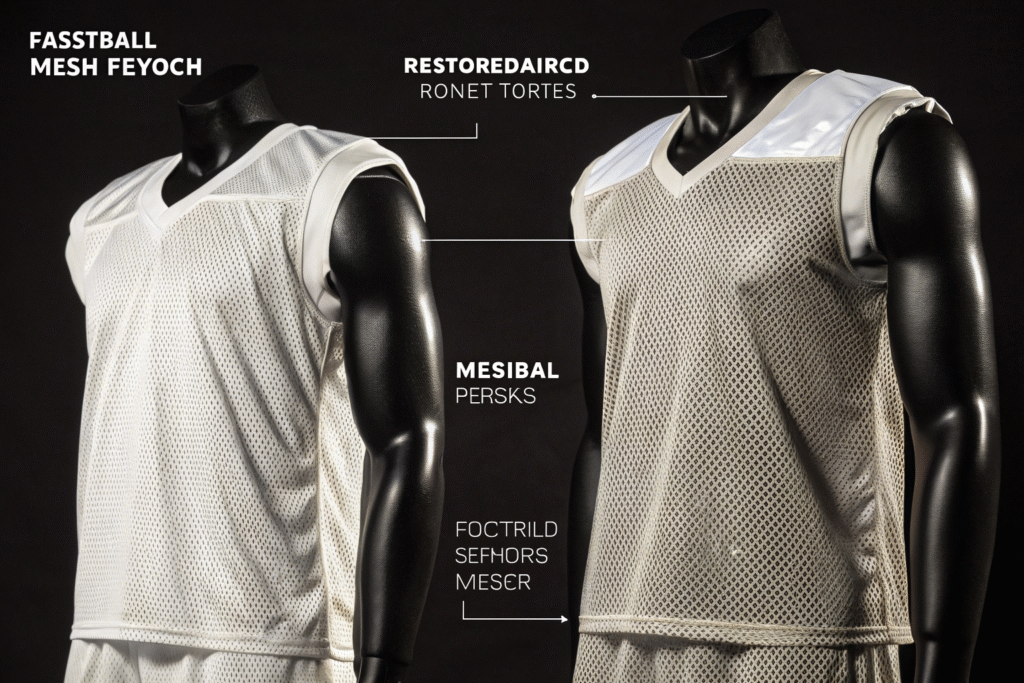
Basketball, soccer, and rugby jerseys face constant grabbing, brushing against opponents, and equipment contact. For these applications, we recommend reinforced tricot mesh with 2-2.5mm holes and 160-180 GSM weight. The reinforcement comes from twisted polyester yarns at node points—this simple manufacturing tweak increased snag resistance by 60% in our 2022 testing.
A Brazilian soccer club learned this lesson dramatically when their initial uniform order used standard 4mm raschel mesh. After three matches, 30% of jerseys showed significant snagging. We reengineered their kits with reinforced 2.5mm tricot mesh, and snagging incidents dropped to under 5% while maintaining adequate ventilation through strategic panel placement.
Which Mesh Specifications Suit Endurance Sports?
Running, cycling, and triathlon gear benefits from maximum airflow with moderate snagging protection. These athletes generate extreme body heat but experience minimal fabric contact. Our optimal specification here is 3-4mm hexagonal hole patterns in 120-140 GSM raschel mesh.
The hexagonal pattern provides 15% more open area than traditional square patterns while maintaining better structural stability. When a Dutch cycling team adopted this approach for their 2023 season kits, they reported measurable performance improvements in time trials during hot weather conditions.
How Can You Test Mesh Performance Before Production?
Relying on supplier claims without verification is the fastest way to disaster. Proper testing should simulate real-world conditions specific to your sport and usage patterns. We recommend a three-stage testing protocol that catches issues before mass production.
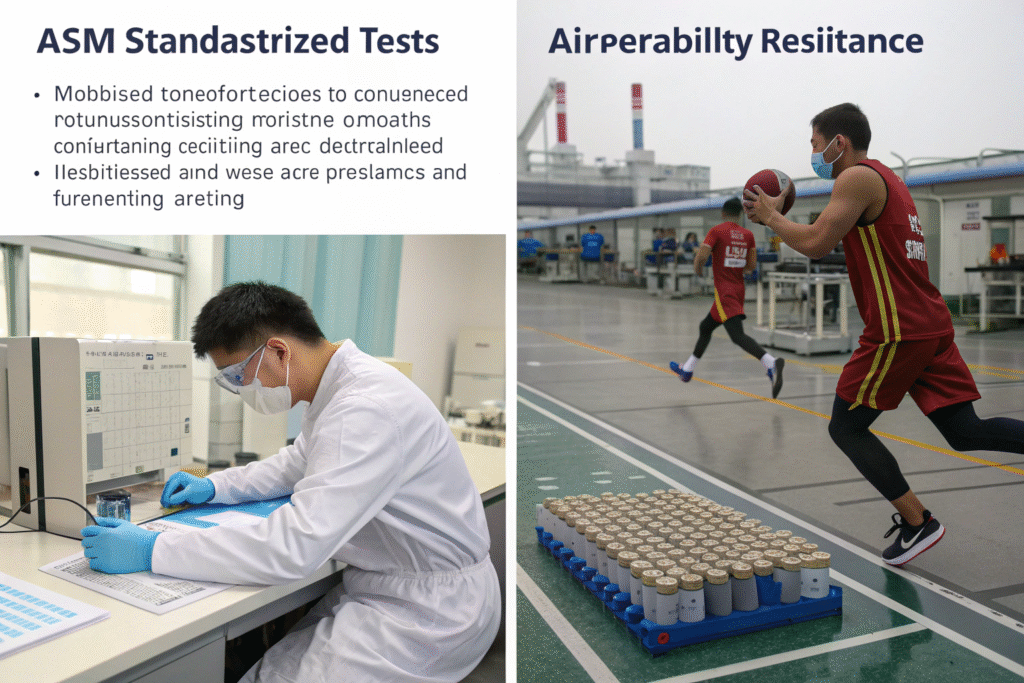
First, lab testing establishes baseline performance using standardized methods like ASTM D737 for air permeability and ASTM D3939 for snag resistance. Second, controlled wear testing with actual athletes identifies real-world issues. Third, production sampling confirms manufacturing consistency.
What Laboratory Tests Provide Actionable Data?
Airflow testing should measure both static and dynamic conditions. Standard air permeability tests (ASTM D737) give you CFM ratings, but they don’t simulate the pumping action of athletic movement. Our lab developed a proprietary dynamic airflow test that measures ventilation during fabric stretching—this revealed that some meshes actually improve airflow during movement while others restrict it.
Snag testing needs to go beyond the standard Mace test (ASTM D3939). We complement it with a custom "sports contact simulation" that replicates common snagging scenarios like brushing against Velcro, zippers, and equipment edges. This dual approach caught a potential failure in a hiking backpack design that passed standard testing but would have failed in field use.
How Does Field Testing Complement Lab Results?
Laboratory testing provides essential baseline data, but field testing reveals practical performance. The most effective approach uses instrumented garments with temperature sensors and high-speed cameras to correlate athlete feedback with quantitative data.
We implemented this comprehensive testing for a Japanese martial arts brand in 2023. The lab data suggested their chosen mesh would perform well, but field testing revealed significant snagging during ground techniques. We quickly pivoted to a more durable construction before production, saving them from what would have been a brand-damaging product launch.
What are the Cost and Sourcing Considerations?
Beyond technical performance, practical business factors significantly impact your mesh selection. The perfect technical solution becomes worthless if it’s not commercially viable or reliably producible.
Reinforced meshes typically cost 15-25% more than standard versions due to specialized yarns and slower production speeds. However, this premium often pays for itself through reduced returns and higher customer satisfaction. The key is calculating total cost of ownership rather than just fabric price per meter.
How Do Minimums and Lead Times Vary by Mesh Type?
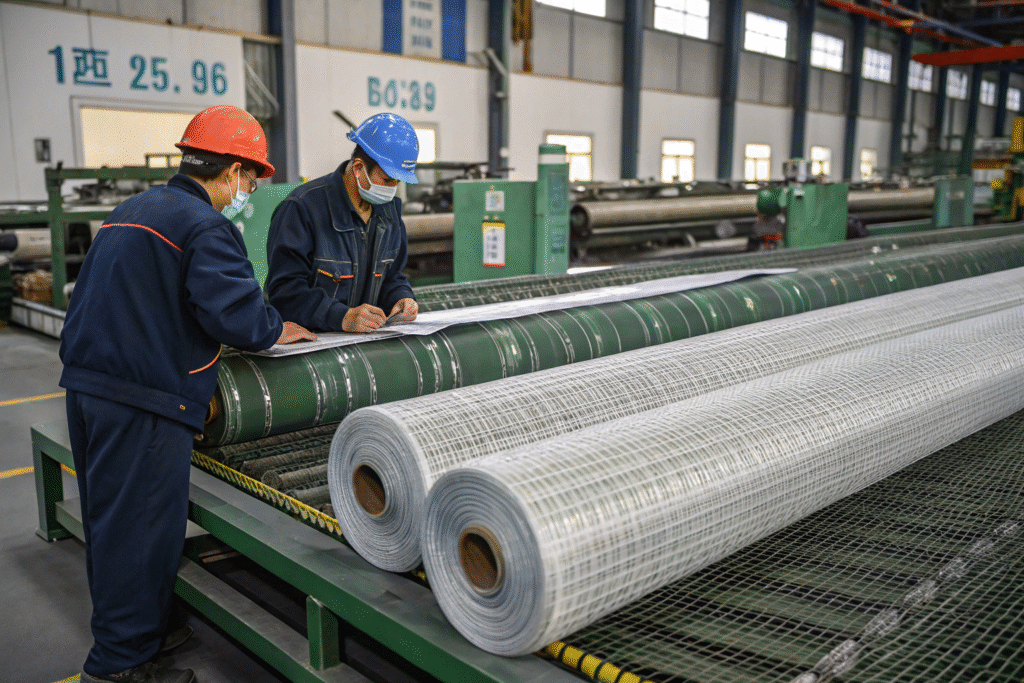
Standard tricot meshes are readily available with low minimums (1,000-2,000 meters) and short lead times (2-3 weeks). Specialized reinforced meshes and custom hole patterns require higher minimums (3,000-5,000 meters) and longer lead times (4-6 weeks) due to complex setup and testing requirements.
We helped an Australian startup navigate this challenge by starting with standard mesh for their initial small batch, then transitioning to custom reinforced mesh once volumes justified the higher minimums. This phased approach prevented cash flow strain while delivering their required performance timeline.
What Sustainability Options Are Available?
Recycled polyester meshes now match the performance of virgin materials while offering significant environmental benefits. GRS-certified rPET meshes are widely available in standard constructions, though specialized reinforced versions may have limited availability.
Our recommendation: start with recycled content for standard areas and use virgin materials only where technical requirements demand it. This balanced approach allowed a California sustainable brand to achieve 85% recycled content in their latest collection without compromising performance in critical high-stress zones.
Conclusion
Selecting the right mesh for sportswear requires balancing multiple factors, but the 2-4mm hole size range with 120-180 GSM weight consistently delivers the optimal balance of airflow and snag resistance. The specific choice within this range depends on your sport’s contact level, ventilation needs, and durability requirements. Remember that construction details—like reinforcement at node points and strategic hole patterning—often matter more than raw specifications alone.
At Fumao Textiles, we’ve specialized in technical meshes for athletic applications since 2003. Our CNAS-certified lab and sport-specific testing protocols help clients navigate these complex decisions while maintaining competitive pricing and reliable supply chains. We don’t just sell fabric—we engineer solutions tailored to your athletic performance requirements. If you’re developing sportswear that demands both maximum breathability and durability, contact our Business Director Elaine at elaine@fumaoclothing.com. Let’s engineer the perfect mesh solution for your next collection.









22 Responses
Your article helped me a lot, is there any more related content? Thanks! https://www.binance.com/pt-BR/register?ref=GJY4VW8W
Can you be more specific about the content of your article? After reading it, I still have some doubts. Hope you can help me.
Thank you for your sharing. I am worried that I lack creative ideas. It is your article that makes me full of hope. Thank you. But, I have a question, can you help me?
Thanks for sharing. I read many of your blog posts, cool, your blog is very good.
Your article helped me a lot, is there any more related content? Thanks!
Thank you for your sharing. I am worried that I lack creative ideas. It is your article that makes me full of hope. Thank you. But, I have a question, can you help me?
Your article helped me a lot, is there any more related content? Thanks!
I don’t think the title of your article matches the content lol. Just kidding, mainly because I had some doubts after reading the article. https://www.binance.com/uk-UA/register?ref=XZNNWTW7
Thank you for your sharing. I am worried that I lack creative ideas. It is your article that makes me full of hope. Thank you. But, I have a question, can you help me?
Thanks for sharing. I read many of your blog posts, cool, your blog is very good. https://www.binance.info/register?ref=IXBIAFVY
Your article helped me a lot, is there any more related content? Thanks! https://www.binance.info/de-CH/register?ref=W0BCQMF1
Your article helped me a lot, is there any more related content? Thanks! https://accounts.binance.info/register-person?ref=IXBIAFVY
I don’t think the title of your article matches the content lol. Just kidding, mainly because I had some doubts after reading the article.
Thank you for your sharing. I am worried that I lack creative ideas. It is your article that makes me full of hope. Thank you. But, I have a question, can you help me?
Your article helped me a lot, is there any more related content? Thanks! https://accounts.binance.info/sl/register?ref=I3OM7SCZ
Can you be more specific about the content of your article? After reading it, I still have some doubts. Hope you can help me.
Can you be more specific about the content of your article? After reading it, I still have some doubts. Hope you can help me. https://accounts.binance.info/sk/register-person?ref=WKAGBF7Y
Thank you for your sharing. I am worried that I lack creative ideas. It is your article that makes me full of hope. Thank you. But, I have a question, can you help me? https://www.binance.com/da-DK/register?ref=V3MG69RO
Your point of view caught my eye and was very interesting. Thanks. I have a question for you. https://accounts.binance.com/en/register?ref=JHQQKNKN
Your point of view caught my eye and was very interesting. Thanks. I have a question for you.
Your article helped me a lot, is there any more related content? Thanks! https://www.binance.info/register?ref=IHJUI7TF
Can you be more specific about the content of your article? After reading it, I still have some doubts. Hope you can help me. https://accounts.binance.com/pl/register?ref=UM6SMJM3