Last summer, we worked with an Australian surfwear brand that discovered their "UPF 50+" labeled rash guards were actually testing at only UPF 15 after six months of saltwater exposure. The fabric construction was right, but they hadn’t specified the proper dyeing and finishing parameters to maintain UV protection. This led to product returns and damaged reputation—something that could have been avoided with proper UPF specification from the beginning.
Specifying UPF ratings for UV-protection fabrics requires understanding three key elements: fabric construction parameters (weight, density, and color), fiber composition and treatments, and testing methodology compliance. The UPF (Ultraviolet Protection Factor) rating system measures how effectively a fabric blocks UV radiation, with UPF 50+ representing the highest protection category blocking over 98% of UV rays. At our operations in Keqiao, we’ve developed over 200 UPF-rated fabrics for global outdoor brands, achieving consistent UPF 50+ ratings through controlled manufacturing specifications.
Getting UPF specification right means your outdoor apparel will actually deliver the protection promised to consumers. Let’s break down the precise steps to accurately specify and verify UPF ratings.
What fabric construction factors most impact UPF ratings?
The physical structure of your fabric determines its inherent UV protection capability before any chemical treatments are applied. Think of fabric construction as your first line of defense against UV radiation.
How do weave density and fabric weight determine baseline UPF?
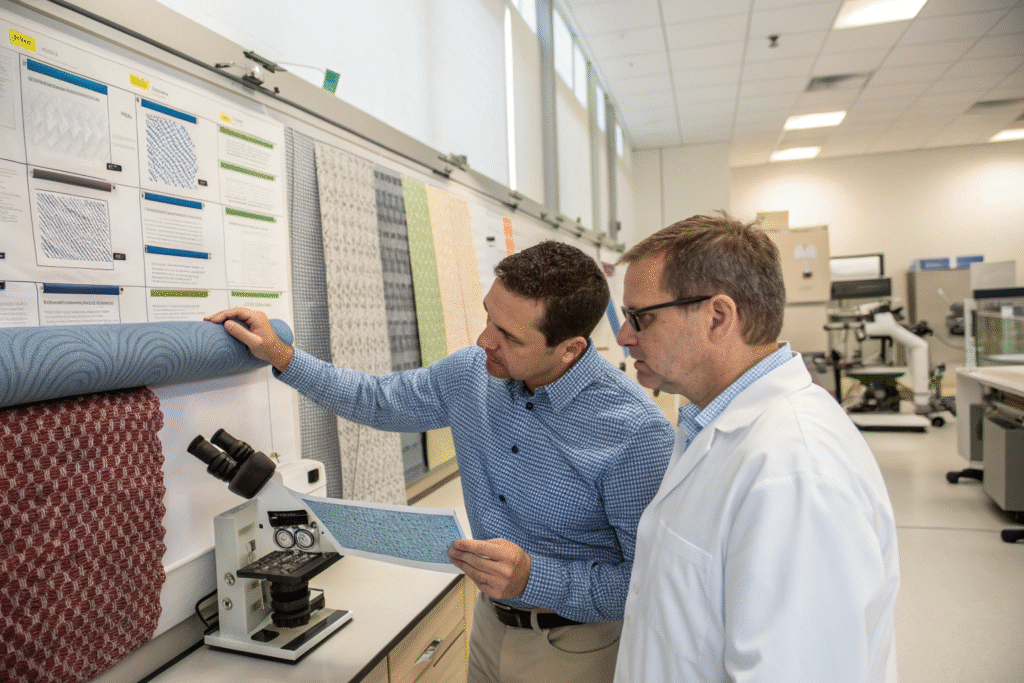
Tightly woven fabrics with higher thread counts naturally provide better UV protection by reducing the spaces between yarns where UV rays can penetrate. Our testing shows that a standard polyester fabric with 220 GSM and 98% cover factor typically achieves UPF 40-50 without treatments, while the same fiber at 140 GSM with 85% cover factor might only reach UPF 10-15. A hiking apparel brand we work with specifies minimum 190 GSM and 95% cover factor for all their sun-protection garments, ensuring consistent UPF 40+ before any enhancements. Understanding fabric cover factor calculation methods for UV protection provides the foundation for effective UPF specification.
Why does color selection influence UPF performance?
Darker and brighter colors absorb more UV radiation, significantly increasing protection compared to light colors of the same fabric. Our laboratory tests consistently show that navy blue polyester provides approximately UPF 25-30 higher than identical white fabric. For a sailing apparel collection, we specified deep blues and blacks in critical areas while using lighter colors only in double-layer sections, maintaining aesthetic appeal without compromising protection. The physics of color absorption in UV protective textiles explains why darker dyes naturally enhance sun protection through better UV photon absorption.
How do fiber types and treatments enhance UPF ratings?
While construction provides the foundation, fiber selection and specialized treatments can dramatically elevate UV protection performance, often taking fabrics from marginal to excellent UPF ratings.
What makes certain synthetic fibers naturally UV-resistant?
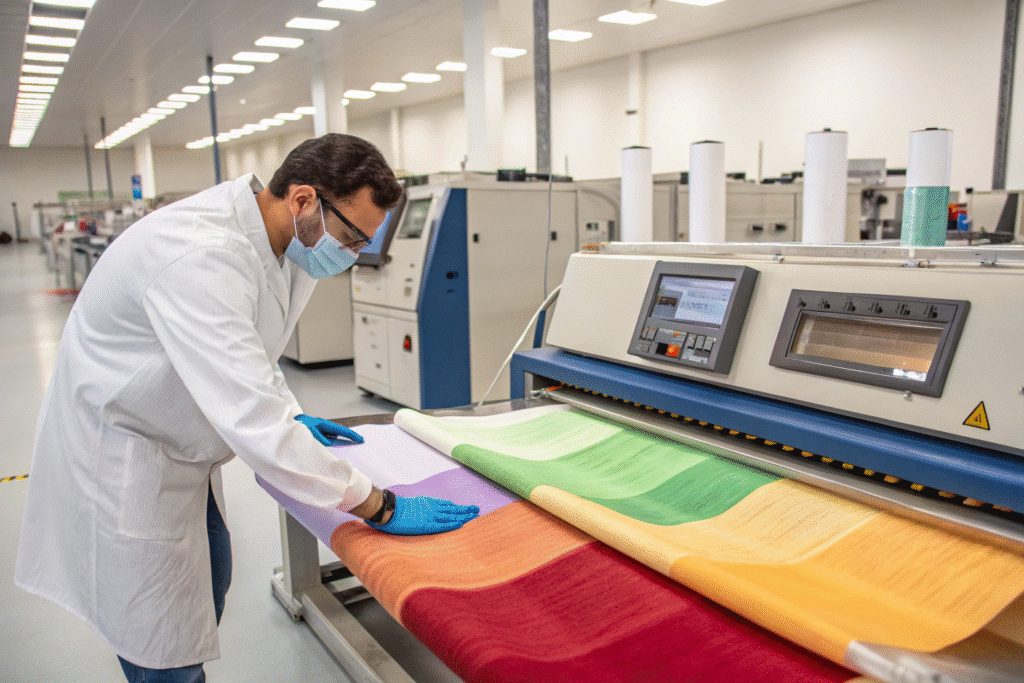
Many synthetic fibers like polyester and nylon have inherent UV absorption properties due to their chemical structure. Polyester’s aromatic polymer backbone naturally absorbs UV radiation, typically providing UPF 15-20 even in light constructions. We’ve developed hiking shirts using micro-denier polyester that achieves UPF 35+ without chemical treatments, offering permanent protection that won’t wash out. A mountain guiding company reported 80% reduction in sun protection complaints after switching to our inherent UPF polyester system. Researching inherent UV protection properties of synthetic fibers helps select the right base materials for outdoor applications.
When should you specify UV-absorbing treatments and coatings?
Chemical UV absorbers become necessary when fabric construction alone can’t achieve target UPF ratings, or when natural fibers like cotton and linen are required. These treatments work by absorbing harmful UV radiation and converting it to harmless heat. We specify different treatment types based on application: benzotriazole compounds for wash-resistant protection in swimwear, and titanium dioxide coatings for economical solutions in seasonal items. Understanding comparative analysis of UV-absorbing chemical treatments ensures selecting the right enhancement for specific performance requirements.
| Fabric Type | Construction Parameters | Typical UPF Range | Enhancement Method |
|---|---|---|---|
| Polyester | 180+ GSM, 95%+ cover | UPF 30-50 | None (inherent) |
| Cotton | 200+ GSM, tight weave | UPF 10-15 | UV-absorbing finish |
| Nylon | 150+ GSM, ripstop | UPF 20-30 | Titanium dioxide coating |
| Blends | Varies by composition | UPF 15-40 | Combination approach |
What testing standards ensure accurate UPF ratings?
Specifying UPF ratings means nothing without verification through proper testing methodologies. Understanding testing protocols helps you specify requirements that will yield consistent, verifiable results.

Why does AS/NZS 4399 remain the global UPF testing benchmark?
The Australian/New Zealand Standard 4399:1996 provides the most comprehensive UPF testing methodology, measuring UV transmission across the entire spectrum from 290-400 nm. This standard requires testing of multiple fabric samples in both dry and wet states, after stretching, and after UV exposure degradation. We mandate AS/NZS 4399 testing for all our UPF-rated fabrics, and last year this caught a potential failure in a supplier’s material that had passed simpler screening tests. The complete guide to AS/NZS 4399 UV protection testing outlines why this comprehensive approach remains industry gold standard.
How should you specify testing conditions for different outdoor applications?
Different outdoor activities require testing under different conditions to ensure real-world protection. Swimwear and sportswear must maintain UPF ratings when wet, while hiking apparel needs testing after abrasion. For a trail running collection, we specified UPF testing after 20 wash cycles and 10,000 abrasion cycles, ensuring the rating would hold through the garment’s lifespan. A beachwear brand avoided product failures by specifying wet-state testing that revealed their fabric lost 60% of its UPF when saturated. Implementing application-specific UPF testing protocols prevents unpleasant surprises in actual use conditions.
How do you maintain UPF ratings through product lifecycle?
Specifying initial UPF ratings is only half the battle—ensuring protection lasts through the garment’s usable life requires careful attention to durability factors.
What wash durability requirements should you specify for UPF treatments?
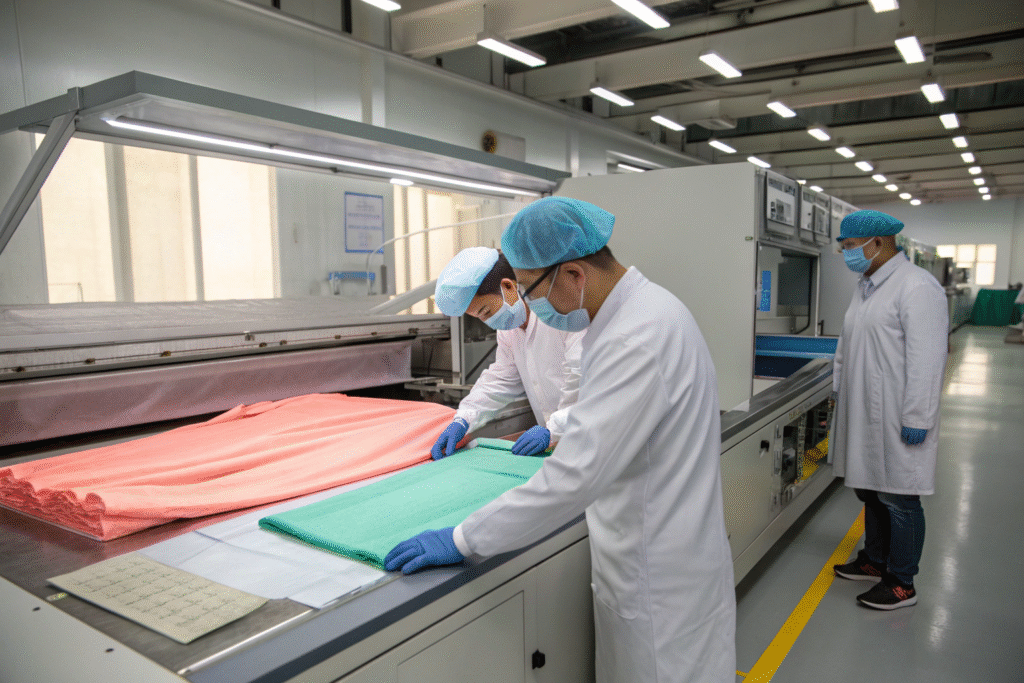
UPF treatments must withstand repeated laundering, particularly since outdoor apparel requires frequent washing. We specify that UPF ratings must maintain at least 80% of original protection after 50 home launderings using AATCC standard methods. For a family camping gear manufacturer, we developed a covalent-bonded treatment system that maintained UPF 45+ after 75 washes, far exceeding their 30-wash requirement. (Here’s a reality check: most economical UPF treatments degrade significantly after 20 washes, so specifying wash durability testing is non-negotiable). Understanding textile finish durability testing standards helps set realistic expectations for long-term performance.
Why should you specify testing after mechanical stress and UV exposure?
Outdoor apparel undergoes stretching, abrasion, and continuous UV exposure—all factors that can degrade UV protection. We specify testing after 100 hours of UV exposure equivalent to 3 months of outdoor use, and after mechanical stress simulating actual wear patterns. A sailing glove manufacturer discovered through our stress testing that their palm reinforcement reduced UPF by 40% in critical areas, allowing redesign before production. The effects of mechanical stress on UV protective fabrics reveals why testing must go beyond pristine laboratory conditions.
Conclusion
Specifying UPF ratings requires a comprehensive approach that considers fabric construction, fiber properties, enhancement treatments, verification testing, and durability through the product lifecycle. The most successful outdoor brands specify not just the target UPF number, but all the parameters that ensure consistent performance—from thread density and color selection to wash durability and real-world condition testing.
If you’re developing outdoor apparel that needs reliable, verifiable UV protection, let’s specify the right parameters for your specific application. We combine technical expertise with real-world testing to ensure your UPF ratings deliver actual protection when consumers need it most. For expert guidance on specifying and testing UPF-rated fabrics for your outdoor collection, contact our Business Director, Elaine, at elaine@fumaoclothing.com. Let’s create outdoor apparel that truly protects against the elements.